

Human Computer Interaction Research in Web Design and Evaluation by Panayiotis Zaphiris – A Comprehensive Guide to HCI T
Inclusive of all applicable taxes. FREE shipping on all orders.
Available Offers
- 🚚Free Delivery — Free shipping on all orders
- 💵Cash on Delivery — Pay when your order arrives
- ↩️15-Day Easy Returns — Hassle-free return policy
- 🔒Cash on Delivery — Pay safely when your order arrives
Check Delivery
Product Description
Introduction
In an increasingly digital world, the success of any website hinges on how well it serves its users. For students, researchers, and professionals in India and beyond, understanding the delicate interplay between human behavior and web design is essential. Human Computer Interaction Research in Web Design and Evaluation, edited by Panayiotis Zaphiris, offers a rigorous yet accessible exploration of this dynamic field. Published by Idea Group Publishing, this hardcover volume brings together cutting-edge research from academia and industry, making it an indispensable resource for anyone serious about creating user-centered web experiences.
Book Overview
This book systematically bridges the gap between theoretical foundations of human-computer interaction (HCI) and practical web design. It does not merely list principles; it delves into how HCI methods can be applied to design, test, and refine websites that are intuitive, inclusive, and effective. From cognitive models to cultural considerations, the text covers the full spectrum of factors that influence user interaction. Whether you are designing an e-commerce platform, a government portal, or an educational site, the insights within these pages will help you craft interfaces that truly resonate with diverse audiences.
Key Highlights
- Comprehensive Coverage: Spans theories, analysis, design, and evaluation in a single, cohesive volume.
- Practical Focus: Emphasizes actionable methods from HCI that can be applied directly to web projects.
- Global Perspective: Includes social and cultural issues, making it relevant for designing for the wide and varied Indian user base.
- Expert Contributors: Features research from leading academics and seasoned industry professionals.
Inside the Book
The book is structured to guide the reader from foundational concepts to advanced evaluation techniques. Early chapters establish the cognitive and perceptual foundations of user behavior, while later sections dive into specific methodologies such as usability testing, heuristic evaluation, and eye-tracking studies. Real-world case studies illustrate how these methods play out in practice, and each chapter concludes with thought-provoking questions and references for further study. The inclusion of social and cultural dimensions ensures that designers learn to create websites that are not only functional but also respectful and engaging for users from different backgrounds.
Key Topics
- User-centered design principles and processes
- Usability heuristics and their application to web interfaces
- Accessibility standards and inclusive design practices
- Cultural and social factors in web interaction
- Quantitative and qualitative evaluation methods
- Information architecture and navigation design
- Mobile and cross-platform considerations
- Emerging trends in HCI research
Reader Benefits
By engaging with this book, readers will gain the confidence to approach web design as a scientific yet creative discipline. They will learn to identify usability issues before they affect real users, justify design decisions with empirical evidence, and create interfaces that reduce frustration and enhance satisfaction. For students, this book provides a strong foundation for academic projects and dissertations. For professionals, it offers proven techniques to improve existing workflows and deliver better digital products. Researchers will find a wealth of methodologies and references to support their own investigations.
Learning Outcomes
- Understand core HCI theories and how they inform web design.
- Apply usability evaluation methods to assess and improve websites.
- Design for diverse users, including those with disabilities and from different cultural backgrounds.
- Analyze user behavior using both quantitative and qualitative data.
- Integrate HCI research findings into practical design and development cycles.
Who Should Read
This book is ideal for undergraduate and postgraduate students in computer science, information technology, and human-computer interaction programs. It is equally valuable for web designers, user experience (UX) professionals, product managers, and software engineers who wish to deepen their understanding of user research. Educators teaching courses on web design, usability engineering, or HCI will find it a robust textbook. Additionally, anyone involved in creating digital interfaces—from startups to large enterprises—will benefit from the evidence-based approaches presented here.
About the Author
Panayiotis Zaphiris is a distinguished researcher and educator in the field of human-computer interaction. With a career spanning academia and industry, he has contributed extensively to the study of web usability, assistive technologies, and user experience design. His work is widely cited and has influenced contemporary practices in accessible and inclusive web design. Dr. Zaphiris brings both scholarly rigor and practical wisdom to this edited volume, ensuring that each chapter meets high standards of relevance and reliability.
About the Publisher
Idea Group Publishing is a respected academic publisher known for disseminating cutting-edge research in information science, technology, and management. Their publications are used by universities, libraries, and professionals around the world. With a commitment to quality and innovation, Idea Group Publishing ensures that books like Human Computer Interaction Research in Web Design and Evaluation reach readers who need them most.
Conclusion
In a marketplace where user experience can make or break a digital product, this book is a timely and thorough guide. Human Computer Interaction Research in Web Design and Evaluation equips readers with the knowledge and tools to design websites that are not only visually appealing but also deeply responsive to human needs. Whether you are a student building your expertise or a professional refining your craft, this hardcover edition deserves a place on your shelf. Order your copy from Bookshops.in today and take a decisive step toward mastering the art and science of user-centered web design.
Quick Summary
Human Computer Interaction Research in Web Design and Evaluation is a comprehensive academic and professional resource that bridges the gap between HCI theory and practical web design. Edited by Panayiotis Zaphiris, this book brings together contributions from leading researchers and industry experts, covering everything from foundational HCI theories to advanced evaluation methods. It emphasizes the human aspect of web design, including social and cultural considerations, making it invaluable for designing websites that cater to diverse audiences, including Indian users. Readers will learn about user-centered design, usability testing, heuristic evaluation, eye tracking, and information architecture. The book is ideal for students, UX researchers, web developers, and academics seeking to apply HCI principles to create more effective and inclusive web experiences. By purchasing from Bookshops.in, you get a genuine hardcover edition with fast delivery across India, supporting a trusted local bookstore.
Book Highlights
Book Specifications
| ISBN-13 | 9781599042466 |
| ISBN-10 | 1599042460 |
| Publisher | IGI Publishing |
| Language | English |
| Dimensions | 17.78 x 2.54 x 25.4 cm |
| Weight | 816 g |
| Country | India |
| Category | Computer Science › Graphics & Visualization |
| Genre | Non-fiction |
| Original Language | English |
Frequently Asked Questions
What is this book about?
Who is the author?
Is this book suitable for beginners?
What topics are covered?
Does it include case studies?
Is this book relevant for Indian readers?
What is the ISBN?
Is this a textbook?
What is the price?
Can I use this for professional web design?
Does it cover accessibility?
What language is it in?
Where can I buy it?
Readers Also Search For
Customers Also Bought
Computer Science
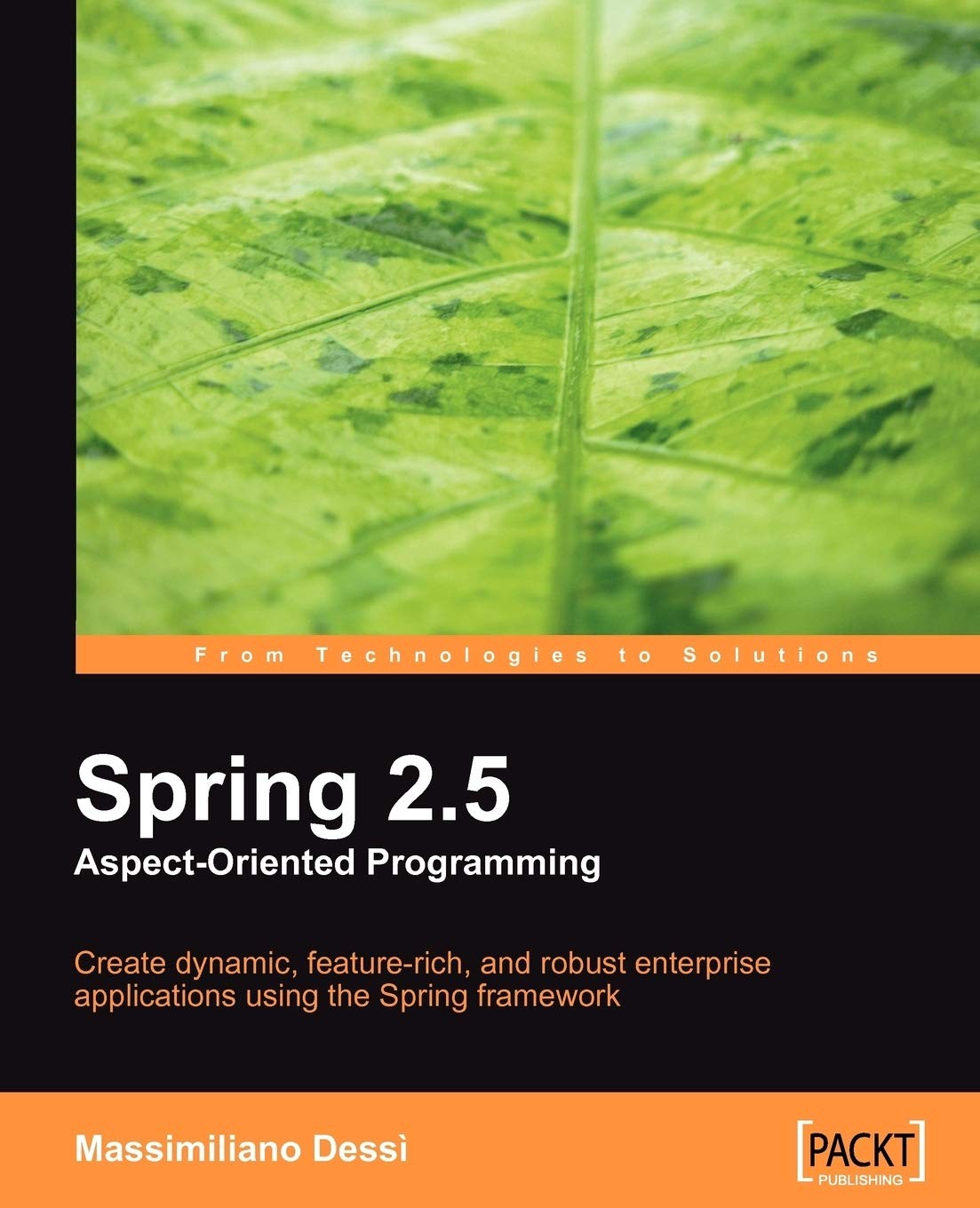
Spring 2.5 Aspect Oriented Programming (English, Massimiliano Dess� | Massimiliano Dessi)

Computer Science
Asterisk 1.4 - the Professional's Guide (English, Colman Carpenter | David Duffett | Nik Middleton)

Computer Science
Advances In Natural Language Processing: 4th International Conference, Estal 2004, Alicante, Spain, October 20-22, 2004. Proceedings: 3230 (Lecture Notes in Computer Science)

Computer Science
Multimedia, Communication and Computing Application: Proceedings of the 2014 International Conference on Multimedia, Communication and Computing ... 2014), Xiamen, China, October 16-17, 2014

Computer Science
Cases on Database Technologies and Applications (Cases on Information Technology Series)

Computer Science
ASP.Net 3.5 Social Networking (English, Andrew Siemer)
Related Products
View AllComputer Science
Spring 2.5 Aspect Oriented Programming (English, Massimiliano Dess� | Massimiliano Dessi)
Computer Science
Asterisk 1.4 - the Professional's Guide (English, Colman Carpenter | David Duffett | Nik Middleton)
Computer Science
Advances In Natural Language Processing: 4th International Conference, Estal 2004, Alicante, Spain, October 20-22, 2004. Proceedings: 3230 (Lecture Notes in Computer Science)
Computer Science
Multimedia, Communication and Computing Application: Proceedings of the 2014 International Conference on Multimedia, Communication and Computing ... 2014), Xiamen, China, October 16-17, 2014
Computer Science
Cases on Database Technologies and Applications (Cases on Information Technology Series)
Computer Science