
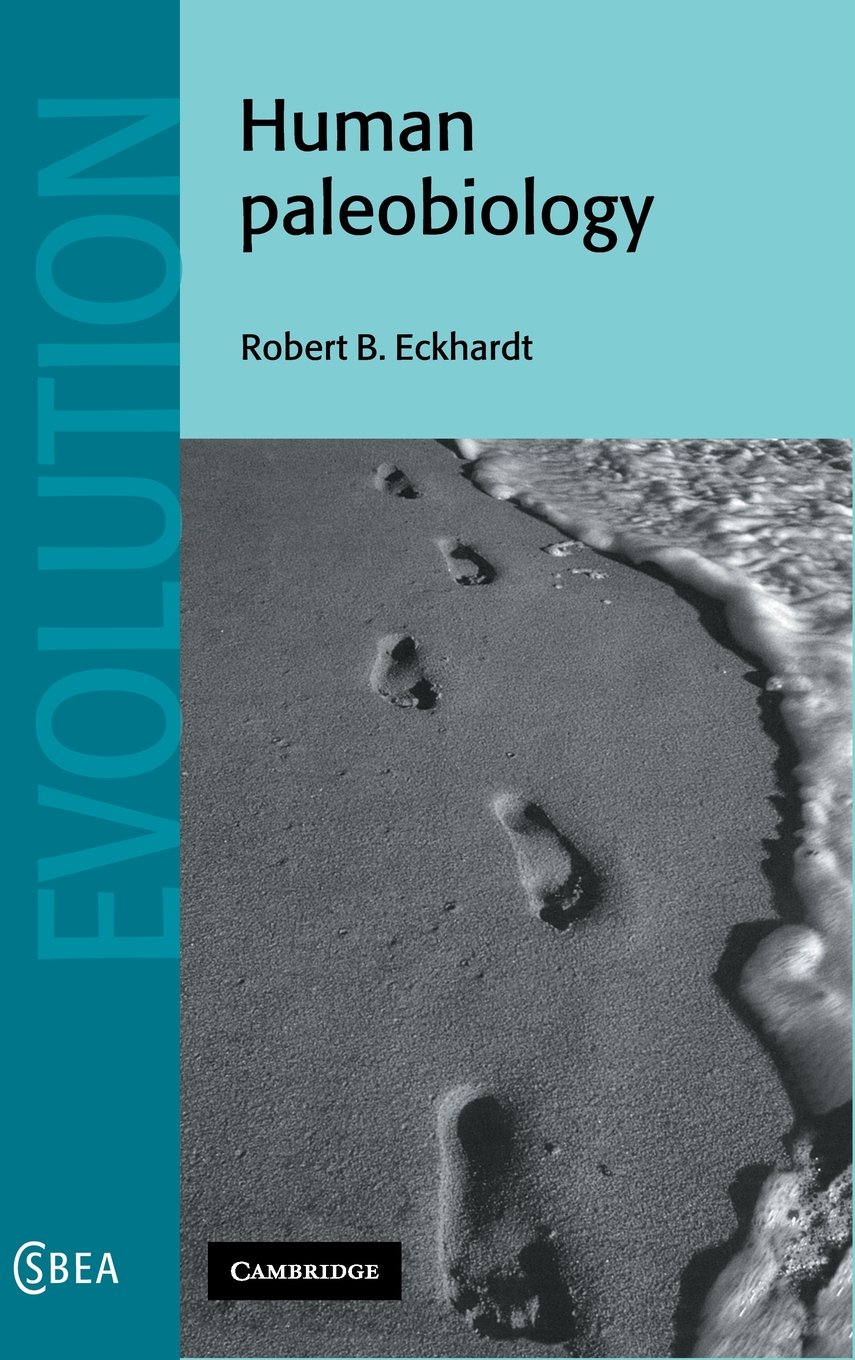
Human Paleobiology: An Integrative Approach to Human Evolution and Adaptation by Robert B. Eckhardt
Inclusive of all applicable taxes. FREE shipping on all orders.
Available Offers
- 🚚Free Delivery — Free shipping on all orders
- 💵Cash on Delivery — Pay when your order arrives
- ↩️15-Day Easy Returns — Hassle-free return policy
- 🔒Cash on Delivery — Pay safely when your order arrives
Check Delivery
Product Description
Introduction
Human Paleobiology by Robert B. Eckhardt is a landmark work that bridges the gap between the study of ancient human remains and the biological processes observable in living populations. Published by Cambridge University Press, this hardcover volume offers a comprehensive, interdisciplinary perspective on how human populations have adapted to changing environments over millennia. For Indian students and researchers in anthropology, paleontology, and evolutionary science, this book serves as an essential resource that connects past and present human biology in a single, coherent framework.
Book Overview
This book presents a unified approach to understanding human biological variation by weaving together evidence from human adaptability studies, comparative primatology, and molecular genetics. Eckhardt challenges traditional views by demonstrating that genetic distances between subspecies, species, and other taxonomic groups are more consistent than previously assumed. He argues for a model of human evolution characterized by fewer, more genetically continuous populations, which reshapes our understanding of phenotypic differentiation, species range expansion, and phyletic succession. The text is richly supported with data and case studies, making it both a challenging and stimulating read for advanced students and professionals.
Key Highlights
- Interdisciplinary Synthesis: Integrates genetics, primatology, and ecology into a single evolutionary narrative.
- Genetic Continuity Model: Proposes that human populations exhibit higher levels of genetic continuity than earlier models suggested.
- Phenotypic Analysis: Examines how observable traits in living populations inform interpretations of fossil evidence.
- Range Expansion Insights: Explores patterns of species movement and adaptation across geographic and temporal scales.
- Rigorous Scientific Framework: Uses quantitative genetic data to support its conclusions, making it a benchmark for future research.
Inside the Book
The book is structured to guide readers from foundational concepts to advanced applications. Early chapters establish the theoretical basis for studying human paleobiology, including methods for measuring genetic distance and interpreting morphological variation. Later chapters delve into specific case studies, such as the evolution of hominid lineages and the role of environmental change in shaping human biology. Each chapter includes detailed tables, diagrams, and references that enhance understanding. The writing is scholarly yet accessible, with clear explanations of complex topics like phyletic succession and subspecies differentiation.
Key Topics
- Genetic distance and taxonomic classification in human populations
- Comparative primatology and its relevance to human evolution
- Phenotypic differentiation in response to environmental stressors
- Species range expansion and colonization patterns
- Phyletic succession and evolutionary tempo in hominids
- Molecular genetics and its role in paleobiology
- Human adaptability across diverse ecosystems
Reader Benefits
This book equips readers with a robust analytical toolkit for evaluating human biological data. It sharpens critical thinking by presenting alternative interpretations of classic paleoanthropological evidence. Students will gain a deeper appreciation for the interconnectedness of genetics, ecology, and morphology. Researchers will find a wealth of testable hypotheses and methodological insights. The book also fosters a global perspective, showing how human populations have always been dynamic and adaptive, which is particularly relevant for Indian readers studying the subcontinent's rich fossil and genetic diversity.
Learning Outcomes
- Understand the principles of genetic distance and their application to human taxonomy
- Analyze how phenotypic traits reflect evolutionary history and environmental adaptation
- Evaluate competing models of human population continuity and change
- Apply comparative primatology to interpret hominid evolution
- Critically assess fossil evidence in light of modern genetic data
Who Should Read
This book is ideal for postgraduate students and researchers in human paleobiology, physical anthropology, evolutionary biology, and archaeology. It is also suitable for advanced undergraduate students seeking a rigorous introduction to the field. Indian readers in academic institutions, research labs, and natural history museums will find it particularly valuable for its integrative approach and relevance to studying the region's unique hominid fossil record, such as the Narmada skull and other South Asian finds.
About the Author
Robert B. Eckhardt is a distinguished professor of anthropology and genetics, known for his pioneering work in human population biology. With decades of research experience, he has contributed significantly to our understanding of genetic variation and evolutionary processes in humans. His work combines fieldwork, laboratory analysis, and theoretical modeling, making him a leading voice in paleobiology. Eckhardt's expertise ensures that this book is both authoritative and forward-thinking.
About the Publisher
Cambridge University Press is one of the world's oldest and most prestigious academic publishers. With a legacy of excellence dating back to 1534, it is renowned for producing high-quality scholarly works that advance knowledge across disciplines. This hardcover edition reflects the Press's commitment to rigorous editorial standards, durable binding, and clear typography, making it a lasting addition to any academic library.
Conclusion
Human Paleobiology is a must-have for anyone serious about understanding the biological roots of humanity. Robert Eckhardt's synthesis of genetic, paleontological, and ecological evidence offers a fresh perspective that will influence the field for years to come. Whether you are a student embarking on your research journey or an established scientist seeking a comprehensive reference, this book delivers depth, clarity, and intellectual stimulation. Order your copy from Bookshops.in today and delve into the fascinating story of human evolution as told through the lens of modern science.
Quick Summary
Human Paleobiology by Robert B. Eckhardt is a comprehensive academic work that presents a unified framework for understanding human populations both past and present. The book synthesizes evidence from human adaptability studies, comparative primatology, and molecular genetics to demonstrate consistent measures of genetic distance across subspecies, species, and other taxonomic groupings. Eckhardt challenges earlier hypotheses by showing that human populations exhibit higher levels of genetic continuity than previously assumed. He then applies this foundation to analyze key problems in human paleobiology, including phenotypic differentiation, patterns of species range expansion, and phyletic succession. This book is essential for Indian students and researchers in anthropology, genetics, and evolutionary biology who seek a deeper, evidence-based understanding of human evolution. By integrating multiple scientific disciplines, it offers a holistic perspective that is both rigorous and accessible. Purchasing from Bookshops.in ensures you receive a genuine hardcover edition from Cambridge University Press, delivered reliably across India.
Book Highlights
Book Specifications
| ISBN-13 | 9780521451604 |
| ISBN-10 | 0521451604 |
| Publisher | Cambridge University Press |
| Language | English |
| Dimensions | 15.88 x 2.54 x 23.5 cm |
| Weight | 685 g |
| Country | India |
| Category | Biology & Life Sciences › Biology |
| Genre | Science & Mathematics |
| Original Language | English |
Frequently Asked Questions
What is Human Paleobiology about?
Who is the author of Human Paleobiology?
Is this book suitable for Indian students?
What is the ISBN of this book?
Which publisher released Human Paleobiology?
What is the price of this book?
Is this a hardcover book?
What topics does the book cover?
Does the book include molecular genetics?
What is the reading level of this book?
Is this book available in English?
Can I use this book for research?
Why buy from Bookshops.in?
Readers Also Search For
Customers Also Bought
Mathematics
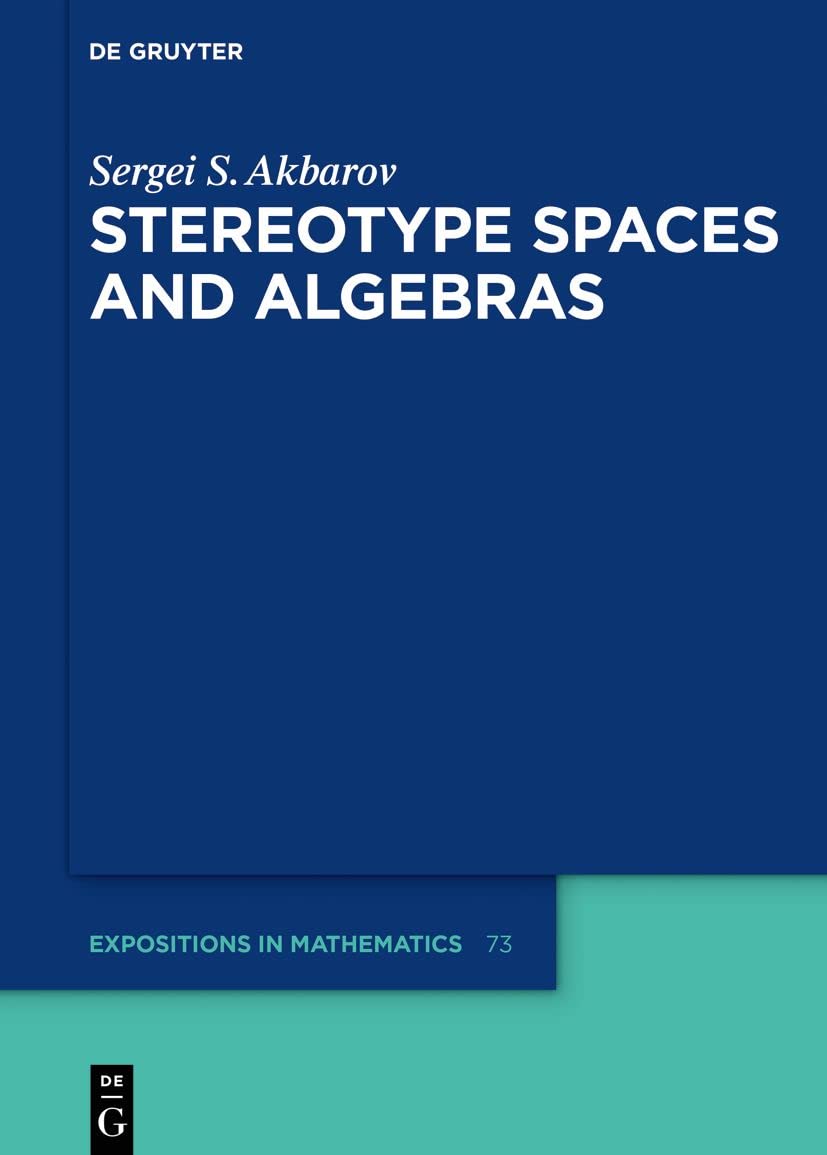
Stereotype Spaces and Algebras: 73 (De Gruyter Expositions in Mathematics, 73)

Mathematics
Semigroups in Algebra, Geometry and Analysis: 20 (De Gruyter Expositions in Mathematics, 20)

Mathematics
Geometry from the Pacific Rim: Proceedings of the Pacific Rim Geometry Conference held at National University of Singapore, Republic of Singapore, ... 1994 (De Gruyter Proceedings in Mathematics)

Mathematics
First International Tainan-Moscow Algebra Workshop: Proceedings of the International Conference held at National Cheng Kung University Tainan, Taiwan, ... 1994 (De Gruyter Proceedings in Mathematics)
Mathematics
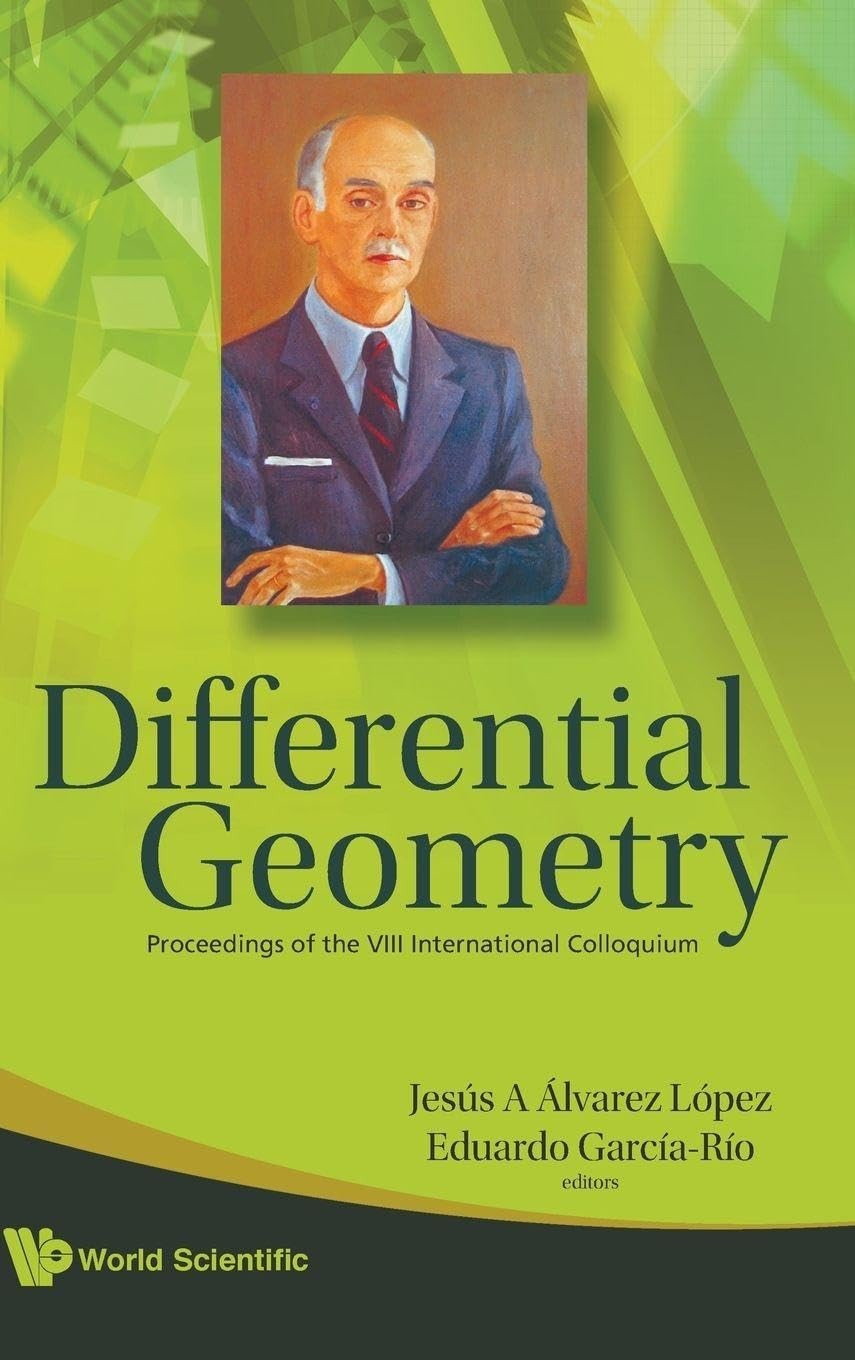
Differential Geometry - Proceedings of the VIII International Colloquium (English, Jesus A. Alvarez Lopez | Eduardo Garcia-Rio)

Mathematics
Mathematical Theory of Optimal Processes (Classics of Soviet Mathematics)
Related Products
View All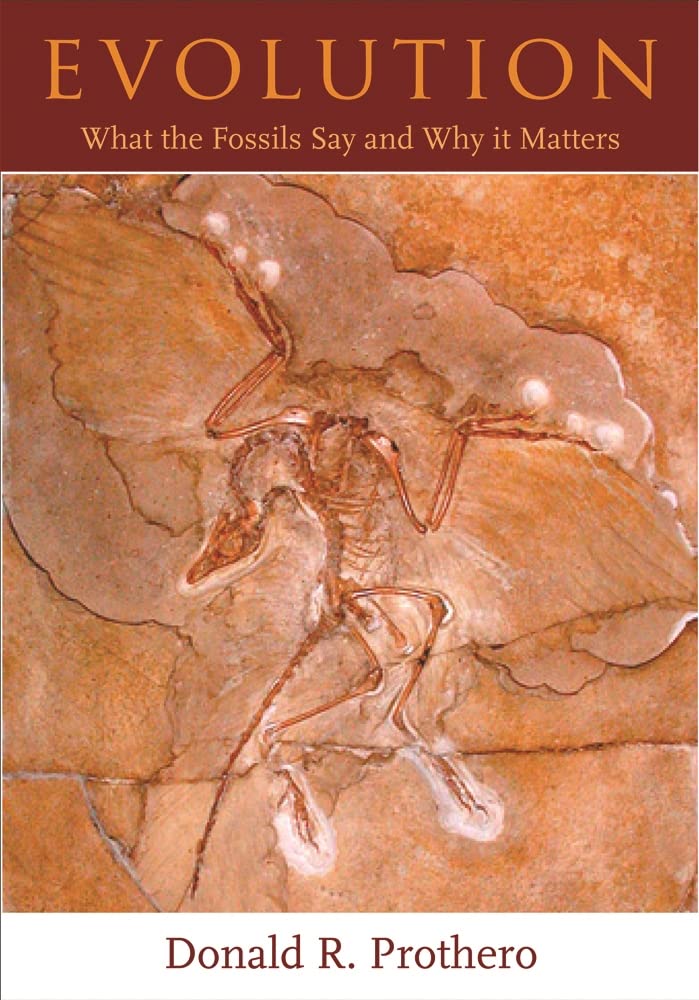
Biology
Evolution: What the Fossils Say and Why It Matters by Donald R. Prothero
Biology
From Taxonomy to Phylogenetics – Life and Work of Willi Hennig

Biology
The Marine Biology of the South China Sea
Biology
Genetics Meets Metabolomics: from Experiment to Systems Biology
Biology
The Elements of Natural or Experimental Philosophy: 2

Biology