
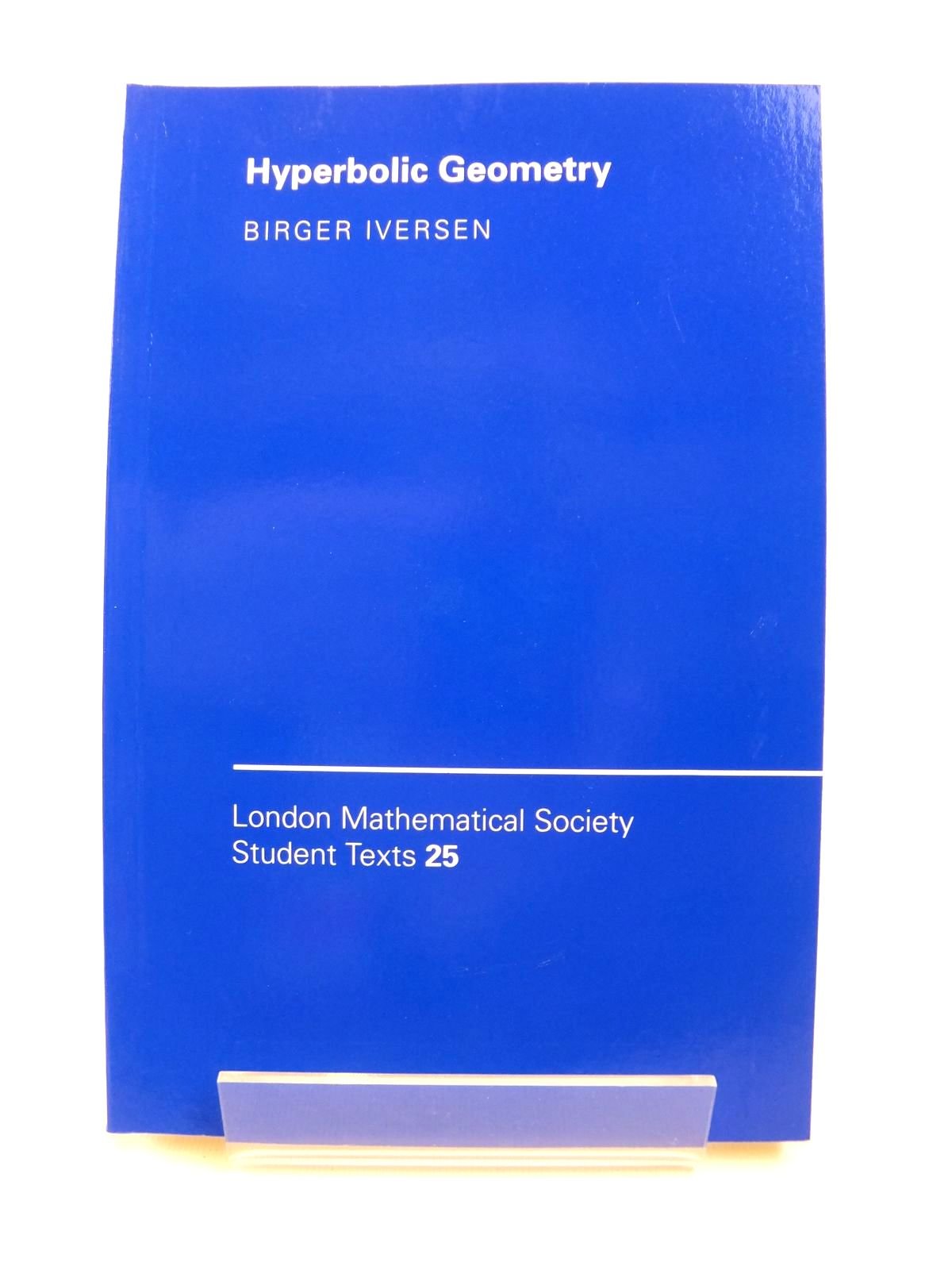
Hyperbolic Geometry: A Comprehensive Mathematical Study of the Hyperbolic Plane and Poincaré's Polygon Theorem by Birger
Inclusive of all applicable taxes. FREE shipping on all orders.
Available Offers
- 🚚Free Delivery — Free shipping on all orders
- 💵Cash on Delivery — Pay when your order arrives
- ↩️15-Day Easy Returns — Hassle-free return policy
- 🔒Cash on Delivery — Pay safely when your order arrives
Check Delivery
Product Description
Introduction
Hyperbolic geometry, often considered one of the most profound branches of non-Euclidean geometry, has evolved from a purely theoretical curiosity into a cornerstone of modern physics and mathematics. In this meticulously crafted volume, Hyperbolic Geometry by Birger Iversen, readers are invited to explore the elegant and often surprising world of spaces with constant negative curvature. Published by Cambridge University Press, this hardcover edition is an essential resource for students, researchers, and anyone fascinated by the mathematical structures that underpin our understanding of the universe.
Book Overview
This book offers a comprehensive and rigorous introduction to the geometry of the hyperbolic plane and hyperbolic 3-space. Beginning with the foundational axioms that distinguish hyperbolic geometry from Euclidean and spherical geometries, the author systematically builds a rich tapestry of concepts, including geodesics, isometries, and the celebrated Poincaré disk and upper half-plane models. The narrative culminates in a detailed exploration of Poincaré's polygon theorem, which reveals the deep connection between hyperbolic geometry and discrete groups of isometries. Iversen also provides a forward-looking perspective on contemporary research directions, making this volume both a thorough textbook and a gateway to advanced study.
Key Highlights
- Rigorous yet accessible treatment of hyperbolic geometry, suitable for both beginners and seasoned mathematicians.
- In-depth coverage of the hyperbolic plane, including the Poincaré disk and upper half-plane models.
- Detailed exposition of Poincaré's polygon theorem and its applications to discrete groups.
- Exploration of hyperbolic 3-space and its role in modern geometric research.
- Clear illustrations and examples that bridge abstract theory with intuitive understanding.
Inside the Book
The journey begins with a review of the axioms of geometry and the historical context that led to the discovery of hyperbolic geometry. Subsequent chapters delve into the geometry of the hyperbolic plane, covering topics such as distance, area, and the classification of isometries. The book then transitions to the study of tessellations and fundamental domains, leading to the powerful Poincaré polygon theorem. The final chapters extend these ideas to hyperbolic 3-space, offering a glimpse into current research areas like hyperbolic manifolds and Kleinian groups. Each chapter is enriched with exercises and problems that reinforce learning and encourage independent exploration.
Key Topics
- Axiomatic foundations of non-Euclidean geometry
- Models of the hyperbolic plane: Poincaré disk and upper half-plane
- Geodesics, angles, and area in hyperbolic geometry
- Classification of isometries and their invariants
- Discrete groups of isometries and fundamental domains
- Poincaré's polygon theorem and its applications
- Hyperbolic 3-space and its geometric properties
- Connections to modern research: hyperbolic manifolds and Teichmüller theory
Reader Benefits
This book empowers readers to develop a deep, intuitive grasp of hyperbolic geometry through a blend of rigorous proofs and geometric visualization. Students will gain the confidence to tackle advanced topics in geometry, topology, and group theory. Researchers will find a solid reference that bridges classical results with contemporary developments. The clear structure and logical progression make it ideal for self-study or as a textbook for graduate and advanced undergraduate courses.
Learning Outcomes
By the end of this book, readers will be able to:
- Understand the fundamental differences between Euclidean, spherical, and hyperbolic geometries.
- Work fluently with the Poincaré disk and upper half-plane models.
- Compute distances, angles, and areas in hyperbolic space.
- Classify and construct isometries of the hyperbolic plane.
- Apply Poincaré's polygon theorem to generate discrete groups.
- Analyze hyperbolic 3-space and its significance in modern mathematics.
- Connect hyperbolic geometry to broader fields such as topology, number theory, and physics.
Who Should Read
This book is ideal for advanced undergraduate and graduate students in mathematics, especially those specializing in geometry, topology, or group theory. It is also highly recommended for physicists and researchers in fields where hyperbolic geometry plays a role, such as general relativity, string theory, and geometric group theory. Instructors seeking a well-structured textbook for a course on non-Euclidean geometry will find this volume invaluable.
About the Author
Birger Iversen is a distinguished mathematician known for his contributions to geometry and topology. With decades of teaching and research experience, Iversen brings clarity and depth to complex subjects. His ability to present abstract ideas with precision and insight has made his works highly respected in the mathematical community. Hyperbolic Geometry reflects his commitment to excellence in mathematical exposition.
About the Publisher
Cambridge University Press is one of the world's oldest and most prestigious academic publishers. With a legacy spanning nearly five centuries, Cambridge University Press is renowned for publishing authoritative works in science, mathematics, and the humanities. This hardcover edition upholds the press's tradition of producing high-quality, durable books that serve as lasting resources for scholars and students alike.
Conclusion
Hyperbolic Geometry by Birger Iversen is more than just a textbook—it is a carefully crafted journey into one of the most beautiful and intellectually rewarding areas of mathematics. Whether you are a student taking your first steps into non-Euclidean geometry or a researcher seeking a reliable reference, this book offers a wealth of knowledge and inspiration. Add this essential volume to your library and discover the elegance of hyperbolic spaces.
Quick Summary
Hyperbolic Geometry by Birger Iversen is a comprehensive and rigorous exploration of the hyperbolic plane and its rich geometric structure. Written for advanced undergraduate and graduate students in mathematics, as well as researchers in mathematical physics, this book delves into the fundamental axioms of hyperbolic geometry, leading to the focal point of Poincaré's polygon theorem and the study of discrete groups of isometries. The book also covers hyperbolic 3-space and sketches current research directions, making it a valuable resource for those seeking to understand the deep connections between geometry and modern physics, as highlighted by the work of Einstein and Dirac. Readers will gain a solid foundation in non-Euclidean geometry, develop strong geometric intuition, and learn how hyperbolic structures appear in theoretical physics. Published by Cambridge University Press, this hardcover edition is built to last and is perfect for serious study. By purchasing from Bookshops.in, Indian students and academics get a genuine, high-quality print book with reliable service and fast delivery across India.
Book Highlights
Book Specifications
| ISBN-13 | 9780521435284 |
| ISBN-10 | 0521435285 |
| Publisher | Cambridge University Press |
| Language | English |
| Dimensions | 15.24 x 2.01 x 22.86 cm |
| Weight | 460 g |
| Country | India |
| Category | Mathematics › Geometry |
| Genre | Non-fiction |
| Original Language | English |
Frequently Asked Questions
What is hyperbolic geometry?
Who is Birger Iversen?
What is Poincaré's polygon theorem?
Is this book suitable for beginners?
Does the book cover applications in physics?
What is the difference between hyperbolic and Euclidean geometry?
Are there exercises in the book?
What is hyperbolic 3-space?
Why buy from Bookshops.in?
Is this book a hardcover?
Can this book help with research in topology?
What is the ISBN?
Is the book available in English?
How is this book different from other geometry textbooks?
Readers Also Search For
Customers Also Bought
Mathematics
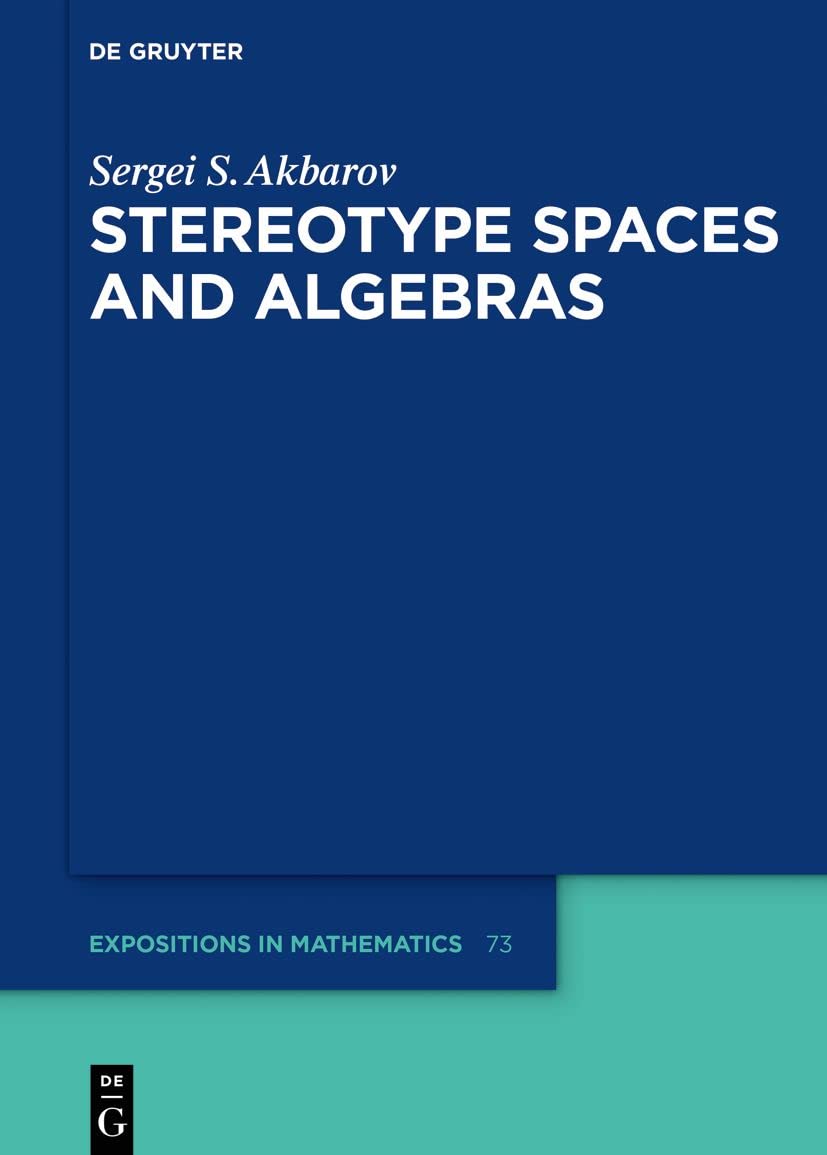
Stereotype Spaces and Algebras: 73 (De Gruyter Expositions in Mathematics, 73)
Mathematics
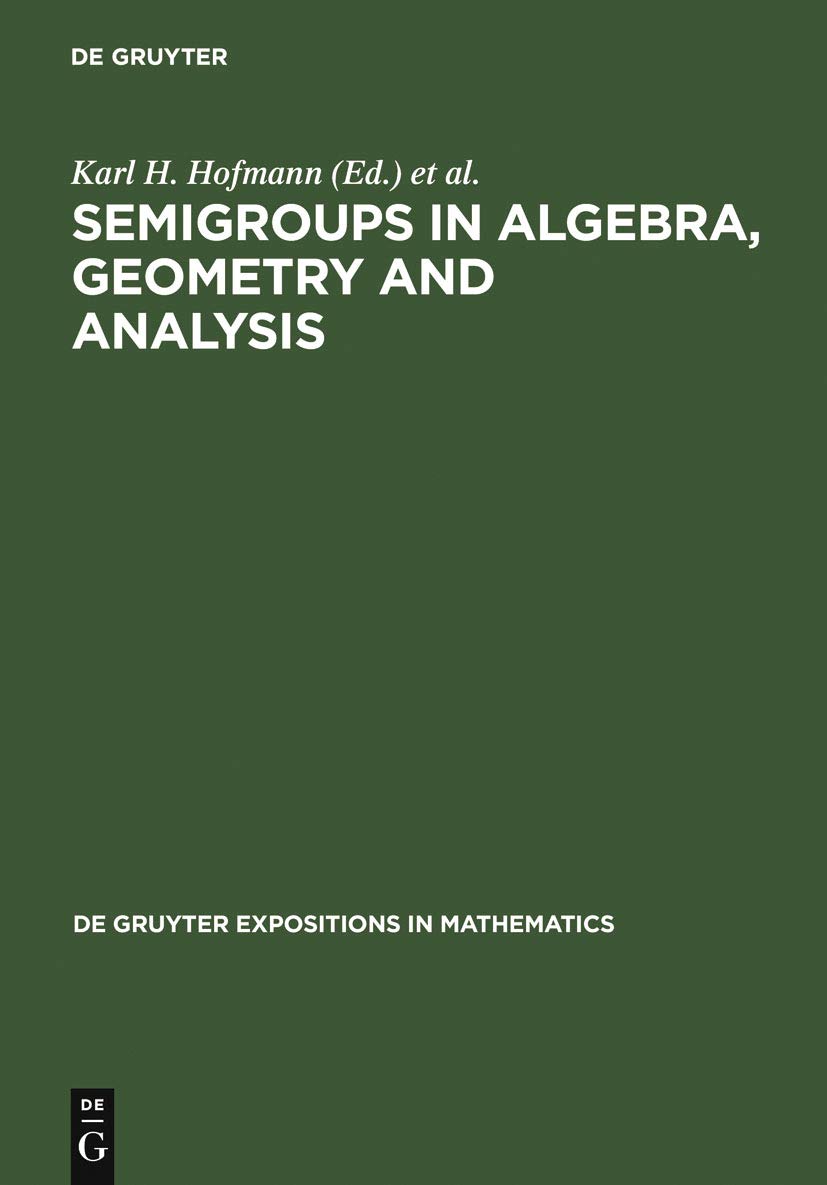
Semigroups in Algebra, Geometry and Analysis: 20 (De Gruyter Expositions in Mathematics, 20)
Mathematics
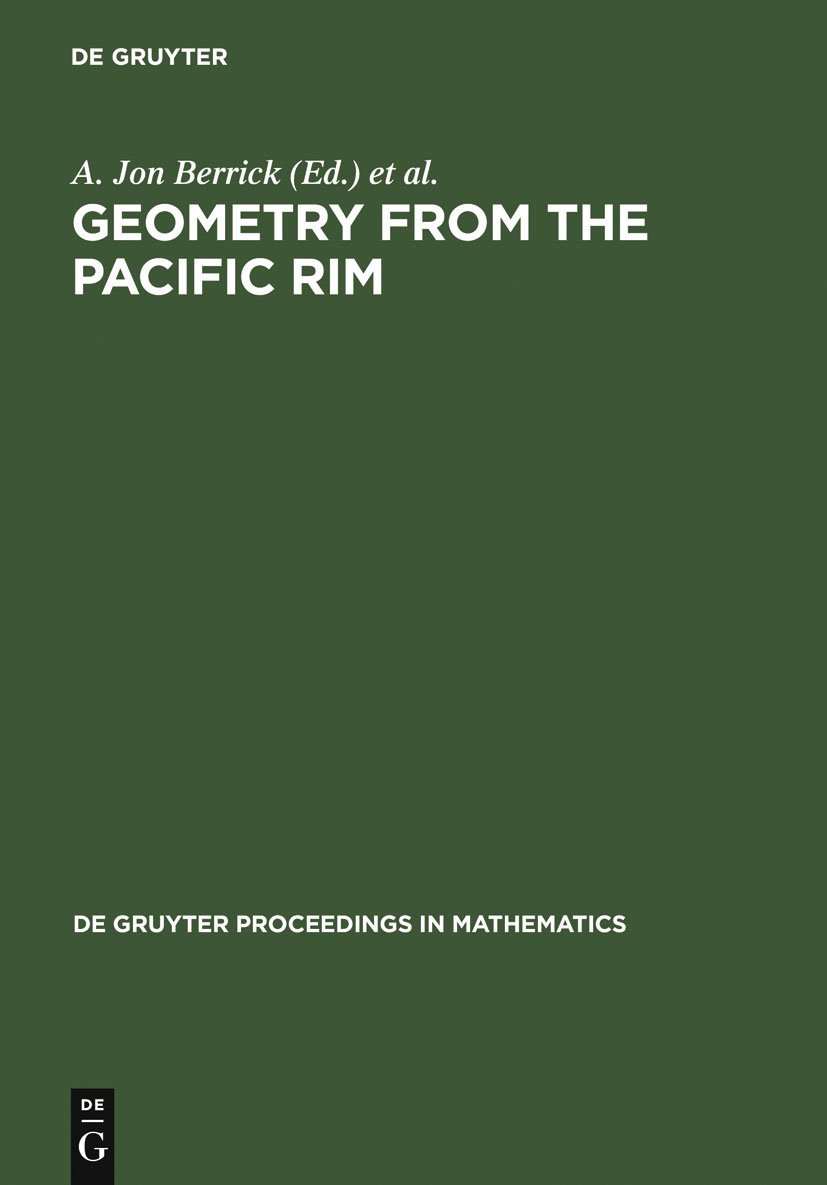
Geometry from the Pacific Rim: Proceedings of the Pacific Rim Geometry Conference held at National University of Singapore, Republic of Singapore, ... 1994 (De Gruyter Proceedings in Mathematics)
Mathematics
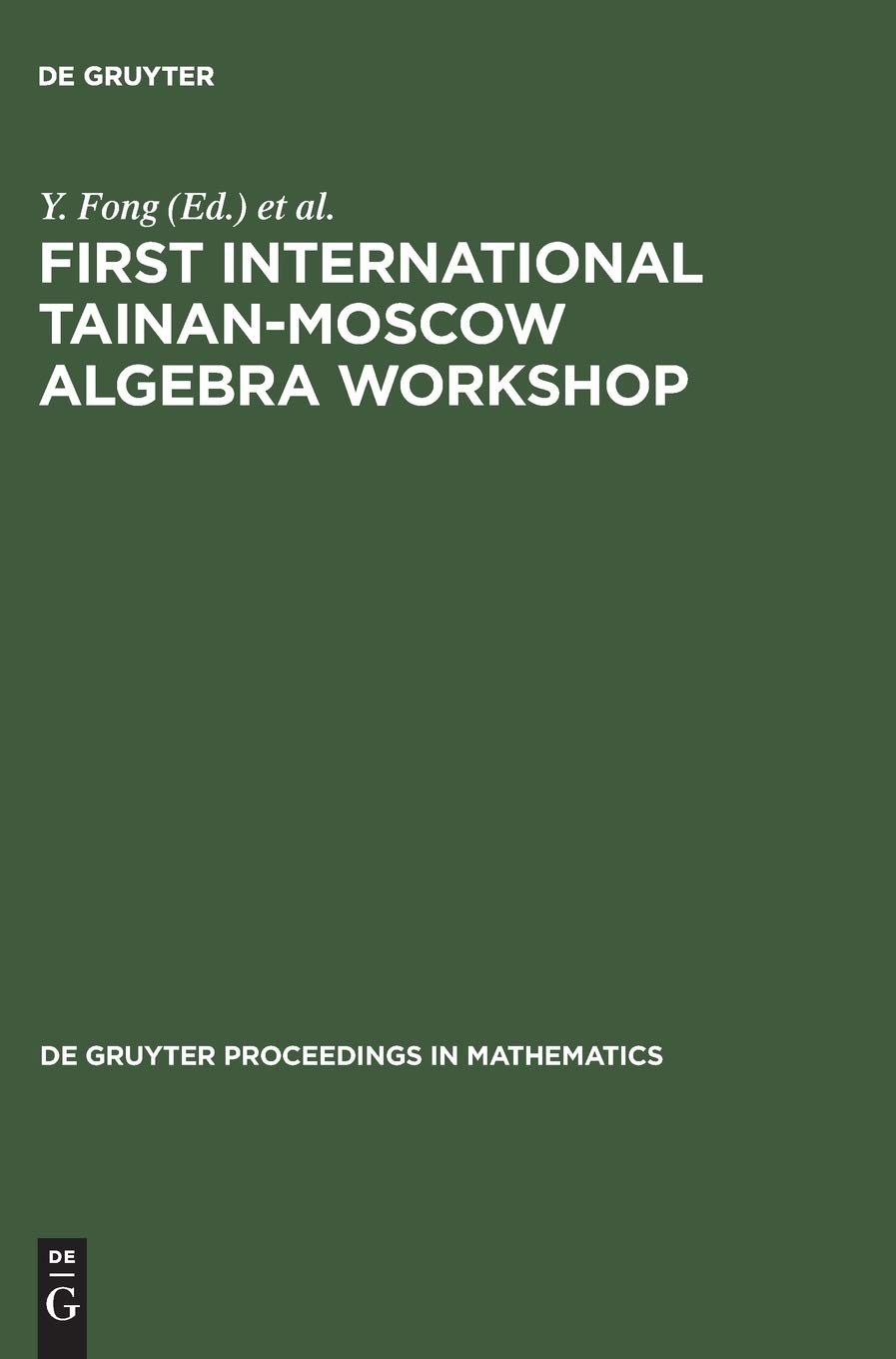
First International Tainan-Moscow Algebra Workshop: Proceedings of the International Conference held at National Cheng Kung University Tainan, Taiwan, ... 1994 (De Gruyter Proceedings in Mathematics)
Mathematics
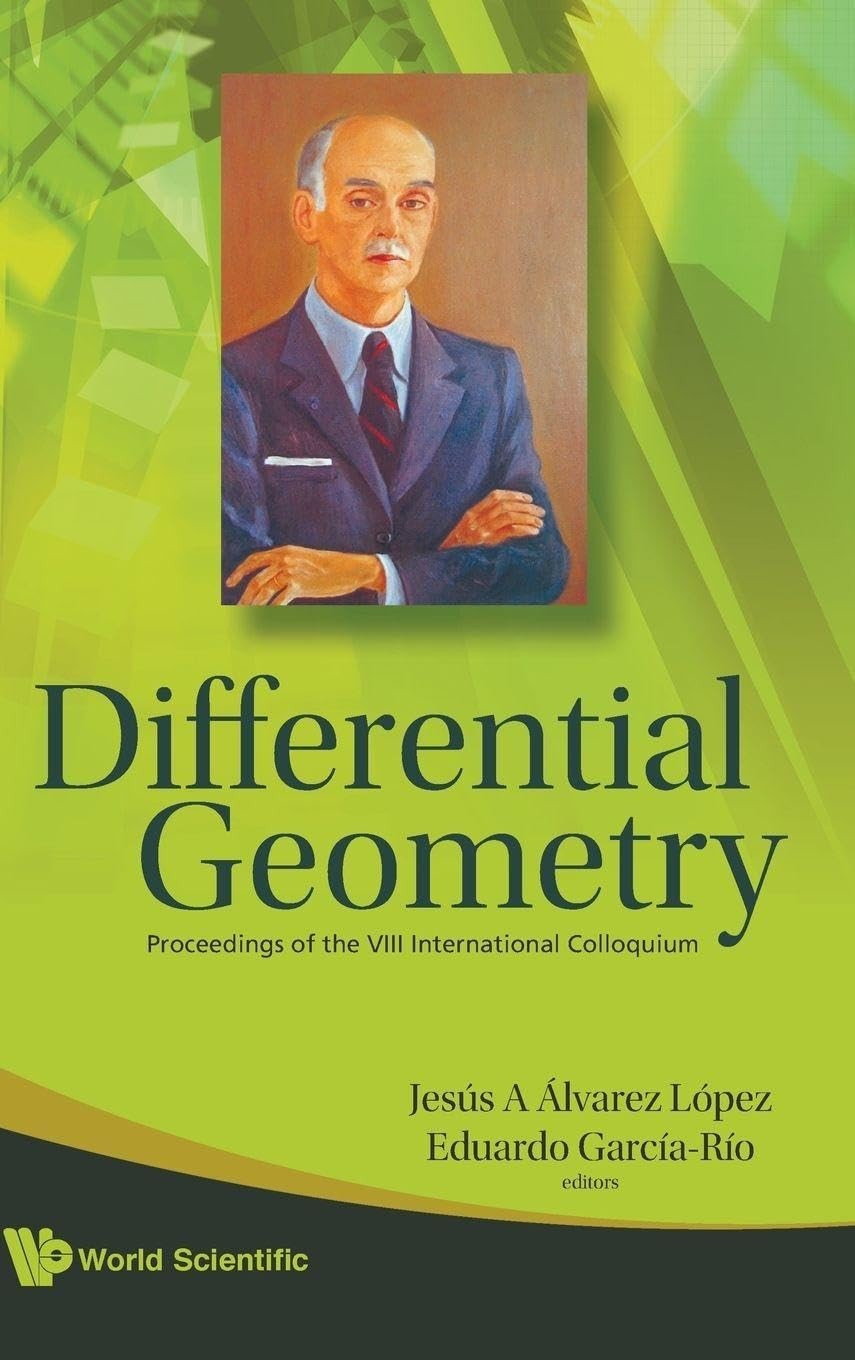
Differential Geometry - Proceedings of the VIII International Colloquium (English, Jesus A. Alvarez Lopez | Eduardo Garcia-Rio)
Mathematics
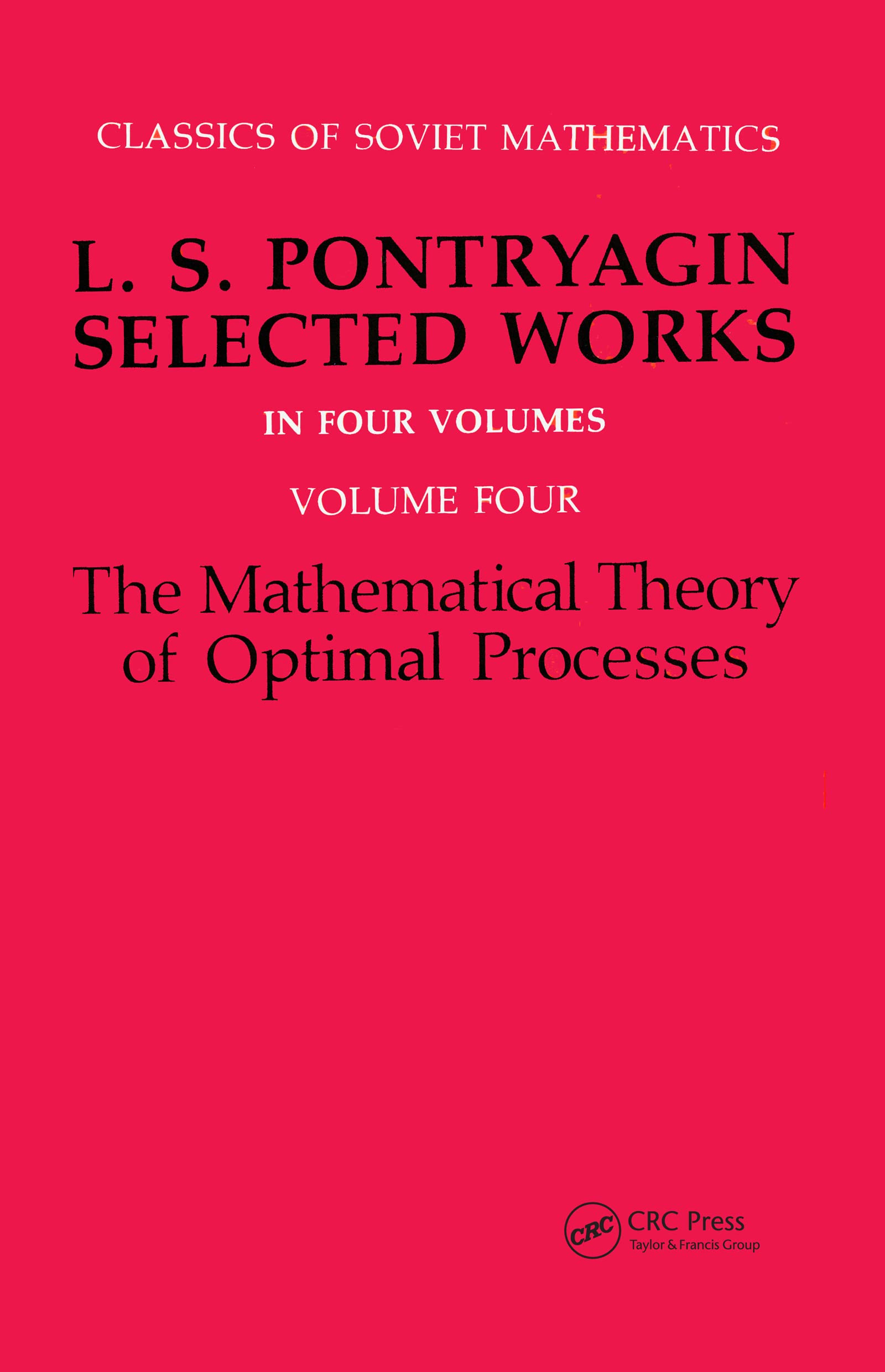
Mathematical Theory of Optimal Processes (Classics of Soviet Mathematics)
Related Products
View AllMathematics
Stereotype Spaces and Algebras: 73 (De Gruyter Expositions in Mathematics, 73)
Mathematics
Semigroups in Algebra, Geometry and Analysis: 20 (De Gruyter Expositions in Mathematics, 20)
Mathematics
Geometry from the Pacific Rim: Proceedings of the Pacific Rim Geometry Conference held at National University of Singapore, Republic of Singapore, ... 1994 (De Gruyter Proceedings in Mathematics)
Mathematics
First International Tainan-Moscow Algebra Workshop: Proceedings of the International Conference held at National Cheng Kung University Tainan, Taiwan, ... 1994 (De Gruyter Proceedings in Mathematics)
Mathematics
Differential Geometry - Proceedings of the VIII International Colloquium (English, Jesus A. Alvarez Lopez | Eduardo Garcia-Rio)
Mathematics