
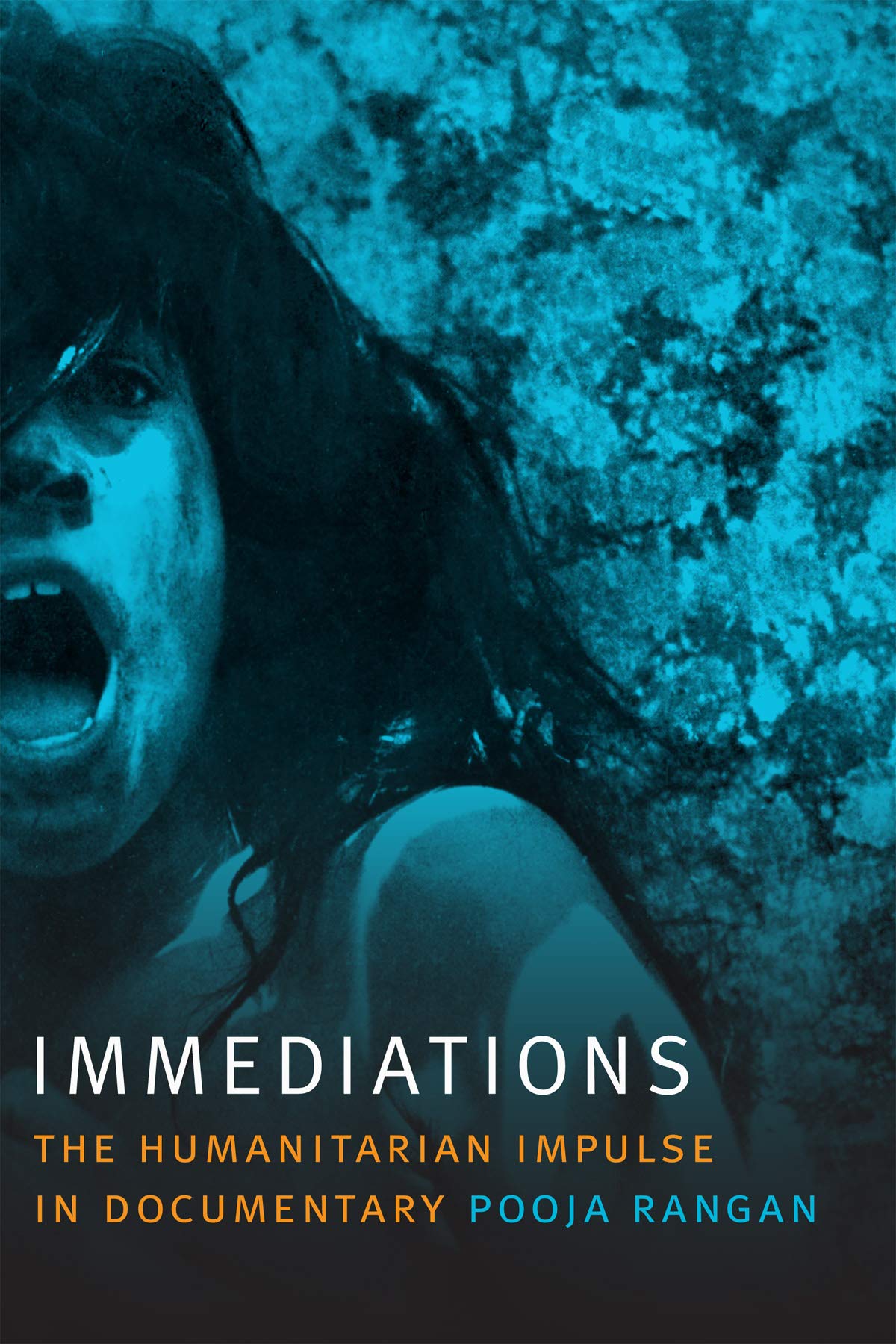
Immediations: The Humanitarian Impulse in Documentary by Pooja Rangan – A Critical Examination of Participatory Filmmaki
Inclusive of all applicable taxes. FREE shipping on all orders.
Available Offers
- 🚚Free Delivery — Free shipping on all orders
- 💵Cash on Delivery — Pay when your order arrives
- ↩️15-Day Easy Returns — Hassle-free return policy
- 🔒Cash on Delivery — Pay safely when your order arrives
Check Delivery
Product Description
Introduction
In an era where documentaries are celebrated for giving voice to the voiceless, Pooja Rangan’s Immediations: The Humanitarian Impulse in Documentary offers a bold and necessary critique. This hardcover volume from Duke University Press challenges the very foundations of participatory documentary, questioning whether its humanitarian ethos truly empowers subjects or inadvertently reinforces their marginalisation. For Indian students, scholars, and filmmakers navigating a landscape rich with documentary traditions—from Anand Patwardhan’s activist films to contemporary digital storytelling—this book provides a rigorous framework to rethink ethics, representation, and the politics of intervention.
Book Overview
Immediations interrogates the well-intentioned but often problematic impulse to ‘give a voice to the voiceless’ in documentary practice. Rangan argues that this humanitarian framing can reproduce the very hierarchies it seeks to dismantle, casting marginalised subjects as perpetual others. Through close readings of films, video activism, and humanitarian media, she reveals how immediation—the act of bridging distance through documentary—can paradoxically entrench exclusionary definitions of the human. This is not a simple rejection of documentary ethics but a sophisticated call to attend to non-normative modes of thinking, being, and doing that are often erased in the rush to represent.
Key Highlights
- Critical Reassessment: A sharp, original critique of participatory documentary’s humanitarian ethos, moving beyond surface-level celebrations of ‘voice’.
- Global Case Studies: Analyses documentaries from India, the United States, and beyond, offering a transnational perspective relevant to Indian readers.
- Interdisciplinary Approach: Blends film studies, anthropology, postcolonial theory, and disability studies to unpack the politics of representation.
- Timely Intervention: Engages with urgent debates about who gets to speak, who is heard, and at what cost—issues that resonate deeply in India’s diverse media landscape.
- Rigorous Scholarship: Published by Duke University Press, a hallmark of academic excellence, making it essential for serious students of documentary and visual culture.
Inside the Book
Rangan structures her argument through four thematic chapters, each anchored in a specific documentary or media practice. She begins by examining the figure of the ‘voiceless’ subject, tracing its genealogy in humanitarian and human rights discourse. Subsequent chapters explore documentary encounters with autistic children, animals, and disaster survivors, revealing how immediation works to contain difference. The book concludes with a powerful reflection on what it might mean to document without the humanitarian impulse—a practice of radical listening that does not demand transformation or redemption. Throughout, Rangan writes with clarity and passion, making complex theoretical ideas accessible to advanced undergraduates, postgraduates, and practitioners.
Key Topics
- Participatory documentary ethics and its limits
- The politics of ‘giving voice’ in media practice
- Humanitarianism, human rights, and visual culture
- Representation of marginalised communities (disabled, indigenous, and non-human)
- Postcolonial and decolonial approaches to documentary
- Affect, immediacy, and the construction of the ‘other’
- Alternative frameworks for ethical documentary making
Reader Benefits
- Critical Tools: Gain a nuanced vocabulary to analyse and critique documentary films beyond conventional praise.
- Ethical Frameworks: Develop an understanding of how humanitarian impulses can unintentionally harm subjects, informing more responsible practice.
- Broadened Perspective: Encounter case studies from diverse contexts, enriching your grasp of global documentary culture.
- Academic Edge: Equip yourself with cutting-edge theoretical insights for essays, dissertations, or research projects in film, media, and cultural studies.
- Practical Relevance: For filmmakers and activists, the book offers a reflective pause to reconsider methods and intentions in community-based projects.
Learning Outcomes
- Critically evaluate the humanitarian ethos in participatory documentary and its effects on marginalised subjects.
- Identify and articulate the ways documentary can reproduce exclusionary definitions of the human.
- Analyse case studies using postcolonial, disability, and affect theory frameworks.
- Synthesise debates on voice, agency, and representation in visual media.
- Propose alternative ethical approaches for documentary practice that honour non-normative modes of existence.
Who Should Read
This book is indispensable for students and scholars of film studies, visual anthropology, media ethics, and postcolonial theory. It is equally valuable for documentary filmmakers, video activists, and humanitarian practitioners who wish to reflect critically on their own work. Indian readers—whether in university classrooms, film institutes, or independent media collectives—will find Rangan’s arguments particularly resonant given the country’s vibrant documentary tradition and ongoing debates about representation, caste, and marginalisation. Advanced undergraduates, postgraduates, and researchers will appreciate its theoretical depth, while practitioners will benefit from its ethical provocations.
About the Author
Pooja Rangan is Associate Professor of English and Film and Media Studies at Amherst College, USA. Her research spans documentary studies, critical theory, and disability studies, with a focus on the politics of representation and humanitarianism. She is also the author of Audibilities: Music and the Art of Listening in Documentary and co-editor of Thinking Through the Documentary: Essays on Theory and Practice. Rangan’s work has appeared in leading journals such as Camera Obscura, Discourse, and South Asian Popular Culture, establishing her as a vital voice in contemporary documentary scholarship.
About the Publisher
Duke University Press is a prestigious academic publisher based in Durham, North Carolina, USA, renowned for its groundbreaking contributions to the humanities and social sciences. With a strong catalogue in film and media studies, cultural theory, and postcolonial thought, Duke University Press publishes works that challenge conventional wisdom and foster critical dialogue. This hardcover edition of Immediations reflects the press’s commitment to rigorous scholarship and innovative ideas, making it a trusted source for students and researchers worldwide.
Conclusion
Immediations: The Humanitarian Impulse in Documentary is not just a book about film—it is a vital intervention into how we understand ethics, voice, and humanity in an age of visual storytelling. Pooja Rangan’s incisive critique invites us to move beyond feel-good narratives of empowerment and instead grapple with the uncomfortable complexities of representation. For anyone engaged with documentary, activism, or visual culture in India and beyond, this hardcover volume is an essential addition to your library. Order your copy from Bookshops.in today and join a critical conversation that is reshaping the future of documentary practice.
Quick Summary
Immediations: The Humanitarian Impulse in Documentary by Pooja Rangan is a groundbreaking critical work that interrogates the well-meaning but often problematic ethos of 'giving a voice to the voiceless' in participatory documentary. Rangan, a scholar of media studies and critical theory, argues that this humanitarian impulse can inadvertently reinforce the otherness of marginalized subjects—such as disabled individuals, refugees, and animals—and reproduce narrow, normative definitions of the human. Drawing on postcolonial theory, visual culture, and ethics, the book offers close readings of influential documentaries to reveal how even participatory frameworks can perpetuate hierarchical power dynamics. This book is ideal for students, researchers, and filmmakers in documentary studies, media ethics, visual anthropology, and postcolonial criticism. Readers will learn to critically assess the politics of representation and develop a more reflexive, less paternalistic approach to documentary practice. By purchasing from Bookshops.in, Indian readers gain access to this essential academic title with reliable delivery and genuine stock.
Book Highlights
Book Specifications
| ISBN-13 | 9780822363552 |
| ISBN-10 | 0822363550 |
| Publisher | Duke University Press |
| Language | English |
| Dimensions | 15.49 x 2.03 x 23.37 cm |
| Weight | 522 g |
| Category | Performing Arts › Film & Television |
| Genre | Nonfiction |
| Reading Age | Adult |
| Original Language | English |
Frequently Asked Questions
What is Immediations about?
Who is the author of Immediations?
Is this book suitable for undergraduate students?
What type of documentaries does the book analyze?
Does the book offer practical filmmaking advice?
Which publisher released this book?
Is this book available in hardcover?
What is the price of Immediations on Bookshops.in?
What are some key concepts in the book?
Does the book engage with postcolonial theory?
Can I use this book for a documentary film course?
What makes this book different from other documentary theory books?
Where can I buy Immediations in India?
Readers Also Search For
Customers Also Bought
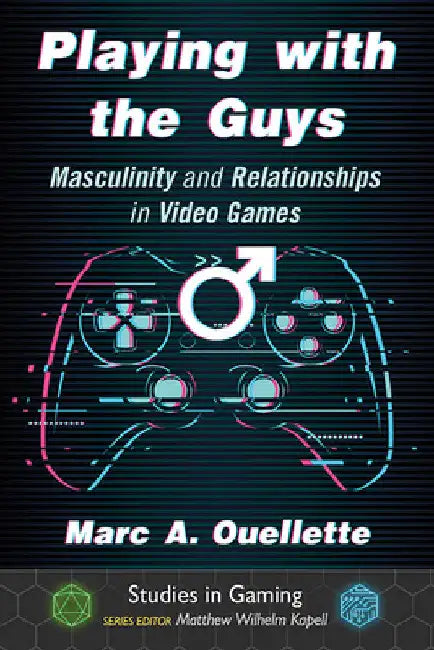
McFarland & Company
Playing with the Guys | by Marc A. Ouellette | Matthew Wilhelm Kapell | McFarland & Company | by Marc A. Ouellette | Matthew Wilhelm Kapell | McFarland & Company | by Marc A. Ouellette | Matthew Wilhelm Kapell | McFarland & Company | by Marc A. Ouellette | Matthew Wilhelm Kapell | McFarland & Company | by Marc A. Ouellette | Matthew Wilhelm Kapell | McFarland & Company | by Marc A. Ouellette | Matthew Wilhelm Kapell | McFarland & Company | by Marc A. Ouellette | Matthew W

Rowman & Littlefield Publishers
Joss Whedon's Dollhouse: Confounding Purpose, Confusing Identity (Science Fiction Television)
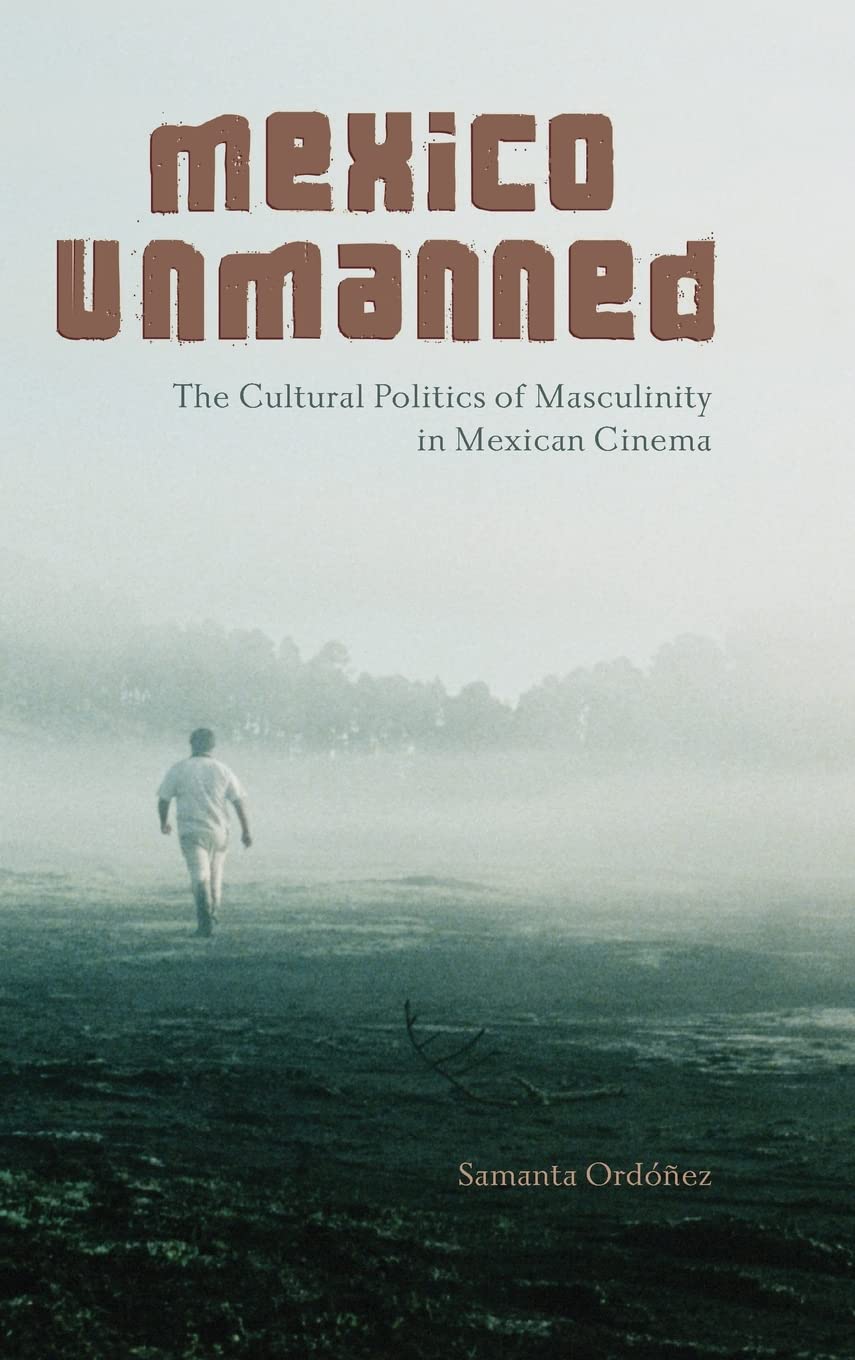
State University of New York Press
Mexico Unmanned: The Cultural Politics of Masculinity in Mexican Cinema (SUNY series in Latin American Cinema)

McFarland & Company
Valley Forge to Monmouth | by Jim Stempel | McFarland & Company | by Jim Stempel | McFarland & Company | by Jim Stempel | McFarland & Company | by Jim Stempel | McFarland & Company | by Jim Stempel | McFarland & Company | by Jim Stempel | McFarland & Company | by Jim Stempel | McFarland & Company | by Jim Stempel | McFarland & Company | by Jim Stempel | McFarland & Company | by Jim Stempel | McFarland & Company | by Jim Stempel | McFarland & Company |

University of Toronto Press
Structures of Feeling in Seventeenth-Century Cultural Expression (UCLA Center Clark Library)
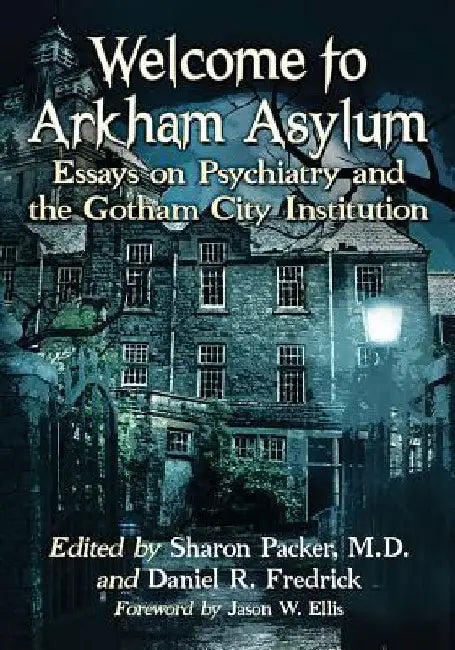
McFarland & Company
Welcome to Arkham Asylum | by Sharon Packer | Daniel R. Fredrick | McFarland & Company | by Sharon Packer | Daniel R. Fredrick | McFarland & Company | by Sharon Packer | Daniel R. Fredrick | McFarland & Company | by Sharon Packer | Daniel R. Fredrick | McFarland & Company | by Sharon Packer | Daniel R. Fredrick | McFarland & Company | by Sharon Packer | Daniel R. Fredrick | McFarland & Company | by Sharon Packer | Daniel R. Fredrick | McFarland & Company | by Sharon P
Related Products
View All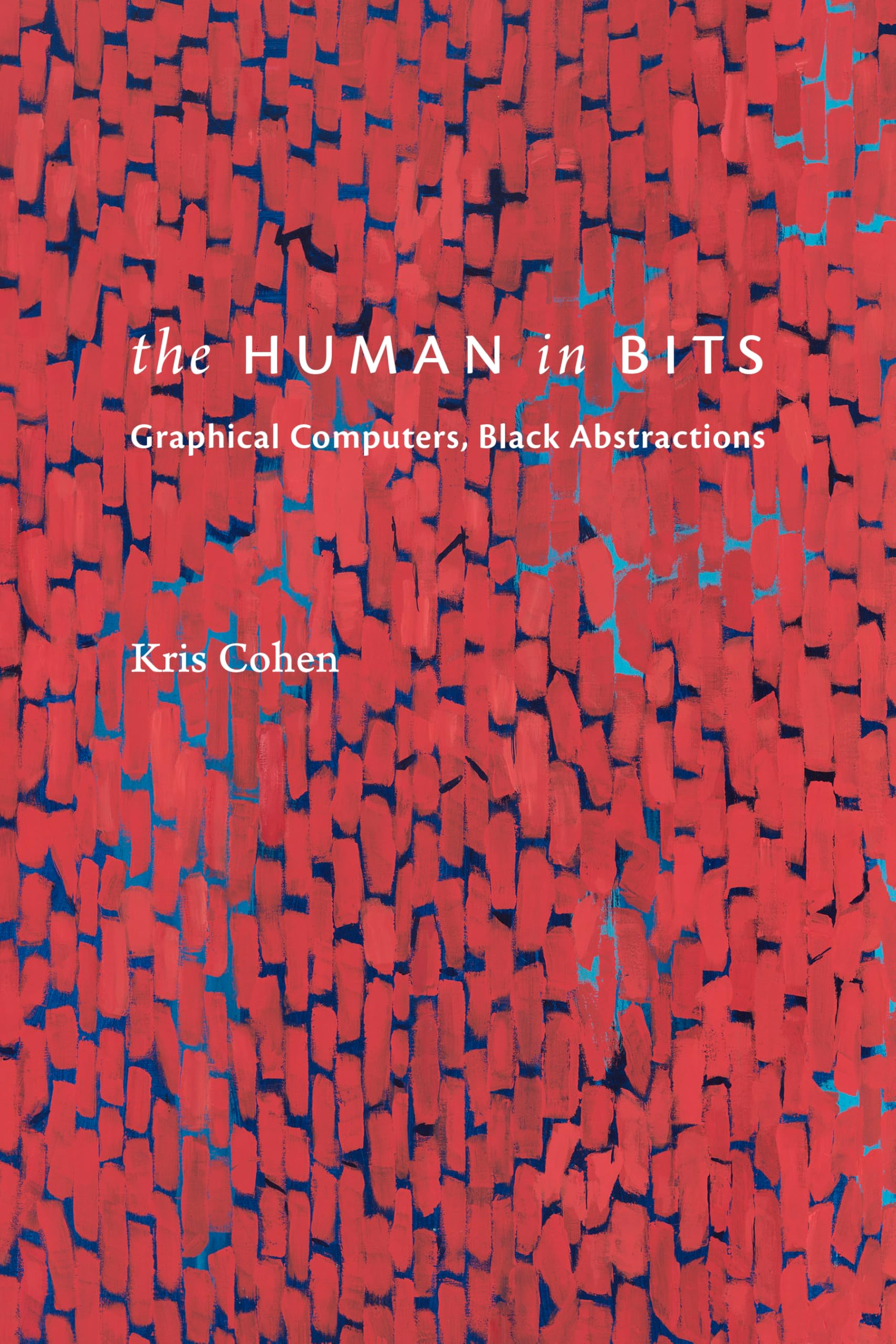
Duke University Press
The Human in Bits: Graphical Computers, Black Abstractions

Duke University Press
Figures of Time: Affect and the Television of Preemption (Thought in the Act)
Duke University Press
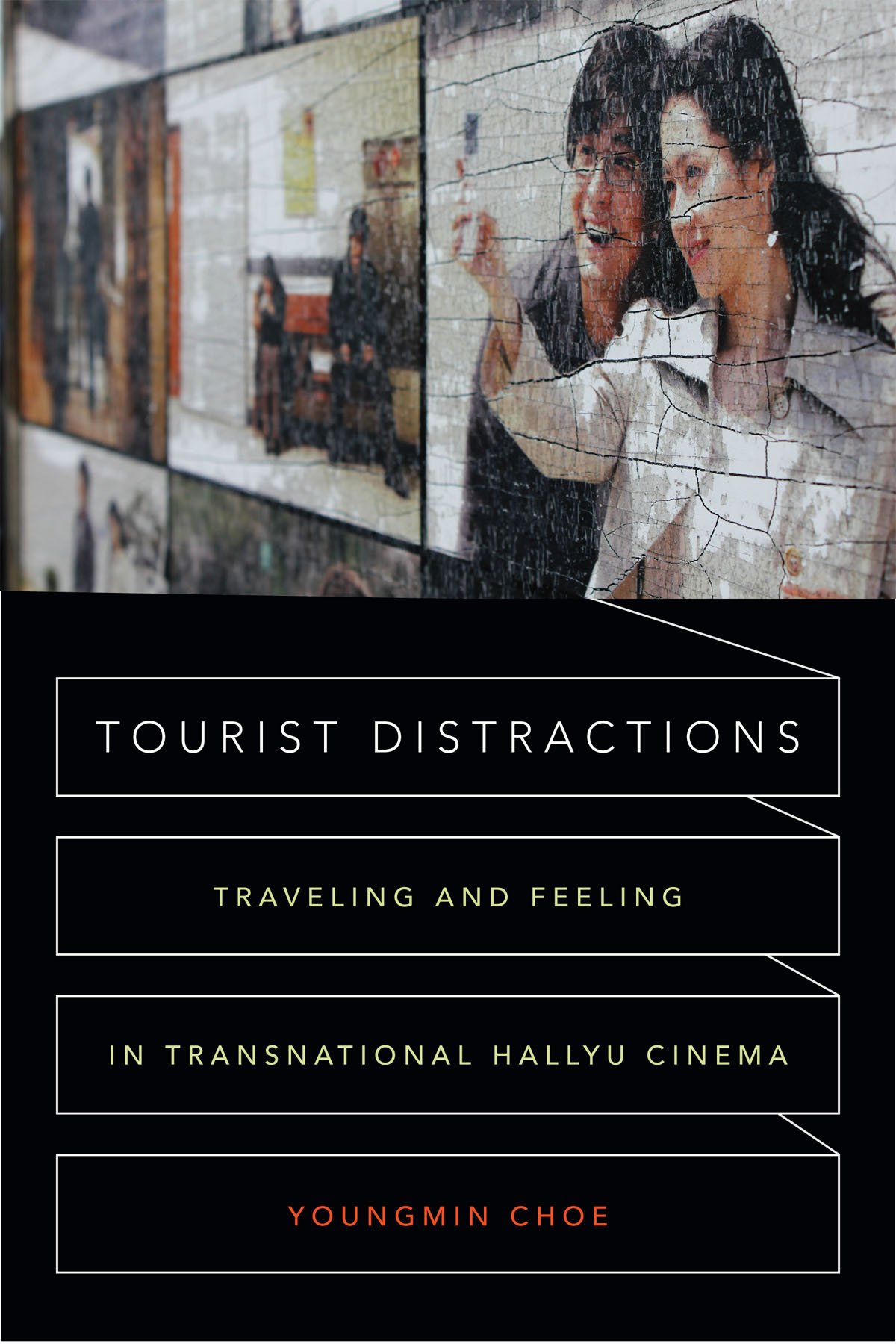
Tourist Distractions: Traveling and Feeling in Transnational Hallyu Cinema by Youngmin Choe
Duke University Press
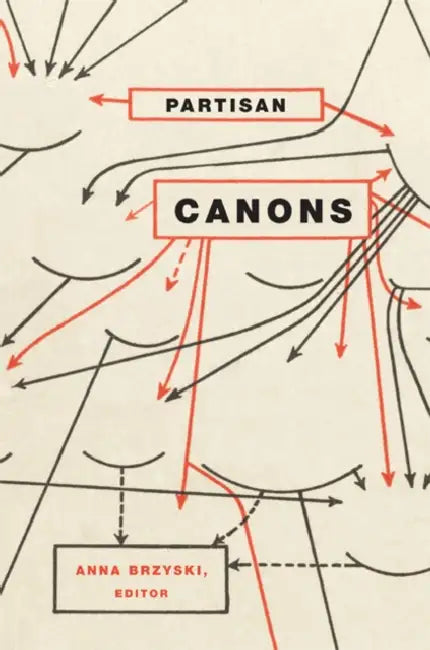
Partisan Canons (English, Anna Brzyski)

Duke University Press
Impersonal Passion (English, Denise Riley)
Duke University Press