

Imperial State and Revolution: The United States and Cuba, 1952–1986 by Morris H. Morley – A Critical Study of US Foreig
Inclusive of all applicable taxes. FREE shipping on all orders.
Available Offers
- 🚚Free Delivery — Free shipping on all orders
- 💵Cash on Delivery — Pay when your order arrives
- ↩️15-Day Easy Returns — Hassle-free return policy
- 🔒Cash on Delivery — Pay safely when your order arrives
Check Delivery
Product Description
Introduction
In the annals of modern international relations, few bilateral dynamics have been as fraught, complex, and consequential as the relationship between the United States and Cuba. Morris H. Morley’s Imperial State and Revolution: The United States and Cuba, 1952–1986 offers a masterful, deeply researched examination of this pivotal period. Published by Cambridge University Press, this hardcover volume is an indispensable resource for students of political science, history, and Latin American studies, particularly those seeking to understand the mechanisms of imperial power and revolutionary resistance.
Book Overview
Spanning over three decades, the book traces the arc of U.S. policy toward Cuba from the Batista dictatorship through the revolutionary triumph of Fidel Castro and into the Cold War standoffs of the 1980s. Morley meticulously documents how American administrations—from Eisenhower to Reagan—sought to contain, isolate, and ultimately destabilize the Cuban Revolution. Drawing on declassified documents, personal interviews, and Freedom of Information Act requests, the author reveals the strategic calculations, covert operations, and economic warfare that defined U.S. foreign policy during this era. This is not merely a narrative of events; it is a structural analysis of how an imperial state responds to a revolutionary challenge on its doorstep.
Key Highlights
- Original Research: Based on primary sources, including classified documents and interviews with key policymakers.
- Comprehensive Timeline: Covers the critical years from 1952 to 1986, including the Bay of Pigs, the Cuban Missile Crisis, and the Carter-era thaw.
- Multilateral Focus: Explores U.S. efforts to enlist allies in economic and diplomatic isolation of Cuba.
- Critical Perspective: Challenges conventional narratives by foregrounding the imperial logic of American intervention.
Inside the Book
The book is structured thematically and chronologically, beginning with the pre-revolutionary context of U.S. hegemony in Cuba. Subsequent chapters delve into the Eisenhower administration’s covert actions, the Kennedy administration’s failed Bay of Pigs invasion and Operation Mongoose, and the Johnson administration’s relentless pressure. Later sections analyze the Nixon-Ford era of détente and the Carter administration’s brief opening, culminating in the Reagan administration’s renewed hostility. Each chapter is dense with empirical evidence and theoretical insight, making it a rich resource for advanced study.
Key Topics
- U.S. economic sanctions and embargoes against Cuba
- Covert operations and CIA involvement in Cuban affairs
- The role of multinational corporations and capitalist interests
- Latin American solidarity and the Non-Aligned Movement
- The impact of the Cuban Revolution on Cold War geopolitics
- Human rights and exile politics in U.S.-Cuba relations
Reader Benefits
This book equips readers with a nuanced understanding of how great powers respond to revolutionary movements. It demystifies the policy-making process in Washington and reveals the gap between official rhetoric and actual practice. For Indian readers, the analysis offers comparative insights into how postcolonial nations navigate pressures from dominant global powers. The rigorous sourcing and clear argumentation make it a reliable reference for essays, research papers, and policy analyses.
Learning Outcomes
- Understand the historical roots of U.S.-Cuba hostility.
- Analyze the tools of imperial statecraft—economic, diplomatic, and covert.
- Evaluate the effectiveness of revolutionary resistance against a superpower.
- Critically assess primary source documents and policy debates.
- Connect historical patterns to contemporary international relations.
Who Should Read
This book is ideal for university students and scholars in political science, international relations, history, and Latin American studies. It is also highly recommended for journalists, diplomats, and anyone interested in the mechanics of empire and revolution. Indian readers with an interest in Cold War history, U.S. foreign policy, or Third World liberation movements will find it particularly enlightening.
About the Author
Morris H. Morley is a distinguished political scientist and professor emeritus, known for his incisive work on U.S. foreign policy toward Latin America. He has authored several influential books on imperialism, state power, and revolutionary change. His research combines archival depth with theoretical rigor, making him a respected voice in critical international studies.
About the Publisher
Cambridge University Press is one of the world’s oldest and most prestigious academic publishers. With a reputation for scholarly excellence, Cambridge brings authoritative works to a global readership. This hardcover edition reflects the press’s commitment to durable, high-quality academic publishing.
Conclusion
Imperial State and Revolution remains a landmark study for anyone seeking to understand the tangled history of U.S.-Cuba relations. Morris H. Morley’s meticulous scholarship and critical lens provide a powerful corrective to sanitized official histories. For Indian readers, it offers a compelling case study of how a small nation can challenge a global superpower—and the lengths to which that superpower will go to maintain its dominance. Add this essential volume to your library today.
Quick Summary
Imperial State and Revolution: The United States and Cuba, 1952–1986 by Morris H. Morley is a definitive academic study of one of the most fraught international relationships of the Cold War era. The book meticulously traces how the United States, viewing Cuba as a vital sphere of influence, responded to the rise of opposition movements against the Batista dictatorship and later to Fidel Castro's revolutionary government. Morley draws on declassified documents from the Freedom of Information Act and firsthand interviews to reveal the lengths to which American policymakers went—short of direct military intervention—to prevent Castro from coming to power and later to undermine his regime. The analysis covers economic coercion, diplomatic isolation, and covert operations, offering a nuanced understanding of US imperialism and its limits. This book is ideal for advanced students and scholars of international relations, US foreign policy, Latin American history, and revolutionary movements. Indian readers will find parallels in the study of great power intervention and national sovereignty. By purchasing from Bookshops.in, you support a trusted Indian bookstore committed to delivering quality academic texts with reliable service. This hardcover edition is a valuable addition to any serious library.
Book Highlights
Book Specifications
| ISBN-13 | 9780521357623 |
| ISBN-10 | 0521357624 |
| Publisher | Cambridge University Press |
| Language | English |
| Dimensions | 15.24 x 3.71 x 22.86 cm |
| Weight | 861 g |
| Country | United Kingdom |
| Category | Political Science › International Relations |
| Genre | Nonfiction |
| Original Language | English |
Frequently Asked Questions
What is the main focus of Imperial State and Revolution?
Who is the author of this book?
What time period does the book cover?
Is this book based on primary sources?
What is the book's perspective on US policy?
Who would benefit from reading this book?
Does the book discuss the Cuban Missile Crisis?
Is this book suitable for Indian readers?
What makes this book different from other works on Cuba?
Does the book cover the post-revolution period?
What role did the Eisenhower administration play?
Where can I buy this book in India?
Readers Also Search For
Customers Also Bought
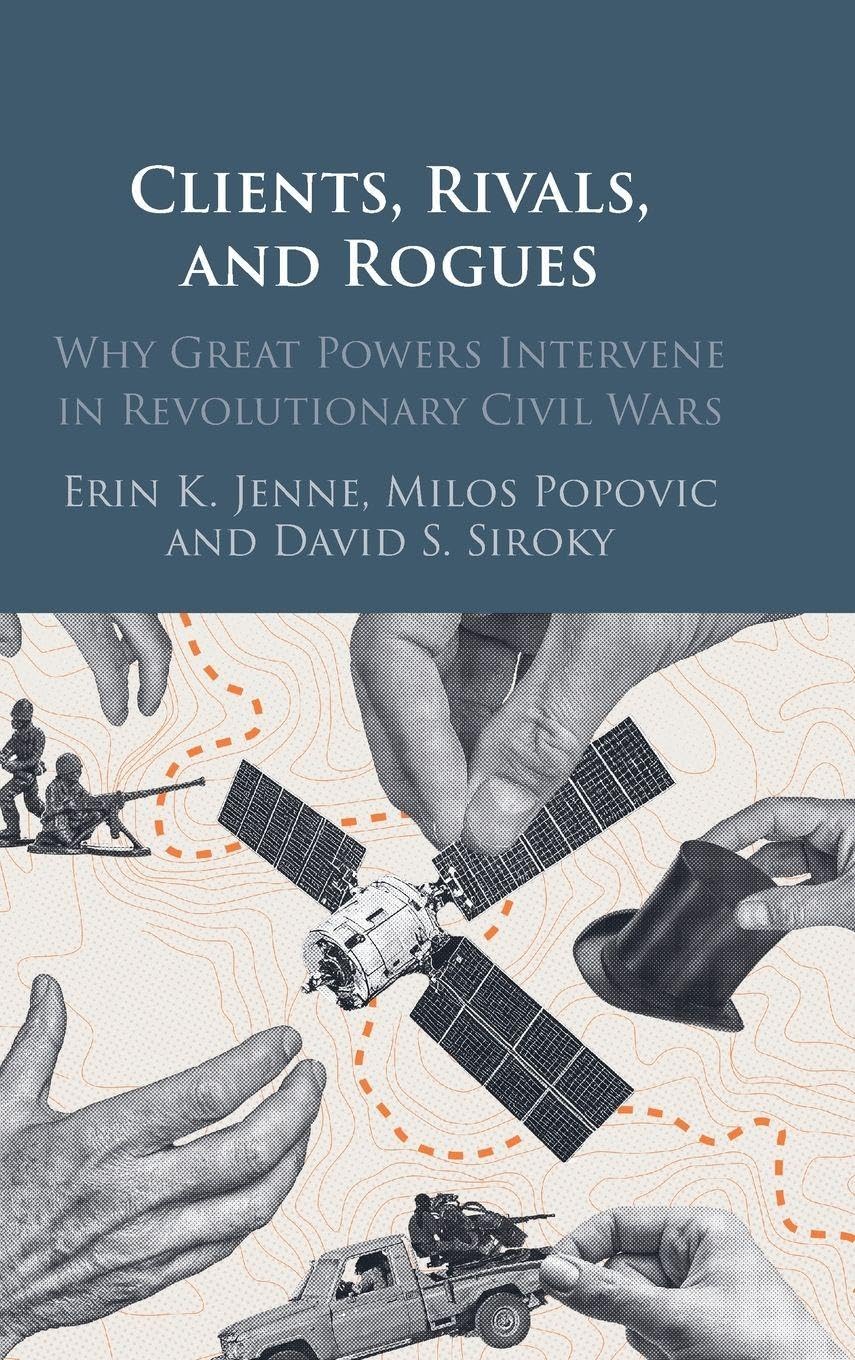
International Relations
Clients, Rivals, and Rogues: Why Great Powers Intervene in Revolutionary Civil Wars
International Relations
Foreign Ministries and the Information Revolution: Going Virtual?: 2 (Diplomatic Studies)
International Relations
From Pki to Comintern, 1924-1941: The Apprenticeship of the Malayan Communist Party: 8 (Southeast Asia Program Series, 8)
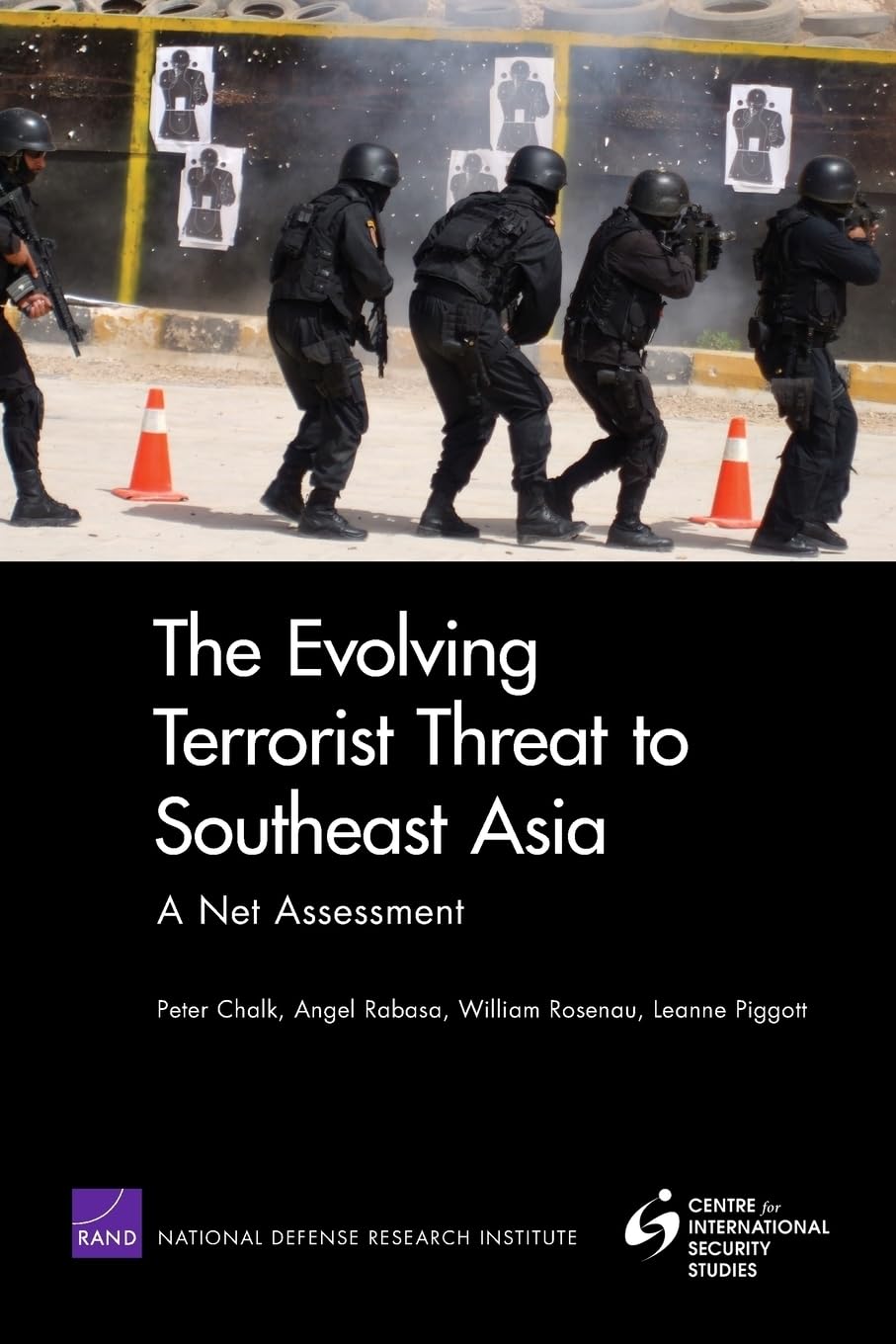
International Relations
The Evolving Terrorist Threat to Southeast Asia: A Net Assessment
International Relations
The Naval Policy of Austria-Hungary 1867-1918: Navalism, Industrial Development, and the Politics of Dualism (Central European Studies)
International Relations
New Technologies and Law of the Marine Environment: Nouvelles Technologies Et Droit De L'Environment Marin: 55 (International Enviornmental Law and Policy, 55)
Related Products
View AllInternational Relations
Clients, Rivals, and Rogues: Why Great Powers Intervene in Revolutionary Civil Wars
International Relations
Foreign Ministries and the Information Revolution: Going Virtual?: 2 (Diplomatic Studies)
International Relations
From Pki to Comintern, 1924-1941: The Apprenticeship of the Malayan Communist Party: 8 (Southeast Asia Program Series, 8)
International Relations
The Evolving Terrorist Threat to Southeast Asia: A Net Assessment
International Relations
The Naval Policy of Austria-Hungary 1867-1918: Navalism, Industrial Development, and the Politics of Dualism (Central European Studies)
International Relations