
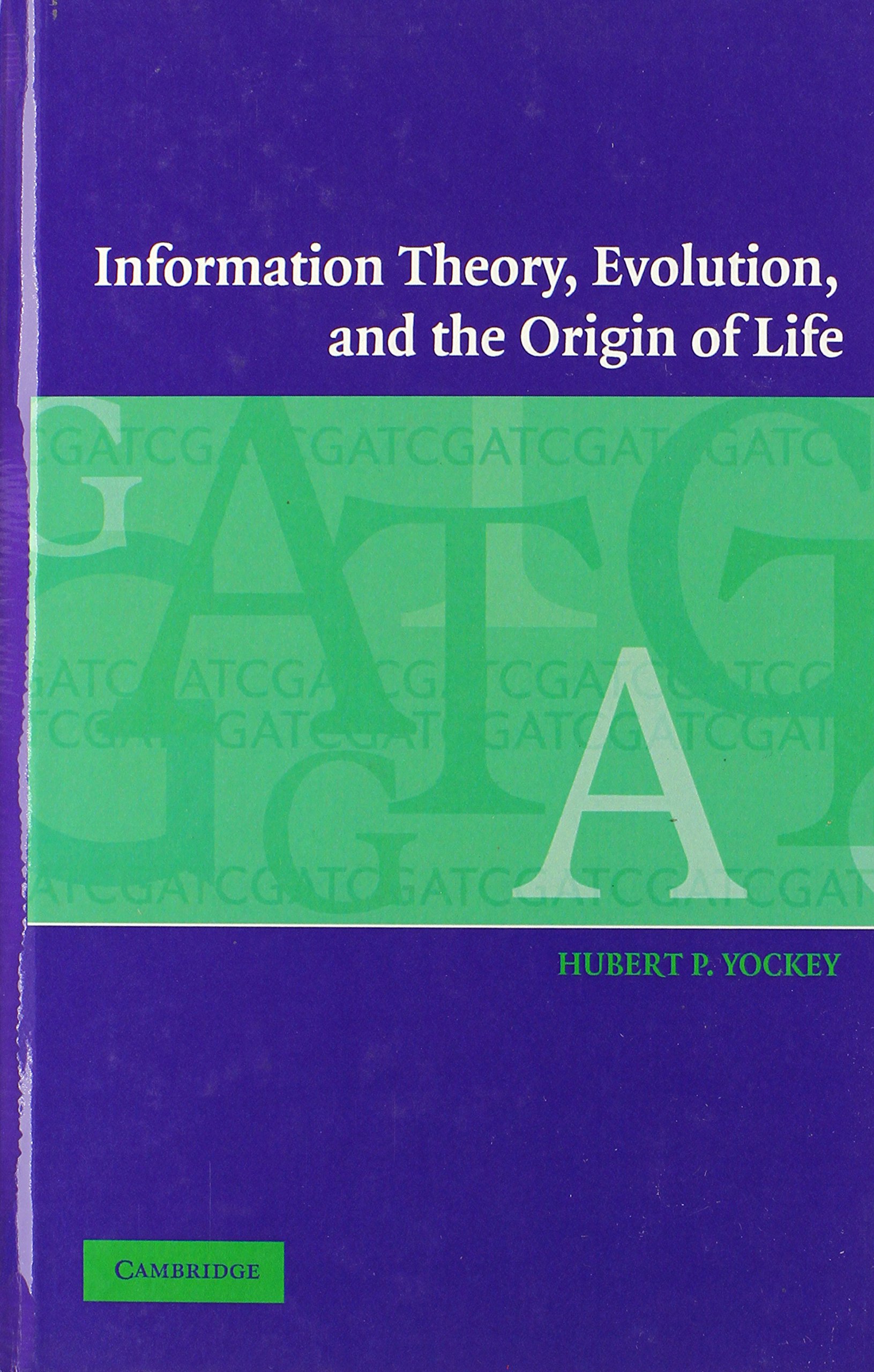
Information Theory, Evolution, and the Origin of Life by Hubert P. Yockey – A Quantitative Approach to Molecular Biology
Inclusive of all applicable taxes. FREE shipping on all orders.
Available Offers
- 🚚Free Delivery — Free shipping on all orders
- 💵Cash on Delivery — Pay when your order arrives
- ↩️15-Day Easy Returns — Hassle-free return policy
- 🔒Cash on Delivery — Pay safely when your order arrives
Check Delivery
Product Description
Introduction
Information Theory, Evolution, and the Origin of Life by Hubert P. Yockey is a groundbreaking work that bridges the gap between the mathematical sciences and molecular biology. Published by Cambridge University Press, this hardcover edition offers a rigorous yet accessible exploration of how information theory and coding theory can illuminate the deepest questions about life's beginnings and evolutionary processes. For Indian students and researchers in science, mathematics, and bioinformatics, this book provides a unique quantitative lens to understand the genetic code as a communication system.
Book Overview
Originally released in 2005, this volume presents a compelling argument: the genetic information system is fundamentally linear and digital, much like the algorithmic language of computers. Drawing on the pioneering insights of George Gamow, Yockey demonstrates how Claude Shannon's information theory moves molecular biology from mere description to precise quantification. The book systematically applies these mathematical tools to measure the information content in genome and proteome sequences, offering fresh perspectives on the nature and origin of life. It is written for readers who are comfortable with computers and have a keen interest in evolution and life's origins.
Key Highlights
- Quantitative Approach: Transforms molecular biology from a descriptive field into a quantitative science using Shannon's information theory.
- Digital Genetic Code: Explores the linear, digital nature of genetic information, comparing it to computer algorithms.
- Interdisciplinary Synthesis: Merges mathematics, coding theory, and biology to address fundamental questions about life.
- Rigorous Yet Accessible: Designed for the computer-competent reader, balancing technical depth with clear exposition.
- Foundational Text: A classic reference for understanding the informational basis of evolution and abiogenesis.
Inside the Book
The book unfolds through carefully structured chapters that build from basic principles to complex applications. Early sections introduce the core concepts of information theory, including entropy, channel capacity, and coding. Subsequent chapters apply these ideas to the genetic code, examining how information is stored, transmitted, and preserved across generations. Yockey also delves into the origin of life, using information-theoretic arguments to evaluate competing hypotheses. Throughout, mathematical formulations are accompanied by biological examples, making the material tangible for readers with a scientific background.
Key Topics
- Shannon's Information Theory: Fundamental concepts of entropy, redundancy, and mutual information.
- Coding Theory in Biology: How genetic codes resemble error-correcting codes in communication systems.
- Genetic Information Content: Measuring the information capacity of DNA and protein sequences.
- Evolution as an Information Process: Natural selection viewed through the lens of information transfer.
- Origin of Life: Information-theoretic constraints on abiogenesis and early evolutionary transitions.
- Molecular Sequence Analysis: Quantitative methods for comparing genomes and proteomes.
Reader Benefits
- Deepen Understanding: Gain a quantitative foundation for molecular biology and evolution.
- Enhance Research Skills: Learn to apply information theory to biological data analysis.
- Bridge Disciplines: Connect mathematics, computer science, and biology in a meaningful way.
- Critical Thinking: Evaluate origin-of-life theories using rigorous mathematical criteria.
- Academic Edge: Acquire knowledge that is valuable for competitive exams and advanced studies in bioinformatics.
Learning Outcomes
- Understand the fundamental principles of information theory and their relevance to molecular biology.
- Apply coding theory concepts to analyze genetic sequences and their evolutionary dynamics.
- Quantify the information content of genomes and proteomes using Shannon's measures.
- Critically assess models for the origin of life based on information-theoretic constraints.
- Develop a quantitative perspective on evolution as an information-processing system.
Who Should Read
This book is ideal for undergraduate and postgraduate students in biology, biochemistry, bioinformatics, mathematics, and computer science. It is also highly recommended for researchers and faculty members working in evolutionary biology, molecular genetics, and the philosophy of science. Indian students preparing for competitive exams such as CSIR-NET, GATE, or JRF in life sciences or computational biology will find the quantitative insights particularly valuable. Anyone with a curiosity about life's origins and a willingness to engage with mathematical ideas will benefit from this text.
About the Author
Hubert P. Yockey was a distinguished physicist and biologist who spent much of his career at the University of California, Berkeley, and later at the Army Research Office. He was a pioneer in applying information theory to molecular biology, publishing extensively on the subject. His work helped establish the field of bioinformatics and inspired generations of scientists to think quantitatively about genetic information. Yockey's unique background in both physics and biology lends this book an authority that is rare in interdisciplinary science.
About the Publisher
Cambridge University Press is one of the oldest and most respected academic publishers in the world, with a history dating back to 1534. Known for its rigorous peer-review process and high-quality publications, Cambridge University Press has been a cornerstone of scholarly communication in the sciences, humanities, and social sciences. This hardcover edition reflects the publisher's commitment to producing durable, well-edited works that stand the test of time.
Conclusion
Information Theory, Evolution, and the Origin of Life is more than a textbook—it is a intellectual journey that redefines how we understand life's most profound mysteries. By treating genetic information as a measurable quantity, Hubert P. Yockey opens new avenues for research and discovery. For Indian students and scholars eager to explore the frontiers of science, this book is an indispensable resource that will enrich your perspective and sharpen your analytical skills. Add this classic to your library and see life through the lens of information.
Quick Summary
Information Theory, Evolution, and the Origin of Life by Hubert P. Yockey is a seminal work that bridges the gap between information theory and molecular biology. The book introduces readers to Shannon's information theory and coding theory, demonstrating how these mathematical tools can be applied to understand the genetic code, evolution, and the very origin of life. Yockey argues that the genetic information system is digital and linear, much like a computer algorithm, and that quantifying this information is essential for moving molecular biology from a descriptive to a quantitative science. The book covers topics such as measuring information in genomes and proteomes, the mathematical structure of the genetic code, and the implications for how life might have arisen from non-living matter. It is ideal for students and researchers in molecular biology, genetics, bioinformatics, and anyone interested in the intersection of mathematics and biology. By purchasing this hardcover edition from Bookshops.in, Indian readers gain access to a premium academic resource that challenges conventional thinking and provides a rigorous framework for studying life's fundamental information systems.
Book Highlights
Book Specifications
| ISBN-13 | 9780521802932 |
| ISBN-10 | 0521802938 |
| Publisher | Cambridge University Press |
| Language | English |
| Dimensions | 15.88 x 1.91 x 23.5 cm |
| Weight | 570 g |
| Category | Biology & Life Sciences › Biology |
| Genre | Science & Mathematics |
| Original Language | English |
Frequently Asked Questions
What is the main topic of this book?
Who is the author Hubert P. Yockey?
Is this book suitable for beginners?
Does the book cover the origin of life?
What is the ISBN-13 of this book?
Is this book available in hardcover?
What is the price of this book in India?
How does information theory apply to genetics?
What will I learn from this book?
Who is the publisher?
Is this book used in university courses?
Does the book include mathematical formulas?
Can this book help in bioinformatics research?
How is this book different from other books on evolution?
Readers Also Search For
Customers Also Bought
Mathematics
Stereotype Spaces and Algebras: 73 (De Gruyter Expositions in Mathematics, 73)
Mathematics
Semigroups in Algebra, Geometry and Analysis: 20 (De Gruyter Expositions in Mathematics, 20)
Mathematics
Geometry from the Pacific Rim: Proceedings of the Pacific Rim Geometry Conference held at National University of Singapore, Republic of Singapore, ... 1994 (De Gruyter Proceedings in Mathematics)
Mathematics
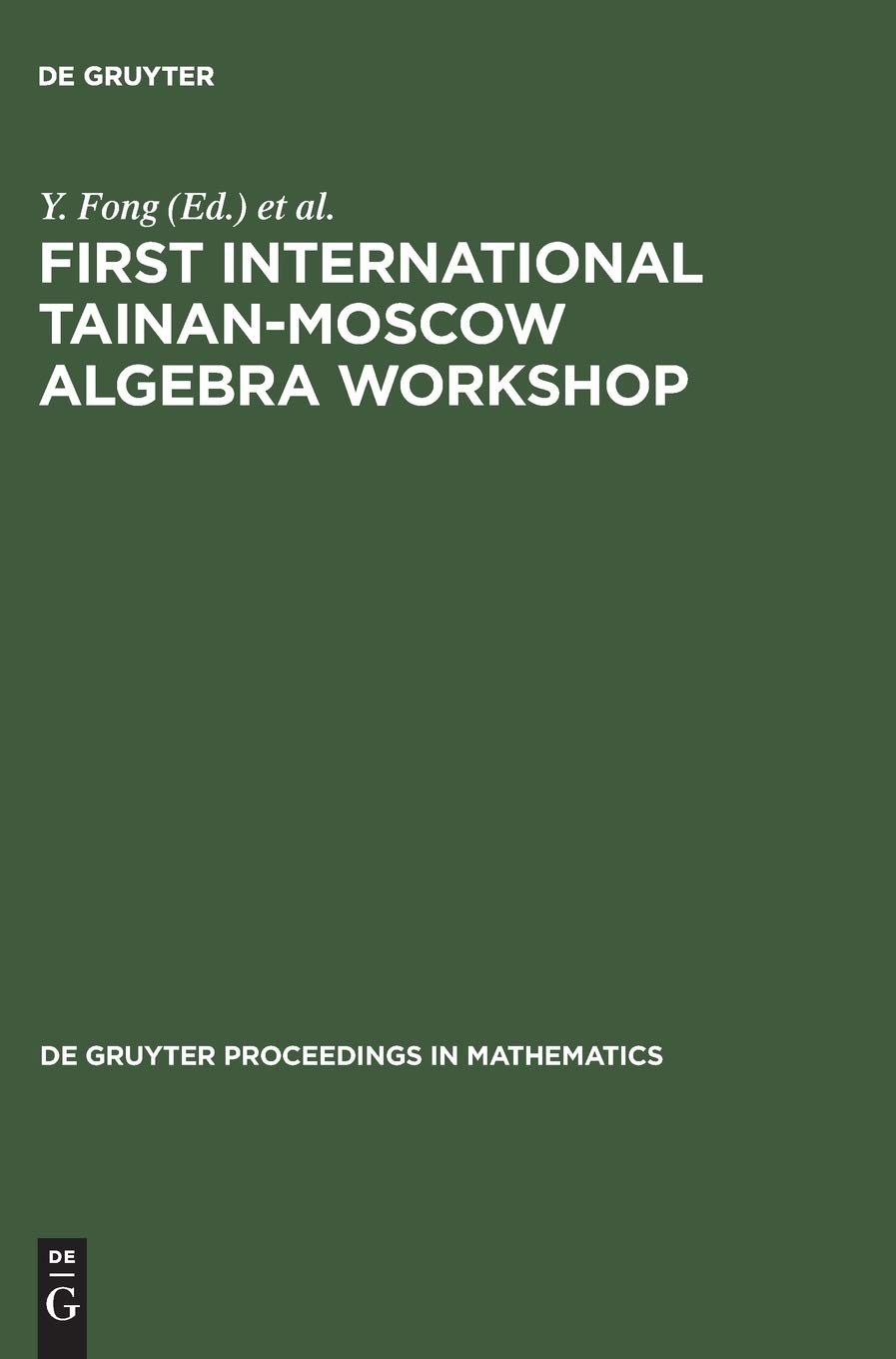
First International Tainan-Moscow Algebra Workshop: Proceedings of the International Conference held at National Cheng Kung University Tainan, Taiwan, ... 1994 (De Gruyter Proceedings in Mathematics)
Mathematics
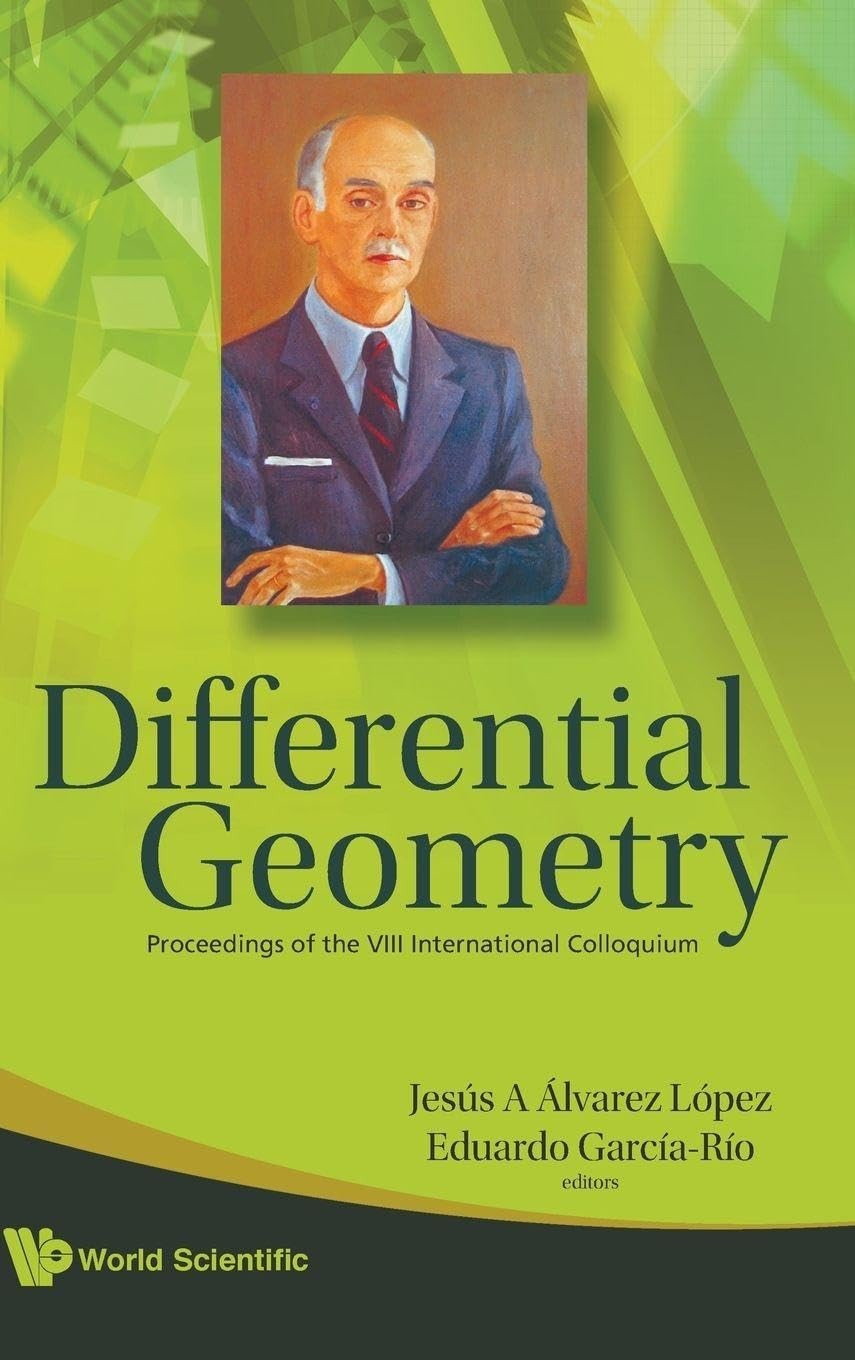
Differential Geometry - Proceedings of the VIII International Colloquium (English, Jesus A. Alvarez Lopez | Eduardo Garcia-Rio)
Mathematics
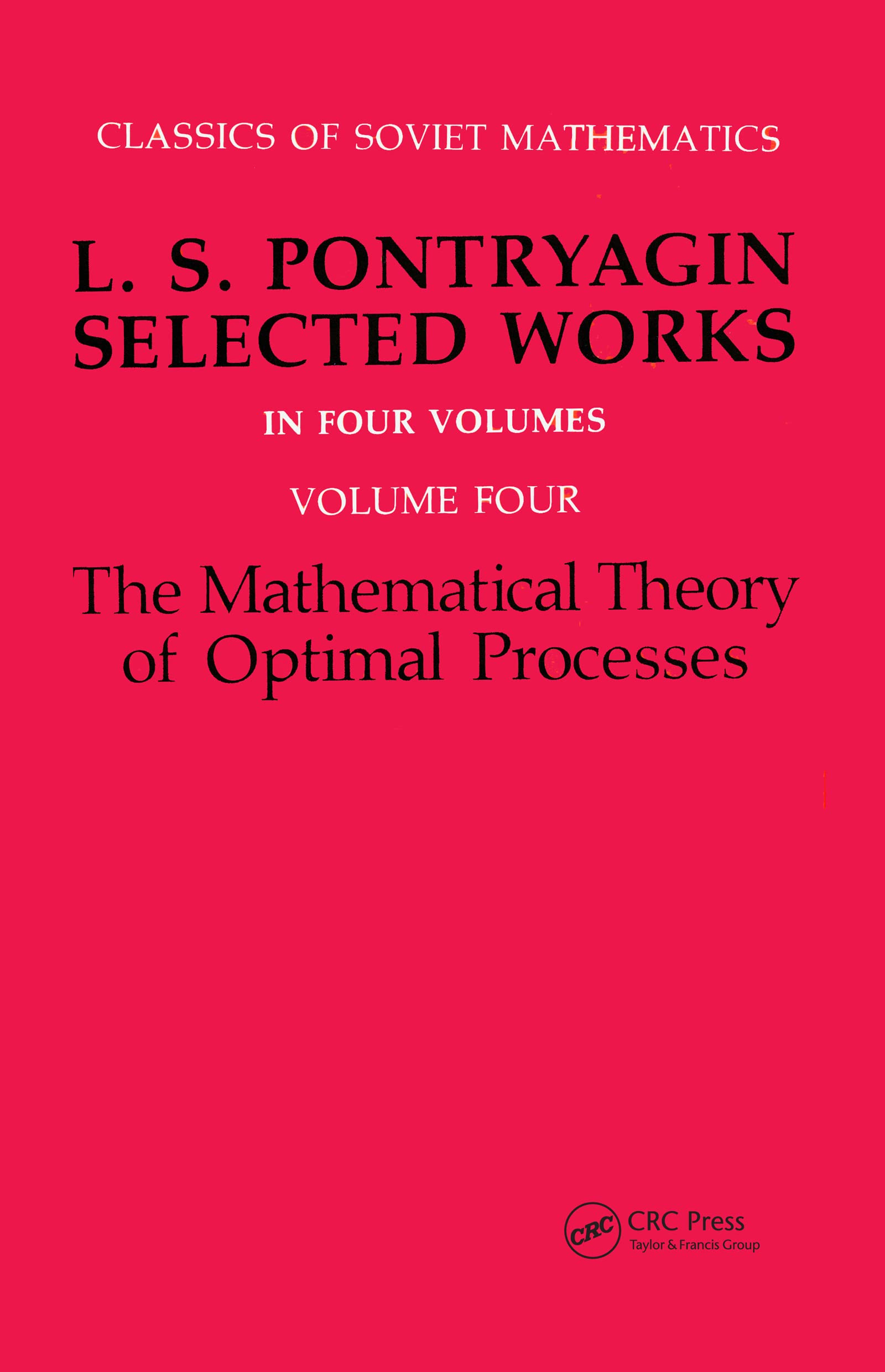
Mathematical Theory of Optimal Processes (Classics of Soviet Mathematics)
Related Products
View All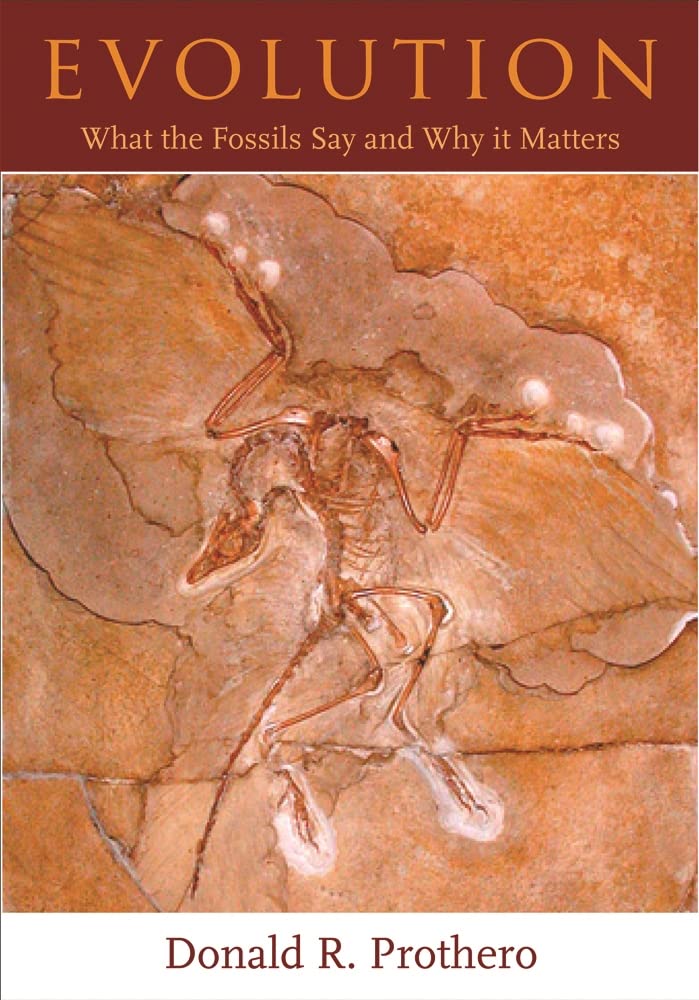
Biology
Evolution: What the Fossils Say and Why It Matters by Donald R. Prothero
Biology
From Taxonomy to Phylogenetics – Life and Work of Willi Hennig

Biology
The Marine Biology of the South China Sea
Biology
Genetics Meets Metabolomics: from Experiment to Systems Biology
Biology
The Elements of Natural or Experimental Philosophy: 2
Biology