
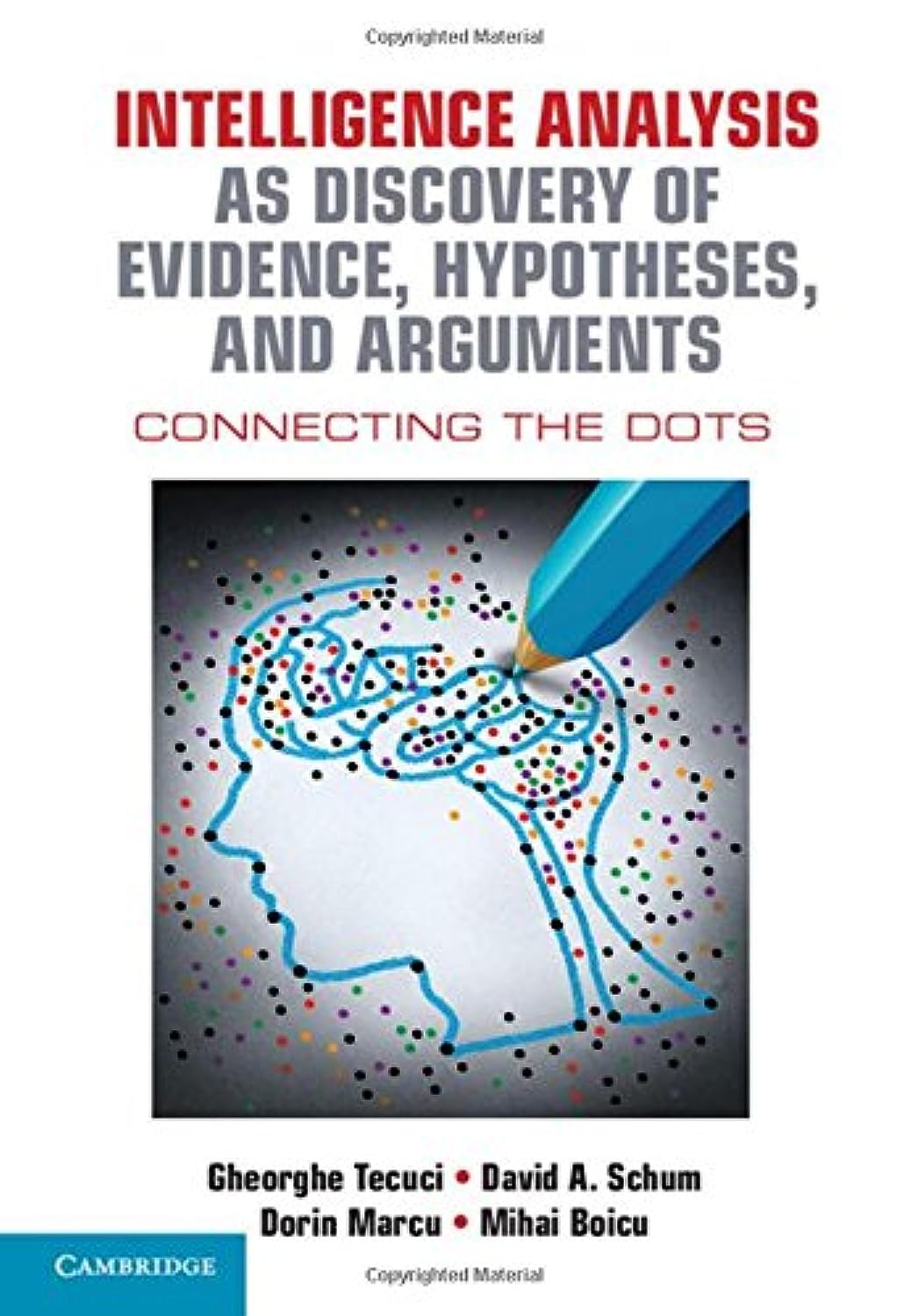
Intelligence Analysis as Discovery of Evidence, Hypotheses, and Arguments: Connecting the Dots by Gheorghe Tecuci – A Co
Inclusive of all applicable taxes. FREE shipping on all orders.
Available Offers
- 🚚Free Delivery — Free shipping on all orders
- 💵Cash on Delivery — Pay when your order arrives
- ↩️15-Day Easy Returns — Hassle-free return policy
- 🔒Cash on Delivery — Pay safely when your order arrives
Check Delivery
Product Description
Introduction
In the complex and high-stakes world of intelligence analysis, the ability to connect disparate pieces of information into a coherent and defensible conclusion is paramount. Intelligence Analysis as Discovery of Evidence, Hypotheses, and Arguments: Connecting the Dots by Gheorghe Tecuci offers a rigorous and methodical approach to this critical discipline. Published by Cambridge University Press, this hardcover volume is an essential resource for students, analysts, and professionals seeking to master the art and science of evidence-based reasoning. This book moves beyond theory, providing a practical framework for transforming raw data into actionable insights through the systematic generation of hypotheses, evaluation of evidence, and construction of persuasive arguments.
Book Overview
This unique text delves into the often-overlooked evidential and inferential challenges inherent in 'connecting the dots.' It teaches readers how to move from observations or questions to generating alternative hypotheses as explanations. The book then demonstrates how these hypotheses drive new lines of inquiry, leading to the discovery of fresh evidence. Crucially, it provides a structured methodology for testing hypotheses against discovered evidence, ensuring conclusions are both defensible and persuasive. The work introduces an intelligent analytical tool, Disciple-CD, which allows readers to practice these techniques in a hands-on environment, bridging the gap between academic concepts and real-world application.
Key Highlights
- Practical Framework: A step-by-step methodology for performing complex intelligence analysis, from evidence discovery to argument construction.
- Innovative Tool Integration: Introduces the Disciple-CD analytical tool for hands-on practice with hypothesis formulation, evidence evaluation, and argument development.
- Rigorous Approach: Emphasizes the inferential force of evidence, teaching how relevance and believability combine to shape conclusions.
- Authoritative Source: Published by Cambridge University Press, ensuring academic rigor and credibility.
- Comprehensive Coverage: Addresses the entire analytical cycle, including generating hypotheses, collecting evidence, and testing conclusions.
Inside the Book
The book is structured to guide the reader through the entire analytical process. It begins by establishing the foundational concepts of evidence and hypothesis generation. Subsequent chapters delve into the mechanics of reducing complex hypotheses into simpler, testable components. Readers will learn to construct arguments that logically connect evidence to conclusions, and to assess the relevance and believability of each piece of evidence. The inclusion of the Disciple-CD tool allows for interactive learning, where users can apply these concepts to realistic scenarios, making the abstract principles tangible and memorable.
Key Topics
- Evidence discovery and evaluation
- Hypothesis generation and formulation
- Argument construction and logical reasoning
- Inferential force and evidentiary weight
- Analytical tradecraft and methodology
- Use of intelligent analytical tools (Disciple-CD)
Reader Benefits
By engaging with this book, readers will develop a systematic approach to analysis that enhances both accuracy and persuasiveness. They will learn to avoid common cognitive biases by grounding conclusions in a structured framework of evidence and argumentation. The practical exercises with Disciple-CD provide immediate feedback, reinforcing learning and building confidence. Ultimately, readers will gain the ability to produce analytical products that are not only logically sound but also compelling to decision-makers and stakeholders.
Learning Outcomes
- Formulate clear and testable hypotheses from raw data and observations.
- Develop structured arguments that link evidence to conclusions.
- Evaluate the relevance and believability of diverse evidence sources.
- Use the Disciple-CD tool to perform complex analyses interactively.
- Construct defensible and persuasive analytical reports.
Who Should Read
This book is ideally suited for students of intelligence studies, political science, security studies, and data analysis. It is equally valuable for professionals in intelligence agencies, law enforcement, corporate security, risk management, and investigative journalism. Anyone tasked with making sense of incomplete or conflicting information—and presenting those conclusions convincingly—will find this work indispensable. It is also a powerful resource for educators seeking a comprehensive textbook for courses on analytical methods and critical thinking.
About the Author
Gheorghe Tecuci is a distinguished scholar and researcher in the field of artificial intelligence and knowledge-based systems. With a career spanning decades, he has contributed significantly to the development of intelligent analytical tools and methodologies. His work bridges the gap between theoretical computer science and practical applications in intelligence analysis, making complex concepts accessible to a broad audience. This book reflects his deep expertise in creating systems that augment human reasoning.
About the Publisher
Cambridge University Press is a world-renowned academic publisher with a history of producing authoritative texts across disciplines. Known for its rigorous peer-review process and commitment to scholarly excellence, Cambridge University Press ensures that every title meets the highest standards of accuracy and intellectual depth. This book is part of their distinguished catalogue, guaranteeing readers a reliable and well-researched resource.
Conclusion
Intelligence Analysis as Discovery of Evidence, Hypotheses, and Arguments: Connecting the Dots is more than a textbook—it is a practical guide to mastering the art of analytical reasoning. By combining theoretical foundations with hands-on practice through the Disciple-CD tool, Gheorghe Tecuci has created a resource that empowers readers to think critically and act decisively. Whether you are a student entering the field or a seasoned professional seeking to refine your craft, this book offers the tools and insights needed to excel in the demanding world of intelligence analysis. Order your copy today from Bookshops.in and take the first step toward becoming a more effective and persuasive analyst.
Quick Summary
Intelligence Analysis as Discovery of Evidence, Hypotheses, and Arguments: Connecting the Dots by Gheorghe Tecuci is a comprehensive guide to the analytical process at the heart of intelligence work. The book teaches readers how to systematically move from raw observations to well-supported conclusions by generating alternative hypotheses, discovering relevant evidence, and constructing logical arguments. It introduces the Disciple-CD tool, an intelligent system that allows readers to practice these skills in a structured environment. This book is ideal for students of intelligence studies, security professionals, researchers, and anyone seeking to improve their critical thinking and analytical reasoning. Unlike generic texts, it provides a hands-on methodology that reduces cognitive biases and enhances decision making under uncertainty. Published by Cambridge University Press, it offers academic rigor and practical applicability. By purchasing from Bookshops.in, Indian readers gain access to a premium hardcover edition with reliable delivery and customer service. Whether you are preparing for a career in intelligence or simply want to think more clearly about complex problems, this book is an invaluable resource.
Book Highlights
Book Specifications
| ISBN-13 | 9781107122604 |
| ISBN-10 | 1107122600 |
| Publisher | Cambridge University Press |
| Language | English |
| Dimensions | 19.05 x 1.91 x 26.67 cm |
| Weight | 780 g |
| Country | United Kingdom |
| Category | Computer Science › Artificial Intelligence |
| Genre | Nonfiction |
| Original Language | English |
Frequently Asked Questions
What is the main focus of this book?
Who is Gheorghe Tecuci?
Do I need prior knowledge of intelligence analysis to read this book?
What is the Disciple-CD tool?
Is this book suitable for Indian students?
How does this book differ from other intelligence analysis books?
What will I learn about hypotheses?
Can this book help with academic research?
Does the book include case studies?
What is the price in India?
Is this book used in university courses?
Can I buy this book from Bookshops.in?
Readers Also Search For
Customers Also Bought
Computer Science
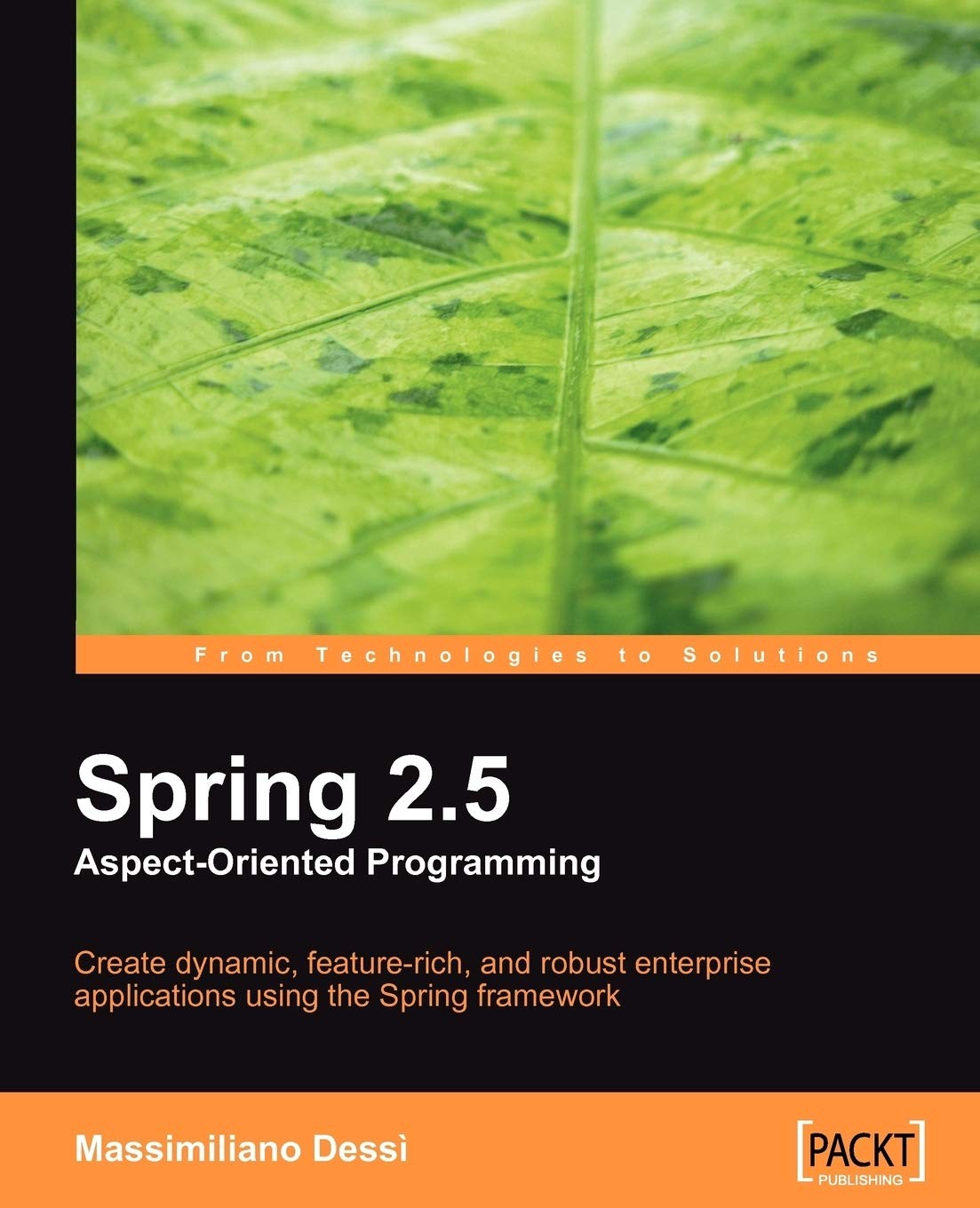
Spring 2.5 Aspect Oriented Programming (English, Massimiliano Dess� | Massimiliano Dessi)
Computer Science
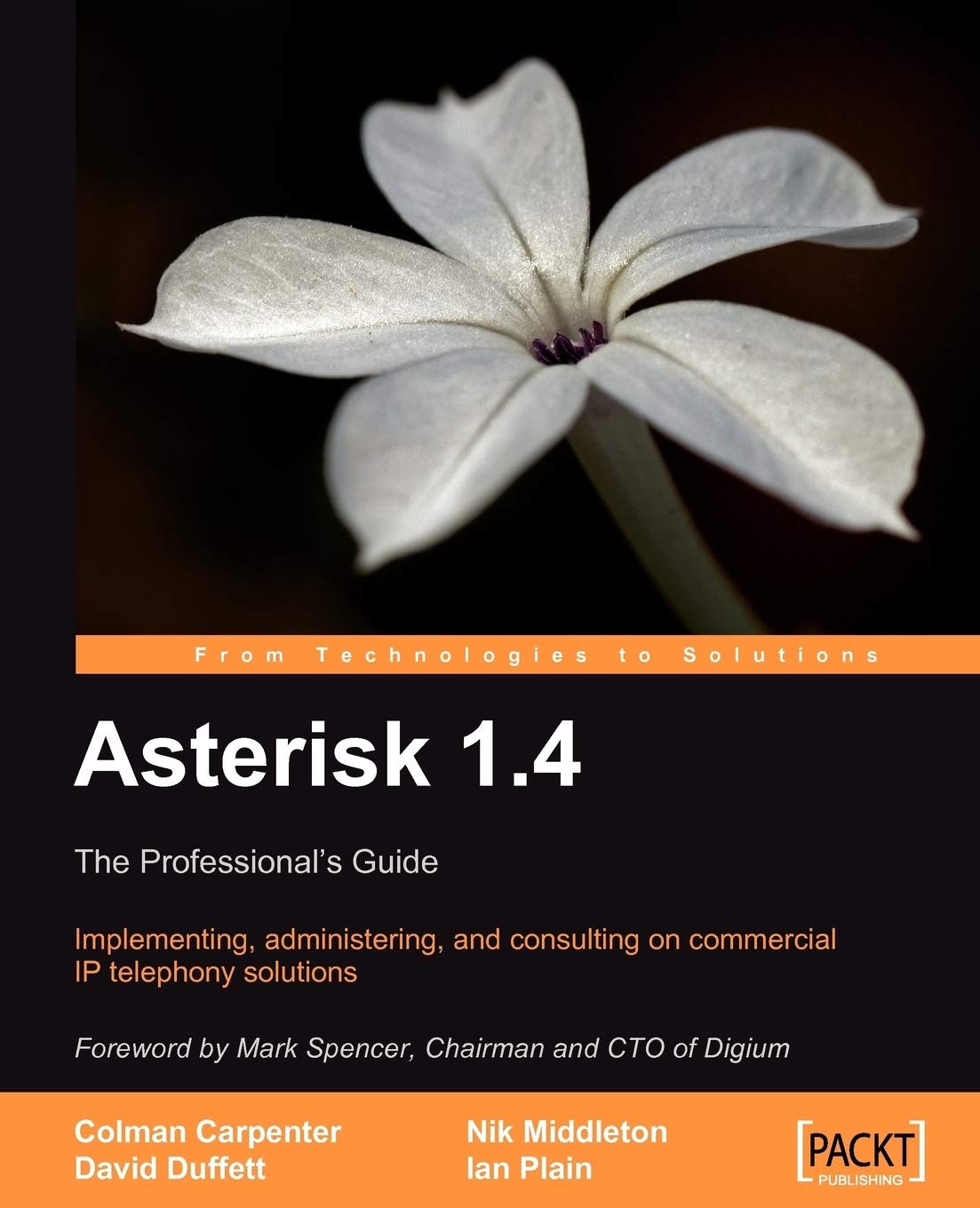
Asterisk 1.4 - the Professional's Guide (English, Colman Carpenter | David Duffett | Nik Middleton)
Computer Science
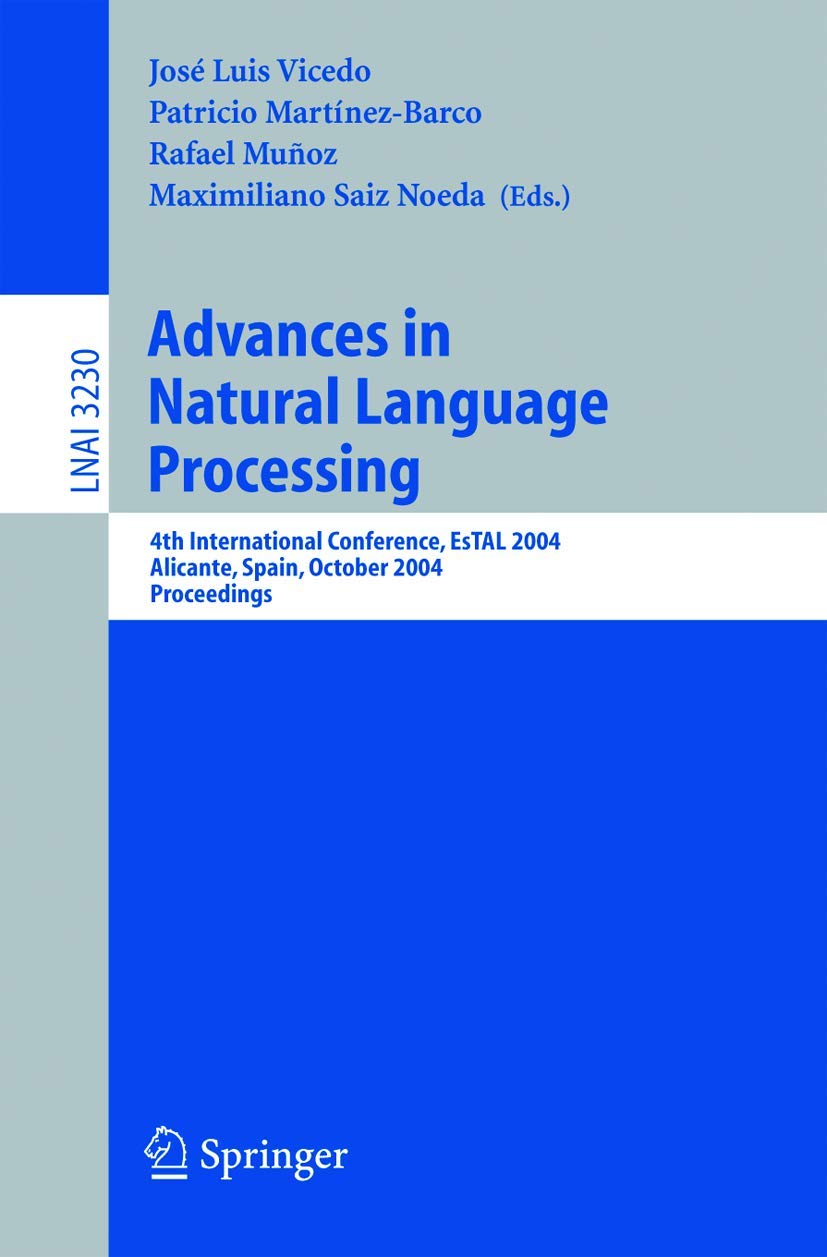
Advances In Natural Language Processing: 4th International Conference, Estal 2004, Alicante, Spain, October 20-22, 2004. Proceedings: 3230 (Lecture Notes in Computer Science)
Computer Science
Multimedia, Communication and Computing Application: Proceedings of the 2014 International Conference on Multimedia, Communication and Computing ... 2014), Xiamen, China, October 16-17, 2014
Computer Science
Cases on Database Technologies and Applications (Cases on Information Technology Series)
Computer Science
ASP.Net 3.5 Social Networking (English, Andrew Siemer)
Related Products
View AllComputer Science
Spring 2.5 Aspect Oriented Programming (English, Massimiliano Dess� | Massimiliano Dessi)
Computer Science
Asterisk 1.4 - the Professional's Guide (English, Colman Carpenter | David Duffett | Nik Middleton)
Computer Science
Advances In Natural Language Processing: 4th International Conference, Estal 2004, Alicante, Spain, October 20-22, 2004. Proceedings: 3230 (Lecture Notes in Computer Science)
Computer Science
Multimedia, Communication and Computing Application: Proceedings of the 2014 International Conference on Multimedia, Communication and Computing ... 2014), Xiamen, China, October 16-17, 2014
Computer Science
Cases on Database Technologies and Applications (Cases on Information Technology Series)
Computer Science