
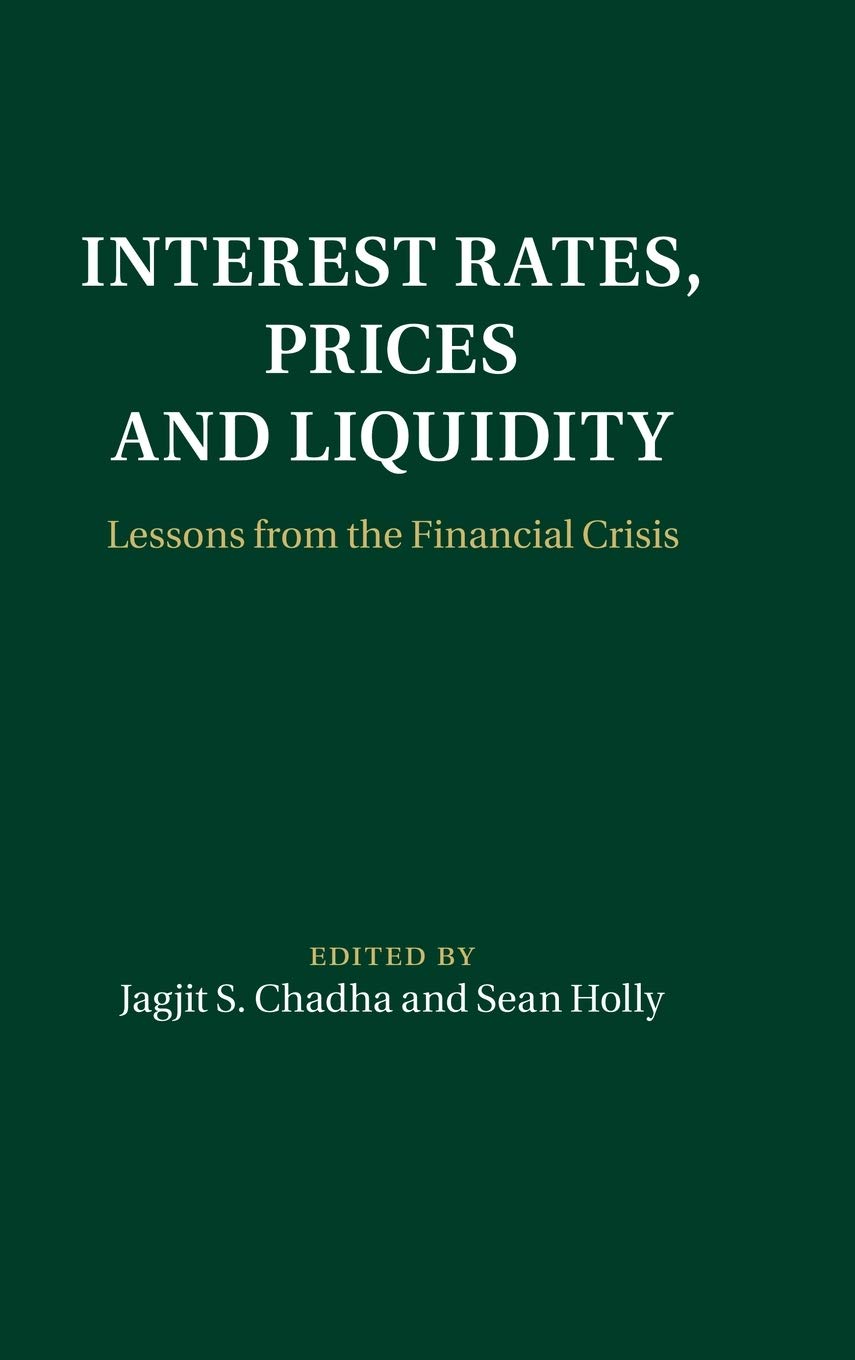
Interest Rates, Prices and Liquidity: Lessons from the Financial Crisis by Jagjit S. Chadha – A Cambridge University Pre
Inclusive of all applicable taxes. FREE shipping on all orders.
Available Offers
- 🚚Free Delivery — Free shipping on all orders
- 💵Cash on Delivery — Pay when your order arrives
- ↩️15-Day Easy Returns — Hassle-free return policy
- 🔒Cash on Delivery — Pay safely when your order arrives
Check Delivery
Product Description
Introduction
The global financial crisis of 2008 shattered long-held assumptions in macroeconomics and central banking. In its wake, policymakers and scholars were forced to re-examine the very foundations of monetary theory and practice. Interest Rates, Prices and Liquidity: Lessons from the Financial Crisis, edited by Jagjit S. Chadha, brings together leading economists from academia, financial markets, and central banks to dissect what went wrong and what we have learned. This hardcover volume from Cambridge University Press is an essential resource for Indian students, researchers, and professionals seeking a deeper understanding of the interplay between interest rates, asset prices, and liquidity in times of turmoil.
Book Overview
This book tackles the critical shift in monetary policy that occurred when short-term interest rates hit the zero lower bound. Central banks around the world, including the Reserve Bank of India, had to deploy unconventional tools such as quantitative easing and the purchase of toxic assets. Through a collection of rigorous essays, the volume evaluates the effectiveness of these instruments and explores how the crisis has reshaped our understanding of money, credit, and financial stability. It is a timely and thought-provoking analysis that bridges theory and real-world policy.
Key Highlights
- Expert Contributions: Features insights from distinguished economists, central bankers, and market practitioners who were at the forefront of the crisis response.
- Unconventional Policy Tools: Detailed examination of quantitative easing, credit easing, and liquidity management strategies.
- Post-Crisis Paradigm Shift: Challenges the pre-crisis consensus that money and credit markets could be ignored as long as interest rates were the main policy instrument.
- Global Perspective: While focused on advanced economies, the lessons are directly relevant to emerging markets like India.
Inside the Book
The volume is structured around the core themes of interest rate dynamics, price stability, and liquidity provision. Chapters delve into the theoretical underpinnings of monetary policy, the empirical evidence from the crisis, and the institutional changes required to prevent future meltdowns. Readers will find detailed discussions on the role of central bank balance sheets, the transmission of policy rates to the real economy, and the interaction between sovereign debt markets and bank lending.
Key Topics
- The zero lower bound on interest rates and its implications
- Quantitative easing and its impact on asset prices and inflation
- Liquidity traps and the effectiveness of monetary policy
- The link between money, credit, and financial stability
- Lessons for central bank independence and communication
- Post-crisis regulatory reforms and their macroeconomic consequences
Reader Benefits
By reading this book, you will gain a nuanced understanding of how modern central banks operate under extreme conditions. You will learn to critically evaluate policy responses and appreciate the complexity of managing an economy when conventional tools fail. The essays are written in a clear, accessible style, making advanced concepts digestible for students and practitioners alike. For Indian readers, the insights are particularly valuable given the RBI's own experiences with liquidity management and unconventional policy during the pandemic and beyond.
Learning Outcomes
- Understand the theoretical and practical challenges of monetary policy at the zero lower bound
- Analyze the effectiveness of unconventional policy tools like quantitative easing
- Evaluate the role of liquidity and credit markets in macroeconomic stability
- Identify key lessons from the financial crisis for future policy design
- Apply these insights to the context of emerging economies like India
Who Should Read
This book is ideal for postgraduate students of economics, finance, and public policy; academic researchers specializing in monetary economics; central bank staff and policymakers; financial analysts and economists in the banking and investment sectors; and anyone with a keen interest in understanding the forces that shape modern financial systems. It is also highly recommended for Indian civil service aspirants preparing for the UPSC economics optional or related competitive exams.
About the Author
Jagjit S. Chadha is a professor of economics and a prominent figure in monetary policy research. He has served as a senior advisor to the Bank of England and has held academic positions at the University of Cambridge and the University of Kent. His work focuses on the history of economic thought, monetary economics, and financial stability. He brings a wealth of practical and theoretical expertise to this edited volume.
About the Publisher
Cambridge University Press is one of the world's oldest and most respected academic publishers. With a legacy of over 400 years, it is known for producing high-quality scholarly works that advance knowledge across disciplines. This hardcover edition reflects the press's commitment to rigorous peer review and excellence in academic publishing.
Conclusion
Interest Rates, Prices and Liquidity: Lessons from the Financial Crisis is a vital contribution to the post-crisis economic literature. It equips readers with the tools to understand the profound changes in monetary policy and financial regulation. Whether you are a student, researcher, or professional, this book will deepen your appreciation of the delicate balance between interest rates, prices, and liquidity in a world still grappling with the aftershocks of the crisis. Order your copy from Bookshops.in today and add this indispensable volume to your library.
Quick Summary
Interest Rates, Prices and Liquidity: Lessons from the Financial Crisis, edited by Jagjit S. Chadha and published by Cambridge University Press, is a seminal academic work that dissects the macroeconomic upheaval caused by the 2008 financial crisis. The book challenges the pre-crisis consensus that money and credit markets could be ignored in policy-making, demonstrating how central banks were forced to adopt radical measures like quantitative easing and toxic asset purchases when interest rates hit zero. Featuring contributions from leading economists in academia and finance, this volume explores the breakdown of traditional models, the role of liquidity, and the evolution of monetary policy frameworks. It is designed for postgraduate students, researchers, central bankers, and financial professionals who seek a rigorous understanding of the crisis and its enduring impact on economic theory. By purchasing from Bookshops.in, India's premium online bookstore, readers receive a genuine, high-quality hardcover edition delivered to their doorstep, supporting a trusted local retailer.
Book Highlights
Book Specifications
| ISBN-13 | 9781107014732 |
| ISBN-10 | 1107014735 |
| Publisher | Cambridge University Press |
| Language | English |
| Dimensions | 15.24 x 1.91 x 23.5 cm |
| Weight | 590 g |
| Category | Economics › Macroeconomics |
| Genre | Non-fiction |
| Reading Age | Adult |
| Original Language | English |
Frequently Asked Questions
What is the main theme of this book?
Who edited this book?
Is this book suitable for undergraduate students?
Does the book cover Indian monetary policy?
What is quantitative easing?
Is this book still relevant today?
What makes this book different from other crisis books?
Can I use this book for my PhD research?
Does the book include data and charts?
Is the language technical?
What is the price of this book in India?
How long does delivery take?
Can I return the book if damaged?
Readers Also Search For
Customers Also Bought

Entrepreneurship
Chinese Economic Revolution (English, Linda Grove)
Entrepreneurship
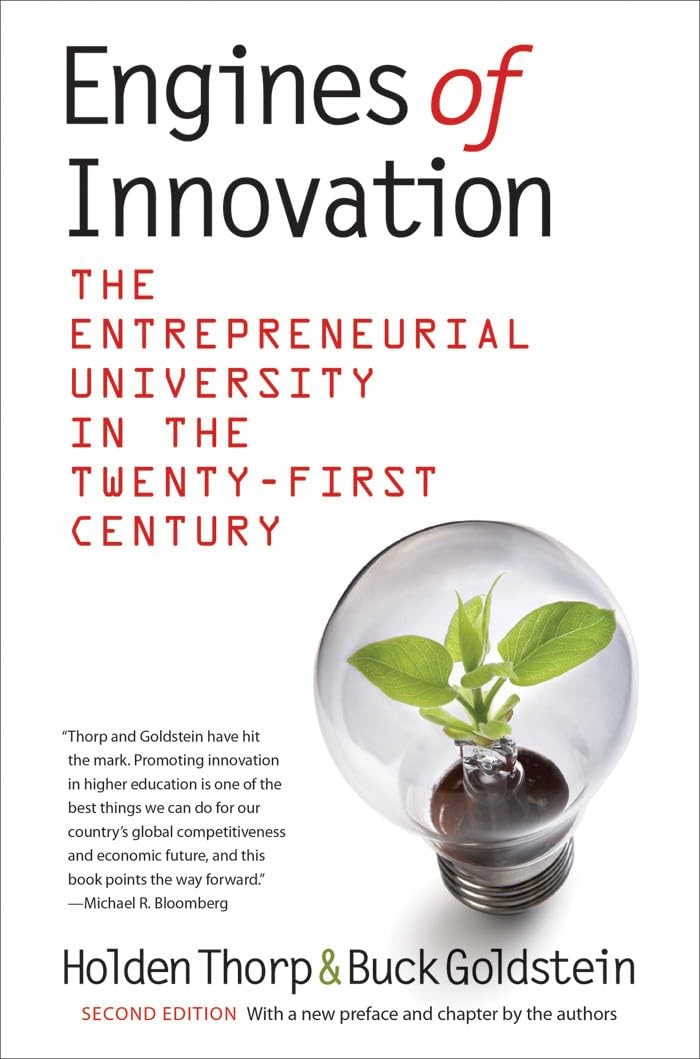
Engines of Innovation: The Entrepreneurial University in the Twenty-First Century by Holden Thorp
Entrepreneurship
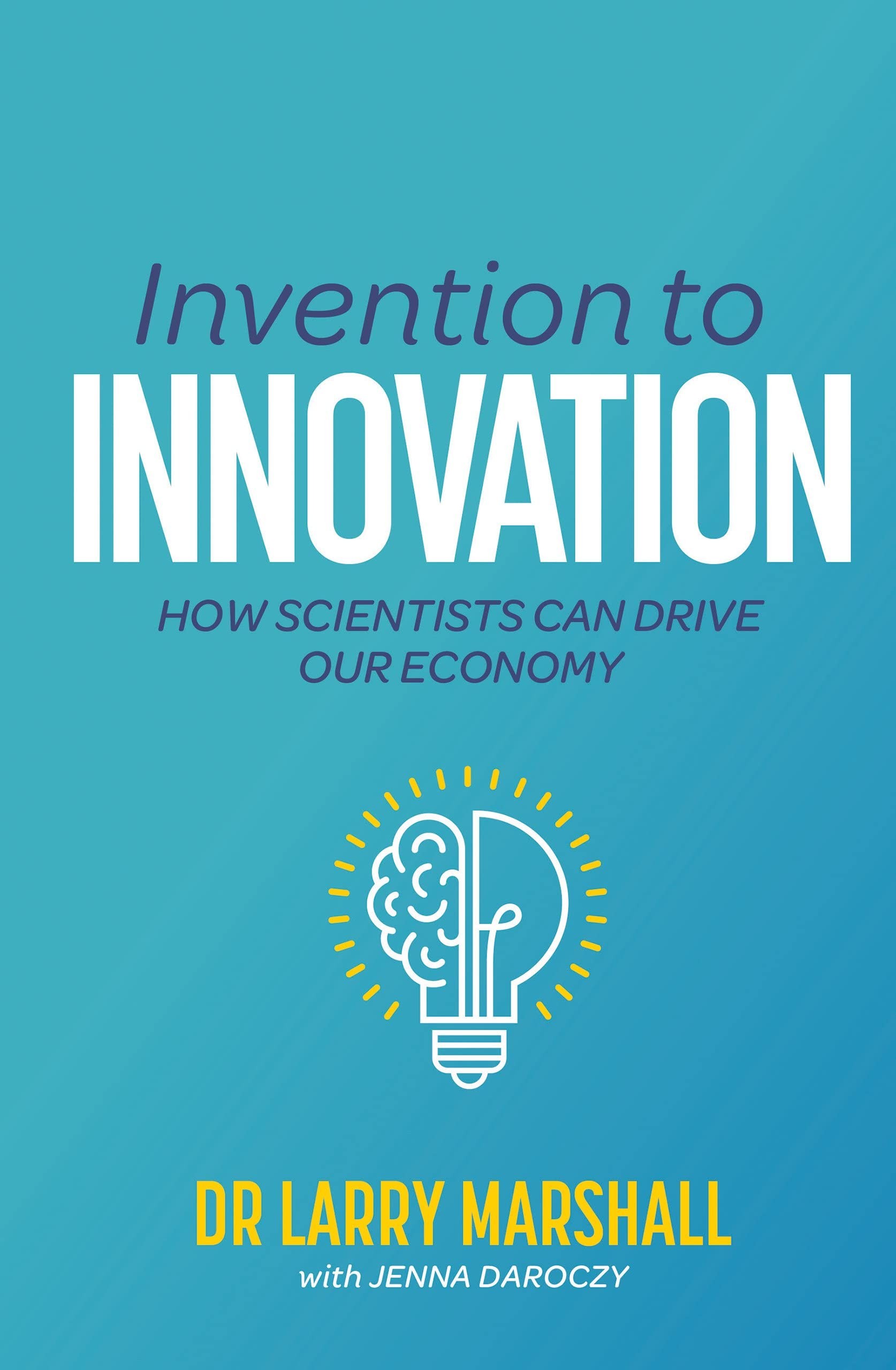
Invention to Innovation (English, PhD Marshall Larry | Jenna Daroczy)
Entrepreneurship
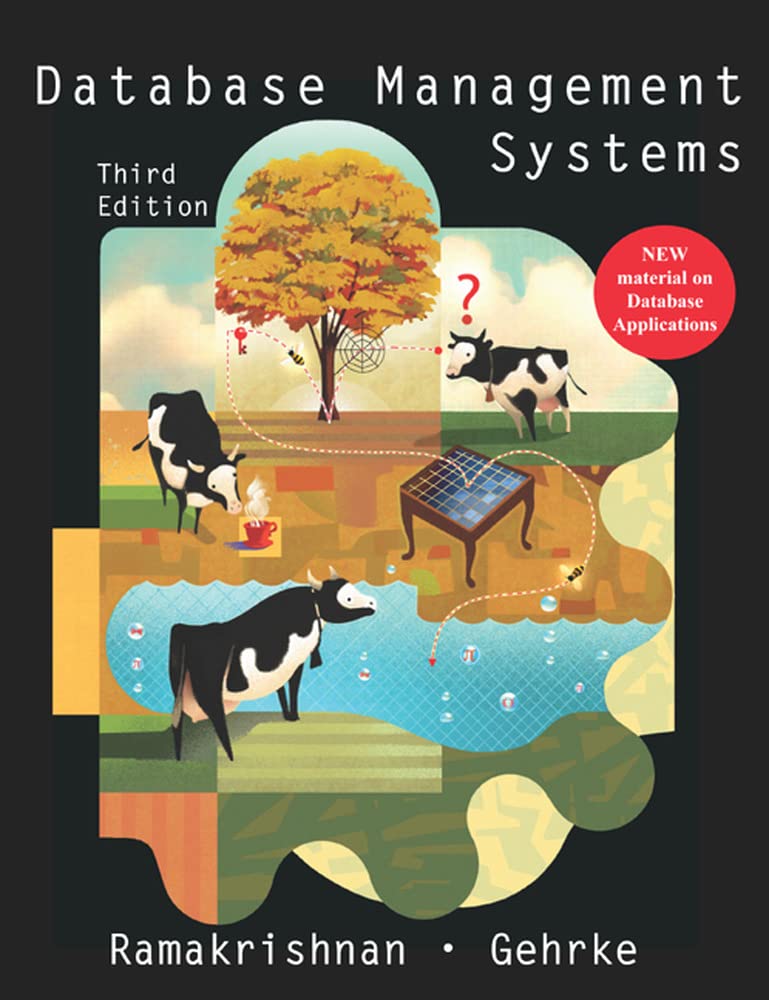
Database Management Systems by Raghu Ramakrishnan – DBMS Textbook

Entrepreneurship
Decision-making for Technology Executives by Harold A. Linstone
Entrepreneurship
The Business Innovation Audit (English, William Tate)
Related Products
View All
Economics
Women's Entrepreneurship and Economics (English, Miguel-Angel Galindo | Domingo Ribeiro)
Economics
Trade Policy and Industrialization in Turbulent Times | by Gerry Helleiner | Routledge | by Gerry Helleiner | Routledge | by Gerry Helleiner | Routledge | by Gerry Helleiner | Routledge | by Gerry Helleiner | Routledge | by Gerry Helleiner | Routledge | by Gerry Helleiner | Routledge | by Gerry Helleiner | Routledge | by Gerry Helleiner | Routledge | by Gerry Helleiner | Routledge | by Gerry Helleiner | Routledge | by Gerry Helleiner | Routledge | by Gerry Helleiner | Routledge | by Gerry Hellei
Economics
History of Economic Analysis | by Schumpeter Joseph A. | Taylor & Francis Ltd | by Schumpeter Joseph A. | Taylor & Francis Ltd | by Schumpeter Joseph A. | Taylor & Francis Ltd | by Schumpeter Joseph A. | Taylor & Francis Ltd | by Schumpeter Joseph A. | Taylor & Francis Ltd | by Schumpeter Joseph A. | Taylor & Francis Ltd | by Schumpeter Joseph A. | Taylor & Francis Ltd | by Schumpeter Joseph A. | Taylor & Francis Ltd | by Schumpeter Joseph A. | Taylor & Franci
Economics
OECD Compendium of Productivity Indicators 2015 | by Organization for Economic Cooperation an | Organization for Economic Co-Operation & Deve | by Organization for Economic Cooperation an | Organization for Economic Co-Operation & Deve | by Organization for Economic Cooperation an | Organization for Economic Co-Operation & Deve | by Organization for Economic Cooperation an | Organization for Economic Co-Operation & Deve | by Organization for Economic Cooperation an | Organization

Economics
The Hacker's Handbook: The Strategy Behind Breaking into and Defending Networks by Susan Young

Economics