
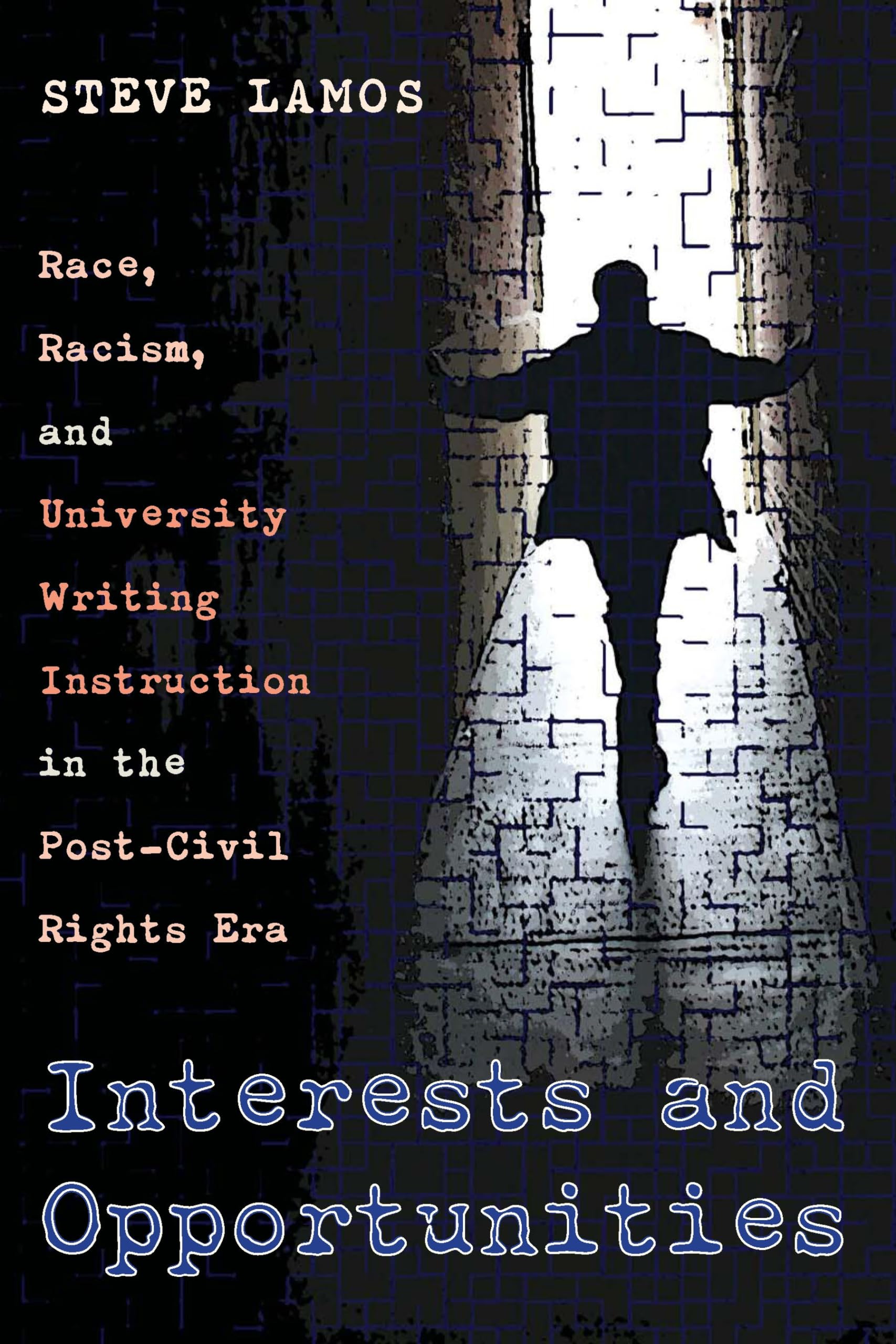
Interests and Opportunities: Race, Racism, and University Writing Instruction in the Post-Civil Rights Era by Steve Lamo
Inclusive of all applicable taxes. FREE shipping on all orders.
Available Offers
- 🚚Free Delivery — Free shipping on all orders
- 💵Cash on Delivery — Pay when your order arrives
- ↩️15-Day Easy Returns — Hassle-free return policy
- 🔒Cash on Delivery — Pay safely when your order arrives
Check Delivery
Product Description
Introduction
In an era where conversations around race, equity, and access are more urgent than ever, Interests and Opportunities: Race, Racism, and University Writing Instruction in the Post-Civil Rights Era by Steve Lamos offers a critical lens on how American universities have navigated—and often failed—the challenge of inclusive writing education. This hardcover volume from the University of Pittsburgh Press is an essential read for Indian scholars, educators, and students of rhetoric, composition, and critical race studies. It unpacks the complex interplay between institutional interests and the fate of “high-risk” writing programs designed to support minority and low-income students.
Book Overview
Steve Lamos delves into the history of university writing instruction from the late 1960s onward, focusing on the rise and fall of programs aimed at addressing racial inequality. Using critical race theorist Derrick Bell’s concept of “interest convergence,” Lamos argues that these programs thrived only when they aligned with the interests of mainstream white administrators and academics. When those interests shifted, the programs were marginalized or dismantled. The book combines national-level policy analysis with a deep dive into the local case of the University of Illinois at Urbana-Champaign, revealing how curriculum, pedagogy, and budgets became battlegrounds for racial justice.
Key Highlights
- Applies Derrick Bell’s interest convergence theory to writing instruction, a fresh and powerful analytical framework.
- Examines both macro-level national debates and micro-level institutional decisions at a major public university.
- Offers a nuanced look at “high-risk” programs and the politics of Standard English versus linguistic diversity.
- Provides historical context for contemporary anti-affirmative action and anti-access sentiments in higher education.
- Written in accessible prose that bridges critical race theory, composition studies, and educational policy.
Inside the Book
The book is structured around key moments in post-civil rights era writing instruction. It begins with the emergence of open admissions and high-risk programs in the late 1960s, then traces the backlash in the 1970s and 1980s as budget cuts and calls for “standards” gained momentum. Lamos uses archival records, policy documents, and institutional reports to show how race-neutral language often masked racially motivated decisions. The final chapters bring the story into the early twenty-first century, connecting historical patterns to current struggles over affirmative action and access.
Key Topics
- Interest convergence and racial equity in higher education
- History of high-risk writing programs at US universities
- Standard English ideology and linguistic gatekeeping
- Affirmative action, access, and anti-racist pedagogy
- Institutional racism in curriculum and budget allocation
- Critical race theory applications in composition studies
Reader Benefits
This book equips Indian readers with a comparative perspective on how race and class intersect with education policy. It helps educators understand the pitfalls of well-intentioned but poorly designed access programs. For students of rhetoric and composition, it offers a model of rigorous historical research that connects theory to practice. The case study approach makes abstract concepts tangible, while the focus on writing instruction provides a concrete entry point into broader debates about equity.
Learning Outcomes
- Analyze how institutional interests shape educational reforms for marginalized groups.
- Critique the rhetoric of “standards” and “merit” in university writing programs.
- Identify patterns of racial inequality in curriculum and resource allocation.
- Apply interest convergence theory to other educational contexts, including Indian institutions.
- Develop a historical understanding of the post-civil rights era’s impact on writing pedagogy.
Who Should Read
This book is ideal for university faculty and administrators in English, composition, and rhetoric; graduate students in critical race studies, education policy, and American studies; undergraduate students in advanced writing or social justice courses; and anyone interested in the politics of language, literacy, and access. It is particularly valuable for Indian readers who wish to understand how race operates in US academia and draw parallels with caste and class dynamics in Indian higher education.
About the Author
Steve Lamos is an associate professor of English and director of the writing program at the University of Colorado Boulder. His research focuses on the history of composition studies, critical race theory, and writing program administration. He has published widely on race, rhetoric, and institutional change, and his work bridges scholarly analysis with practical insights for writing teachers and program directors.
About the Publisher
The University of Pittsburgh Press is a distinguished academic publisher known for its contributions to composition studies, rhetoric, and critical theory. It has a long tradition of publishing groundbreaking works that challenge conventional wisdom and advance social justice in education. This book is part of their acclaimed series on composition, literacy, and culture.
Conclusion
Interests and Opportunities is a timely and unflinching examination of how race and racism persist in university writing instruction, even in the guise of reform. Steve Lamos provides both a cautionary tale and a call to action for educators and policymakers. For Indian readers, it offers valuable lessons on how to build genuinely equitable educational programs that serve the most vulnerable students. This hardcover edition is a must-have for any serious academic library or personal collection focused on social justice in education.
Quick Summary
Interests and Opportunities: Race, Racism, and University Writing Instruction in the Post-Civil Rights Era by Steve Lamos is a critical scholarly work that examines how race and racism have shaped university writing programs in the United States from the late 1960s onward. Lamos applies Derrick Bell's interest convergence theory to show that 'high-risk' writing programs—designed to support minority and low-income students—are promoted or dismantled based on whether they serve the interests of the white majority. The book combines a national overview of policy debates with a detailed case study of the University of Illinois at Urbana-Champaign, revealing how anti-affirmative action sentiments and Standard English ideologies have repeatedly put these programs at risk. Readers will gain a deep understanding of the historical and political forces affecting educational equity, the role of writing instruction in racial dynamics, and the ongoing struggle for access in higher education. This book is ideal for scholars, writing program administrators, graduate students, and anyone interested in critical race theory, composition studies, or education policy. By purchasing from Bookshops.in, Indian readers receive a high-quality hardcover edition with reliable delivery and customer service.
Book Highlights
Book Specifications
| ISBN-13 | 9780822961734 |
| ISBN-10 | 0822961733 |
| Publisher | Univ of Pittsburgh Pr |
| Language | English |
| Dimensions | 15.24 x 1.52 x 22.86 cm |
| Weight | 318 g |
| Category | Literature › Creative Writing & Composition |
| Genre | Nonfiction |
| Original Language | English |
Frequently Asked Questions
What is the main thesis of Interests and Opportunities?
Who is Steve Lamos?
What is interest convergence?
What are high-risk writing programs?
Is this book only about the University of Illinois?
Does the book cover the post-Civil Rights era only?
What is the relevance for Indian readers?
Is this a textbook or a research monograph?
How does the book address Standard English?
What is the binding of this book?
What is the ISBN-13?
Can I buy this book from Bookshops.in?
Readers Also Search For
Customers Also Bought
McFarland & Company
Playing with the Guys | by Marc A. Ouellette | Matthew Wilhelm Kapell | McFarland & Company | by Marc A. Ouellette | Matthew Wilhelm Kapell | McFarland & Company | by Marc A. Ouellette | Matthew Wilhelm Kapell | McFarland & Company | by Marc A. Ouellette | Matthew Wilhelm Kapell | McFarland & Company | by Marc A. Ouellette | Matthew Wilhelm Kapell | McFarland & Company | by Marc A. Ouellette | Matthew Wilhelm Kapell | McFarland & Company | by Marc A. Ouellette | Matthew W
Rowman & Littlefield Publishers
Joss Whedon's Dollhouse: Confounding Purpose, Confusing Identity (Science Fiction Television)
State University of New York Press
Mexico Unmanned: The Cultural Politics of Masculinity in Mexican Cinema (SUNY series in Latin American Cinema)

McFarland & Company
Valley Forge to Monmouth | by Jim Stempel | McFarland & Company | by Jim Stempel | McFarland & Company | by Jim Stempel | McFarland & Company | by Jim Stempel | McFarland & Company | by Jim Stempel | McFarland & Company | by Jim Stempel | McFarland & Company | by Jim Stempel | McFarland & Company | by Jim Stempel | McFarland & Company | by Jim Stempel | McFarland & Company | by Jim Stempel | McFarland & Company | by Jim Stempel | McFarland & Company |
University of Toronto Press
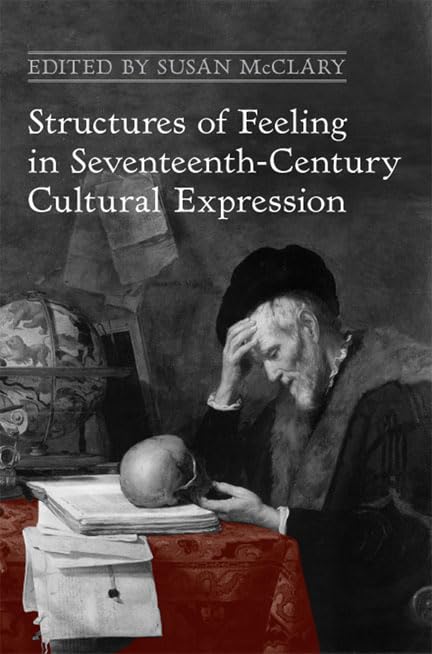
Structures of Feeling in Seventeenth-Century Cultural Expression (UCLA Center Clark Library)
McFarland & Company
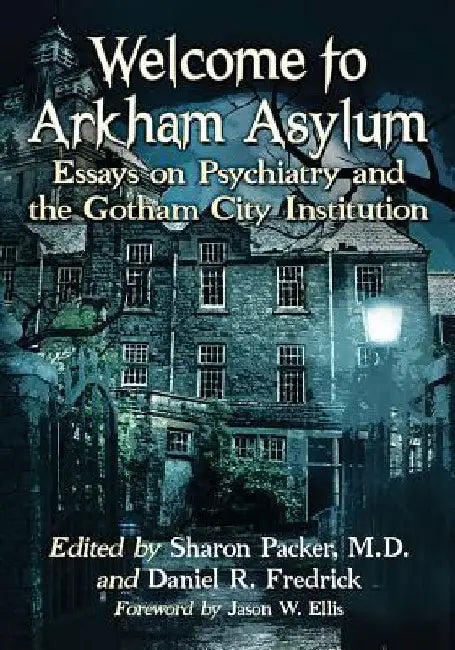
Welcome to Arkham Asylum | by Sharon Packer | Daniel R. Fredrick | McFarland & Company | by Sharon Packer | Daniel R. Fredrick | McFarland & Company | by Sharon Packer | Daniel R. Fredrick | McFarland & Company | by Sharon Packer | Daniel R. Fredrick | McFarland & Company | by Sharon Packer | Daniel R. Fredrick | McFarland & Company | by Sharon Packer | Daniel R. Fredrick | McFarland & Company | by Sharon Packer | Daniel R. Fredrick | McFarland & Company | by Sharon P
Related Products
View All
University of Pittsburgh Press
Formal Logic: A Philosophical Approach

University of Pittsburgh Press
Writing The Siege Of Leningrad: Women's Diaries, Memoirs, And Documentary Prose by Cynthia Simmons
University of Pittsburgh Press
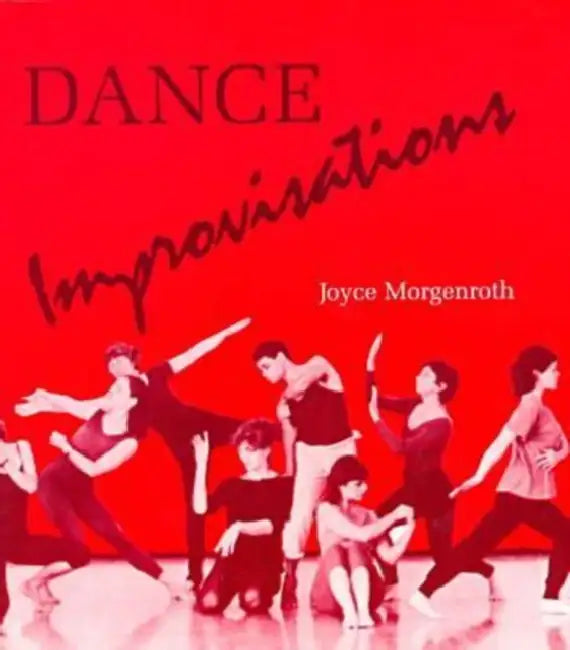
Dance Improvisations (English, Joyce Morgenroth)
University of Pittsburgh Press
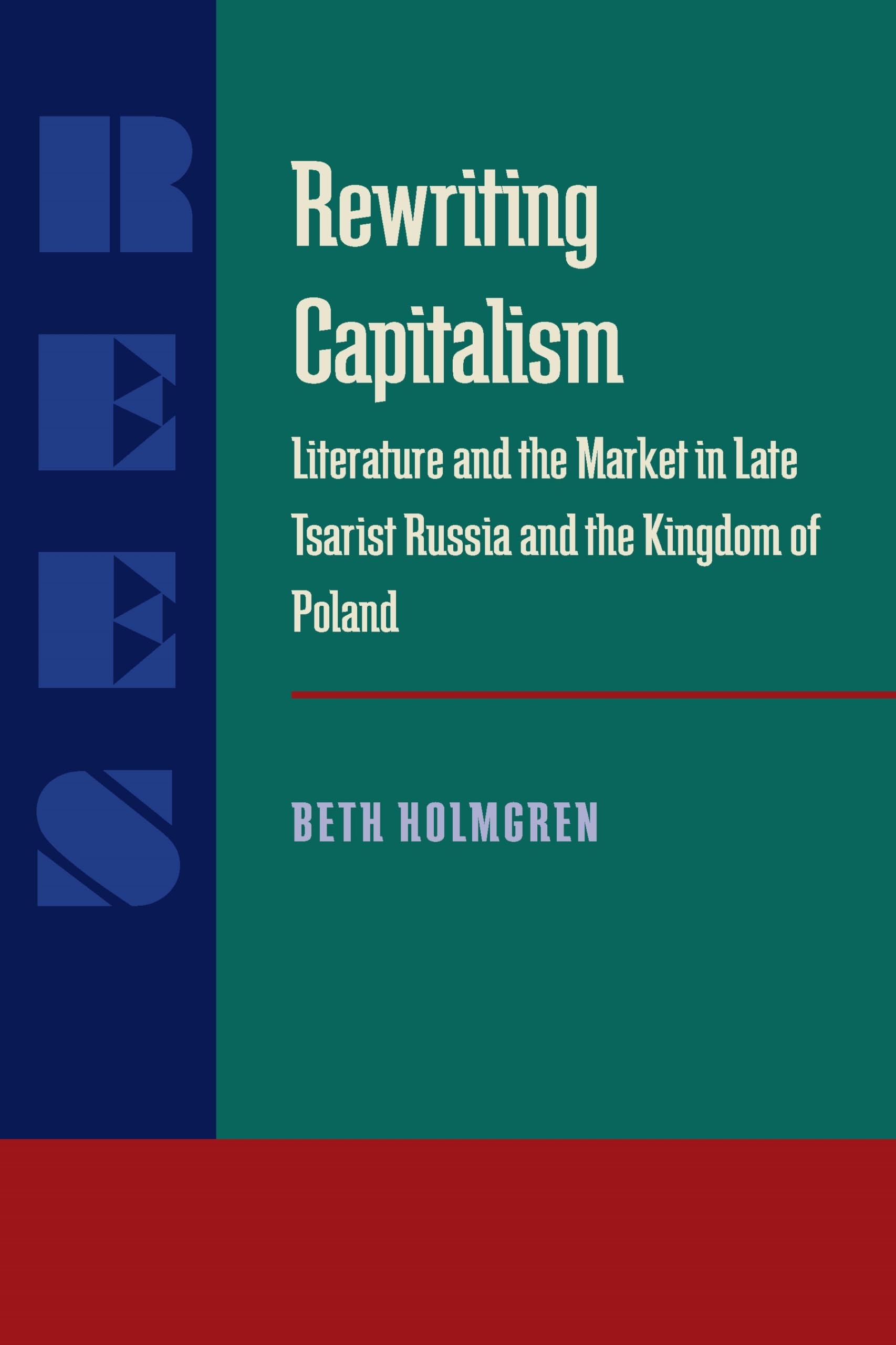
Rewriting Capitalism: Literature and the Market in Late Tsarist Russia and the Kingdom of Poland

University of Pittsburgh Press
The City Natural (English, Shen Hou)
University of Pittsburgh Press