
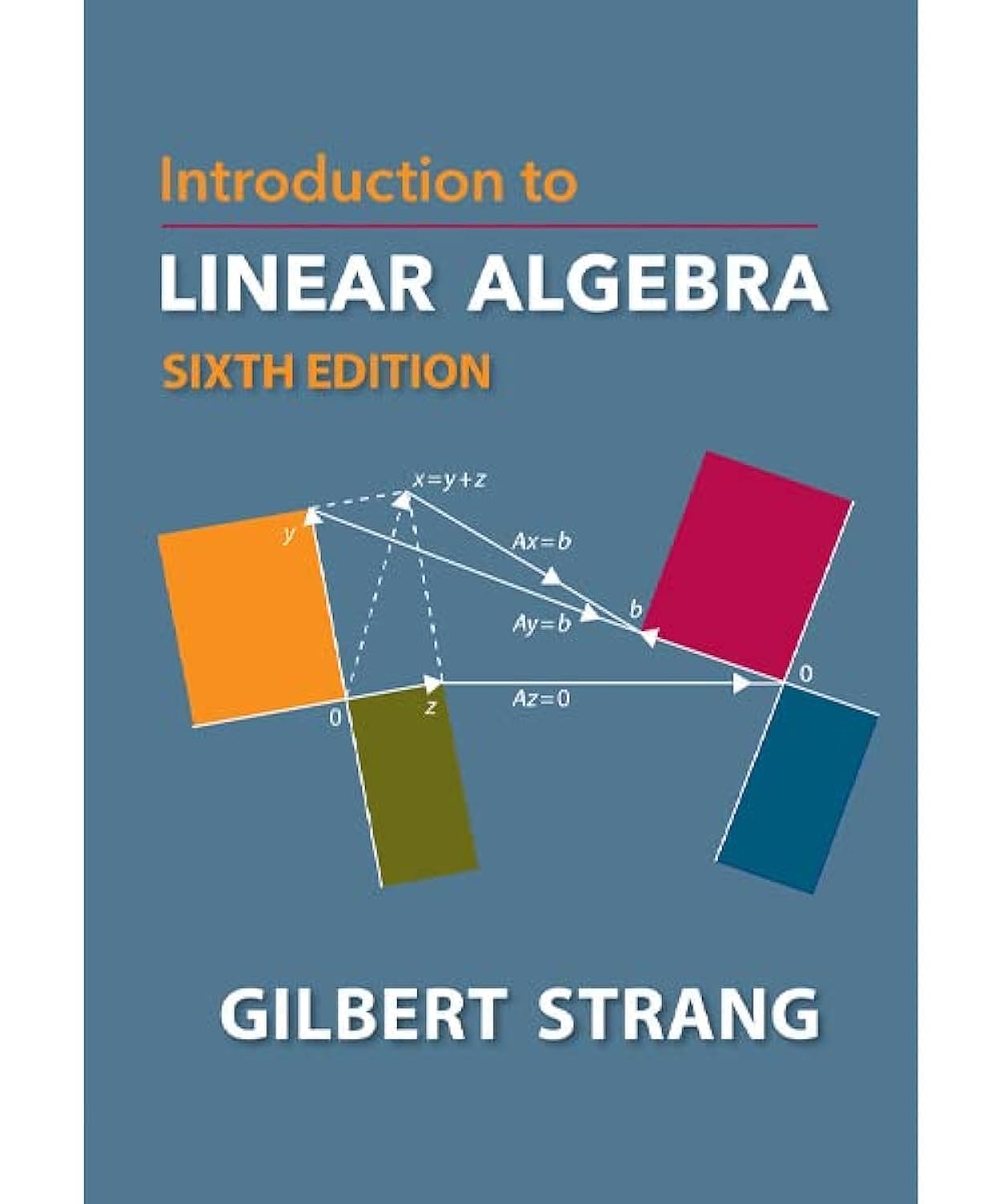
Introduction to Linear Algebra – Gilbert Strang
Inclusive of all applicable taxes. FREE shipping on all orders.
Available Offers
- 🚚Free Delivery — Free shipping on all orders
- 💵Cash on Delivery — Pay when your order arrives
- ↩️15-Day Easy Returns — Hassle-free return policy
- 🔒Cash on Delivery — Pay safely when your order arrives
Check Delivery
Product Description
Introduction
Linear algebra forms the backbone of modern quantitative thinking, and Gilbert Strang's Introduction to Linear Algebra is the definitive guide for students and professionals in India and around the world. This sixth edition, published by Wellesley-Cambridge Press, builds on decades of teaching excellence to deliver a clear, intuitive, and rigorous exploration of matrices, vector spaces, and their real-world applications. Whether you are preparing for engineering exams, pursuing data science, or teaching mathematics at a university, this hardcover edition is an indispensable resource for building a strong mathematical foundation.
Book Overview
This classic textbook takes a fresh approach by introducing the concepts of independent columns, rank, and column space early in the narrative. From there, it flows seamlessly into linear equations, fundamental subspaces, least squares, eigenvalues, and singular values—always expressing the core ideas as matrix factorizations. The final chapters venture into optimization and learning from data, reflecting the most active areas where linear algebra is applied today. With over 600 pages of carefully structured content, this book balances theory with practical insight, making it suitable for both classroom use and self-study.
Key Highlights
- Early introduction of independent columns and column space for a more active learning start
- Matrix factorization approach that unifies classical and modern topics
- New chapters on optimization and learning from data, relevant to AI and analytics
- Hundreds of worked examples and exercises with varying difficulty levels
- Clear visual explanations of abstract concepts through diagrams and geometric interpretations
- Comprehensive coverage from basic vector operations to advanced singular value decomposition
Inside the Book
The book is organized into twelve chapters that progress logically. It begins with vectors and matrices, then moves to solving linear systems, orthogonality, determinants, eigenvalues, and positive definite matrices. Later chapters cover singular value decomposition, linear transformations, complex vectors, and applications. Each chapter includes a summary, review questions, and a rich set of problems—ranging from computational exercises to theoretical proofs. The final two chapters on optimization and learning from data are entirely new to this edition, providing a bridge to cutting-edge fields.
Key Topics
- Vectors, dot products, and matrix multiplication
- Solving linear equations using elimination and LU decomposition
- Vector spaces, subspaces, and the four fundamental subspaces
- Orthogonality, projections, and least squares approximations
- Determinants and their properties
- Eigenvalues, eigenvectors, and diagonalization
- Positive definite matrices and quadratic forms
- Singular value decomposition (SVD) and its applications
- Linear transformations and change of basis
- Optimization techniques and gradient descent
- Learning from data: principal component analysis and neural networks
Reader Benefits
This book empowers readers to think in terms of matrices and vector spaces, a skill that is increasingly vital in engineering, computer science, economics, and statistics. The clear, conversational style of Gilbert Strang makes complex ideas accessible without sacrificing depth. Students will find the step-by-step reasoning helpful for exam preparation, while professionals can use the book as a reference for implementing algorithms in Python, MATLAB, or R. The emphasis on matrix factorizations provides a unified framework that simplifies many advanced topics.
Learning Outcomes
By working through this book, readers will be able to: understand the geometry of linear equations; compute matrix factorizations such as LU, QR, and SVD; apply least squares methods to real-world data; analyze eigenvalues and eigenvectors for stability and dynamics; solve optimization problems using linear algebra; and interpret data through the lens of principal component analysis. These outcomes directly support success in competitive exams like GATE, JEE Advanced, and university courses across STEM disciplines.
Who Should Read
Introduction to Linear Algebra is ideal for undergraduate students in engineering, mathematics, physics, and computer science. It is also highly recommended for postgraduate students entering data science, machine learning, or operations research. Teachers and professors will appreciate the pedagogical structure, while self-learners can rely on the book's clarity and numerous examples. Indian students preparing for IIT JAM, GATE, or ISI entrance exams will find this book particularly valuable for building conceptual depth.
About the Author
Gilbert Strang is a professor of mathematics at the Massachusetts Institute of Technology (MIT), where he has taught linear algebra for over fifty years. His MIT OpenCourseWare lectures have been viewed millions of times, making him one of the most influential educators in mathematics worldwide. He is the author of twelve textbooks, including the widely adopted Calculus and Linear Algebra and Learning from Data. His teaching philosophy emphasizes intuition and real-world relevance, which shines through every page of this book.
About the Publisher
Wellesley-Cambridge Press, based in the United States, is a distinguished academic publisher known for high-quality mathematics and science textbooks. Founded by Gilbert Strang, the press focuses on producing rigorous yet accessible educational materials that have become staples in universities globally. This hardcover edition reflects their commitment to durable, well-designed books that support serious study.
Conclusion
Gilbert Strang's Introduction to Linear Algebra, Sixth Edition is more than a textbook—it is a gateway to understanding the mathematical language of modern science and technology. With its intuitive explanations, updated content, and practical focus, this hardcover volume deserves a place on every student's shelf. Order your copy from Bookshops.in today and begin a journey that will transform how you think about numbers, data, and the world.
Quick Summary
Introduction to Linear Algebra by Gilbert Strang is the gold-standard textbook for anyone looking to master linear algebra, whether for engineering, data science, economics, or pure mathematics. Published by Wellesley-Cambridge Press, this sixth edition builds on Strang's legendary MIT course, introducing key concepts like independent columns and column space early to give readers an active, intuitive understanding. The book then systematically covers linear equations, fundamental subspaces, least squares, eigenvalues, and singular value decomposition, all with crystal-clear explanations and real-world examples. Designed for both classroom use and self-study, it includes hundreds of exercises and is complemented by Strang's free online lectures. Indian students and professionals will find the material directly applicable to competitive exams, research, and industry work. Buying from Bookshops.in ensures you receive an authentic, high-quality hardcover edition at a competitive price, with reliable delivery across India. Whether you are a beginner or looking to deepen your understanding, this book will transform the way you think about linear algebra.
Book Highlights
Book Specifications
| ISBN-13 | 9781733146678 |
| ISBN-10 | 1733146679 |
| Publisher | Wellesley-Cambridge Press |
| Language | English |
| Dimensions | 18.42 x 2.54 x 23.5 cm |
| Weight | 910 g |
| Country | India |
| Category | Mathematics › Algebra & Trigonometry |
| Genre | Non-fiction |
| Original Language | English |
Frequently Asked Questions
What is the main focus of Introduction to Linear Algebra?
Who is the author of this book?
Is this book suitable for beginners?
Does the book include video lectures?
What are the key topics covered?
Is this book used in Indian universities?
What is the price of this book on Bookshops.in?
Can I use this book for self-study?
What makes this edition different from previous ones?
Does the book cover applications in data science?
Is there a solutions manual available?
What is the binding type of this book?
How long does shipping take on Bookshops.in?
Readers Also Search For
Customers Also Bought
Mathematics
Stereotype Spaces and Algebras: 73 (De Gruyter Expositions in Mathematics, 73)
Mathematics
Semigroups in Algebra, Geometry and Analysis: 20 (De Gruyter Expositions in Mathematics, 20)
Mathematics
Geometry from the Pacific Rim: Proceedings of the Pacific Rim Geometry Conference held at National University of Singapore, Republic of Singapore, ... 1994 (De Gruyter Proceedings in Mathematics)
Mathematics
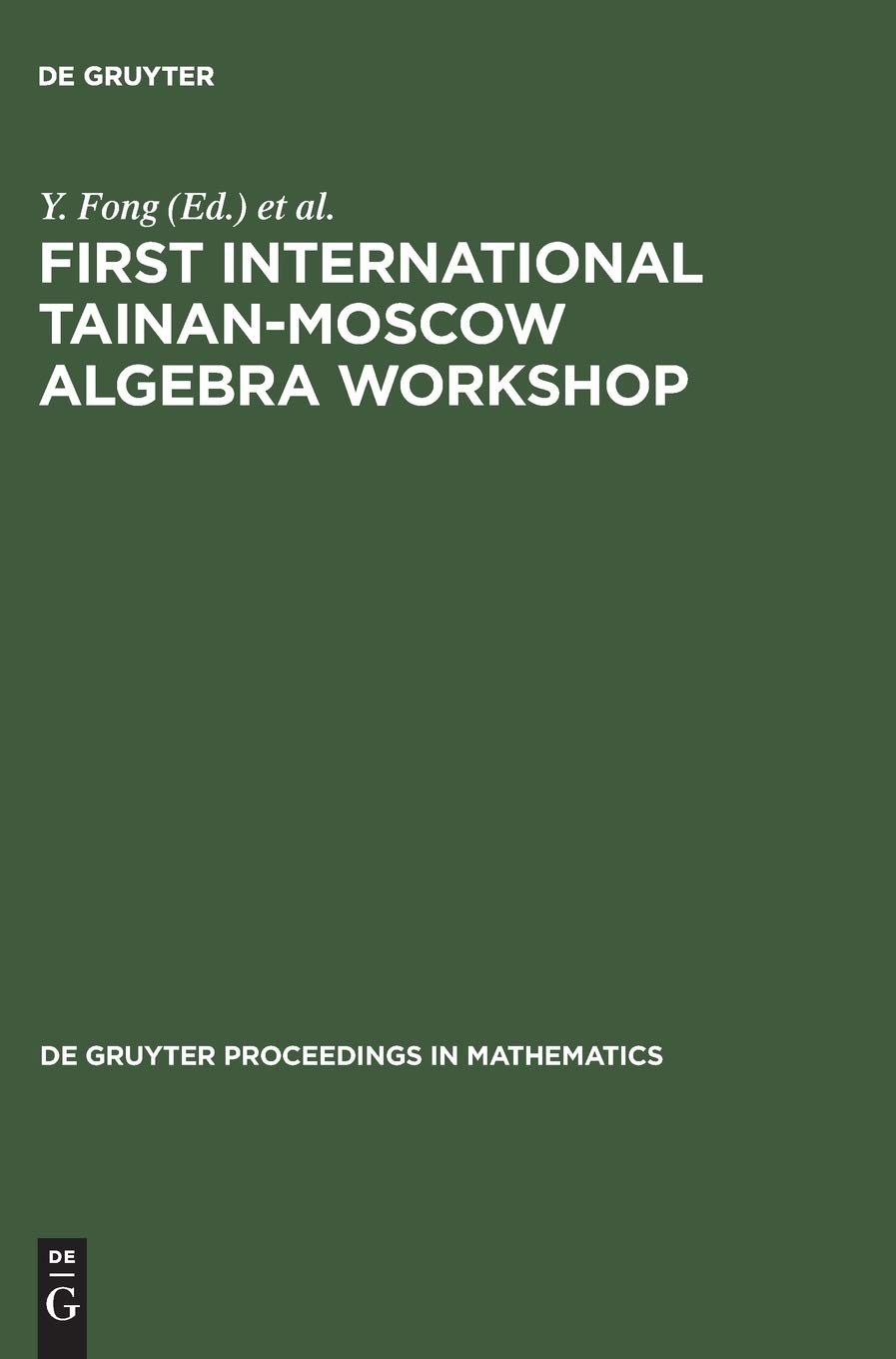
First International Tainan-Moscow Algebra Workshop: Proceedings of the International Conference held at National Cheng Kung University Tainan, Taiwan, ... 1994 (De Gruyter Proceedings in Mathematics)
Mathematics
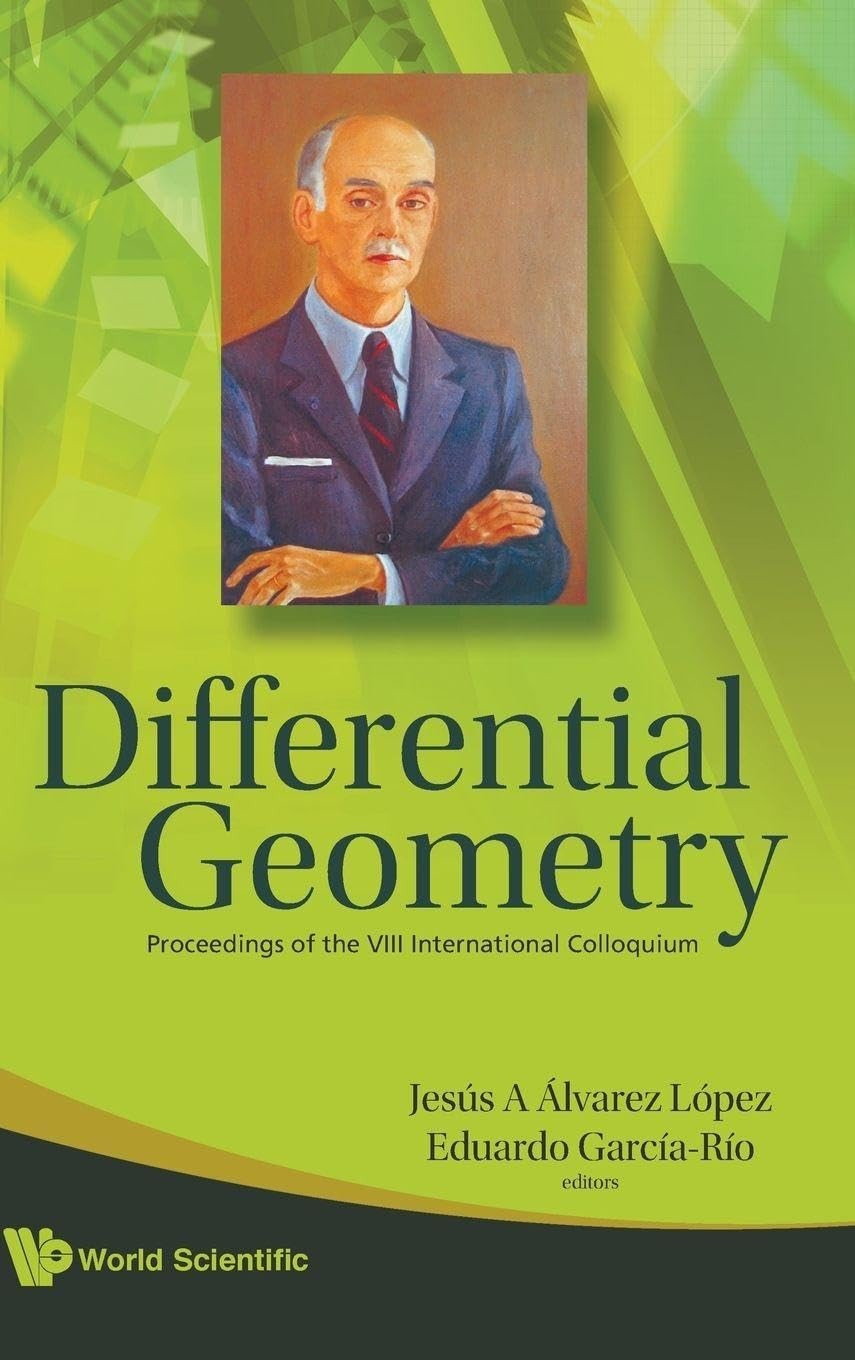
Differential Geometry - Proceedings of the VIII International Colloquium (English, Jesus A. Alvarez Lopez | Eduardo Garcia-Rio)
Mathematics
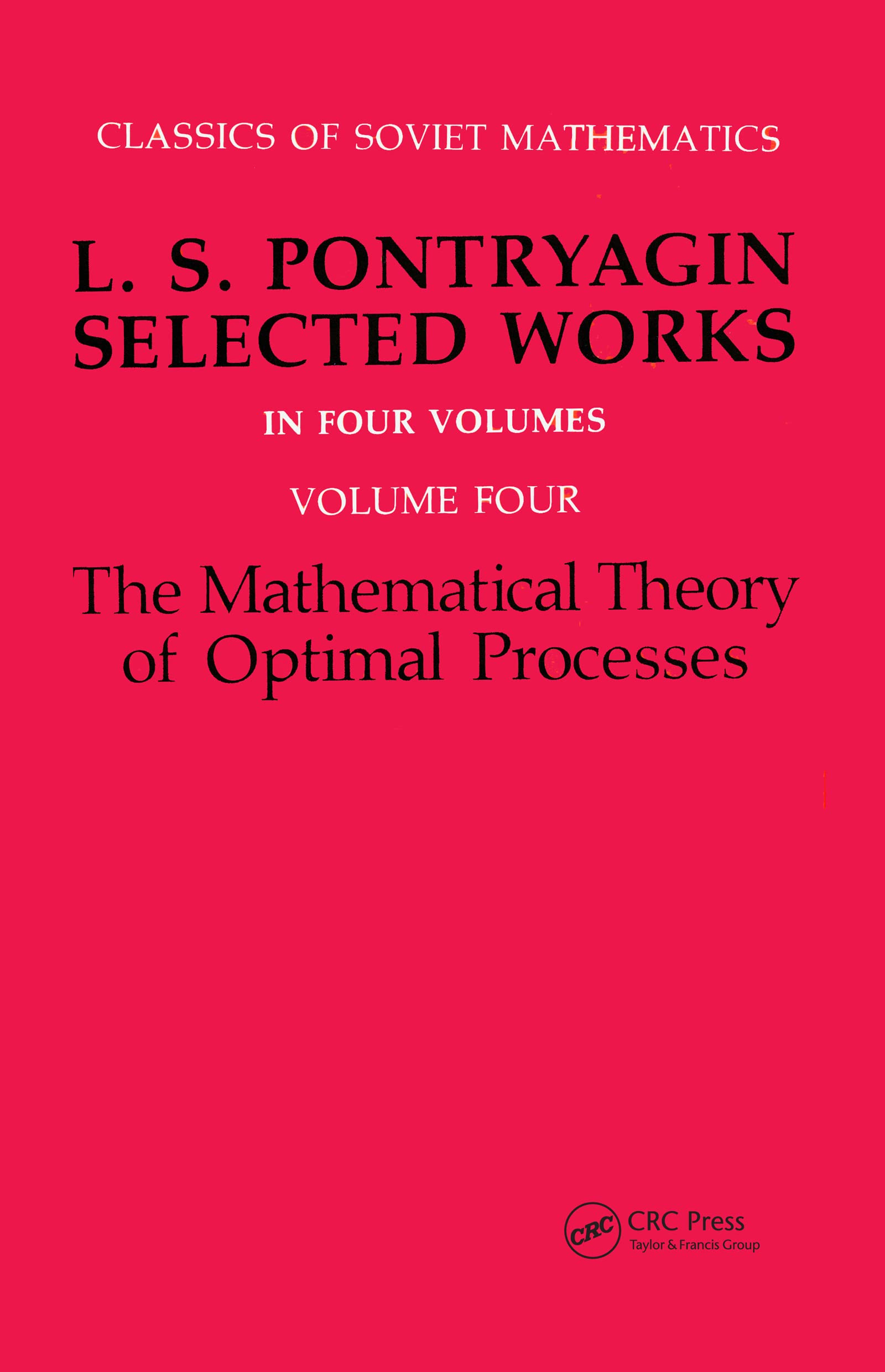
Mathematical Theory of Optimal Processes (Classics of Soviet Mathematics)
Related Products
View AllMathematics
Stereotype Spaces and Algebras: 73 (De Gruyter Expositions in Mathematics, 73)
Mathematics
Semigroups in Algebra, Geometry and Analysis: 20 (De Gruyter Expositions in Mathematics, 20)
Mathematics
Geometry from the Pacific Rim: Proceedings of the Pacific Rim Geometry Conference held at National University of Singapore, Republic of Singapore, ... 1994 (De Gruyter Proceedings in Mathematics)
Mathematics
First International Tainan-Moscow Algebra Workshop: Proceedings of the International Conference held at National Cheng Kung University Tainan, Taiwan, ... 1994 (De Gruyter Proceedings in Mathematics)
Mathematics
Differential Geometry - Proceedings of the VIII International Colloquium (English, Jesus A. Alvarez Lopez | Eduardo Garcia-Rio)
Mathematics