
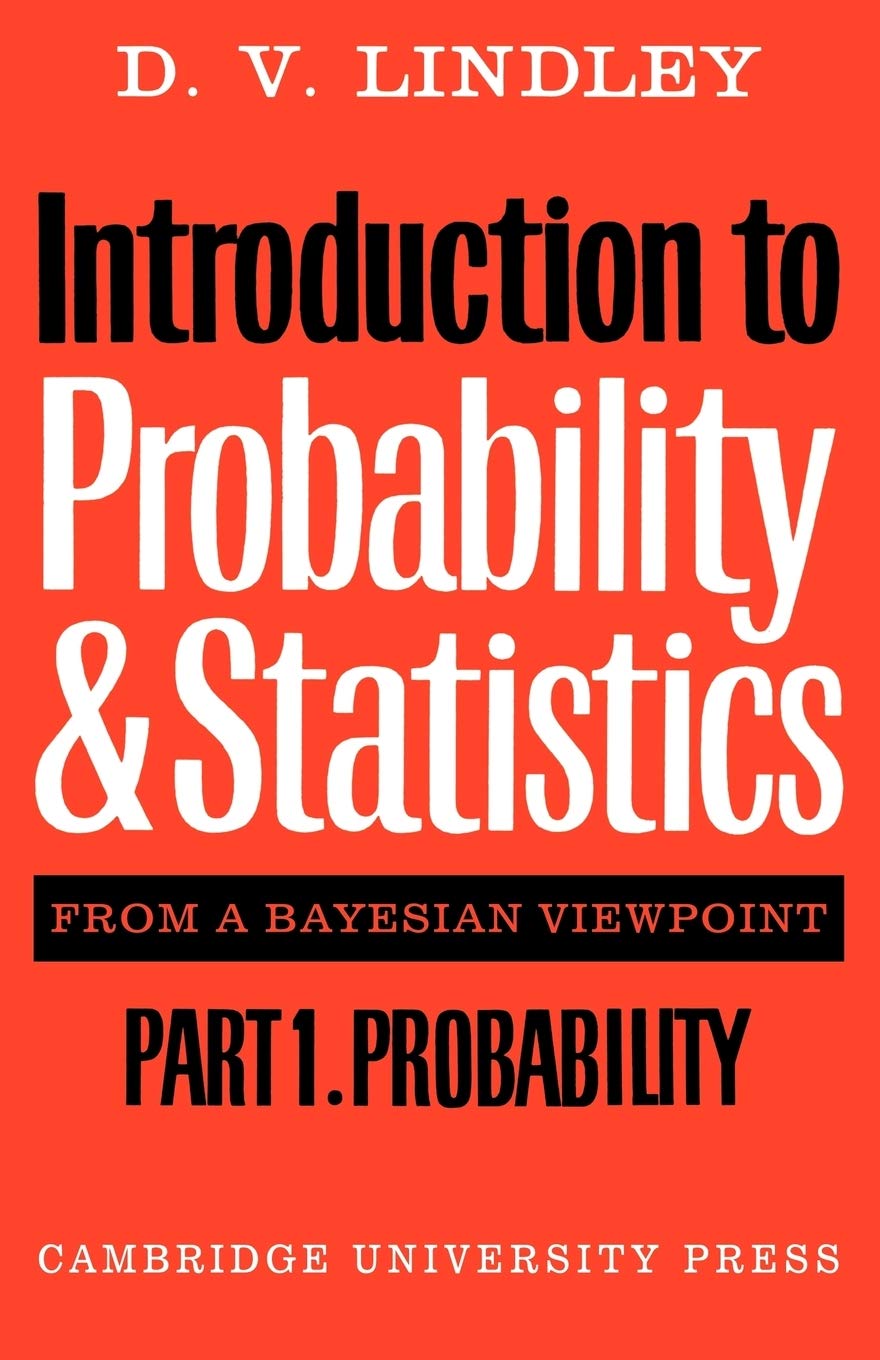
Introduction to Probability and Statistics from a Bayesian Viewpoint, Part 1, Probability by Dennis V. Lindley – A Rigor
Inclusive of all applicable taxes. FREE shipping on all orders.
Available Offers
- 🚚Free Delivery — Free shipping on all orders
- 💵Cash on Delivery — Pay when your order arrives
- ↩️15-Day Easy Returns — Hassle-free return policy
- 🔒Cash on Delivery — Pay safely when your order arrives
Check Delivery
Product Description
Introduction
For students of mathematics and statistics in India, building a rock-solid foundation in probability theory is essential before venturing into data science, machine learning, or advanced statistical modeling. Introduction to Probability and Statistics from a Bayesian Viewpoint, Part 1, Probability by Dennis V. Lindley is a classic text that approaches probability with the rigour expected of an honours-level mathematics curriculum. Published by Cambridge University Press, this hardcover volume is the first part of a two-part series that treats probability and statistics as pure mathematical disciplines, making it an indispensable resource for serious learners.
Book Overview
This book is the first half of Lindley's celebrated two-part work, designed specifically for general mathematicians rather than specialists. Part 1 focuses entirely on probability theory, taking the reader from fundamental axioms to the analysis of simpler random processes. The author's Bayesian viewpoint is woven throughout, offering a coherent and logical framework that differs from the frequentist approach commonly taught in Indian undergraduate programmes. The text assumes familiarity with calculus and linear algebra but requires no prior knowledge of probability or statistics, making it suitable for advanced undergraduate and beginning postgraduate students.
Key Highlights
- Rigorous Mathematical Treatment: Every concept is introduced with clear definitions, theorems, and proofs, matching the standard of a British honours degree in mathematics.
- Bayesian Perspective: The entire exposition is built on the Bayesian interpretation of probability, providing a unified and intuitive foundation for inference.
- Practical Random Processes: Covers queueing theory, random walks, and other stochastic processes, bridging theory with real-world applications.
- Self-Contained Volume: Part 1 can be studied independently, with Part 2 covering statistical inference using the same Bayesian framework.
- Authoritative Publisher: Cambridge University Press ensures high editorial standards and enduring academic value.
Inside the Book
The book systematically develops probability theory from first principles. Early chapters introduce the concept of probability as a measure of belief, conditional probability, and Bayes' theorem. Subsequent chapters delve into random variables, distributions, expectation, and generating functions. The latter half of the book explores sequences of events, Markov chains, and the simpler random processes mentioned in the title. Each chapter contains worked examples and exercises that reinforce understanding, making the book suitable for both classroom use and self-study.
Key Topics
- Axiomatic foundations of probability and the Bayesian interpretation
- Conditional probability and Bayes' theorem
- Discrete and continuous random variables
- Probability distributions: binomial, Poisson, normal, exponential, and more
- Expectation, variance, moments, and generating functions
- Joint distributions, independence, and conditional distributions
- Laws of large numbers and the central limit theorem
- Markov chains and random walks
- Queueing theory and birth-death processes
Reader Benefits
- Deep Conceptual Clarity: The Bayesian approach helps readers understand probability as a measure of uncertainty, which aligns naturally with how we think about real-world problems.
- Strong Analytical Skills: Working through the rigorous proofs and exercises sharpens mathematical reasoning, a skill highly valued in competitive exams and research.
- Seamless Transition to Statistics: After mastering Part 1, readers can move directly to Part 2 for a complete Bayesian treatment of statistical inference.
- Foundation for Advanced Topics: The concepts covered are prerequisites for machine learning, econometrics, operations research, and actuarial science.
- International Perspective: Exposure to a British mathematical tradition broadens a student's academic horizon beyond typical Indian textbooks.
Learning Outcomes
By the end of this book, readers will be able to: formulate probability models using the Bayesian framework; compute probabilities and expectations for a wide range of distributions; analyse random processes such as queues and random walks; apply Bayes' theorem to update beliefs in the presence of new evidence; and understand the theoretical underpinnings of modern statistical methods. These outcomes prepare students for advanced coursework in statistics, data science, and applied mathematics.
Who Should Read
This book is ideal for Indian undergraduate and postgraduate students in mathematics, statistics, physics, engineering, economics, and computer science who want a mathematically rigorous introduction to probability. It is also valuable for self-learners preparing for competitive examinations like the JAM, GATE, or ISI entrance tests, as well as for teachers seeking a clear, principled text for classroom instruction. Researchers and professionals transitioning into data science will find the Bayesian perspective refreshingly intuitive.
About the Author
Dennis V. Lindley was a British statistician and a leading proponent of Bayesian statistics. He served as Professor of Statistics at University College London and authored numerous influential books and papers. His work has shaped modern statistical thinking, and his textbooks remain benchmarks for clarity and rigour. Lindley's ability to explain complex ideas with precision makes this book a timeless resource.
About the Publisher
Cambridge University Press is one of the oldest and most respected academic publishers in the world. With a legacy spanning over four centuries, CUP is known for publishing authoritative works in science, mathematics, and humanities. This hardcover edition upholds the press's tradition of quality, ensuring that Indian students receive a durable and beautifully produced volume for their library.
Conclusion
Introduction to Probability and Statistics from a Bayesian Viewpoint, Part 1, Probability is more than just a textbook—it is a gateway to thinking probabilistically in a rigorous, principled manner. For Indian students aiming to excel in mathematics and statistics, this book offers the depth and clarity needed to build a lasting foundation. Whether you are preparing for an academic career or seeking to understand the mathematics behind data-driven decision-making, Lindley's classic work deserves a place on your bookshelf. Order your copy today from Bookshops.in and begin your journey into the elegant world of Bayesian probability.
Quick Summary
Introduction to Probability and Statistics from a Bayesian Viewpoint, Part 1, Probability by Dennis V. Lindley is a rigorous mathematical textbook that treats probability as a mathematical discipline. Written for honours-level mathematics students, it assumes prior knowledge of calculus and linear algebra but no previous exposure to probability or statistics. The book covers essential probability theory, random variables, distributions, Bayes theorem, and then progresses to random processes including queueing theory and random walks. Lindley’s clear, logical style makes complex ideas accessible while maintaining mathematical precision. This volume is ideal for Indian students pursuing mathematics or statistics degrees, as well as researchers and professionals seeking a solid Bayesian foundation. By purchasing from Bookshops.in, customers receive a genuine hardcover edition from Cambridge University Press, ensuring long-lasting use. Whether for classroom study or self-learning, this classic text remains a trusted resource for understanding probability from a Bayesian perspective.
Book Highlights
Book Specifications
| ISBN-13 | 9780521298674 |
| ISBN-10 | 0521298679 |
| Publisher | Cambridge University Press |
| Language | English |
| Dimensions | 13.97 x 1.73 x 21.59 cm |
| Weight | 330 g |
| Country | India |
| Category | Mathematics › Statistics |
| Series | Introduction to Probability and Statistics from a Bayesian Viewpoint |
| Genre | Science & Mathematics |
| Original Language | English |
Frequently Asked Questions
What is the main focus of this book?
Who is the author Dennis V. Lindley?
Do I need prior knowledge of probability?
Is this book suitable for Indian university courses?
What topics are covered in Part 1?
Is this book part of a series?
What is the binding of this book?
Can I use this book for self-study?
Does the book contain exercises?
Is the language English?
What is the price in India?
Why buy from Bookshops.in?
Is this book relevant for data science?
Readers Also Search For
Customers Also Bought
Mathematics
Stereotype Spaces and Algebras: 73 (De Gruyter Expositions in Mathematics, 73)
Mathematics
Semigroups in Algebra, Geometry and Analysis: 20 (De Gruyter Expositions in Mathematics, 20)
Mathematics
Geometry from the Pacific Rim: Proceedings of the Pacific Rim Geometry Conference held at National University of Singapore, Republic of Singapore, ... 1994 (De Gruyter Proceedings in Mathematics)
Mathematics
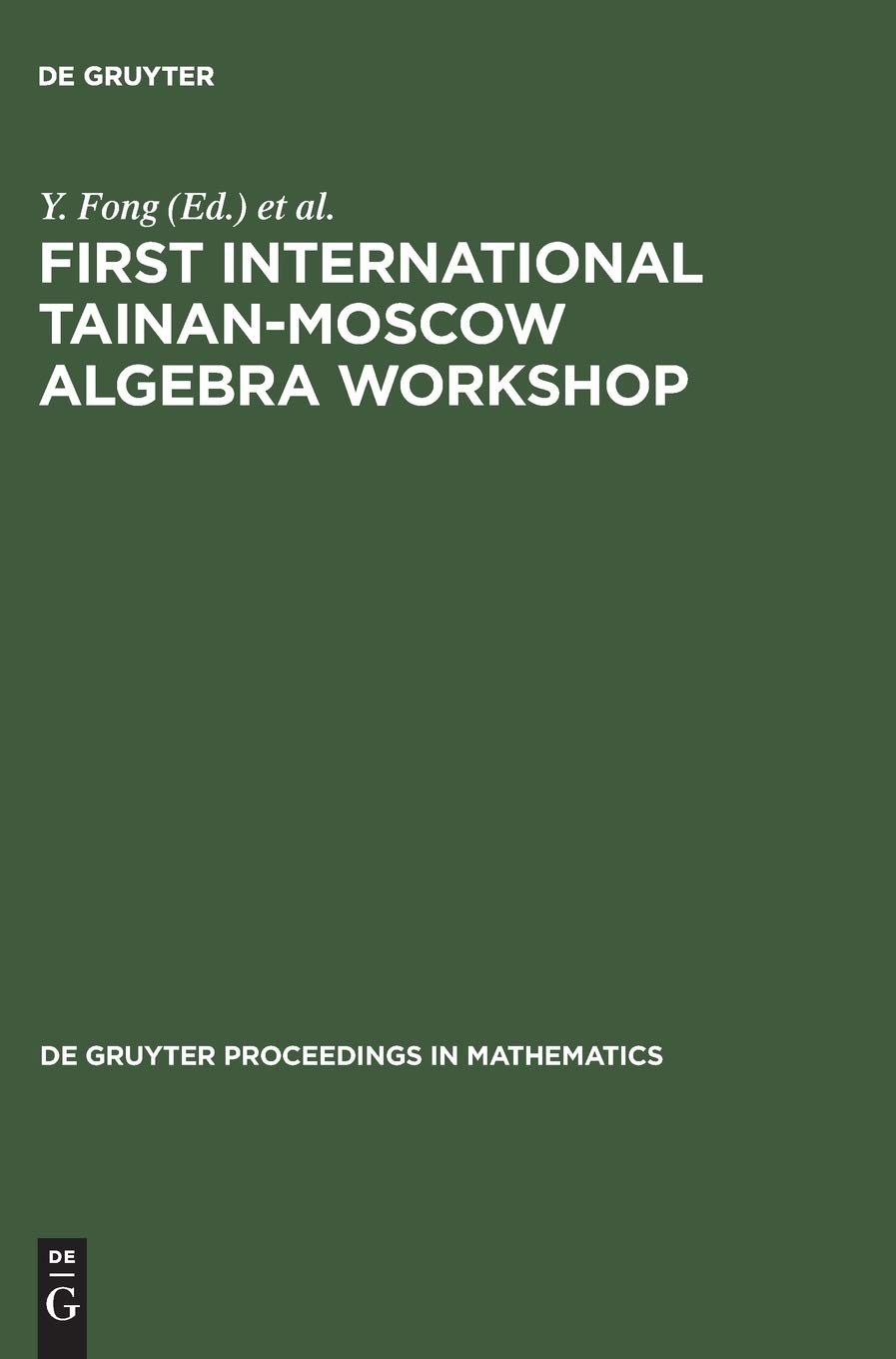
First International Tainan-Moscow Algebra Workshop: Proceedings of the International Conference held at National Cheng Kung University Tainan, Taiwan, ... 1994 (De Gruyter Proceedings in Mathematics)
Mathematics
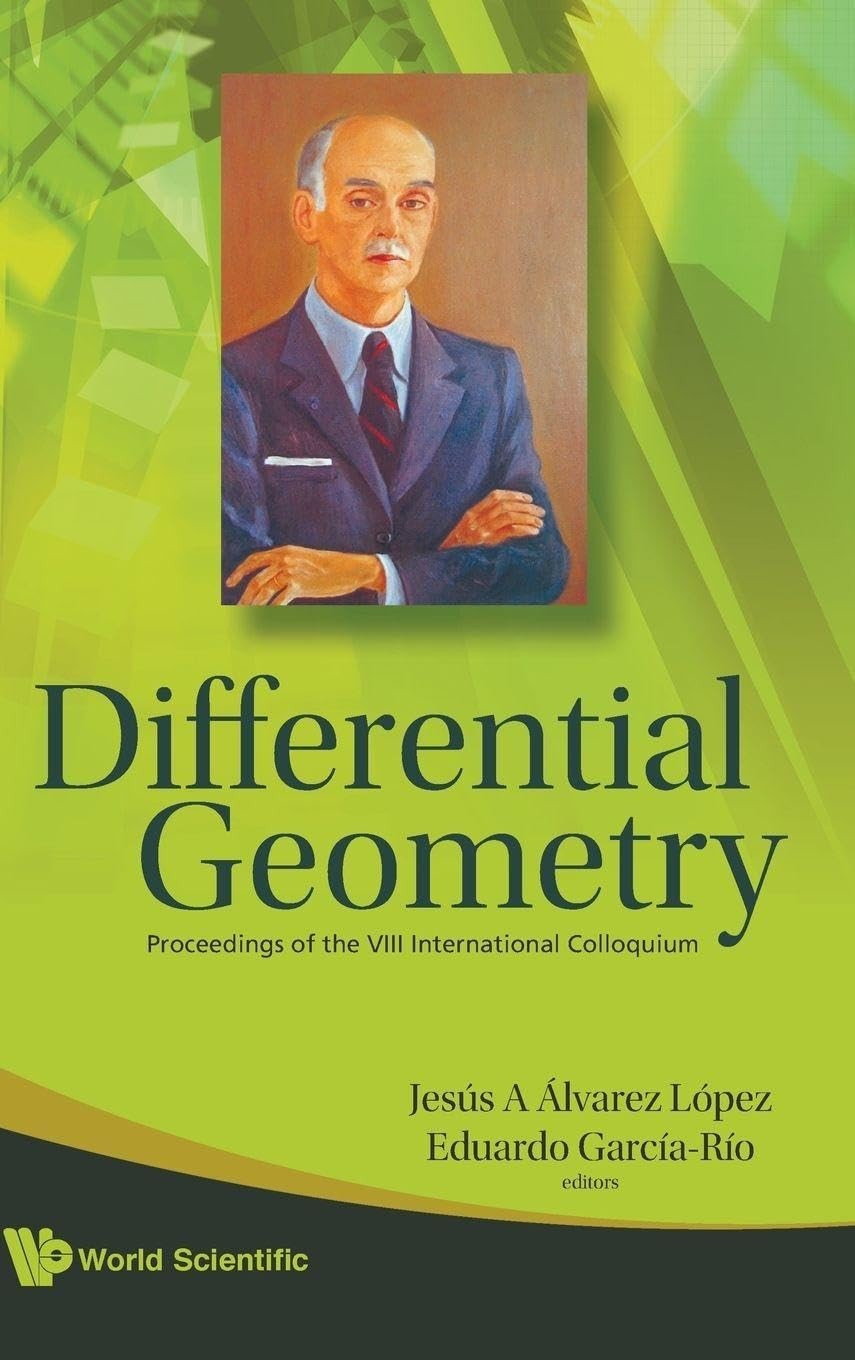
Differential Geometry - Proceedings of the VIII International Colloquium (English, Jesus A. Alvarez Lopez | Eduardo Garcia-Rio)
Mathematics
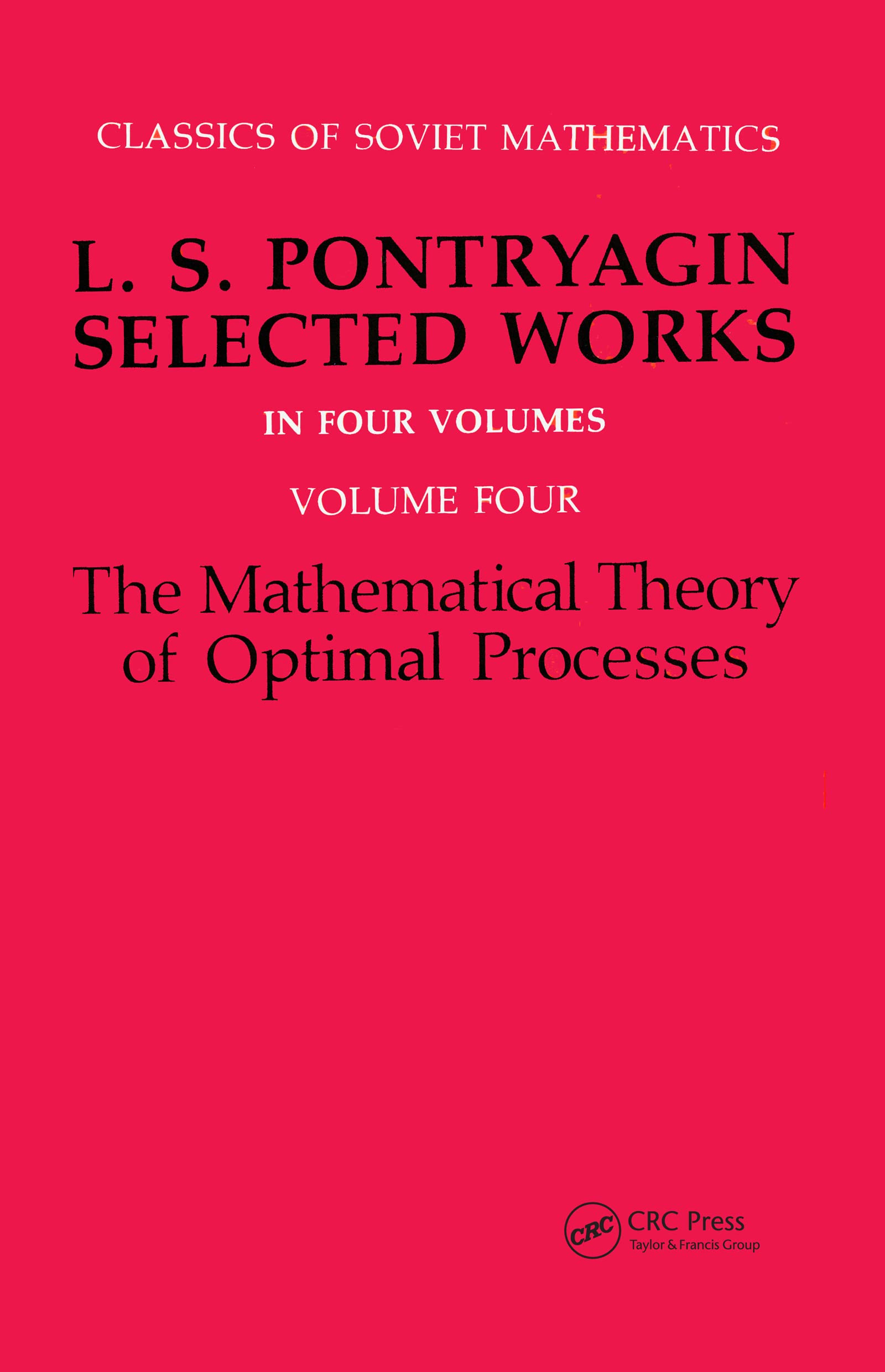
Mathematical Theory of Optimal Processes (Classics of Soviet Mathematics)
Related Products
View All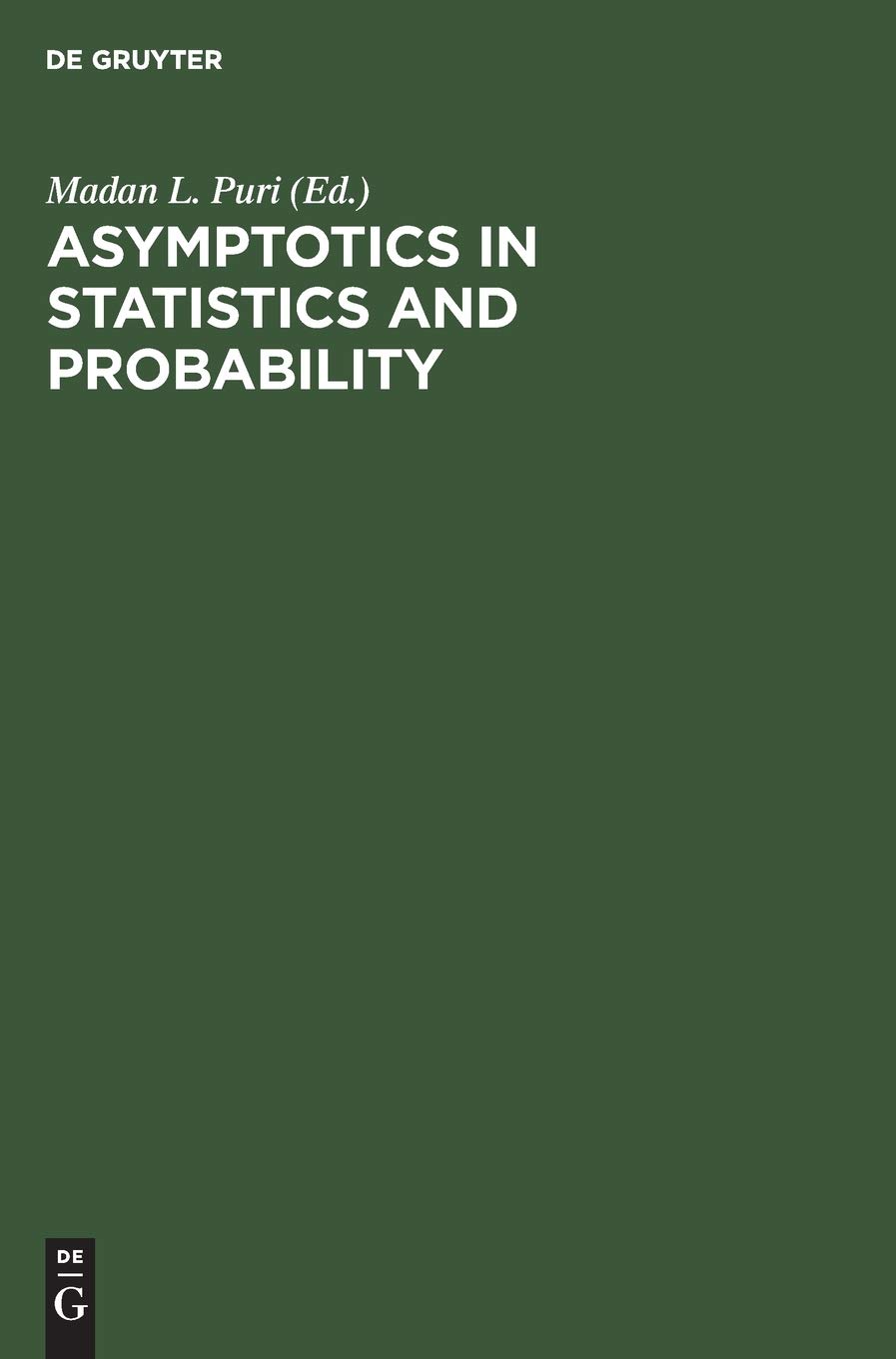
Statistics
Asymptotics in Statistics and Probability: Papers in Honor of George Gregory Roussas
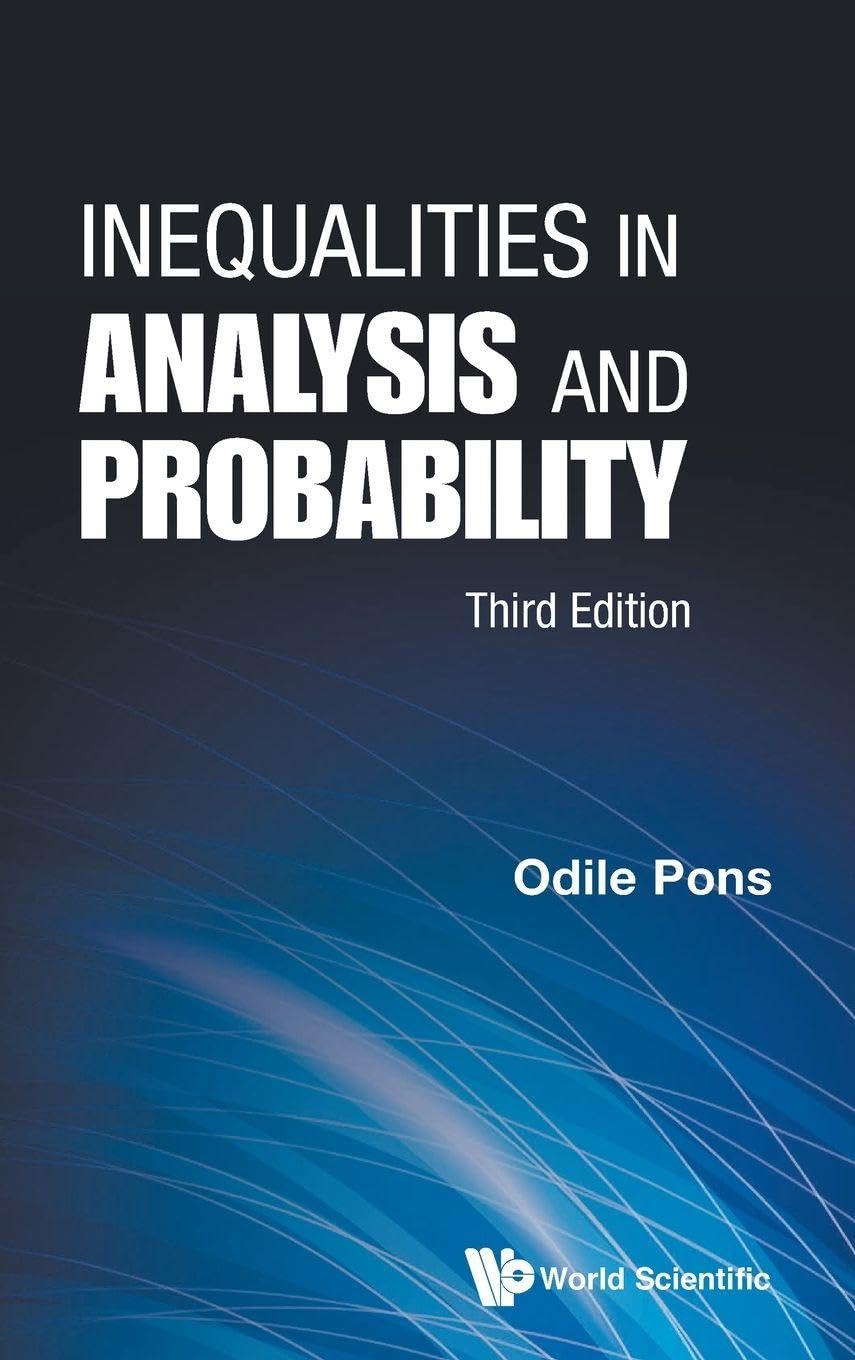
Statistics
Inequalities in Analysis and Probability: 3rd Edition
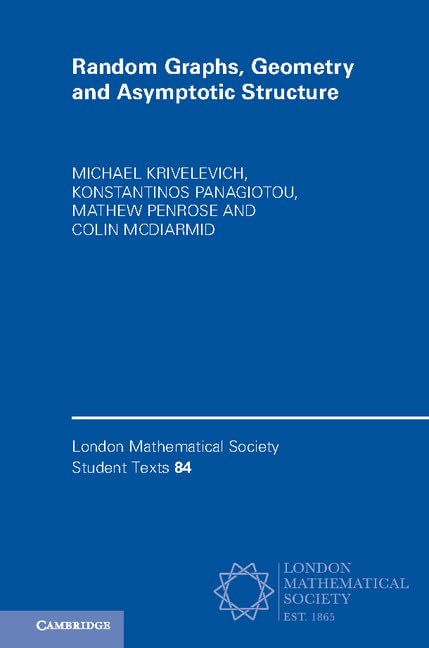
Statistics
Random Graphs, Geometry and Asymptotic Structure
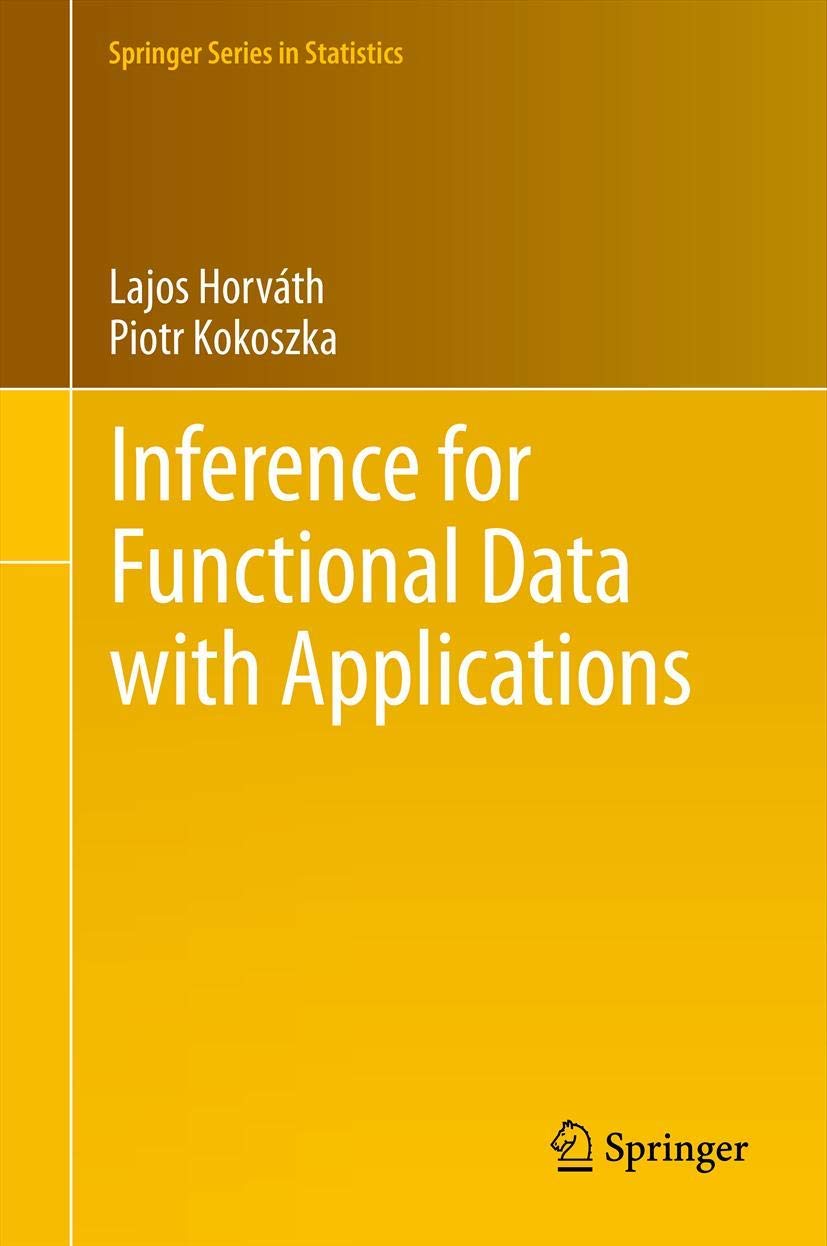
Statistics
Inference for Functional Data With Applications: 200 (Springer Series in Statistics, 692)
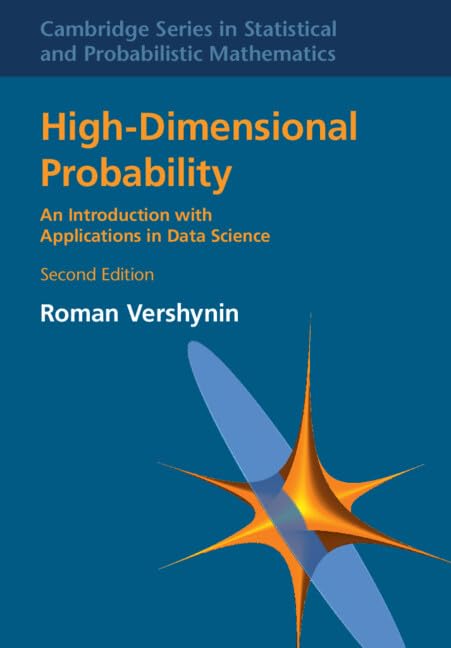
Statistics
High-Dimensional Probability: An Introduction with Applications in Data Science (Cambridge Series in Statistical and Probabilistic Mathematics)
Statistics