
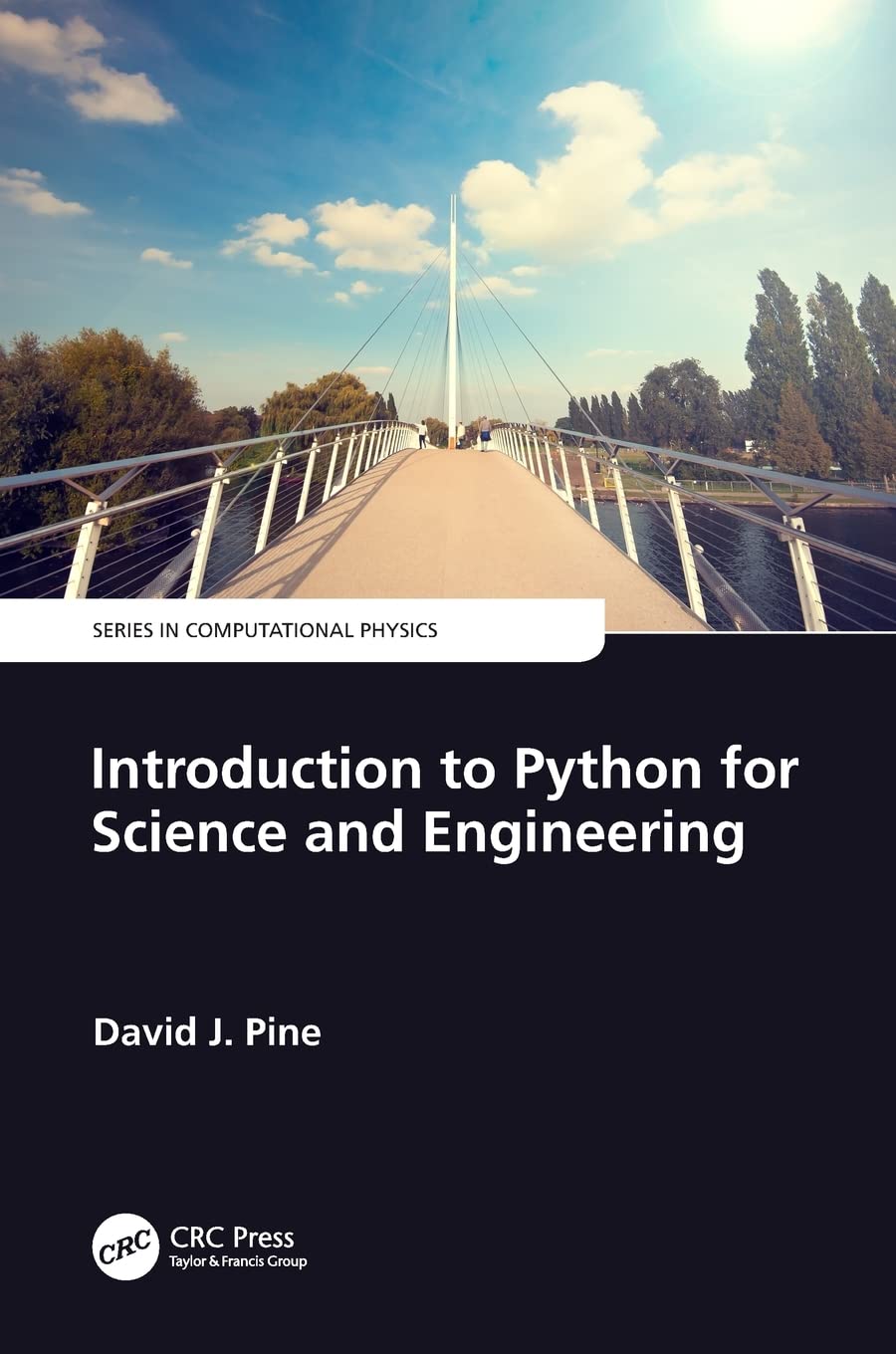
Introduction to Python for Science and Engineering by David J. Pine – A Practical Guide for Students and Professionals
Inclusive of all applicable taxes. FREE shipping on all orders.
Available Offers
- 🚚Free Delivery — Free shipping on all orders
- 💵Cash on Delivery — Pay when your order arrives
- ↩️15-Day Easy Returns — Hassle-free return policy
- 🔒Cash on Delivery — Pay safely when your order arrives
Check Delivery
Product Description
Introduction
In an era where computational thinking is reshaping every discipline, Introduction to Python for Science and Engineering, 1st Edition emerges as an indispensable resource for Indian students and professionals. Authored by David J. Pine, this hardbound edition from CRC Press bridges the gap between theoretical concepts and practical implementation. Whether you are a fresh engineering graduate in Bengaluru, a physics researcher in Delhi, or a data enthusiast in Pune, this book offers a clear, concise pathway to mastering Python for scientific and engineering applications. It assumes no prior programming experience, making it an ideal starting point for anyone eager to harness Python's power in real-world problem-solving.
Book Overview
This guide provides a rapid yet thorough introduction to Python programming tailored specifically for science and engineering domains. The author distills complex concepts into digestible lessons, focusing on syntax, data structures, input/output operations, plotting, conditionals, loops, user-defined functions, curve fitting, numerical routines, animation, and visualization. Each chapter is packed with practical examples, insider tips, and hands-on exercises that mirror challenges faced in Indian academic and industrial settings. From simulating physical systems to analyzing experimental data, this book equips readers with the tools to write efficient, readable code. The emphasis on 'learning by example' ensures that even complete beginners can quickly gain confidence and competence.
Key Highlights
- No Programming Background Required: Designed from the ground up for absolute beginners, with a gentle learning curve.
- Concise Yet Comprehensive: Covers essential Python topics without overwhelming fluff—perfect for busy students and professionals.
- Science and Engineering Focus: Examples drawn from physics, chemistry, biology, and engineering disciplines relevant to Indian curricula.
- Practical Insider Tips: Author shares years of teaching and research experience to help you avoid common pitfalls.
- Curve Fitting and Numerical Routines: Directly applicable to lab experiments, project work, and research data analysis.
- Animation and Visualization: Learn to create compelling visual representations of data and simulations.
Inside the Book
Open this hardcover and you will find a well-structured journey through Python's core features. Early chapters introduce basic syntax, variables, and data types, followed by deeper dives into lists, tuples, dictionaries, and arrays. The book then progresses to control flow with conditionals and loops, before exploring file input/output and plotting with Matplotlib. Later chapters tackle advanced topics like user-defined functions, numerical integration, solving differential equations, and random number generation. Each concept is accompanied by annotated code snippets and output screenshots. The final sections cover animation techniques and best practices for scientific computing, ensuring you can present your work effectively in reports and presentations.
Key Topics
- Python syntax and basic programming constructs
- Data structures: lists, tuples, dictionaries, and NumPy arrays
- Input/output operations with text and binary files
- Plotting 2D and 3D graphs using Matplotlib
- Conditional statements and loops (for, while)
- Writing reusable user-defined functions
- Curve fitting and interpolation techniques
- Numerical routines: integration, differentiation, root finding
- Random number generation and Monte Carlo methods
- Basic animation for scientific visualization
Reader Benefits
- Career Advancement: Python proficiency is highly sought after in Indian IT, research, and academia.
- Academic Success: Directly supports lab work, assignments, and final-year projects in engineering and science courses.
- Research Readiness: Equips you to analyze experimental data, simulate models, and publish findings.
- Self-Paced Learning: Clear explanations and ample examples allow independent study alongside coursework.
- Cost-Effective Skill: One book provides a foundation for multiple domains—data science, computational physics, bioinformatics, and more.
Learning Outcomes
By the end of this book, you will be able to: write Python scripts to solve mathematical and scientific problems; manipulate and visualize datasets using NumPy and Matplotlib; implement numerical algorithms for integration, differentiation, and curve fitting; create animated plots to demonstrate dynamic phenomena; read and write data files in various formats; design reusable functions to modularize your code; and apply computational thinking to break down complex real-world problems into manageable steps. These outcomes align with the skill sets expected by top Indian employers and postgraduate programs.
Who Should Read
- Undergraduate Engineering Students: All branches—mechanical, electrical, civil, computer science, and more.
- B.Sc. and M.Sc. Physics, Chemistry, and Biology Students: Ideal for computational labs and thesis work.
- Early-Career Researchers: Those entering fields like computational fluid dynamics, materials science, or biophysics.
- Self-Learners and Hobbyists: Anyone curious about using Python for science without a formal coding background.
- Faculty and Educators: A ready-to-use textbook for introductory Python courses in Indian universities.
About the Author
David J. Pine is the Silver Professor and Professor of Physics at New York University, and also serves as Chair of the Department of Chemical and Biomolecular Engineering at the NYU Tandon School of Engineering. An elected Fellow of the American Physical Society and the American Association for the Advancement of Science, Professor Pine brings decades of experience in teaching computational methods to students from diverse backgrounds. His research spans soft matter physics, complex fluids, and optical imaging. This book distills his classroom-tested approach into a clear, accessible format that has already helped thousands of learners worldwide.
About the Publisher
CRC Press, a premier global publisher of scientific and technical content, is renowned for its high-quality textbooks and reference works in physics, engineering, mathematics, and computer science. With a legacy spanning over a century, CRC Press collaborates with leading academics and professionals to produce authoritative resources that meet the evolving needs of students and researchers. This title is part of the Series in Computational Physics, edited by Steven A. Gottlieb and Rubin H. Landau, ensuring rigorous peer review and pedagogical excellence. Indian readers can trust CRC Press for accurate, up-to-date, and practically focused content.
Conclusion
Introduction to Python for Science and Engineering, 1st Edition is more than just a programming book—it is a gateway to computational literacy for the next generation of Indian scientists and engineers. With its hands-on approach, relevant examples, and authoritative authorship, this hardbound edition deserves a place on your study desk or library shelf. Whether you are preparing for campus placements, tackling a research problem, or simply exploring the world of code, this book will serve as a reliable companion. Order your copy from Bookshops.in today and take the first step toward mastering Python for science and engineering.
Quick Summary
Introduction to Python for Science and Engineering by David J. Pine is a concise, example-driven guide designed to teach Python programming to students and professionals in science and engineering. The book assumes no prior programming experience and covers essential topics such as Python syntax, data structures, input/output, plotting, conditionals, loops, user-defined functions, curve fitting, numerical routines, animation, and visualization. Authored by a seasoned physics professor, it is packed with practical examples, insider tips, and real-world applications. Ideal for Indian undergraduates, graduates, and researchers, this book helps readers quickly gain proficiency in Python for computational work. By purchasing from Bookshops.in, you get a high-quality physical copy delivered reliably across India, with excellent customer service.
Book Highlights
Book Specifications
| ISBN-13 | 9781138583894 |
| ISBN-10 | 1138583898 |
| Publisher | CRC Press |
| Language | English |
| Dimensions | 15.57 x 2.24 x 23.5 cm |
| Weight | 544 g |
| Country | United Kingdom |
| Category | Languages › C & C++ |
| Series | Series in Computational Physics |
| Genre | Programming |
| Original Language | English |
Frequently Asked Questions
Is this book suitable for beginners with no programming experience?
What topics are covered in this book?
Who is the author of this book?
Is this book part of a series?
What is the ISBN of this book?
Which publisher released this book?
Is this book available in hardcover?
What is the price of this book in India?
Does this book include exercises or practice problems?
Can this book be used for self-study?
What makes this book different from other Python books?
Does the book cover Python 3?
Are there any prerequisites for reading this book?
Where can I buy this book in India?
Readers Also Search For
Customers Also Bought

Programming
Algorithmische Sprache Und Programmentwicklung | by H. Partsch | F. L. Bauer | P. Pepper | Springer | by H. Partsch | F. L. Bauer | P. Pepper | Springer | by H. Partsch | F. L. Bauer | P. Pepper | Springer | by H. Partsch | F. L. Bauer | P. Pepper | Springer | by H. Partsch | F. L. Bauer | P. Pepper | Springer | by H. Partsch | F. L. Bauer | P. Pepper | Springer | by H. Partsch | F. L. Bauer | P. Pepper | Springer | by H. Partsch | F. L. Bauer | P. Pepper | Springer | by H. Partsch | F. L. Bauer
Programming
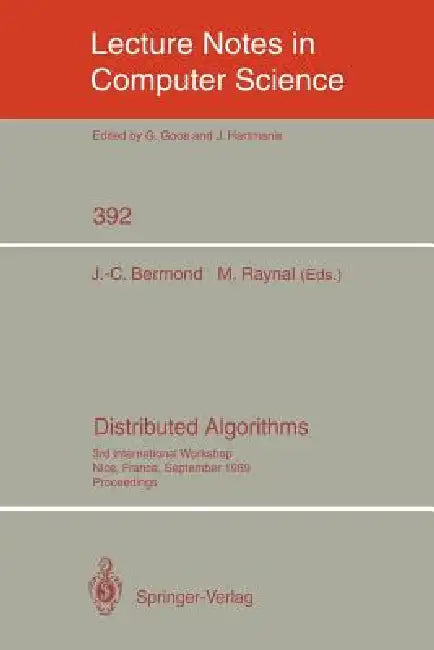
Distributed Algorithms | by Jean-Claude Bermond | Michel Raynal | Springer | by Jean-Claude Bermond | Michel Raynal | Springer | by Jean-Claude Bermond | Michel Raynal | Springer | by Jean-Claude Bermond | Michel Raynal | Springer | by Jean-Claude Bermond | Michel Raynal | Springer | by Jean-Claude Bermond | Michel Raynal | Springer | by Jean-Claude Bermond | Michel Raynal | Springer | by Jean-Claude Bermond | Michel Raynal | Springer | by Jean-Claude Bermond | Michel Raynal | Springer | by Jean
Programming
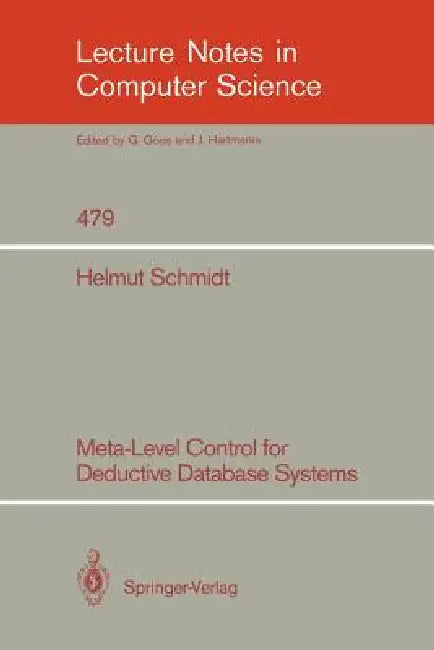
Meta-Level Control for Deductive Database Systems | by Helmut Schmidt | Springer | by Helmut Schmidt | Springer | by Helmut Schmidt | Springer | by Helmut Schmidt | Springer | by Helmut Schmidt | Springer | by Helmut Schmidt | Springer | by Helmut Schmidt | Springer | by Helmut Schmidt | Springer | by Helmut Schmidt | Springer | by Helmut Schmidt | Springer | by Helmut Schmidt | Springer | by Helmut Schmidt | Springer | by Helmut Schmidt | Springer | by Helmut Schmidt | Springer | by Helmut Schm
Programming
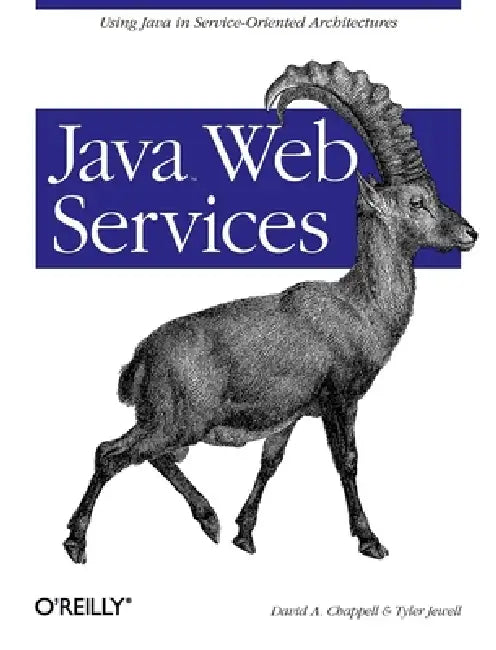
Java Web Services | by David A. Chappell | Tyler Jewell | O'Reilly Media | by David A. Chappell | Tyler Jewell | O'Reilly Media | by David A. Chappell | Tyler Jewell | O'Reilly Media | by David A. Chappell | Tyler Jewell | O'Reilly Media | by David A. Chappell | Tyler Jewell | O'Reilly Media | by David A. Chappell | Tyler Jewell | O'Reilly Media | by David A. Chappell | Tyler Jewell | O'Reilly Media | by David A. Chappell | Tyler Jewell | O'Reilly Media | by David A. Chappell | Tyler Jewell | O'
Programming
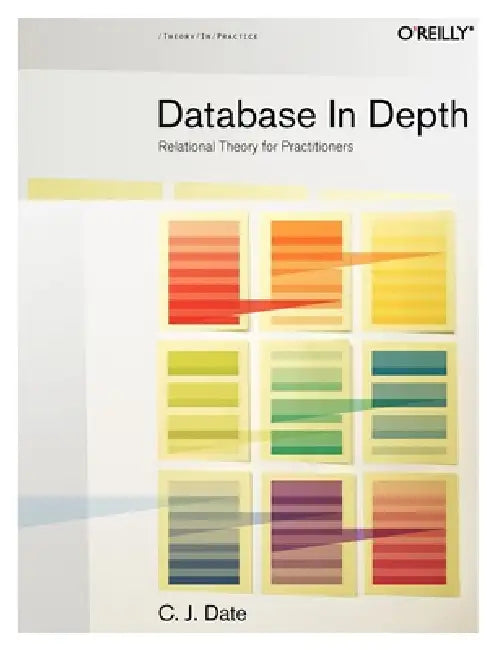
Database in Depth | by Chris J. Date | O'Reilly Media | by Chris J. Date | O'Reilly Media | by Chris J. Date | O'Reilly Media | by Chris J. Date | O'Reilly Media | by Chris J. Date | O'Reilly Media | by Chris J. Date | O'Reilly Media | by Chris J. Date | O'Reilly Media | by Chris J. Date | O'Reilly Media | by Chris J. Date | O'Reilly Media | by Chris J. Date | O'Reilly Media | by Chris J. Date | O'Reilly Media | by Chris J. Date | O'Reilly Media | by Chris J. Date | O'Reilly Media | by Chris J.

Programming
Integration of AI and OR Techniques in Constraint Programming for Combinatorial Optimization Problem | by Nicolas Beldiceanu | Narendra Jussien | Eric Pinson | Springer | by Nicolas Beldiceanu | Narendra Jussien | Eric Pinson | Springer | by Nicolas Beldiceanu | Narendra Jussien | Eric Pinson | Springer | by Nicolas Beldiceanu | Narendra Jussien | Eric Pinson | Springer | by Nicolas Beldiceanu | Narendra Jussien | Eric Pinson | Springer | by Nicolas Beldiceanu | Narendra Jussien | Eric Pinson |
Related Products
View All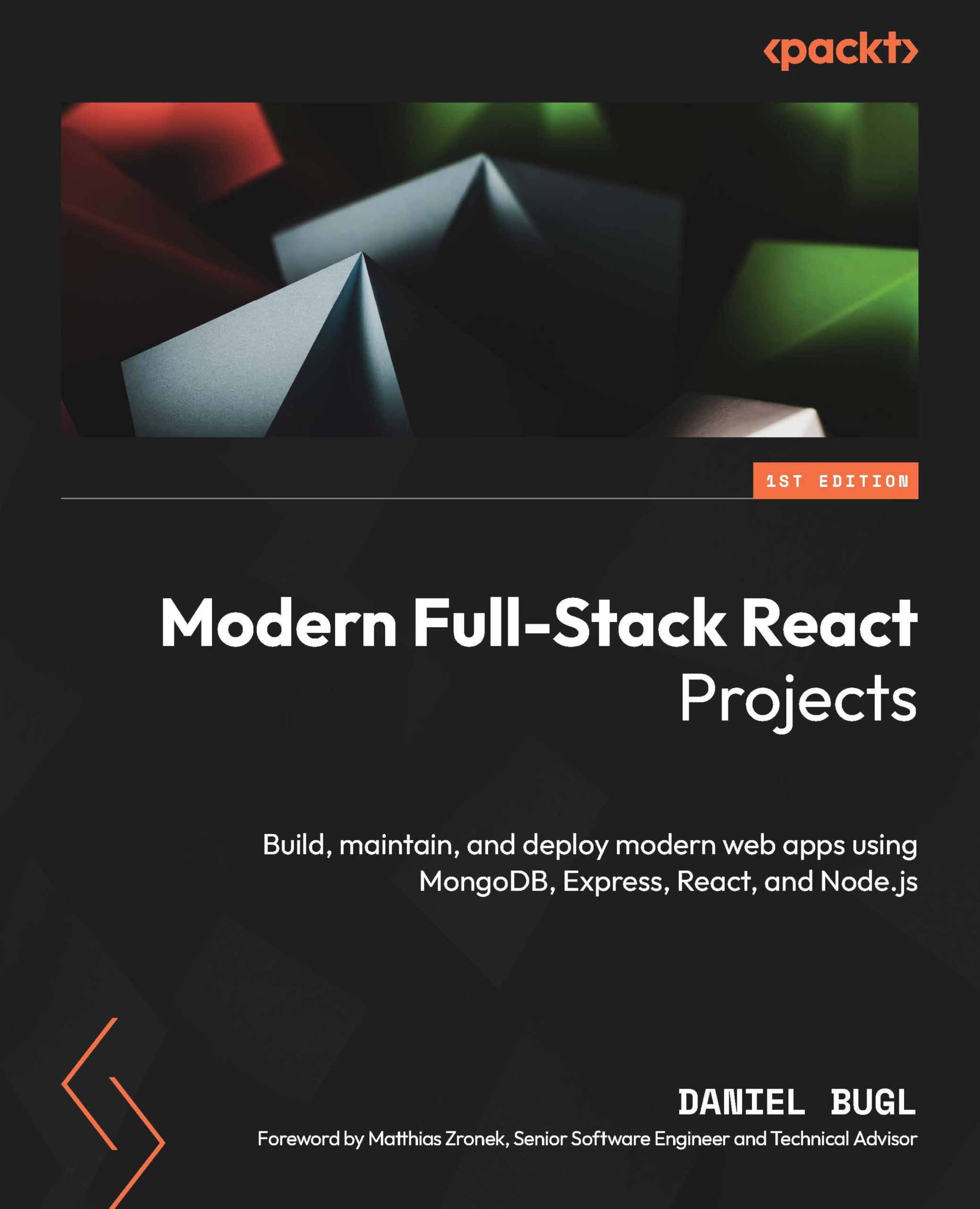
Computers & Internet
Modern Full-Stack React Projects by Daniel Bugl
Computers & Internet
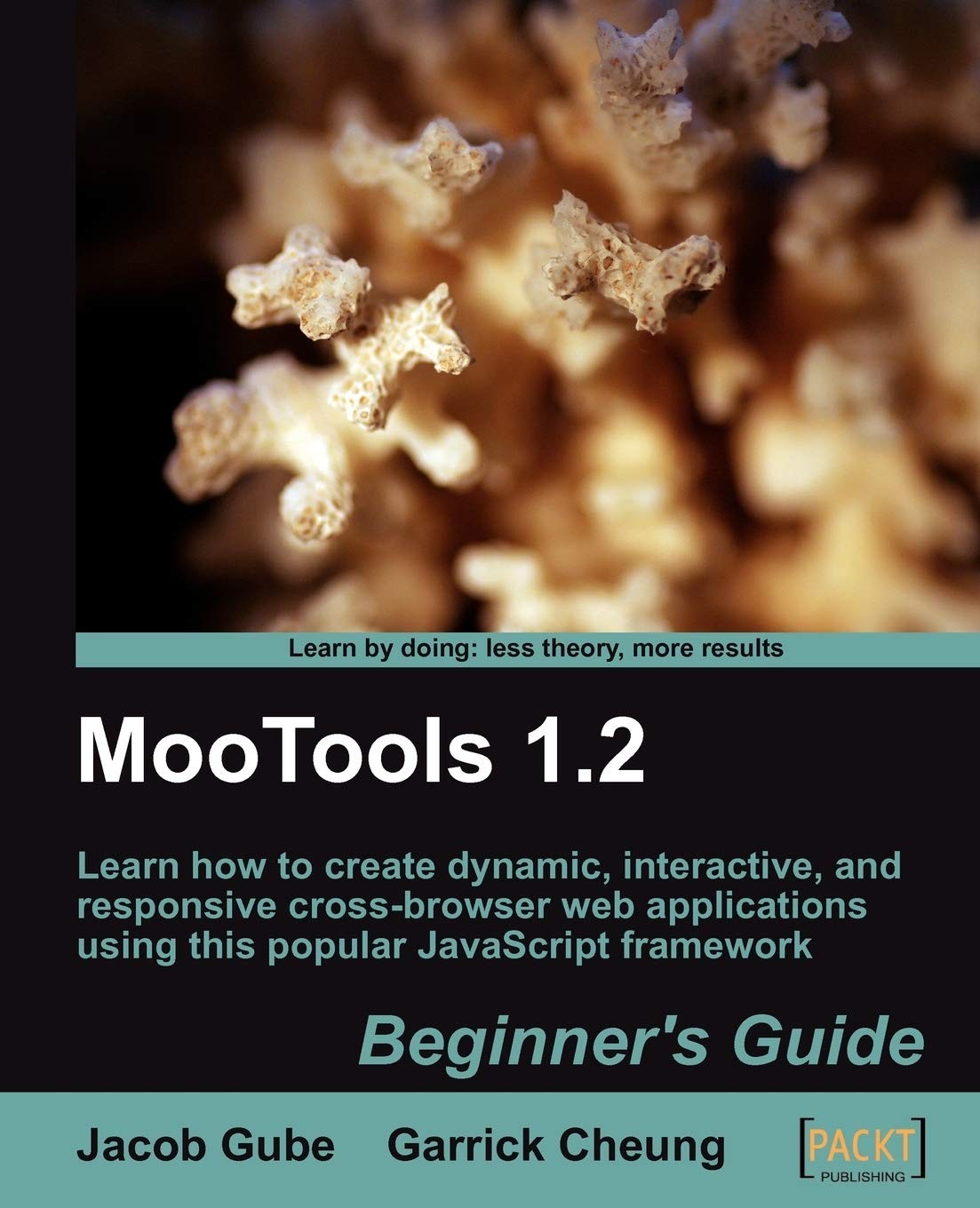
Mootools 1.2 Beginner's Guide (English, Jacob Gube)
Computers & Internet
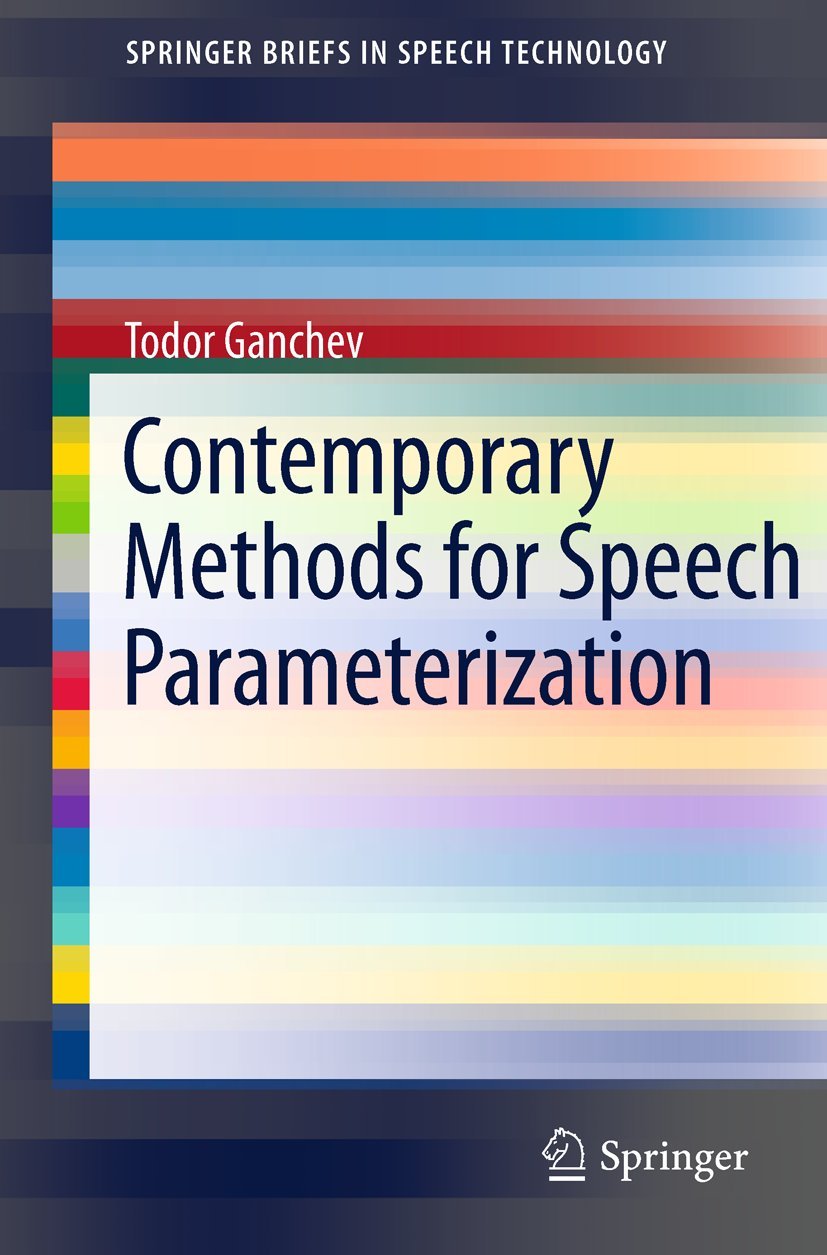
Contemporary Methods for Speech Parameterization (Springerbriefs in Electrical and Computer Engineering / Springerbriefs in Speech Technology)

Computers & Internet
Information Technology and Lawyers | by Arno R. Lodder | Anja Oskamp | Springer | by Arno R. Lodder | Anja Oskamp | Springer | by Arno R. Lodder | Anja Oskamp | Springer | by Arno R. Lodder | Anja Oskamp | Springer | by Arno R. Lodder | Anja Oskamp | Springer | by Arno R. Lodder | Anja Oskamp | Springer | by Arno R. Lodder | Anja Oskamp | Springer | by Arno R. Lodder | Anja Oskamp | Springer | by Arno R. Lodder | Anja Oskamp | Springer | by Arno R. Lodder | Anja Oskamp | Springer | by Arno R. Lo

Computers & Internet
Digital Analysis of Remotely Sensed Imagery | by Jay Gao | McGraw-Hill Companies | by Jay Gao | McGraw-Hill Companies | by Jay Gao | McGraw-Hill Companies | by Jay Gao | McGraw-Hill Companies | by Jay Gao | McGraw-Hill Companies | by Jay Gao | McGraw-Hill Companies | by Jay Gao | McGraw-Hill Companies | by Jay Gao | McGraw-Hill Companies | by Jay Gao | McGraw-Hill Companies | by Jay Gao | McGraw-Hill Companies | by Jay Gao | McGraw-Hill Companies | by Jay Gao | McGraw-Hill Companies | by Jay Gao

Computers & Internet