
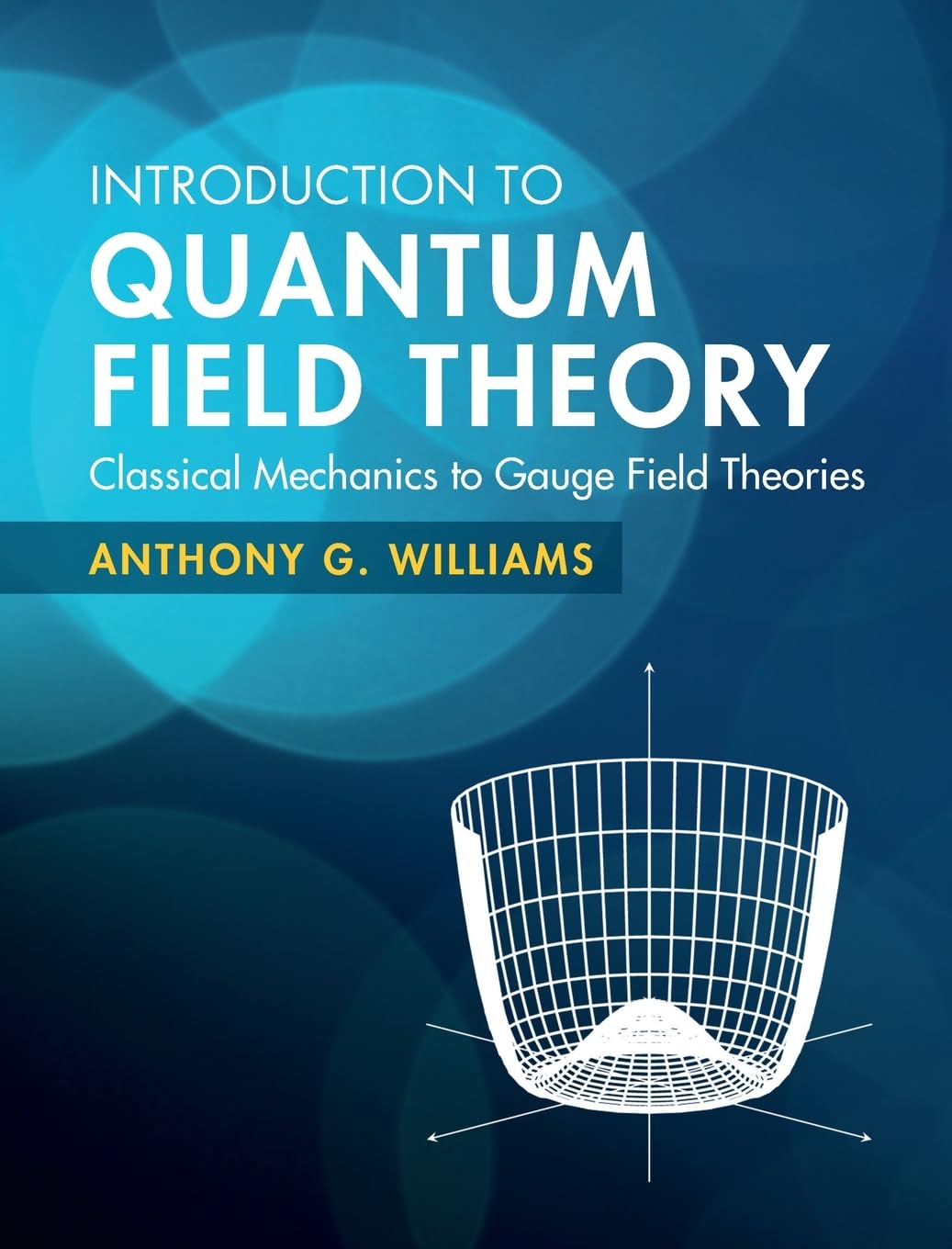
Introduction to Quantum Field Theory: Classical Mechanics to Gauge Field Theories by Anthony G. Williams – A Comprehensi
Inclusive of all applicable taxes. FREE shipping on all orders.
Available Offers
- 🚚Free Delivery — Free shipping on all orders
- 💵Cash on Delivery — Pay when your order arrives
- ↩️15-Day Easy Returns — Hassle-free return policy
- 🔒Cash on Delivery — Pay safely when your order arrives
Check Delivery
Product Description
Introduction
Quantum field theory stands as one of the most profound and successful frameworks in modern physics, yet its complexity often intimidates even the most dedicated students. Introduction to Quantum Field Theory: Classical Mechanics to Gauge Field Theories by Anthony G. Williams offers a rare and invaluable bridge from foundational principles to advanced concepts. Published by Cambridge University Press, this hardbound edition is crafted for Indian students and researchers who seek a rigorous yet accessible journey through the intricate world of quantum fields and gauge theories. Whether you are preparing for competitive exams, pursuing a postgraduate degree, or conducting research in theoretical physics, this book provides the clarity and depth you need.
Book Overview
This textbook is designed as a comprehensive, self-contained guide that begins with classical mechanics and special relativity, then progresses through relativistic quantum mechanics and classical field theory before culminating in the full framework of quantum and gauge field theories. The author adopts a modern pedagogical tone, ensuring that every derivation is fully explained and every concept is built upon a solid foundation. The book is structured to serve both advanced undergraduate and graduate-level courses, making it an ideal resource for Indian institutions where students often transition from classical physics to quantum field theory with varying levels of preparation.
Key Highlights
- Self-contained approach: No prior exposure to quantum field theory is required; the book starts from classical dynamics and builds upward.
- Comprehensive derivations: Every mathematical step is shown in full, eliminating guesswork and fostering deep understanding.
- Modern perspective: Incorporates contemporary insights and applications, including gauge field theories central to particle physics.
- Worked examples and problems: Numerous illustrative examples and end-of-chapter exercises reinforce key concepts and prepare students for research.
- Online solutions manual: A fully worked solutions manual is available for instructors, enabling effective teaching and self-assessment.
Inside the Book
The journey begins with a thorough review of advanced dynamics and special relativity, establishing the mathematical language needed for quantum fields. The author then guides readers through relativistic quantum mechanics, covering Dirac equation, spinors, and quantization of fields. The classical field theory section introduces Lagrangian and Hamiltonian formulations, symmetries, and Noether’s theorem. The latter half of the book delves into quantum electrodynamics, renormalization, and gauge theories, including non-Abelian gauge fields. Each chapter is enriched with worked examples that demonstrate how abstract principles apply to real physical systems, and the end-of-chapter problems challenge readers to test their grasp of the material.
Key Topics
- Advanced classical mechanics and Lagrangian dynamics
- Special relativity and Lorentz transformations
- Relativistic quantum mechanics and the Dirac equation
- Classical field theory: scalar, vector, and spinor fields
- Quantization of fields: canonical and path integral methods
- Gauge symmetries and gauge field theories (Abelian and non-Abelian)
- Quantum electrodynamics and renormalization
- Spontaneous symmetry breaking and the Higgs mechanism
Reader Benefits
Indian students often face the challenge of mastering quantum field theory without access to step-by-step guidance. This book eliminates that gap by providing fully detailed derivations, so you never feel lost. The self-contained structure means you do not need to refer to multiple textbooks for prerequisite knowledge. The worked examples bridge theory and computation, while the problems at the end of each chapter prepare you for university exams, JEST, GATE, and research interviews. The online solutions manual (available for instructors) ensures that educators can offer targeted support, making this book an excellent choice for classroom adoption in Indian universities.
Learning Outcomes
- Develop a solid understanding of the transition from classical mechanics to quantum field theory
- Gain proficiency in relativistic quantum mechanics and the Dirac equation
- Learn to quantize fields using canonical and path integral approaches
- Comprehend gauge symmetries and their role in fundamental interactions
- Understand renormalization and its significance in modern physics
- Build a strong foundation for advanced research in high-energy physics, condensed matter, or cosmology
Who Should Read
This book is ideal for advanced undergraduate students (B.Sc. Physics with strong mathematical background), postgraduate students (M.Sc. and Ph.D.) in physics, and researchers transitioning into quantum field theory. It is especially suited for Indian students preparing for competitive exams such as GATE, JEST, TIFR, and CSIR-NET, as well as those enrolled in theoretical physics programs at IITs, IISc, IISERs, and central universities. Instructors looking for a textbook that balances rigour with accessibility will find this an indispensable resource.
About the Author
Anthony G. Williams is a distinguished theoretical physicist and professor at the University of Adelaide, Australia. With decades of experience in quantum field theory, lattice gauge theory, and particle physics, he brings both research depth and pedagogical clarity to this work. His teaching philosophy emphasizes full derivations and conceptual transparency, making complex topics approachable for students at all levels. Professor Williams has published extensively in leading journals and is known for his ability to explain intricate ideas without oversimplification.
About the Publisher
Cambridge University Press is one of the world’s oldest and most respected academic publishers, with a rich history of producing authoritative textbooks in science and mathematics. Their commitment to rigorous peer review, high-quality production, and global distribution ensures that this hardcover edition meets the highest standards. For Indian readers, Cambridge University Press titles are trusted references in university libraries and research institutions across the country.
Conclusion
Introduction to Quantum Field Theory: Classical Mechanics to Gauge Field Theories is more than a textbook—it is a complete learning system that empowers students to master one of physics’ most challenging subjects. With its self-contained narrative, full derivations, and modern perspective, this book is an essential addition to any serious physicist’s library. Order your hardcover copy from Bookshops.in today and take a confident step toward understanding the quantum universe.
Quick Summary
Introduction to Quantum Field Theory by Anthony G. Williams is a comprehensive, self-contained textbook that takes readers from the foundations of classical mechanics and special relativity to the advanced realms of gauge field theories. Written with a modern perspective, the book is designed for advanced undergraduate and graduate students who want a deep understanding of quantum field theory without needing multiple reference texts. The author provides full derivations for every key concept, ensuring clarity and pedagogical depth. Readers will learn relativistic quantum mechanics, classical field theory, quantization techniques, Feynman diagrams, and the principles of gauge theories including spontaneous symmetry breaking. This book is ideal for Indian students pursuing physics at universities or preparing for competitive exams like JEST, GATE, or NET. Buying from Bookshops.in guarantees an authentic Cambridge University Press hardcover edition, prompt delivery across India, and a trusted shopping experience for academic books.
Book Highlights
Book Specifications
| ISBN-13 | 9781108470902 |
| ISBN-10 | 1108470904 |
| Publisher | Cambridge University Press |
| Language | English |
| Dimensions | 20.32 x 3.81 x 25.4 cm |
| Weight | 2 kg 20 g |
| Category | Science & Mathematics › Physics |
| Genre | Physics |
| Original Language | English |
Frequently Asked Questions
What is this book about?
Who is the author of this book?
Is this book suitable for beginners?
What topics are covered in this book?
What is the level of this textbook?
Does the book include derivations?
What is the price of this book in India?
Is this book available in hardcover?
Which publisher released this book?
What is the ISBN of this book?
Can I use this book for self-study?
Does this book cover the Standard Model?
Why should I buy from Bookshops.in?
Readers Also Search For
Customers Also Bought
Mathematics
Stereotype Spaces and Algebras: 73 (De Gruyter Expositions in Mathematics, 73)
Mathematics
Semigroups in Algebra, Geometry and Analysis: 20 (De Gruyter Expositions in Mathematics, 20)
Mathematics
Geometry from the Pacific Rim: Proceedings of the Pacific Rim Geometry Conference held at National University of Singapore, Republic of Singapore, ... 1994 (De Gruyter Proceedings in Mathematics)
Mathematics
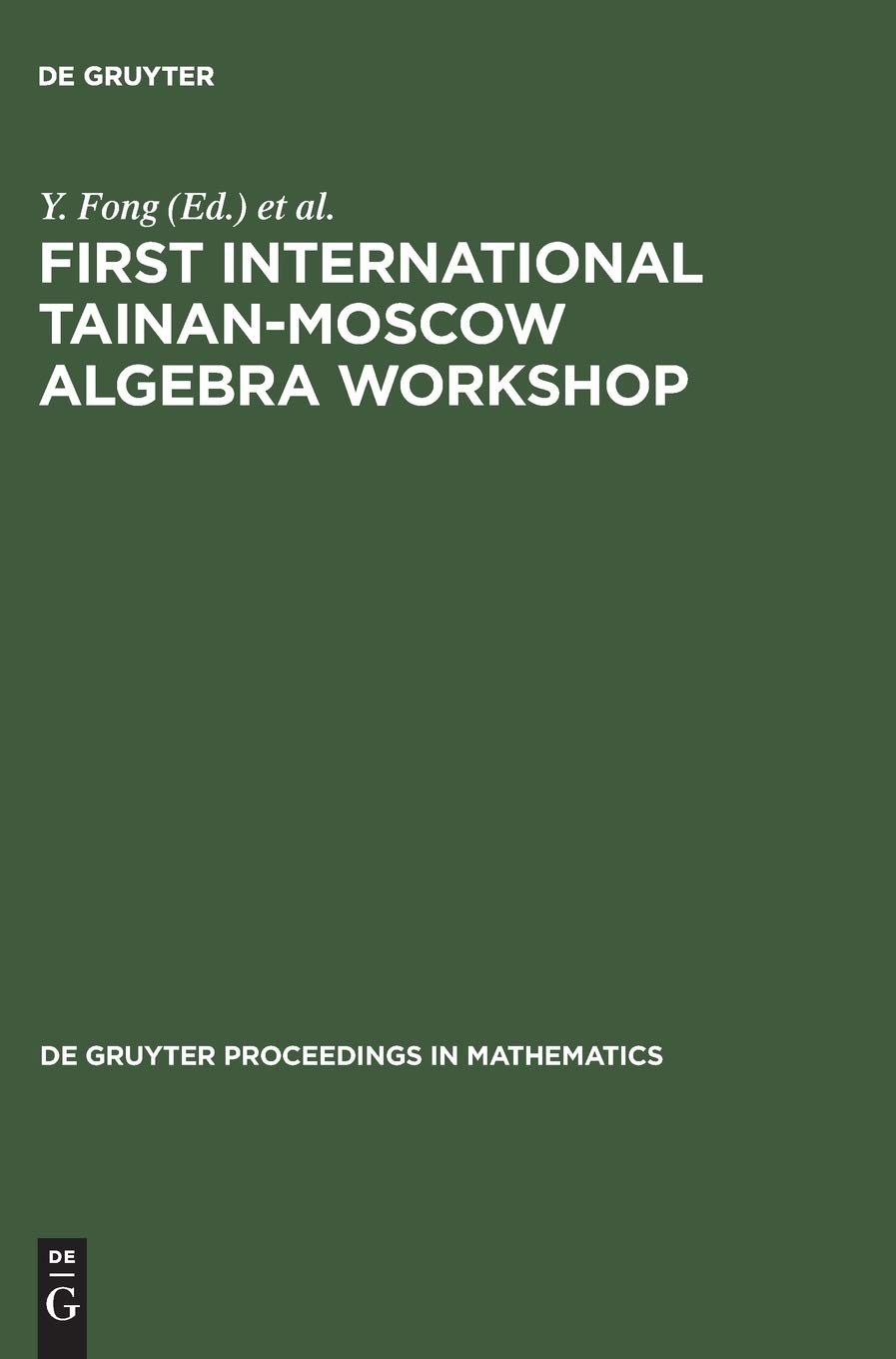
First International Tainan-Moscow Algebra Workshop: Proceedings of the International Conference held at National Cheng Kung University Tainan, Taiwan, ... 1994 (De Gruyter Proceedings in Mathematics)
Mathematics
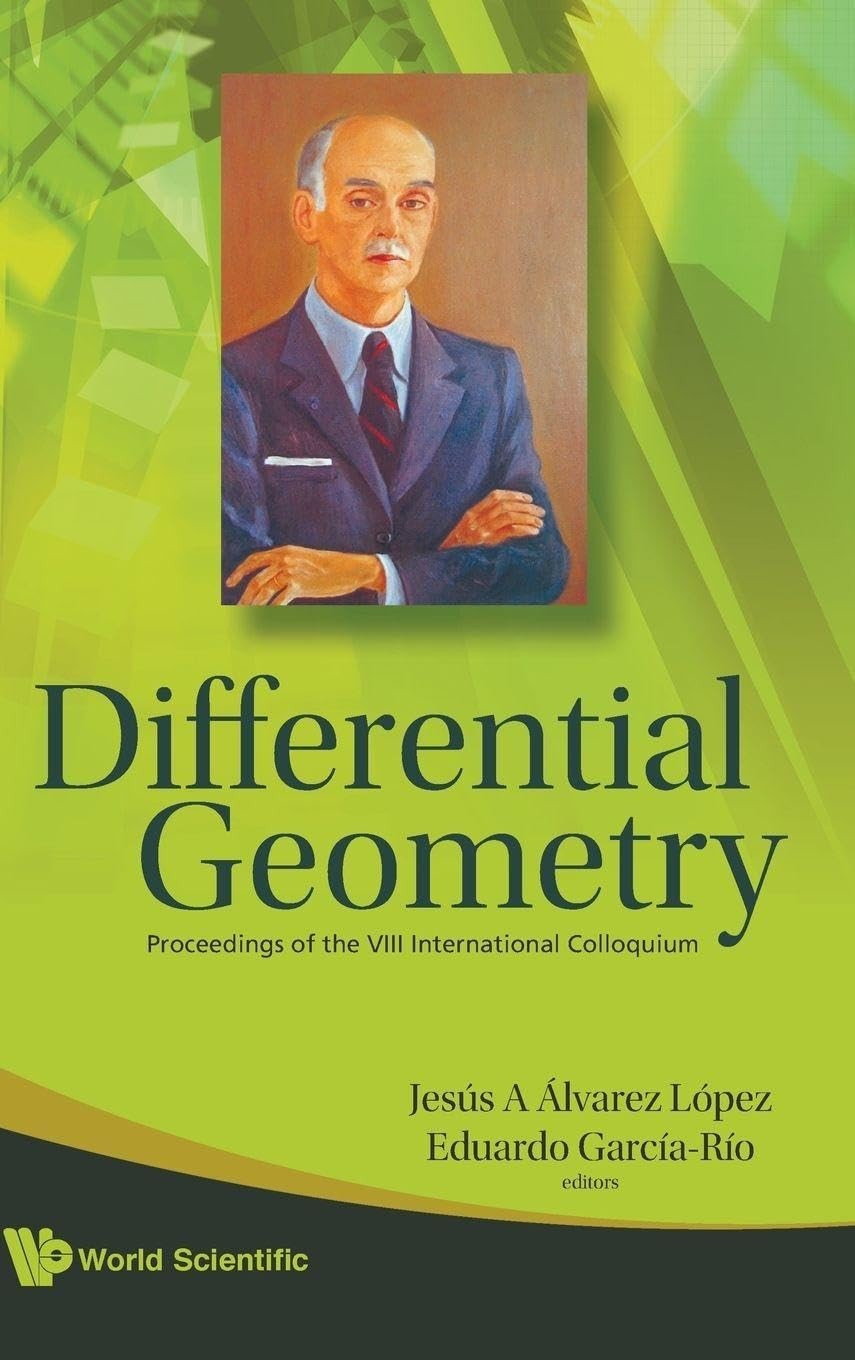
Differential Geometry - Proceedings of the VIII International Colloquium (English, Jesus A. Alvarez Lopez | Eduardo Garcia-Rio)
Mathematics
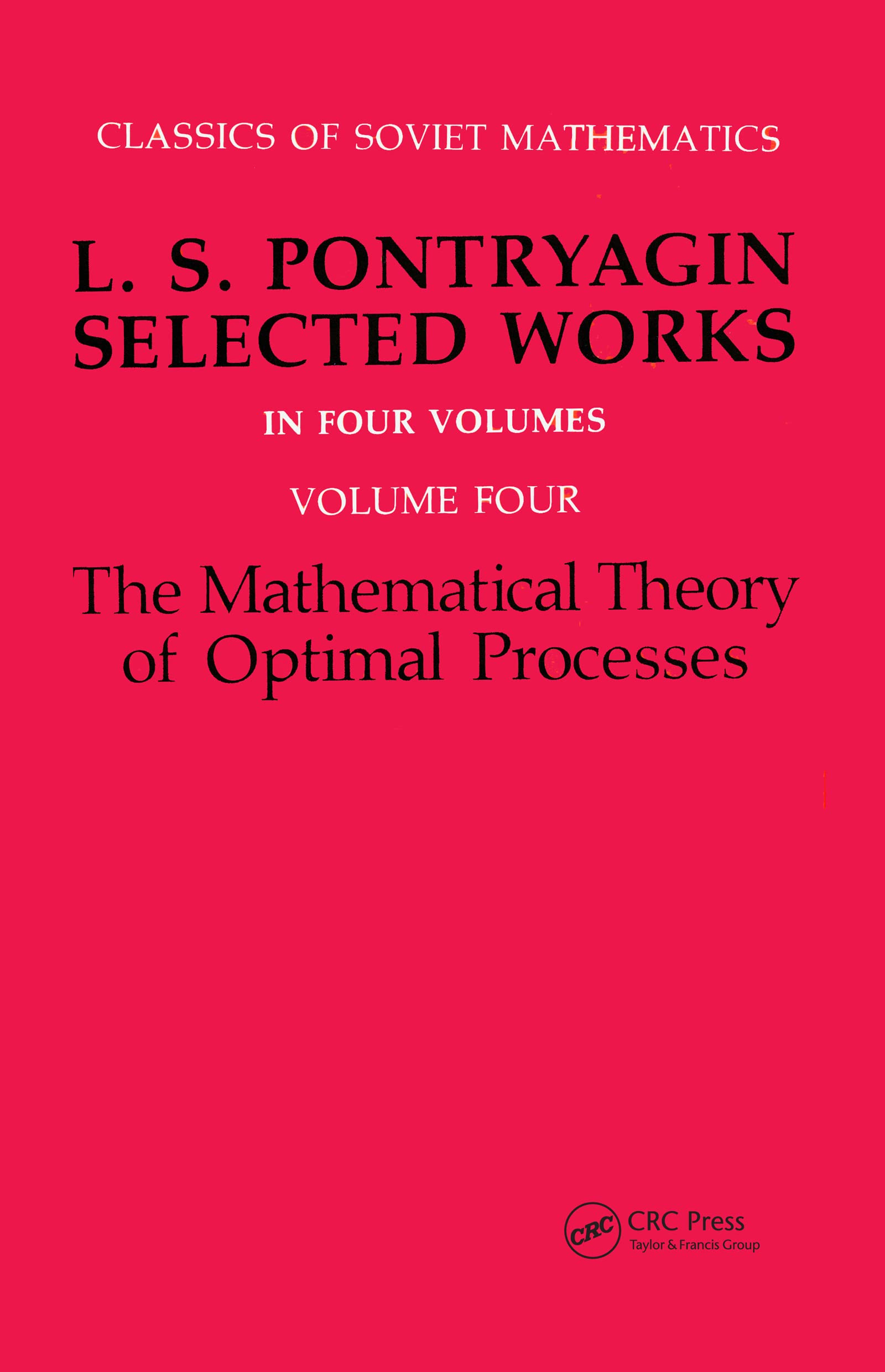
Mathematical Theory of Optimal Processes (Classics of Soviet Mathematics)
Related Products
View All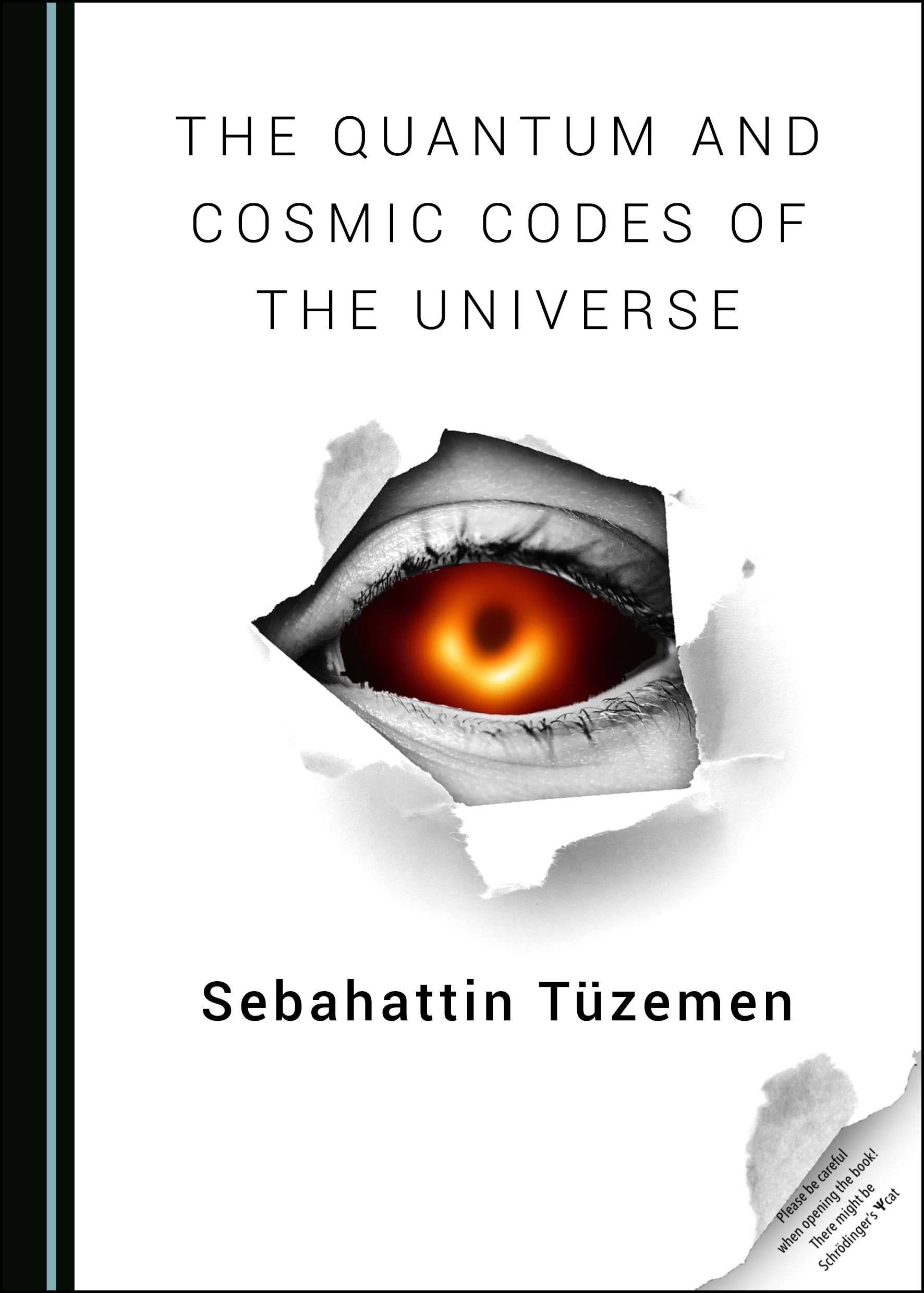
Physics
The Quantum and Cosmic Codes of the Universe
Physics
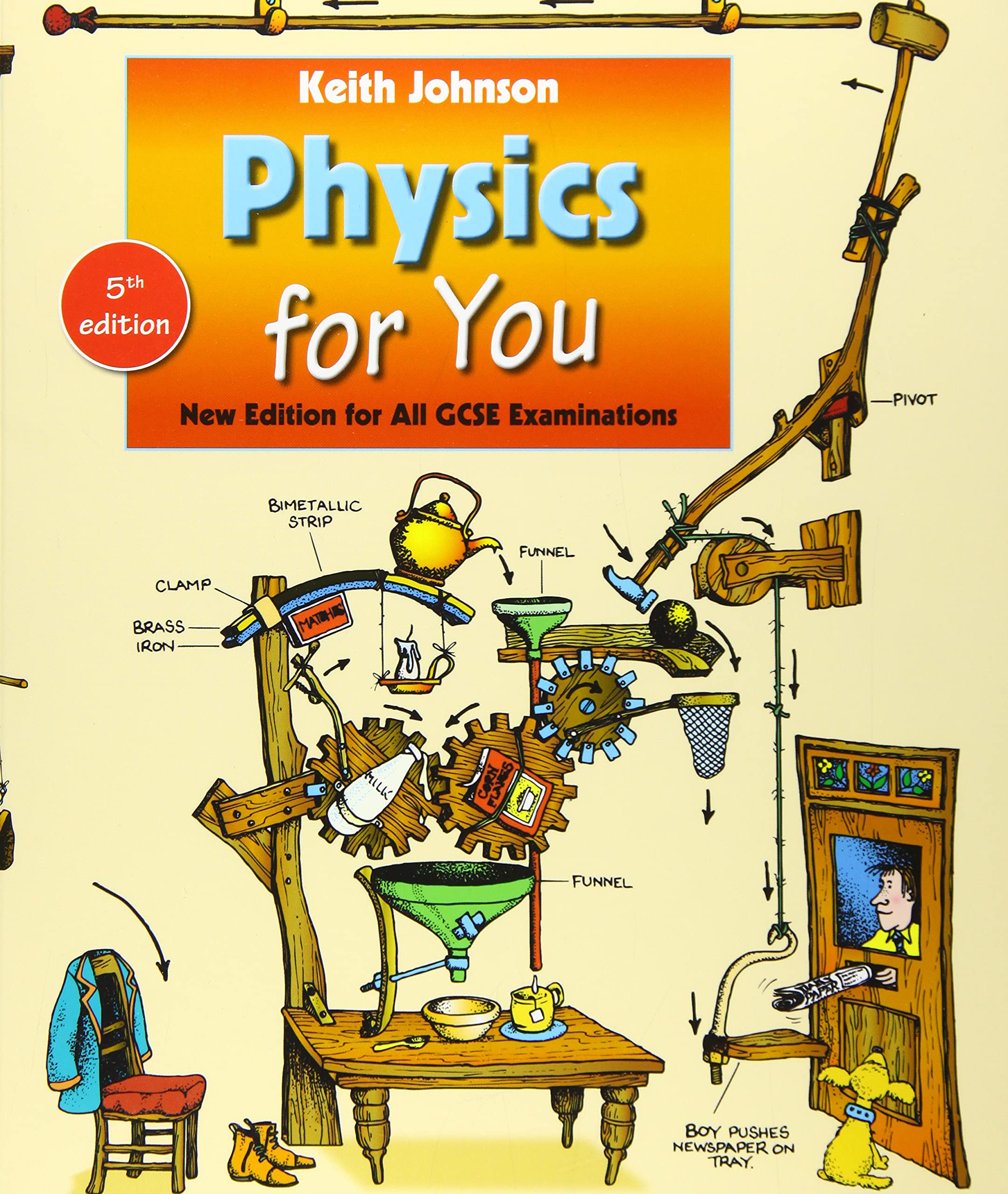
Physics for You by Keith Johnson – GCSE Physics Textbook
Physics
Experimental Techniques in Nuclear Physics
Physics
Essential Physics I

Physics
Modern Foundations of Quantum Optics
Physics