
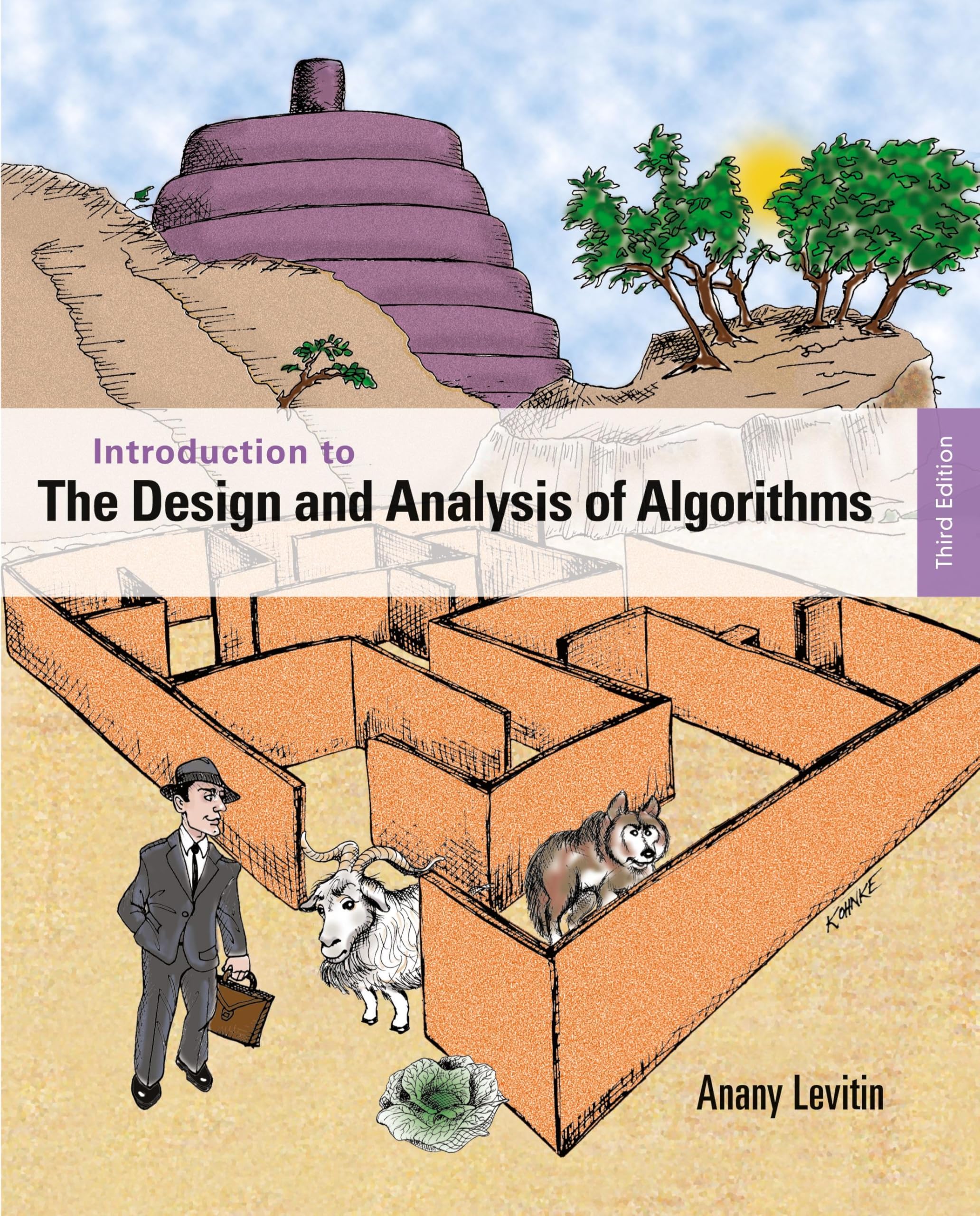
Introduction to the Design and Analysis of Algorithms by Anany Levitin – A Comprehensive Computer Science Textbook for A
Inclusive of all applicable taxes. FREE shipping on all orders.
Available Offers
- 🚚Free Delivery — Free shipping on all orders
- 💵Cash on Delivery — Pay when your order arrives
- ↩️15-Day Easy Returns — Hassle-free return policy
- 🔒Cash on Delivery — Pay safely when your order arrives
Check Delivery
Product Description
Introduction
For students and professionals navigating the complex world of computer science, a solid grasp of algorithm design and analysis is indispensable. Introduction to the Design and Analysis of Algorithms by Anany Levitin, published by Pearson, offers a uniquely structured approach to this foundational subject. This hardcover edition is tailored for Indian learners who seek clarity, practical insight, and a methodical path through algorithmic problem-solving. Whether you are preparing for competitive exams, academic coursework, or self-study, this book serves as a reliable companion.
Book Overview
This book reimagines the traditional algorithms curriculum by introducing a fresh classification of algorithm design techniques. Instead of a dry, overly formal presentation, Anany Levitin emphasizes intuitive understanding and real-world applicability. The text is written in a student-friendly tone, making abstract concepts accessible without sacrificing depth. Each chapter builds logically on the previous, ensuring a cohesive learning journey from basic analysis to advanced design strategies.
Key Highlights
- Innovative classification system that groups algorithms by design technique, helping readers see patterns and connections.
- Clear delineation of analysis methods for evaluating time and space complexity, with step-by-step explanations.
- Engaging puzzles and exercises that motivate interest and sharpen problem-solving skills.
- Chapter summaries and hints to exercises to reinforce learning and guide self-study.
- Detailed solution manual available for deeper reference and verification.
Inside the Book
The content is carefully structured to move from fundamental concepts to sophisticated techniques. Early chapters cover asymptotic notations, recurrence relations, and basic data structures. Later sections delve into divide-and-conquer, dynamic programming, greedy algorithms, backtracking, and branch-and-bound. Each technique is illustrated with classic problems like sorting, searching, graph algorithms, and string matching. The book also includes coverage of NP-completeness and computational limits, providing a complete picture of algorithmic theory.
Key Topics
- Analysis of algorithms: best-case, worst-case, and average-case complexity
- Brute force, divide-and-conquer, and decrease-and-conquer strategies
- Dynamic programming and greedy algorithms with applications
- Space and time trade-offs, including hashing and heaps
- Graph algorithms: DFS, BFS, shortest paths, and minimum spanning trees
- Limitations of algorithms: NP-completeness and undecidability
Reader Benefits
Readers will gain a deep, intuitive understanding of how algorithms work and why certain designs are efficient. The puzzle-based approach makes learning enjoyable and memorable, while the structured analysis prepares you for technical interviews and academic success. The book’s emphasis on ideas over formalism means you can apply concepts directly to programming projects and real-world challenges. Indian students will appreciate the clear language and logical progression, which reduces the learning curve significantly.
Learning Outcomes
By the end of this book, you will be able to analyze the efficiency of any given algorithm using rigorous methods. You will master multiple design techniques and know when to apply each one. You will also develop the ability to create your own algorithms for novel problems, a skill highly valued in software development and research. The book ensures you are exam-ready for university courses and competitive programming contests alike.
Who Should Read
This book is ideal for undergraduate and postgraduate students in computer science, information technology, and related engineering disciplines. It is also valuable for software professionals preparing for coding interviews or seeking to strengthen their algorithmic foundation. Teachers and trainers will find the structured presentation and exercise hints useful for classroom instruction. Anyone with basic programming knowledge who wants to master algorithms will benefit from this comprehensive guide.
About the Author
Anany Levitin is a respected educator and researcher in the field of algorithms and computer science. With years of teaching experience at leading institutions, he has developed a pedagogical style that prioritizes clarity and student engagement. His innovative classification of algorithm design techniques has been widely appreciated by both students and instructors. This book reflects his deep understanding of how learners grasp complex topics and his commitment to making algorithms accessible to all.
About the Publisher
Pearson is a global leader in educational publishing, known for producing high-quality academic resources across disciplines. With a strong presence in India, Pearson ensures that textbooks are relevant to local curricula and examination patterns. Their commitment to accuracy, readability, and pedagogical excellence makes them a trusted name among students and educators. This hardcover edition is printed to high standards, ensuring durability for years of use.
Conclusion
Introduction to the Design and Analysis of Algorithms is more than just a textbook—it is a gateway to mastering one of the most critical subjects in computer science. With its innovative approach, engaging style, and comprehensive coverage, it equips Indian learners with the tools they need to excel academically and professionally. Order your copy from Bookshops.in today and take a confident step toward algorithmic mastery.
Quick Summary
Introduction to the Design and Analysis of Algorithms by Anany Levitin is a comprehensive textbook that revolutionizes the way algorithms are taught by introducing a new classification of design techniques and a clear framework for analysis. Written in a student-friendly style, the book prioritizes conceptual understanding over excessive mathematical formalism, making it accessible to undergraduates and self-learners alike. It covers all essential topics for an introductory algorithms course, including divide-and-conquer, dynamic programming, greedy algorithms, backtracking, and more. A unique feature is the use of popular puzzles to engage students and sharpen their problem-solving skills. The book is enriched with chapter summaries, hints to exercises, and a detailed solution manual, providing robust support for both classroom learning and independent study. Published by Pearson, this hardcover edition is ideal for Indian B.Tech and MCA students following university syllabi. By purchasing from Bookshops.in, you get an authentic copy at a great price with fast delivery across India.
Book Highlights
Book Specifications
| ISBN-13 | 9780132316811 |
| ISBN-10 | 0132316811 |
| Publisher | Pearson |
| Language | English |
| Dimensions | 18.54 x 2.97 x 22.86 cm |
| Weight | 771 g |
| Category | Programming & Software Development › Algorithms |
| Genre | Non-fiction |
| Original Language | English |
Frequently Asked Questions
What is the main focus of this book?
Who is the author of this book?
Is this book suitable for Indian university courses?
Does this book include exercises and solutions?
What makes this book different from other algorithms textbooks?
What is the ISBN of this book?
What is the language of the book?
Is this book available in hardcover?
What is the price of this book?
Can I use this book for self-study?
Does the book cover dynamic programming?
What is the rating of this book?
Why should I buy this book from Bookshops.in?
Readers Also Search For
Customers Also Bought

Programming
Algorithmische Sprache Und Programmentwicklung | by H. Partsch | F. L. Bauer | P. Pepper | Springer | by H. Partsch | F. L. Bauer | P. Pepper | Springer | by H. Partsch | F. L. Bauer | P. Pepper | Springer | by H. Partsch | F. L. Bauer | P. Pepper | Springer | by H. Partsch | F. L. Bauer | P. Pepper | Springer | by H. Partsch | F. L. Bauer | P. Pepper | Springer | by H. Partsch | F. L. Bauer | P. Pepper | Springer | by H. Partsch | F. L. Bauer | P. Pepper | Springer | by H. Partsch | F. L. Bauer
Programming
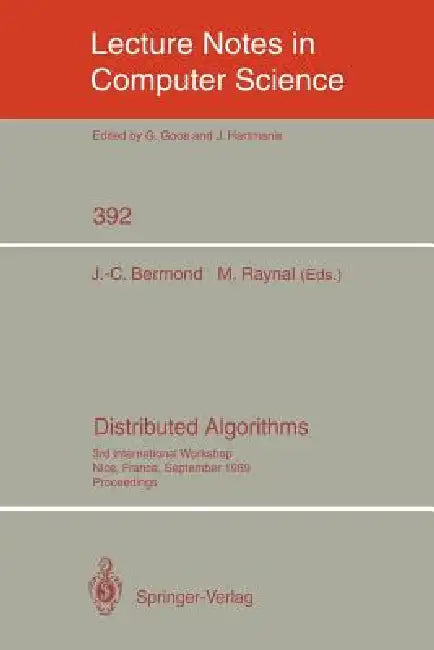
Distributed Algorithms | by Jean-Claude Bermond | Michel Raynal | Springer | by Jean-Claude Bermond | Michel Raynal | Springer | by Jean-Claude Bermond | Michel Raynal | Springer | by Jean-Claude Bermond | Michel Raynal | Springer | by Jean-Claude Bermond | Michel Raynal | Springer | by Jean-Claude Bermond | Michel Raynal | Springer | by Jean-Claude Bermond | Michel Raynal | Springer | by Jean-Claude Bermond | Michel Raynal | Springer | by Jean-Claude Bermond | Michel Raynal | Springer | by Jean

Programming
Meta-Level Control for Deductive Database Systems | by Helmut Schmidt | Springer | by Helmut Schmidt | Springer | by Helmut Schmidt | Springer | by Helmut Schmidt | Springer | by Helmut Schmidt | Springer | by Helmut Schmidt | Springer | by Helmut Schmidt | Springer | by Helmut Schmidt | Springer | by Helmut Schmidt | Springer | by Helmut Schmidt | Springer | by Helmut Schmidt | Springer | by Helmut Schmidt | Springer | by Helmut Schmidt | Springer | by Helmut Schmidt | Springer | by Helmut Schm
Programming
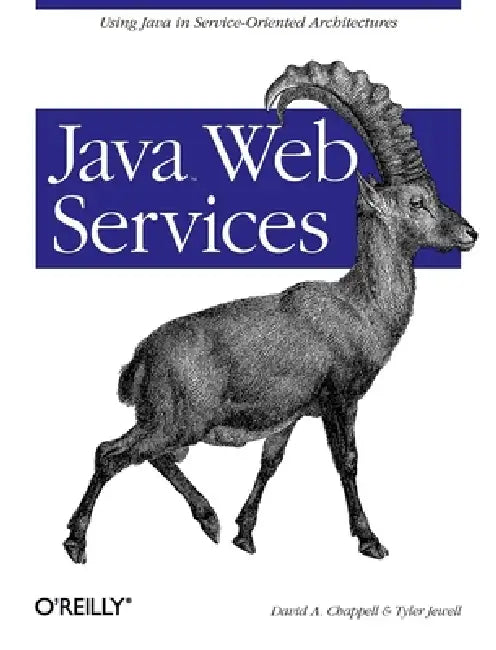
Java Web Services | by David A. Chappell | Tyler Jewell | O'Reilly Media | by David A. Chappell | Tyler Jewell | O'Reilly Media | by David A. Chappell | Tyler Jewell | O'Reilly Media | by David A. Chappell | Tyler Jewell | O'Reilly Media | by David A. Chappell | Tyler Jewell | O'Reilly Media | by David A. Chappell | Tyler Jewell | O'Reilly Media | by David A. Chappell | Tyler Jewell | O'Reilly Media | by David A. Chappell | Tyler Jewell | O'Reilly Media | by David A. Chappell | Tyler Jewell | O'

Programming
Database in Depth | by Chris J. Date | O'Reilly Media | by Chris J. Date | O'Reilly Media | by Chris J. Date | O'Reilly Media | by Chris J. Date | O'Reilly Media | by Chris J. Date | O'Reilly Media | by Chris J. Date | O'Reilly Media | by Chris J. Date | O'Reilly Media | by Chris J. Date | O'Reilly Media | by Chris J. Date | O'Reilly Media | by Chris J. Date | O'Reilly Media | by Chris J. Date | O'Reilly Media | by Chris J. Date | O'Reilly Media | by Chris J. Date | O'Reilly Media | by Chris J.

Programming
Integration of AI and OR Techniques in Constraint Programming for Combinatorial Optimization Problem | by Nicolas Beldiceanu | Narendra Jussien | Eric Pinson | Springer | by Nicolas Beldiceanu | Narendra Jussien | Eric Pinson | Springer | by Nicolas Beldiceanu | Narendra Jussien | Eric Pinson | Springer | by Nicolas Beldiceanu | Narendra Jussien | Eric Pinson | Springer | by Nicolas Beldiceanu | Narendra Jussien | Eric Pinson | Springer | by Nicolas Beldiceanu | Narendra Jussien | Eric Pinson |
Related Products
View All
Computers & Internet
Modern Full-Stack React Projects by Daniel Bugl
Computers & Internet
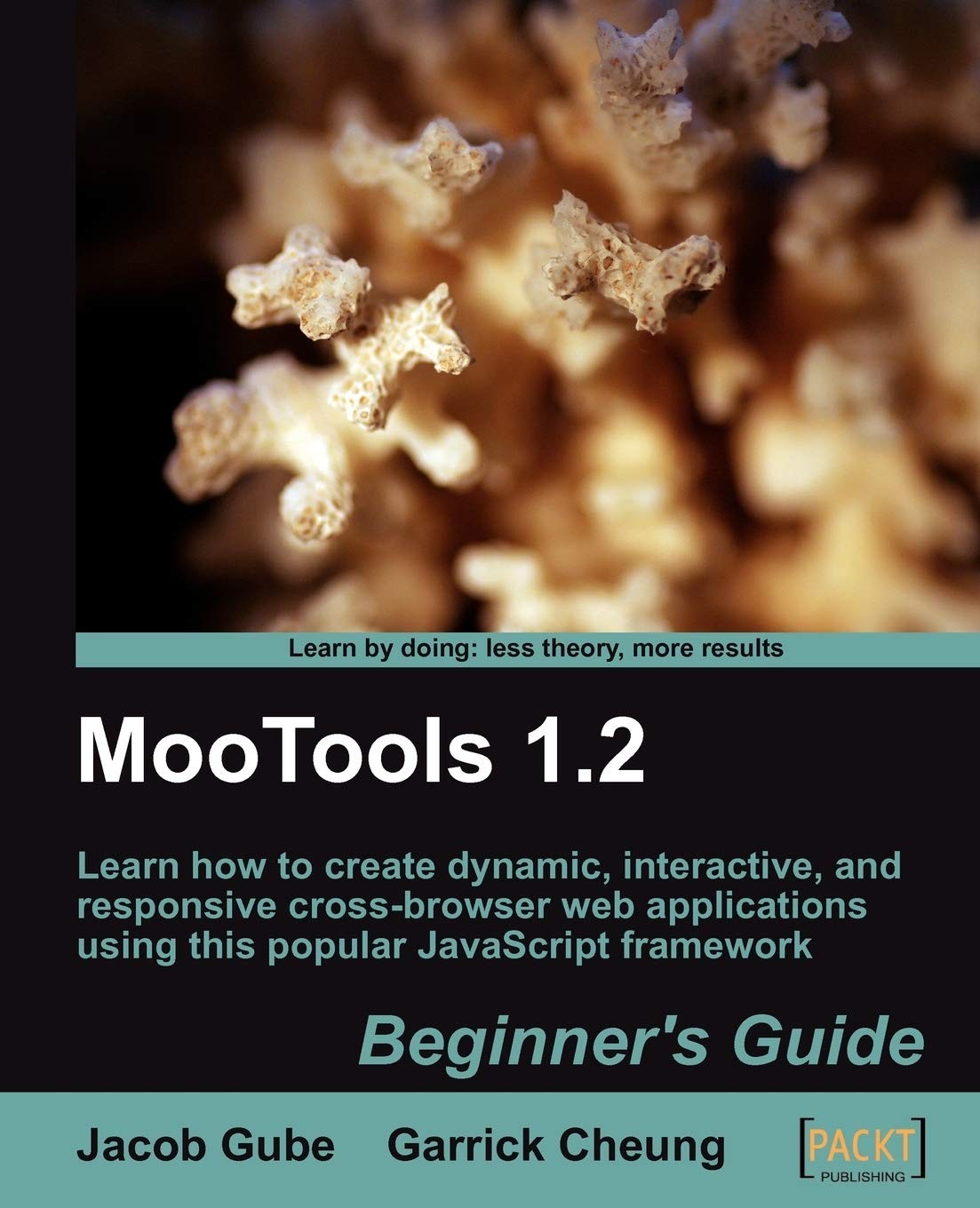
Mootools 1.2 Beginner's Guide (English, Jacob Gube)
Computers & Internet
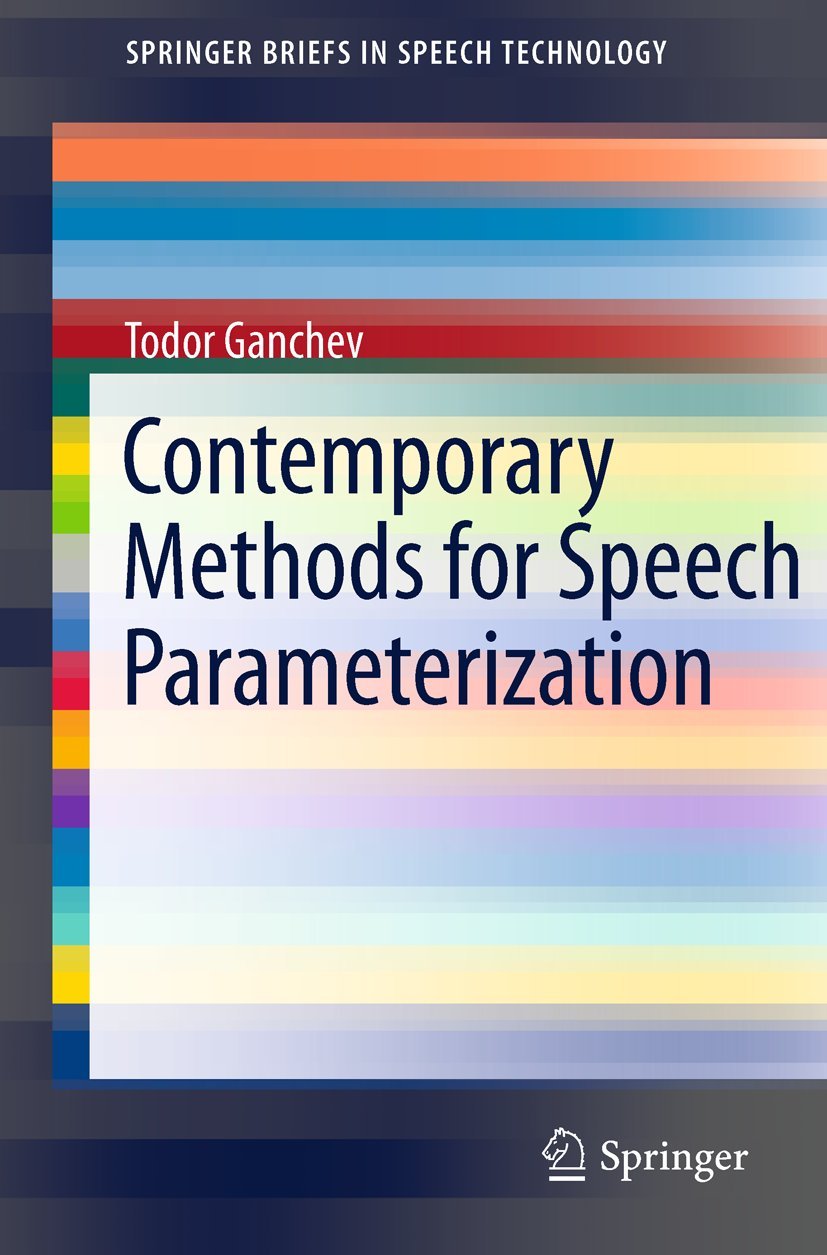
Contemporary Methods for Speech Parameterization (Springerbriefs in Electrical and Computer Engineering / Springerbriefs in Speech Technology)

Computers & Internet
Information Technology and Lawyers | by Arno R. Lodder | Anja Oskamp | Springer | by Arno R. Lodder | Anja Oskamp | Springer | by Arno R. Lodder | Anja Oskamp | Springer | by Arno R. Lodder | Anja Oskamp | Springer | by Arno R. Lodder | Anja Oskamp | Springer | by Arno R. Lodder | Anja Oskamp | Springer | by Arno R. Lodder | Anja Oskamp | Springer | by Arno R. Lodder | Anja Oskamp | Springer | by Arno R. Lodder | Anja Oskamp | Springer | by Arno R. Lodder | Anja Oskamp | Springer | by Arno R. Lo

Computers & Internet
Digital Analysis of Remotely Sensed Imagery | by Jay Gao | McGraw-Hill Companies | by Jay Gao | McGraw-Hill Companies | by Jay Gao | McGraw-Hill Companies | by Jay Gao | McGraw-Hill Companies | by Jay Gao | McGraw-Hill Companies | by Jay Gao | McGraw-Hill Companies | by Jay Gao | McGraw-Hill Companies | by Jay Gao | McGraw-Hill Companies | by Jay Gao | McGraw-Hill Companies | by Jay Gao | McGraw-Hill Companies | by Jay Gao | McGraw-Hill Companies | by Jay Gao | McGraw-Hill Companies | by Jay Gao

Computers & Internet