
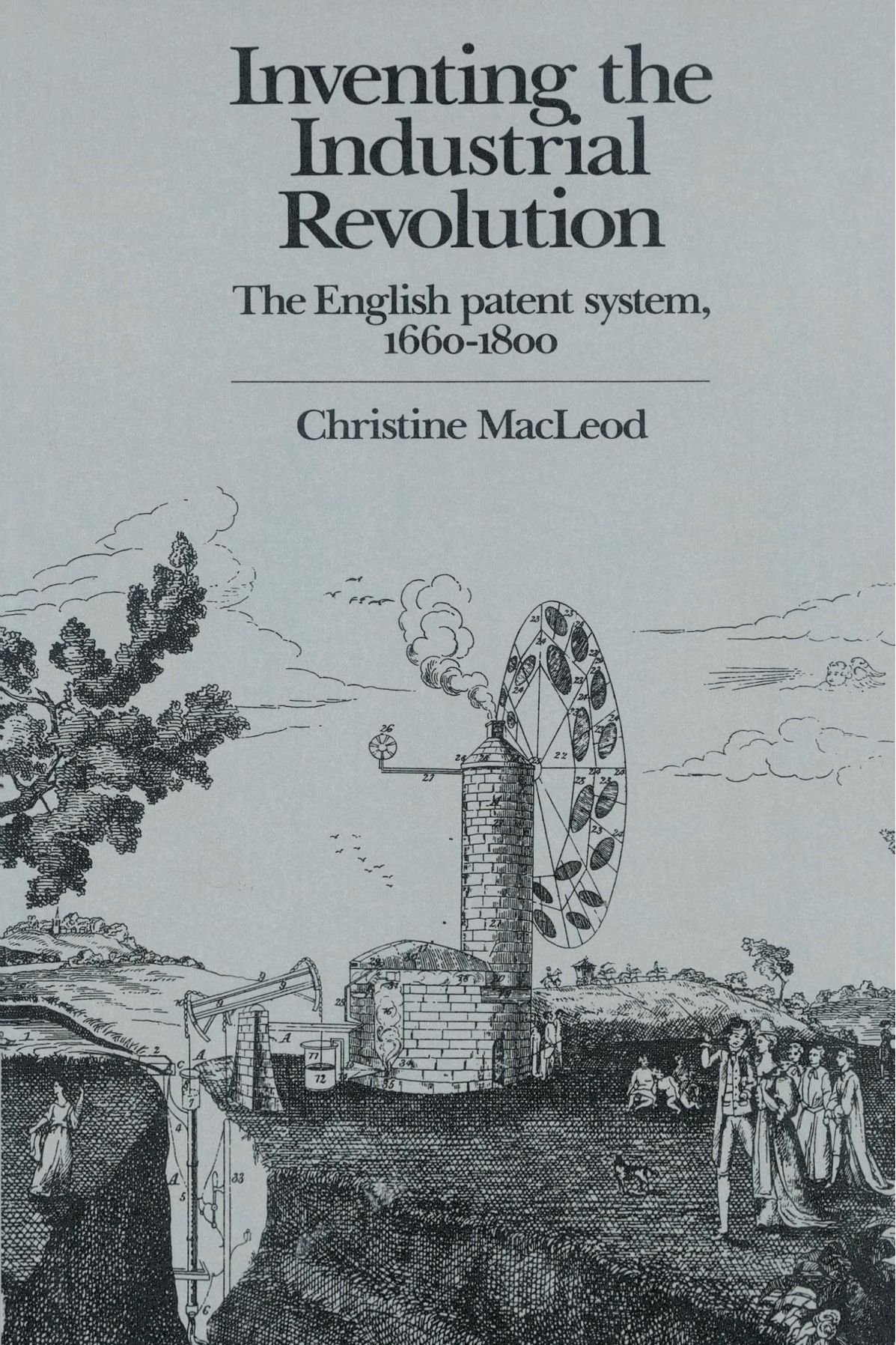
Inventing the Industrial Revolution: The English Patent System, 1660–1800 by Christine MacLeod – A Comprehensive Study o
Inclusive of all applicable taxes. FREE shipping on all orders.
Available Offers
- 🚚Free Delivery — Free shipping on all orders
- 💵Cash on Delivery — Pay when your order arrives
- ↩️15-Day Easy Returns — Hassle-free return policy
- 🔒Cash on Delivery — Pay safely when your order arrives
Check Delivery
Product Description
Introduction
In the grand narrative of economic history, few transformations have reshaped human life as profoundly as the Industrial Revolution. Yet, behind the clatter of machinery and the smoke of factories lay a quieter, equally revolutionary force: the legal system that protected and propelled invention. Christine MacLeod's Inventing the Industrial Revolution: The English Patent System, 1660–1800 offers a masterful exploration of how patents evolved from instruments of royal favour into engines of commercial competition. For Indian students, scholars, and professionals interested in the roots of innovation, intellectual property, and economic development, this Cambridge University Press hardcover is an indispensable resource that bridges law, history, and technology.
Book Overview
This meticulously researched volume examines the English patent system during the crucial period from the Restoration to the dawn of the nineteenth century. MacLeod traces how patents transformed from tools of monarchical patronage—granted to courtiers and favourites—into mechanisms that fuelled the competitive drive of inventors and manufacturers. The book goes beyond a simple legal history; it delves into the motivations of patentees, the political and economic contexts of their applications, and the often-surprising uses of patents beyond mere protection. It challenges conventional assumptions, such as the idea that labour-saving was the primary goal of inventors, and offers a nuanced view of how patent statistics reflect the spread of capitalism rather than just inventive hotspots. This is not a dry legal treatise but a vivid portrait of an era when innovation became a commercial weapon.
Key Highlights
- Comprehensive Chronological Scope: Covers 140 years of patent evolution, from 1660 to 1800, providing a long-term view of institutional change.
- Critical Reassessment of Patent Statistics: Offers the first in-depth analysis of the reliability of patent data as a measure of inventive activity, revealing its limitations and hidden insights.
- Focus on Human Motivations: Explores why inventors sought patents—for prestige, to block competitors, or to secure investment—beyond simple protection of ideas.
- Challenging Labour-Saving Assumptions: Questions the common belief that inventors primarily aimed to reduce labour, highlighting other drivers like quality improvement and resource efficiency.
- Integration of Law and Economy: Connects legal frameworks with the rise of capitalism, showing how patents mirrored and shaped commercial interests.
Inside the Book
The book is structured to guide readers through the complexities of patent history with clarity. Early chapters set the stage by describing the legal and political landscape of seventeenth-century England, where patents were often seen as royal favours. Middle sections analyse the shift towards commercial competition, using case studies of individual patentees—from textile pioneers to ironmasters—to illustrate diverse strategies. Later chapters tackle the statistical challenges head-on, examining patent numbers, geographical distribution, and industry patterns. MacLeod also devotes attention to the patent system's critics and reformers, offering a balanced view of its strengths and flaws. The narrative is enriched with tables, figures, and appendices that provide raw data for further research, making it a valuable reference for scholars.
Key Topics
- Evolution of Patent Law: From royal prerogative to statutory protection under the Statute of Monopolies and beyond.
- Patentees and Their Strategies: The social backgrounds, professions, and goals of those who filed patents.
- Geographical and Industrial Distribution: Where and in which sectors patenting activity concentrated, and what this reveals about economic change.
- Reliability of Historical Data: Methodological issues in using patent counts as proxies for innovation.
- Capitalism and Invention: How the patent system facilitated the rise of a market-driven economy.
- Labour, Capital, and Technology: Debates on whether inventions saved labour or merely shifted its demands.
Reader Benefits
For Indian readers, this book offers a deep understanding of how legal institutions can foster or hinder innovation—a lesson highly relevant to India's own evolving intellectual property regime. Students of economics, history, and law will gain critical tools for analysing the relationship between policy and technological change. Researchers will appreciate the rigorous methodology and the wealth of primary data, which can inspire comparative studies with Indian patent history. Professionals in innovation management and intellectual property will find historical precedents for contemporary challenges, such as patent thickets and strategic patenting. Moreover, the book's clear prose and logical structure make it accessible even to those new to the field, while its depth satisfies advanced readers.
Learning Outcomes
- Understand the historical origins of modern patent systems and their role in industrialisation.
- Critically evaluate patent statistics as indicators of inventive activity, recognising their biases and limitations.
- Analyse the interplay between legal frameworks, economic incentives, and technological change.
- Identify the diverse motivations of inventors beyond profit or protection, including social recognition and strategic competition.
- Apply historical insights to contemporary debates on intellectual property, innovation policy, and economic development.
Who Should Read
This book is ideal for postgraduate students and researchers in economic history, history of technology, and legal studies. It is also highly recommended for undergraduate students in these fields who seek a challenging yet rewarding text. Professionals in intellectual property law, patent examiners, and innovation policymakers will find valuable context for their work. Additionally, anyone with a keen interest in the Industrial Revolution—whether a historian, economist, or curious reader—will appreciate MacLeod's engaging narrative and fresh perspectives. Indian readers with an interest in comparative economic development will particularly benefit from understanding how England's patent system shaped its industrial ascent.
About the Author
Christine MacLeod is a distinguished historian and professor emerita at the University of Bristol, where she specialised in the economic and social history of early modern Britain. Her research has focused on invention, patents, and the cultural meanings of technology. She has published extensively in leading journals and is widely regarded for her meticulous archival work and ability to connect legal history with broader economic trends. Inventing the Industrial Revolution won the prestigious Wadsworth Prize for Business History, cementing her reputation as a leading voice in the field. Her scholarship continues to influence debates on intellectual property and innovation worldwide.
About the Publisher
Cambridge University Press is one of the world's oldest and most respected academic publishers, with a history dating back to 1534. Renowned for its rigorous peer-review process and commitment to scholarly excellence, CUP produces works that set the standard in fields ranging from history to science. This hardcover edition reflects their dedication to quality, with durable binding and clear typography suitable for long-term reference. For Indian readers, Cambridge University Press titles are synonymous with authoritative research and are widely available through Bookshops.in, ensuring easy access to global scholarship.
Conclusion
Inventing the Industrial Revolution is more than a history of patents; it is a profound inquiry into how societies create, protect, and profit from new ideas. Christine MacLeod's work challenges us to rethink the relationship between law and innovation, offering lessons that transcend centuries and borders. For Indian students, scholars, and professionals, this book provides a foundational understanding of a system that continues to shape global technology and commerce. Whether you are studying the roots of modern capitalism, preparing for a career in intellectual property, or simply fascinated by the Industrial Revolution, this volume deserves a place on your shelf. Order your hardcover copy from Bookshops.in today and delve into the legal engine that powered an era of unprecedented change.
Quick Summary
Inventing the Industrial Revolution: The English Patent System, 1660–1800 by Christine MacLeod is a scholarly work that traces the transformation of the English patent system from an instrument of royal patronage into a mechanism for commercial competition during the early Industrial Revolution. The book delves into the legal and political frameworks that shaped patenting, explores the diverse motivations of patentees—ranging from protecting inventions to seeking prestige or monopoly—and provides a critical assessment of patent statistics as a measure of inventive activity. Readers will gain a nuanced understanding of how patents both reflected and influenced technical change in a pivotal period of history. This book is ideal for students and researchers in economic history, history of technology, and intellectual property studies. By purchasing from Bookshops.in, Indian readers receive a high-quality hardcover edition from Cambridge University Press, ensuring reliable scholarship and durable binding for academic use.
Book Highlights
Book Specifications
| ISBN-13 | 9780521893992 |
| ISBN-10 | 0521893992 |
| Publisher | Cambridge University Press |
| Language | English |
| Dimensions | 15.19 x 2.01 x 22.81 cm |
| Weight | 470 g |
| Country | India |
| Category | Economics › Economic History |
| Genre | Non-fiction |
| Original Language | English |
Frequently Asked Questions
What is the main focus of this book?
Who is the author of this book?
What time period does the book cover?
Is this book suitable for students?
Does the book discuss patent statistics?
What makes this book unique?
Is this book part of a series?
What language is the book written in?
Does the book include case studies?
How does the book relate to the Industrial Revolution?
What is the binding of this book?
What is the ISBN-13 of this book?
Can I use this book for research?
Where can I buy this book in India?
Readers Also Search For
Customers Also Bought

Entrepreneurship
Chinese Economic Revolution (English, Linda Grove)
Entrepreneurship
Engines of Innovation: The Entrepreneurial University in the Twenty-First Century by Holden Thorp
Entrepreneurship
Invention to Innovation (English, PhD Marshall Larry | Jenna Daroczy)

Entrepreneurship
Database Management Systems by Raghu Ramakrishnan – DBMS Textbook

Entrepreneurship
Decision-making for Technology Executives by Harold A. Linstone
Entrepreneurship
The Business Innovation Audit (English, William Tate)
Related Products
View All
Economics
Political Economy from Pufendorf to Marx (English, István Hont | Lasse S. Andersen | Béla Kapossy)
Economics
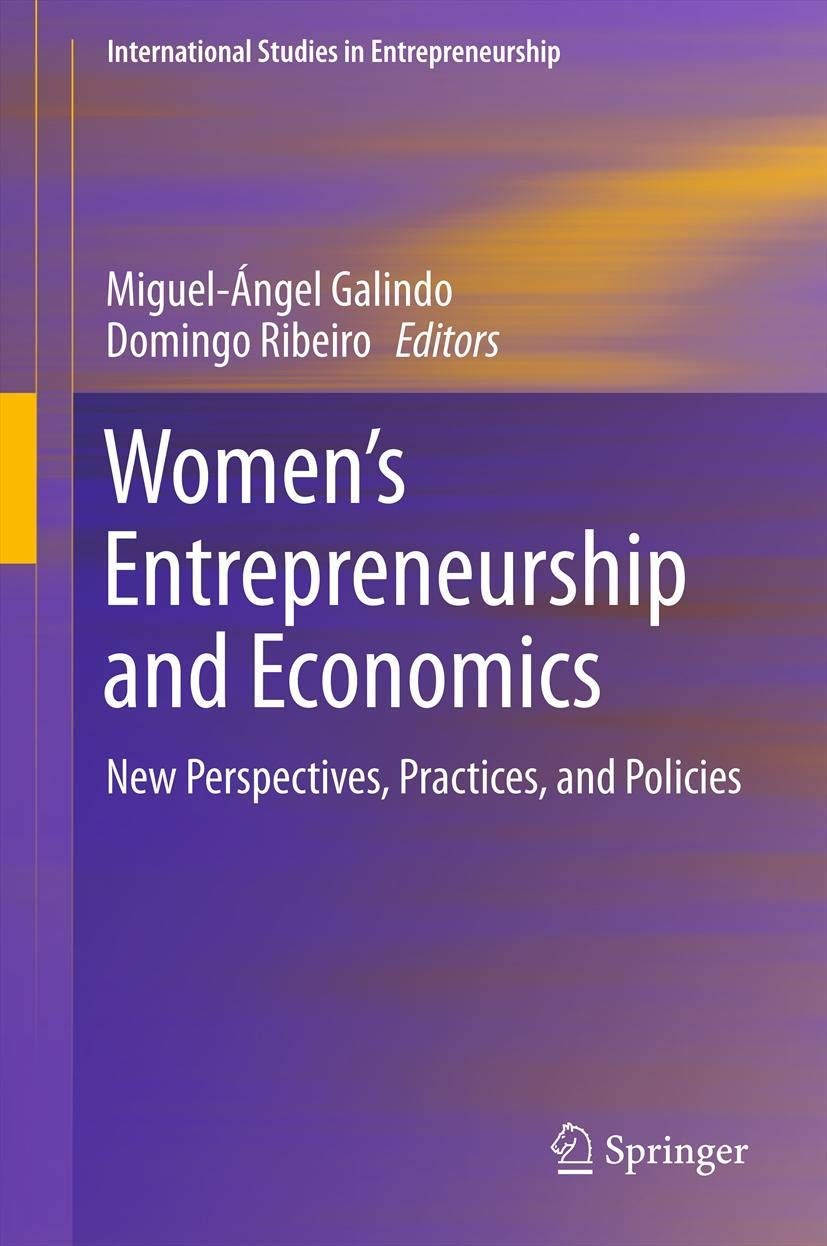
Women's Entrepreneurship and Economics (English, Miguel-Angel Galindo | Domingo Ribeiro)
Economics
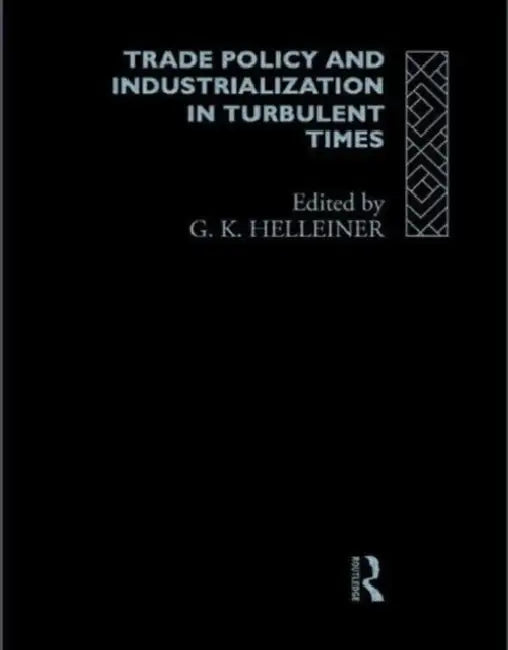
Trade Policy and Industrialization in Turbulent Times | by Gerry Helleiner | Routledge | by Gerry Helleiner | Routledge | by Gerry Helleiner | Routledge | by Gerry Helleiner | Routledge | by Gerry Helleiner | Routledge | by Gerry Helleiner | Routledge | by Gerry Helleiner | Routledge | by Gerry Helleiner | Routledge | by Gerry Helleiner | Routledge | by Gerry Helleiner | Routledge | by Gerry Helleiner | Routledge | by Gerry Helleiner | Routledge | by Gerry Helleiner | Routledge | by Gerry Hellei

Economics
History of Economic Analysis | by Schumpeter Joseph A. | Taylor & Francis Ltd | by Schumpeter Joseph A. | Taylor & Francis Ltd | by Schumpeter Joseph A. | Taylor & Francis Ltd | by Schumpeter Joseph A. | Taylor & Francis Ltd | by Schumpeter Joseph A. | Taylor & Francis Ltd | by Schumpeter Joseph A. | Taylor & Francis Ltd | by Schumpeter Joseph A. | Taylor & Francis Ltd | by Schumpeter Joseph A. | Taylor & Francis Ltd | by Schumpeter Joseph A. | Taylor & Franci

Economics
OECD Compendium of Productivity Indicators 2015 | by Organization for Economic Cooperation an | Organization for Economic Co-Operation & Deve | by Organization for Economic Cooperation an | Organization for Economic Co-Operation & Deve | by Organization for Economic Cooperation an | Organization for Economic Co-Operation & Deve | by Organization for Economic Cooperation an | Organization for Economic Co-Operation & Deve | by Organization for Economic Cooperation an | Organization

Economics