
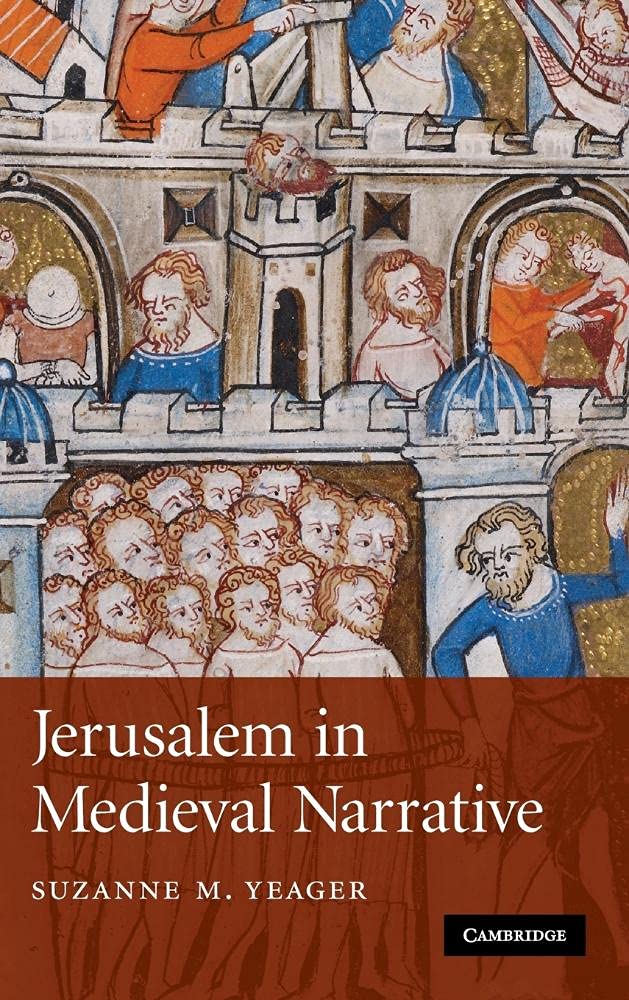
Jerusalem in Medieval Narrative by Suzanne M. Yeager – Crusading Literature and English Identity in the Fourteenth Centu
Inclusive of all applicable taxes. FREE shipping on all orders.
Available Offers
- 🚚Free Delivery — Free shipping on all orders
- 💵Cash on Delivery — Pay when your order arrives
- ↩️15-Day Easy Returns — Hassle-free return policy
- 🔒Cash on Delivery — Pay safely when your order arrives
Check Delivery
Product Description
Introduction
In the vast tapestry of medieval history, few cities hold as much symbolic and spiritual weight as Jerusalem. For centuries, this sacred city has inspired pilgrims, warriors, and storytellers alike. Jerusalem in Medieval Narrative by Suzanne M. Yeager offers a compelling exploration of how English writers of the fourteenth century reshaped the story of Jerusalem to forge a powerful national identity. Published by Cambridge University Press, this hardbound volume is an essential addition to the library of every student of medieval history, literature, and crusade studies in India and beyond.
Book Overview
This scholarly work delves into the literary and political strategies employed by medieval English authors who, through pilgrim itineraries, romances, and political treatises, created a fictive yet influential English role in the struggle for Jerusalem. Yeager meticulously examines how these narratives were crafted to inspire crusading fervour and to elevate England’s status on the world stage. The book is not merely a historical account; it is a study of identity formation, propaganda, and the enduring power of storytelling in shaping national consciousness.
Key Highlights
- Original Research: A fresh analysis of fourteenth-century English narratives about Jerusalem, revealing how they were refashioned for political and spiritual purposes.
- Interdisciplinary Approach: Blends literary criticism, historical analysis, and cultural studies to provide a holistic understanding of medieval texts.
- Focus on National Identity: Explores how English writers used the Holy City to construct a reputation of power and divine favour for their nation.
- Critical Editions: Engages with popular works such as Richard, Coeur de Lion, The Siege of Jerusalem, and the Book of Sir John Mandeville.
- Relevance Today: Offers insights into the roots of medieval propaganda and its lasting impact on Western perceptions of the East.
Inside the Book
Yeager’s narrative unfolds across well-structured chapters that guide the reader through the evolution of Jerusalem-themed literature. The book begins with an examination of early pilgrim itineraries, which presented Jerusalem as a tangible goal for Christian devotion. It then moves to political treatises that linked English kingship with the crusading cause. The heart of the study lies in its analysis of popular romances, where historical events are blended with legend to create stirring tales of heroism. Each chapter is supported by careful textual analysis, historical context, and a critical eye for the biases and aspirations of the authors.
Key Topics
- Medieval Pilgrimage and Travel Writing: How English pilgrims described Jerusalem and why their accounts were influential.
- Crusading Propaganda: The role of literature in rousing support for the Crusades in fourteenth-century England.
- National Identity and Myth-Making: How fictionalised histories of English involvement in Jerusalem shaped a sense of national destiny.
- The Siege of Jerusalem in Literature: A deep dive into the romance tradition and its historical inaccuracies.
- Sir John Mandeville’s Travels: Examining the most famous medieval travel book and its imaginative geography of the Holy Land.
- English Kingship and Crusade: The intersection of royal ambition, religious duty, and literary representation.
Reader Benefits
- Deepen Your Understanding: Gain a nuanced perspective on how medieval Europeans viewed the East and constructed their own identities.
- Enhance Scholarly Work: Ideal for research papers, dissertations, and seminar discussions in medieval studies, history, and English literature.
- Critical Thinking: Learn to identify propaganda and narrative bias in historical texts—a skill applicable beyond the medieval period.
- Cultural Insight: Appreciate the complex relationship between religion, politics, and storytelling in the Middle Ages.
- Academic Excellence: Own a well-regarded Cambridge University Press publication that sets a high standard for scholarship.
Learning Outcomes
By reading this book, you will be able to analyse medieval narratives with a critical eye, understand the mechanisms of early propaganda, and trace the development of English national identity through literature. You will also gain familiarity with key texts of the period and the historical contexts that shaped them. The book equips you with the tools to discuss the intersection of history, literature, and politics in a sophisticated manner.
Who Should Read
- Students of Medieval History: Especially those focusing on the Crusades, pilgrimage, or English history.
- Scholars of English Literature: Those studying medieval romances, travel writing, or the works of Mandeville.
- Researchers in Cultural Studies: Anyone interested in national identity, myth-making, and propaganda.
- History Enthusiasts: Indian readers with a passion for medieval Europe and its literary heritage.
- University Libraries: A vital resource for academic collections supporting courses in medieval studies.
About the Author
Suzanne M. Yeager is a respected scholar of medieval literature and history, known for her insightful work on crusade narratives and national identity. Her research combines rigorous textual analysis with a deep understanding of the historical and cultural forces that shaped medieval Europe. Yeager’s expertise makes this book a trustworthy and engaging guide through the complex world of medieval Jerusalem narratives.
About the Publisher
Cambridge University Press is one of the world’s oldest and most prestigious academic publishers. With a commitment to excellence in research and scholarship, Cambridge University Press brings you works that are thoroughly reviewed and authoritative. This hardcover edition reflects the high production standards expected from such a renowned institution, making it a durable and valuable addition to any personal or institutional library.
Conclusion
Jerusalem in Medieval Narrative is more than a history book—it is a window into the medieval mind, where faith, ambition, and imagination converged to create enduring stories. For Indian readers, students, and scholars, this volume offers a rare opportunity to explore how a distant city became a cornerstone of English identity. Whether you are delving into crusade history or the art of narrative construction, Suzanne M. Yeager’s work will enrich your understanding and inspire further inquiry. Order your copy from Bookshops.in today and bring this masterpiece of medieval scholarship into your hands.
Quick Summary
Jerusalem in Medieval Narrative by Suzanne M. Yeager is a scholarly exploration of how fourteenth-century English writers used literature to forge a powerful, if largely fictional, English connection to Jerusalem. By analyzing pilgrim itineraries, romances like Richard, Coeur de Lion, and political treatises, Yeager reveals how these narratives functioned as propaganda to bolster English national identity and justify crusading ambitions. The book is ideal for students and researchers of medieval history, literature, and cultural studies, offering original insights into the construction of national mythologies. Readers will learn how medieval authors refashioned historical events to serve contemporary political and ideological goals. This hardcover edition from Cambridge University Press is a valuable addition to any academic library. Purchase from Bookshops.in for a reliable, high-quality copy delivered across India.
Book Highlights
Book Specifications
| ISBN-13 | 9780521877923 |
| ISBN-10 | 052187792X |
| Publisher | Cambridge University Press |
| Language | English |
| Dimensions | 15.88 x 2.54 x 23.5 cm |
| Weight | 580 g |
| Country | India |
| Category | Literature › English Literature |
| Genre | History |
| Original Language | English |
Frequently Asked Questions
What is the main focus of Jerusalem in Medieval Narrative?
Who is the author of this book?
Which time period does the book cover?
Is this book suitable for undergraduate students?
What types of sources does the author analyze?
Does the book cover non-English perspectives?
Is this book part of a series?
What is the ISBN for this book?
Can I use this book for a research paper?
Does the book include illustrations or maps?
Is the book available in paperback?
What is the price of the book on Bookshops.in?
How is this book different from other studies on crusading literature?
Readers Also Search For
Related Products
View All
History
The Information Revolution: Transforming the World Through Technology (World History)
History
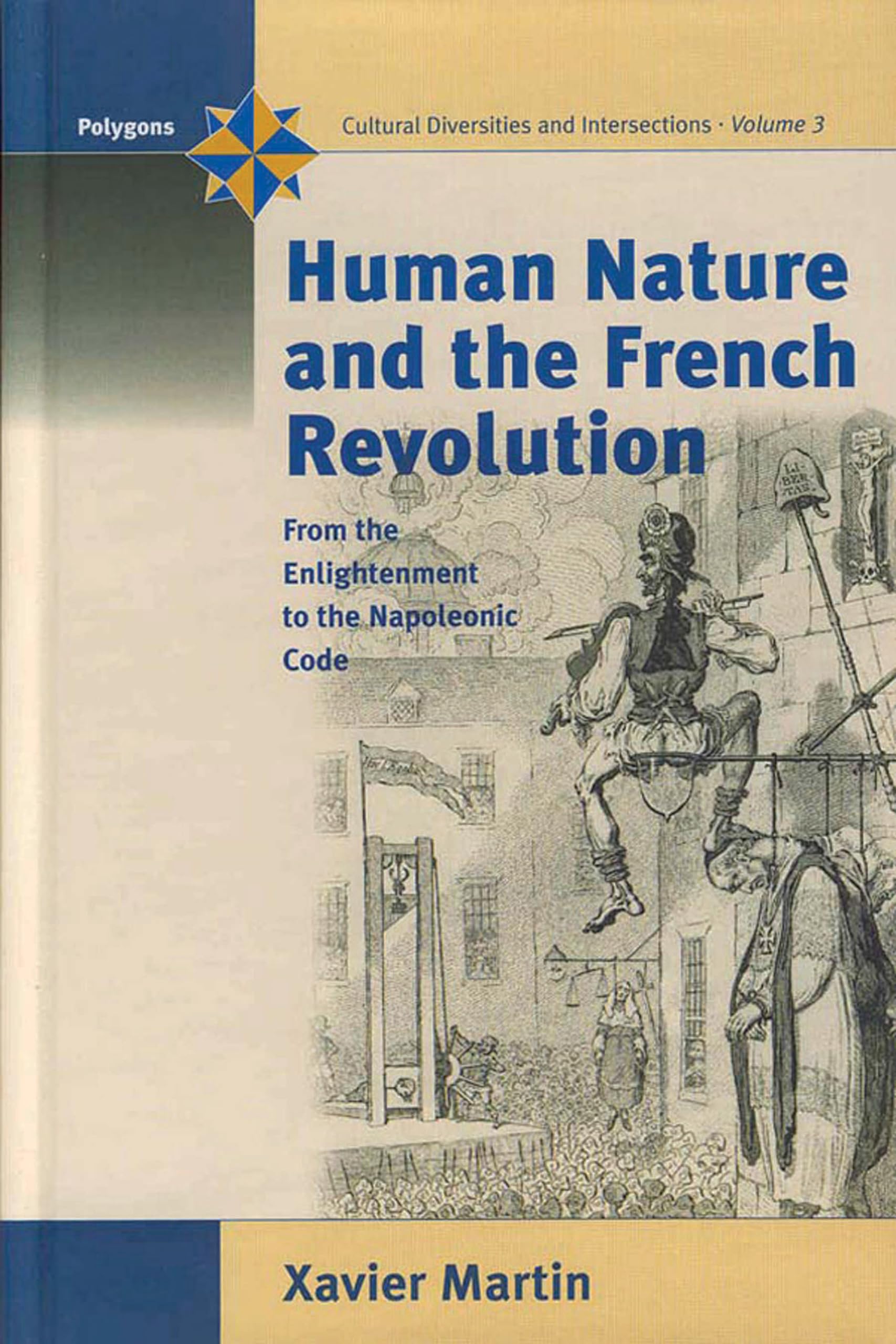
Human Nature and the French Revolution: From the Enlightenment to the Napoleonic Code: 3 (Polygons: Cultural Diversities and Intersections, 3)
History
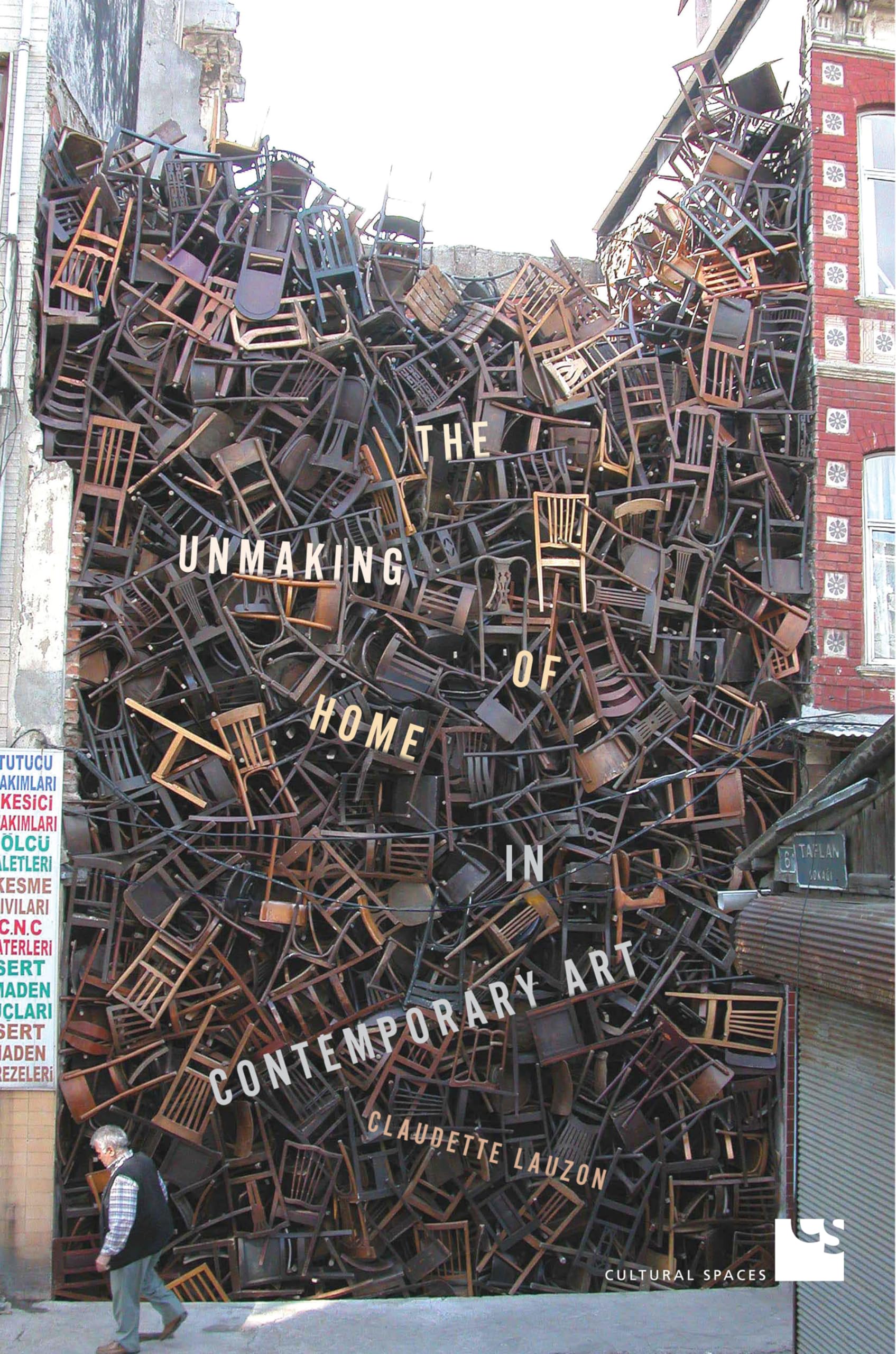
The Unmaking of Home in Contemporary Art (Cultural Spaces)

History
Handbook to Life in Medieval and Early Modern Japan | by William E. Deal | Oxford University Press | by William E. Deal | Oxford University Press | by William E. Deal | Oxford University Press | by William E. Deal | Oxford University Press | by William E. Deal | Oxford University Press | by William E. Deal | Oxford University Press | by William E. Deal | Oxford University Press | by William E. Deal | Oxford University Press | by William E. Deal | Oxford University Press | by William E. Deal | Ox

History
The Narrators of Barbarian History (A.D. 550-800) | by Walter Goffart | University of Notre Dame Press | by Walter Goffart | University of Notre Dame Press | by Walter Goffart | University of Notre Dame Press | by Walter Goffart | University of Notre Dame Press | by Walter Goffart | University of Notre Dame Press | by Walter Goffart | University of Notre Dame Press | by Walter Goffart | University of Notre Dame Press | by Walter Goffart | University of Notre Dame Press | by Walter Goffart | Univ
History