

Karma and Creativity: A Philosophical Study of Action and Liberation in Hindu and Buddhist Thought by Christopher Key Ch
Inclusive of all applicable taxes. FREE shipping on all orders.
Available Offers
- 🚚Free Delivery — Free shipping on all orders
- 💵Cash on Delivery — Pay when your order arrives
- ↩️15-Day Easy Returns — Hassle-free return policy
- 🔒Cash on Delivery — Pay safely when your order arrives
Check Delivery
Product Description
Introduction
In the vast landscape of Indian philosophical thought, few concepts have been as misunderstood as karma. Often reduced to a simplistic notion of fate or predestination, karma is far more dynamic and empowering than common perception allows. Karma and Creativity by Christopher Key Chapple offers a refreshing and scholarly reinterpretation of this ancient idea, placing human agency and creative action at the very heart of spiritual and ethical life. Written for students, scholars, and seekers alike, this hardcover volume from State University of New York Press invites readers to explore karma not as a chain of inevitability, but as a tool for liberation and self-expression.
Book Overview
This meticulously researched work challenges the fatalistic view of karma by drawing on classical Indian texts, including the Mahabharata and the Yogavasishta. Chapple argues that karma, far from being a rigid system of reward and punishment, is a creative force that can be harnessed to achieve both worldly order and spiritual freedom. The book traces the evolution of karmic theory through Hindu and Buddhist traditions, with special emphasis on the concept of mind-only—the idea that consciousness shapes reality. Through the story of the sage Vasishta teaching Sri Rama, the author demonstrates how action, when infused with awareness and intention, becomes a path to transcendence.
Key Highlights
- Empowering Perspective: Presents karma as a positive, actionable principle rather than a deterministic fate.
- Classical Roots: Grounded in authoritative texts like the Mahabharata and Yogavasishta, making it ideal for academic study.
- Comparative Approach: Explores both Hindu and Buddhist interpretations of mind-only philosophy.
- Ethical Focus: Connects karmic theory to contemporary questions of morality, creativity, and spiritual practice.
- Accessible Scholarship: Written in clear, engaging prose suitable for both beginners and advanced readers.
Inside the Book
Chapple begins by examining the earliest formulations of karma in Vedic literature, then moves through the Upanishads and the epics. A significant portion of the book is devoted to the Yogavasishta, a philosophical dialogue where Vasishta instructs Rama on the nature of reality and action. The author unpacks how this text advocates for a life of mindful creativity—where every thought and deed becomes an opportunity for liberation. The latter chapters delve into Buddhist notions of karma and emptiness, offering a rich comparative analysis that highlights both common ground and unique insights. Throughout, the book weaves together theology, psychology, and ethics, making it a truly interdisciplinary work.
Key Topics
- Karma as Creative Agency: How human action can shape destiny and foster spiritual growth.
- Mind-Only Philosophy: The role of consciousness in constructing reality, as seen in Hindu Advaita and Buddhist Yogacara.
- The Vasishta-Rama Dialogue: A detailed study of the Yogavasishta’s teachings on action and liberation.
- Ethical Implications: The moral dimensions of karma in daily life and spiritual practice.
- Comparative Religion: Bridging Hindu and Buddhist perspectives on causality and freedom.
Reader Benefits
By reading Karma and Creativity, you will gain a deeper understanding of one of India’s most profound philosophical concepts. The book empowers you to see your own actions as meaningful and transformative, rather than predetermined. It provides intellectual tools to engage with classical texts in a fresh way, and offers practical insights for living a more conscious, creative life. Whether you are a student of Indian philosophy, a yoga practitioner, or simply curious about the roots of karmic thought, this book will enrich your perspective and inspire thoughtful action.
Learning Outcomes
- Understand the historical development of karma from Vedic times to classical Hinduism and Buddhism.
- Analyze the concept of mind-only and its implications for free will and creativity.
- Interpret key passages from the Mahabharata and Yogavasishta with confidence.
- Evaluate the ethical and spiritual dimensions of action in Indian thought.
- Apply karmic principles to contemporary issues of personal growth and social responsibility.
Who Should Read
This book is ideal for undergraduate and postgraduate students of Indian philosophy, religious studies, and comparative theology. It is also highly recommended for teachers, researchers, and anyone with a serious interest in Hindu or Buddhist traditions. Yoga instructors and spiritual seekers will find the exploration of karma as creativity particularly valuable for integrating philosophy into practice. Additionally, readers who enjoy works by authors like Sarvepalli Radhakrishnan, Heinrich Zimmer, or Mircea Eliade will appreciate Chapple’s rigorous yet accessible style.
About the Author
Christopher Key Chapple is a leading scholar of Indian religions and a professor of theology at Loyola Marymount University in Los Angeles. He has authored and edited numerous books on Hinduism, Jainism, yoga, and environmental ethics. His work is known for blending deep textual knowledge with contemporary relevance, making ancient traditions accessible to modern readers. Chapple’s expertise in comparative philosophy and his commitment to clear, engaging writing shine through in every chapter of Karma and Creativity.
About the Publisher
State University of New York Press (SUNY Press) is a prestigious academic publisher known for its extensive catalog in philosophy, religion, and cultural studies. With a commitment to scholarly excellence, SUNY Press brings rigorous research to a global audience. This hardcover edition reflects the high production standards and editorial care that readers expect from a leading university press, making it a durable and valuable addition to any library.
Conclusion
Karma and Creativity is more than a book—it is an invitation to rethink one of humanity’s oldest ideas. By showing that karma is not a cage but a canvas, Christopher Key Chapple offers a vision of life where every action is an act of creation. For Indian readers who grew up with the concept of karma, this book provides a liberating re-education. For students and scholars, it is a vital resource. For anyone seeking meaning in a chaotic world, it is a guide to purposeful, conscious living. Add this transformative volume to your collection today and discover the creative power of your own karma.
Quick Summary
Karma and Creativity by Christopher Key Chapple is a seminal philosophical work that reinterprets the traditional Indian concept of karma as a dynamic, creative force rather than a deterministic fate. Drawing from classical texts such as the Mahabharata and the Yogavasishta, Chapple examines the mind-only doctrine in both Hinduism and Buddhism, highlighting how conscious action can lead to spiritual liberation. The book follows the teachings of sage Vasishta to Sri Rama, illustrating that karma is not merely a chain of cause and effect but a tool for personal and societal transformation. This volume is ideal for students, scholars, and spiritual seekers interested in Indian philosophy, ethics, and comparative religion. Readers will gain a deeper appreciation for the positive role of action in achieving both worldly harmony and ultimate freedom. By purchasing from Bookshops.in, you support a trusted Indian bookstore that delivers authentic, high-quality physical books across the country.
Book Highlights
Book Specifications
| ISBN-13 | 9780887062513 |
| ISBN-10 | 0887062512 |
| Publisher | State Univ of New York Pr |
| Language | English |
| Dimensions | 15.24 x 1.27 x 22.86 cm |
| Weight | 227 g |
| Country | India |
| Category | Religion & Spirituality › Hinduism |
| Genre | Philosophy |
| Original Language | English |
Frequently Asked Questions
What is the main theme of Karma and Creativity?
Who is the author of this book?
Which texts does the book analyze?
Is this book suitable for beginners in Indian philosophy?
Does the book cover Buddhist perspectives on karma?
What is the 'mind-only' doctrine?
How does the book relate karma to creativity?
Who is sage Vasishta in the context of this book?
What is the Yogavasishta?
What is the ISBN for this book?
Can this book help with academic research?
Does the book discuss modern applications of karma?
Where can I buy this book in India?
Readers Also Search For
Customers Also Bought
Philosophy
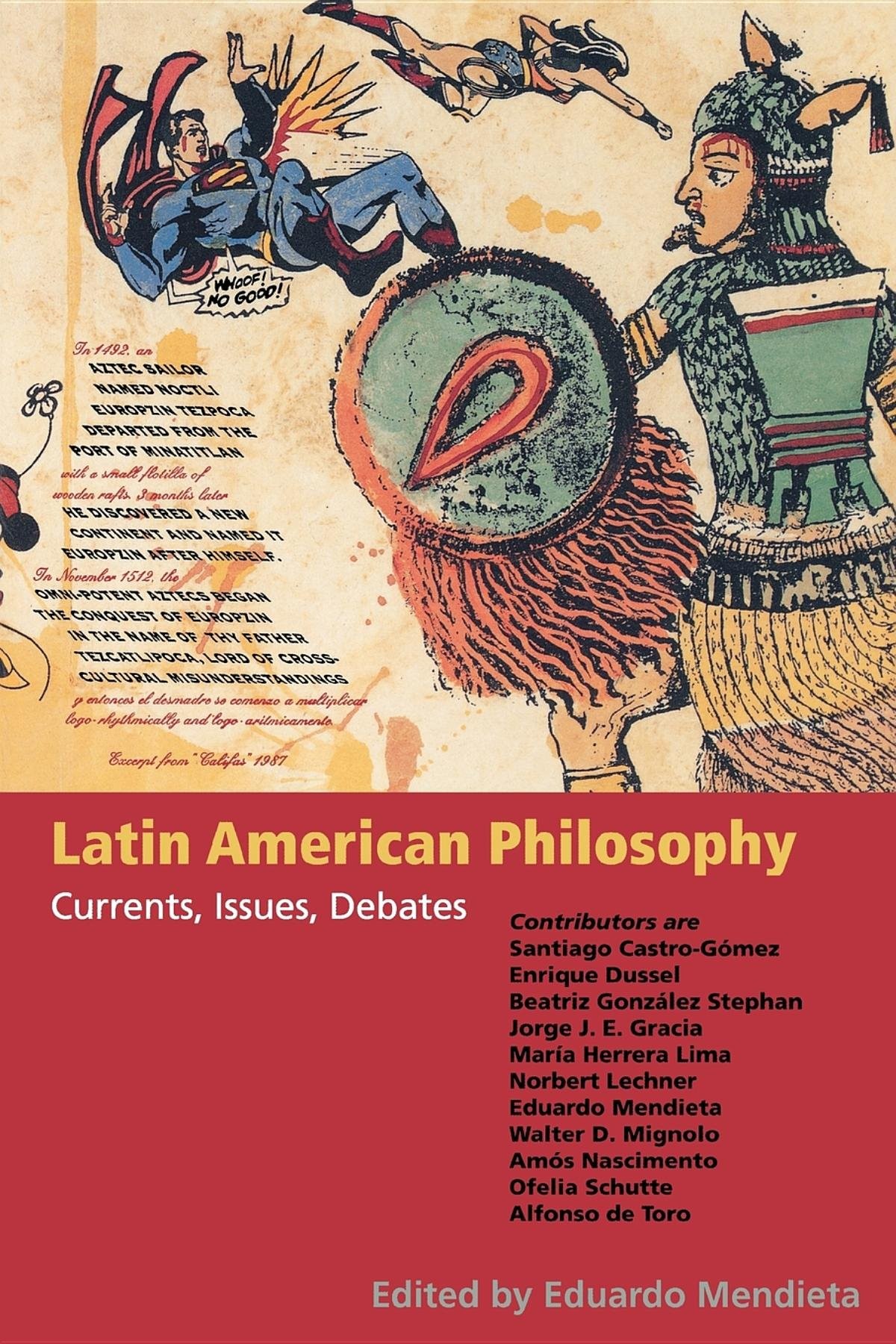
Latin American Philosophy: Currents, Issues, Debates by Eduardo Mendieta

Philosophy
Al-Farabi's Short Commentary on Aristotle's Prior Analytics by Nicholas Rescher – Philosophy
Philosophy
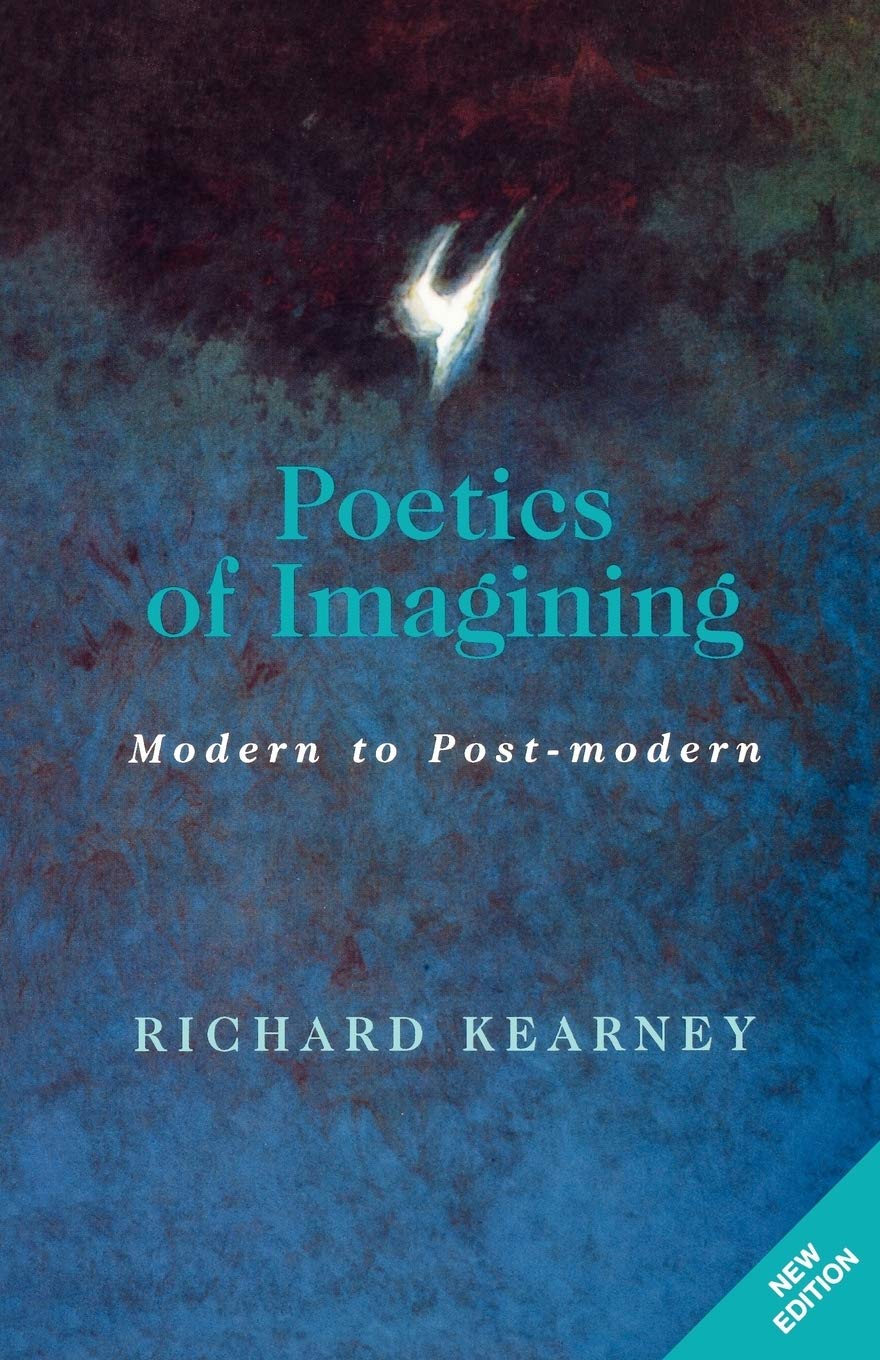
Poetics of Imagining: Modern to Post-modern by Richard Kearney
Philosophy
The Metaphysics of Extrinsic Properties: 11 (Metaphysical Research, 11)
Philosophy
Dialogues on Metaphysics and on Religion by Nicolas Malebranche – Philosophy
Philosophy