

Language, Literature and Critical Practice: Ways of Analysing Text by David Birch – A Foundational Guide for Indian Stud
Inclusive of all applicable taxes. FREE shipping on all orders.
Available Offers
- 🚚Free Delivery — Free shipping on all orders
- 💵Cash on Delivery — Pay when your order arrives
- ↩️15-Day Easy Returns — Hassle-free return policy
- 🔒Cash on Delivery — Pay safely when your order arrives
Check Delivery
Product Description
Introduction
In the vast and evolving landscape of literary studies, few books manage to bridge the gap between foundational theory and practical application as effectively as David Birch’s Language, Literature and Critical Practice: Ways of Analysing Text. Published by Routledge, this hardbound volume is an indispensable resource for Indian students, researchers, and educators navigating the complexities of textual analysis. Whether you are preparing for university examinations, writing a dissertation, or simply deepening your appreciation of language and literature, this book offers a rigorous yet accessible pathway into the heart of critical practice.
Book Overview
David Birch’s work stands as a comprehensive guide to understanding how language operates within literary and non-literary texts. Rather than offering a single, monolithic method, the author surveys a wide spectrum of analytical approaches, from structuralism and post-structuralism to discourse analysis and reader-response theory. The book’s central argument revolves around the distinction between ‘actual’ and ‘virtual’ worlds in critical practice, a concept that challenges readers to think beyond the surface of a text and consider the multiple layers of meaning that language can create. With examples drawn from poetry, prose, drama, and everyday communication, Birch ensures that theory never remains abstract but is always grounded in tangible analysis.
Key Highlights
- Broad Theoretical Coverage: Explores major schools of thought in literary criticism and linguistics, including formalism, semiotics, and cultural studies.
- Practical Analytical Tools: Provides step-by-step frameworks for deconstructing texts, making it ideal for classroom use and self-study.
- Diverse Text Selection: Analyses a wide variety of materials, from canonical literature to advertisements, speeches, and media texts.
- Critical Distinction: Introduces the crucial difference between ‘actual’ worlds (the text as written) and ‘virtual’ worlds (the interpretations and contexts readers bring to the text).
- Accessible Language: Written in clear, jargon-aware prose that avoids unnecessary complexity, perfect for undergraduate and postgraduate students alike.
Inside the Book
The book is structured to guide the reader from foundational concepts to advanced critical practice. Early chapters establish the basics of linguistic analysis, examining how syntax, semantics, and pragmatics shape meaning. Middle sections delve into literary theory, exploring how different critical lenses—such as Marxist, feminist, and psychoanalytic approaches—can be applied to the same text. Later chapters focus on the role of the reader, the politics of interpretation, and the ways in which texts construct ideologies. Each chapter concludes with exercises and discussion questions that encourage active engagement, making this a truly interactive learning experience.
Key Topics
- Language as a system of signs and symbols
- The relationship between author, text, and reader
- Discourse analysis and power dynamics in language
- Intertextuality and the influence of other texts
- Critical approaches to narrative and genre
- Ideology, representation, and cultural context
- The role of metaphor, ambiguity, and figurative language
- Practical criticism versus theoretical frameworks
Reader Benefits
By working through this book, readers will develop a sophisticated understanding of how meaning is produced, contested, and transformed in language. You will learn to move beyond simple plot summaries or thematic descriptions and instead engage with texts as complex, multi-layered artefacts. The analytical skills gained here are transferable across disciplines—useful not only for literature students but also for those in media studies, communication, cultural studies, and even law or journalism. Moreover, the book’s emphasis on Indian and global examples ensures relevance for readers in the subcontinent, helping them connect theory to the texts they encounter in their own academic and professional lives.
Learning Outcomes
- Ability to identify and apply major critical theories to a range of texts
- Enhanced skills in close reading and textual deconstruction
- Understanding of how language shapes social and cultural realities
- Capacity to evaluate different analytical methods and choose appropriate tools
- Improved academic writing and argumentation through evidence-based analysis
- Critical awareness of the reader’s role in constructing meaning
Who Should Read
This book is ideal for undergraduate and postgraduate students of English literature, linguistics, and cultural studies in Indian universities. It is also highly recommended for teachers and professors seeking a reliable textbook for courses on literary theory, stylistics, or critical practice. Researchers beginning their work in textual analysis will find the theoretical overview and practical examples invaluable. Additionally, anyone with a keen interest in how language works—from journalists and writers to casual readers curious about the mechanics of storytelling—will benefit from Birch’s clear and engaging exposition.
About the Author
David Birch is a distinguished scholar in the fields of literary theory, linguistics, and cultural studies. With decades of teaching and research experience, he has contributed extensively to the understanding of how texts function in social and political contexts. His work is known for its clarity, intellectual rigour, and commitment to making complex ideas accessible to a wide audience. Birch’s previous publications have been widely adopted in universities across the world, and his expertise in both Western and non-Western literary traditions makes him a uniquely valuable guide for students in diverse cultural settings.
About the Publisher
Routledge is one of the world’s leading academic publishers, with a rich history dating back to the nineteenth century. Renowned for its high-quality books in the humanities and social sciences, Routledge has been at the forefront of publishing influential works in literary criticism, linguistics, and cultural theory. Their commitment to rigorous scholarship and global perspectives makes them the ideal publisher for a book that seeks to equip readers with the tools to analyse texts across cultures and contexts.
Conclusion
Language, Literature and Critical Practice: Ways of Analysing Text is more than just a textbook—it is a companion for anyone serious about understanding the power of language. David Birch’s thoughtful synthesis of theory and practice, combined with his focus on the dynamic interplay between text and reader, offers a fresh and enduring approach to critical analysis. For Indian students and scholars seeking to deepen their engagement with literature and language, this book is a wise investment. Add this essential volume to your collection today from Bookshops.in and embark on a transformative journey through the world of text and meaning.
Quick Summary
'Language, Literature and Critical Practice: Ways of Analysing Text' by David Birch is a seminal textbook that introduces readers to a broad spectrum of approaches for textual commentary and analysis. Aimed primarily at students of English literature and linguistics in Indian universities, the book bridges theoretical frameworks with practical application. It explores the fundamental distinction between 'actual' and 'virtual' worlds in critical practice, drawing on structuralism, poststructuralism, reader response theory, semiotics, and narratology. Through diverse examples from literary and non-literary texts, readers learn to critically engage with language and meaning. This hardcover edition from Routledge is built for rigorous academic use, offering lasting value. By purchasing from Bookshops.in, Indian students gain access to a trusted source for quality academic books, with reliable delivery and competitive pricing. Whether you are preparing for exams, writing papers, or deepening your understanding of textual analysis, this book equips you with essential tools for critical thinking and scholarly success.
Book Highlights
Book Specifications
| ISBN-13 | 9780415029414 |
| ISBN-10 | 0415029414 |
| Publisher | Routledge |
| Language | English |
| Dimensions | 13.79 x 1.35 x 21.59 cm |
| Weight | 249 g |
| Category | Humanities › Language & Linguistics |
| Genre | Non-fiction |
| Original Language | English |
Frequently Asked Questions
What is 'Language, Literature and Critical Practice' about?
Who is the author of this book?
Is this book suitable for Indian students?
What is the binding of this book?
What topics does the book cover?
Does the book include examples?
What is the ISBN-13 of this book?
Is this book available in English?
Who publishes this book?
Can I use this book for self-study?
What is the price of this book?
Does the book discuss 'actual' and 'virtual' worlds?
Where can I buy this book in India?
Readers Also Search For
Customers Also Bought
Journalism
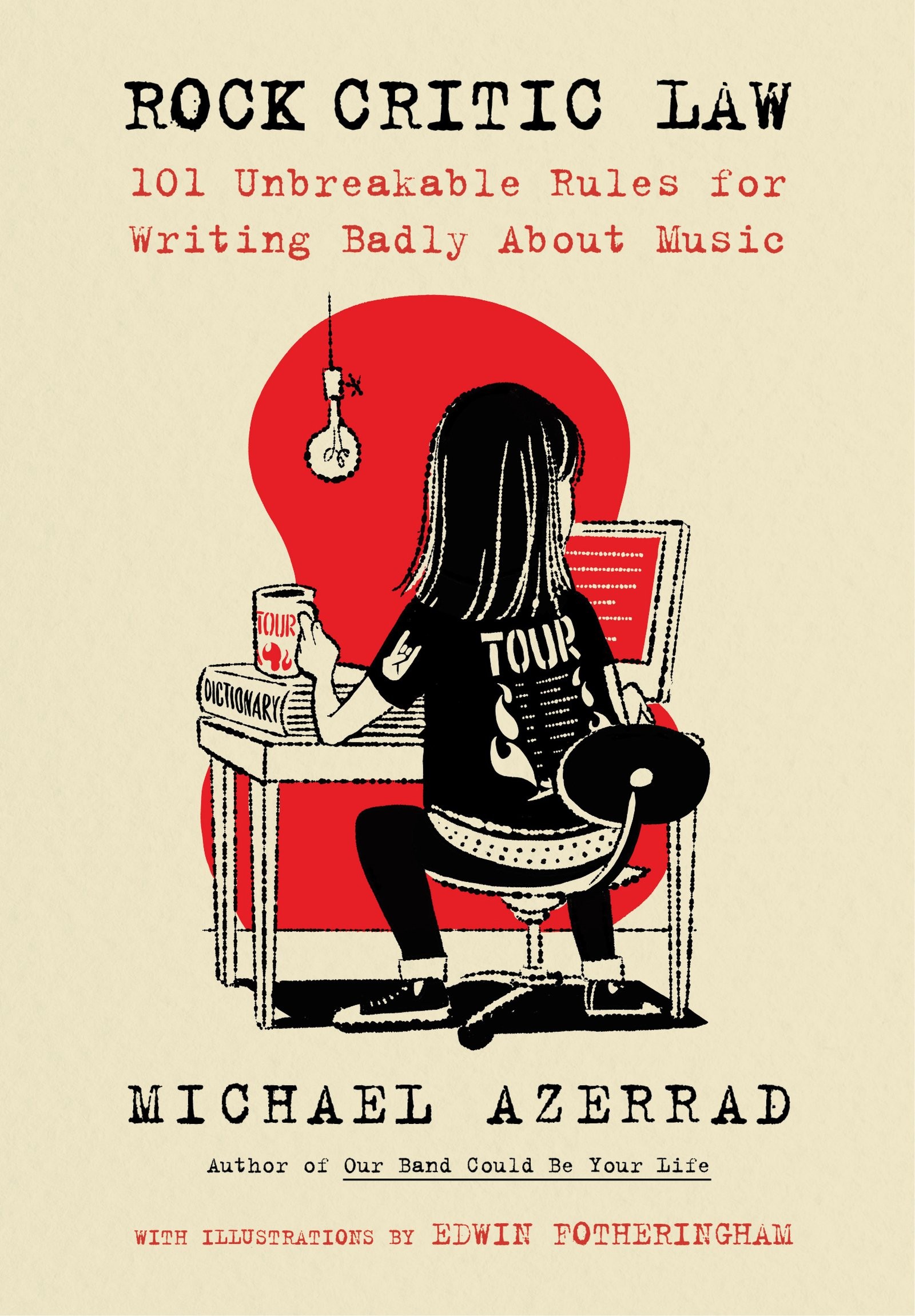
Rock Critic Law (English, Michael Azerrad)
Journalism
What Is Sustainable Journalism?: Integrating the Environmental, Social, and Economic Challenges of Journalism

Journalism
The Power of Sports: Media and Spectacle in American Culture: 23 (Postmillennial Pop)
Journalism
Research Guide to People's Daily Editorials, 1949-1975
Vocabulary
Prince Edward Island Sayings (Heritage)
Vocabulary
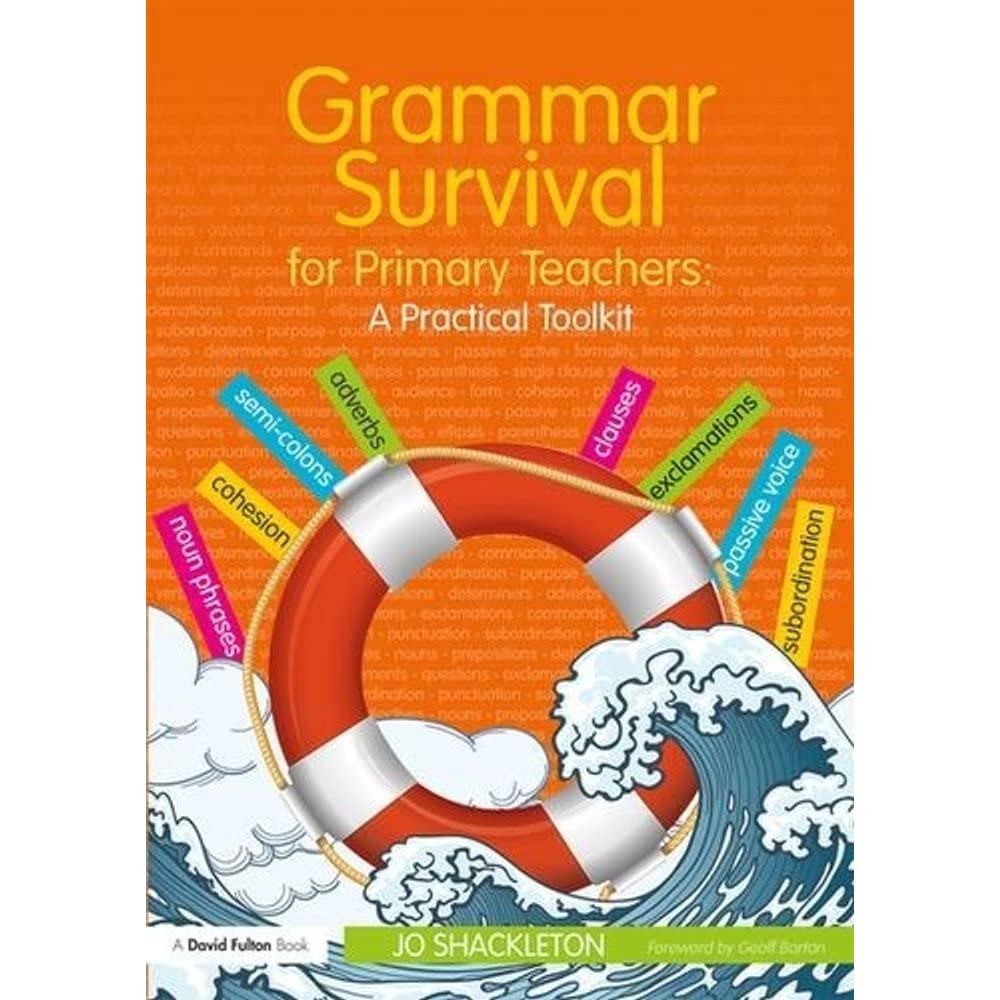
Grammar Survival for Primary Teachers: A Practical Toolkit by Jo Shackleton
Related Products
View All
Language, Linguistics & Writing
The Language of Turn and Sequence | by Cecilia E. Ford | Barbara A. Fox | Sandra A. Thompson | Oxford University Press | by Cecilia E. Ford | Barbara A. Fox | Sandra A. Thompson | Oxford University Press | by Cecilia E. Ford | Barbara A. Fox | Sandra A. Thompson | Oxford University Press | by Cecilia E. Ford | Barbara A. Fox | Sandra A. Thompson | Oxford University Press | by Cecilia E. Ford | Barbara A. Fox | Sandra A. Thompson | Oxford University Press | by Cecilia E. Ford | Barbara A. Fox | S
Language, Linguistics & Writing
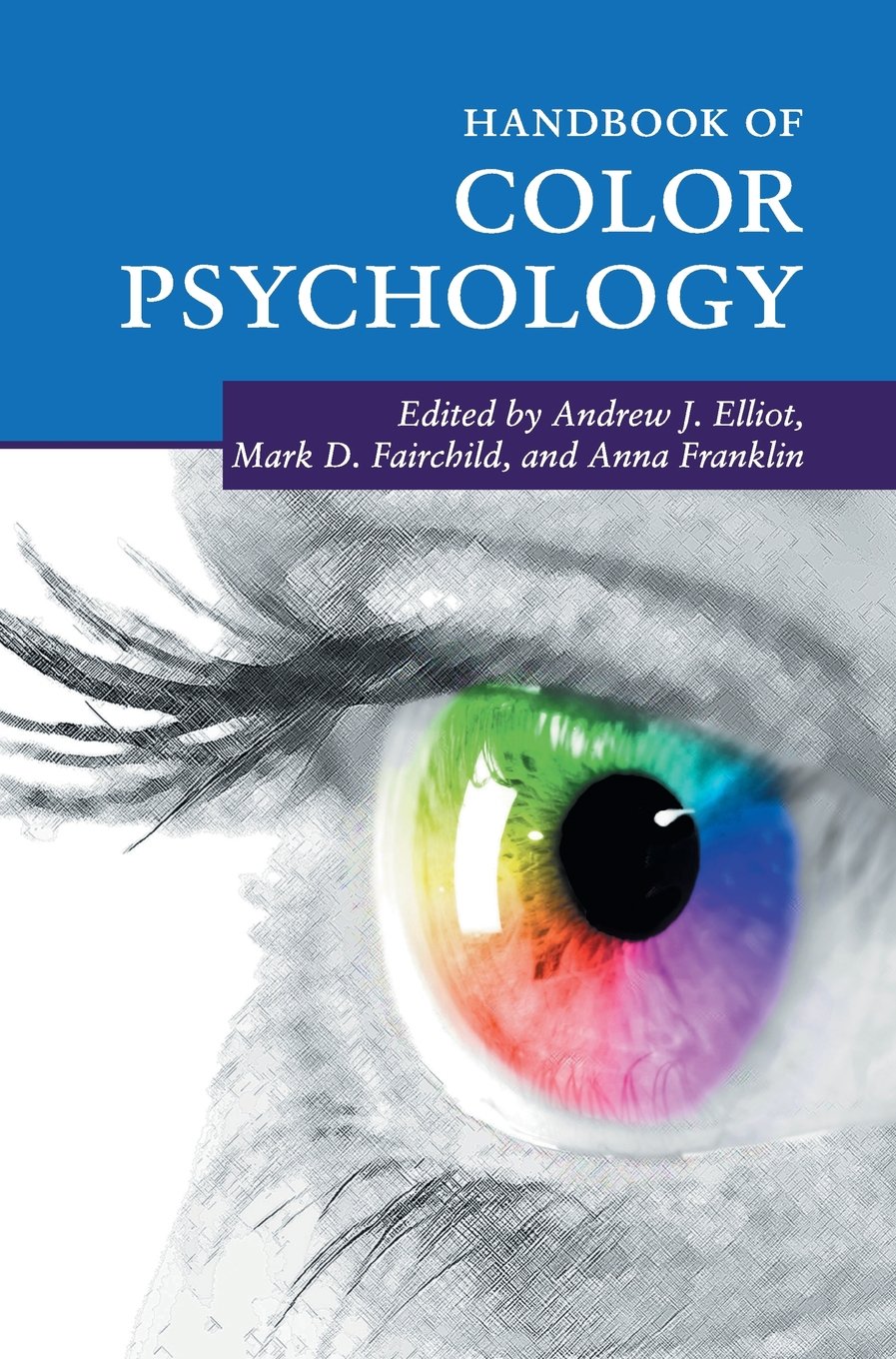
Handbook of Color Psychology by Andrew J. Elliot
Language, Linguistics & Writing
The Language of Postcolonial Literatures (English, Ismail S. Talib)
Language, Linguistics & Writing
The Other Side of Language | by Gemma Corradi Fiumara | Routledge | by Gemma Corradi Fiumara | Routledge | by Gemma Corradi Fiumara | Routledge | by Gemma Corradi Fiumara | Routledge | by Gemma Corradi Fiumara | Routledge | by Gemma Corradi Fiumara | Routledge | by Gemma Corradi Fiumara | Routledge | by Gemma Corradi Fiumara | Routledge | by Gemma Corradi Fiumara | Routledge | by Gemma Corradi Fiumara | Routledge | by Gemma Corradi Fiumara | Routledge | by Gemma Corradi Fiumara | Routledge | by
Language, Linguistics & Writing
An Introduction to Cognitive Linguistics | by Friedrich Ungerer | Hans-Jorg Schmid | Routledge | by Friedrich Ungerer | Hans-Jorg Schmid | Routledge | by Friedrich Ungerer | Hans-Jorg Schmid | Routledge | by Friedrich Ungerer | Hans-Jorg Schmid | Routledge | by Friedrich Ungerer | Hans-Jorg Schmid | Routledge | by Friedrich Ungerer | Hans-Jorg Schmid | Routledge | by Friedrich Ungerer | Hans-Jorg Schmid | Routledge | by Friedrich Ungerer | Hans-Jorg Schmid | Routledge | by Friedrich Ungerer | Ha
Language, Linguistics & Writing