
Linguistic Evolution through Language Acquisition by E. J. Briscoe – A Computational Study of How Children Learn Languag
Inclusive of all applicable taxes. FREE shipping on all orders.
Available Offers
- 🚚Free Delivery — Free shipping on all orders
- 💵Cash on Delivery — Pay when your order arrives
- ↩️15-Day Easy Returns — Hassle-free return policy
- 🔒Cash on Delivery — Pay safely when your order arrives
Check Delivery
Product Description
Introduction
What if the way a child learns to speak holds the key to understanding how entire languages change over centuries? Linguistic Evolution through Language Acquisition, edited by E. J. Briscoe and published by Cambridge University Press, offers a groundbreaking exploration of this fascinating intersection. This hardcover volume brings together an international team of experts to examine how the mechanisms of language learning in children drive the cultural evolution of languages. For students, researchers, and enthusiasts in India and beyond, this book provides a rigorous yet accessible framework for understanding language as a dynamic, evolving system shaped by human cognition.
Book Overview
This book is a comprehensive study that bridges the gap between child language acquisition and historical linguistics. It argues that languages evolve not through biological inheritance but through cultural transmission across generations, with each new generation of learners reshaping the linguistic system. Using computational simulation and modelling, the authors ensure that their theories are complete, precise, and testable. The volume covers everything from the origins of syntactic universals to the nature of syntactic change, making it an essential resource for anyone interested in the science of language.
Key Highlights
- Interdisciplinary Approach: Combines linguistics, cognitive science, evolutionary theory, and computational modelling.
- Computational Simulations: Uses cutting-edge models to validate theoretical claims about language change.
- Global Perspectives: Draws on examples from multiple languages and language families, including insights relevant to Indian linguistic contexts.
- Expert Contributors: Features chapters from leading scholars in language acquisition and historical linguistics.
- Hardcover Edition: A durable, high-quality volume perfect for academic libraries and personal collections.
Inside the Book
The book is structured to guide readers from foundational concepts to advanced applications. Early chapters establish the theoretical framework linking language acquisition to language evolution. Subsequent chapters delve into specific syntactic universals, exploring why certain grammatical structures appear across unrelated languages. The role of the learning mechanism is examined in detail, showing how children impose structure on emerging linguistic systems. Each chapter includes clear examples, diagrams, and references to computational models, making complex ideas accessible.
Key Topics
- The relationship between biological evolution and cultural evolution of language
- How children acquire syntactic structures and grammars
- The origins and development of syntactic universals across languages
- Mechanisms of syntactic change over historical timescales
- Computational modelling of language learning and transmission
- Implications for understanding language diversity and uniformity
Reader Benefits
- Deepen Your Understanding: Gain a nuanced perspective on why languages change and how children drive that change.
- Enhance Research Skills: Learn how computational methods can be applied to linguistic questions.
- Broaden Academic Horizons: Ideal for interdisciplinary work spanning linguistics, psychology, anthropology, and computer science.
- Practical Insights: Discover how language acquisition research informs theories of language evolution.
Learning Outcomes
By reading this book, you will be able to: explain the difference between biological and cultural transmission of language; identify key syntactic universals and their possible origins; describe how computational models simulate language change; evaluate the role of child learners in shaping linguistic systems; and apply evolutionary concepts to real-world language data. These outcomes are valuable for both theoretical understanding and practical research design.
Who Should Read
- Linguistics Students: Undergraduate and postgraduate students seeking a deep dive into language evolution.
- Researchers: Academics in historical linguistics, psycholinguistics, and cognitive science.
- Computational Linguists: Those interested in modelling language acquisition and change.
- Language Educators: Teachers curious about the cognitive foundations of language learning.
- Indian Readers: Anyone fascinated by the rich linguistic diversity of India and how languages evolve over time.
About the Author
E. J. Briscoe is a distinguished scholar in computational linguistics and language acquisition. With a career spanning decades, Briscoe has contributed significantly to understanding how computational models can illuminate the processes of language learning and change. His editorial leadership ensures that this volume maintains a high standard of academic rigour while remaining accessible to a broad audience.
About the Publisher
Cambridge University Press is one of the world's oldest and most respected academic publishers. Known for its commitment to excellence, Cambridge publishes works that shape scholarship across disciplines. This hardcover edition reflects the publisher's dedication to producing durable, high-quality books that serve as lasting resources for students and researchers globally.
Conclusion
Linguistic Evolution through Language Acquisition is not just a book—it is a window into the dynamic interplay between human cognition and cultural history. For Indian readers, it offers a unique lens to understand how languages like Hindi, Tamil, Bengali, and others have evolved through generations of learners. Whether you are a student, a researcher, or a curious mind, this volume will transform the way you think about language. Order your hardcover copy from Bookshops.in today and embark on a journey through the science of linguistic change.
Quick Summary
Linguistic Evolution through Language Acquisition, edited by E. J. Briscoe, is a groundbreaking academic work that investigates how children acquire language and how this process drives language change across generations. Written by an international team of experts, the book takes a distinctive computational approach, using simulation and modelling to ensure theoretical completeness and precision. It explores the why and how of specific syntactic universals, the nature of syntactic change, and the language-learning mechanisms required for acquisition. The volume argues that languages evolve via cultural rather than biological transmission, on a historical rather than genetic timescale. Drawing on diverse examples, it integrates evolutionary theory with linguistic analysis, making it an essential resource for researchers and advanced students in linguistics, cognitive science, and evolutionary anthropology. Readers will gain a deep understanding of how language acquisition shapes linguistic structures over time, and how computational tools can illuminate these processes. By purchasing from Bookshops.in, Indian customers receive a premium hardcover edition with fast delivery and trusted service.
Book Highlights
Book Specifications
| ISBN-13 | 9780521662994 |
| ISBN-10 | 0521662990 |
| Publisher | Cambridge University Press |
| Language | English |
| Dimensions | 16.51 x 2.54 x 23.5 cm |
| Weight | 650 g |
| Country | India |
| Category | Language, Linguistics & Writing › Linguistics |
| Genre | Non-fiction |
| Original Language | English |
Frequently Asked Questions
What is the main topic of this book?
Who is the author of Linguistic Evolution through Language Acquisition?
Is this book suitable for beginners in linguistics?
Does the book include case studies or examples?
What makes this book different from other linguistics books?
Can I use this book for a university course?
Does the book cover syntactic universals?
Is this a hardcover or paperback?
What is the price of this book?
Who is the publisher?
Does the book discuss biological evolution of language?
What is the language of the book?
Is there a digital edition available?
Readers Also Search For
Customers Also Bought

Journalism
Rock Critic Law (English, Michael Azerrad)
Journalism
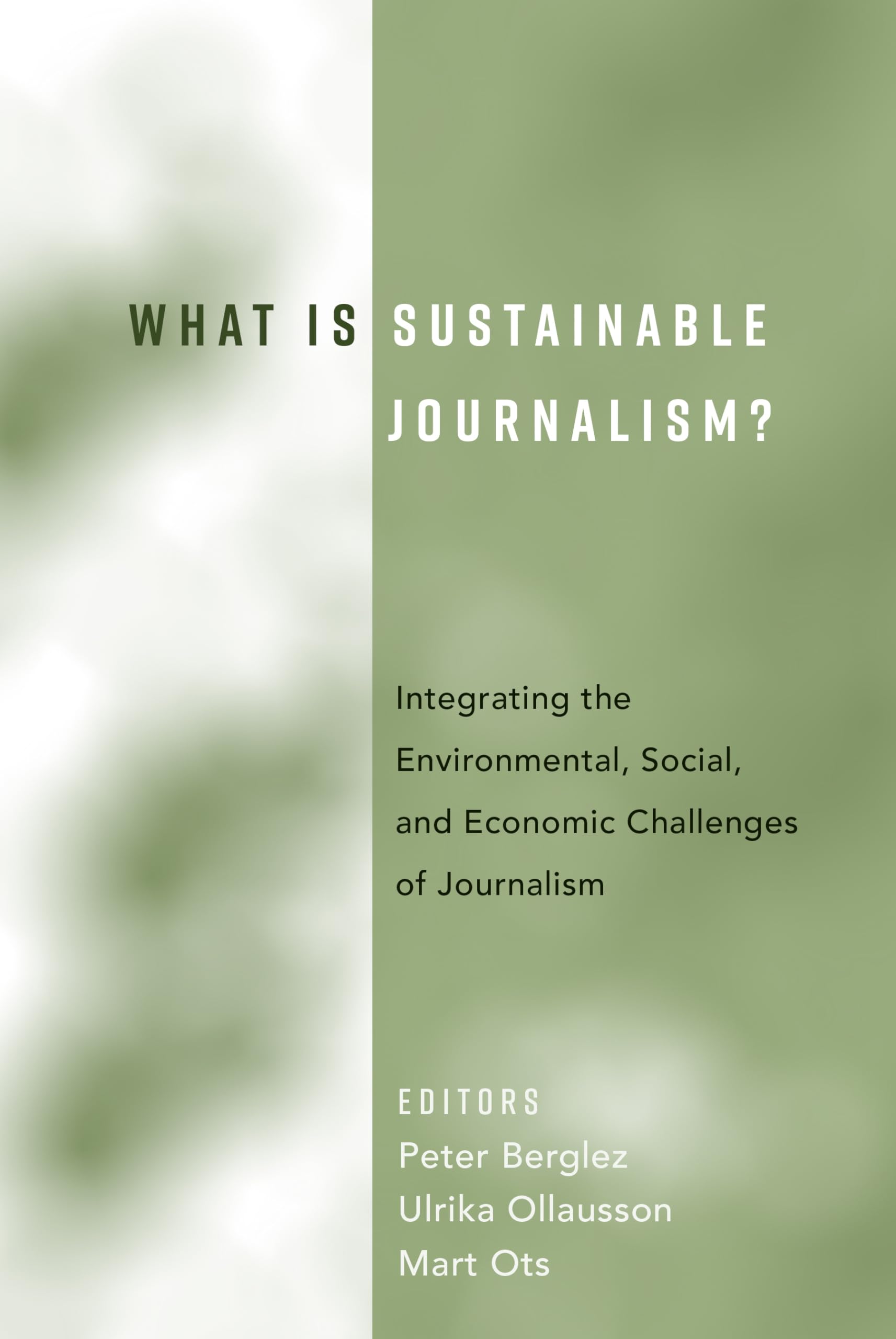
What Is Sustainable Journalism?: Integrating the Environmental, Social, and Economic Challenges of Journalism

Journalism
The Power of Sports: Media and Spectacle in American Culture: 23 (Postmillennial Pop)
Journalism
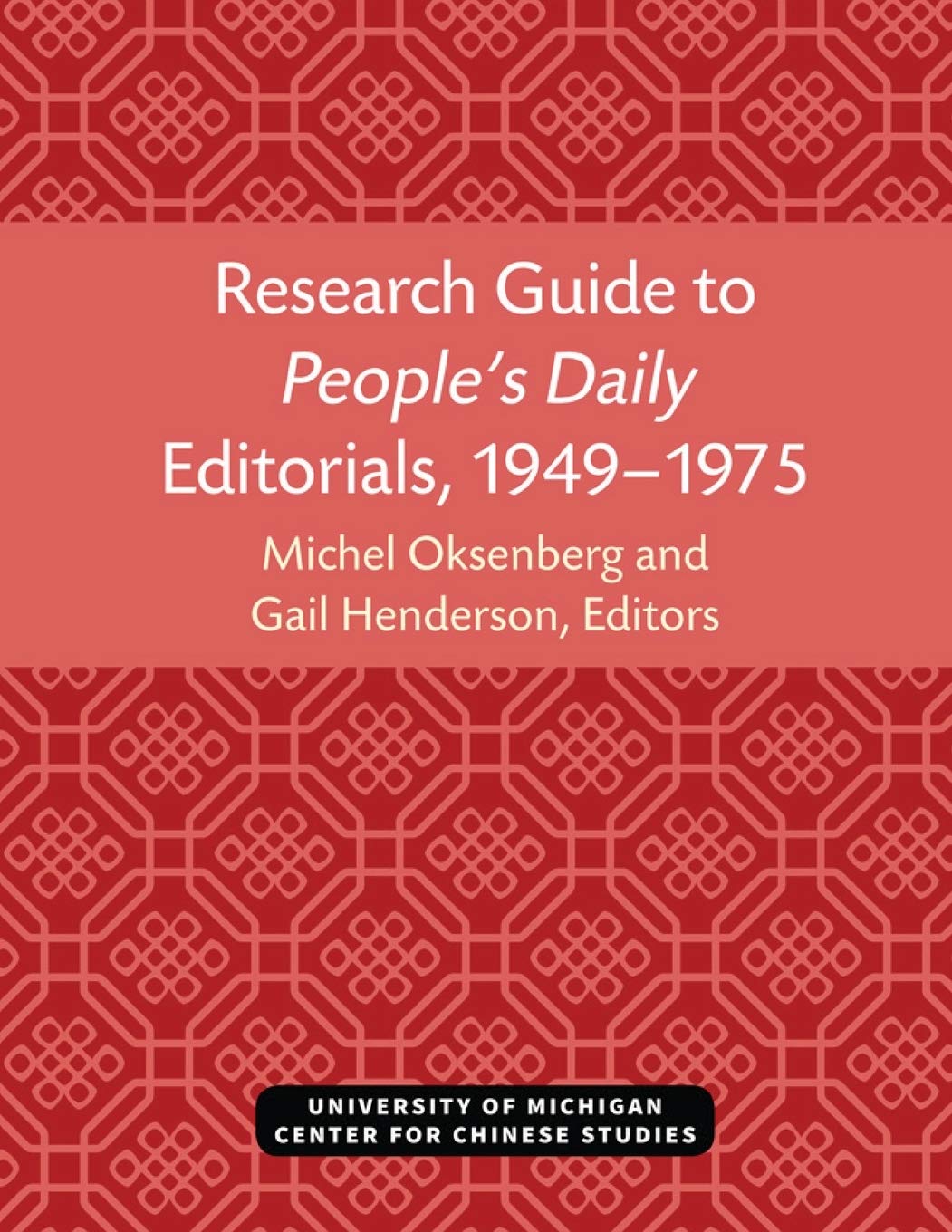
Research Guide to People's Daily Editorials, 1949-1975
Vocabulary
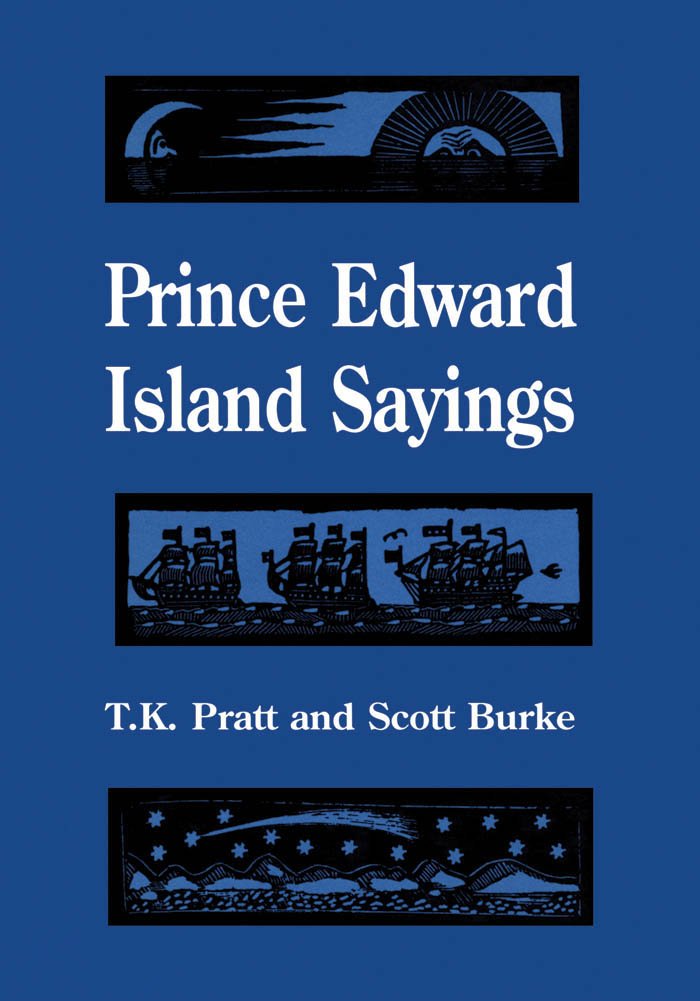
Prince Edward Island Sayings (Heritage)
Vocabulary
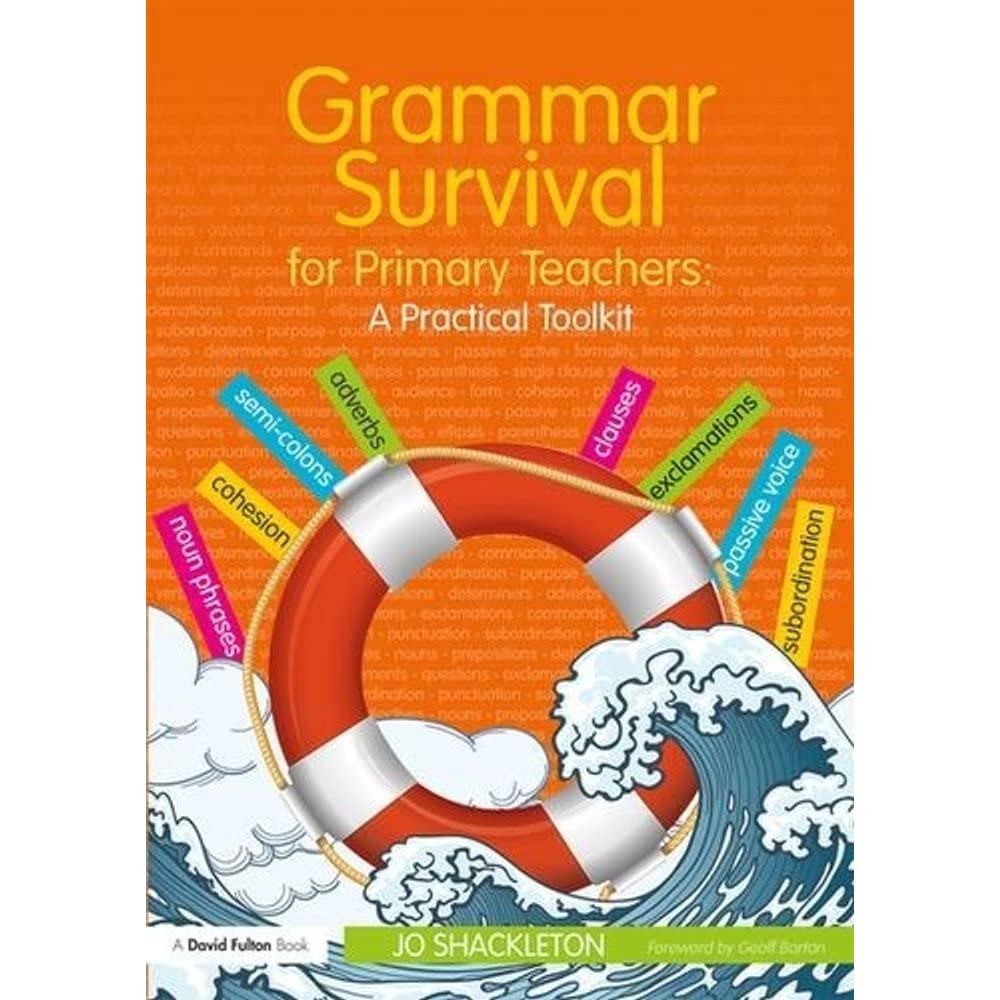
Grammar Survival for Primary Teachers: A Practical Toolkit by Jo Shackleton
Related Products
View All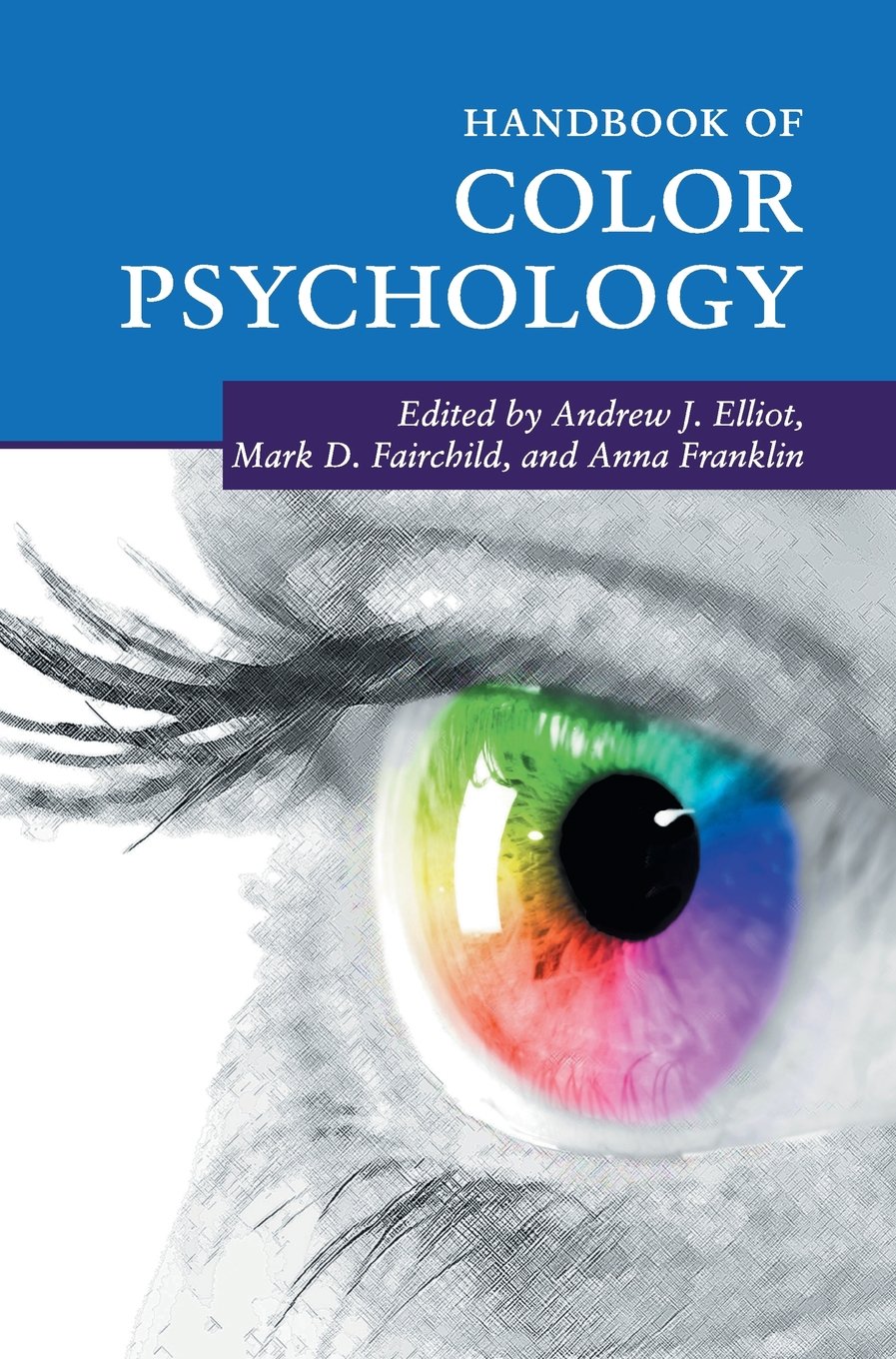
Language, Linguistics & Writing
Handbook of Color Psychology by Andrew J. Elliot
Language, Linguistics & Writing
The Language of Postcolonial Literatures (English, Ismail S. Talib)
Language, Linguistics & Writing
The Other Side of Language | by Gemma Corradi Fiumara | Routledge | by Gemma Corradi Fiumara | Routledge | by Gemma Corradi Fiumara | Routledge | by Gemma Corradi Fiumara | Routledge | by Gemma Corradi Fiumara | Routledge | by Gemma Corradi Fiumara | Routledge | by Gemma Corradi Fiumara | Routledge | by Gemma Corradi Fiumara | Routledge | by Gemma Corradi Fiumara | Routledge | by Gemma Corradi Fiumara | Routledge | by Gemma Corradi Fiumara | Routledge | by Gemma Corradi Fiumara | Routledge | by
Language, Linguistics & Writing
An Introduction to Cognitive Linguistics | by Friedrich Ungerer | Hans-Jorg Schmid | Routledge | by Friedrich Ungerer | Hans-Jorg Schmid | Routledge | by Friedrich Ungerer | Hans-Jorg Schmid | Routledge | by Friedrich Ungerer | Hans-Jorg Schmid | Routledge | by Friedrich Ungerer | Hans-Jorg Schmid | Routledge | by Friedrich Ungerer | Hans-Jorg Schmid | Routledge | by Friedrich Ungerer | Hans-Jorg Schmid | Routledge | by Friedrich Ungerer | Hans-Jorg Schmid | Routledge | by Friedrich Ungerer | Ha
Language, Linguistics & Writing
Nonsense and Other Senses: Regulated Absurdity in Literature
Language, Linguistics & Writing