
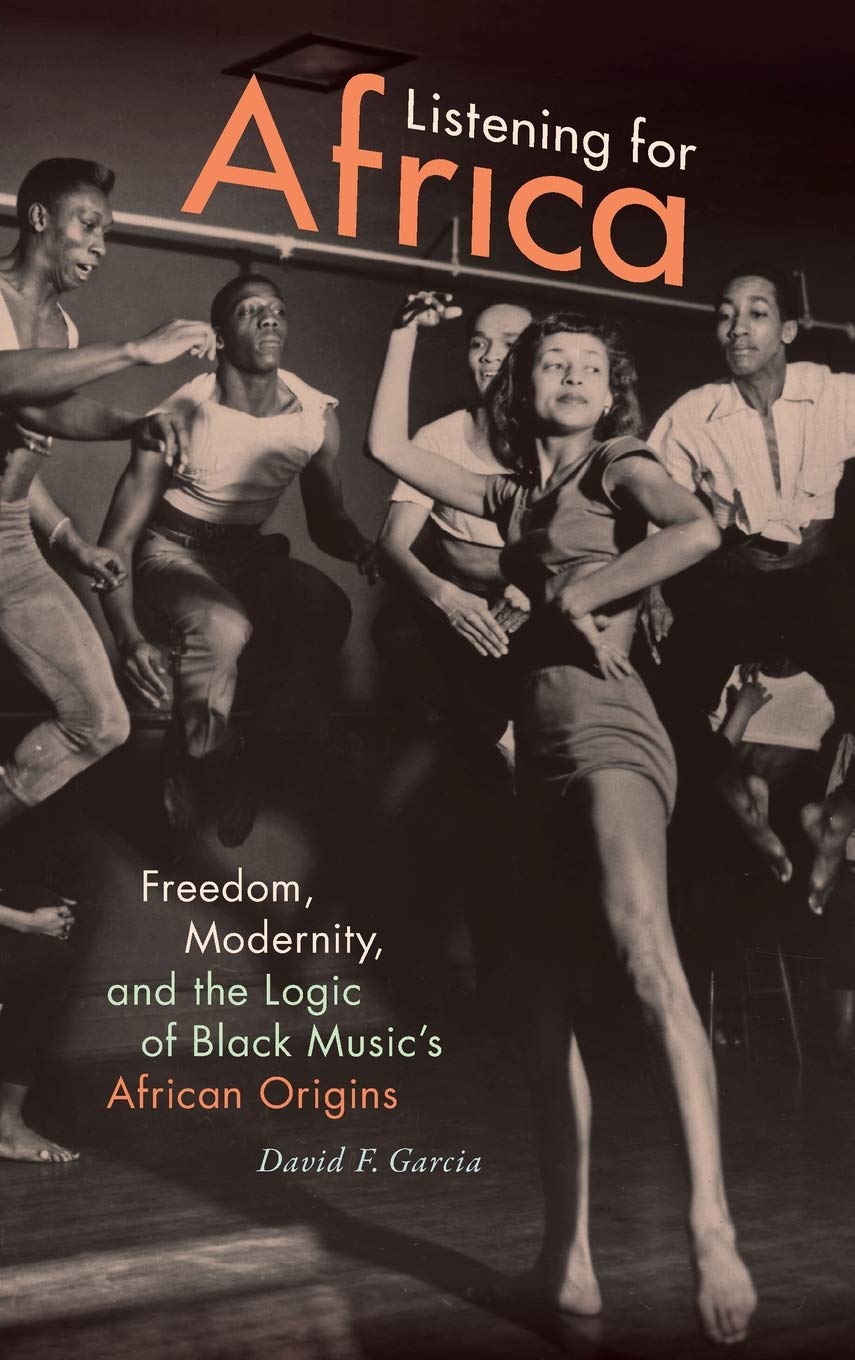
Listening for Africa: Freedom, Modernity, and the Logic of Black Music's African Origins by David F. Garcia – A Critical
Inclusive of all applicable taxes. FREE shipping on all orders.
Available Offers
- 🚚Free Delivery — Free shipping on all orders
- 💵Cash on Delivery — Pay when your order arrives
- ↩️15-Day Easy Returns — Hassle-free return policy
- 🔒Cash on Delivery — Pay safely when your order arrives
Check Delivery
Product Description
Introduction
In the rich tapestry of global music history, few threads are as vibrant and contested as the African roots of Black music. David F. Garcia's Listening for Africa: Freedom, Modernity, and the Logic of Black Music's African Origins offers a pioneering exploration of how musicians, dancers, intellectuals, and activists between the 1930s and 1950s turned to Africa as a source of liberation and identity. This hardcover volume, published by Duke University Press, is an essential read for Indian students, scholars, and music enthusiasts seeking to understand the cultural politics that shaped modern Black music and its global resonances.
Book Overview
Listening for Africa delves into a transformative period when the belief in black music's African origins became a powerful tool to challenge racist ideologies, support the decolonization of Africa, and confront racial violence in the Americas and beyond. Garcia meticulously examines the work of key figures—from Katherine Dunham and Miley Cyrus to lesser-known scholars and performers—who sought to recover and reimagine African musical heritage. The book reveals how these efforts were not merely artistic but deeply political, as they intertwined with movements for freedom and modernity. Garcia argues that the logic of African origins was both a creative and a contested space, where ideas about race, culture, and progress were negotiated. This is not just a history of music; it is a history of ideas that continue to influence contemporary debates on identity and belonging.
Key Highlights
- Interdisciplinary Approach: Bridges musicology, dance studies, anthropology, and postcolonial theory to offer a holistic view of Black cultural production.
- Historical Depth: Covers three crucial decades (1930s–1950s) when the African diaspora reconnected with the continent in unprecedented ways.
- Global Perspective: Traces connections between the United States, the Caribbean, Latin America, and Africa, showing how music transcended borders.
- Critical Analysis: Challenges romanticized views of African origins, presenting a nuanced account of how authenticity was constructed and debated.
- Rich Documentation: Draws on archival sources, recordings, and ethnographic fieldwork to substantiate its arguments.
Inside the Book
The book is structured around thematic chapters that explore different dimensions of the search for African roots. Garcia opens with the concept of “listening for Africa” as an act of political and cultural resistance. He then examines the role of primitivism and modernism in shaping perceptions of African music, the use of dance to embody African heritage, and the tensions between scholarly and popular representations. A significant portion is dedicated to the work of African American and Afro-Caribbean artists who traveled to Africa, as well as African intellectuals who engaged with diaspora dialogues. The final chapters address the Cold War context and how the logic of African origins was co-opted or resisted in the face of global power struggles. Each section is enriched with case studies that bring the era to life, from the performances of the Katherine Dunham Dance Company to the writings of Melville Herskovits.
Key Topics
- African diaspora and cultural memory
- Music and decolonization in the mid-20th century
- Racial politics and artistic expression
- Modernity and the construction of tradition
- Dance as a site of identity formation
- Primitivism versus authenticity in Black arts
- Transatlantic intellectual exchanges
- Cold War cultural diplomacy
Reader Benefits
- Deepen Your Understanding: Gain insights into the historical roots of genres like jazz, blues, samba, and Afrobeat, which continue to influence Indian music scenes.
- Critical Thinking: Learn to analyze how cultural narratives are shaped by power, race, and politics—a skill applicable to Indian contexts of caste and regional identity.
- Academic Edge: Ideal for students of musicology, cultural studies, history, and postcolonial theory seeking rigorous, original research.
- Global Awareness: Appreciate the interconnectedness of struggles for freedom across continents, from Africa to the Americas to India.
Learning Outcomes
By reading this book, you will be able to: articulate the historical significance of African musical retentions in the diaspora; critique simplistic notions of cultural authenticity; understand how music and dance served as tools for anti-racist activism; trace the intellectual genealogy of modern Black studies; and connect these global histories to contemporary debates on cultural appropriation and heritage in India.
Who Should Read
- Students and Researchers: In musicology, ethnomusicology, African American studies, and postcolonial studies.
- Musicians and Dancers: Interested in the political dimensions of their art forms.
- History Enthusiasts: Keen on exploring the cultural history of the African diaspora.
- Indian Readers: Those curious about parallels between the Black diaspora's search for roots and India's own engagements with classical and folk traditions.
About the Author
David F. Garcia is a distinguished scholar of music and African diaspora studies. He is a professor in the Department of Music at the University of North Carolina at Chapel Hill. His research focuses on the intersections of race, politics, and musical performance, with a particular emphasis on Latin American and Caribbean traditions. Garcia has published widely on topics ranging from salsa to jazz, and his work is known for its theoretical sophistication and archival rigor. Listening for Africa represents the culmination of years of research and reflects his commitment to uncovering the hidden histories that shape our sonic world.
About the Publisher
Duke University Press is a leading academic publisher known for its groundbreaking titles in the humanities and social sciences. With a strong focus on cultural studies, critical theory, and postcolonial thought, Duke UP has been at the forefront of publishing works that challenge conventional narratives. This hardcover edition is meticulously produced, featuring high-quality paper and binding, making it a durable addition to any library. For Indian readers, Duke University Press books are a gateway to cutting-edge global scholarship, and Listening for Africa exemplifies the publisher's commitment to intellectual excellence.
Conclusion
Listening for Africa: Freedom, Modernity, and the Logic of Black Music's African Origins is more than a book—it is an invitation to rethink the relationship between music, race, and liberation. Garcia's masterful narrative shows that the search for African roots was never a simple return to the past but a dynamic, contested project that shaped modernity itself. Whether you are a student, a performer, or a curious reader, this volume will transform how you listen to the world. Add this essential work to your collection from Bookshops.in and embark on a journey through the soundscapes of freedom.
Quick Summary
Listening for Africa: Freedom, Modernity, and the Logic of Black Music's African Origins by David F. Garcia is a groundbreaking scholarly work that investigates how a diverse group of musicians, dancers, academics, and activists between the 1930s and 1950s harnessed the belief in black music's African roots to combat racist ideologies, support the decolonization of Africa, and mitigate racial violence. The book delves into the political and cultural dimensions of music, showing how jazz, dance, and other forms became tools for freedom and modernity. Garcia's interdisciplinary approach blends musicology, history, and critical race theory, offering fresh insights into the African diaspora experience. This book is ideal for students, researchers, and general readers in India who are interested in the intersections of music, race, politics, and social justice. By choosing Bookshops.in, you get a genuine physical copy delivered to your doorstep, with the assurance of quality service and competitive pricing. Whether you are a scholar or a curious reader, this book will deepen your understanding of how music can shape history and inspire change.
Book Highlights
Book Specifications
| ISBN-13 | 9780822363545 |
| ISBN-10 | 0822363542 |
| Publisher | Duke University Press |
| Language | English |
| Dimensions | 15.49 x 2.54 x 22.86 cm |
| Weight | 664 g |
| Category | Performing Arts › Music |
| Genre | Musicology |
| Original Language | English |
Frequently Asked Questions
What is Listening for Africa about?
Who is the author of Listening for Africa?
Which publisher released this book?
What time period does the book cover?
Is this book suitable for Indian readers?
Does the book discuss jazz?
What is the binding type?
What language is the book in?
Can I use this book for academic research?
Does the book address racism directly?
Is there a focus on dance?
What makes this book unique?
Are there any illustrations?
Where can I buy this book in India?
Readers Also Search For
Customers Also Bought
Art History
The Italian Renaissance in Art

Art History
Photovoltaic Design & Installation For Dummies | by Mayfield | ForDummies | by Mayfield | ForDummies | by Mayfield | ForDummies | by Mayfield | ForDummies | by Mayfield | ForDummies | by Mayfield | ForDummies | by Mayfield | ForDummies | by Mayfield | ForDummies | by Mayfield | ForDummies | by Mayfield | ForDummies | by Mayfield | ForDummies | by Mayfield | ForDummies | by Mayfield | ForDummies | by Mayfield | ForDummies | by Mayfield | ForDummies | by Mayfield | ForDummies | by Mayfield | ForDu
Art History
Designing School Systems for All Students (English, Robert J. Manley | Richard J. Hawkins)

Art History
Routledge Library Editions: Art and Culture in the Nineteenth Century

Art History
An Errant Design (English, S. H. Long)

Art History
Distributed System Design | by Jie Wu | CRC Press | by Jie Wu | CRC Press | by Jie Wu | CRC Press | by Jie Wu | CRC Press | by Jie Wu | CRC Press | by Jie Wu | CRC Press | by Jie Wu | CRC Press | by Jie Wu | CRC Press | by Jie Wu | CRC Press | by Jie Wu | CRC Press | by Jie Wu | CRC Press | by Jie Wu | CRC Press | by Jie Wu | CRC Press | by Jie Wu | CRC Press | by Jie Wu | CRC Press | by Jie Wu | CRC Press | by Jie Wu | CRC Press | by Jie Wu | CRC Press | by Jie Wu | CRC Press | by Jie Wu | CRC
Related Products
View All
Music
The Cambridge Companion to Michael Tippett by Kenneth Gloag – Music Analysis
Music
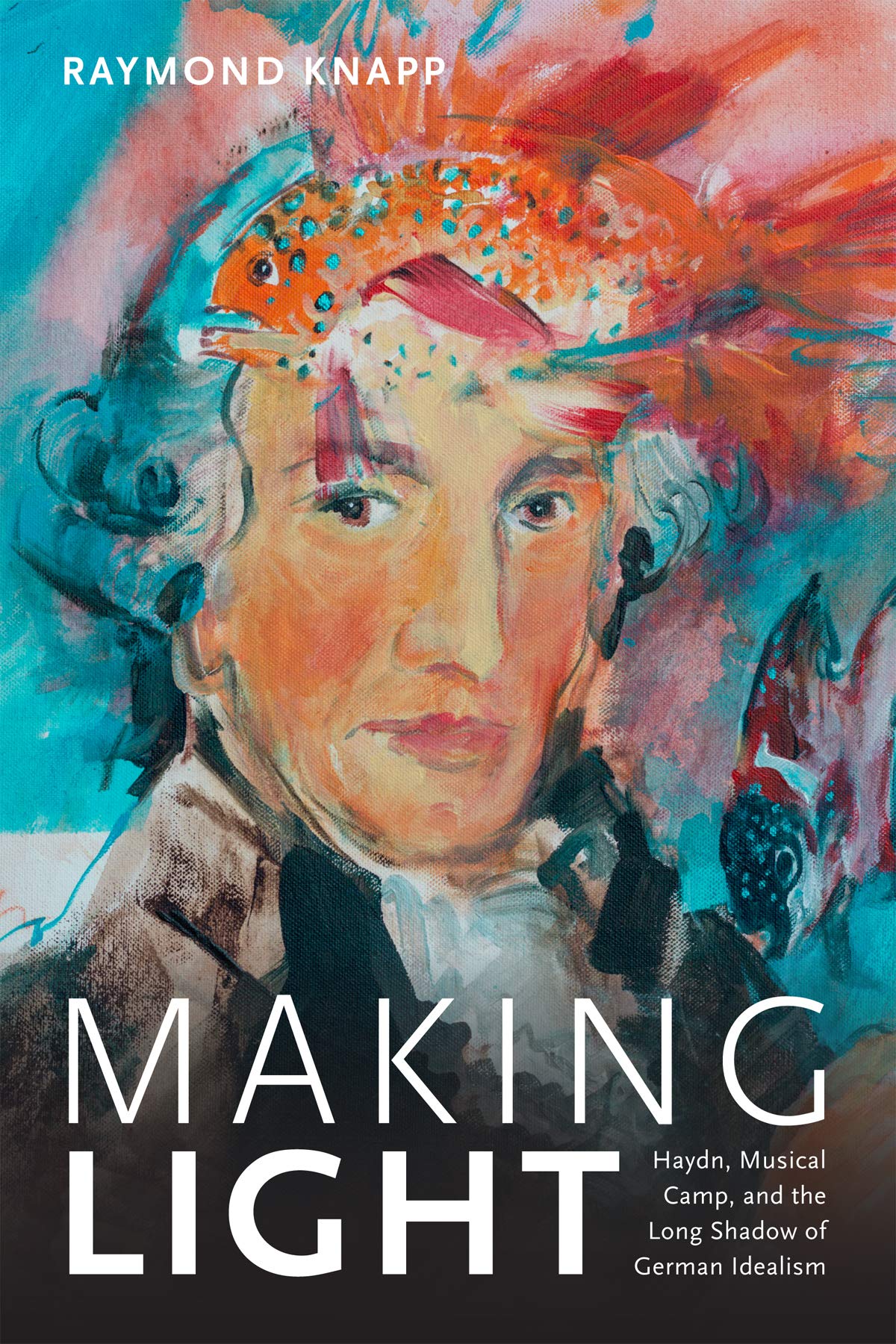
Making Light: Haydn, Musical Camp, and the Long Shadow of German Idealism
Music
Music and the Crises of the Modern Subject by Michael L. Klein – Music Theory & Criticism

Music
Opera and Drama in Eighteenth-Century London: The King's Theatre, Garrick and the Business of Perfor

Music
Music in Theory and Practice Volume 1 | by Bruce Benward | Marilyn Saker | McGraw-Hill Companies | by Bruce Benward | Marilyn Saker | McGraw-Hill Companies | by Bruce Benward | Marilyn Saker | McGraw-Hill Companies | by Bruce Benward | Marilyn Saker | McGraw-Hill Companies | by Bruce Benward | Marilyn Saker | McGraw-Hill Companies | by Bruce Benward | Marilyn Saker | McGraw-Hill Companies | by Bruce Benward | Marilyn Saker | McGraw-Hill Companies | by Bruce Benward | Marilyn Saker | McGraw-Hill

Music