
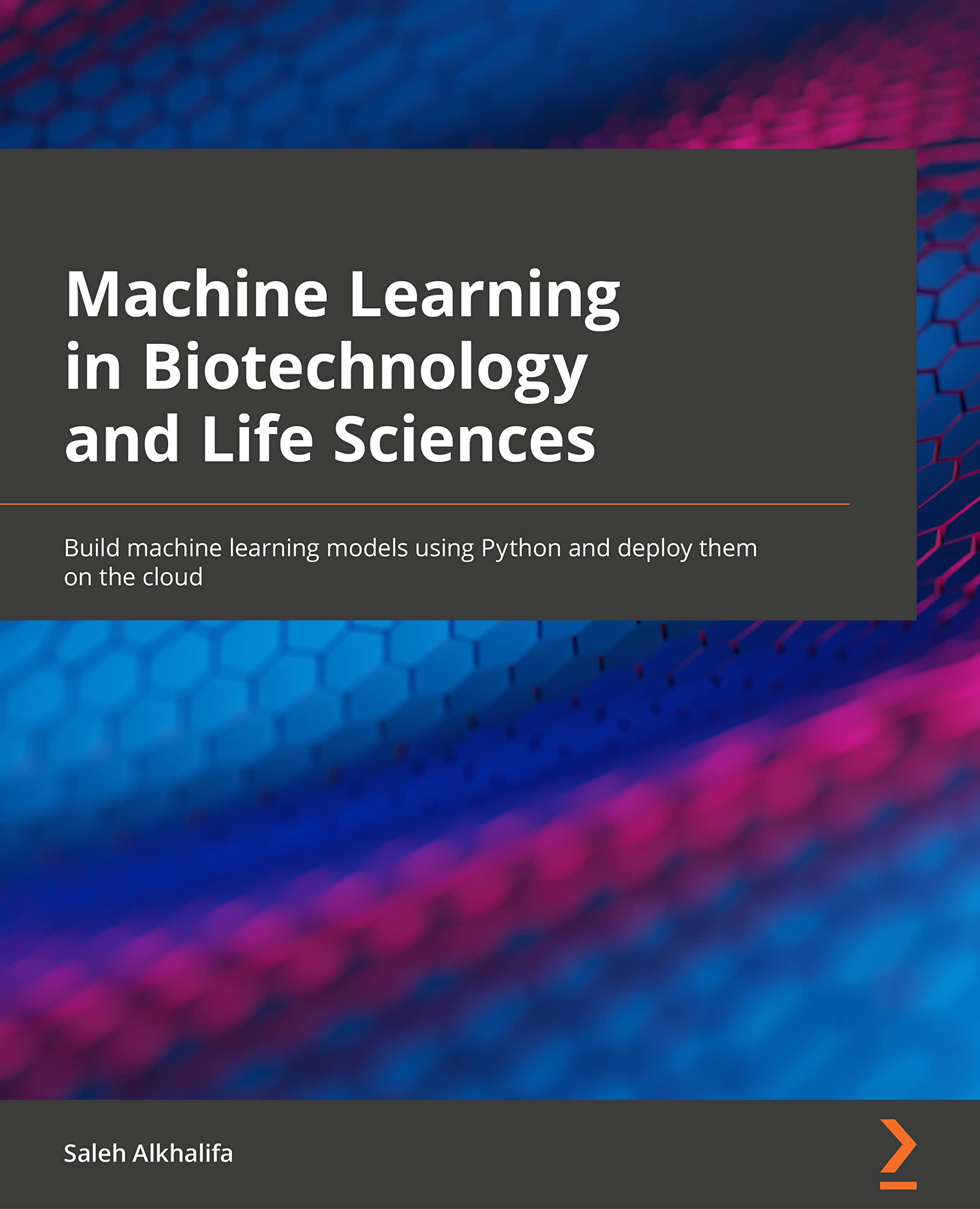
Machine Learning in Biotechnology and Life Sciences: Build Machine Learning Models Using Python and Deploy Them on the C
Inclusive of all applicable taxes. FREE shipping on all orders.
Available Offers
- 🚚Free Delivery — Free shipping on all orders
- 💵Cash on Delivery — Pay when your order arrives
- ↩️15-Day Easy Returns — Hassle-free return policy
- 🔒Cash on Delivery — Pay safely when your order arrives
Check Delivery
Product Description
Introduction
In an era where data is transforming every industry, biotechnology and life sciences are at the forefront of a revolution. Machine Learning in Biotechnology and Life Sciences by Saleh Alkhalifa is a timely and practical guide that bridges the gap between traditional laboratory science and modern data-driven decision-making. Published by Packt Publishing, this hardcover edition is an essential resource for Indian students, researchers, and professionals eager to harness the power of machine learning without getting lost in complex theory. Whether you are a biologist curious about coding or an engineer stepping into the life sciences domain, this book offers a clear, hands-on path to building and deploying ML models using Python on cloud platforms like AWS and GCP.
Book Overview
This book is designed as a comprehensive, project-based journey into machine learning applications tailored specifically for biotechnology and life sciences. Starting with a crash course in Python and SQL, it quickly moves into practical model building, covering everything from regression and classification to deep learning and natural language processing. The author emphasizes real-world case studies—such as drug discovery, genomics, and protein structure prediction—making the content immediately relevant. The final section demystifies cloud deployment, ensuring you can take your models from your laptop to production. With a focus on actionable skills, this book is perfect for self-study or as a reference in academic courses.
Key Highlights
- Hands-on Python and SQL crash course for beginners in programming
- Real-world biotech case studies including drug discovery and genomics
- Deep learning and NLP applications in life sciences
- Step-by-step cloud deployment on AWS and Google Cloud Platform
- Code templates and reusable scripts for rapid prototyping
- Focus on data scientist mindset for lab scientists and engineers
Inside the Book
The book is structured into three major parts. Part one lays the foundation with Python programming, SQL for data retrieval, and essential data science libraries like pandas, NumPy, and scikit-learn. Part two dives into machine learning algorithms—linear and logistic regression, decision trees, random forests, support vector machines, and clustering—all illustrated with biotech datasets. Part three explores advanced topics: convolutional neural networks for medical imaging, recurrent neural networks for sequence data, and natural language processing for literature mining. The final chapters guide you through deploying models as web services on AWS SageMaker and Google AI Platform, complete with cost considerations and best practices.
Key Topics
- Python for data science – variables, loops, functions, and libraries
- SQL for biotech databases – querying patient records, genomic sequences
- Supervised and unsupervised learning – regression, classification, clustering
- Feature engineering for biological datasets
- Deep learning architectures – CNNs, RNNs, and transformers
- Natural language processing for scientific literature
- Cloud deployment – AWS, GCP, model monitoring, and scaling
Reader Benefits
By reading this book, you will gain the confidence to tackle real-world biotech challenges using machine learning. You will learn to clean and preprocess messy biological data, select the right algorithm for your problem, and evaluate model performance rigorously. The cloud deployment section ensures your work has tangible impact—whether you are predicting protein interactions or classifying cell types. Indian readers will appreciate the practical focus on cost-effective cloud solutions and open-source tools, making advanced ML accessible even with limited budgets. The book also includes tips for collaborating with cross-functional teams, a crucial skill in today’s biotech industry.
Learning Outcomes
- Build and tune machine learning models using Python and scikit-learn
- Apply deep learning to biomedical image and sequence data
- Use NLP to extract insights from research papers and clinical notes
- Deploy models to AWS and GCP with confidence
- Interpret model results for non-technical stakeholders
- Design experiments that leverage data for faster discoveries
Who Should Read
This book is ideal for laboratory scientists, bioinformaticians, research students, and engineers who want to integrate machine learning into their workflow. It is also valuable for managers in biotech and pharmaceutical companies who need to understand data-driven approaches. No prior experience in machine learning is required, though basic familiarity with biology or chemistry will help you connect with the examples. Indian students pursuing B.Tech, M.Sc, or PhD in biotechnology, bioinformatics, or related fields will find this an excellent companion for projects and placements.
About the Author
Saleh Alkhalifa is a seasoned data scientist and educator with extensive experience in applying machine learning to life sciences. He has worked on projects ranging from drug repurposing to personalized medicine, and is passionate about making AI accessible to domain experts. His clear teaching style and practical examples reflect years of bridging the gap between lab and code.
About the Publisher
Packt Publishing is a global leader in technology books, known for its practical, example-driven content. With a strong catalog in AI, data science, and software development, Packt ensures that every title is rigorously reviewed and up-to-date. This hardcover edition reflects their commitment to quality, making it a durable addition to any library.
Conclusion
Machine Learning in Biotechnology and Life Sciences is more than a textbook—it is a launchpad for innovation. By combining foundational coding skills with cutting-edge ML techniques and cloud deployment, it equips you to drive meaningful change in healthcare, agriculture, and environmental science. Whether you are a student in Bangalore, a researcher in Hyderabad, or a professional in Mumbai, this book will empower you to turn data into discoveries. Order your copy today from Bookshops.in and start building the future of biotech.
Quick Summary
Machine Learning in Biotechnology and Life Sciences by Saleh Alkhalifa is a practical guide for lab scientists, engineers, and managers who want to harness the power of machine learning in the biotech industry. The book starts with foundational ML concepts and quickly moves to building models using Python libraries such as scikit-learn and TensorFlow. It covers real-world applications including drug discovery, genomics, protein structure prediction, and clinical data analysis. A unique focus is on deploying these models to cloud platforms like AWS and GCP, ensuring scalability and production readiness. Readers will gain hands-on experience through code templates, case studies, and step-by-step deployment workflows. This book is ideal for Indian students and professionals looking to transition into data science roles in biotechnology or enhance their existing skills. By purchasing from Bookshops.in, you get a high-quality hardcover edition delivered across India, along with the assurance of a trusted bookstore that curates premium technical titles for the Indian market.
Book Highlights
Book Specifications
| ISBN-13 | 9781801811910 |
| ISBN-10 | 1801811911 |
| Publisher | Packt Publishing Limited |
| Language | English |
| Dimensions | 19.05 x 2.34 x 23.5 cm |
| Weight | 699 g |
| Country | India |
| Category | Mathematics › Statistics |
| Genre | Non-fiction |
| Original Language | English |
Frequently Asked Questions
What is this book about?
Who is the author?
Do I need prior machine learning experience?
Which cloud platforms are covered?
Is this book suitable for Indian readers?
What Python libraries are used?
Are there hands-on projects?
Can I deploy models on other clouds?
What topics in deep learning are covered?
Is natural language processing included?
How is this book different from general ML books?
Does it include model deployment?
Is the book available in hardcover?
Where can I buy this book in India?
Readers Also Search For
Customers Also Bought
Mathematics
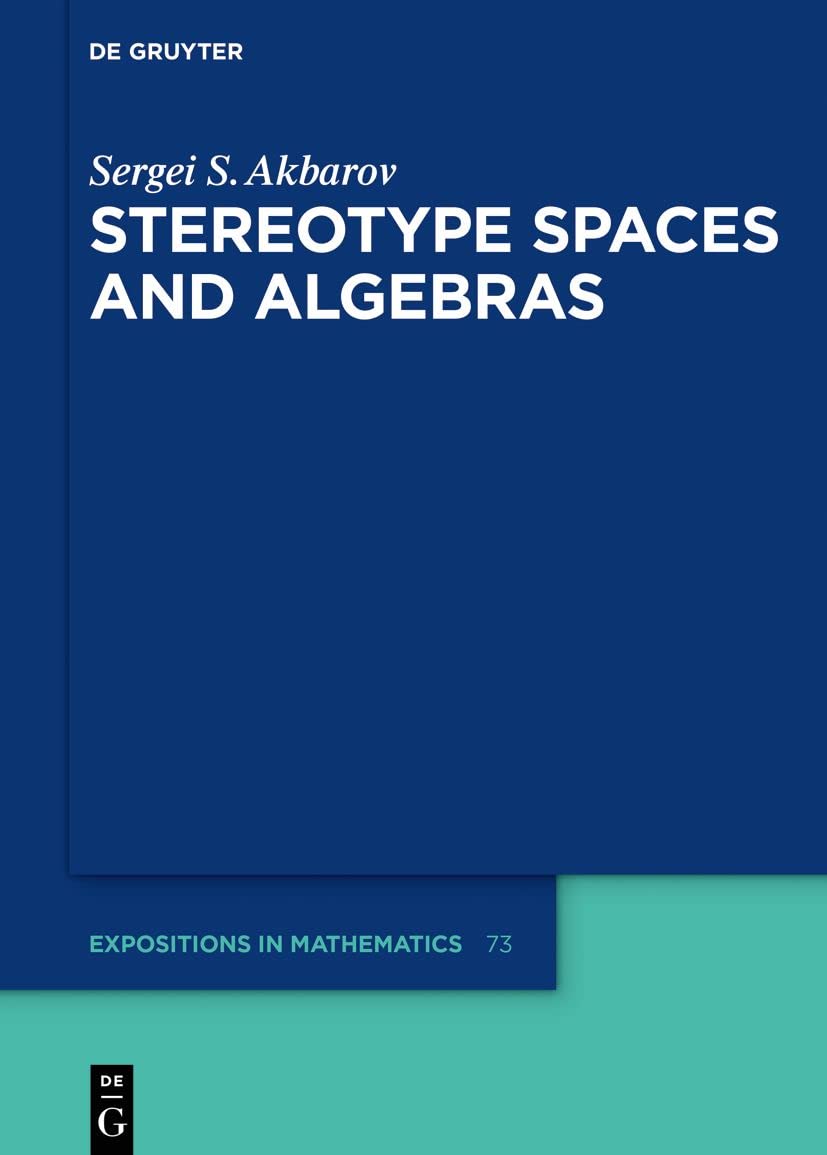
Stereotype Spaces and Algebras: 73 (De Gruyter Expositions in Mathematics, 73)

Mathematics
Semigroups in Algebra, Geometry and Analysis: 20 (De Gruyter Expositions in Mathematics, 20)

Mathematics
Geometry from the Pacific Rim: Proceedings of the Pacific Rim Geometry Conference held at National University of Singapore, Republic of Singapore, ... 1994 (De Gruyter Proceedings in Mathematics)

Mathematics
First International Tainan-Moscow Algebra Workshop: Proceedings of the International Conference held at National Cheng Kung University Tainan, Taiwan, ... 1994 (De Gruyter Proceedings in Mathematics)

Mathematics
Differential Geometry - Proceedings of the VIII International Colloquium (English, Jesus A. Alvarez Lopez | Eduardo Garcia-Rio)
Mathematics
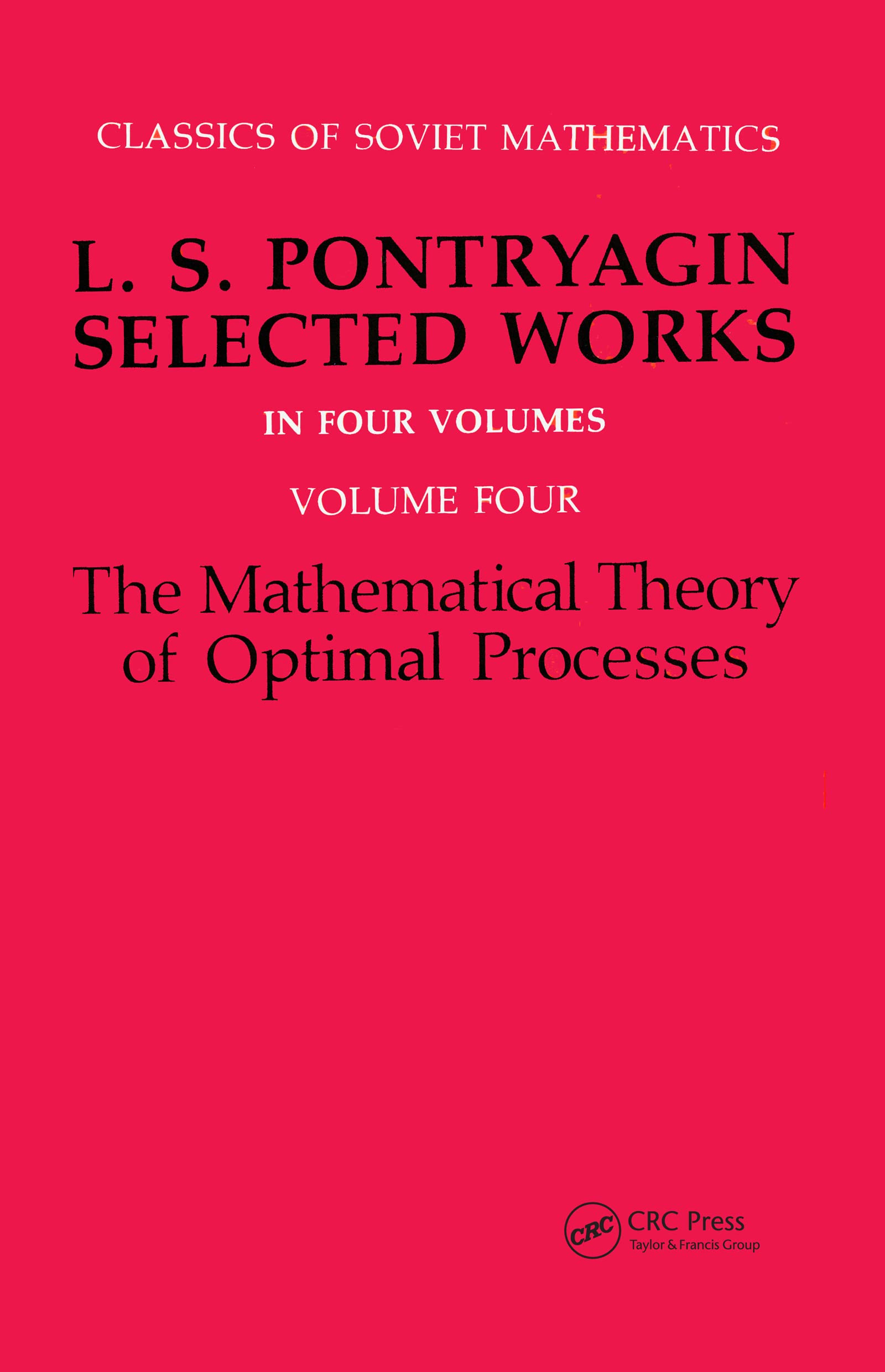
Mathematical Theory of Optimal Processes (Classics of Soviet Mathematics)
Related Products
View All
Statistics
Asymptotics in Statistics and Probability: Papers in Honor of George Gregory Roussas

Statistics
Inequalities in Analysis and Probability: 3rd Edition
Statistics
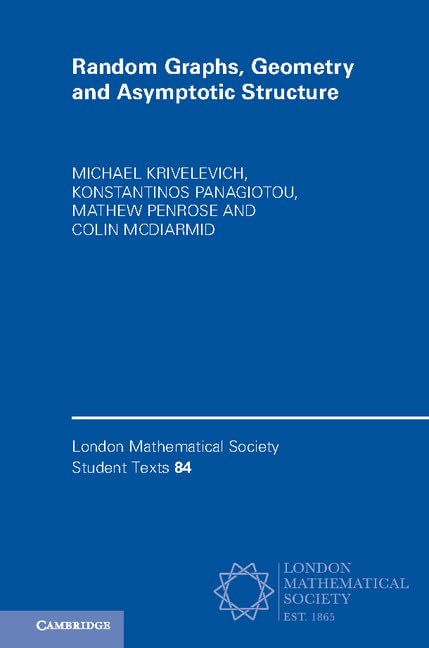
Random Graphs, Geometry and Asymptotic Structure
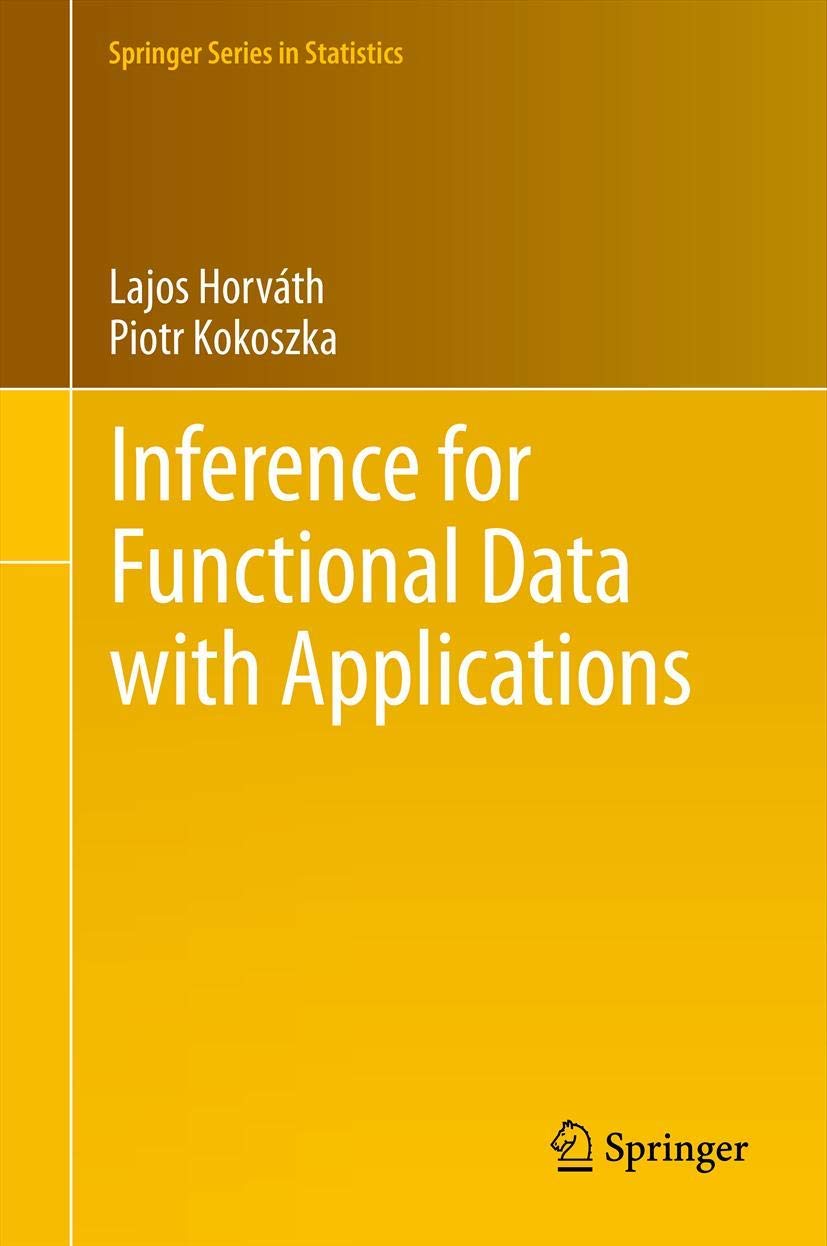
Statistics
Inference for Functional Data With Applications: 200 (Springer Series in Statistics, 692)
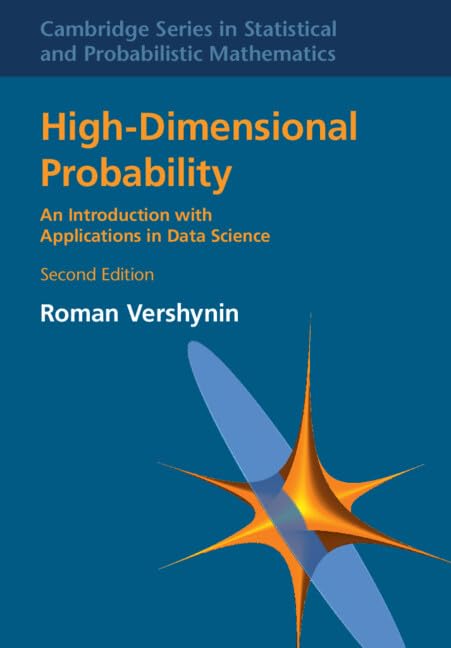
Statistics
High-Dimensional Probability: An Introduction with Applications in Data Science (Cambridge Series in Statistical and Probabilistic Mathematics)
Statistics