
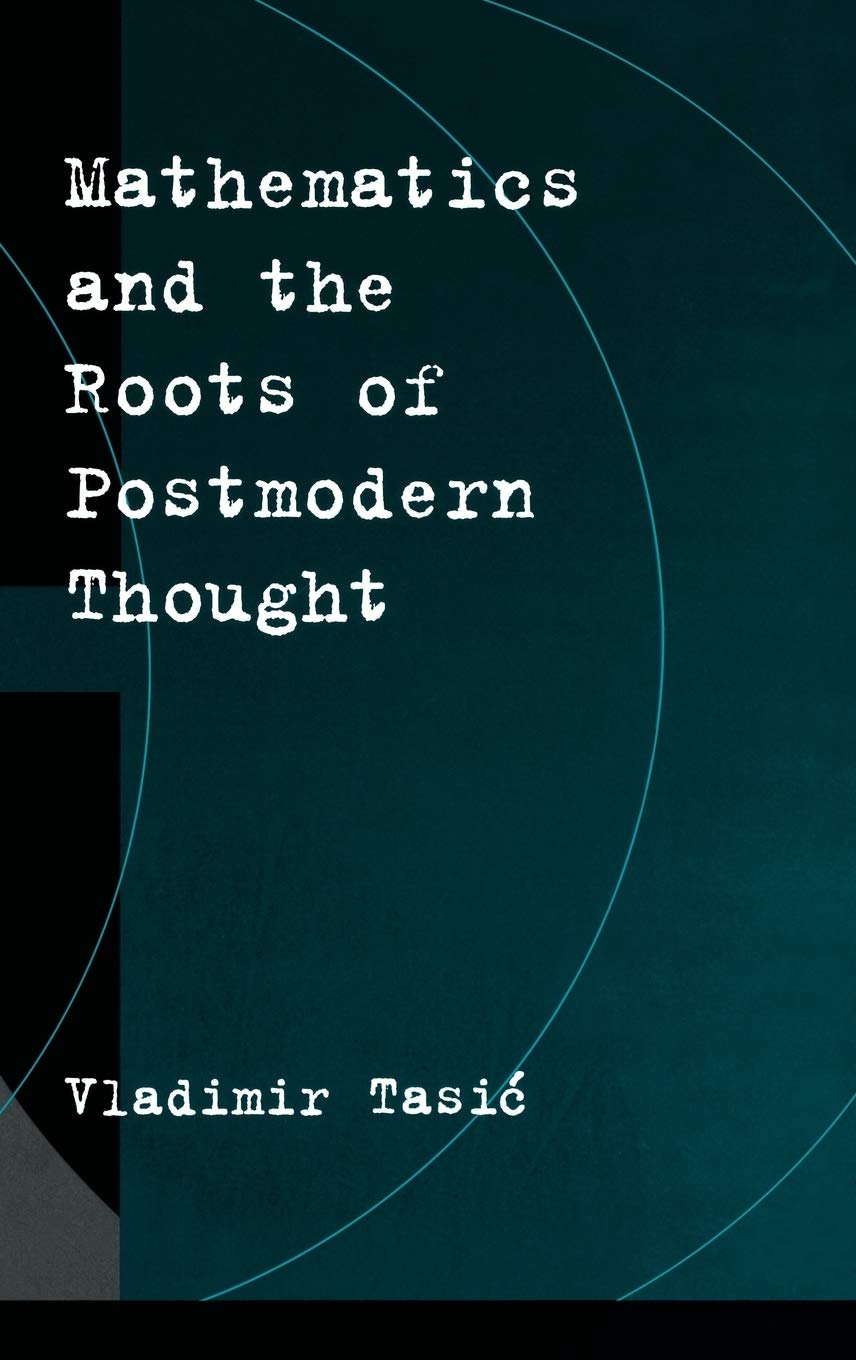
Mathematics and the Roots of Postmodern Thought by Vladimir Tasic – A Journey Through the Science Wars and Foundations o
Inclusive of all applicable taxes. FREE shipping on all orders.
Available Offers
- 🚚Free Delivery — Free shipping on all orders
- 💵Cash on Delivery — Pay when your order arrives
- ↩️15-Day Easy Returns — Hassle-free return policy
- 🔒Cash on Delivery — Pay safely when your order arrives
Check Delivery
Product Description
Introduction
In an age where the boundaries between science and the humanities are often fiercely debated, Mathematics and the Roots of Postmodern Thought by Vladimir Tasic offers a rare and illuminating bridge between these two worlds. Published by Oxford University Press, this hardcover volume is a must-read for Indian students, academics, and curious readers who wish to understand how mathematical ideas have shaped—and been misunderstood by—postmodern philosophy. With clarity and wit, Tasic unravels the complex relationship between mathematics, modernism, and postmodernism, making it accessible to both scientists and humanists alike.
Book Overview
This book is not a dry mathematical treatise but a lively intellectual journey. Tasic traces the origins of postmodern thought back to early twentieth-century debates in the foundations of mathematics—particularly the crisis sparked by set theory, logicism, and intuitionism. He then draws parallels between these mathematical developments and movements in art, literature, and philosophy. The result is a compelling narrative that reveals how misreadings of mathematics have fueled the so-called 'Science Wars' between postmodern humanists and scientists. Tasic argues for a mutual understanding, showing that both sides have much to learn from each other.
Key Highlights
- Unique interdisciplinary approach: Connects the foundations of mathematics with postmodern theory in a way that is both rigorous and accessible.
- Engaging and humorous tone: Despite dealing with deep concepts, the book is playful and enjoyable to read.
- Critical insight into the Science Wars: Offers a balanced perspective on the misunderstandings between science and postmodern humanism.
- Rich historical context: Explores key figures like Cantor, Russell, Gödel, and their influence on twentieth-century thought.
- Relevance to Indian readers: Addresses universal questions about knowledge, reality, and interpretation that resonate in Indian academic circles.
Inside the Book
The book is structured to guide readers through a series of interconnected ideas. It begins with the foundational crisis in mathematics early in the 1900s, where mathematicians grappled with paradoxes in set theory. Tasic then shows how this crisis influenced thinkers like Wittgenstein, Derrida, and Lyotard. Later chapters compare mathematical formalism with structuralism in literature, and intuitionism with postmodern critiques of objectivity. The book also touches on artificial intelligence and the limits of formal systems. Each chapter is dense with ideas but written in a conversational style, making complex theories digestible.
Key Topics
- The foundational crisis in mathematics (Cantor, Russell, Hilbert, Brouwer)
- Gödel's incompleteness theorems and their philosophical implications
- Postmodernism and its roots in mathematical thought
- Structuralism, post-structuralism, and literary theory
- The science wars: objectivity vs. relativism
- Artificial intelligence and the limits of formal reasoning
- Modernism and postmodernism in the arts and humanities
Reader Benefits
- Clarity on difficult concepts: Tasic explains postmodern theory and mathematics without jargon, making them understandable for non-specialists.
- Critical thinking skills: Encourages readers to question assumptions about knowledge and truth from both scientific and humanistic perspectives.
- Broadened intellectual horizons: Bridges the gap between the 'two cultures' of science and humanities, fostering interdisciplinary dialogue.
- Engaging reading experience: The book's wit and narrative flow make it a pleasure to read, not a chore.
- Practical for Indian students: Useful for those studying philosophy, mathematics, literature, or cultural studies, especially in liberal arts and science programs.
Learning Outcomes
By the end of this book, readers will be able to: identify the key mathematical ideas that influenced postmodern thought; understand the central debates in the foundations of mathematics; critically evaluate the claims made by both scientists and postmodernists; recognize the patterns of misreading that have led to intellectual conflicts; and apply these insights to contemporary discussions in philosophy, science, and the arts. The book equips readers with a nuanced perspective that transcends simplistic dichotomies.
Who Should Read
- Students of mathematics and philosophy: Those curious about the philosophical underpinnings of their fields.
- Humanities scholars: Anyone interested in the scientific roots of postmodernism and the science wars.
- Scientists and engineers: Those who want to understand why postmodern thinkers critique science, and how to respond thoughtfully.
- General readers: Anyone with a passion for big ideas and intellectual history.
- Indian academicians: Particularly relevant for courses in cultural studies, history of science, and interdisciplinary studies.
About the Author
Vladimir Tasic is a mathematician and philosopher who teaches at the University of New Brunswick, Canada. His work spans the philosophy of mathematics, postmodern thought, and the history of ideas. Tasic is known for his ability to communicate complex subjects with clarity and humour. In this book, he draws on his deep knowledge of both mathematics and continental philosophy to create a work that is as entertaining as it is enlightening. His unique perspective makes him an ideal guide through the labyrinth of modern and postmodern thought.
About the Publisher
Oxford University Press (OUP) is one of the oldest and most prestigious academic publishers in the world. With a history dating back to 1586, OUP is renowned for its rigorous editorial standards and commitment to scholarly excellence. This hardcover edition is a testament to OUP's dedication to producing high-quality books that stand the test of time. For Indian readers, OUP titles are widely available and respected in university libraries and bookstores across the country, making this book a reliable addition to any serious collection.
Conclusion
Mathematics and the Roots of Postmodern Thought is a rare gem that speaks to both the head and the heart. It challenges readers to rethink the boundaries between disciplines and to appreciate the deep connections that unite science and the humanities. Whether you are a student grappling with postmodern theory, a scientist curious about philosophy, or a lifelong learner seeking intellectual adventure, this book will reward you with fresh insights and a deeper understanding of the world of ideas. Order your hardcover copy today from Bookshops.in and embark on a journey that will transform the way you think about mathematics, philosophy, and culture.
Quick Summary
Mathematics and the Roots of Postmodern Thought by Vladimir Tasic is a unique and engaging exploration of the science wars that have divided postmodern humanism and science for decades. Rather than taking sides, Tasic traces the origins of postmodern theory back to early 20th-century debates on the foundations of mathematics, revealing how both camps have misread mathematical ideas. The book compares developments in mathematics with parallel movements in the arts and humanities, touching on literary theory, visual arts, and artificial intelligence. Written in a clear, witty style, it makes complex theoretical concepts accessible to Indian students and general readers. By highlighting the mutual misunderstandings between science and postmodernism, Tasic offers a path toward resolution and deeper interdisciplinary understanding. This hardcover edition from Oxford University Press is a valuable resource for anyone interested in philosophy, mathematics, cultural studies, or the history of ideas. Buy it from Bookshops.in for a thought-provoking addition to your library.
Book Highlights
Book Specifications
| ISBN-13 | 9780195139679 |
| ISBN-10 | 0195139674 |
| Publisher | OUP Oxford |
| Language | English |
| Dimensions | 16.36 x 2.06 x 24.38 cm |
| Weight | 454 g |
| Category | Science & Mathematics › Mathematics |
| Genre | Non-fiction |
| Original Language | English |
Frequently Asked Questions
What is Mathematics and the Roots of Postmodern Thought about?
Who is the author of this book?
Is this book suitable for Indian students?
What topics does the book cover?
What is the ISBN of this book?
How is this book different from other science wars books?
Does the book discuss artificial intelligence?
What is the price of this book?
Is the book humorous?
What rating does this book have?
Can I use this book for academic research?
What language is the book in?
Where can I buy this book in India?
Readers Also Search For
Customers Also Bought
Mathematics
Stereotype Spaces and Algebras: 73 (De Gruyter Expositions in Mathematics, 73)
Mathematics
Semigroups in Algebra, Geometry and Analysis: 20 (De Gruyter Expositions in Mathematics, 20)
Mathematics
Geometry from the Pacific Rim: Proceedings of the Pacific Rim Geometry Conference held at National University of Singapore, Republic of Singapore, ... 1994 (De Gruyter Proceedings in Mathematics)
Mathematics
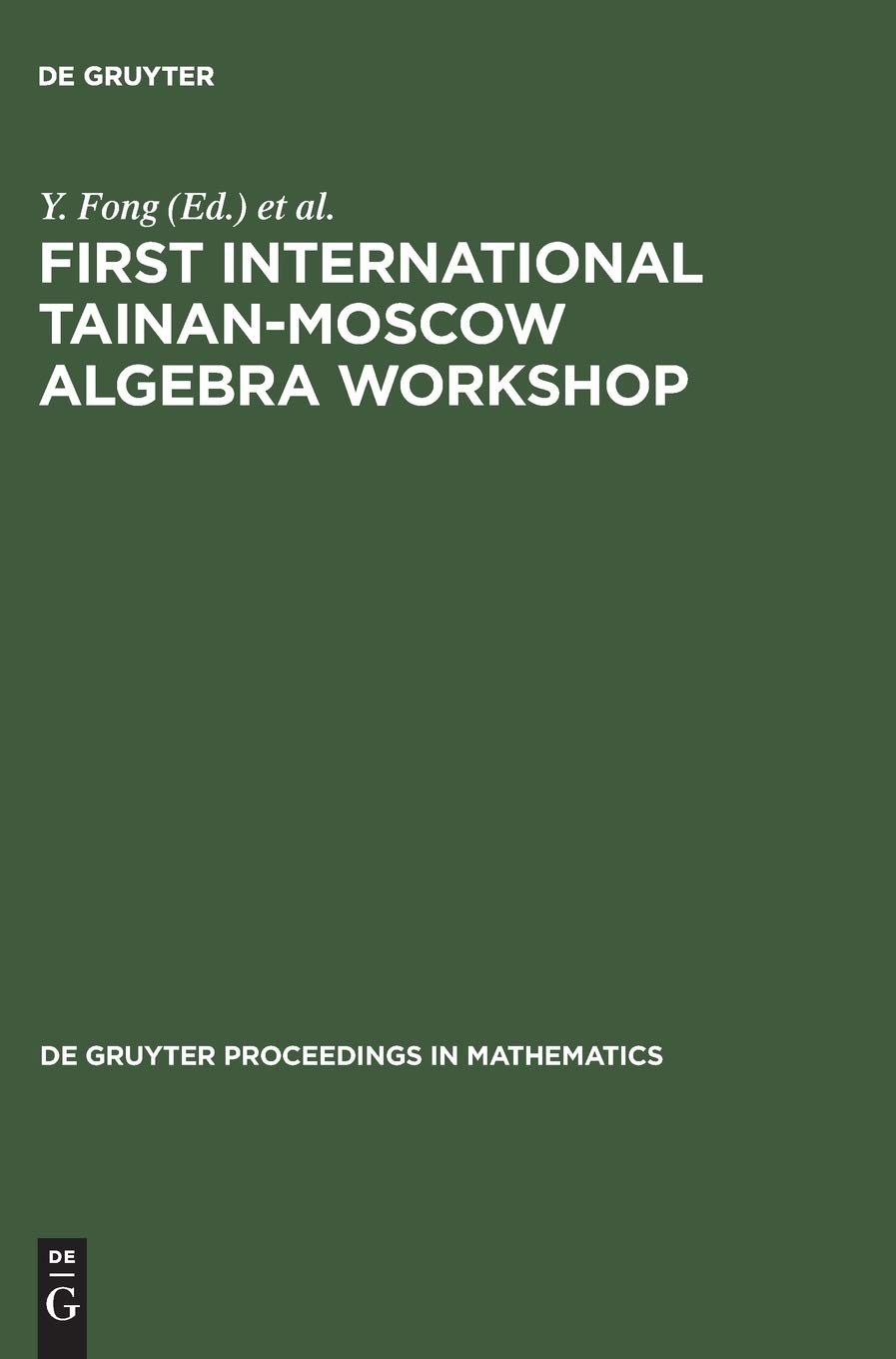
First International Tainan-Moscow Algebra Workshop: Proceedings of the International Conference held at National Cheng Kung University Tainan, Taiwan, ... 1994 (De Gruyter Proceedings in Mathematics)
Mathematics
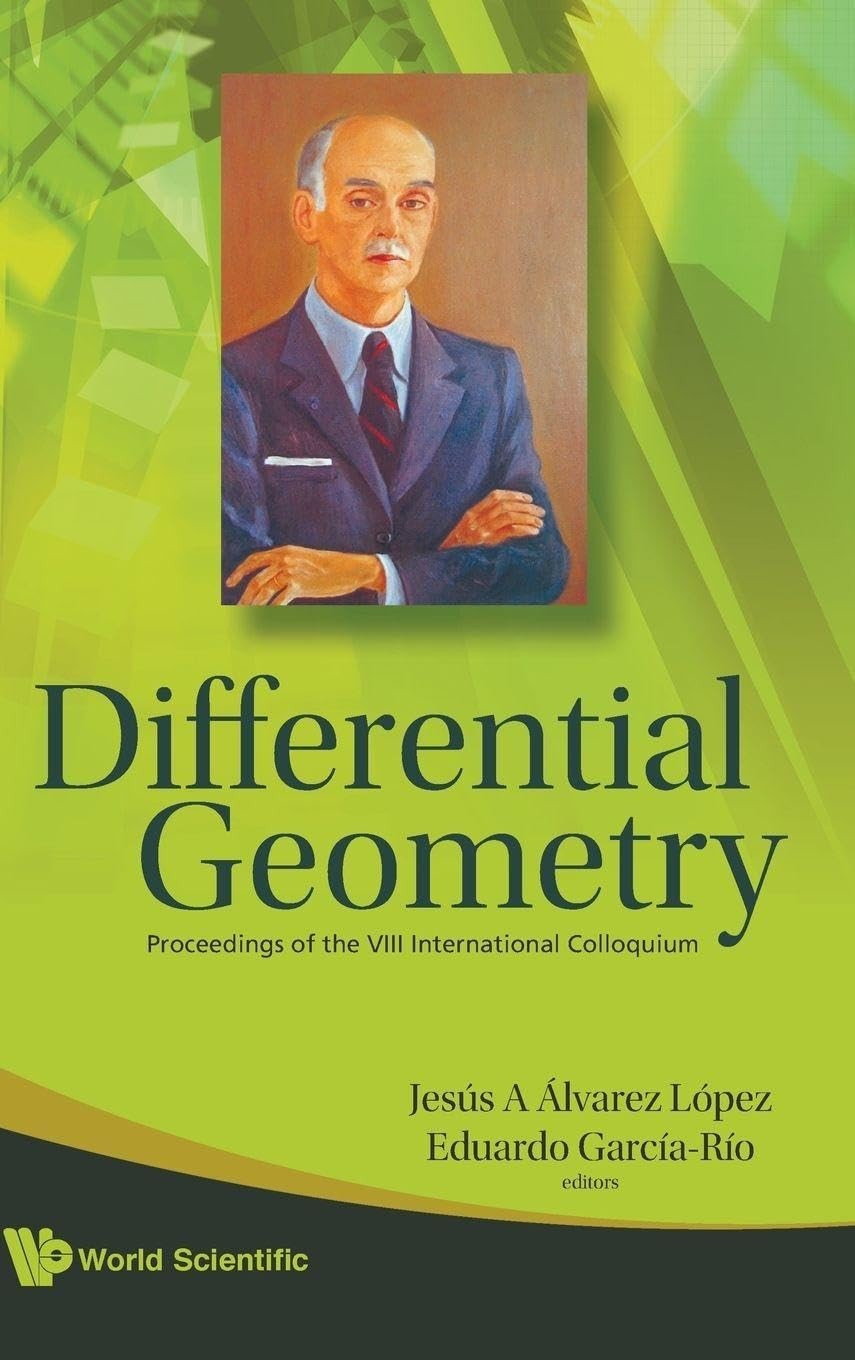
Differential Geometry - Proceedings of the VIII International Colloquium (English, Jesus A. Alvarez Lopez | Eduardo Garcia-Rio)
Mathematics
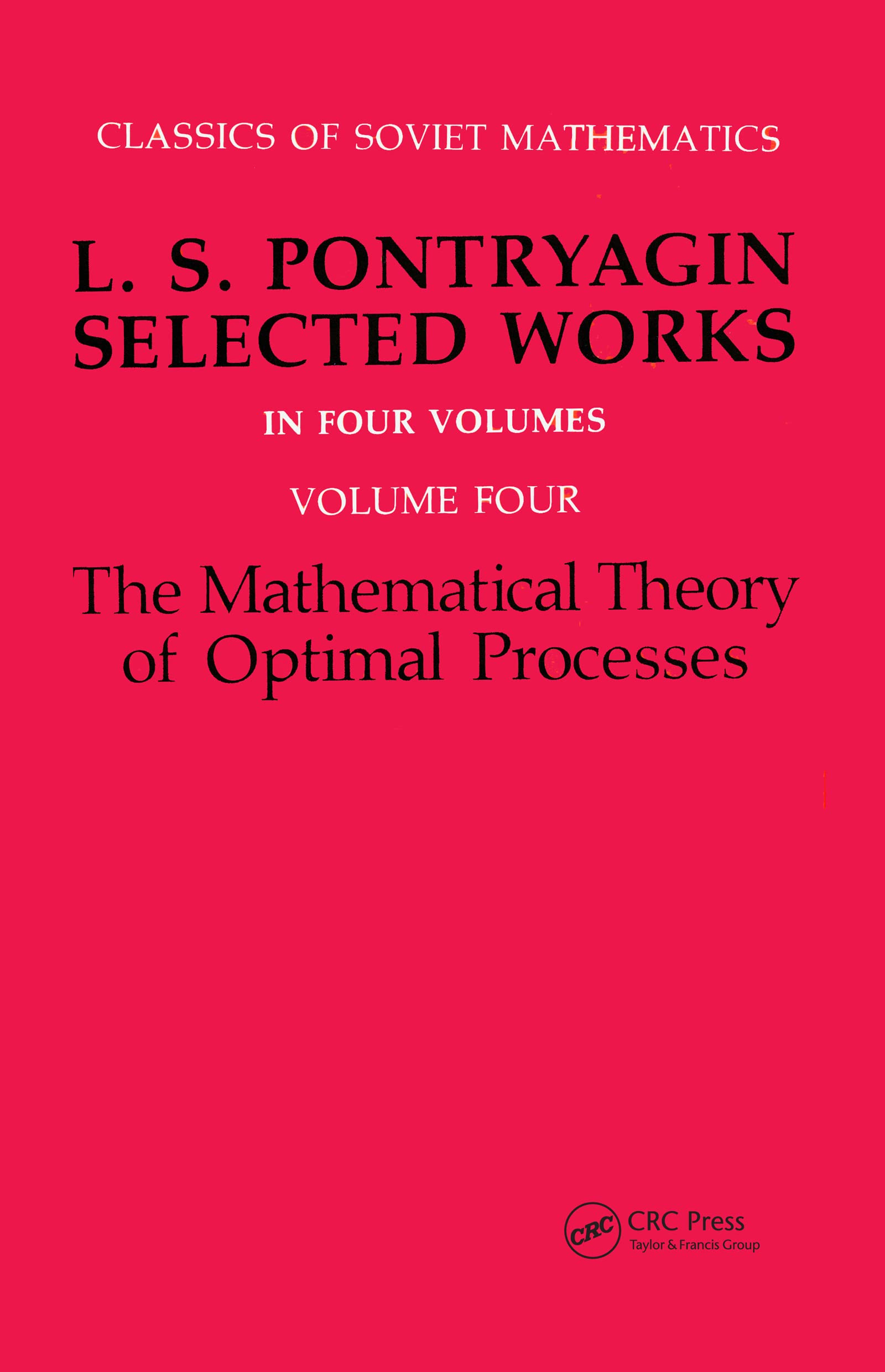
Mathematical Theory of Optimal Processes (Classics of Soviet Mathematics)
Related Products
View AllMathematics
Mathematical Theory of Optimal Processes (Classics of Soviet Mathematics)
Mathematics
Stereotype Spaces and Algebras: 73 (De Gruyter Expositions in Mathematics, 73)
Mathematics
Semigroups in Algebra, Geometry and Analysis: 20 (De Gruyter Expositions in Mathematics, 20)
Mathematics
Geometry from the Pacific Rim: Proceedings of the Pacific Rim Geometry Conference held at National University of Singapore, Republic of Singapore, ... 1994 (De Gruyter Proceedings in Mathematics)
Mathematics
First International Tainan-Moscow Algebra Workshop: Proceedings of the International Conference held at National Cheng Kung University Tainan, Taiwan, ... 1994 (De Gruyter Proceedings in Mathematics)
Mathematics