
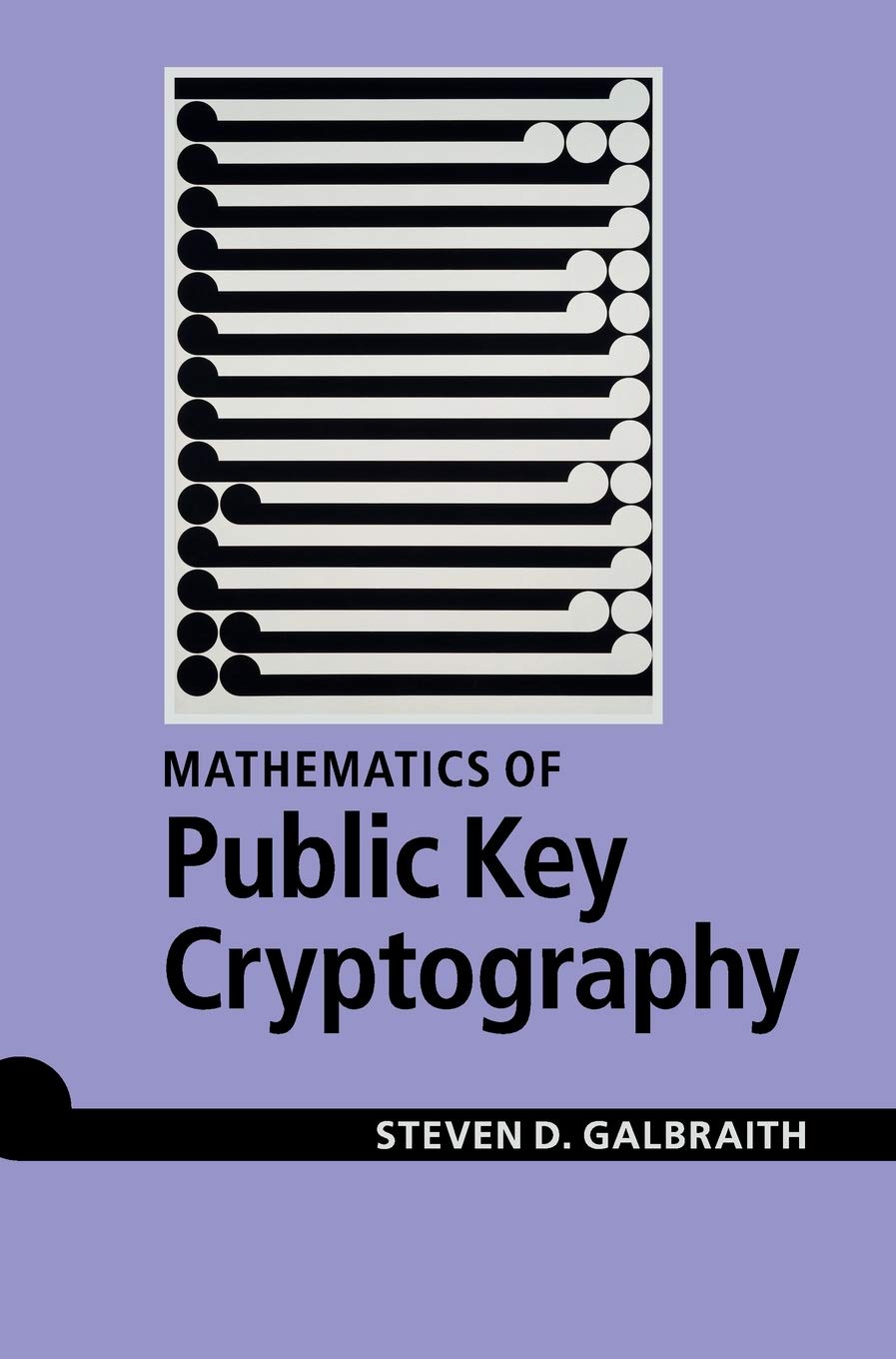
Mathematics of Public Key Cryptography: A Rigorous Mathematical Approach to Cryptography by Steven D. Galbraith
Inclusive of all applicable taxes. FREE shipping on all orders.
Available Offers
- 🚚Free Delivery — Free shipping on all orders
- 💵Cash on Delivery — Pay when your order arrives
- ↩️15-Day Easy Returns — Hassle-free return policy
- 🔒Cash on Delivery — Pay safely when your order arrives
Check Delivery
Product Description
Introduction
Public key cryptography forms the backbone of modern digital security, enabling secure communication, digital signatures, and authentication across the internet. For students and researchers in India who wish to move beyond surface-level understanding and truly master the mathematical foundations of this critical field, Mathematics of Public Key Cryptography by Steven D. Galbraith offers an authoritative and comprehensive resource. Published by Cambridge University Press, this hardcover edition is an essential addition to the library of any serious cybersecurity enthusiast, mathematician, or computer scientist.
Book Overview
This book provides a rigorous yet accessible treatment of the mathematics that underpins public key cryptosystems. Unlike introductory texts that gloss over the technical details, Galbraith’s work delves deeply into number theory, algebraic geometry, and computational complexity, all while maintaining a clear connection to real-world cryptographic applications. The text is designed to serve both as a graduate-level textbook and as a reference for experienced researchers. Each chapter is enriched with historical context, numerous worked examples, and carefully crafted exercises that reinforce learning.
Key Highlights
- Comprehensive Coverage: Explores essential topics such as Pollard’s algorithms, Maurer reduction, isogenies, algebraic tori, and hyperelliptic curves.
- Rigorous Mathematical Approach: Builds a strong foundation in the underlying mathematics, making it ideal for students from mathematics, computer science, and electrical engineering backgrounds.
- Practical Relevance: Connects abstract concepts to real-world applications like digital signatures, encryption, and key exchange protocols.
- Self-Study Friendly: Includes numerous examples, proofs, and exercises, enabling independent learning for advanced students and professionals.
Inside the Book
The book is structured to guide readers from fundamental principles to advanced topics. Early chapters cover basic number theory and algorithmic aspects, while later sections delve into elliptic curves, pairings, and lattice-based cryptography. Each chapter begins with a clear motivation and ends with a summary and exercises. Historical remarks are interspersed throughout, offering insights into how the subject evolved. The writing is precise yet engaging, making complex ideas accessible without sacrificing depth.
Key Topics
- Finite fields and computational number theory
- Elliptic curve cryptography and pairings
- Integer factorization and discrete logarithm algorithms
- Isogeny-based cryptography
- Algebraic tori and hyperelliptic curves
- Maurer reduction and provable security
- Lattice-based methods and post-quantum cryptography
Reader Benefits
Readers will gain a deep, mathematical understanding of how public key cryptosystems work and why they are secure. The book equips you with the tools to analyze existing protocols, design new schemes, and evaluate cryptographic assumptions. For Indian students preparing for competitive exams or research careers in cybersecurity, this text provides the theoretical depth needed to excel. Professionals working in cryptography, network security, or blockchain technology will find it an invaluable reference for solving complex problems.
Learning Outcomes
- Understand the mathematical structures behind RSA, Diffie-Hellman, and elliptic curve cryptosystems.
- Analyze the security of cryptographic algorithms through rigorous proofs and reductions.
- Implement advanced algorithms for factoring, discrete logarithms, and point counting.
- Explore emerging areas like isogeny-based and lattice-based cryptography.
- Develop the ability to read and contribute to research literature in cryptography.
Who Should Read
This book is ideal for graduate students in mathematics, computer science, and electrical engineering who have a basic background in abstract algebra and number theory. It is also suitable for advanced undergraduates with strong mathematical preparation. Researchers and practitioners in cybersecurity, cryptography, and related fields will find it a definitive reference. For Indian readers aiming for careers in academia, defence, or the tech industry, this book bridges the gap between classroom theory and cutting-edge research.
About the Author
Steven D. Galbraith is a professor of mathematics at the University of Auckland, New Zealand. He is a leading researcher in computational number theory and cryptography, with numerous publications on elliptic curves, pairings, and post-quantum cryptography. His teaching experience and clear exposition make this book a trusted resource worldwide.
About the Publisher
Cambridge University Press is one of the oldest and most respected academic publishers in the world. Known for its rigorous editorial standards and commitment to scholarly excellence, Cambridge University Press ensures that this book meets the highest quality benchmarks for academic and professional readers.
Conclusion
Mathematics of Public Key Cryptography is more than a textbook—it is a gateway to mastering one of the most important areas of modern cybersecurity. Whether you are a student in an Indian university, a researcher exploring new cryptographic paradigms, or a professional seeking to deepen your expertise, this book offers the mathematical rigor and practical insight you need. Order your hardcover copy from Bookshops.in today and build a foundation that will last a lifetime.
Quick Summary
Mathematics of Public Key Cryptography by Steven D. Galbraith is an authoritative textbook that delves into the mathematical underpinnings of modern public key cryptosystems. Written for advanced students and researchers, the book covers essential topics such as number theory, algebraic geometry, elliptic curves, and lattice-based cryptography. It provides rigorous proofs of security assumptions, detailed algorithmic descriptions, and a wealth of exercises to solidify understanding. The author, a leading expert in computational number theory, also includes historical perspectives and insights into the evolution of cryptographic techniques. Readers will gain the ability to analyze and design secure cryptographic protocols, making this an indispensable resource for anyone pursuing a career in cybersecurity or applied mathematics. For Indian students and professionals, this book bridges the gap between abstract mathematics and real-world security applications. By purchasing from Bookshops.in, you support a trusted Indian bookstore that ensures fast delivery and genuine copies.
Book Highlights
Book Specifications
| ISBN-13 | 9781107013926 |
| ISBN-10 | 1107013925 |
| Publisher | Cambridge University Press |
| Language | English |
| Dimensions | 17.78 x 3.18 x 24.77 cm |
| Weight | 1 kg 280 g |
| Category | Computer Science › Algorithms |
| Genre | Non-fiction |
| Reading Age | 18+ |
| Original Language | English |
Frequently Asked Questions
What is the main focus of this book?
Who is the author Steven D. Galbraith?
Do I need prior knowledge of cryptography?
Is this book suitable for Indian students?
Does the book cover post-quantum cryptography?
Are there exercises and solutions?
What topics in number theory are covered?
How is this book different from other cryptography texts?
Can this book be used for self-study?
Does it cover digital signatures?
Is the book available in hardcover?
What is the price in INR?
Are there any prerequisites for reading?
Readers Also Search For
Customers Also Bought
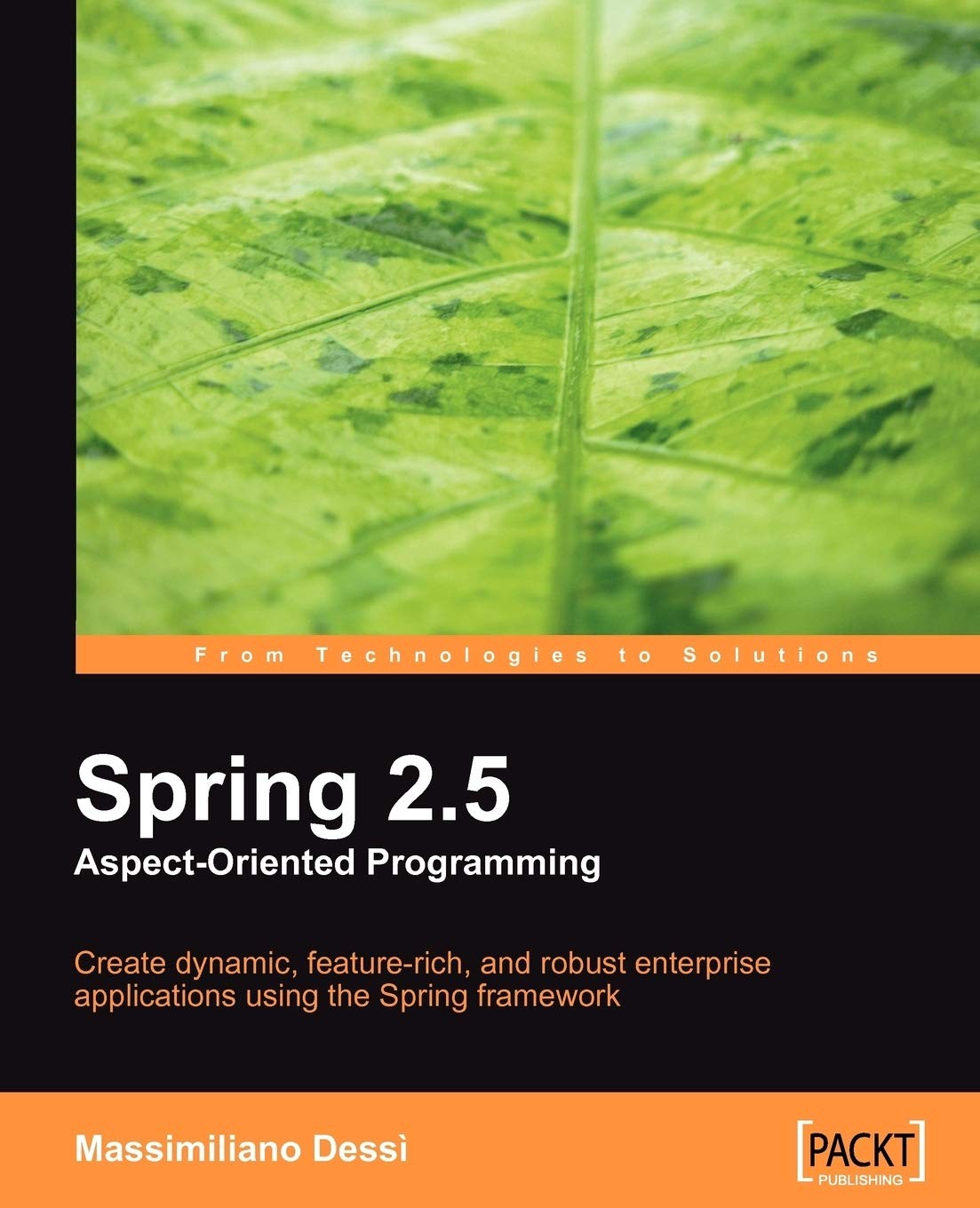
Computer Science
Spring 2.5 Aspect Oriented Programming (English, Massimiliano Dess� | Massimiliano Dessi)

Computer Science
Asterisk 1.4 - the Professional's Guide (English, Colman Carpenter | David Duffett | Nik Middleton)
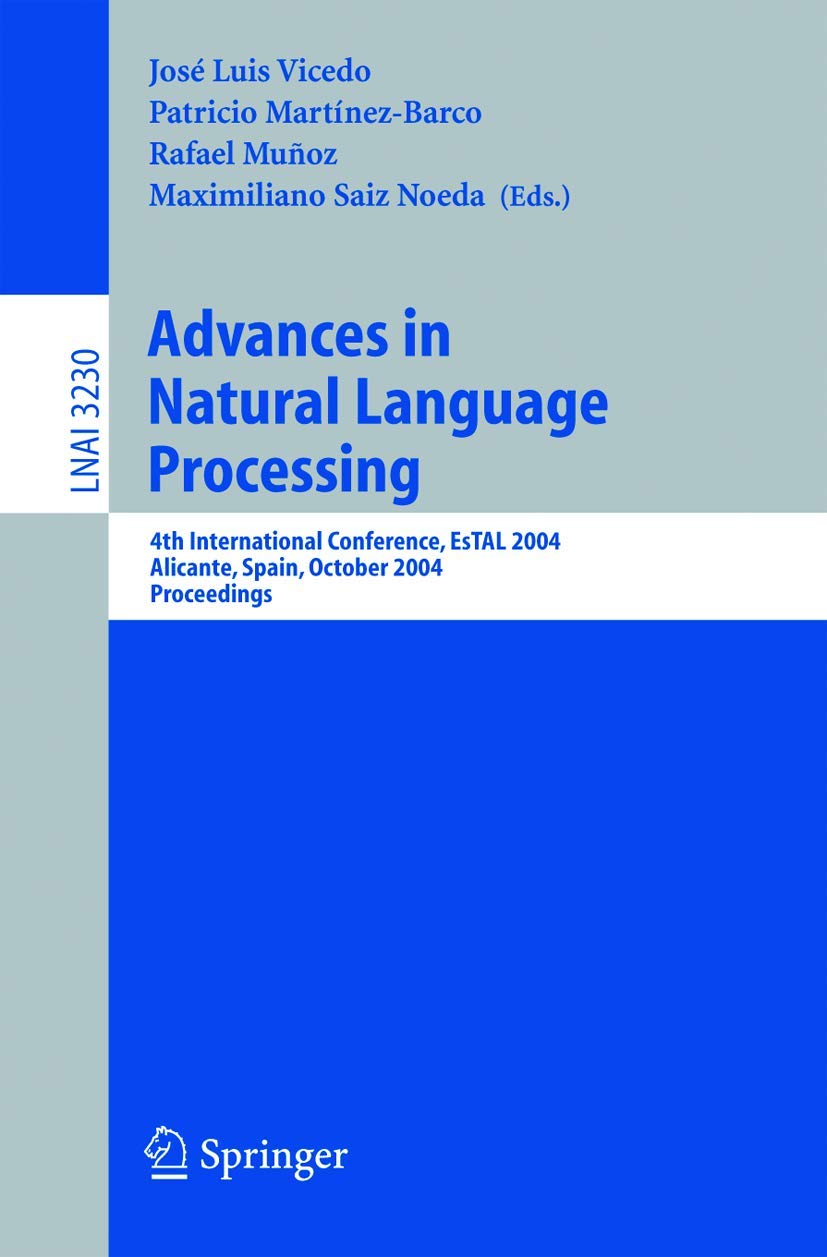
Computer Science
Advances In Natural Language Processing: 4th International Conference, Estal 2004, Alicante, Spain, October 20-22, 2004. Proceedings: 3230 (Lecture Notes in Computer Science)
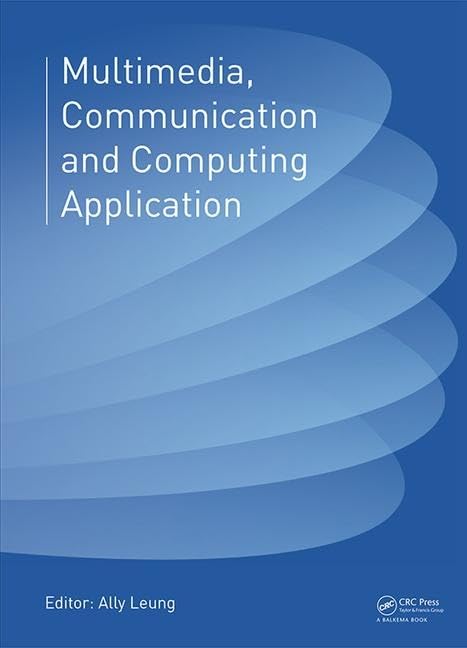
Computer Science
Multimedia, Communication and Computing Application: Proceedings of the 2014 International Conference on Multimedia, Communication and Computing ... 2014), Xiamen, China, October 16-17, 2014
Computer Science
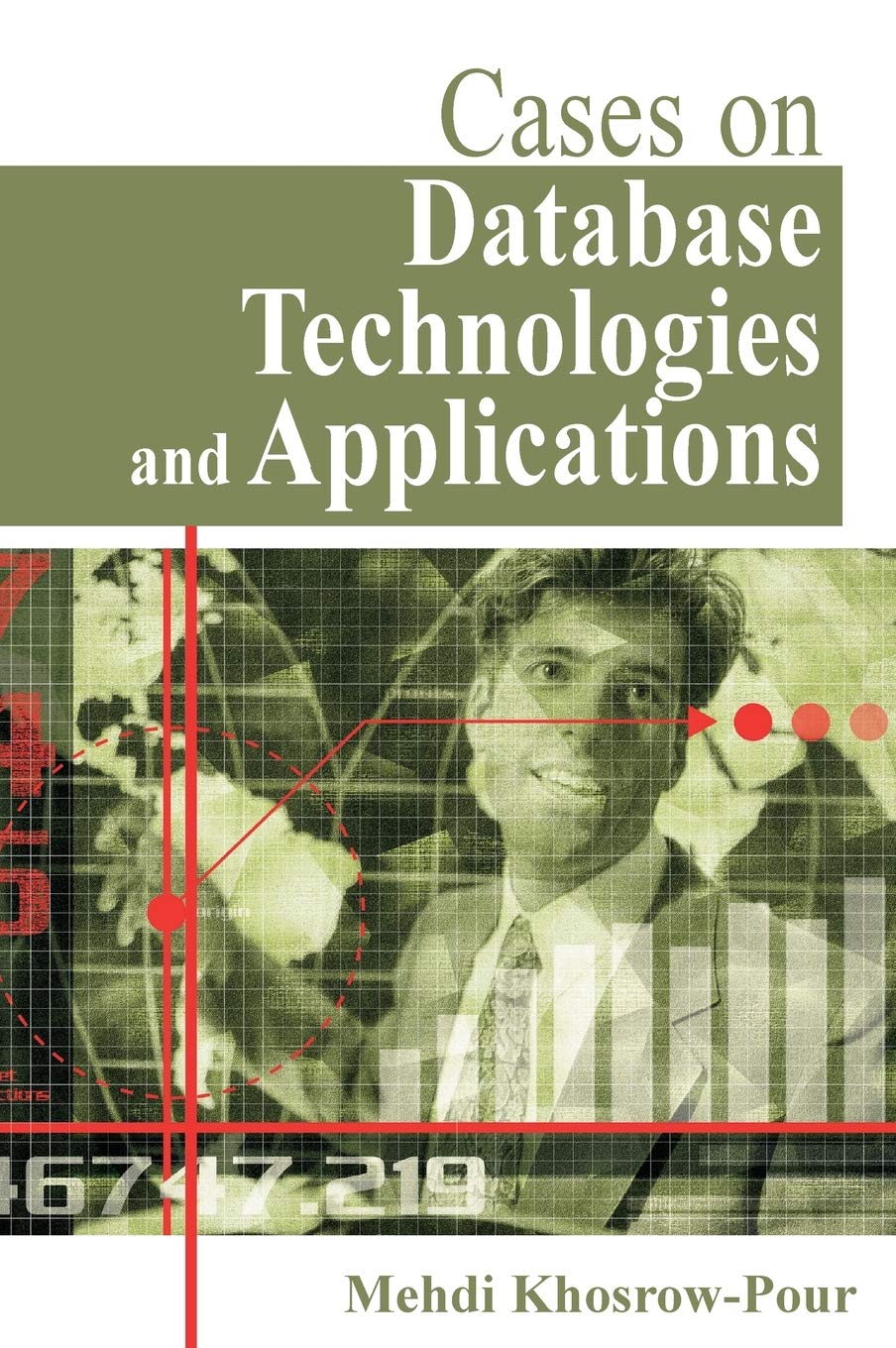
Cases on Database Technologies and Applications (Cases on Information Technology Series)
Computer Science
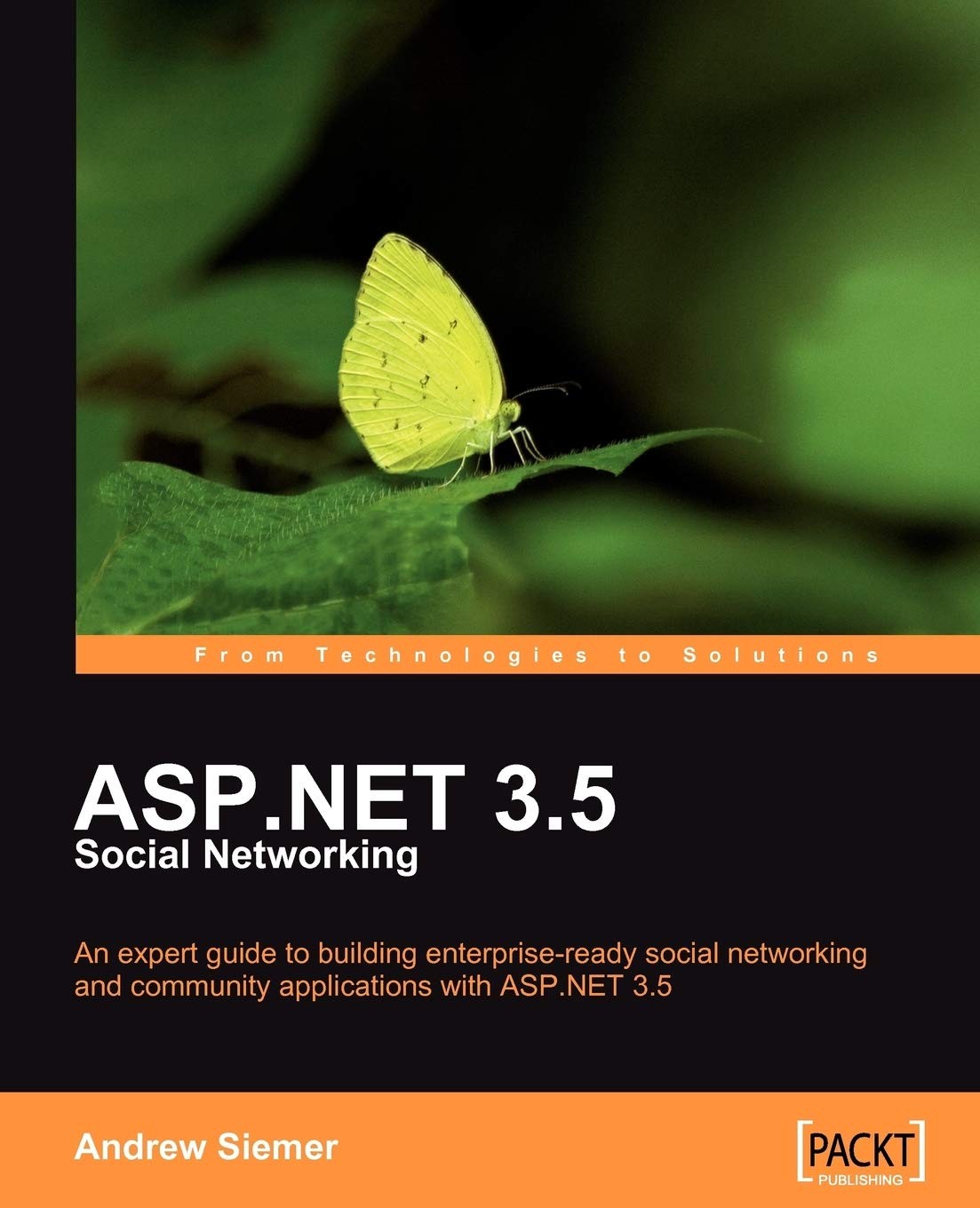
ASP.Net 3.5 Social Networking (English, Andrew Siemer)
Related Products
View AllComputer Science
Spring 2.5 Aspect Oriented Programming (English, Massimiliano Dess� | Massimiliano Dessi)
Computer Science
Asterisk 1.4 - the Professional's Guide (English, Colman Carpenter | David Duffett | Nik Middleton)
Computer Science
Advances In Natural Language Processing: 4th International Conference, Estal 2004, Alicante, Spain, October 20-22, 2004. Proceedings: 3230 (Lecture Notes in Computer Science)
Computer Science
Multimedia, Communication and Computing Application: Proceedings of the 2014 International Conference on Multimedia, Communication and Computing ... 2014), Xiamen, China, October 16-17, 2014
Computer Science
Cases on Database Technologies and Applications (Cases on Information Technology Series)
Computer Science