
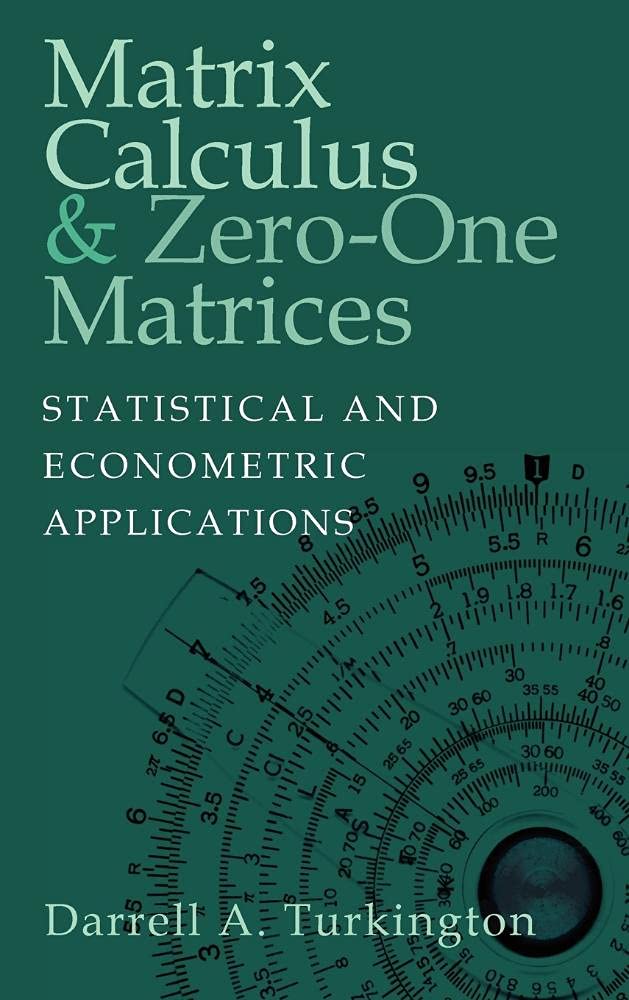
Matrix Calculus and Zero-One Matrices: Statistical and Econometric Applications by Darrell A. Turkington – A Comprehensi
Inclusive of all applicable taxes. FREE shipping on all orders.
Available Offers
- 🚚Free Delivery — Free shipping on all orders
- 💵Cash on Delivery — Pay when your order arrives
- ↩️15-Day Easy Returns — Hassle-free return policy
- 🔒Cash on Delivery — Pay safely when your order arrives
Check Delivery
Product Description
Introduction
Matrix calculus and zero-one matrices might sound like abstract mathematical concepts, but for students and researchers in econometrics and statistics, they are powerful tools that simplify complex problems. Darrell A. Turkington's Matrix Calculus and Zero-One Matrices: Statistical and Econometric Applications is a rigorous yet accessible guide that bridges the gap between advanced mathematics and practical econometric modelling. Published by Cambridge University Press, this hardcover edition is an essential reference for anyone looking to deepen their understanding of classical statistical procedures within econometric frameworks.
Book Overview
This 2002 volume systematically presents mathematical tools derived from matrix calculus and zero-one matrices, demonstrating how these tools can be applied to a wide range of econometric models. The author builds on a few fundamental rules—generalizations of ordinary calculus—to derive a comprehensive set of matrix calculus results, which are neatly summarised in a useful table for quick reference. Alongside well-known zero-one matrices, the book introduces newer variants, explains their mathematical roles, and highlights their practical properties. The text then applies these tools to derive the basic building blocks of classical statistics: the score vector, the information matrix, and the Cramér–Rao lower bound, all within the context of increasingly complex linear econometric models.
Key Highlights
- Unified Approach: Integrates matrix calculus and zero-one matrices into a single, coherent framework for econometric analysis.
- Practical Derivations: Shows how maximum likelihood estimators relate to efficient econometric estimators through interactive interpretations.
- Classical Test Statistics: Derives and compares test statistics for hypotheses of interest, making it useful for empirical research.
- Summarised Results: Includes a table of matrix calculus results for easy reference during research or study.
- Rigorous Yet Accessible: Written for readers with a basic background in matrix algebra and statistics, gradually building up to advanced applications.
Inside the Book
The book is structured to first lay a strong foundation in matrix calculus, starting from elementary differentiation rules and extending to more complex operations involving vectors and matrices. It then delves into zero-one matrices, covering both standard forms (such as permutation and selection matrices) and specialised variants that arise in econometric contexts. The latter half of the book applies these mathematical tools to a sequence of linear econometric models, each increasing in statistical complexity. By working through these models, readers learn to derive the score vector, information matrix, and Cramér–Rao lower bound step by step. The final chapters focus on maximum likelihood estimation and hypothesis testing, offering clear comparisons of classical test statistics like the Wald, Lagrange multiplier, and likelihood ratio tests.
Key Topics
- Matrix differentiation and the chain rule for matrices
- Zero-one matrices: definitions, properties, and applications
- Score vectors and information matrices for linear models
- Cramér–Rao lower bound in multivariate settings
- Maximum likelihood estimation and efficient estimators
- Wald, Lagrange multiplier, and likelihood ratio tests
- Applications to simultaneous equation models and time series
Reader Benefits
For Indian students pursuing advanced degrees in econometrics, statistics, or applied mathematics, this book provides a clear pathway from theory to application. Researchers will appreciate the concise derivation of key results, saving time and reducing errors in their own work. The inclusion of zero-one matrices is particularly valuable for those working with panel data, dummy variables, or structural equation models. By mastering the techniques in this book, readers can tackle complex econometric problems with greater confidence and efficiency.
Learning Outcomes
- Understand the fundamental rules of matrix calculus and how they generalise ordinary calculus.
- Identify and apply various zero-one matrices in statistical and econometric contexts.
- Derive the score vector, information matrix, and Cramér–Rao lower bound for linear econometric models.
- Interpret maximum likelihood estimators in relation to other efficient estimators.
- Construct and compare classical test statistics for hypothesis testing.
- Use matrix calculus to simplify derivations in your own research or coursework.
Who Should Read
This book is ideal for postgraduate students and researchers in econometrics, statistics, and quantitative economics. It is also highly relevant for professionals in data science, financial modelling, and operations research who need a deeper understanding of matrix-based statistical methods. A solid background in linear algebra and introductory statistics is assumed, making it suitable for those who have completed a master's-level course in econometrics or mathematical statistics.
About the Author
Darrell A. Turkington is a respected academic known for his contributions to econometric theory and matrix methods. With decades of teaching and research experience, he has a knack for making complex mathematical ideas accessible without sacrificing rigour. His work has been widely cited in the fields of econometrics and statistics, and this book reflects his deep expertise in applying matrix calculus to real-world problems.
About the Publisher
Cambridge University Press is one of the world's oldest and most prestigious academic publishers, known for producing authoritative texts in science, mathematics, and the social sciences. This hardcover edition upholds the Press's tradition of quality, featuring clear typesetting, durable binding, and careful editing—making it a reliable resource for years of study and reference.
Conclusion
Matrix Calculus and Zero-One Matrices: Statistical and Econometric Applications is more than a textbook—it is a toolkit for anyone serious about econometric theory and practice. By mastering the techniques presented here, readers can streamline their work, deepen their insights, and contribute more effectively to their fields. Whether you are preparing for exams, writing a thesis, or conducting advanced research, this book deserves a place on your shelf.
Quick Summary
Matrix Calculus and Zero-One Matrices: Statistical and Econometric Applications by Darrell A. Turkington is a rigorous mathematical reference that equips readers with advanced matrix tools essential for classical statistical analysis in econometrics. The book systematically develops matrix calculus from a few fundamental rules, making complex derivations accessible. It also introduces zero-one matrices—such as commutation, duplication, and elimination matrices—and explains their properties and roles in econometric theory. Using these tools, the author derives key statistical quantities like the score vector, information matrix, and Cramer-Rao lower bound for a series of linear econometric models of increasing complexity. This approach demonstrates how matrix methods simplify and unify statistical derivations. The book is ideal for graduate students, researchers, and practitioners in econometrics, statistics, and related fields who want to deepen their understanding of matrix-based statistical inference. Published by Cambridge University Press, this hardcover edition is a durable addition to any academic library. Buy from Bookshops.in for a reliable, high-quality print copy delivered across India.
Book Highlights
Book Specifications
| ISBN-13 | 9780521807883 |
| ISBN-10 | 0521807883 |
| Publisher | Cambridge University Press |
| Language | English |
| Dimensions | 14.61 x 1.91 x 22.86 cm |
| Weight | 500 g |
| Country | India |
| Category | Mathematics › Algebra & Trigonometry |
| Genre | Non-fiction |
| Original Language | English |
Frequently Asked Questions
What is the main focus of this book?
Who is the author of Matrix Calculus and Zero-One Matrices?
What is the ISBN of this book?
Is this book suitable for beginners?
Does the book include practical examples?
What are zero-one matrices?
Does the book cover the Cramer-Rao lower bound?
Can this book help with my research?
Is there a table of matrix calculus results?
What is the price of this book?
Is this book available in hardcover?
What language is the book in?
Where can I buy this book in India?
Readers Also Search For
Customers Also Bought
Mathematics
Stereotype Spaces and Algebras: 73 (De Gruyter Expositions in Mathematics, 73)
Mathematics
Semigroups in Algebra, Geometry and Analysis: 20 (De Gruyter Expositions in Mathematics, 20)
Mathematics
Geometry from the Pacific Rim: Proceedings of the Pacific Rim Geometry Conference held at National University of Singapore, Republic of Singapore, ... 1994 (De Gruyter Proceedings in Mathematics)
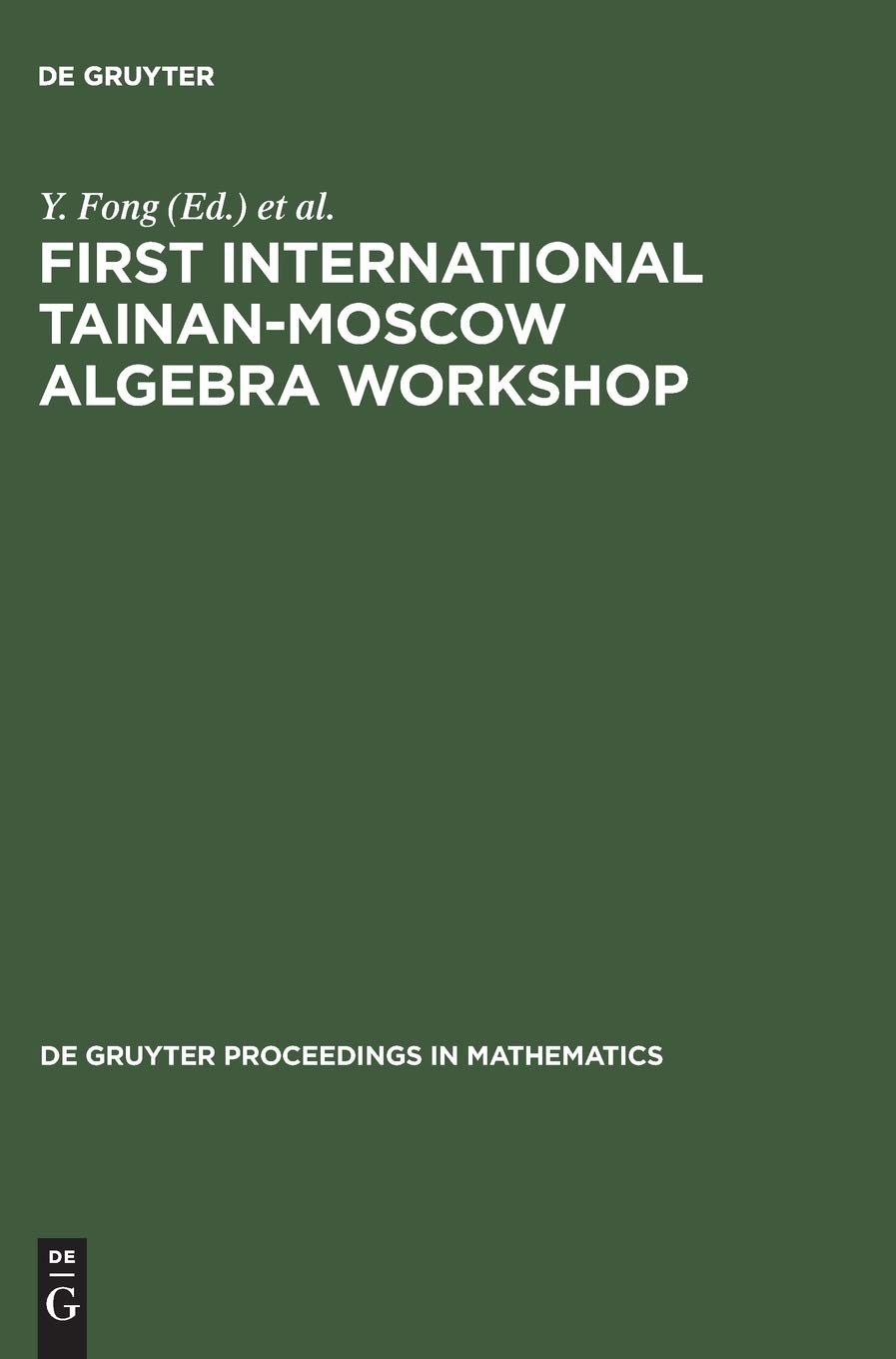
Mathematics
First International Tainan-Moscow Algebra Workshop: Proceedings of the International Conference held at National Cheng Kung University Tainan, Taiwan, ... 1994 (De Gruyter Proceedings in Mathematics)
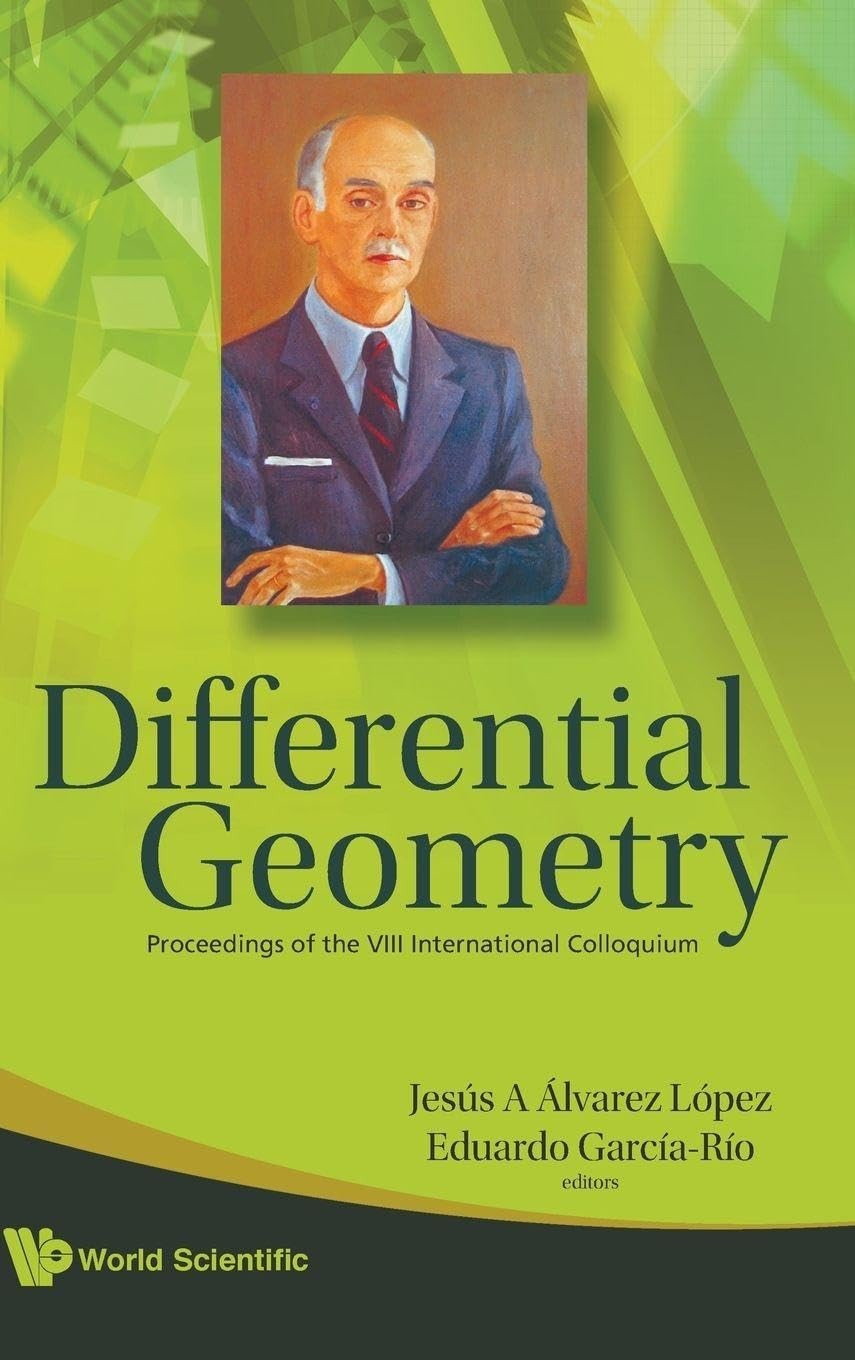
Mathematics
Differential Geometry - Proceedings of the VIII International Colloquium (English, Jesus A. Alvarez Lopez | Eduardo Garcia-Rio)
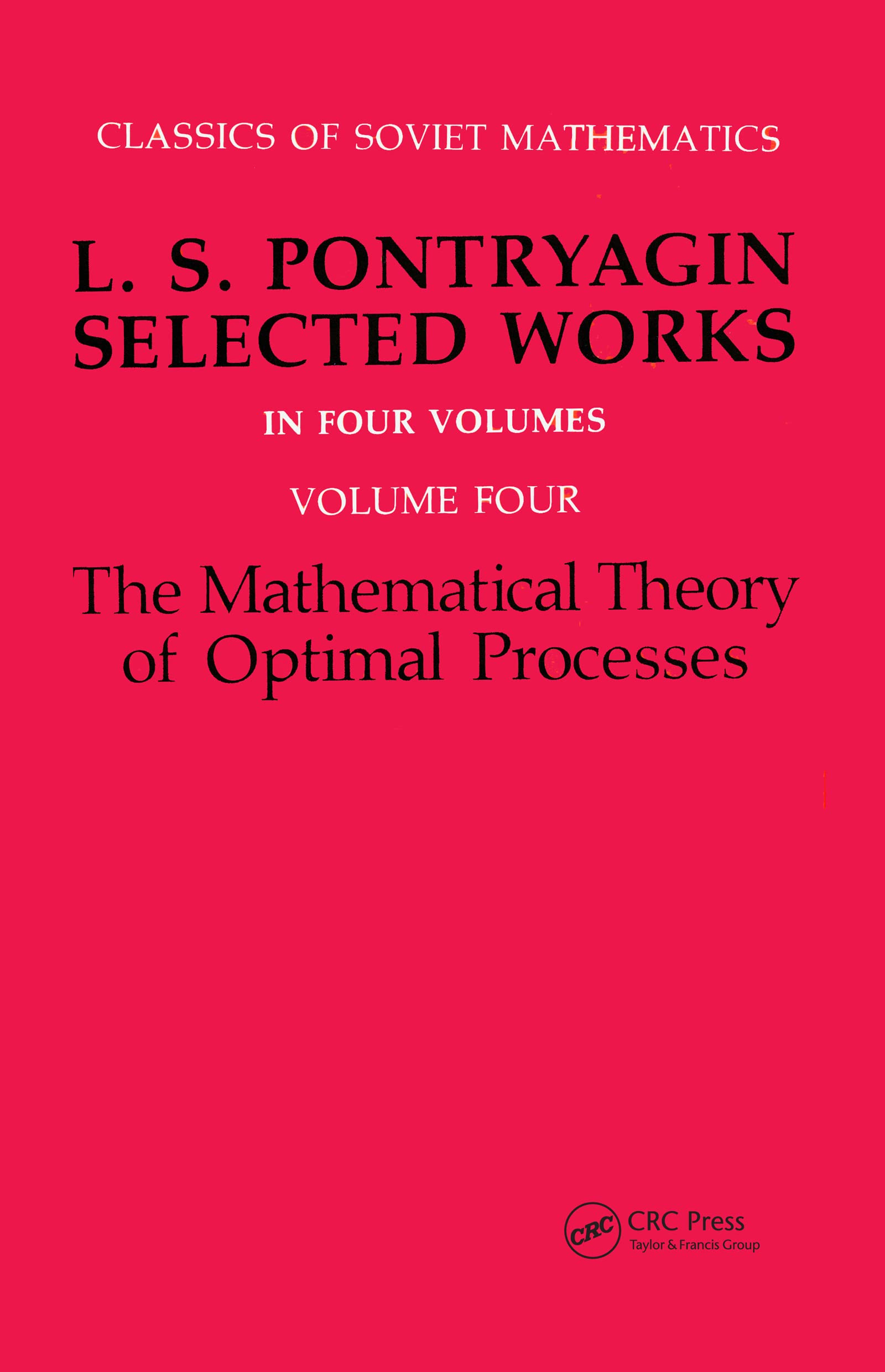
Mathematics
Mathematical Theory of Optimal Processes (Classics of Soviet Mathematics)
Related Products
View AllMathematics
Mathematical Theory of Optimal Processes (Classics of Soviet Mathematics)
Mathematics
Stereotype Spaces and Algebras: 73 (De Gruyter Expositions in Mathematics, 73)
Mathematics
Semigroups in Algebra, Geometry and Analysis: 20 (De Gruyter Expositions in Mathematics, 20)
Mathematics
Geometry from the Pacific Rim: Proceedings of the Pacific Rim Geometry Conference held at National University of Singapore, Republic of Singapore, ... 1994 (De Gruyter Proceedings in Mathematics)
Mathematics
First International Tainan-Moscow Algebra Workshop: Proceedings of the International Conference held at National Cheng Kung University Tainan, Taiwan, ... 1994 (De Gruyter Proceedings in Mathematics)
Mathematics