
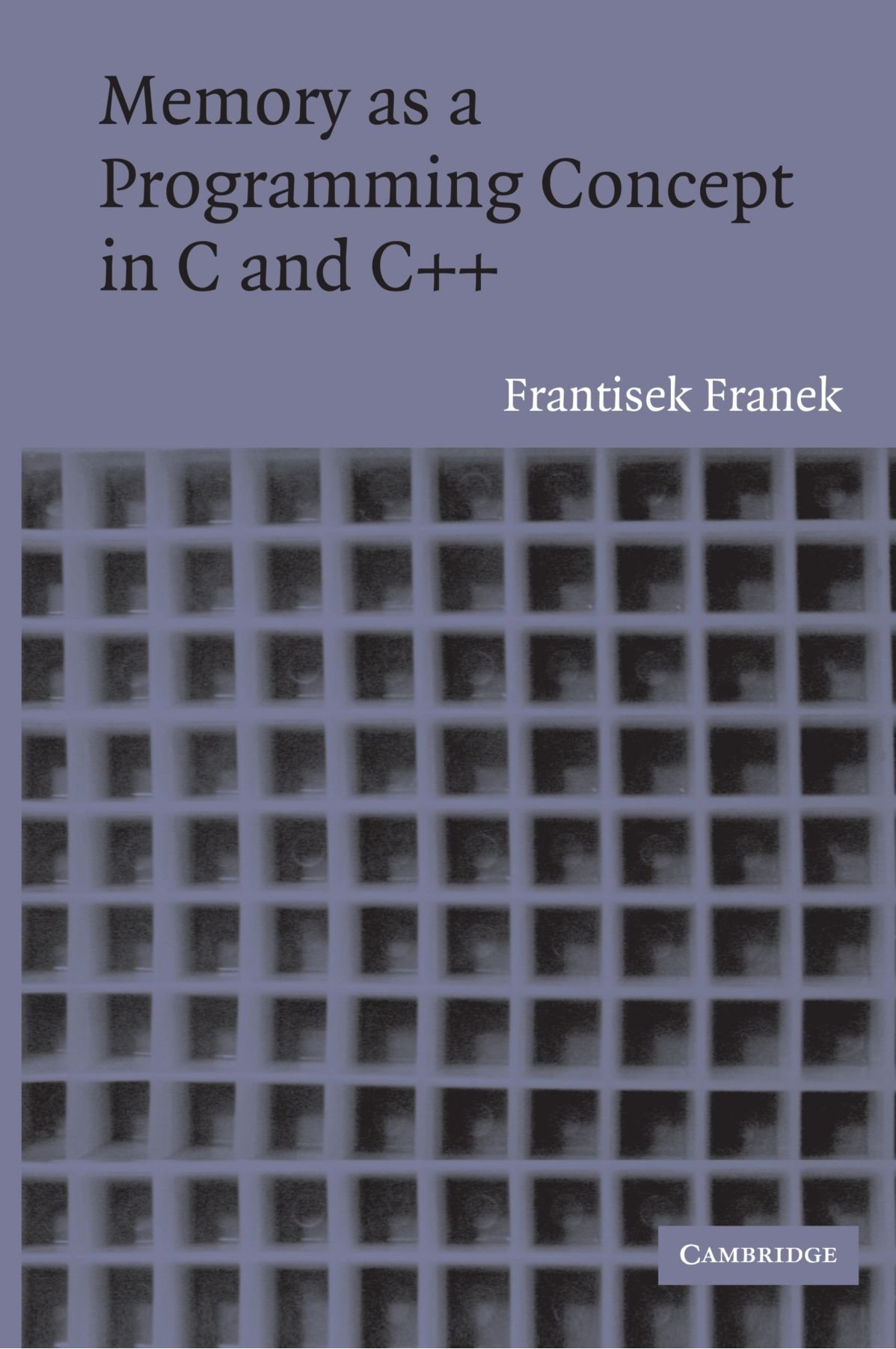
Memory as a Programming Concept in C and C++ by Frantisek Franek – A Complete Guide to Memory Management, Pointers, and
Inclusive of all applicable taxes. FREE shipping on all orders.
Available Offers
- 🚚Free Delivery — Free shipping on all orders
- 💵Cash on Delivery — Pay when your order arrives
- ↩️15-Day Easy Returns — Hassle-free return policy
- 🔒Cash on Delivery — Pay safely when your order arrives
Check Delivery
Product Description
Introduction
Memory management is the silent backbone of every C and C++ program, yet it remains one of the most misunderstood and error-prone areas for developers. Crashes, segmentation faults, memory leaks, and undefined behaviour often trace back to how memory is accessed, allocated, or freed. Written by Frantisek Franek, Memory as a Programming Concept in C and C++ bridges the critical gap between language syntax and the underlying memory model. This hardcover edition from Cambridge University Press is an essential reference for Indian students and professionals who want to write robust, efficient, and bug-free code.
Book Overview
First published in 2004, this book offers a concise yet comprehensive exploration of memory from a programmer's perspective. Unlike typical textbooks that treat memory as an afterthought, Franek places it at the centre of the discussion. The book assumes only a basic familiarity with C or C++ and systematically builds a deep understanding of how memory works, how it fails, and how to master it. It is neither a beginner's guide nor an advanced systems programming manual—it is a focused, practical treatise on memory that every serious programmer should read.
Key Highlights
- Practical focus: Directly addresses the memory-related bugs that cause the majority of software crashes.
- Language-agnostic insight: While examples are in C and C++, the concepts apply broadly to systems programming.
- Concise yet thorough: Covers stack, heap, static memory, pointers, arrays, and dynamic allocation without unnecessary fluff.
- Debugging techniques: Teaches how to use tools like Valgrind and debuggers to catch memory errors.
- Real-world relevance: Written for professionals who learn best from understanding root causes, not just syntax.
Inside the Book
The book is structured to take the reader from fundamental concepts to advanced troubleshooting. It begins with the memory layout of a process, explaining where variables live and how the stack and heap differ. Subsequent chapters delve into pointers and arrays—the most common source of confusion—and explain how they interact with memory. Dynamic memory allocation is covered in depth, including malloc, calloc, realloc, and the new operator. The author also discusses memory leaks, dangling pointers, buffer overflows, and the dreaded undefined behaviour. Each chapter includes illustrative code snippets and exercises that reinforce the material.
Key Topics
- Memory layout of a C/C++ program (text, data, BSS, heap, stack)
- Pointers, pointer arithmetic, and arrays
- Dynamic memory allocation and deallocation
- Memory leaks and how to avoid them
- Dangling pointers and double-free errors
- Buffer overflows and stack smashing
- Memory debugging tools and techniques
- Const-correctness and memory regions
- Performance implications of memory usage
Reader Benefits
By reading this book, you will gain the ability to predict and prevent memory errors before they cause crashes. You will learn to read core dumps and stack traces with confidence, use debugging tools effectively, and write code that is both memory-efficient and safe. The knowledge translates directly into fewer bugs, faster development cycles, and better performance—qualities highly valued in competitive programming, embedded systems, and enterprise software development in India. Moreover, the book helps you ace technical interviews that probe deep into memory concepts.
Learning Outcomes
- Understand the complete lifecycle of memory in C and C++ programs
- Distinguish between stack, heap, and static memory allocation
- Master pointer usage without common pitfalls
- Implement safe dynamic memory management
- Detect and fix memory leaks, dangling pointers, and buffer overflows
- Use debugging tools like Valgrind and GDB for memory analysis
- Write portable and robust code that minimises undefined behaviour
Who Should Read
This book is ideal for undergraduate and postgraduate students in computer science and engineering across Indian universities who want to go beyond syllabus-level C/C++ programming. It is equally valuable for self-taught programmers, software engineers working on system-level projects, embedded systems developers, and anyone preparing for technical interviews at top tech companies. If you have written C or C++ code and encountered mysterious crashes, this book is for you.
About the Author
Frantisek Franek is a computer scientist and educator with extensive experience in programming languages and memory management. His academic background and hands-on approach to teaching make complex topics accessible without oversimplification. He has contributed to several research papers and textbooks, with a special focus on bridging theory and practice in systems programming.
About the Publisher
Cambridge University Press is one of the world's oldest and most respected academic publishers. Known for rigorous editorial standards and high-quality content, Cambridge books are trusted by students, researchers, and professionals worldwide. This hardcover edition reflects the publisher's commitment to producing durable, well-edited technical references that stand the test of time.
Conclusion
Memory as a Programming Concept in C and C++ is not just another programming book—it is a survival guide for anyone who writes C or C++ code. In a field where a single memory error can cost hours of debugging, understanding memory is not optional. Frantisek Franek delivers a clear, concise, and practical resource that transforms a daunting topic into a manageable skill. Whether you are a student in Bengaluru, a developer in Pune, or a hobbyist in Delhi, this book will elevate your programming to the next level. Order your copy from Bookshops.in today and take control of your code's memory.
Quick Summary
Memory as a Programming Concept in C and C++ by Frantisek Franek is an essential guide for anyone looking to master memory management in two of the most widely used programming languages. The book dives deep into how memory is allocated, accessed, and freed, explaining the underlying mechanisms that often lead to bugs and crashes. It covers pointers, dynamic memory, stack vs heap, and common pitfalls like memory leaks and buffer overflows, all while providing practical debugging strategies. Written for Indian students and professional programmers, the book assumes only a basic knowledge of C or C++ and builds up to a thorough understanding of memory's role in program behavior. Published by Cambridge University Press, this hardcover edition is a valuable resource for computer science courses and self-study. By purchasing from Bookshops.in, customers get a genuine, high-quality print book delivered across India, backed by reliable service and competitive pricing.
Book Highlights
Book Specifications
| ISBN-13 | 9780521520430 |
| ISBN-10 | 0521520436 |
| Publisher | Cambridge University Press |
| Language | English |
| Dimensions | 15.21 x 1.57 x 22.89 cm |
| Weight | 365 g |
| Country | India |
| Category | Languages › C & C++ |
| Genre | Non-fiction |
| Original Language | English |
Frequently Asked Questions
What is the main focus of this book?
Who is the author of this book?
Is this book suitable for beginners?
Does the book cover both C and C++?
What are some key topics covered?
How is this book different from other C/C++ books?
Is this book used in Indian universities?
Does the book include practical examples?
Is the book available in hardcover?
Can this book help with interview preparation?
Does the book cover modern C++ features?
Is the book written in English?
Where can I buy this book in India?
Readers Also Search For
Customers Also Bought

Programming
Algorithmische Sprache Und Programmentwicklung | by H. Partsch | F. L. Bauer | P. Pepper | Springer | by H. Partsch | F. L. Bauer | P. Pepper | Springer | by H. Partsch | F. L. Bauer | P. Pepper | Springer | by H. Partsch | F. L. Bauer | P. Pepper | Springer | by H. Partsch | F. L. Bauer | P. Pepper | Springer | by H. Partsch | F. L. Bauer | P. Pepper | Springer | by H. Partsch | F. L. Bauer | P. Pepper | Springer | by H. Partsch | F. L. Bauer | P. Pepper | Springer | by H. Partsch | F. L. Bauer
Programming
Distributed Algorithms | by Jean-Claude Bermond | Michel Raynal | Springer | by Jean-Claude Bermond | Michel Raynal | Springer | by Jean-Claude Bermond | Michel Raynal | Springer | by Jean-Claude Bermond | Michel Raynal | Springer | by Jean-Claude Bermond | Michel Raynal | Springer | by Jean-Claude Bermond | Michel Raynal | Springer | by Jean-Claude Bermond | Michel Raynal | Springer | by Jean-Claude Bermond | Michel Raynal | Springer | by Jean-Claude Bermond | Michel Raynal | Springer | by Jean
Programming
Meta-Level Control for Deductive Database Systems | by Helmut Schmidt | Springer | by Helmut Schmidt | Springer | by Helmut Schmidt | Springer | by Helmut Schmidt | Springer | by Helmut Schmidt | Springer | by Helmut Schmidt | Springer | by Helmut Schmidt | Springer | by Helmut Schmidt | Springer | by Helmut Schmidt | Springer | by Helmut Schmidt | Springer | by Helmut Schmidt | Springer | by Helmut Schmidt | Springer | by Helmut Schmidt | Springer | by Helmut Schmidt | Springer | by Helmut Schm
Programming
Java Web Services | by David A. Chappell | Tyler Jewell | O'Reilly Media | by David A. Chappell | Tyler Jewell | O'Reilly Media | by David A. Chappell | Tyler Jewell | O'Reilly Media | by David A. Chappell | Tyler Jewell | O'Reilly Media | by David A. Chappell | Tyler Jewell | O'Reilly Media | by David A. Chappell | Tyler Jewell | O'Reilly Media | by David A. Chappell | Tyler Jewell | O'Reilly Media | by David A. Chappell | Tyler Jewell | O'Reilly Media | by David A. Chappell | Tyler Jewell | O'
Programming
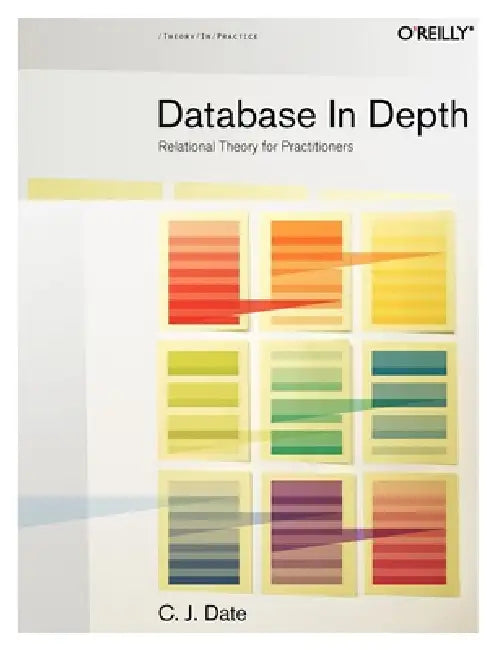
Database in Depth | by Chris J. Date | O'Reilly Media | by Chris J. Date | O'Reilly Media | by Chris J. Date | O'Reilly Media | by Chris J. Date | O'Reilly Media | by Chris J. Date | O'Reilly Media | by Chris J. Date | O'Reilly Media | by Chris J. Date | O'Reilly Media | by Chris J. Date | O'Reilly Media | by Chris J. Date | O'Reilly Media | by Chris J. Date | O'Reilly Media | by Chris J. Date | O'Reilly Media | by Chris J. Date | O'Reilly Media | by Chris J. Date | O'Reilly Media | by Chris J.
Programming
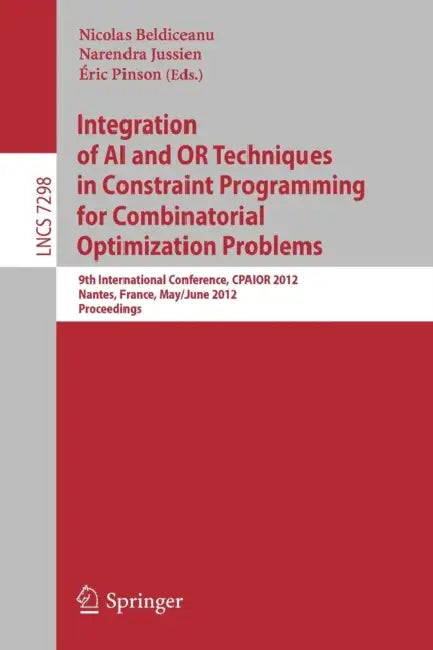
Integration of AI and OR Techniques in Constraint Programming for Combinatorial Optimization Problem | by Nicolas Beldiceanu | Narendra Jussien | Eric Pinson | Springer | by Nicolas Beldiceanu | Narendra Jussien | Eric Pinson | Springer | by Nicolas Beldiceanu | Narendra Jussien | Eric Pinson | Springer | by Nicolas Beldiceanu | Narendra Jussien | Eric Pinson | Springer | by Nicolas Beldiceanu | Narendra Jussien | Eric Pinson | Springer | by Nicolas Beldiceanu | Narendra Jussien | Eric Pinson |
Related Products
View All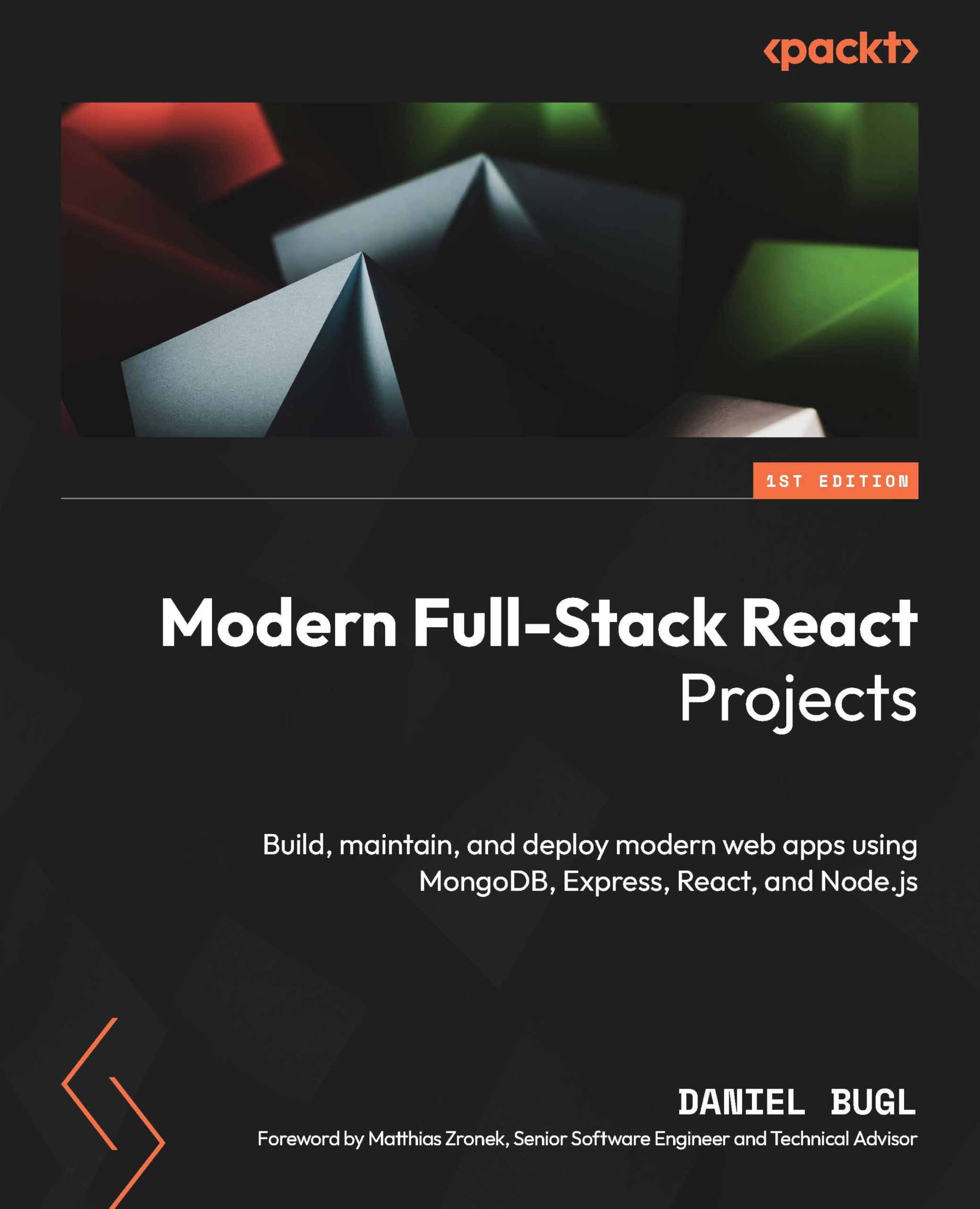
Computers & Internet
Modern Full-Stack React Projects by Daniel Bugl
Computers & Internet
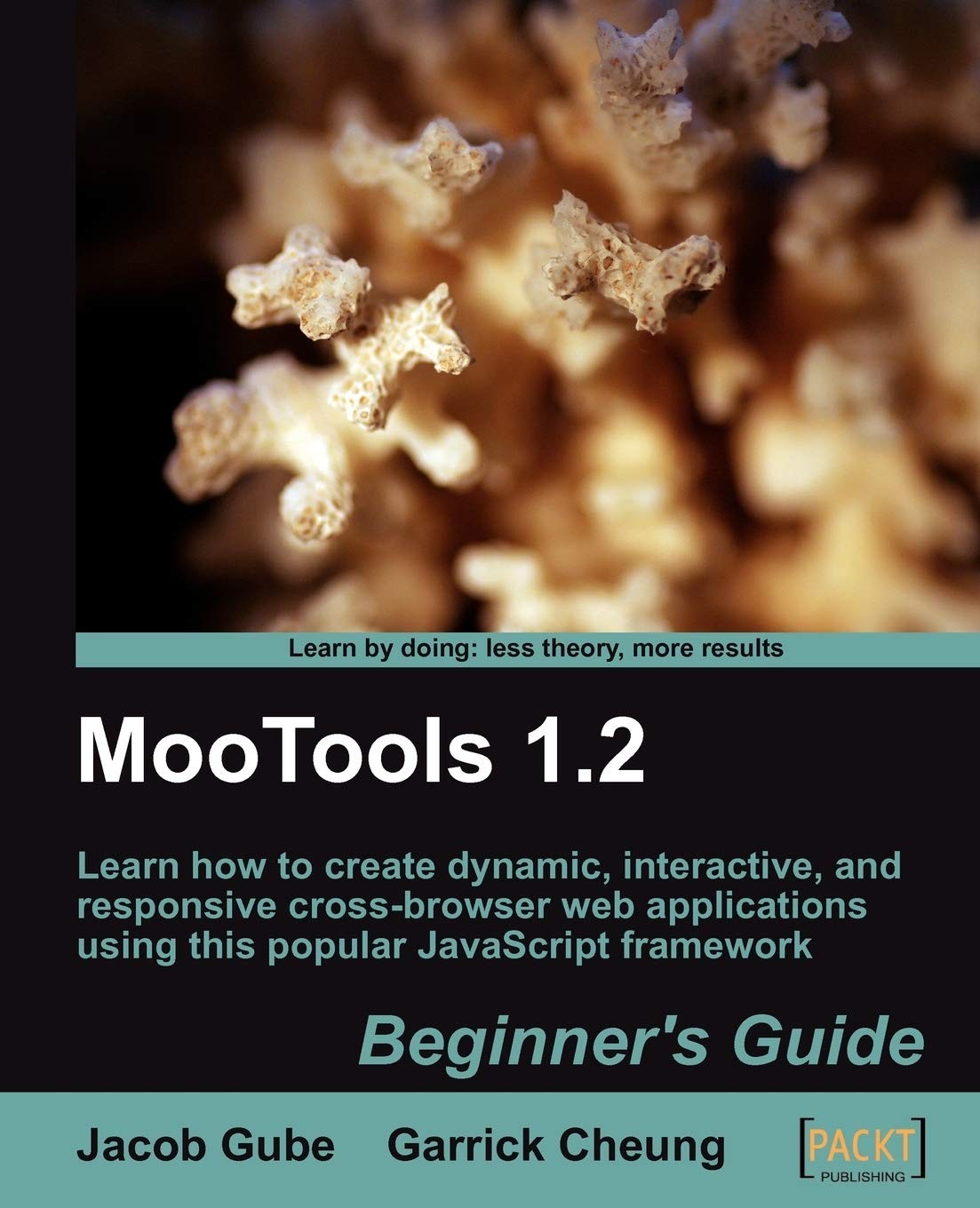
Mootools 1.2 Beginner's Guide (English, Jacob Gube)
Computers & Internet
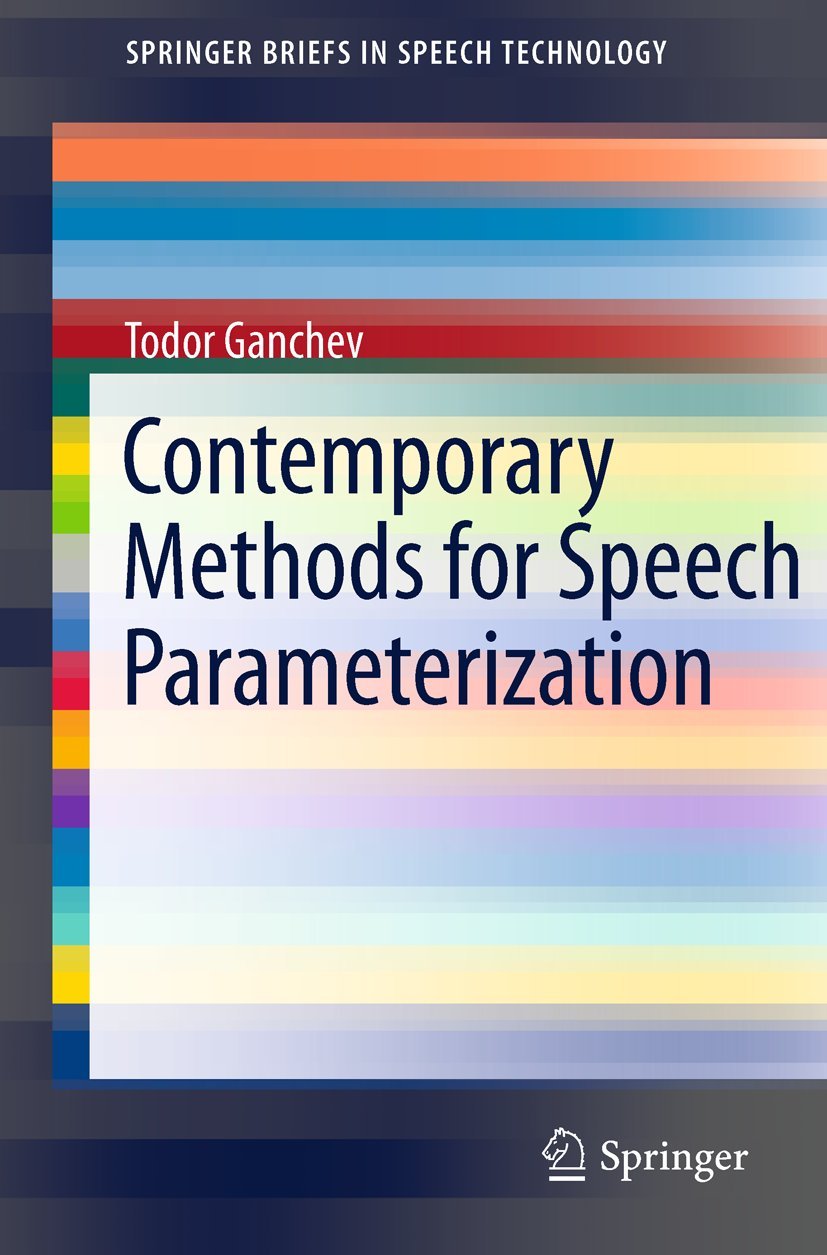
Contemporary Methods for Speech Parameterization (Springerbriefs in Electrical and Computer Engineering / Springerbriefs in Speech Technology)

Computers & Internet
Information Technology and Lawyers | by Arno R. Lodder | Anja Oskamp | Springer | by Arno R. Lodder | Anja Oskamp | Springer | by Arno R. Lodder | Anja Oskamp | Springer | by Arno R. Lodder | Anja Oskamp | Springer | by Arno R. Lodder | Anja Oskamp | Springer | by Arno R. Lodder | Anja Oskamp | Springer | by Arno R. Lodder | Anja Oskamp | Springer | by Arno R. Lodder | Anja Oskamp | Springer | by Arno R. Lodder | Anja Oskamp | Springer | by Arno R. Lodder | Anja Oskamp | Springer | by Arno R. Lo

Computers & Internet
Digital Analysis of Remotely Sensed Imagery | by Jay Gao | McGraw-Hill Companies | by Jay Gao | McGraw-Hill Companies | by Jay Gao | McGraw-Hill Companies | by Jay Gao | McGraw-Hill Companies | by Jay Gao | McGraw-Hill Companies | by Jay Gao | McGraw-Hill Companies | by Jay Gao | McGraw-Hill Companies | by Jay Gao | McGraw-Hill Companies | by Jay Gao | McGraw-Hill Companies | by Jay Gao | McGraw-Hill Companies | by Jay Gao | McGraw-Hill Companies | by Jay Gao | McGraw-Hill Companies | by Jay Gao
Computers & Internet