
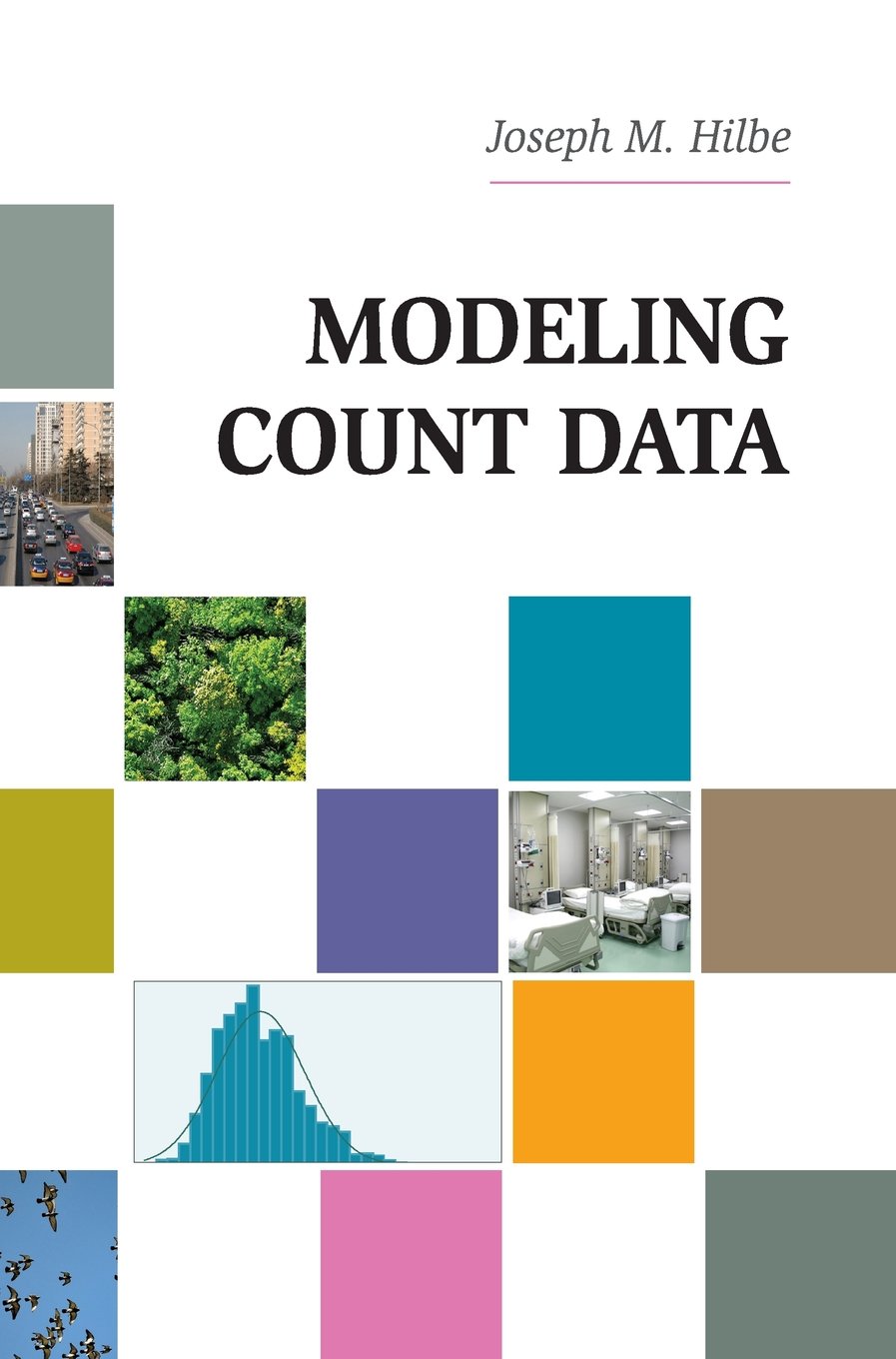
Modeling Count Data: A Comprehensive Guide to Poisson, Negative Binomial & Overdispersion Models by Joseph M. Hilbe
Inclusive of all applicable taxes. FREE shipping on all orders.
Available Offers
- 🚚Free Delivery — Free shipping on all orders
- 💵Cash on Delivery — Pay when your order arrives
- ↩️15-Day Easy Returns — Hassle-free return policy
- 🔒Cash on Delivery — Pay safely when your order arrives
Check Delivery
Product Description
Introduction
Welcome to a rigorous yet accessible journey into the world of count data modeling. Whether you are a postgraduate student in statistics, a researcher in the life sciences, or a data analyst working in econometrics or transportation, this book is designed to equip you with the tools you need to handle discrete, non-negative integer outcomes with confidence. Written by a leading authority in statistical modeling, this hardcover edition from Cambridge University Press is an essential addition to any serious academic or professional library in India.
Book Overview
Modeling Count Data by Joseph M. Hilbe offers a clear, step-by-step introduction to the analysis of count response variables. The book begins with the foundational Poisson model and systematically progresses through overdispersion, negative binomial regression, zero-inflated models, hurdle models, and other extensions. Each concept is illustrated with practical examples and annotated code in Stata, R, and SAS, making it easy for readers to apply the methods to their own datasets. The text is structured to be self-contained, assuming only a basic familiarity with regression and probability theory.
Key Highlights
- Comprehensive coverage – from Poisson regression to advanced count models, including zero-truncated, zero-inflated, and multilevel count models.
- Practical code examples – ready-to-run programs in Stata, R, and SAS that you can adapt for your own research.
- Real-world datasets – numerous case studies from health, ecology, economics, and transportation demonstrate the application of each model.
- Clear pedagogical design – tables, insets, and bullet-point summaries help you grasp key concepts quickly.
- Focus on interpretation – learn how to present and communicate your results effectively to both technical and non-technical audiences.
Inside the Book
The book is organized into twelve well-structured chapters. Early chapters provide a refresher on essential statistical concepts and introduce the Poisson model with detailed diagnostics. Subsequent chapters tackle overdispersion, negative binomial models, and the various modifications needed when data exhibit excess zeros, truncation, or clustering. Each chapter includes exercises and solutions, making it ideal for classroom use or self-study. The final chapter offers guidance on model selection and validation, ensuring you can confidently choose the right model for your data.
Key Topics
- Poisson regression and its assumptions
- Overdispersion detection and negative binomial models
- Zero-inflated and hurdle models
- Truncated count models
- Multilevel and longitudinal count data
- Model fit assessment and comparison
- Bayesian approaches to count data
- Simulation and power analysis for count outcomes
Reader Benefits
By studying this book, you will gain the ability to critically evaluate published research that uses count data, design your own studies with appropriate sample sizes, and produce reproducible analyses using open-source or commercial software. The emphasis on practical implementation means you can start applying the methods immediately, even if you have limited programming experience. For Indian researchers, the examples drawn from epidemiology, agricultural statistics, and econometrics are particularly relevant to local contexts.
Learning Outcomes
- Understand the fundamental differences between continuous and count data models.
- Fit and interpret Poisson and negative binomial models using Stata, R, or SAS.
- Diagnose and correct for overdispersion, zero-inflation, and data truncation.
- Select the most appropriate count model for a given research question.
- Communicate statistical findings clearly in reports and publications.
- Apply advanced techniques such as multilevel and longitudinal count modeling.
Who Should Read
This book is ideal for graduate students in statistics, biostatistics, econometrics, and data science. It is also highly valuable for practicing researchers in public health, ecology, transportation engineering, and any field where count responses are common. The accessible writing style makes it suitable for those with only one or two semesters of introductory statistics. Professors will find it a perfect textbook for a one-semester course on count data analysis.
About the Author
Joseph M. Hilbe is a renowned statistician and author, known for his pioneering work in count data modeling. He is a Professor Emeritus at Arizona State University and an adjunct professor at the University of Hawaii. With over 40 years of experience, he has authored multiple influential texts, including Negative Binomial Regression and Logistic Regression Models. His clear, example-driven teaching style has helped thousands of researchers worldwide master complex statistical methods.
About the Publisher
Cambridge University Press is a world-leading academic publisher with a rich history dating back to 1534. Known for its rigorous peer-review process and high-quality scholarly works, CUP publishes textbooks and reference materials that set the standard in their fields. This hardcover edition is printed on acid-free paper and bound to withstand years of heavy use in libraries and labs across India.
Conclusion
Modeling Count Data is more than a textbook—it is a practical companion for anyone who works with counts. With its blend of theory, code, and real-world examples, it empowers you to move beyond simple Poisson models and embrace the full richness of modern count data analysis. Order your copy today from Bookshops.in and take your statistical skills to the next level.
Quick Summary
Modeling Count Data by Joseph M. Hilbe is a practical, entry-level guide designed for researchers who need to analyze count data but may lack an advanced statistics background. The book begins with the Poisson model, explaining its assumptions and applications, then moves to the critical issue of overdispersion and the negative binomial model. It covers a wide range of extensions, including zero-inflated, hurdle, and truncated models, all illustrated with real-world examples from health, ecology, and econometrics. One of the book's greatest strengths is its inclusion of annotated code in Stata, R, and SAS, enabling readers to immediately apply the methods to their own data. The author provides clear guidelines on model selection, interpretation, and diagnostics, supported by numerous tables and insets for quick reference. Indian students and researchers will find the step-by-step approach invaluable for thesis work, research papers, or professional projects. By purchasing from Bookshops.in, you get a genuine hardcover edition at a competitive price, backed by reliable delivery and customer service across India.
Book Highlights
Book Specifications
| ISBN-13 | 9781107028333 |
| ISBN-10 | 1107028337 |
| Publisher | Cambridge University Press |
| Language | English |
| Dimensions | 18.42 x 2.54 x 24.13 cm |
| Weight | 660 g |
| Country | India |
| Category | Mathematics › Statistics |
| Genre | Non-fiction |
| Reading Age | Adult |
| Original Language | English |
Frequently Asked Questions
What is count data modeling?
Who is Joseph M. Hilbe?
Do I need a strong statistics background to read this book?
Which software is covered in the book?
Is this book suitable for Indian researchers?
What is the difference between Poisson and negative binomial models?
Does the book cover zero-inflated models?
Can I use this book for self-study?
What topics are covered in the early chapters?
Is there a focus on model diagnostics?
Does the book include real-world examples?
Is this book available in hardcover?
How is this book different from other statistics textbooks?
Readers Also Search For
Customers Also Bought
Mathematics
Stereotype Spaces and Algebras: 73 (De Gruyter Expositions in Mathematics, 73)
Mathematics
Semigroups in Algebra, Geometry and Analysis: 20 (De Gruyter Expositions in Mathematics, 20)
Mathematics
Geometry from the Pacific Rim: Proceedings of the Pacific Rim Geometry Conference held at National University of Singapore, Republic of Singapore, ... 1994 (De Gruyter Proceedings in Mathematics)
Mathematics
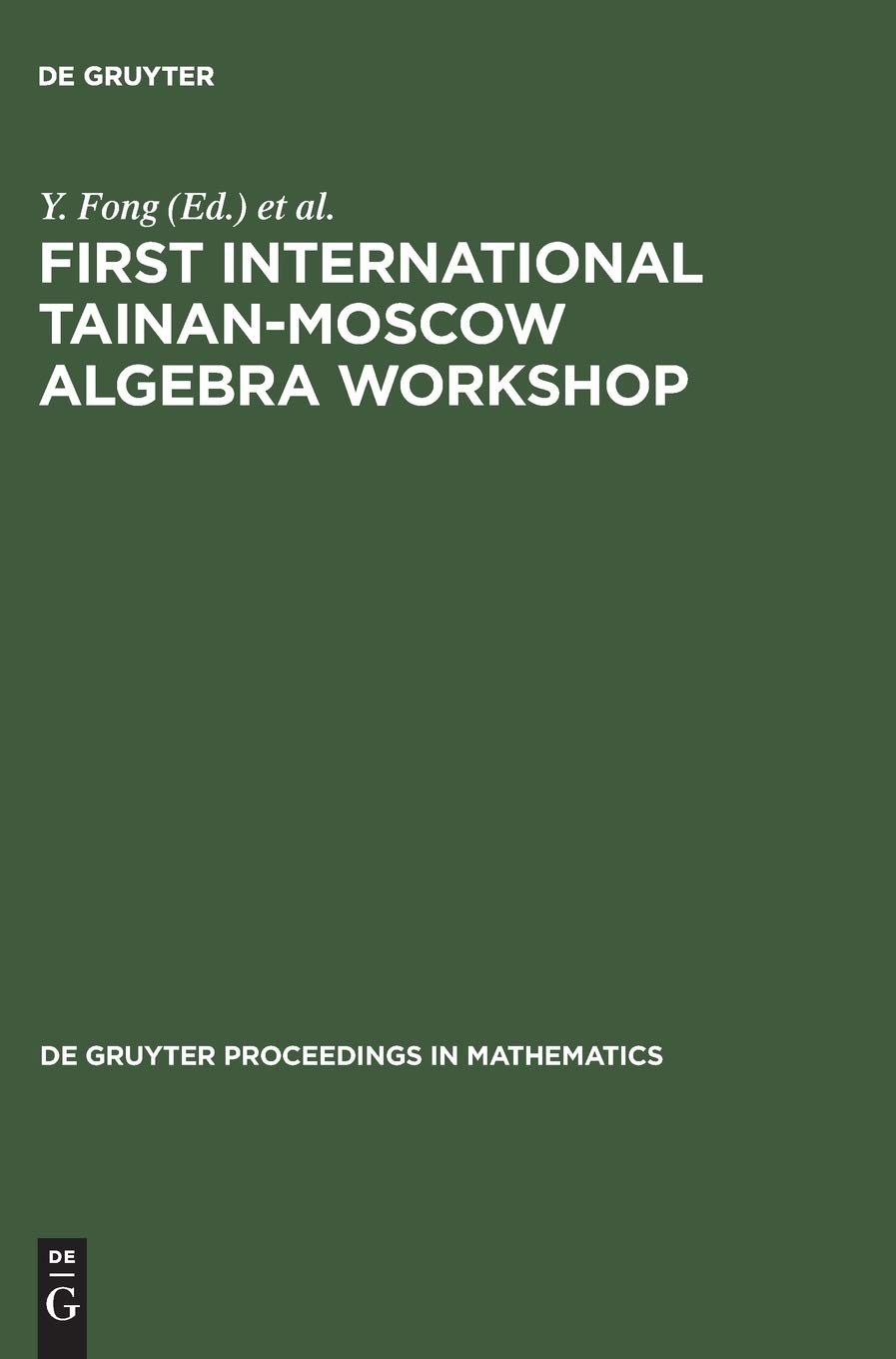
First International Tainan-Moscow Algebra Workshop: Proceedings of the International Conference held at National Cheng Kung University Tainan, Taiwan, ... 1994 (De Gruyter Proceedings in Mathematics)

Mathematics
Differential Geometry - Proceedings of the VIII International Colloquium (English, Jesus A. Alvarez Lopez | Eduardo Garcia-Rio)
Mathematics
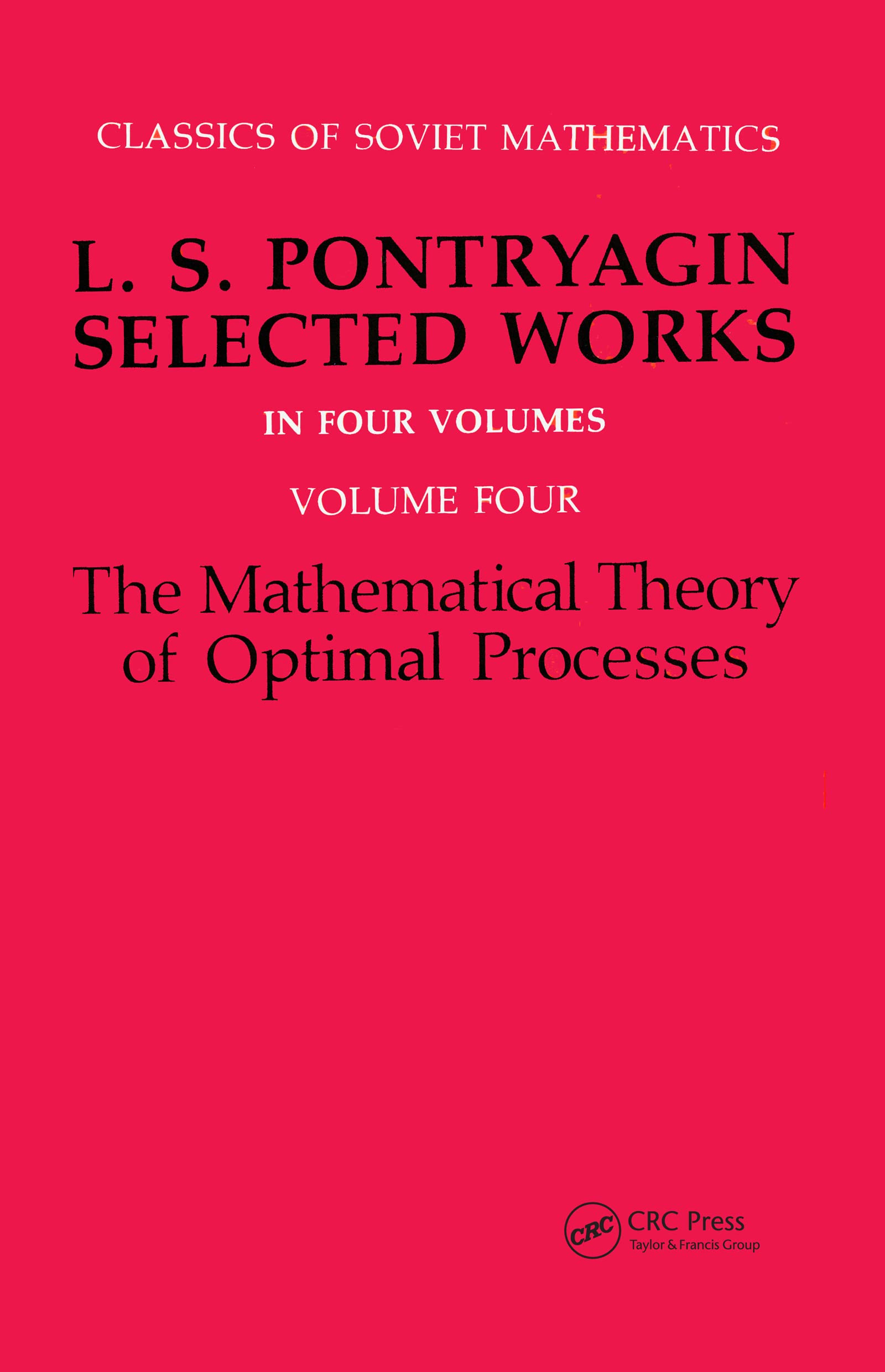
Mathematical Theory of Optimal Processes (Classics of Soviet Mathematics)
Related Products
View All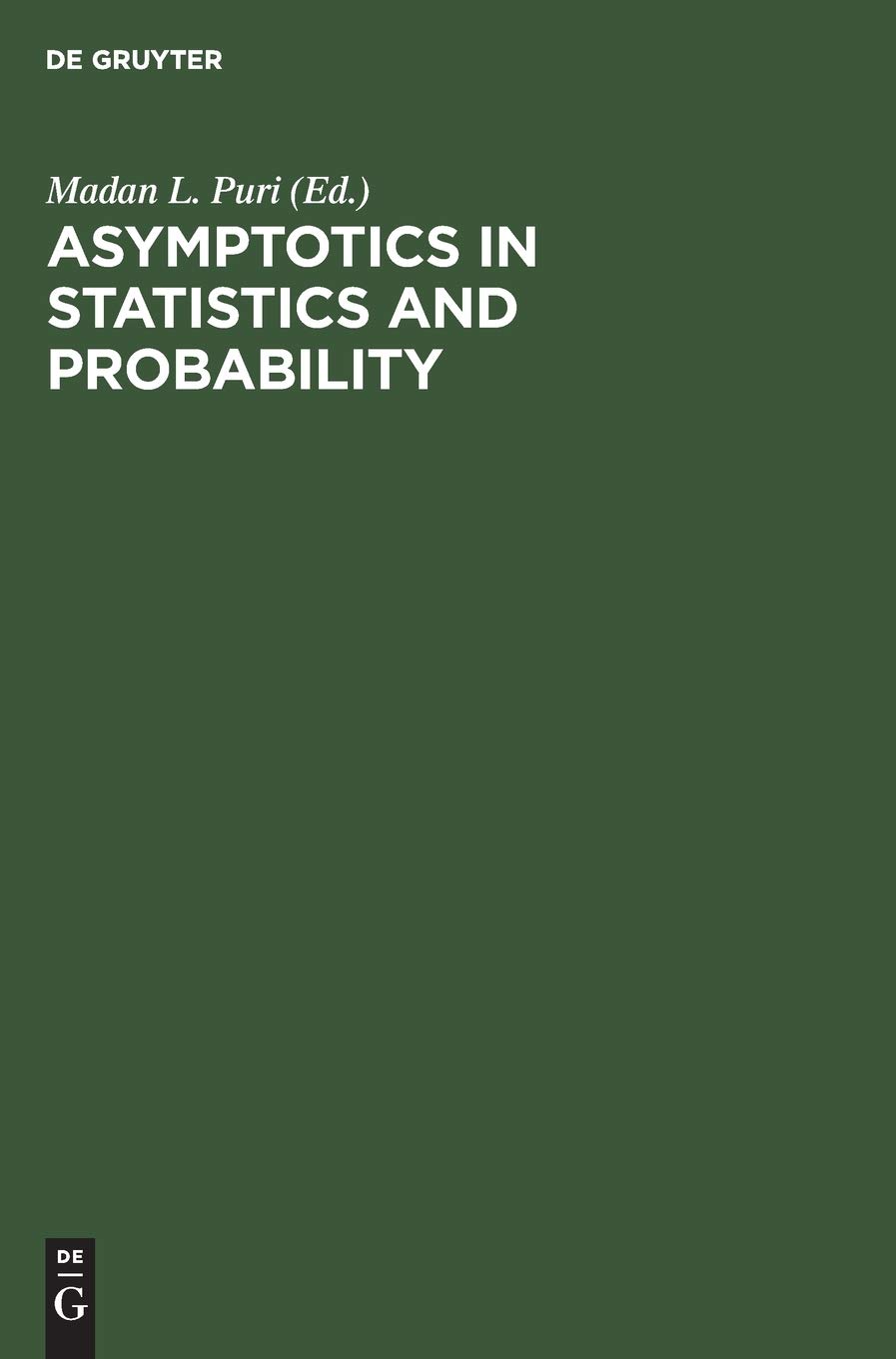
Statistics
Asymptotics in Statistics and Probability: Papers in Honor of George Gregory Roussas
Statistics
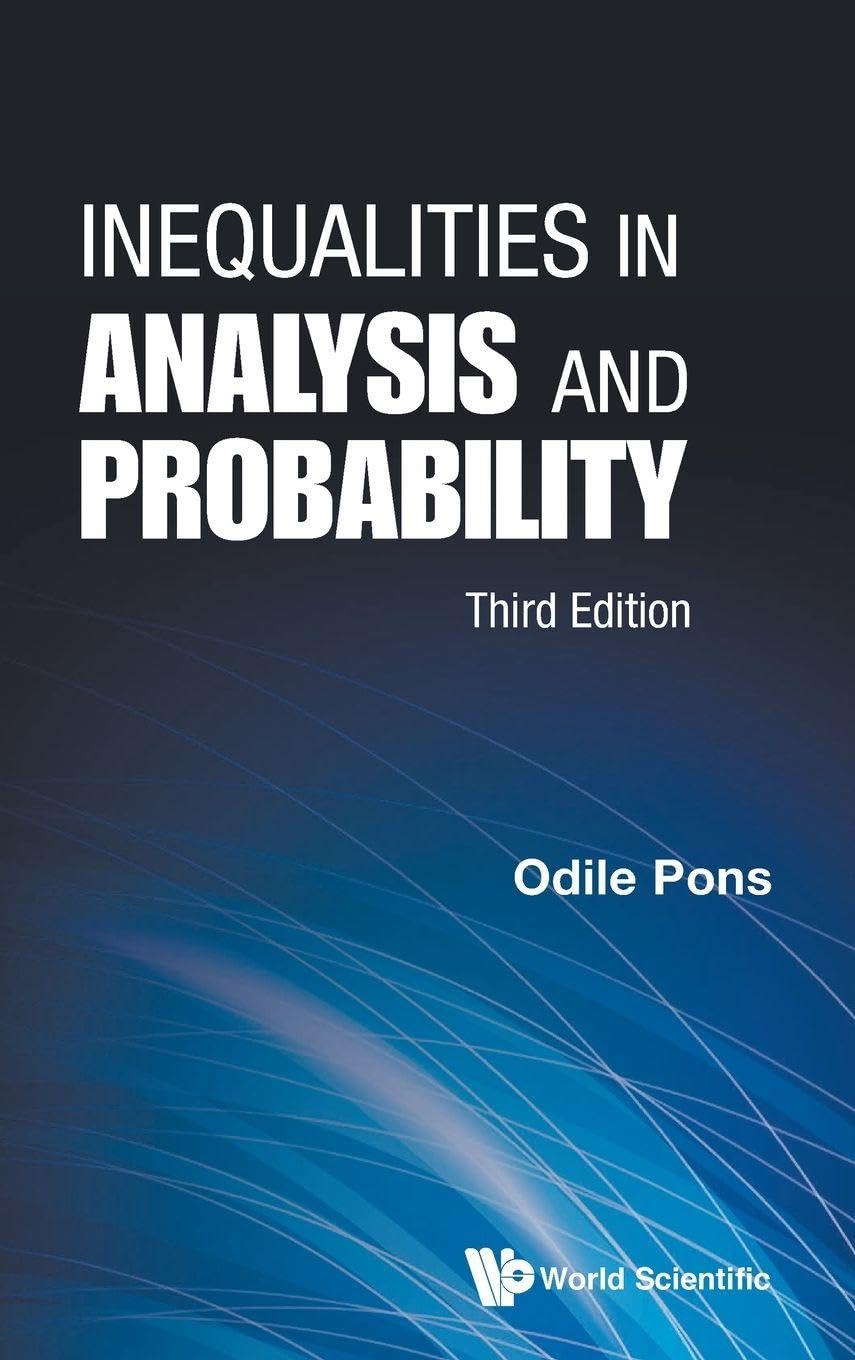
Inequalities in Analysis and Probability: 3rd Edition
Statistics
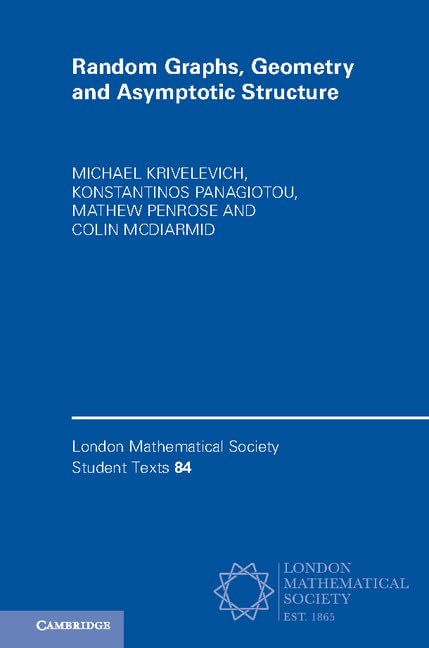
Random Graphs, Geometry and Asymptotic Structure
Statistics
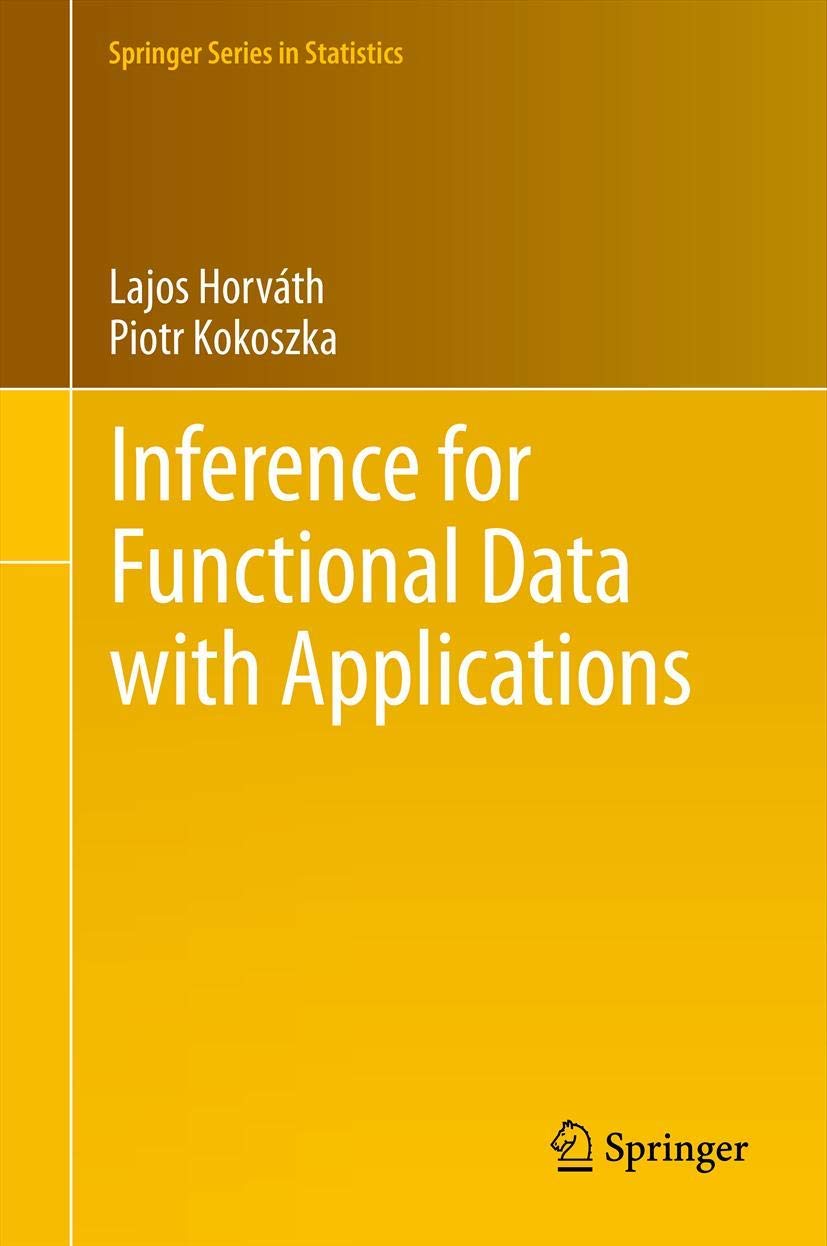
Inference for Functional Data With Applications: 200 (Springer Series in Statistics, 692)
Statistics
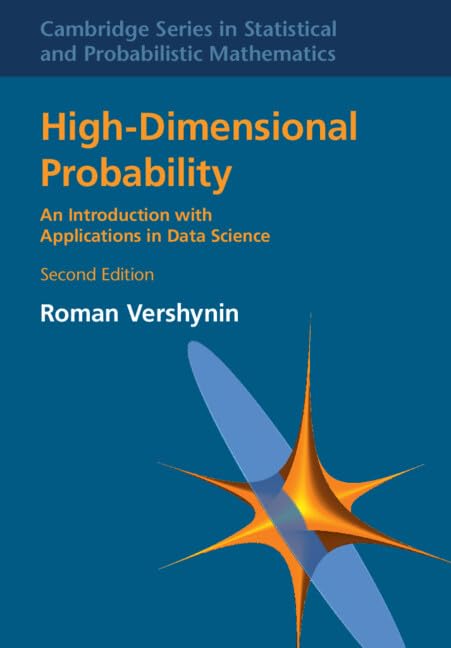
High-Dimensional Probability: An Introduction with Applications in Data Science (Cambridge Series in Statistical and Probabilistic Mathematics)
Statistics