
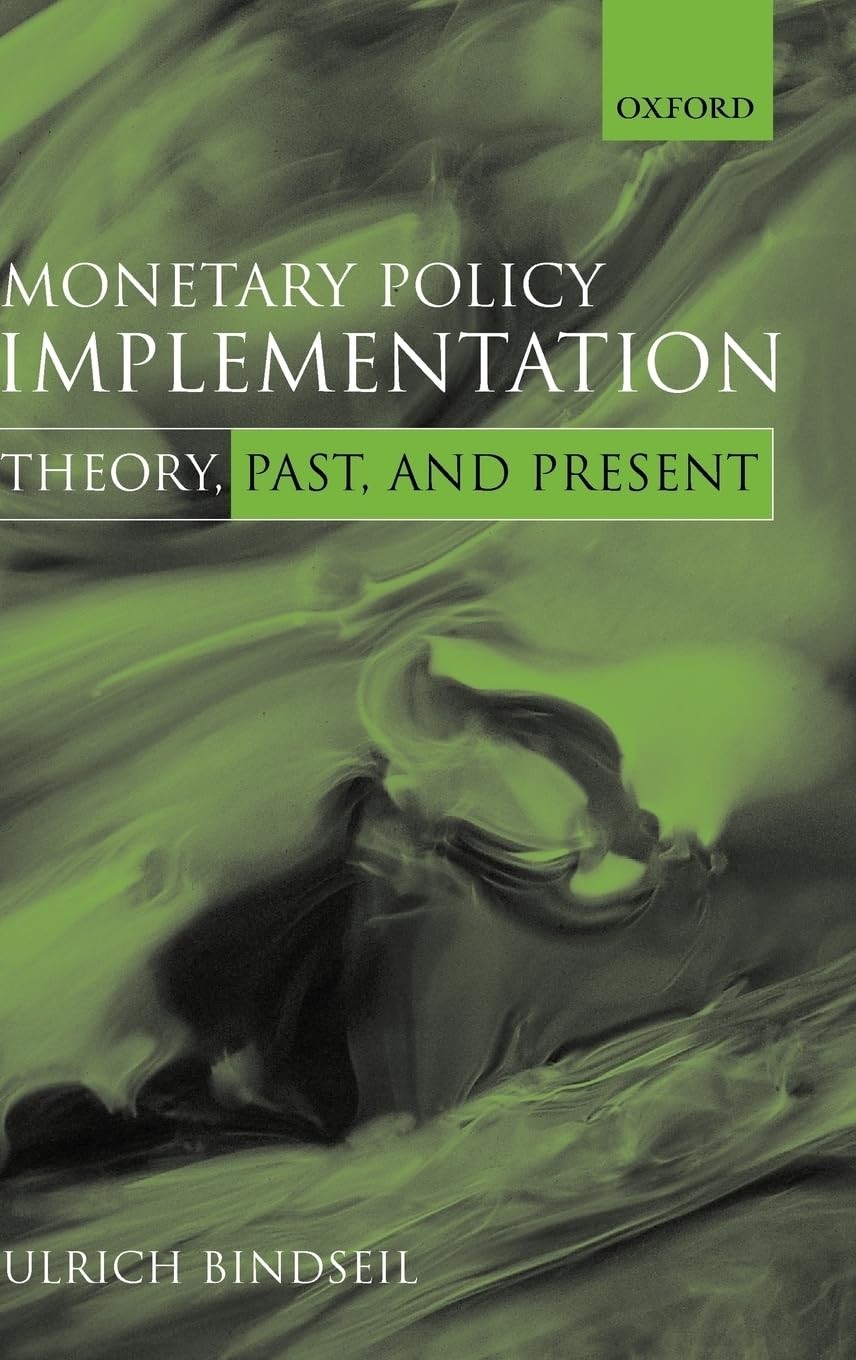
Monetary Policy Implementation: Theory, Past, and Present by Ulrich Bindseil – A Detailed Study of Central Banking and I
Inclusive of all applicable taxes. FREE shipping on all orders.
Available Offers
- 🚚Free Delivery — Free shipping on all orders
- 💵Cash on Delivery — Pay when your order arrives
- ↩️15-Day Easy Returns — Hassle-free return policy
- 🔒Cash on Delivery — Pay safely when your order arrives
Check Delivery
Product Description
Introduction
In the ever-evolving world of central banking and financial systems, few books offer the depth and clarity found in Monetary Policy Implementation: Theory, Past, and Present by Ulrich Bindseil. Published by OUP Oxford, this hardcover volume is a must-have for Indian economics students, policymakers, and finance professionals who seek a rigorous yet accessible understanding of how monetary policy is actually executed. From the quiet end of reserve position doctrine to the modern focus on short-term interest rates, this book bridges historical wisdom with contemporary practice, making it an indispensable resource for academic and professional libraries alike.
Book Overview
This seminal work is the first of its kind to be entirely dedicated to the implementation of monetary policy—moving beyond abstract theories to explore the nuts and bolts of how central banks manage liquidity, influence interest rates, and steer economies. Bindseil traces the journey from the early 20th-century reserve position dogma, which dominated US central banking for six decades, to the return of interest rate targeting—a restoration of principles established in the late 19th century. The book provides a simple yet powerful theoretical framework for understanding the three main instruments of monetary policy: open market operations, standing facilities, and reserve requirements. Through meticulous historical analysis and practical insights, readers gain a panoramic view of how monetary policy implementation has transformed over the last twenty years, shaping the financial world we live in today.
Key Highlights
- First comprehensive volume dedicated solely to the implementation of monetary policy, filling a critical gap in economic literature.
- Clear theoretical framework that simplifies complex concepts for students and practitioners alike.
- Historical depth covering the rise and fall of reserve position doctrine, supported by Keynesian and monetarist thought.
- Detailed analysis of the three core instruments: open market operations, standing facilities, and reserve requirements.
- Global relevance with examples from US, European, and central banking systems, offering valuable lessons for Indian monetary policy.
Inside the Book
Divided into well-structured chapters, the book begins with a foundational theory of monetary policy implementation, explaining the role of central bank balance sheets and the money market. It then delves into the historical evolution, contrasting the reserve position doctrine with modern interest rate targeting. Subsequent chapters explore each instrument in depth—how open market operations are conducted, how standing facilities act as safety valves, and how reserve requirements influence bank behaviour. The final sections synthesise these elements, offering a forward-looking perspective on the challenges and innovations in monetary policy. Each chapter is enriched with data, diagrams, and real-world case studies, making abstract concepts tangible.
Key Topics
- Theoretical foundations of monetary policy implementation and central bank operations.
- Historical evolution from reserve position doctrine to interest rate targeting.
- Open market operations as the primary tool for liquidity management.
- Standing facilities and their role in stabilising short-term rates.
- Reserve requirements as a regulatory and monetary instrument.
- Central bank independence and credibility in policy execution.
- Lessons from the 20th century for contemporary monetary frameworks.
Reader Benefits
- Deepen your understanding of how central banks actually control money supply and interest rates, beyond textbook models.
- Gain historical perspective to appreciate why current practices evolved the way they did, especially relevant for India's developing financial system.
- Master the three instruments that every central banker uses, with clear examples and operational details.
- Enhance analytical skills by connecting theory with real-world policy decisions and crises.
- Prepare for competitive exams and academic research with authoritative content from a leading scholar.
Learning Outcomes
After reading this book, you will be able to: explain the mechanics of monetary policy implementation with confidence; differentiate between reserve position doctrine and interest rate targeting; analyse the effectiveness of open market operations, standing facilities, and reserve requirements in various economic contexts; trace the historical shifts that shaped modern central banking; and apply theoretical insights to evaluate contemporary monetary policy frameworks, including those of the Reserve Bank of India. The knowledge gained will empower you to engage in informed debates on monetary policy, whether in the classroom, boardroom, or policy forum.
Who Should Read
- Economics students at undergraduate and postgraduate levels seeking a specialised text on monetary policy.
- Banking and finance professionals working in treasury, risk management, or central banking.
- Policymakers and analysts at institutions like the Reserve Bank of India, NITI Aayog, and finance ministries.
- Researchers and academics focusing on monetary economics, financial markets, and central banking history.
- Competitive exam aspirants preparing for UPSC, RBI Grade B, NABARD, and other economics-oriented exams.
About the Author
Ulrich Bindseil is a distinguished economist and a leading authority on monetary policy implementation. With decades of experience at the European Central Bank, where he has held senior positions including Director General of Market Operations, Bindseil brings unparalleled practical expertise to his writing. His research spans monetary theory, financial stability, and central bank operations, and he has published extensively in top academic journals. This book reflects his unique ability to combine rigorous theory with hands-on knowledge, making complex topics accessible to a wide audience.
About the Publisher
OUP Oxford is one of the world's most respected academic publishers, known for its commitment to excellence in research, scholarship, and education. With a rich history dating back to the 16th century, OUP publishes authoritative works across all disciplines, including economics. This hardcover edition is produced to the highest standards of quality, ensuring durability and readability for years to come. For Indian readers, OUP Oxford titles are synonymous with credibility and intellectual rigour, making this book a trusted addition to any serious library.
Conclusion
Monetary Policy Implementation: Theory, Past, and Present is more than a textbook—it is a comprehensive guide that illuminates the inner workings of central banking. Whether you are a student grappling with monetary theory, a professional navigating financial markets, or a policymaker shaping economic strategy, this book offers the clarity and depth you need. By tracing the evolution from reserve position doctrine to modern interest rate targeting, Ulrich Bindseil provides a timeless resource that will enrich your understanding of how money, banks, and central banks interact. Order your hardcover copy from Bookshops.in today and elevate your knowledge of one of the most critical aspects of modern economics.
Quick Summary
Monetary Policy Implementation: Theory, Past, and Present by Ulrich Bindseil is a groundbreaking academic work that offers the first comprehensive analysis of how central banks implement monetary policy. The book traces the evolution from the reserve position doctrine, which dominated US central banking for sixty years, to the modern focus on short-term interest rate targeting. Supported by insights from Keynes and the monetarist school, it provides a simple theoretical framework that connects historical practices with contemporary operations. Ideal for economics students, researchers, and central banking professionals, this book covers key topics such as open market operations, liquidity management, and the principles established in the late 19th century. Readers will gain a deep understanding of the theoretical and historical foundations that shape today's monetary policy. Published by OUP Oxford, this hardcover edition is a valuable addition to any academic library. By purchasing from Bookshops.in, Indian readers can access this authoritative text with reliable service and competitive pricing.
Book Highlights
Book Specifications
| ISBN-13 | 9780199274543 |
| ISBN-10 | 0199274541 |
| Publisher | OUP Oxford |
| Language | English |
| Dimensions | 23.93 x 2.11 x 16.64 cm |
| Weight | 572 g |
| Category | Economics › Economic Theory |
| Genre | Non-fiction |
| Original Language | English |
Frequently Asked Questions
What is this book about?
Who is the author of this book?
Is this book suitable for beginners?
What makes this book unique?
Does the book cover Indian central banking?
What is the ISBN-13?
Is this a hardcover edition?
What language is the book in?
Who is the publisher?
Can I use this book for my economics coursework?
Does the book include modern examples?
Is the book available in digital format?
Why should I buy from Bookshops.in?
Readers Also Search For
Customers Also Bought

Entrepreneurship
Chinese Economic Revolution (English, Linda Grove)
Entrepreneurship
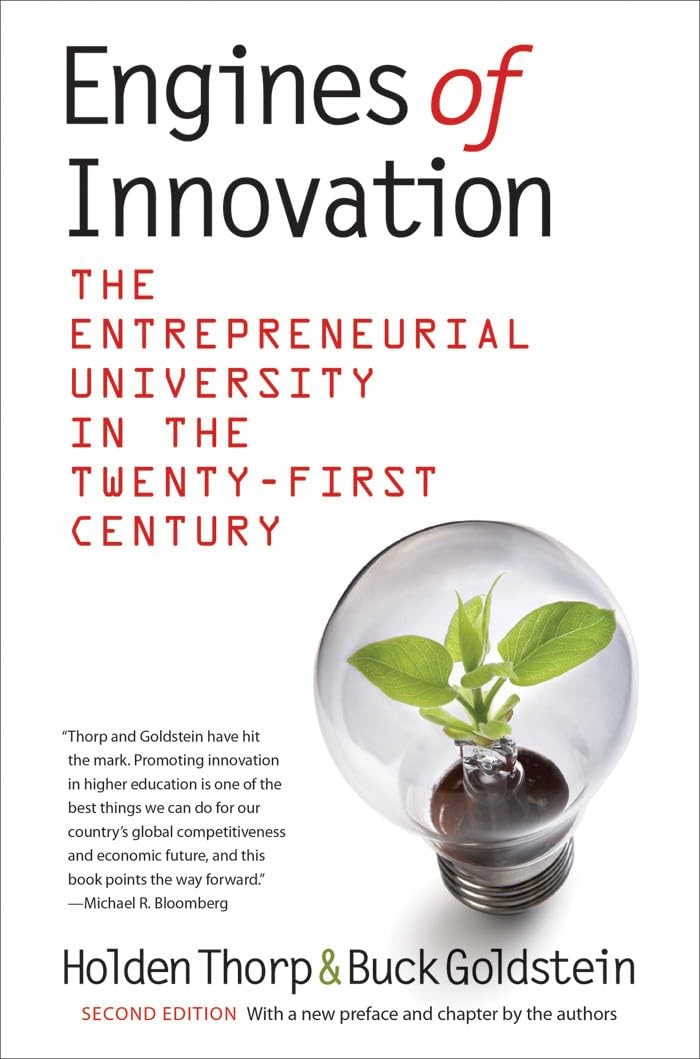
Engines of Innovation: The Entrepreneurial University in the Twenty-First Century by Holden Thorp

Entrepreneurship
Invention to Innovation (English, PhD Marshall Larry | Jenna Daroczy)

Entrepreneurship
Database Management Systems by Raghu Ramakrishnan – DBMS Textbook

Entrepreneurship
Decision-making for Technology Executives by Harold A. Linstone
Entrepreneurship
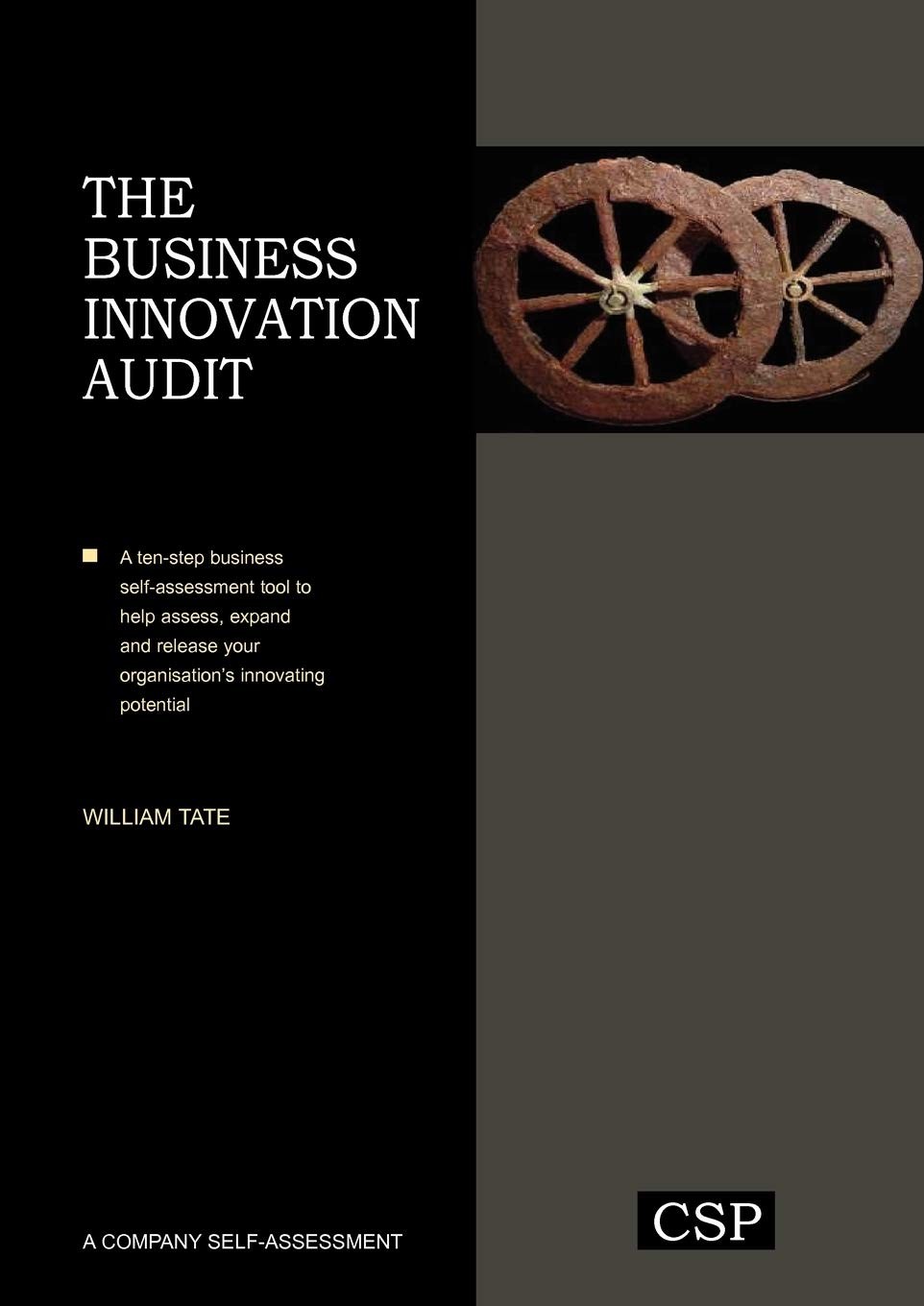
The Business Innovation Audit (English, William Tate)
Related Products
View All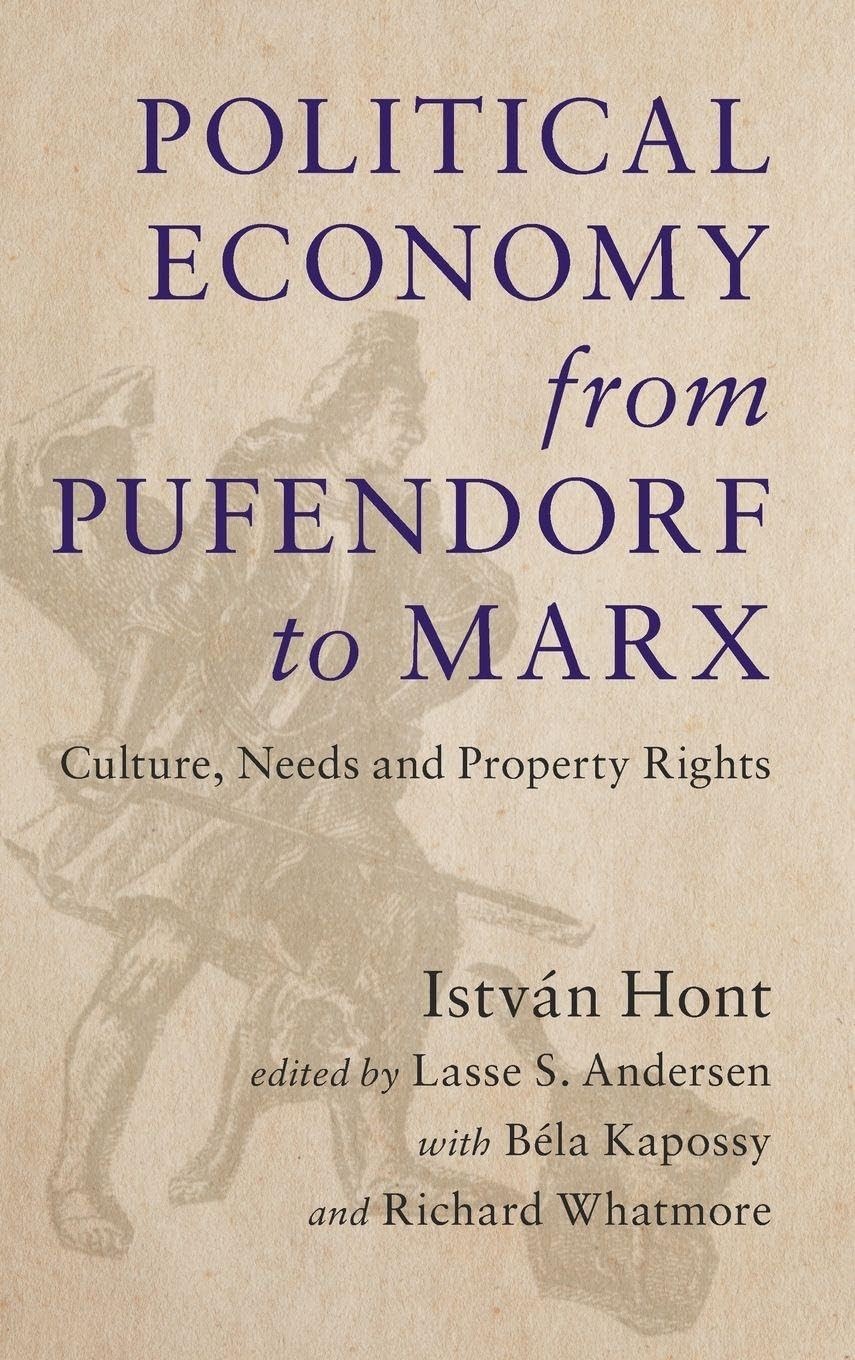
Economics
Political Economy from Pufendorf to Marx (English, István Hont | Lasse S. Andersen | Béla Kapossy)
Economics
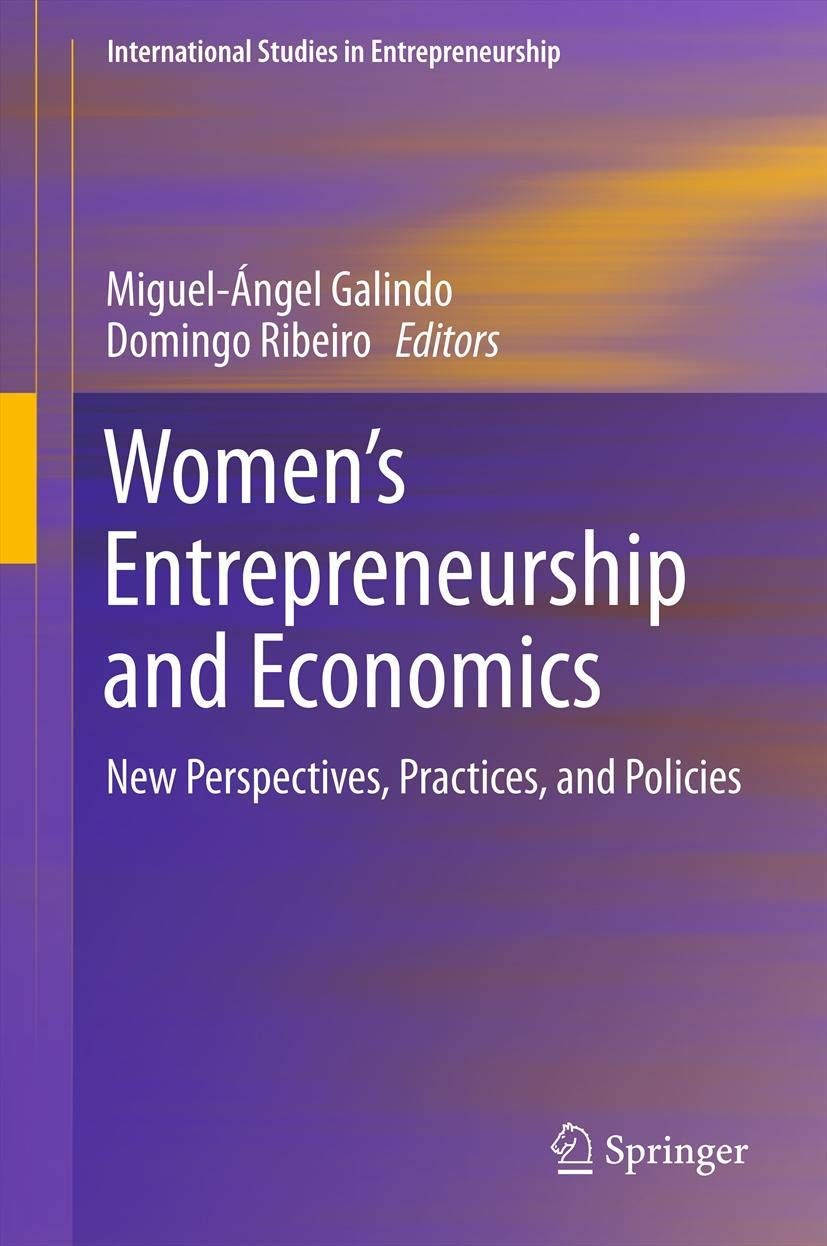
Women's Entrepreneurship and Economics (English, Miguel-Angel Galindo | Domingo Ribeiro)
Economics
Trade Policy and Industrialization in Turbulent Times | by Gerry Helleiner | Routledge | by Gerry Helleiner | Routledge | by Gerry Helleiner | Routledge | by Gerry Helleiner | Routledge | by Gerry Helleiner | Routledge | by Gerry Helleiner | Routledge | by Gerry Helleiner | Routledge | by Gerry Helleiner | Routledge | by Gerry Helleiner | Routledge | by Gerry Helleiner | Routledge | by Gerry Helleiner | Routledge | by Gerry Helleiner | Routledge | by Gerry Helleiner | Routledge | by Gerry Hellei
Economics
History of Economic Analysis | by Schumpeter Joseph A. | Taylor & Francis Ltd | by Schumpeter Joseph A. | Taylor & Francis Ltd | by Schumpeter Joseph A. | Taylor & Francis Ltd | by Schumpeter Joseph A. | Taylor & Francis Ltd | by Schumpeter Joseph A. | Taylor & Francis Ltd | by Schumpeter Joseph A. | Taylor & Francis Ltd | by Schumpeter Joseph A. | Taylor & Francis Ltd | by Schumpeter Joseph A. | Taylor & Francis Ltd | by Schumpeter Joseph A. | Taylor & Franci

Economics
OECD Compendium of Productivity Indicators 2015 | by Organization for Economic Cooperation an | Organization for Economic Co-Operation & Deve | by Organization for Economic Cooperation an | Organization for Economic Co-Operation & Deve | by Organization for Economic Cooperation an | Organization for Economic Co-Operation & Deve | by Organization for Economic Cooperation an | Organization for Economic Co-Operation & Deve | by Organization for Economic Cooperation an | Organization

Economics