

Money, Markets, and Trade in Early Southeast Asia: The Development of Indigenous Monetary Systems to AD 1400 by Robert S
Inclusive of all applicable taxes. FREE shipping on all orders.
Available Offers
- 🚚Free Delivery — Free shipping on all orders
- 💵Cash on Delivery — Pay when your order arrives
- ↩️15-Day Easy Returns — Hassle-free return policy
- 🔒Cash on Delivery — Pay safely when your order arrives
Check Delivery
Product Description
Introduction
Money, Markets, and Trade in Early Southeast Asia: The Development of Indigenous Monetary Systems to AD 1400 by Robert S. Wicks is a landmark scholarly work that takes readers on a deep journey into the economic history of premodern Southeast Asia. This hardcover edition, published by Southeast Asia Program Publications, offers a rigorous yet accessible exploration of how early societies in the region developed their own unique forms of money, trade networks, and market structures long before the arrival of European colonial powers. For students, historians, and anyone fascinated by the roots of commerce in South and Southeast Asia, this book provides an indispensable foundation.
Book Overview
Spanning from the third century BCE to the rise of Malacca in the early fifteenth century, this book examines the uneven development of monetary systems across the diverse cultures of early Southeast Asia. Wicks investigates why some societies embraced coinage and standardized value, while others relied on barter, commodity money, or ritual exchange. Through meticulous analysis of archaeological evidence, inscriptions, and historical records, the author reveals the sophisticated economic thinking that underpinned early trade routes, price controls, and administrative innovations. This is not a dry economic treatise but a vivid account of how people in ancient Burma, Thailand, Cambodia, Vietnam, and the Indonesian archipelago used money to build empires, facilitate trade, and shape social hierarchies.
Key Highlights
- Comprehensive Chronology: Covers over 1,600 years of economic history, from the early kingdoms to the pre-colonial era.
- Indigenous Focus: Challenges Eurocentric narratives by centering local innovations in monetary practices.
- Interdisciplinary Approach: Blends history, archaeology, numismatics, and anthropology for a holistic understanding.
- Rich Case Studies: Includes detailed analyses of the Mon, Khmer, Srivijaya, and Javanese economies.
- Original Research: Based on primary sources such as temple inscriptions, Chinese records, and coin hoards.
Inside the Book
The book is structured into thematic chapters that guide readers through the evolution of money in different regions. Early chapters set the stage by describing the pre-monetary economies of Southeast Asia, where rice, cloth, and metals served as mediums of exchange. Later sections delve into the impact of Indian Ocean trade, the role of Chinese demand for spices and forest products, and the emergence of standardized coinages in kingdoms like Funan and Angkor. Wicks also explores how rulers used monetary policy—such as price controls and monopolies—to consolidate power and manage resources. Each chapter is supported by maps, tables, and illustrations that bring the data to life.
Key Topics
- Origins of money in Southeast Asia: from commodity money to metallic coinage
- Trade networks connecting India, China, and the Malay Archipelago
- Administrative structures required to support monetization
- Price controls, exchange ratios, and state monopolies
- Variant standards of value across different cultures
- The role of Buddhism and Hinduism in shaping economic practices
- Comparative analysis with South Asian and Chinese monetary systems
Reader Benefits
This book offers Indian readers a fresh perspective on the economic history of a region that has long been interconnected with the Indian subcontinent through trade and culture. It helps understand the roots of modern financial systems in Asia and provides a critical lens for examining contemporary economic challenges. The clear writing style and logical organization make complex concepts accessible to non-specialists, while the depth of research satisfies academic readers. By reading this work, you will gain a deeper appreciation for the ingenuity of early Southeast Asian societies and their lasting impact on global commerce.
Learning Outcomes
- Understand the historical development of money in premodern Southeast Asia
- Identify the factors that influenced the uneven adoption of monetary systems
- Analyze the relationship between trade, politics, and economic innovation
- Evaluate primary sources used to reconstruct ancient economies
- Compare Southeast Asian monetary practices with those of India and China
- Recognize the legacy of early monetary systems in contemporary Asia
Who Should Read
This book is ideal for undergraduate and postgraduate students of history, economics, and Asian studies. It is also essential reading for researchers specializing in numismatics, economic anthropology, or premodern trade networks. History enthusiasts, collectors of ancient coins, and anyone curious about how money shaped civilizations will find this work both enlightening and engaging. Indian readers with an interest in the historical ties between India and Southeast Asia—through the spread of Buddhism, Hindu kingdoms, and maritime trade—will discover rich connections that continue to resonate today.
About the Author
Robert S. Wicks is a respected historian and numismatist who has spent decades studying the economic history of Southeast Asia. His research has been published in leading academic journals and he has contributed to major museum exhibitions on Asian coinage. Wicks brings a meticulous eye for detail and a passion for uncovering the stories behind ancient currencies. His work bridges the gap between hard data and human narrative, making him a trusted voice in the field.
About the Publisher
Southeast Asia Program Publications (SEAP) is an imprint of Cornell University Press dedicated to advancing scholarship on the cultures, histories, and societies of Southeast Asia. SEAP is known for producing authoritative works that combine academic rigor with accessibility, making them valuable resources for scholars and general readers alike. This hardcover edition reflects the publisher's commitment to quality and durability, ensuring that the book remains a lasting reference.
Conclusion
Money, Markets, and Trade in Early Southeast Asia is more than a history book—it is a gateway to understanding the economic foundations of a vibrant and culturally rich region. Robert S. Wicks has crafted a masterful study that illuminates how indigenous peoples developed sophisticated monetary systems long before colonial interference. For Indian readers, this book offers a chance to explore the shared economic heritage of Asia and to appreciate the complexity of ancient trade and finance. Whether you are a student, a scholar, or a curious reader, this volume will expand your horizons and deepen your knowledge of the past.
Quick Summary
Money, Markets, and Trade in Early Southeast Asia: The Development of Indigenous Monetary Systems to AD 1400 by Robert S. Wicks is a comprehensive academic work that traces the evolution of money and trade in Southeast Asia from the third century BCE to the early fifteenth century. The book examines why concepts of money developed unevenly across the region, analyzing trade policies, price controls, exchange ratios, monopolies, and the administrative structures that supported these innovations. Wicks draws on numismatic and historical evidence to highlight indigenous monetary systems, offering a fresh perspective that moves beyond colonial narratives. This book is ideal for students of economic history, Asian studies, and numismatics, as well as researchers interested in premodern trade networks. Readers will gain a deep understanding of how early Southeast Asian societies managed complex economic interactions, including the pivotal role of Maleka as a trade hub. By purchasing from Bookshops.in, Indian readers receive a high-quality hardcover edition with reliable delivery and customer service, making it a valuable addition to any academic library.
Book Highlights
Book Specifications
| ISBN-13 | 9780877277101 |
| ISBN-10 | 0877277109 |
| Publisher | Cornell Univ Southeast Asia |
| Language | English |
| Dimensions | 17.78 x 1.96 x 25.4 cm |
| Weight | 658 g |
| Country | USA |
| Category | Economics › Economic History |
| Genre | Economic History |
| Original Language | English |
Frequently Asked Questions
What is the main focus of this book?
Who is the author of Money, Markets, and Trade in Early Southeast Asia?
What time period does the book cover?
Is this book suitable for Indian readers?
Does the book discuss trade policies?
What makes this book unique?
Is the book based on original research?
What is the binding of this edition?
What language is the book in?
Does the book include illustrations or maps?
Can I use this book for academic research?
What is the price of the book?
Where can I buy this book?
Readers Also Search For
Customers Also Bought
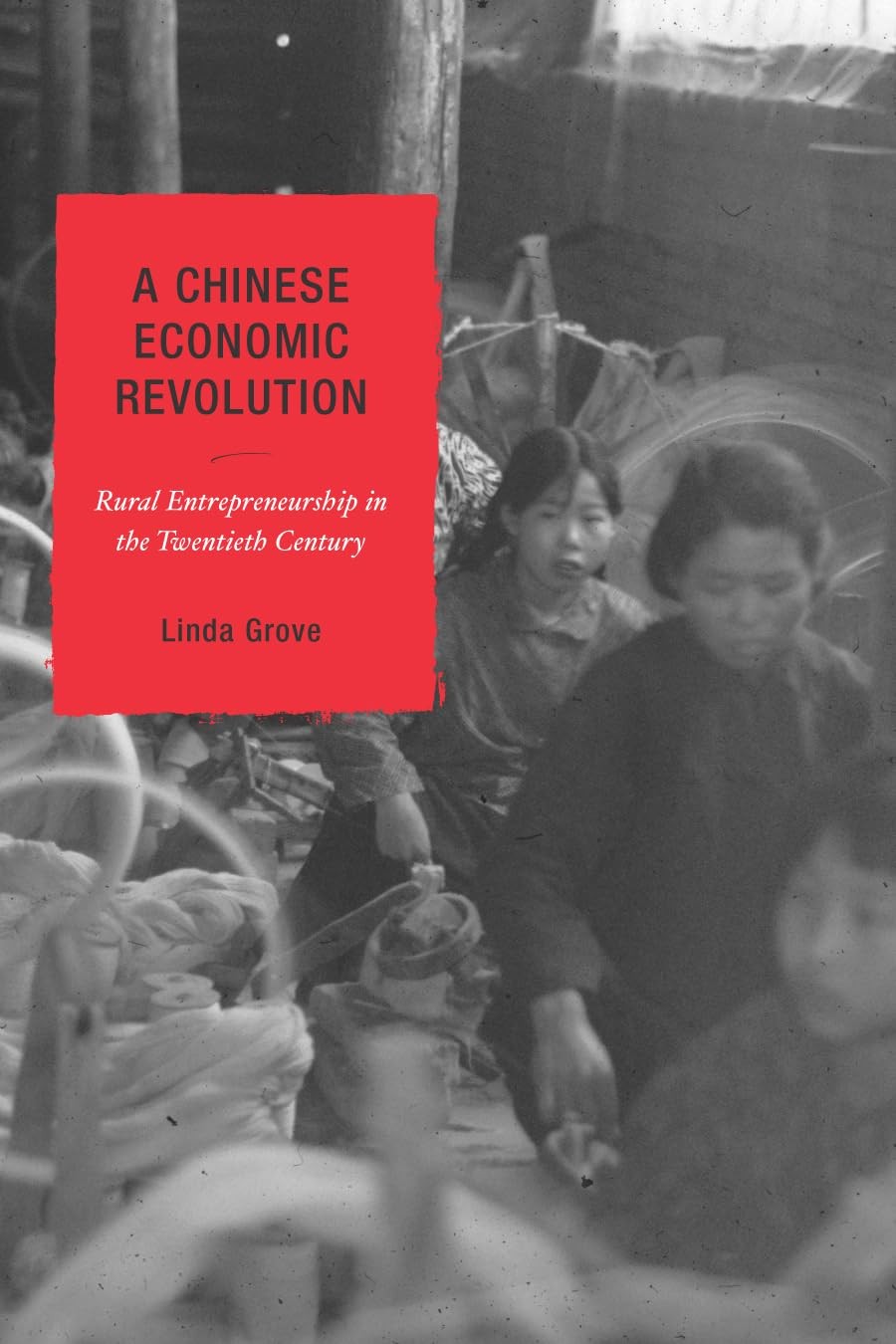
Entrepreneurship
Chinese Economic Revolution (English, Linda Grove)
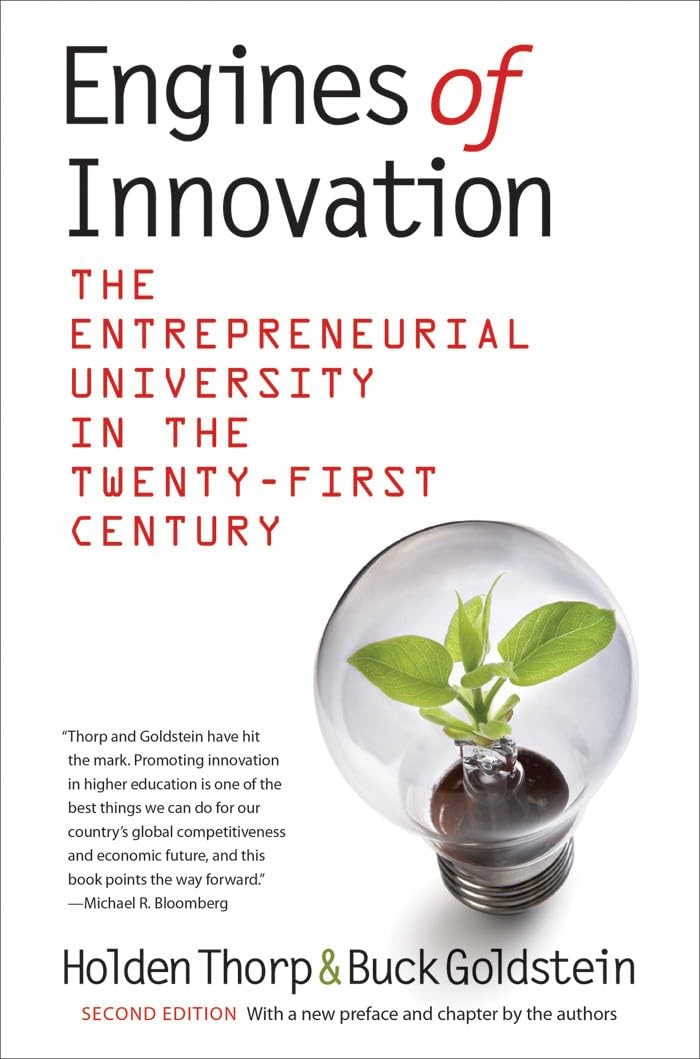
Entrepreneurship
Engines of Innovation: The Entrepreneurial University in the Twenty-First Century by Holden Thorp

Entrepreneurship
Invention to Innovation (English, PhD Marshall Larry | Jenna Daroczy)

Entrepreneurship
Database Management Systems by Raghu Ramakrishnan – DBMS Textbook

Entrepreneurship
Decision-making for Technology Executives by Harold A. Linstone
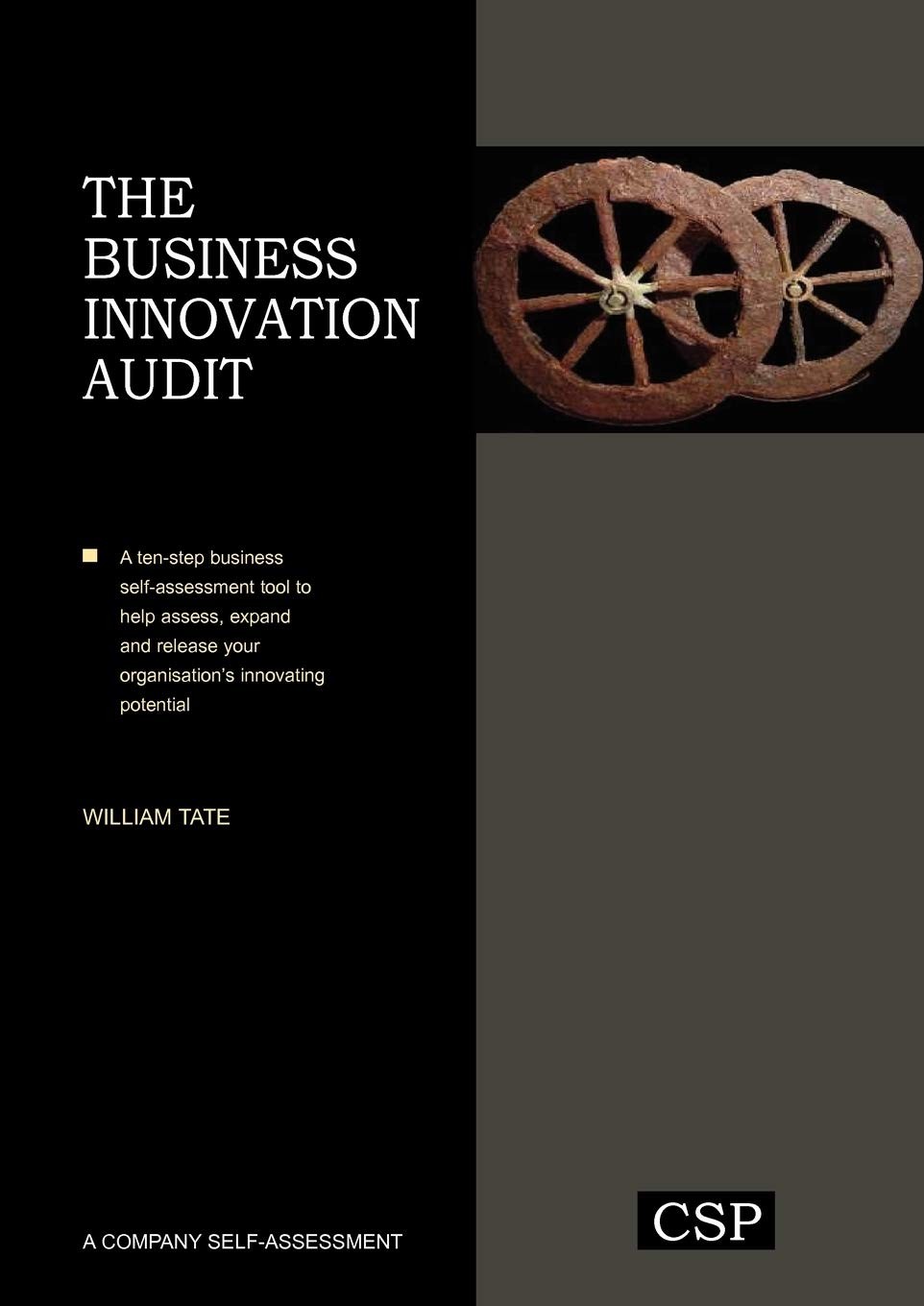
Entrepreneurship
The Business Innovation Audit (English, William Tate)
Related Products
View All
Economics
Political Economy from Pufendorf to Marx (English, István Hont | Lasse S. Andersen | Béla Kapossy)
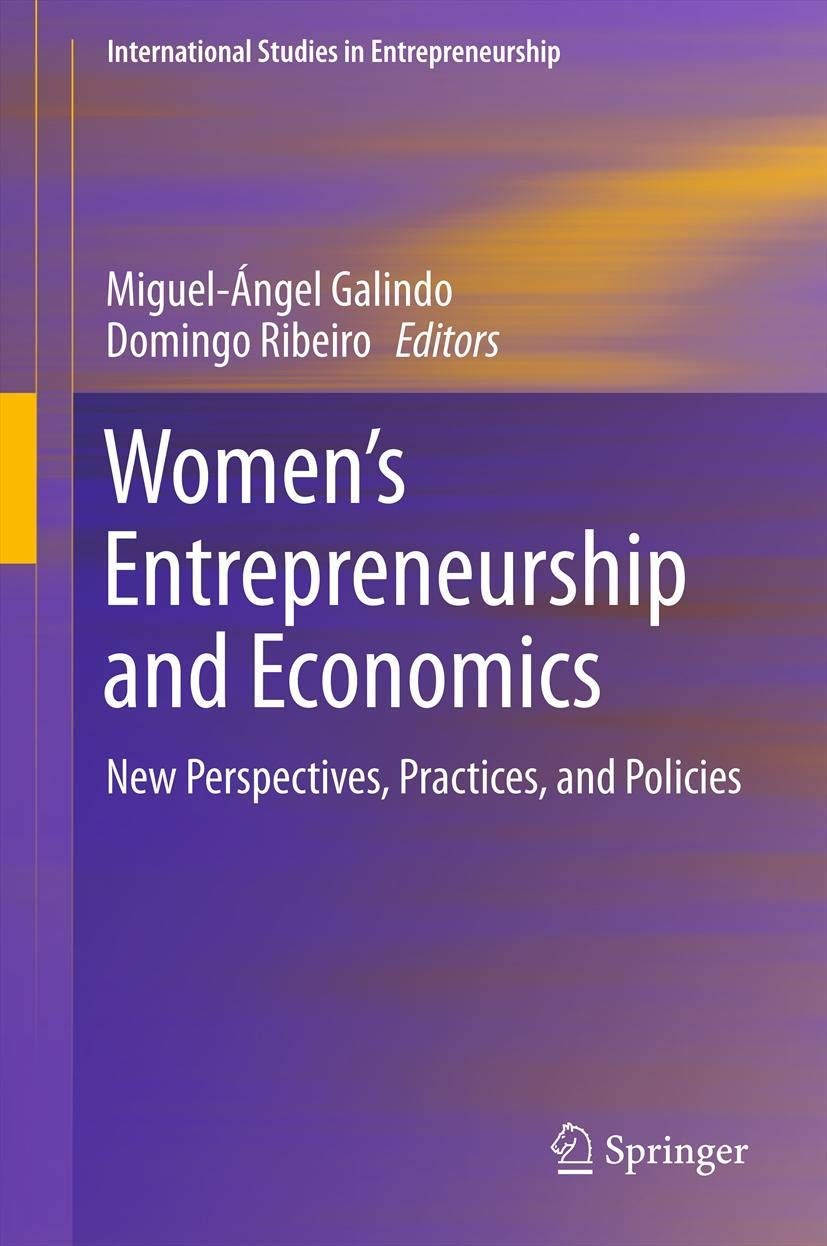
Economics
Women's Entrepreneurship and Economics (English, Miguel-Angel Galindo | Domingo Ribeiro)
Economics
Trade Policy and Industrialization in Turbulent Times | by Gerry Helleiner | Routledge | by Gerry Helleiner | Routledge | by Gerry Helleiner | Routledge | by Gerry Helleiner | Routledge | by Gerry Helleiner | Routledge | by Gerry Helleiner | Routledge | by Gerry Helleiner | Routledge | by Gerry Helleiner | Routledge | by Gerry Helleiner | Routledge | by Gerry Helleiner | Routledge | by Gerry Helleiner | Routledge | by Gerry Helleiner | Routledge | by Gerry Helleiner | Routledge | by Gerry Hellei
Economics
History of Economic Analysis | by Schumpeter Joseph A. | Taylor & Francis Ltd | by Schumpeter Joseph A. | Taylor & Francis Ltd | by Schumpeter Joseph A. | Taylor & Francis Ltd | by Schumpeter Joseph A. | Taylor & Francis Ltd | by Schumpeter Joseph A. | Taylor & Francis Ltd | by Schumpeter Joseph A. | Taylor & Francis Ltd | by Schumpeter Joseph A. | Taylor & Francis Ltd | by Schumpeter Joseph A. | Taylor & Francis Ltd | by Schumpeter Joseph A. | Taylor & Franci

Economics
OECD Compendium of Productivity Indicators 2015 | by Organization for Economic Cooperation an | Organization for Economic Co-Operation & Deve | by Organization for Economic Cooperation an | Organization for Economic Co-Operation & Deve | by Organization for Economic Cooperation an | Organization for Economic Co-Operation & Deve | by Organization for Economic Cooperation an | Organization for Economic Co-Operation & Deve | by Organization for Economic Cooperation an | Organization

Economics