
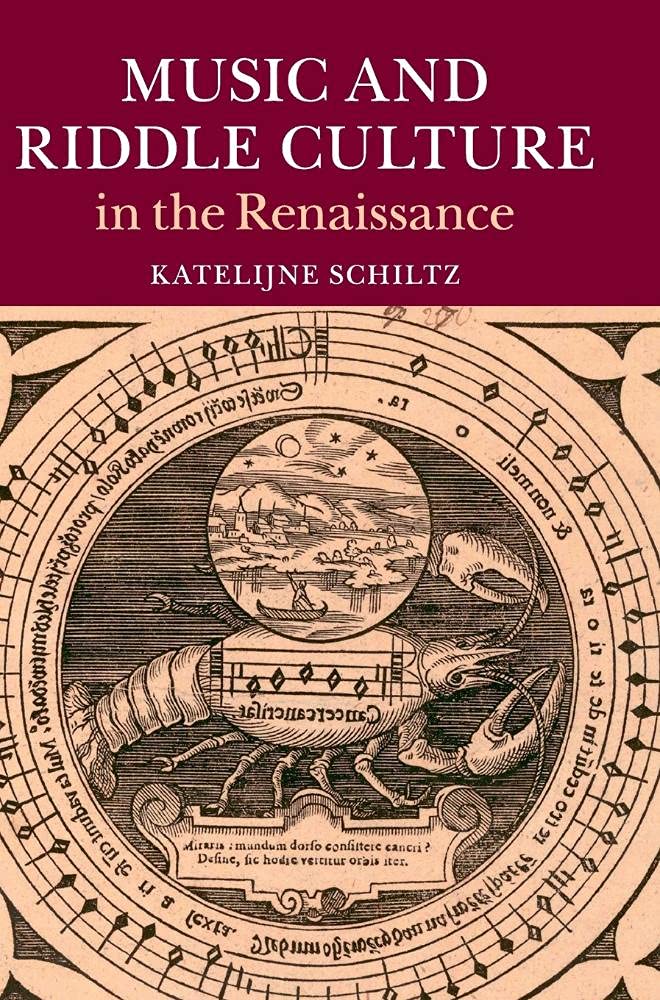
Music and Riddle Culture in the Renaissance by Katelijne Schiltz – Unraveling the Cryptic Language of Musical Puzzles (c
Inclusive of all applicable taxes. FREE shipping on all orders.
Available Offers
- 🚚Free Delivery — Free shipping on all orders
- 💵Cash on Delivery — Pay when your order arrives
- ↩️15-Day Easy Returns — Hassle-free return policy
- 🔒Cash on Delivery — Pay safely when your order arrives
Check Delivery
Product Description
Introduction
In the vibrant tapestry of Renaissance culture, music was not merely an art form but a language of wit, intellect, and hidden meaning. Katelijne Schiltz’s Music and Riddle Culture in the Renaissance invites readers into a fascinating world where composers wove puzzles and cryptic messages into their works. Published by Cambridge University Press, this hardcover volume is a definitive exploration of how riddles shaped musical creativity from 1450 to 1620. For Indian students and scholars of music, history, and the humanities, this book offers a unique window into a period where sound and secrecy danced together.
Book Overview
This meticulously researched study examines the theory, practice, and cultural context of musical riddles during the Renaissance. Schiltz delves into the works of masters like Antoine Busnoys, Jacob Obrecht, and Josquin des Prez, as well as the manuscript collection of Lodovico Zacconi. The book reveals how riddles both invite and resist interpretation, transforming the way music was conceived, performed, and received. Lavishly illustrated and enriched with a comprehensive catalogue of enigmatic inscriptions, this volume bridges musicology with art history, theology, and the history of ideas.
Key Highlights
- First of Its Kind: The first book dedicated entirely to musical riddles in the Renaissance period.
- Rich Illustrations: Includes numerous visual examples from manuscripts and printed sources.
- Comprehensive Catalogue: Features a detailed catalogue of enigmatic inscriptions by Bonnie J. Blackburn.
- Interdisciplinary Approach: Connects music with literature, art, theology, and intellectual history.
- Focus on Performance: Explores how riddles affected the creation and reception of music.
Inside the Book
The book is structured around the compositional, notational, practical, social, and theoretical aspects of riddle culture. Schiltz guides readers through the process of embedding puzzles in both music and lyrics, examining how composers used cryptic notation and wordplay. The catalogue of inscriptions provides a valuable reference for identifying and interpreting riddles in Renaissance sources. Each chapter unpacks the layers of meaning that made these works a playground for the intellect.
Key Topics
- Notational puzzles and hidden meanings in Renaissance music
- The role of riddles in courtly and ecclesiastical settings
- Transformation and interpretation of cryptic compositions
- Case studies of Busnoys, Obrecht, Josquin, and Zacconi
- Interplay between music, poetry, and visual art
- Reception and performance of riddle-based works
Reader Benefits
Readers will gain a deep appreciation for the intellectual sophistication of Renaissance musicians. This book equips you with tools to decode hidden messages in musical scores, understand the cultural forces that shaped them, and see how riddles fostered community among performers and audiences. For Indian readers, it offers a parallel to our own traditions of cryptic poetry and musical improvisation, enriching cross-cultural understanding.
Learning Outcomes
- Understand the historical and theoretical foundations of musical riddles
- Analyze notational and textual puzzles in Renaissance compositions
- Evaluate the social and cultural functions of riddles in music
- Identify key composers and their riddle works
- Apply interdisciplinary methods to musicological research
Who Should Read
This book is ideal for musicologists, Renaissance scholars, students of music history, art historians, and anyone intrigued by puzzles and hidden meanings. It is equally valuable for Indian readers pursuing advanced studies in the humanities, as well as curious musicians who wish to explore the playful side of classical music. The accessible yet scholarly tone makes it suitable for both academic and general audiences.
About the Author
Katelijne Schiltz is a renowned musicologist specializing in Renaissance music. Her research focuses on the intersection of music with literature, philosophy, and visual culture. She has published extensively on musical riddles, notation, and the intellectual history of the period. Her expertise brings clarity to complex topics, making this book a trusted resource for scholars worldwide.
About the Publisher
Cambridge University Press is one of the world’s oldest and most prestigious academic publishers. With a legacy of disseminating cutting-edge research, CUP is synonymous with rigorous scholarship and high-quality production. This hardcover edition reflects their commitment to excellence, featuring durable binding and fine paper that will grace any library shelf.
Conclusion
Music and Riddle Culture in the Renaissance is more than a book—it is a key to unlocking the playful genius of a bygone era. By exploring how composers turned music into a game of wits, Katelijne Schiltz invites us to listen with new ears and think with sharper minds. Whether you are a student in Delhi, a professor in Chennai, or a music lover in Mumbai, this volume will enrich your understanding of Renaissance creativity and its enduring legacy. Add it to your collection today and discover the melodies behind the mysteries.
Quick Summary
Music and Riddle Culture in the Renaissance by Katelijne Schiltz is a groundbreaking scholarly work that unveils the hidden world of musical puzzles and riddles from the Renaissance period (c.1450–1620). The book explores how composers like Antoine Busnoys, Jacob Obrecht, Josquin des Prez, and Lodovico Zacconi embedded cryptic challenges in their music and lyrics, creating a rich culture of enigma that invited both performance and interpretation. Schiltz examines the compositional, notational, practical, social, and theoretical dimensions of these riddles, revealing how they functioned as intellectual games and artistic statements. This is the first comprehensive study of its kind, making it essential reading for musicologists, historians, and anyone fascinated by the intersection of music and cryptography. Readers will gain a deeper understanding of Renaissance creativity and the ways in which music can conceal meaning. The book is lavishly illustrated with musical examples and manuscript images, offering a visual feast alongside rigorous analysis. By purchasing from Bookshops.in, Indian students and scholars can access this authoritative Cambridge University Press title with reliable delivery and service.
Book Highlights
Book Specifications
| ISBN-13 | 9781107082298 |
| ISBN-10 | 1107082293 |
| Publisher | Cambridge University Press |
| Language | English |
| Dimensions | 19.05 x 3.18 x 25.4 cm |
| Weight | 1 kg 220 g |
| Country | India |
| Category | Performing Arts › Music |
| Genre | Musicology |
| Original Language | English |
Frequently Asked Questions
What is the main focus of 'Music and Riddle Culture in the Renaissance'?
Who is the author?
Which composers are discussed?
Is this book suitable for general readers?
Does the book include musical examples?
What period does the book cover?
What is a musical riddle?
Why were riddles used in Renaissance music?
Is this the first book on the subject?
What is the publisher?
What format is the book available in?
Does the book discuss performance practice?
Can I use this book for academic research?
Where can I buy this book in India?
Readers Also Search For
Customers Also Bought
Art History
The Italian Renaissance in Art

Art History
Photovoltaic Design & Installation For Dummies | by Mayfield | ForDummies | by Mayfield | ForDummies | by Mayfield | ForDummies | by Mayfield | ForDummies | by Mayfield | ForDummies | by Mayfield | ForDummies | by Mayfield | ForDummies | by Mayfield | ForDummies | by Mayfield | ForDummies | by Mayfield | ForDummies | by Mayfield | ForDummies | by Mayfield | ForDummies | by Mayfield | ForDummies | by Mayfield | ForDummies | by Mayfield | ForDummies | by Mayfield | ForDummies | by Mayfield | ForDu
Art History
Designing School Systems for All Students (English, Robert J. Manley | Richard J. Hawkins)
Art History
Routledge Library Editions: Art and Culture in the Nineteenth Century
Art History
An Errant Design (English, S. H. Long)

Art History
Distributed System Design | by Jie Wu | CRC Press | by Jie Wu | CRC Press | by Jie Wu | CRC Press | by Jie Wu | CRC Press | by Jie Wu | CRC Press | by Jie Wu | CRC Press | by Jie Wu | CRC Press | by Jie Wu | CRC Press | by Jie Wu | CRC Press | by Jie Wu | CRC Press | by Jie Wu | CRC Press | by Jie Wu | CRC Press | by Jie Wu | CRC Press | by Jie Wu | CRC Press | by Jie Wu | CRC Press | by Jie Wu | CRC Press | by Jie Wu | CRC Press | by Jie Wu | CRC Press | by Jie Wu | CRC Press | by Jie Wu | CRC
Related Products
View All
Music
The Cambridge Companion to Michael Tippett by Kenneth Gloag – Music Analysis
Music
Making Light: Haydn, Musical Camp, and the Long Shadow of German Idealism
Music
Music and the Crises of the Modern Subject by Michael L. Klein – Music Theory & Criticism
Music
Opera and Drama in Eighteenth-Century London: The King's Theatre, Garrick and the Business of Perfor
Music
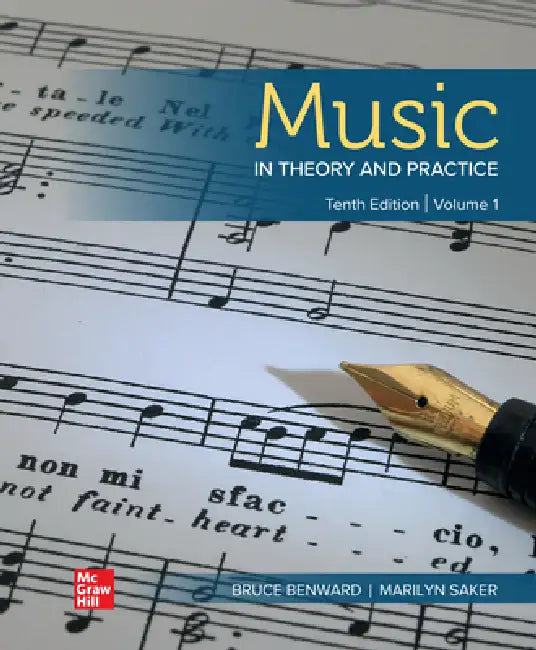
Music in Theory and Practice Volume 1 | by Bruce Benward | Marilyn Saker | McGraw-Hill Companies | by Bruce Benward | Marilyn Saker | McGraw-Hill Companies | by Bruce Benward | Marilyn Saker | McGraw-Hill Companies | by Bruce Benward | Marilyn Saker | McGraw-Hill Companies | by Bruce Benward | Marilyn Saker | McGraw-Hill Companies | by Bruce Benward | Marilyn Saker | McGraw-Hill Companies | by Bruce Benward | Marilyn Saker | McGraw-Hill Companies | by Bruce Benward | Marilyn Saker | McGraw-Hill
Music