
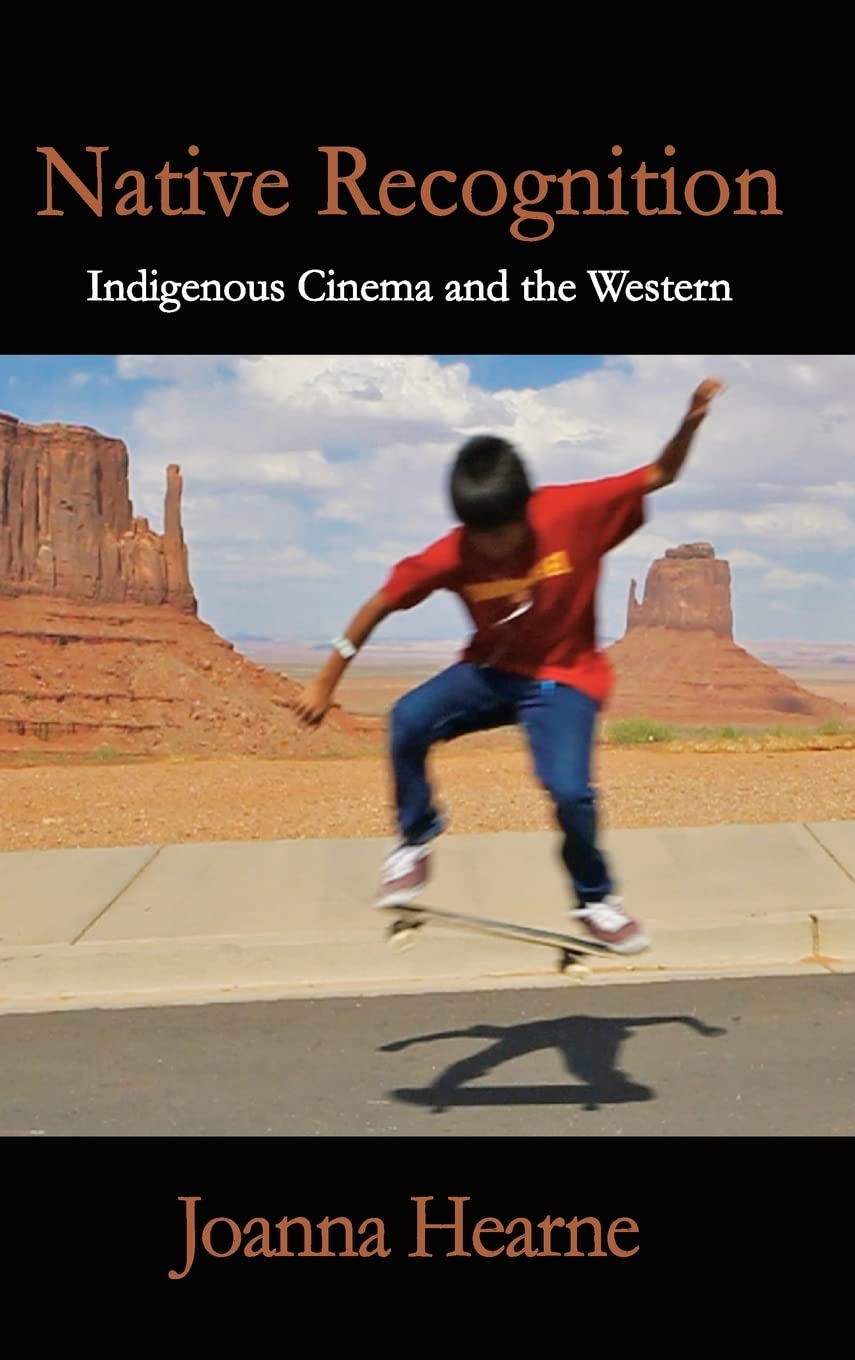
Native Recognition: Indigenous Cinema and the Western by Joanna Hearne – A Deep Dive into Native American Film Represent
Inclusive of all applicable taxes. FREE shipping on all orders.
Available Offers
- 🚚Free Delivery — Free shipping on all orders
- 💵Cash on Delivery — Pay when your order arrives
- ↩️15-Day Easy Returns — Hassle-free return policy
- 🔒Cash on Delivery — Pay safely when your order arrives
Check Delivery
Product Description
Introduction
In a cinematic landscape often dominated by the mythic cowboy and the vanishing Indian, Joanna Hearne’s Native Recognition: Indigenous Cinema and the Western offers a transformative lens through which to understand the role of Indigenous peoples in shaping American film. This rigorous yet accessible work challenges long-held assumptions about who tells stories on screen and how those stories are made. For Indian readers and students of cinema, this book opens a vital dialogue on representation, sovereignty, and the power of visual media to reclaim narratives.
Book Overview
Native Recognition is a groundbreaking study that places Indigenous filmmaking at the heart of American cinema history. Joanna Hearne traces the journey of Native peoples as performers, directors, writers, and consultants, arguing that their contributions have been systematically undervalued by the dominant Western genre. The book examines how Indigenous filmmakers have repurposed Hollywood tropes—especially those of the Western—to assert intergenerational continuity, challenge stereotypes, and participate in national conversations about social justice and political sovereignty. It is both a critical history and a celebration of resilience.
Key Highlights
- Original Argument: Posits that Indigenous image-making is central, not marginal, to the evolution of American cinema.
- Genre Subversion: Explores how Native directors and writers use the Western genre to dismantle its own myths.
- Intergenerational Focus: Emphasises how films become vessels for cultural memory and continuity across generations.
- Political Depth: Connects cinematic representation to real-world struggles for Indigenous sovereignty and justice.
- Rich Case Studies: Analyses key films and filmmakers that exemplify these themes.
Inside the Book
This hardcover volume is structured to guide readers through a nuanced argument. Hearne begins by contextualising the Western as a site of both erasure and potential. She then moves into detailed analyses of Indigenous-produced films, showing how they rework familiar iconography—the lone rider, the frontier, the confrontation—to tell stories of survival, community, and resistance. The book draws on archival research, close readings of films, and interviews with filmmakers. Each chapter builds a case for the political and aesthetic significance of Native recognition in cinema.
Key Topics
- Indigenous representation in Hollywood Westerns
- Native American filmmaking and directorial voices
- The politics of the “vanishing Indian” trope
- Cinema as a tool for cultural sovereignty
- Intergenerational storytelling and visual media
- Subversion of genre conventions in Indigenous cinema
- Social justice and political activism through film
Reader Benefits
- Deepen Your Understanding: Gain a comprehensive view of how Indigenous communities have shaped and been shaped by cinema.
- Critical Tools: Learn to analyse films with an eye for representation, power, and resistance.
- Cultural Insight: Appreciate the role of visual media in preserving and evolving Indigenous cultures.
- Academic Edge: Ideal for students and researchers in film studies, cultural studies, and postcolonial theory.
- Inspiration: Discover the creative resilience of Native filmmakers who turn Hollywood’s tools against its own stereotypes.
Learning Outcomes
By reading this book, you will be able to identify key moments of Indigenous agency in American film history, critique the Western genre’s colonial underpinnings, and articulate how cinema functions as a site of political negotiation. You will also develop a vocabulary for discussing visual sovereignty and the ethics of representation. The book equips you to engage critically with both classic and contemporary films, and to recognise the ongoing importance of Indigenous voices in global media.
Who Should Read
- Students of film studies, media studies, and American studies
- Scholars and researchers in postcolonial and Indigenous studies
- Filmmakers and screenwriters interested in alternative narratives
- General readers passionate about cinema and social justice
- Indian readers seeking comparative perspectives on representation and sovereignty in visual culture
About the Author
Joanna Hearne is a respected scholar of Indigenous cinema and American film history. Her research focuses on the intersections of visual culture, sovereignty, and storytelling. She has published extensively on Native American representation in film and is known for bringing Indigenous perspectives to the forefront of academic discourse. Hearne’s work is marked by a commitment to both rigorous analysis and accessible writing, making complex ideas available to a wide audience.
About the Publisher
State University of New York Press is a distinguished academic publisher known for advancing scholarship in the humanities and social sciences. With a strong focus on interdisciplinary works, SUNY Press has a long tradition of publishing influential books on film, culture, and Indigenous studies. This hardcover edition reflects their commitment to quality and intellectual depth.
Conclusion
Native Recognition: Indigenous Cinema and the Western is an essential addition to any serious film lover’s library. It challenges us to see cinema not merely as entertainment but as a battleground for identity, memory, and justice. Joanna Hearne’s work is a powerful reminder that the stories we watch matter—and that the voices behind them can reshape our world. For Indian readers, it offers a resonant parallel to our own struggles for representation and self-determination in media. Order your copy today from Bookshops.in and step into a richer, more inclusive history of cinema.
Quick Summary
Native Recognition: Indigenous Cinema and the Western by Joanna Hearne is a groundbreaking scholarly work that repositions Indigenous peoples as active creators, not passive subjects, in American cinema. The book argues that Native filmmakers have engaged with the Western genre—a form historically built on stereotypes of the 'vanishing Indian'—to reclaim narrative power and express intergenerational resilience. Hearne analyzes a wide range of films, from early Hollywood Westerns to contemporary independent works, showing how Indigenous directors, performers, and crews have subverted mass culture images. This book is ideal for university students in India studying film theory, cultural studies, or postcolonial literature, as it offers a decolonized lens on visual media. Readers will learn to critically assess representation, understand the politics of genre, and appreciate the creative strategies of Indigenous artists. By purchasing from Bookshops.in, Indian readers gain access to a premium hardcover edition of this essential academic text, delivered with reliable service.
Book Highlights
Book Specifications
| ISBN-13 | 9781438443973 |
| ISBN-10 | 1438443978 |
| Publisher | State University of New York Press |
| Language | English |
| Dimensions | 15.88 x 2.54 x 24.77 cm |
| Weight | 703 g |
| Country | India |
| Category | Performing Arts › Film & Television |
| Genre | Film Studies |
| Original Language | English |
Frequently Asked Questions
What is Native Recognition about?
Who is the author of Native Recognition?
Is this book suitable for Indian students?
What is the ISBN?
Is this a hardcover edition?
What language is the book in?
Which publisher released this book?
What is the price in India?
What are the main themes?
Does the book cover contemporary films?
Can I use this book for my research paper?
Is it available at Bookshops.in?
What makes this book unique?
Readers Also Search For
Customers Also Bought

de Gruyter Mouton
Regional Development (English, John H. Cumberland)

British Archaeological Reports Oxford Ltd
Copies of the Fel Temp Reparatio Coinage in Britain | by R. J. Brickstock | British Archaeological Reports Oxford Ltd | by R. J. Brickstock | British Archaeological Reports Oxford Ltd | by R. J. Brickstock | British Archaeological Reports Oxford Ltd | by R. J. Brickstock | British Archaeological Reports Oxford Ltd | by R. J. Brickstock | British Archaeological Reports Oxford Ltd | by R. J. Brickstock | British Archaeological Reports Oxford Ltd | by R. J. Brickstock | British Archaeological Repor

de Gruyter
Baby - Cutter (English, Gerhard Strau | Heidrun Kamper-Jensen | Isolde Nortmeyer)
de Gruyter Mouton
Stratégies Et Choix Dans La Recherche (English, G. Lemaine | M. Clémençon | A. Gomis)
Fordham University Press
Charms That Soothe: Classical Music and the Narrative Film (Communications and Media Studies, 9)
Atheneum Books
Ghost | by Jason Reynolds | Atheneum Books | by Jason Reynolds | Atheneum Books | by Jason Reynolds | Atheneum Books | by Jason Reynolds | Atheneum Books | by Jason Reynolds | Atheneum Books | by Jason Reynolds | Atheneum Books | by Jason Reynolds | Atheneum Books | by Jason Reynolds | Atheneum Books | by Jason Reynolds | Atheneum Books | by Jason Reynolds | Atheneum Books | by Jason Reynolds | Atheneum Books | by Jason Reynolds | Atheneum Books | by Jason Reynolds | Atheneum Books | by Jason Re
Related Products
View All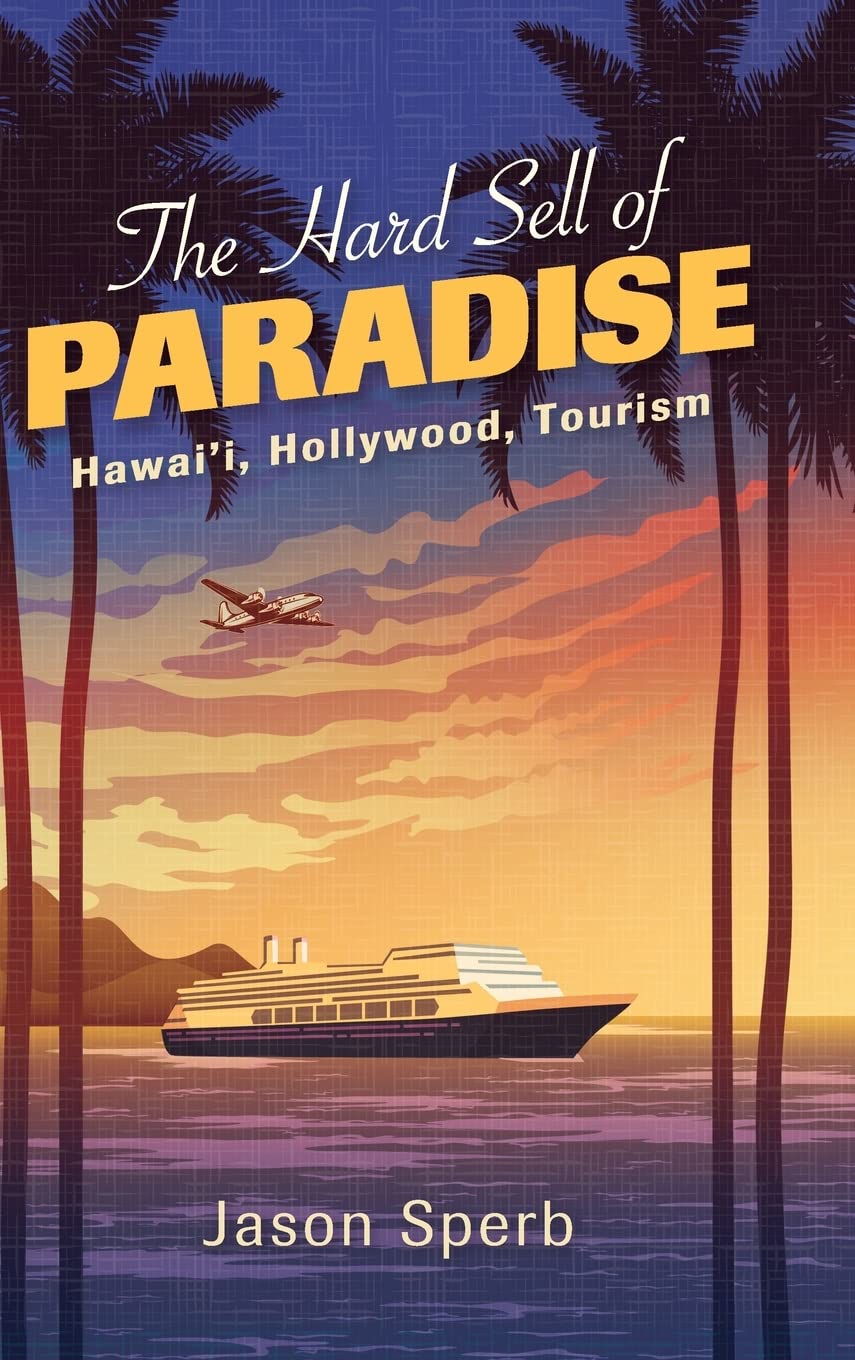
State University of New York Press
The Hard Sell of Paradise: Hawai'i, Hollywood, Tourism (SUNY series, Horizons of Cinema)

State University of New York Press
Work and Lifecourse in Japan | by David W. Plath | State University of New York Press | by David W. Plath | State University of New York Press | by David W. Plath | State University of New York Press | by David W. Plath | State University of New York Press | by David W. Plath | State University of New York Press | by David W. Plath | State University of New York Press | by David W. Plath | State University of New York Press | by David W. Plath | State University of New York Press | by David W. P

State University of New York Press
For We are Sold, I and My People | by María P. Fernández-Kelly | State University of New York Press | by María P. Fernández-Kelly | State University of New York Press | by María P. Fernández-Kelly | State University of New York Press | by María P. Fernández-Kelly | State University of New York Press | by María P. Fernández-Kelly | State University of New York Press | by María P. Fernández-Kelly | State University of New York Press | by María P. Fernández-Kelly | State University of New York Pres
State University of New York Press
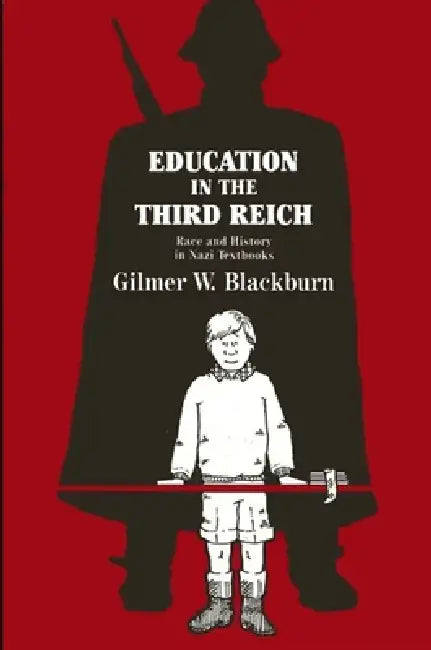
Education in the Third Reich | by Gilmer W. Blackburn | State University of New York Press | by Gilmer W. Blackburn | State University of New York Press | by Gilmer W. Blackburn | State University of New York Press | by Gilmer W. Blackburn | State University of New York Press | by Gilmer W. Blackburn | State University of New York Press | by Gilmer W. Blackburn | State University of New York Press | by Gilmer W. Blackburn | State University of New York Press | by Gilmer W. Blackburn | State Univ
State University of New York Press
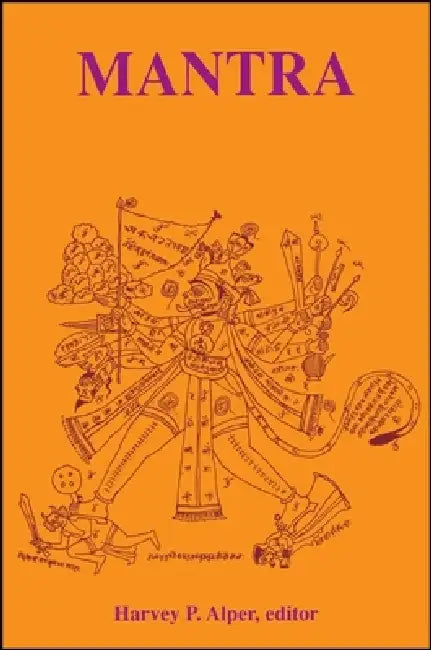
Mantra | by Harvey P. Alper | State University of New York Press | by Harvey P. Alper | State University of New York Press | by Harvey P. Alper | State University of New York Press | by Harvey P. Alper | State University of New York Press | by Harvey P. Alper | State University of New York Press | by Harvey P. Alper | State University of New York Press | by Harvey P. Alper | State University of New York Press | by Harvey P. Alper | State University of New York Press | by Harvey P. Alper | State
State University of New York Press