
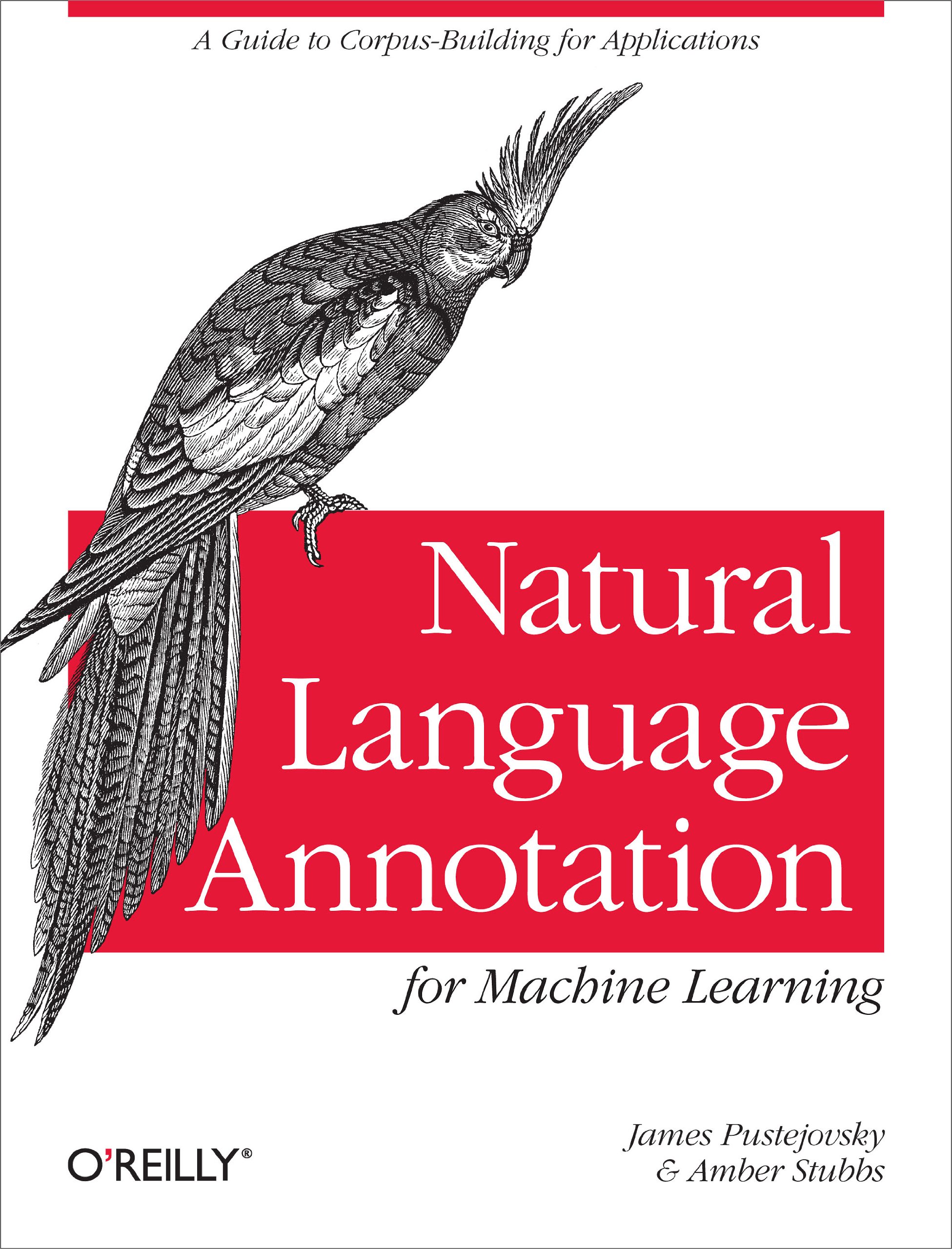
Natural Language Annotation for Machine Learning by James Pustejovsky – A Complete Guide to Building Training Corpora fo
Inclusive of all applicable taxes. FREE shipping on all orders.
Available Offers
- 🚚Free Delivery — Free shipping on all orders
- 💵Cash on Delivery — Pay when your order arrives
- ↩️15-Day Easy Returns — Hassle-free return policy
- 🔒Cash on Delivery — Pay safely when your order arrives
Check Delivery
Product Description
Introduction
Natural language processing (NLP) is reshaping how machines understand human speech, but the secret behind every smart chatbot, translator, or search engine is a well-annotated training corpus. Natural Language Annotation for Machine Learning by James Pustejovsky, published by O'Reilly Media, is the definitive guide for anyone who wants to build their own annotated language dataset from scratch. Whether you are a student in Bengaluru, a researcher in Delhi, or a developer in Mumbai, this book gives you a practical, step-by-step framework to create high-quality training data that powers machine learning models. No prior programming or linguistics background is required—just curiosity and a desire to make machines understand us better.
Book Overview
This hardcover edition is a comprehensive resource that walks you through the entire annotation development cycle. Instead of focusing on theory alone, James Pustejovsky introduces the MATTER Annotation Development Process—a proven methodology that helps you Model, Annotate, Train, Test, Evaluate, and Revise your corpus. The book uses detailed examples from multiple languages, including English and Chinese, so you can adapt the techniques to your own projects. From defining annotation goals to building a gold standard corpus, every chapter builds on real-world tasks that make complex concepts easy to grasp. By the end, you will have the confidence to create training data that improves the accuracy and reliability of any NLP system.
Key Highlights
- Hands-on approach: Every concept is paired with practical examples, so you learn by doing.
- Language-agnostic methodology: Works for English, Hindi, Chinese, or any natural language you choose.
- Complete project walkthrough: Follow a real annotation project from start to finish.
- No prerequisites: Designed for beginners—no programming or linguistics experience needed.
- Proven framework: The MATTER process ensures your corpus is robust and reliable.
Inside the Book
The book is structured to guide you through every stage of annotation. It starts with defining clear annotation goals and collecting your dataset, called a corpus. Then it introduces tools for analyzing linguistic content, such as part-of-speech tagging and syntactic structure. You will learn how to build a model and specification for your project, choose the right annotation format—from basic XML to the Linguistic Annotation Framework (LAF)—and create a gold standard corpus that can train machine learning algorithms effectively. Each chapter includes exercises and checkpoints to reinforce your understanding. The final section presents a complete case study, showing how to iterate and improve your corpus through testing and evaluation.
Key Topics
- Understanding the role of annotation in machine learning
- Designing annotation schemas and guidelines
- Using XML and the Linguistic Annotation Framework (LAF)
- Building a gold standard corpus for training
- Evaluating inter-annotator agreement and consistency
- Iterative refinement using the MATTER cycle
Reader Benefits
By reading this book, you will gain the skills to create training data that makes NLP models more accurate and context-aware. You will save time by following a structured development process instead of guessing what works. The knowledge you acquire is directly applicable to building chatbots, sentiment analyzers, translation systems, and voice assistants. Moreover, you will understand how to avoid common pitfalls like annotation bias or inconsistent labeling. This book empowers you to take control of your machine learning projects, whether you are working on a college assignment, a startup product, or a corporate research initiative.
Learning Outcomes
- Define clear annotation objectives that align with your ML goals
- Collect and prepare a corpus for annotation
- Choose and apply annotation formats like XML and LAF
- Create a gold standard corpus that trains models effectively
- Evaluate annotation quality using statistical measures
- Revise and improve your corpus through iterative testing
Who Should Read
This book is ideal for students of computer science and linguistics, data scientists entering the NLP field, software engineers building language-based applications, and researchers who need to create custom datasets. It is also valuable for project managers and technical writers who want to understand how annotation impacts machine learning outcomes. If you have ever wondered how to teach a machine to understand human language, this book is your starting point.
About the Author
James Pustejovsky is a leading authority in computational linguistics and natural language processing. A professor at Brandeis University, he has contributed extensively to the fields of lexical semantics, temporal reasoning, and annotation standards. His work on the ISO standard for linguistic annotation (LAF) and the TimeML annotation scheme has shaped how researchers and engineers build language resources worldwide. With decades of experience, he brings both academic rigour and practical insight to this book.
About the Publisher
O'Reilly Media is a globally recognised publisher of technology and business books, known for its practical, expert-driven content. Their titles are trusted by professionals and students alike for their clarity, depth, and real-world applicability. This book continues that tradition by offering a hands-on guide that bridges the gap between linguistic theory and machine learning practice.
Conclusion
Natural Language Annotation for Machine Learning is more than a textbook—it is a practical companion for anyone who wants to build better NLP systems. With its clear methodology, language-agnostic approach, and real-world examples, this book equips you with the skills to create training corpora that truly teach machines. Whether you are starting your journey or looking to refine your expertise, this hardcover edition from O'Reilly Media is a valuable addition to your library. Order your copy from Bookshops.in today and take the first step toward mastering natural language annotation.
Quick Summary
Natural Language Annotation for Machine Learning by James Pustejovsky is the definitive hands-on guide for anyone who needs to create their own training corpus for natural language processing. Whether you are a student, researcher, or industry professional, this book demystifies the annotation development cycle using the MATTER process: Model, Annotate, Train, Test, Evaluate, and Revise. You will learn how to define clear annotation goals, collect and analyze linguistic data, and build metadata that improves machine learning model performance. The book requires no programming or linguistics background, making it accessible to beginners, while still offering deep insights for experienced practitioners. A complete walkthrough of a real-world annotation project ties everything together. By buying from Bookshops.in, you get an authentic, high-quality hardcover edition delivered to your doorstep in India, backed by reliable customer support. This is an essential resource for mastering the foundational skill of creating high-quality training data in AI and NLP.
Book Highlights
Book Specifications
| ISBN-13 | 9781449306663 |
| ISBN-10 | 1449306667 |
| Publisher | O'Reilly Media |
| Language | English |
| Dimensions | 17.78 x 1.85 x 23.34 cm |
| Weight | 553 g |
| Category | Computers & Internet › Computer Science |
| Genre | Non-fiction |
| Original Language | English |
Frequently Asked Questions
What is natural language annotation?
Do I need programming experience to use this book?
Which languages does the book cover?
What is the MATTER Annotation Development Process?
Is this book suitable for beginners?
Will this book help me with NLP projects?
Does the book include a real-world project?
What kind of annotation tools are discussed?
Can I use this book for non-English languages?
How is this book different from other NLP books?
Is this book available in hardcover?
Who is the author?
What is the price of this book?
Why should I buy from Bookshops.in?
Readers Also Search For
Customers Also Bought
Computer Science
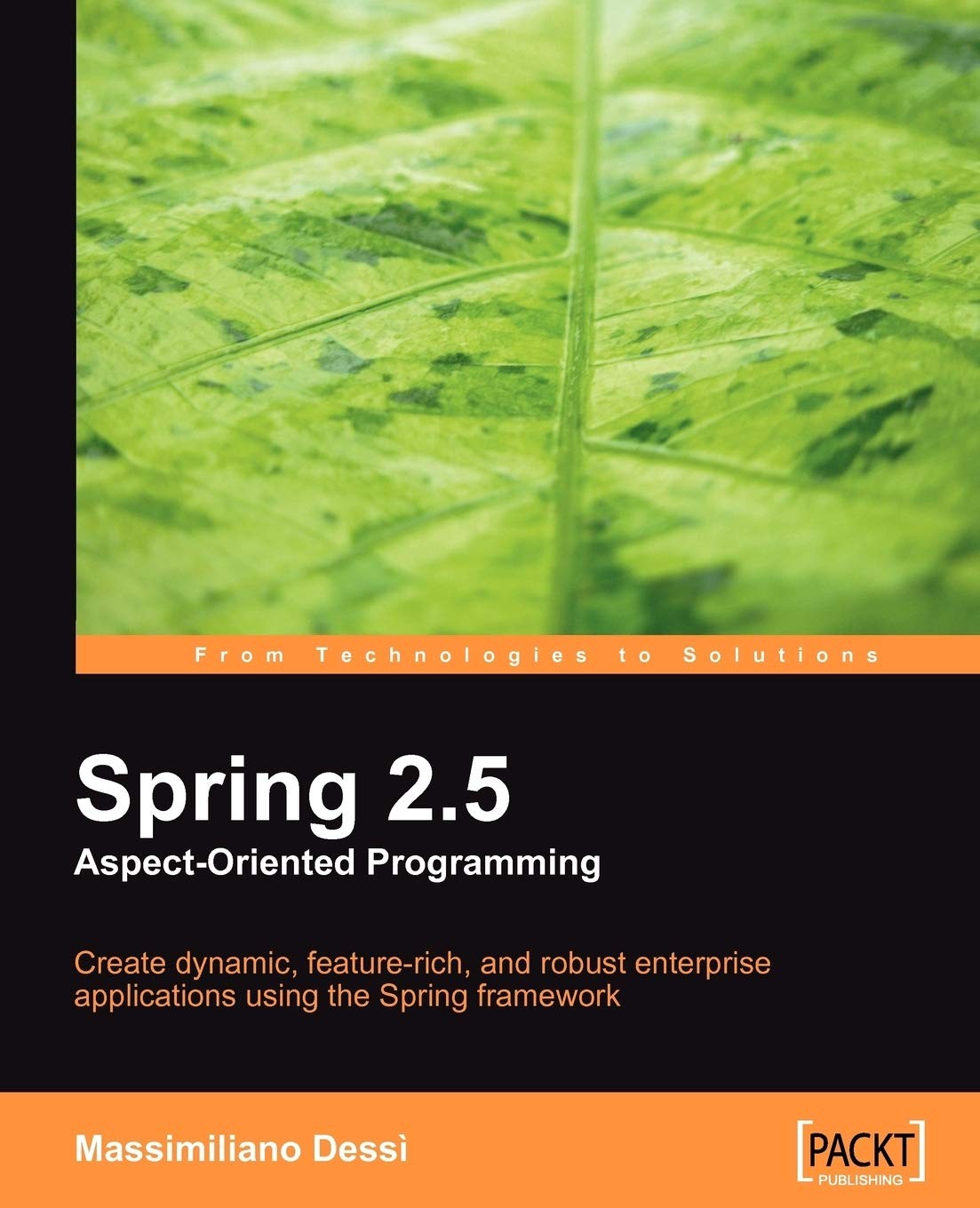
Spring 2.5 Aspect Oriented Programming (English, Massimiliano Dess� | Massimiliano Dessi)
Computer Science
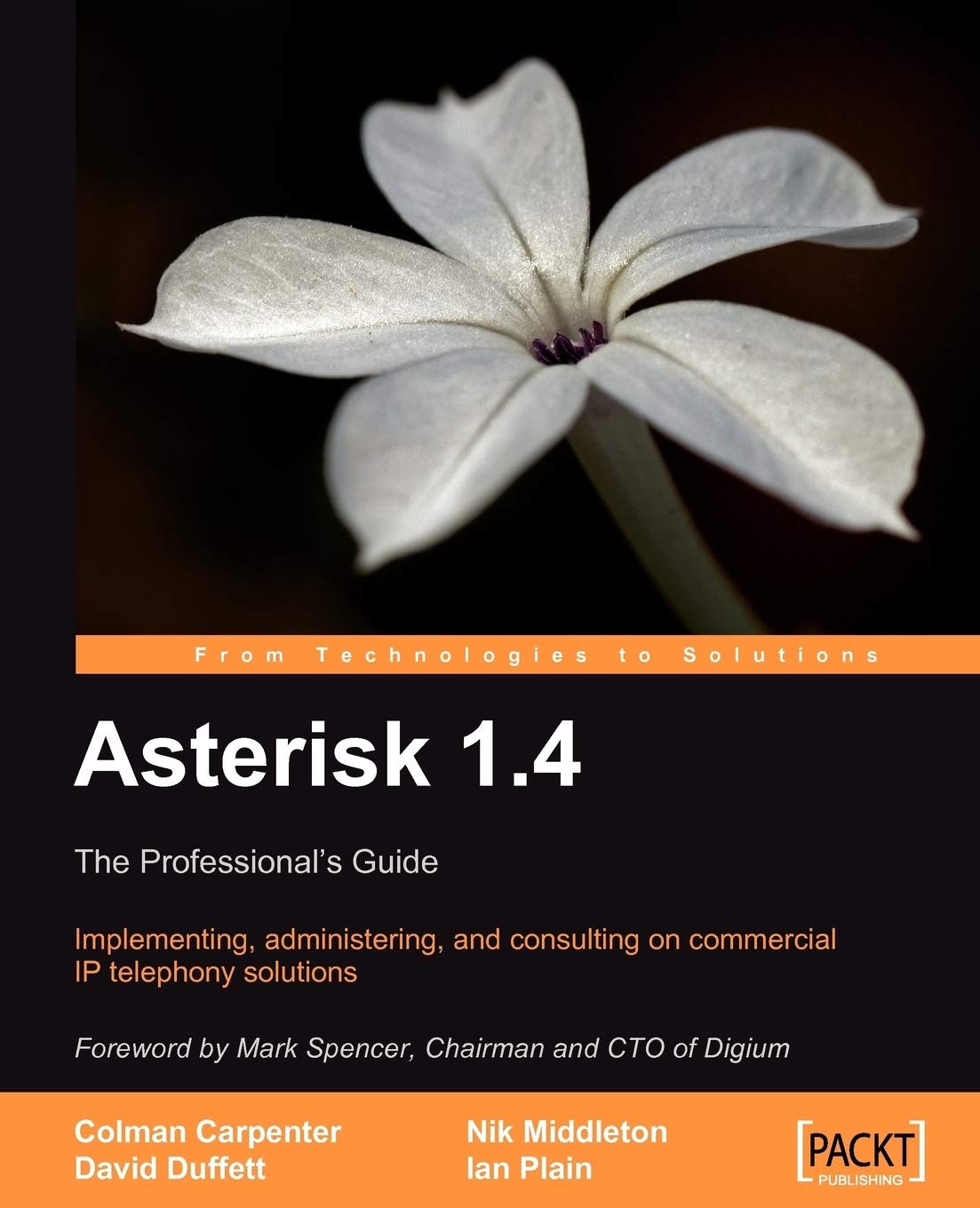
Asterisk 1.4 - the Professional's Guide (English, Colman Carpenter | David Duffett | Nik Middleton)
Computer Science
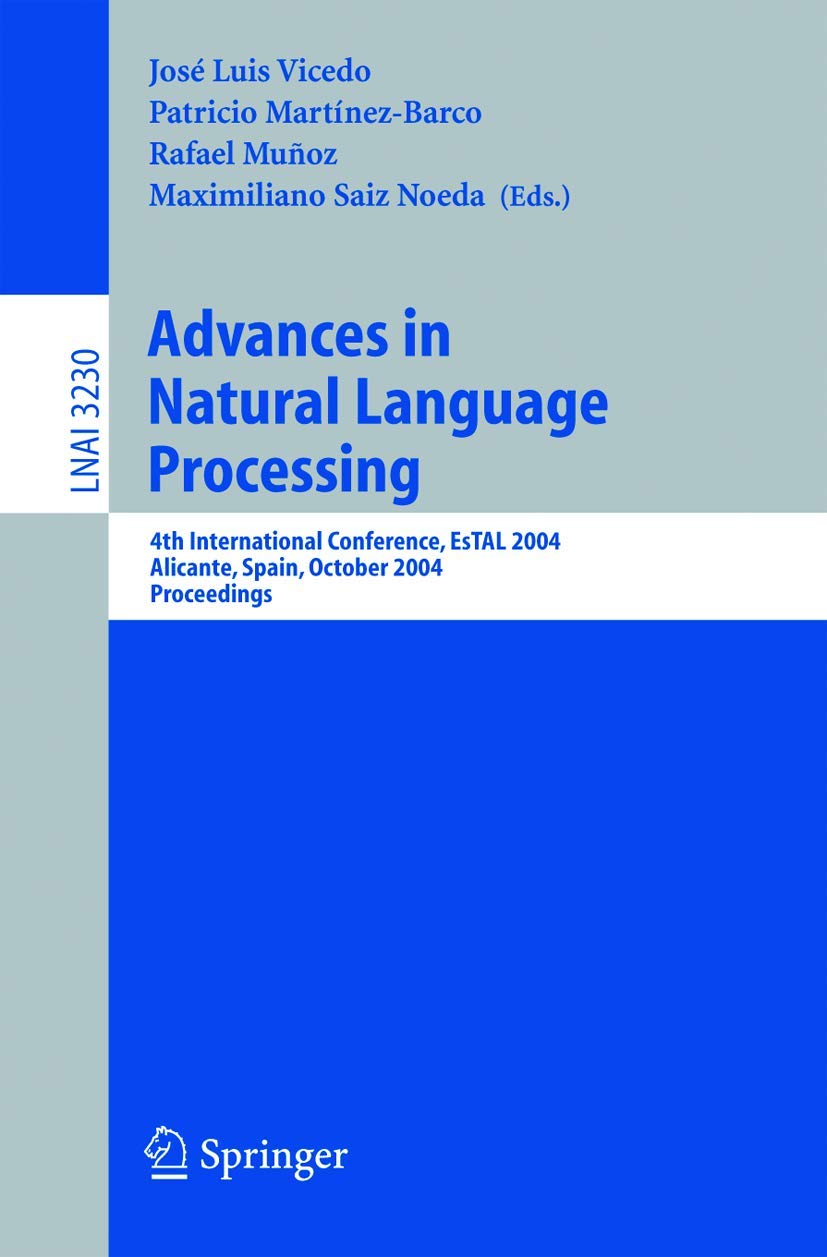
Advances In Natural Language Processing: 4th International Conference, Estal 2004, Alicante, Spain, October 20-22, 2004. Proceedings: 3230 (Lecture Notes in Computer Science)
Computer Science
Multimedia, Communication and Computing Application: Proceedings of the 2014 International Conference on Multimedia, Communication and Computing ... 2014), Xiamen, China, October 16-17, 2014

Computer Science
Cases on Database Technologies and Applications (Cases on Information Technology Series)
Computer Science
ASP.Net 3.5 Social Networking (English, Andrew Siemer)
Related Products
View AllComputer Science
Spring 2.5 Aspect Oriented Programming (English, Massimiliano Dess� | Massimiliano Dessi)
Computer Science
Asterisk 1.4 - the Professional's Guide (English, Colman Carpenter | David Duffett | Nik Middleton)
Computer Science
Advances In Natural Language Processing: 4th International Conference, Estal 2004, Alicante, Spain, October 20-22, 2004. Proceedings: 3230 (Lecture Notes in Computer Science)
Computer Science
Multimedia, Communication and Computing Application: Proceedings of the 2014 International Conference on Multimedia, Communication and Computing ... 2014), Xiamen, China, October 16-17, 2014
Computer Science
Cases on Database Technologies and Applications (Cases on Information Technology Series)
Computer Science