
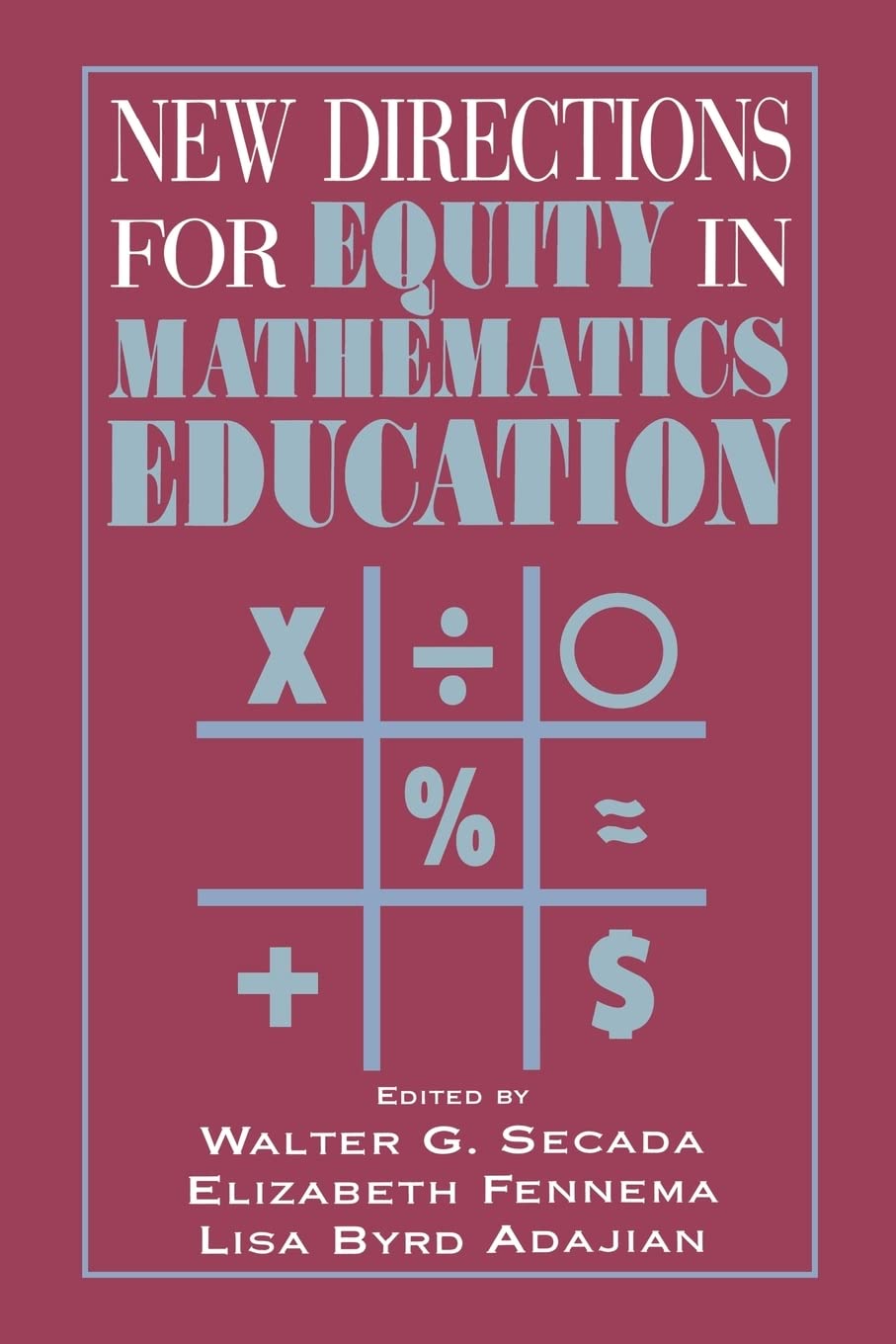
New Directions for Equity in Mathematics Education by W. Secada: A Deep Dive into Cultural, Gender, and Linguistic Chall
Inclusive of all applicable taxes. FREE shipping on all orders.
Available Offers
- 🚚Free Delivery — Free shipping on all orders
- 💵Cash on Delivery — Pay when your order arrives
- ↩️15-Day Easy Returns — Hassle-free return policy
- 🔒Cash on Delivery — Pay safely when your order arrives
Check Delivery
Product Description
Introduction
In an era where educational equity is more critical than ever, New Directions for Equity in Mathematics Education offers a profound and timely examination of how mathematics classrooms can become spaces of fairness and opportunity for all learners. Edited by renowned scholar W. Secada, this hardcover volume from Cambridge University Press brings together leading researchers to explore the complex interplay of culture, gender, language, and social class in mathematics learning. For Indian educators, policymakers, and students, this book provides essential insights into creating inclusive mathematics environments that respect diversity and promote achievement.
Book Overview
This comprehensive work delves into the systemic challenges that hinder equitable mathematics education, moving beyond surface-level solutions to address deep-rooted issues. The book is structured around three major themes: broad cultural and societal influences, gender dynamics in mathematics learning, and the role of language in mathematical understanding. Through rigorous research and real-world examples, the contributors critique current reform movements and offer new pathways for teacher empowerment, classroom practice, and curriculum design. The volume is an indispensable resource for anyone committed to transforming mathematics education into a truly equitable discipline.
Key Highlights
- Interdisciplinary Approach: Combines perspectives from sociology, linguistics, gender studies, and education research to provide a holistic view of equity in mathematics.
- Critique of Reform: Offers a balanced analysis of mathematics education reforms, highlighting both successes and shortcomings in addressing equity.
- Focus on Teachers: Emphasizes the critical role of teachers as agents of change, with chapters dedicated to teacher empowerment and professional development.
- Language and Learning: Explores how linguistic diversity impacts mathematical understanding, a crucial consideration for multilingual classrooms like those in India.
- Quantifiable Insights: Uses measurable outcomes to illustrate disparities, making the case for equity both compelling and evidence-based.
Inside the Book
The book is divided into three interconnected sections. The first section examines how social class, cultural assumptions, and societal notions of merit shape mathematics education. The second section focuses on gender, analyzing how stereotypes and institutional practices create barriers for girls and women. The third section investigates the relationship between language and mathematics, including the challenges faced by students who learn in a non-native language. Throughout, chapters interweave themes of teacher empowerment, classroom dynamics, and the need to re-skill educators to meet diverse student needs.
Key Topics
- Equity and social justice in mathematics curricula
- Gender disparities in mathematics achievement and participation
- Language barriers and bilingual mathematics instruction
- Teacher education and professional development for inclusive classrooms
- Critique of standardized testing and meritocracy in mathematics
- Cultural relevance in mathematics teaching materials
- Classroom strategies for supporting marginalized students
- The role of policy in promoting equitable mathematics education
Reader Benefits
- Deepen Understanding: Gain a nuanced perspective on the root causes of inequity in mathematics education, beyond common assumptions.
- Practical Strategies: Learn evidence-based approaches to create more inclusive and effective mathematics classrooms.
- Research-Based Insights: Access cutting-edge research from top scholars, presented in an accessible and engaging manner.
- Contextual Relevance: While global in scope, the book's themes resonate strongly with India's diverse linguistic, cultural, and socioeconomic landscape.
- Critical Thinking: Develop the ability to critically evaluate mathematics curricula, teaching methods, and educational policies through an equity lens.
Learning Outcomes
By engaging with this book, readers will be able to: identify systemic barriers to equitable mathematics education; analyze the interplay of gender, language, and culture in mathematical learning; design teaching strategies that support diverse learners; critique current reform movements from an equity perspective; and advocate for policies that promote fairness in mathematics classrooms. The book empowers readers to become informed change-makers in their own educational contexts.
Who Should Read
This book is essential for mathematics teachers at all levels, teacher educators, curriculum developers, education researchers, and policymakers. It is also highly relevant for undergraduate and postgraduate students in education, sociology, and gender studies. Indian readers working in multilingual or multicultural educational settings will find the chapters on language and culture particularly valuable. School administrators and NGOs focused on educational equity will also benefit from the book's comprehensive analysis.
About the Author
W. Secada is a distinguished scholar in mathematics education and equity research. With decades of experience in studying how social and cultural factors influence learning, Secada has contributed extensively to the field through research, teaching, and policy advocacy. He has edited multiple influential volumes and served on advisory boards for national and international education initiatives. His work is widely cited for its rigor and its commitment to social justice in education.
About the Publisher
Cambridge University Press is one of the world's oldest and most prestigious academic publishers. With a history spanning over 400 years, Cambridge University Press is renowned for publishing high-quality scholarly works that advance knowledge across disciplines. Their education and mathematics titles are trusted by academics, teachers, and students globally for their depth, accuracy, and relevance.
Conclusion
New Directions for Equity in Mathematics Education is more than a book—it is a call to action for educators, researchers, and policymakers to reimagine mathematics education as a tool for empowerment rather than exclusion. In a country as diverse as India, where language, gender, and socioeconomic factors deeply influence educational outcomes, this volume offers both the theoretical foundation and practical guidance needed to build classrooms where every student can succeed. Add this essential hardcover to your library and join the movement toward a more equitable future in mathematics education.
Quick Summary
New Directions for Equity in Mathematics Education, edited by W. Secada and published by Cambridge University Press, is a seminal academic work that tackles the pressing issue of equitable schooling for ethnic, linguistic, and gender minorities within the context of mathematics education. The book is structured into three major sections: the first examines broad cultural issues such as social class and the concept of merit; the second analyzes gender disparities in math learning; and the third explores the intersection of language and mathematics. A recurring theme across chapters is a critical assessment of the mathematics reform movement, questioning whether current changes truly serve all students. This volume brings together top researchers to provide a multidisciplinary perspective, making it an essential resource for educators, policymakers, and scholars. Readers will gain a deeper understanding of how systemic inequalities manifest in math classrooms and learn about evidence-based pathways to foster inclusion. For Indian readers, the book's focus on diversity and language is particularly valuable given the country's rich multilingual and multicultural educational landscape. By purchasing from Bookshops.in, customers receive a genuine hardcover copy with reliable delivery across India.
Book Highlights
Book Specifications
| ISBN-13 | 9780521477208 |
| ISBN-10 | 0521477204 |
| Publisher | Cambridge University Press |
| Language | English |
| Dimensions | 15.24 x 2.41 x 22.86 cm |
| Weight | 589 g |
| Country | India |
| Category | Science & Mathematics › Mathematics |
| Genre | Non-fiction |
| Original Language | English |
Frequently Asked Questions
What is the main focus of this book?
Who is the author of New Directions for Equity in Mathematics Education?
Is this book suitable for Indian educators?
What topics are covered in the book?
Does the book include practical teaching strategies?
Who is the publisher?
What is the ISBN-13?
Is this book a hardcover or paperback?
What is the price in India?
Can I use this book for academic research?
Does the book address language barriers in math?
What is the reading level?
Where can I buy this book in India?
Readers Also Search For
Customers Also Bought
Mathematics
Stereotype Spaces and Algebras: 73 (De Gruyter Expositions in Mathematics, 73)
Mathematics
Semigroups in Algebra, Geometry and Analysis: 20 (De Gruyter Expositions in Mathematics, 20)
Mathematics
Geometry from the Pacific Rim: Proceedings of the Pacific Rim Geometry Conference held at National University of Singapore, Republic of Singapore, ... 1994 (De Gruyter Proceedings in Mathematics)
Mathematics
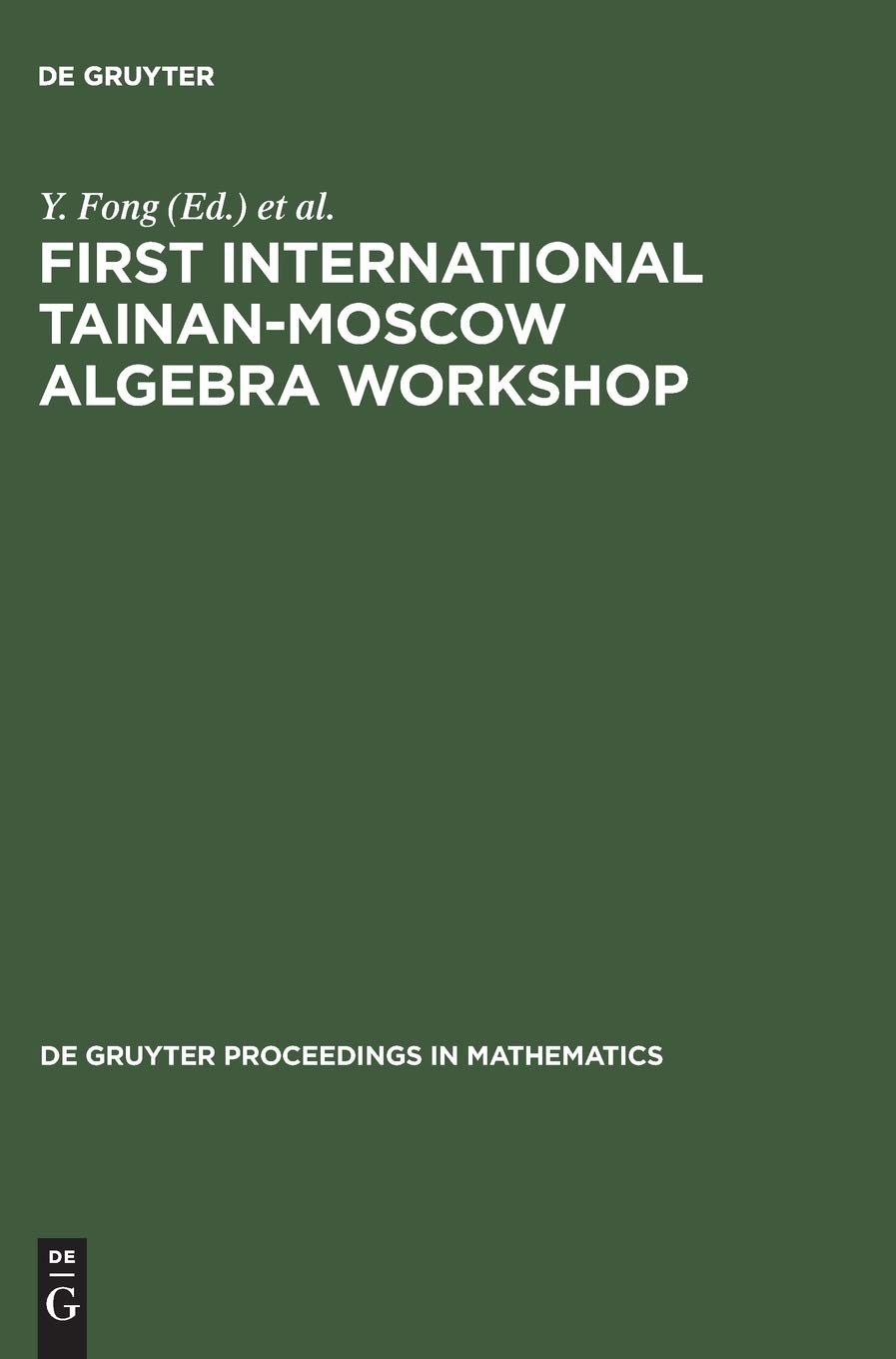
First International Tainan-Moscow Algebra Workshop: Proceedings of the International Conference held at National Cheng Kung University Tainan, Taiwan, ... 1994 (De Gruyter Proceedings in Mathematics)

Mathematics
Differential Geometry - Proceedings of the VIII International Colloquium (English, Jesus A. Alvarez Lopez | Eduardo Garcia-Rio)
Mathematics
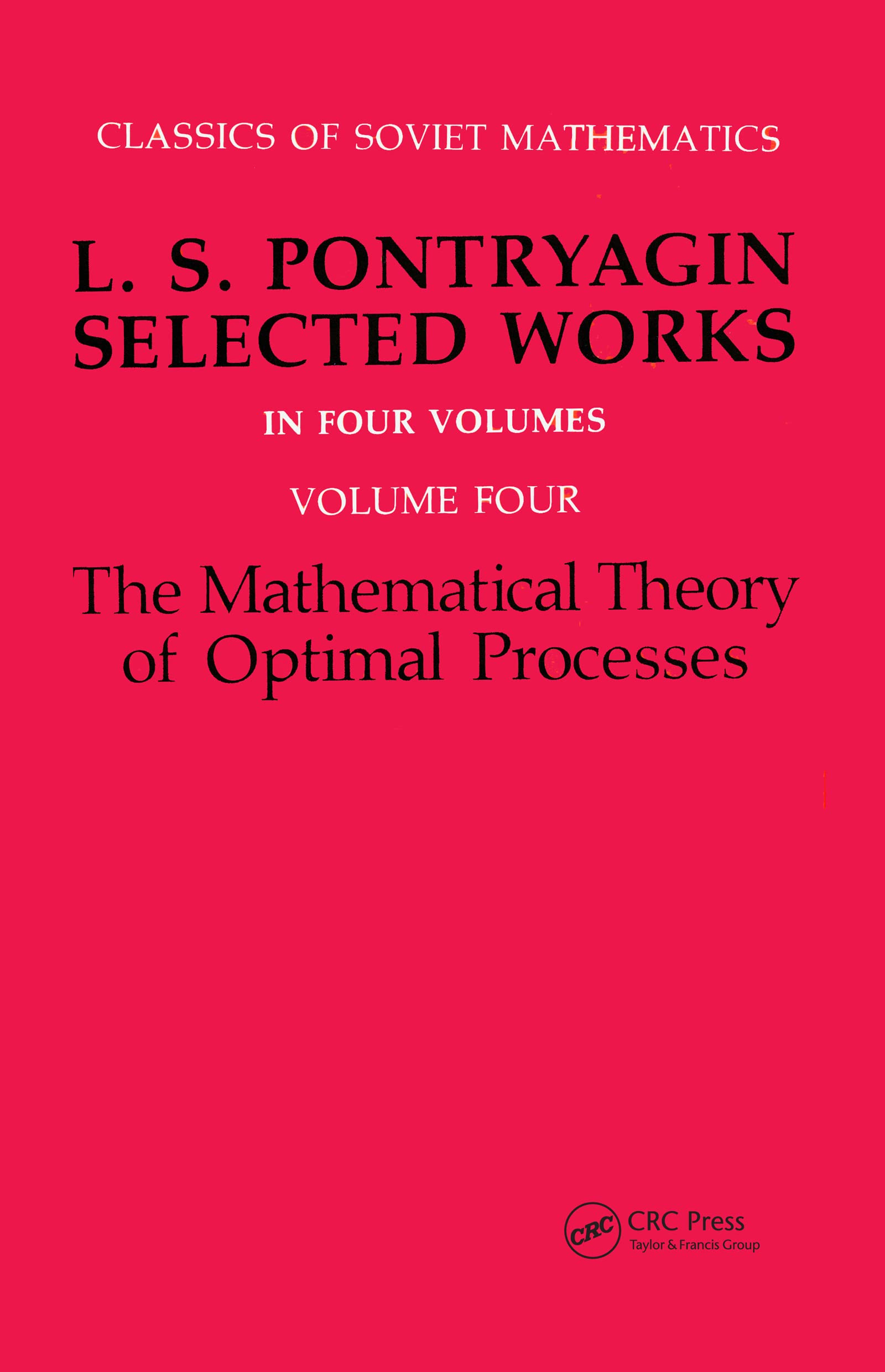
Mathematical Theory of Optimal Processes (Classics of Soviet Mathematics)
Related Products
View AllMathematics
Mathematical Theory of Optimal Processes (Classics of Soviet Mathematics)
Mathematics
Stereotype Spaces and Algebras: 73 (De Gruyter Expositions in Mathematics, 73)
Mathematics
Semigroups in Algebra, Geometry and Analysis: 20 (De Gruyter Expositions in Mathematics, 20)
Mathematics
Geometry from the Pacific Rim: Proceedings of the Pacific Rim Geometry Conference held at National University of Singapore, Republic of Singapore, ... 1994 (De Gruyter Proceedings in Mathematics)
Mathematics
First International Tainan-Moscow Algebra Workshop: Proceedings of the International Conference held at National Cheng Kung University Tainan, Taiwan, ... 1994 (De Gruyter Proceedings in Mathematics)
Mathematics