

No Jurisdiction: Legal, Political, and Aesthetic Disorder in Post-9/11 Genre Cinema by Fareed Ben-Youssef – A Critical S
Inclusive of all applicable taxes. FREE shipping on all orders.
Available Offers
- 🚚Free Delivery — Free shipping on all orders
- 💵Cash on Delivery — Pay when your order arrives
- ↩️15-Day Easy Returns — Hassle-free return policy
- 🔒Cash on Delivery — Pay safely when your order arrives
Check Delivery
Product Description
Introduction
In an era where the lines between law, politics, and popular culture blur more than ever, No Jurisdiction: Legal, Political, and Aesthetic Disorder in Post-9/11 Genre Cinema by Fareed Ben-Youssef offers a groundbreaking exploration of how Hollywood genre films have shaped—and been shaped by—the global War on Terror. This hardcover edition, published by the State University of New York Press, is an essential read for Indian students, scholars, and cinephiles seeking to understand the deep interplay between cinema, justice, and state power in the post-9/11 world.
Book Overview
No Jurisdiction is not merely a film studies book; it is a deeply personal and politically charged journey. Fareed Ben-Youssef, a disabled American of French-Arab descent, turns a critical lens on his own conflicted love for the (super)heroes who often represent the very forces that marginalize people like him. The book argues that in the wake of 9/11, filmmakers and lawmakers alike turned to iconic genre characters—cowboys, femme fatales, and superheroes—to process collective trauma and to imagine new legal and political orders. By examining the dialogue between Hollywood entertainment and mainstream politics, Ben-Youssef reveals how genre cinema can both normalize state violence and offer powerful critiques of it. From the Western to film noir, from superhero blockbusters to global genre films, this book maps a landscape of aesthetic and legal disorder.
Key Highlights
- Interdisciplinary Approach: Blends autobiography, legal theory, and film analysis to create a unique, personal narrative.
- Genre Diversity: Examines Westerns, film noir, superhero movies, and global films that comment on these genres.
- Iconic Film Analyses: Offers fresh readings of films like The Dark Knight, Sicario, Logan, Sin City, and Adieu Gar.
- Critical Perspective: Challenges mainstream narratives by showing how genre cinema can both justify and resist state violence.
- Relevant to Today: Provides tools to understand the ongoing legal and political crises shaped by the War on Terror.
Inside the Book
The book is structured around key genre traditions, each chapter offering a deep dive into how specific cinematic forms respond to the post-9/11 condition. Readers will find detailed analyses of how the cowboy archetype is repurposed in films like Sicario to embody a lawless, extrajudicial force; how the femme fatale in neo-noir cinema reflects anxieties about surveillance and betrayal; and how superhero narratives like Logan grapple with the trauma of endless war. The global film section extends the discussion beyond Hollywood, showing how filmmakers from different cultures adopt and subvert these genres to comment on their own legal and political realities. Each analysis is grounded in concrete legal concepts, such as jurisdiction, sovereignty, and the state of exception, making the book intellectually rigorous yet accessible.
Key Topics
- Post-9/11 legal and political disorder in cinema
- Genre film as a tool for understanding state violence
- The cowboy, femme fatale, and superhero archetypes in the War on Terror
- Jurisdiction, sovereignty, and the aesthetics of lawlessness
- Autobiographical criticism and the politics of identity
- Global genre cinema and its response to American hegemony
Reader Benefits
This book empowers readers to critically engage with the films they watch, moving beyond passive entertainment to see the legal and political messages embedded in every frame. It offers a vocabulary for discussing how cinema shapes public perceptions of justice, security, and otherness. For students and researchers, it provides a model for interdisciplinary scholarship that bridges film studies, law, and political science. For general readers, it deepens the viewing experience of popular genre films, revealing hidden layers of meaning and critique.
Learning Outcomes
- Analyze how post-9/11 genre films reflect and influence legal and political ideologies.
- Identify the use of archetypal characters (cowboy, femme fatale, superhero) as vehicles for state power.
- Critically evaluate the dual role of cinema in normalizing and critiquing state violence.
- Understand the concept of jurisdiction as both a legal term and an aesthetic principle.
- Apply autobiographical and intersectional approaches to film criticism.
- Compare American genre cinema with global responses to the War on Terror.
Who Should Read
This book is ideal for undergraduate and postgraduate students of film studies, cultural studies, law, and political science. It is also highly recommended for scholars researching post-9/11 culture, critical legal studies, and genre theory. General readers with a passion for Hollywood cinema and an interest in the politics of representation will find it both enlightening and provocative. Indian readers, in particular, will benefit from the book's global perspective, as it offers tools to understand how genre cinema from outside the West—including Indian and other Asian cinemas—can engage with similar themes of law, disorder, and identity.
About the Author
Fareed Ben-Youssef is a scholar, critic, and filmmaker whose work sits at the intersection of law, politics, and popular culture. Drawing on his own experiences as a disabled American of French-Arab descent, he brings a unique, marginalized perspective to the study of genre cinema. His research has been published in leading academic journals, and No Jurisdiction is his first major book-length work, earning praise for its originality, courage, and intellectual depth.
About the Publisher
State University of New York Press is a distinguished academic publisher known for its rigorous scholarship in the humanities and social sciences. With a focus on innovative and interdisciplinary works, SUNY Press has long been a trusted source for groundbreaking studies in film, law, and cultural theory. This hardcover edition reflects their commitment to high-quality production and lasting academic value.
Conclusion
No Jurisdiction is an indispensable addition to any serious film or legal studies library. It challenges readers to rethink the heroes they love and the laws they take for granted, revealing the messy, often violent, entanglement of cinema and power in the post-9/11 world. For Indian readers navigating a globalized media landscape, this book offers a critical framework to understand how Hollywood genre films—and their local counterparts—shape our understanding of justice, identity, and resistance. Order your copy today from Bookshops.in and dive into a world where lawlessness meets cinematic imagination.
Quick Summary
No Jurisdiction: Legal, Political, and Aesthetic Disorder in Post-9/11 Genre Cinema by Fareed Ben-Youssef is a groundbreaking work that blends personal memoir with incisive film and legal criticism. The author, a disabled American of French-Arab descent, examines how Hollywood genre films—Westerns, film noir, and superhero movies—respond to the trauma of 9/11 and the subsequent War on Terror. He argues that these films serve a dual purpose: they normalise state violence through iconic characters like the cowboy, the femme fatale, and the superhero, while also offering spaces for critique and resistance. The book is ideal for students and scholars of film studies, legal theory, political science, and cultural studies, as well as general readers interested in understanding how popular entertainment shapes our perception of law and power. Published by State University of New York Press, this hardcover edition is a valuable addition to any library. Buy it from Bookshops.in, India's premium online bookstore, for reliable service and fast delivery.
Book Highlights
Book Specifications
| ISBN-13 | 9781438489278 |
| ISBN-10 | 1438489277 |
| Publisher | State University of New York Press |
| Language | English |
| Dimensions | 15.88 x 1.91 x 23.5 cm |
| Weight | 431 g |
| Country | India |
| Category | Performing Arts › Film & Television |
| Genre | Film Studies, Cultural Studies, Legal Theory |
| Original Language | English |
Frequently Asked Questions
What is the main argument of No Jurisdiction?
Who is Fareed Ben-Youssef?
Is this book only for film experts?
Does the book cover Indian cinema?
What genres are analysed in the book?
Can I use this book for my university course?
Does the author include autobiographical elements?
Is the book available in Indian rupees?
What is the ISBN?
Does this book discuss superhero movies?
Why is the title 'No Jurisdiction'?
Is this book part of a series?
Readers Also Search For
Customers Also Bought
McFarland & Company
Playing with the Guys | by Marc A. Ouellette | Matthew Wilhelm Kapell | McFarland & Company | by Marc A. Ouellette | Matthew Wilhelm Kapell | McFarland & Company | by Marc A. Ouellette | Matthew Wilhelm Kapell | McFarland & Company | by Marc A. Ouellette | Matthew Wilhelm Kapell | McFarland & Company | by Marc A. Ouellette | Matthew Wilhelm Kapell | McFarland & Company | by Marc A. Ouellette | Matthew Wilhelm Kapell | McFarland & Company | by Marc A. Ouellette | Matthew W
Rowman & Littlefield Publishers
Joss Whedon's Dollhouse: Confounding Purpose, Confusing Identity (Science Fiction Television)
State University of New York Press
Mexico Unmanned: The Cultural Politics of Masculinity in Mexican Cinema (SUNY series in Latin American Cinema)

McFarland & Company
Valley Forge to Monmouth | by Jim Stempel | McFarland & Company | by Jim Stempel | McFarland & Company | by Jim Stempel | McFarland & Company | by Jim Stempel | McFarland & Company | by Jim Stempel | McFarland & Company | by Jim Stempel | McFarland & Company | by Jim Stempel | McFarland & Company | by Jim Stempel | McFarland & Company | by Jim Stempel | McFarland & Company | by Jim Stempel | McFarland & Company | by Jim Stempel | McFarland & Company |
University of Toronto Press
Structures of Feeling in Seventeenth-Century Cultural Expression (UCLA Center Clark Library)
McFarland & Company
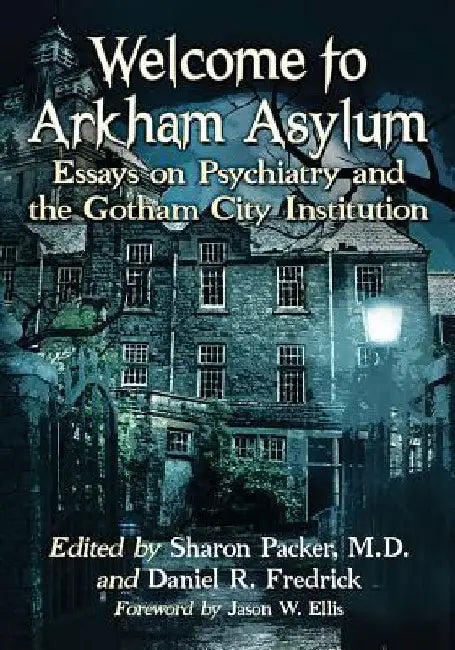
Welcome to Arkham Asylum | by Sharon Packer | Daniel R. Fredrick | McFarland & Company | by Sharon Packer | Daniel R. Fredrick | McFarland & Company | by Sharon Packer | Daniel R. Fredrick | McFarland & Company | by Sharon Packer | Daniel R. Fredrick | McFarland & Company | by Sharon Packer | Daniel R. Fredrick | McFarland & Company | by Sharon Packer | Daniel R. Fredrick | McFarland & Company | by Sharon Packer | Daniel R. Fredrick | McFarland & Company | by Sharon P
Related Products
View All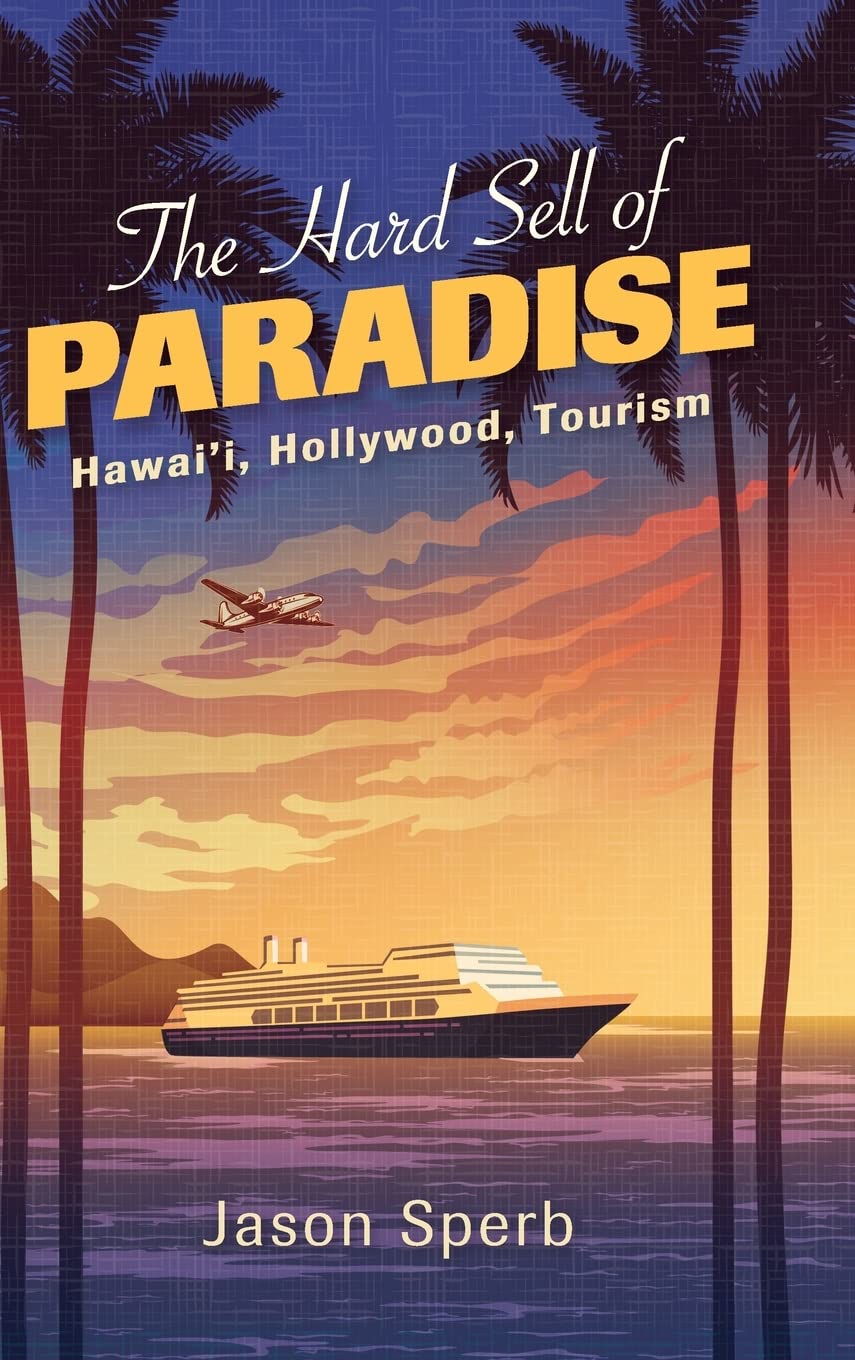
State University of New York Press
The Hard Sell of Paradise: Hawai'i, Hollywood, Tourism (SUNY series, Horizons of Cinema)

State University of New York Press
Work and Lifecourse in Japan | by David W. Plath | State University of New York Press | by David W. Plath | State University of New York Press | by David W. Plath | State University of New York Press | by David W. Plath | State University of New York Press | by David W. Plath | State University of New York Press | by David W. Plath | State University of New York Press | by David W. Plath | State University of New York Press | by David W. Plath | State University of New York Press | by David W. P

State University of New York Press
For We are Sold, I and My People | by María P. Fernández-Kelly | State University of New York Press | by María P. Fernández-Kelly | State University of New York Press | by María P. Fernández-Kelly | State University of New York Press | by María P. Fernández-Kelly | State University of New York Press | by María P. Fernández-Kelly | State University of New York Press | by María P. Fernández-Kelly | State University of New York Press | by María P. Fernández-Kelly | State University of New York Pres
State University of New York Press
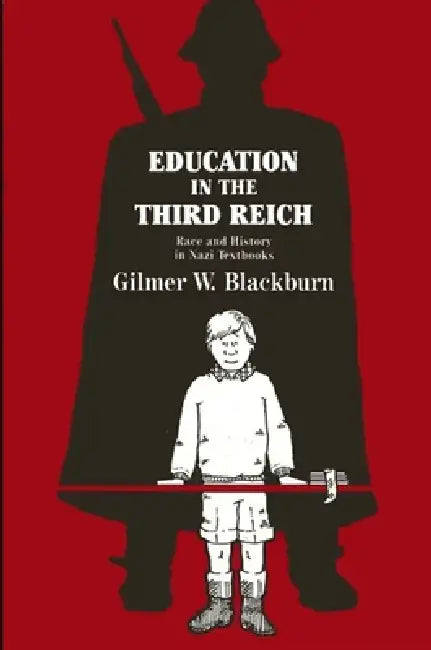
Education in the Third Reich | by Gilmer W. Blackburn | State University of New York Press | by Gilmer W. Blackburn | State University of New York Press | by Gilmer W. Blackburn | State University of New York Press | by Gilmer W. Blackburn | State University of New York Press | by Gilmer W. Blackburn | State University of New York Press | by Gilmer W. Blackburn | State University of New York Press | by Gilmer W. Blackburn | State University of New York Press | by Gilmer W. Blackburn | State Univ
State University of New York Press
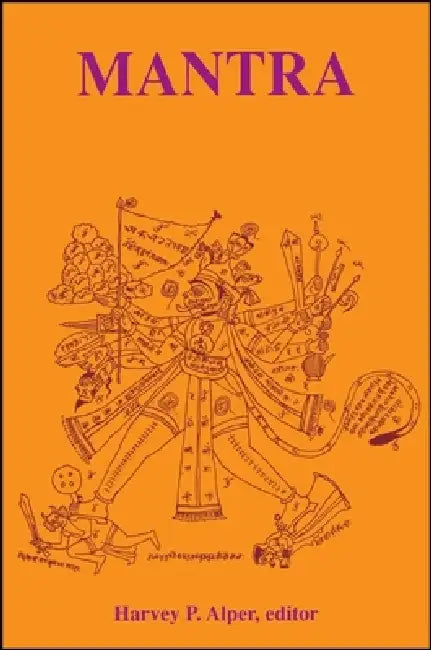
Mantra | by Harvey P. Alper | State University of New York Press | by Harvey P. Alper | State University of New York Press | by Harvey P. Alper | State University of New York Press | by Harvey P. Alper | State University of New York Press | by Harvey P. Alper | State University of New York Press | by Harvey P. Alper | State University of New York Press | by Harvey P. Alper | State University of New York Press | by Harvey P. Alper | State University of New York Press | by Harvey P. Alper | State
State University of New York Press