
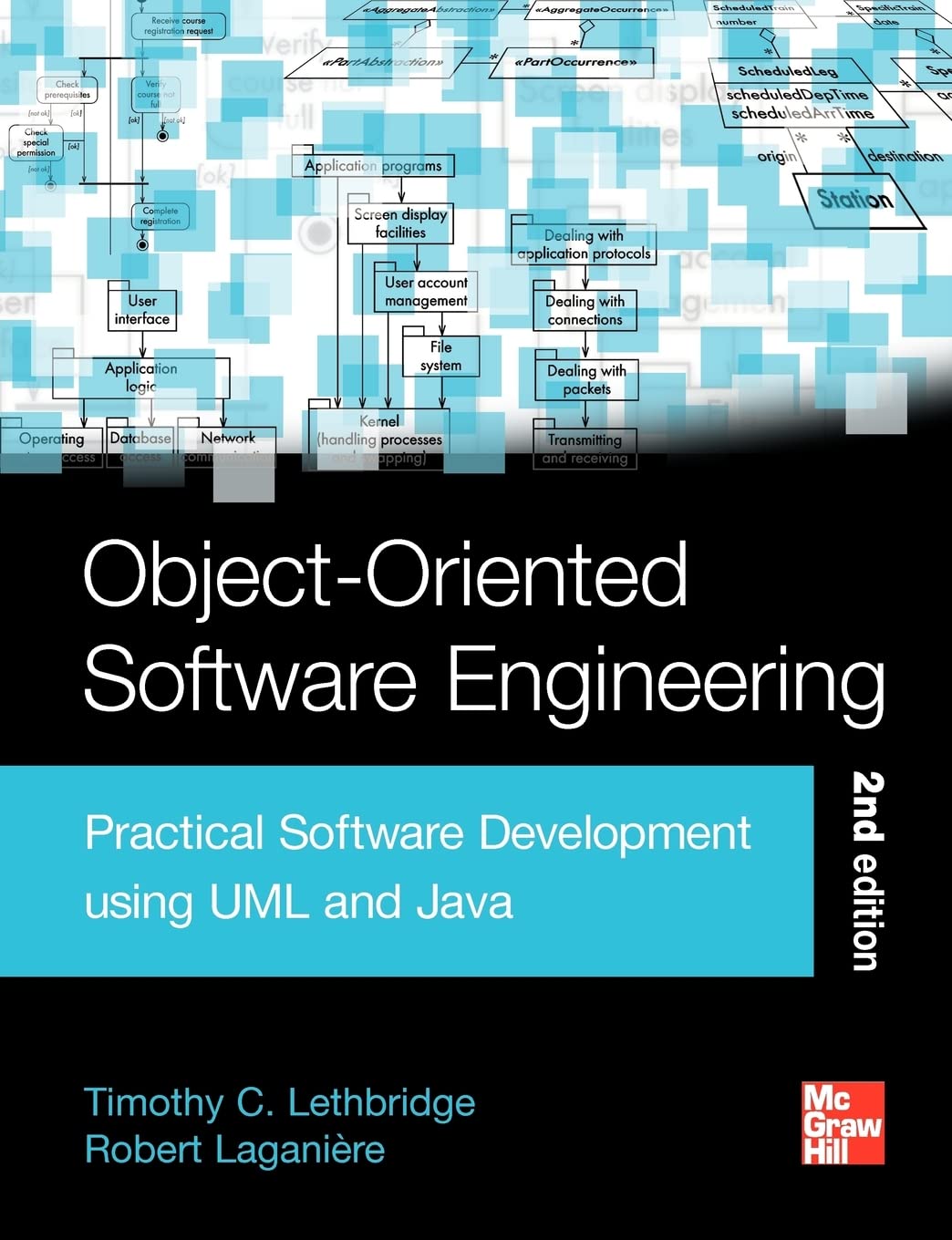
Object-Oriented Software Engineering: Practical Software Development Using UML and Java by Timothy Christian Lethbridge
Inclusive of all applicable taxes. FREE shipping on all orders.
Available Offers
- 🚚Free Delivery — Free shipping on all orders
- 💵Cash on Delivery — Pay when your order arrives
- ↩️15-Day Easy Returns — Hassle-free return policy
- 🔒Cash on Delivery — Pay safely when your order arrives
Check Delivery
Product Description
Introduction
Object-Oriented Software Engineering: Practical Software Development Using UML and Java, Second Edition, is a comprehensive textbook designed for students and professionals who wish to master the art of building robust, maintainable software systems. Authored by Timothy Christian Lethbridge and published by McGraw-Hill Publishing Company, this hardcover edition is an essential resource for anyone pursuing a career in software engineering. The book bridges the gap between theoretical concepts and real-world application, using Java as the primary programming language and UML (Unified Modeling Language) as the modeling standard. It is particularly valuable for Indian readers and students who are preparing for academic courses or industry roles in software development.
Book Overview
This second edition builds upon the strengths of the first, offering updated content that reflects modern software engineering practices. The book covers the entire software development lifecycle—from requirements analysis and design to implementation and testing. It emphasizes object-oriented principles, which are foundational for creating scalable and reusable code. With a focus on practical learning, the text includes complete Java code examples that illustrate key concepts, making it easier for readers to grasp complex ideas. The integration of UML diagrams throughout the book helps in visualizing software architecture, enabling students to communicate designs effectively. Whether you are a beginner or an experienced developer, this book provides a structured approach to software engineering that is both rigorous and accessible.
Key Highlights
- Comprehensive Coverage: From object-oriented fundamentals to advanced topics like design patterns and testing, the book covers everything needed for a solid foundation in software engineering.
- UML Integration: In-depth teaching of UML for modeling software systems, including use case diagrams, class diagrams, sequence diagrams, and state machine diagrams.
- Java-Based Examples: All concepts are demonstrated using complete Java programs, allowing readers to see theory in action.
- Practical Approach: Real-world case studies and exercises help bridge the gap between academic learning and industry requirements.
- Updated Content: The second edition includes new material on agile methods, refactoring, and software quality assurance.
Inside the Book
The book is organized into clear, logical sections that guide the reader through the software engineering process. It begins with an introduction to object-oriented concepts and software development principles, then moves into requirements engineering, where readers learn to capture and document user needs. The middle chapters focus on software design using UML, covering both static and dynamic modeling. Later sections delve into implementation strategies, testing techniques, and project management. Each chapter includes review questions, exercises, and project suggestions to reinforce learning. The book also provides appendices with UML notation summaries and Java syntax references, making it a handy desk reference for practicing engineers.
Key Topics
- Object-oriented concepts: classes, objects, inheritance, polymorphism, and encapsulation
- Requirements elicitation and analysis using UML use cases
- System design: architectural patterns, subsystem decomposition, and interface design
- Object design: detailed class design, associations, and state modeling
- Implementation in Java: coding standards, debugging, and version control
- Software testing: unit testing, integration testing, and system testing
- Software quality: metrics, reviews, and maintenance
- Project management: estimation, scheduling, and risk management
Reader Benefits
Reading this book will equip you with the skills to analyze complex problems, design effective software solutions, and implement them using Java. You will learn to create UML diagrams that communicate your designs clearly, a skill highly valued in the software industry. The practical exercises and case studies prepare you for real-world challenges, while the focus on object-oriented principles ensures your code is modular and reusable. For Indian students, the book aligns well with university curricula in computer science and information technology, making it an ideal companion for courses in software engineering, object-oriented programming, and system design. Professionals will find the book useful for upgrading their skills and staying current with industry best practices.
Learning Outcomes
- Understand and apply object-oriented principles to software development
- Create UML models for requirements, analysis, and design phases
- Develop Java programs that implement object-oriented designs
- Perform requirements engineering to capture stakeholder needs
- Design software architectures that are scalable and maintainable
- Apply testing strategies to ensure software quality
- Manage software projects using industry-standard techniques
Who Should Read
This book is primarily intended for undergraduate and postgraduate students in computer science, software engineering, and information technology programs. It is also highly suitable for self-learners and early-career software developers who want to deepen their understanding of object-oriented design and UML. Professionals transitioning into software engineering roles will benefit from the structured approach and practical examples. Additionally, educators can use this book as a textbook for courses on software engineering or object-oriented programming. The content is designed to be accessible to readers with basic programming knowledge in Java or any object-oriented language.
About the Author
Timothy Christian Lethbridge is a respected academic and researcher in the field of software engineering. He has taught at the University of Ottawa and has contributed extensively to the development of software engineering education. His expertise spans object-oriented design, UML modeling, and software quality. Lethbridge is also known for his work on the UML standard and has authored several influential papers and books. His practical experience in both academia and industry ensures that the content is both theoretically sound and applicable to real-world projects.
About the Publisher
McGraw-Hill Publishing Company is a globally recognized publisher of educational and professional content. With a history spanning over a century, McGraw-Hill is known for producing high-quality textbooks that are used in universities and colleges worldwide. Their commitment to academic excellence and practical learning makes them a trusted name in the publishing industry. This book is part of their extensive catalog of computer science and engineering titles, ensuring that it meets the highest standards of accuracy and pedagogical effectiveness.
Conclusion
Object-Oriented Software Engineering: Practical Software Development Using UML and Java, Second Edition, is an indispensable resource for anyone serious about mastering software engineering. Its blend of theory, practical examples, and UML modeling provides a complete toolkit for developing high-quality software. Whether you are a student preparing for exams or a professional looking to enhance your skills, this book offers clear guidance and lasting value. Add this hardcover edition to your library and take a confident step toward becoming a proficient software engineer.
Quick Summary
Object-Oriented Software Engineering: Practical Software Development Using UML and Java by Timothy Christian Lethbridge is a comprehensive textbook designed for students and professionals who want to master software engineering fundamentals. The book covers object-oriented principles, software modeling with UML, requirements analysis, design, and testing. It uses Java code examples to illustrate concepts in a practical manner. This second edition is ideal for Indian engineering (B.Tech, BE) and MCA students, as well as working developers seeking to solidify their understanding. Readers will learn to create UML diagrams, write robust Java code, and follow a structured software development lifecycle. By purchasing from Bookshops.in, you get a genuine hardcover edition at a competitive price with reliable delivery across India.
Book Highlights
Book Specifications
| ISBN-13 | 9780077109080 |
| ISBN-10 | 0077109082 |
| Publisher | McGraw-Hill |
| Language | English |
| Dimensions | 18.9 x 2.9 x 24.61 cm |
| Weight | 1 kg 90 g |
| Category | Software Design, Testing & Engineering › Object-Oriented Design |
| Genre | Non-fiction |
| Original Language | English |
Frequently Asked Questions
What is this book about?
Who is the author of this book?
Is this book suitable for beginners?
Does the book include Java code examples?
What is the price of this book?
Is this book used in Indian universities?
What topics are covered in requirements analysis?
Does the book teach UML thoroughly?
Can this book help with software testing?
Is the book hardcover or paperback?
Does the book include exercises?
Is this book available for purchase on Bookshops.in?
Readers Also Search For
Customers Also Bought

Programming
Algorithmische Sprache Und Programmentwicklung | by H. Partsch | F. L. Bauer | P. Pepper | Springer | by H. Partsch | F. L. Bauer | P. Pepper | Springer | by H. Partsch | F. L. Bauer | P. Pepper | Springer | by H. Partsch | F. L. Bauer | P. Pepper | Springer | by H. Partsch | F. L. Bauer | P. Pepper | Springer | by H. Partsch | F. L. Bauer | P. Pepper | Springer | by H. Partsch | F. L. Bauer | P. Pepper | Springer | by H. Partsch | F. L. Bauer | P. Pepper | Springer | by H. Partsch | F. L. Bauer
Programming
Distributed Algorithms | by Jean-Claude Bermond | Michel Raynal | Springer | by Jean-Claude Bermond | Michel Raynal | Springer | by Jean-Claude Bermond | Michel Raynal | Springer | by Jean-Claude Bermond | Michel Raynal | Springer | by Jean-Claude Bermond | Michel Raynal | Springer | by Jean-Claude Bermond | Michel Raynal | Springer | by Jean-Claude Bermond | Michel Raynal | Springer | by Jean-Claude Bermond | Michel Raynal | Springer | by Jean-Claude Bermond | Michel Raynal | Springer | by Jean
Programming
Meta-Level Control for Deductive Database Systems | by Helmut Schmidt | Springer | by Helmut Schmidt | Springer | by Helmut Schmidt | Springer | by Helmut Schmidt | Springer | by Helmut Schmidt | Springer | by Helmut Schmidt | Springer | by Helmut Schmidt | Springer | by Helmut Schmidt | Springer | by Helmut Schmidt | Springer | by Helmut Schmidt | Springer | by Helmut Schmidt | Springer | by Helmut Schmidt | Springer | by Helmut Schmidt | Springer | by Helmut Schmidt | Springer | by Helmut Schm
Programming
Java Web Services | by David A. Chappell | Tyler Jewell | O'Reilly Media | by David A. Chappell | Tyler Jewell | O'Reilly Media | by David A. Chappell | Tyler Jewell | O'Reilly Media | by David A. Chappell | Tyler Jewell | O'Reilly Media | by David A. Chappell | Tyler Jewell | O'Reilly Media | by David A. Chappell | Tyler Jewell | O'Reilly Media | by David A. Chappell | Tyler Jewell | O'Reilly Media | by David A. Chappell | Tyler Jewell | O'Reilly Media | by David A. Chappell | Tyler Jewell | O'
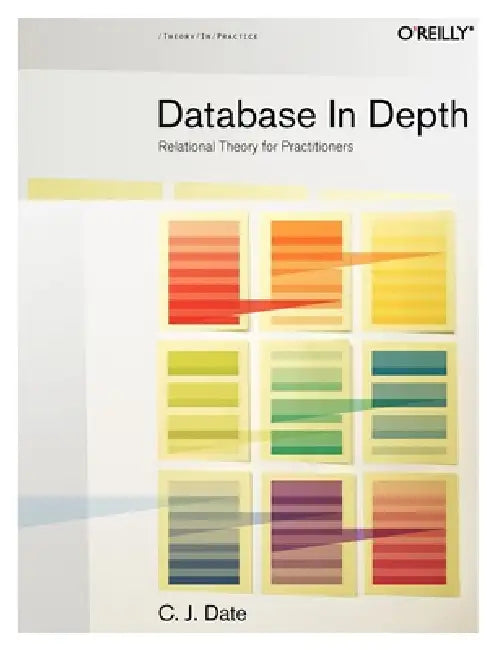
Programming
Database in Depth | by Chris J. Date | O'Reilly Media | by Chris J. Date | O'Reilly Media | by Chris J. Date | O'Reilly Media | by Chris J. Date | O'Reilly Media | by Chris J. Date | O'Reilly Media | by Chris J. Date | O'Reilly Media | by Chris J. Date | O'Reilly Media | by Chris J. Date | O'Reilly Media | by Chris J. Date | O'Reilly Media | by Chris J. Date | O'Reilly Media | by Chris J. Date | O'Reilly Media | by Chris J. Date | O'Reilly Media | by Chris J. Date | O'Reilly Media | by Chris J.
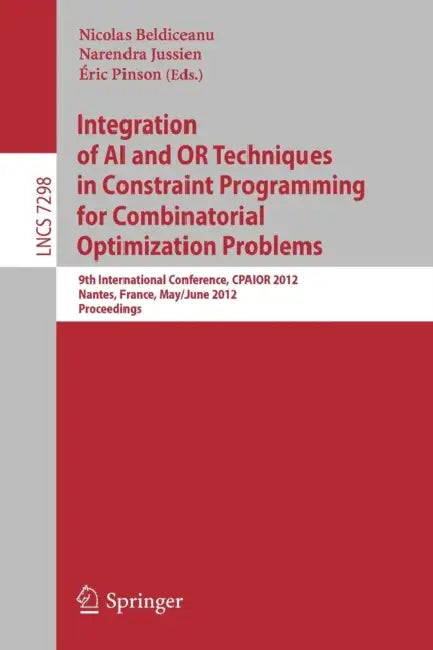
Programming
Integration of AI and OR Techniques in Constraint Programming for Combinatorial Optimization Problem | by Nicolas Beldiceanu | Narendra Jussien | Eric Pinson | Springer | by Nicolas Beldiceanu | Narendra Jussien | Eric Pinson | Springer | by Nicolas Beldiceanu | Narendra Jussien | Eric Pinson | Springer | by Nicolas Beldiceanu | Narendra Jussien | Eric Pinson | Springer | by Nicolas Beldiceanu | Narendra Jussien | Eric Pinson | Springer | by Nicolas Beldiceanu | Narendra Jussien | Eric Pinson |
Related Products
View All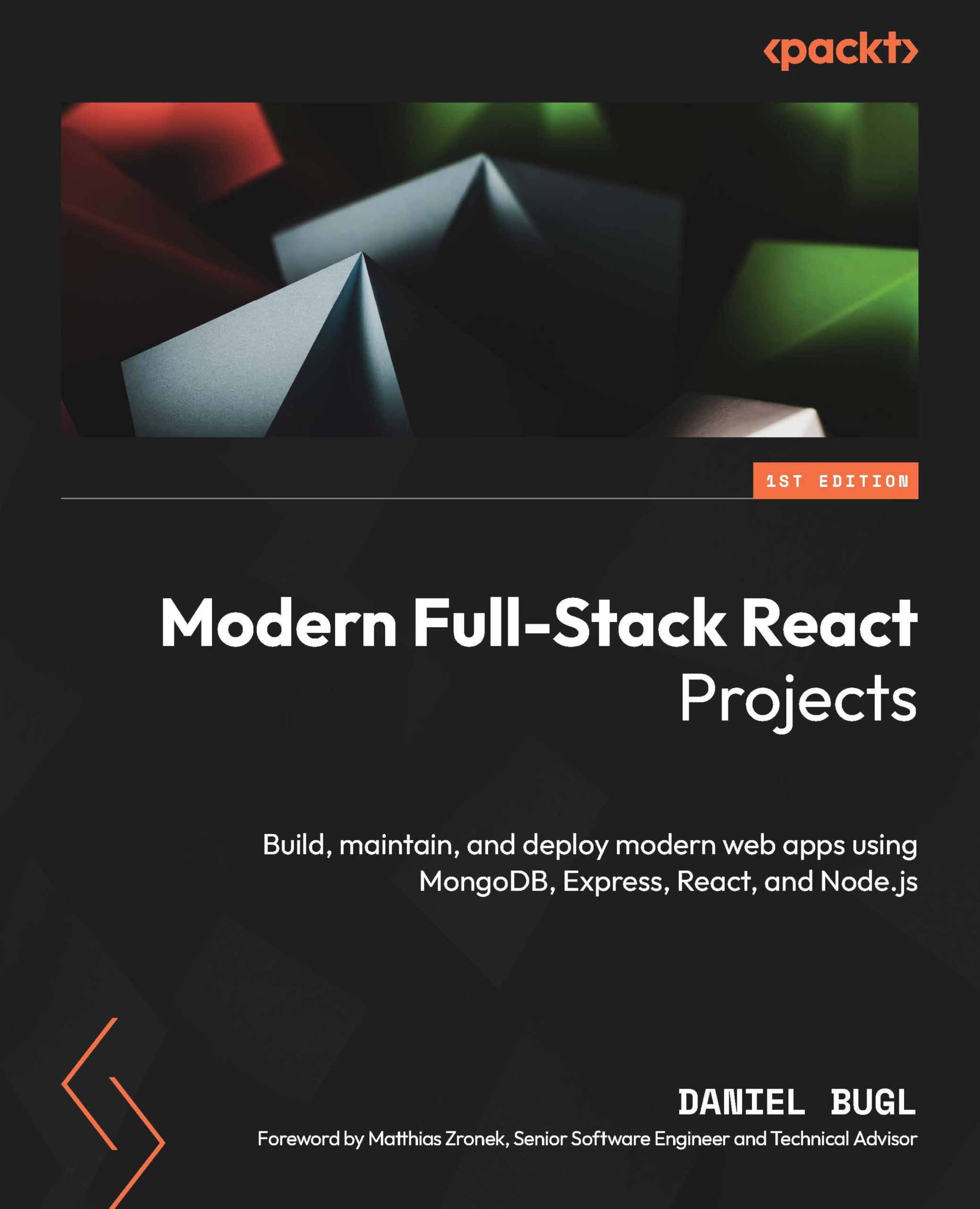
Computers & Internet
Modern Full-Stack React Projects by Daniel Bugl
Computers & Internet
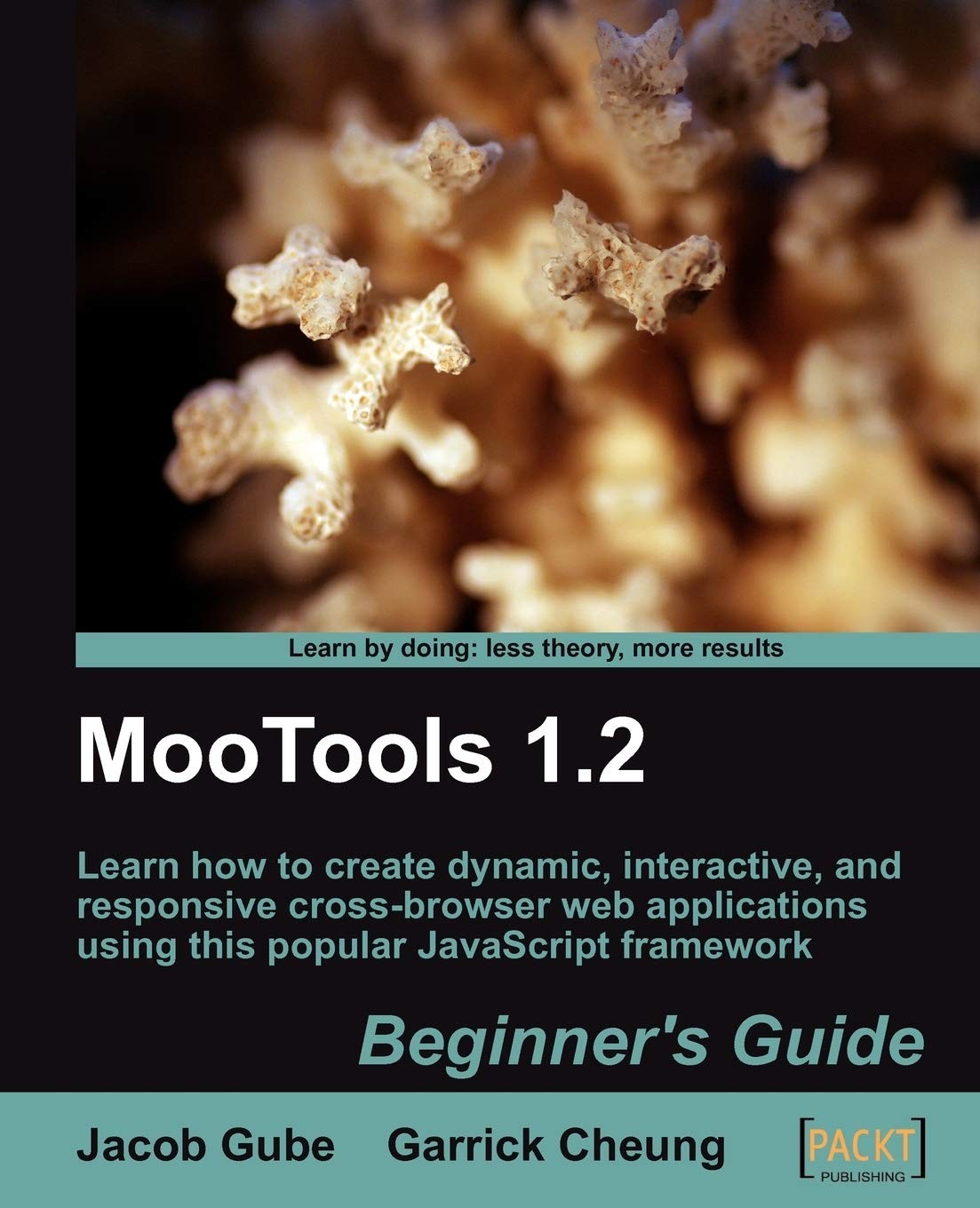
Mootools 1.2 Beginner's Guide (English, Jacob Gube)
Computers & Internet
Contemporary Methods for Speech Parameterization (Springerbriefs in Electrical and Computer Engineering / Springerbriefs in Speech Technology)

Computers & Internet
Information Technology and Lawyers | by Arno R. Lodder | Anja Oskamp | Springer | by Arno R. Lodder | Anja Oskamp | Springer | by Arno R. Lodder | Anja Oskamp | Springer | by Arno R. Lodder | Anja Oskamp | Springer | by Arno R. Lodder | Anja Oskamp | Springer | by Arno R. Lodder | Anja Oskamp | Springer | by Arno R. Lodder | Anja Oskamp | Springer | by Arno R. Lodder | Anja Oskamp | Springer | by Arno R. Lodder | Anja Oskamp | Springer | by Arno R. Lodder | Anja Oskamp | Springer | by Arno R. Lo

Computers & Internet
Digital Analysis of Remotely Sensed Imagery | by Jay Gao | McGraw-Hill Companies | by Jay Gao | McGraw-Hill Companies | by Jay Gao | McGraw-Hill Companies | by Jay Gao | McGraw-Hill Companies | by Jay Gao | McGraw-Hill Companies | by Jay Gao | McGraw-Hill Companies | by Jay Gao | McGraw-Hill Companies | by Jay Gao | McGraw-Hill Companies | by Jay Gao | McGraw-Hill Companies | by Jay Gao | McGraw-Hill Companies | by Jay Gao | McGraw-Hill Companies | by Jay Gao | McGraw-Hill Companies | by Jay Gao
Computers & Internet