
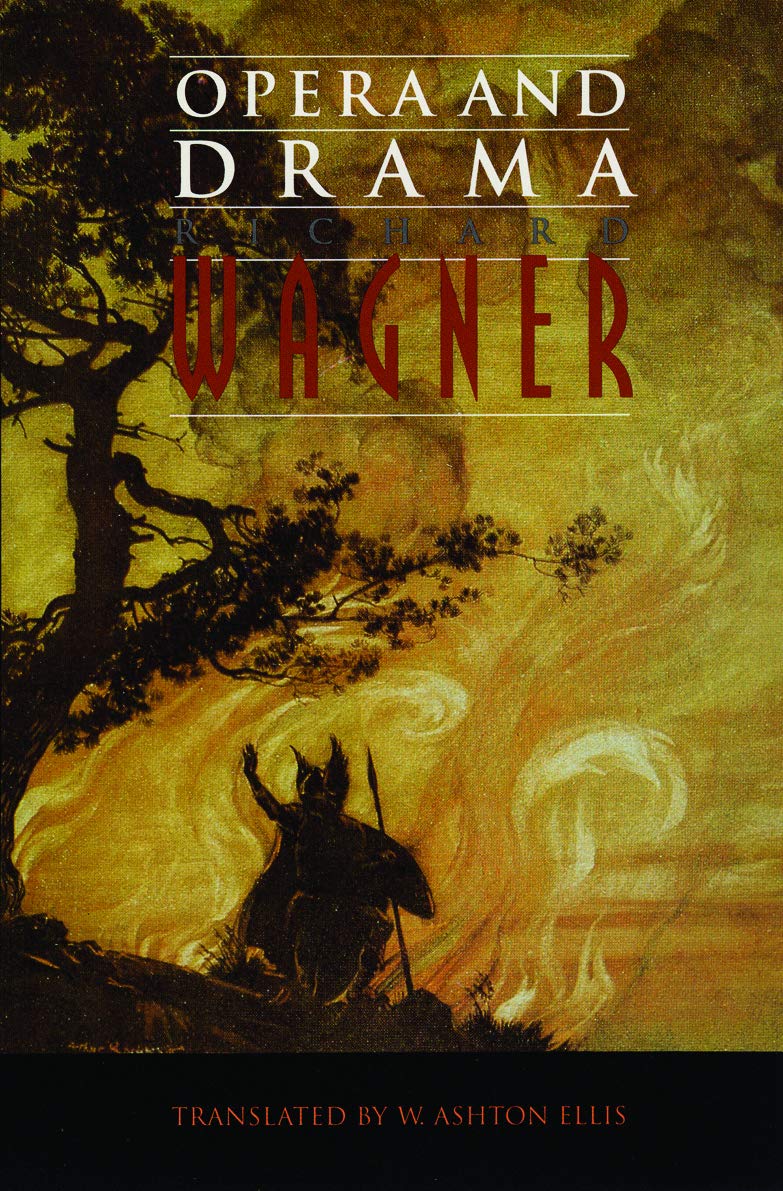
Opera and Drama: Richard Wagner’s Vision for a New Musical Stage
Inclusive of all applicable taxes. FREE shipping on all orders.
Available Offers
- 🚚Free Delivery — Free shipping on all orders
- 💵Cash on Delivery — Pay when your order arrives
- ↩️15-Day Easy Returns — Hassle-free return policy
- 🔒Cash on Delivery — Pay safely when your order arrives
Check Delivery
Product Description
Introduction
Richard Wagner remains one of the most transformative and controversial figures in the history of Western classical music. His revolutionary ideas about opera, drama, and the synthesis of the arts reshaped the cultural landscape of the 19th century and continue to provoke passionate debate among scholars, musicians, and audiences today. For Indian readers and students of music, theatre, and philosophy, understanding Wagner’s core theoretical work is essential to grasping the evolution of modern opera and its intersection with myth, psychology, and national identity. Opera and Drama, now available in a definitive hardcover edition from the University of Nebraska Press, offers a direct window into the mind of this genius at a pivotal moment in his career.
Book Overview
Originally published in 1851, while Wagner was living in political exile after his involvement in the Dresden uprising, Opera and Drama is far more than a technical treatise. It is a passionate manifesto that lays the philosophical and aesthetic foundation for what Wagner called “music drama.” In this book-length study, the composer systematically critiques the existing operatic traditions of his time—particularly Italian and French opera—and proposes a radical new model. He argues that true opera must be a unified work of art (Gesamtkunstwerk) where poetry, music, and stagecraft serve the drama equally, rather than music dominating for mere entertainment. This volume contains the full text of William Ashton Ellis’s celebrated 1893 translation, commissioned by the London Wagner Society, and remains the standard English-language edition for serious students.
Key Highlights
- Foundational text for Wagner’s later masterpieces — The ideas in this book directly prefigure the creation of The Ring of the Nibelung, his epic four-opera cycle.
- In-depth analysis of myth and drama — Wagner examines ancient Greek tragedies, particularly the Oedipus myth, as models for psychological depth and universal meaning.
- Critique of contemporary opera — The composer offers sharp, often scathing assessments of the operatic establishment, including his views on musical politics and the role of the audience.
- Philosophical underpinnings — The work reflects Wagner’s engagement with the ideas of Arthur Schopenhauer, particularly regarding the primacy of feeling and the will.
- Complete and unabridged — This edition includes the entire second volume of Ellis’s translation, ensuring no part of Wagner’s argument is lost.
Story Themes
At its heart, Opera and Drama explores the relationship between music and meaning. Wagner argues that music must not be a mere decoration but an organic expression of the dramatic action and the inner emotional lives of characters. He champions the idea that the best dramas are drawn from myth—stories that tap into collective human experiences and archetypes. The theme of redemption, both personal and artistic, runs throughout the text. Wagner also grapples with the tension between individual genius and the constraints of society, positioning the artist as a visionary who must break free from commercial and political pressures. For Indian readers familiar with the rich traditions of natya and sangeet, Wagner’s insistence on the unity of performance elements will resonate deeply with classical Indian aesthetics.
Reader Benefits
- Gain a deeper appreciation of Wagner’s operas — Understanding his theoretical framework enhances the experience of watching or listening to works like Tristan und Isolde or Parsifal.
- Develop critical thinking about art — Wagner’s arguments challenge readers to question the purpose of art and the role of the artist in society.
- Access a key historical document — This book is essential for anyone studying 19th-century Romanticism, German culture, or the history of Western music.
- Improve analytical skills — Wagner’s dense, passionate prose requires careful reading, offering a rewarding intellectual exercise for students and scholars alike.
Who Should Read
This book is ideal for advanced students of musicology, opera singers, conductors, theatre directors, and philosophers interested in aesthetics. It is also highly recommended for Indian readers who are exploring Western classical music beyond the standard repertoire, as well as those studying comparative drama and performance theory. While it demands some prior familiarity with opera, Wagner’s powerful writing style makes it accessible to dedicated general readers who are curious about the creative process behind some of the most monumental works in Western art.
About the Author
Richard Wagner (1813–1883) was a German composer, theatre director, polemicist, and conductor who is primarily known for his operas. Unlike most other opera composers, Wagner wrote both the libretto and the music for each of his stage works. His compositions, particularly those of his later period, are notable for their complex textures, rich harmonies and orchestration, and the elaborate use of leitmotifs—musical themes associated with particular characters, places, ideas, or emotions. Wagner’s influence extended beyond music into philosophy, literature, the visual arts, and theatre. He remains a deeply influential, if controversial, figure in cultural history.
About the Publisher
The University of Nebraska Press is a distinguished academic publisher known for producing high-quality scholarly editions, particularly in the fields of music, history, and literature. This hardcover edition of Opera and Drama is part of their commitment to preserving and making accessible essential texts for students and researchers. The press ensures that classic works are presented with durable bindings and clear typography, making them suitable for both library collections and personal study.
Conclusion
Opera and Drama is not merely a historical curiosity; it is a living document that continues to shape how we think about the relationship between music, text, and performance. For any serious student of the arts in India, owning this volume means possessing a key to unlock the deeper layers of Wagner’s monumental legacy. Whether you are a musician, a theatre enthusiast, or a lover of philosophical inquiry, this book will challenge and inspire you. Add this essential hardcover to your collection today and engage with one of the most powerful artistic visions ever committed to paper.
Quick Summary
Opera and Drama is Richard Wagner's seminal treatise, written in 1851 during his political exile, in which he articulates his groundbreaking concept of 'music drama' — a total work of art fusing poetry, drama, music, and stagecraft. This book is essential for students of musicology, theatre, and German Romanticism, as it directly anticipates his monumental Ring of the Nibelung cycle. Readers will gain deep insight into Wagner's aesthetic philosophy, his critique of contemporary opera, and his engagement with Schopenhauer's ideas. The book explores the use of myth, the nature of genius, and the emotional power of music. Perfect for Indian scholars, classical music enthusiasts, and performing arts students, this University of Nebraska Press hardcover edition offers a premium reading experience. By purchasing from Bookshops.in, you support a trusted Indian bookstore dedicated to quality academic and literary titles.
Book Highlights
Book Specifications
| ISBN-13 | 9780803297654 |
| ISBN-10 | 0803297653 |
| Publisher | Univ of Nebraska Pr |
| Language | English |
| Dimensions | 14.22 x 2.79 x 21.62 cm |
| Weight | 476 g |
| Country | India |
| Category | Performing Arts › Music |
| Genre | Music, Drama, Philosophy |
| Original Language | German |
Frequently Asked Questions
What is Opera and Drama about?
Who wrote Opera and Drama?
Is this book suitable for beginners in opera?
What is the connection between this book and The Ring of the Nibelung?
Does the book discuss other composers?
What language is the book in?
Can I use this book for academic research?
Does the book include musical notation?
Why is this book important for Indian readers?
How does Wagner define 'music drama'?
What role does myth play in this book?
Is the book difficult to read?
Where can I buy Opera and Drama in India?
Readers Also Search For
Customers Also Bought
Art History
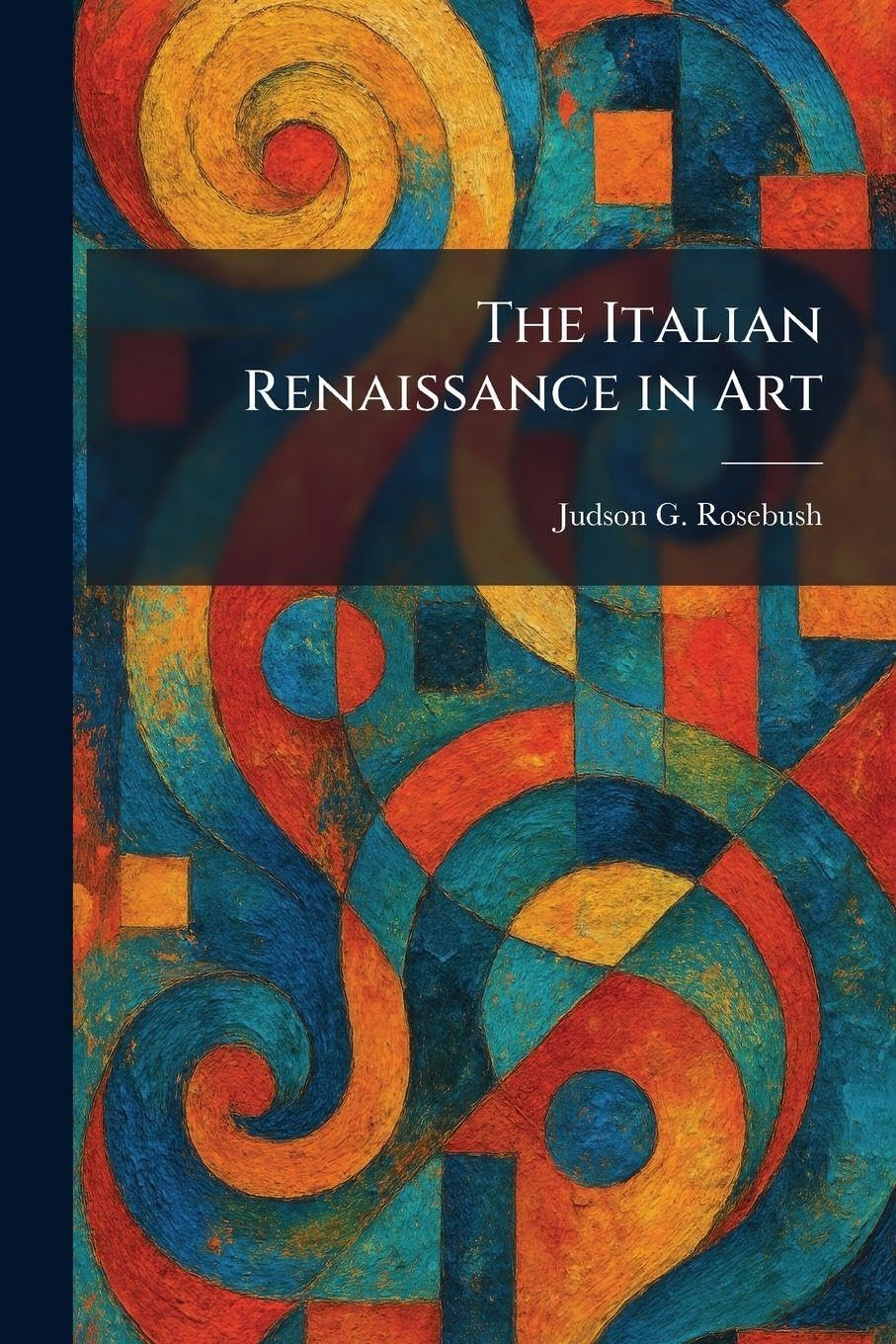
The Italian Renaissance in Art

Art History
Photovoltaic Design & Installation For Dummies | by Mayfield | ForDummies | by Mayfield | ForDummies | by Mayfield | ForDummies | by Mayfield | ForDummies | by Mayfield | ForDummies | by Mayfield | ForDummies | by Mayfield | ForDummies | by Mayfield | ForDummies | by Mayfield | ForDummies | by Mayfield | ForDummies | by Mayfield | ForDummies | by Mayfield | ForDummies | by Mayfield | ForDummies | by Mayfield | ForDummies | by Mayfield | ForDummies | by Mayfield | ForDummies | by Mayfield | ForDu
Art History
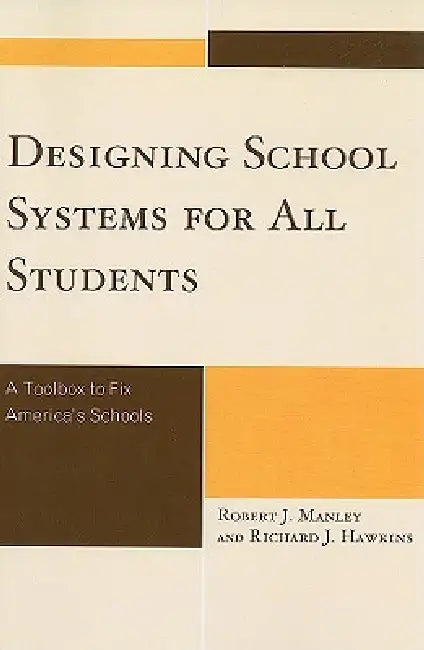
Designing School Systems for All Students (English, Robert J. Manley | Richard J. Hawkins)
Art History
Routledge Library Editions: Art and Culture in the Nineteenth Century
Art History
An Errant Design (English, S. H. Long)
Art History
Distributed System Design | by Jie Wu | CRC Press | by Jie Wu | CRC Press | by Jie Wu | CRC Press | by Jie Wu | CRC Press | by Jie Wu | CRC Press | by Jie Wu | CRC Press | by Jie Wu | CRC Press | by Jie Wu | CRC Press | by Jie Wu | CRC Press | by Jie Wu | CRC Press | by Jie Wu | CRC Press | by Jie Wu | CRC Press | by Jie Wu | CRC Press | by Jie Wu | CRC Press | by Jie Wu | CRC Press | by Jie Wu | CRC Press | by Jie Wu | CRC Press | by Jie Wu | CRC Press | by Jie Wu | CRC Press | by Jie Wu | CRC
Related Products
View All
Music
The Cambridge Companion to Michael Tippett by Kenneth Gloag – Music Analysis
Music
Making Light: Haydn, Musical Camp, and the Long Shadow of German Idealism
Music
Music and the Crises of the Modern Subject by Michael L. Klein – Music Theory & Criticism
Music
Opera and Drama in Eighteenth-Century London: The King's Theatre, Garrick and the Business of Perfor
Music
Music in Theory and Practice Volume 1 | by Bruce Benward | Marilyn Saker | McGraw-Hill Companies | by Bruce Benward | Marilyn Saker | McGraw-Hill Companies | by Bruce Benward | Marilyn Saker | McGraw-Hill Companies | by Bruce Benward | Marilyn Saker | McGraw-Hill Companies | by Bruce Benward | Marilyn Saker | McGraw-Hill Companies | by Bruce Benward | Marilyn Saker | McGraw-Hill Companies | by Bruce Benward | Marilyn Saker | McGraw-Hill Companies | by Bruce Benward | Marilyn Saker | McGraw-Hill
Music