
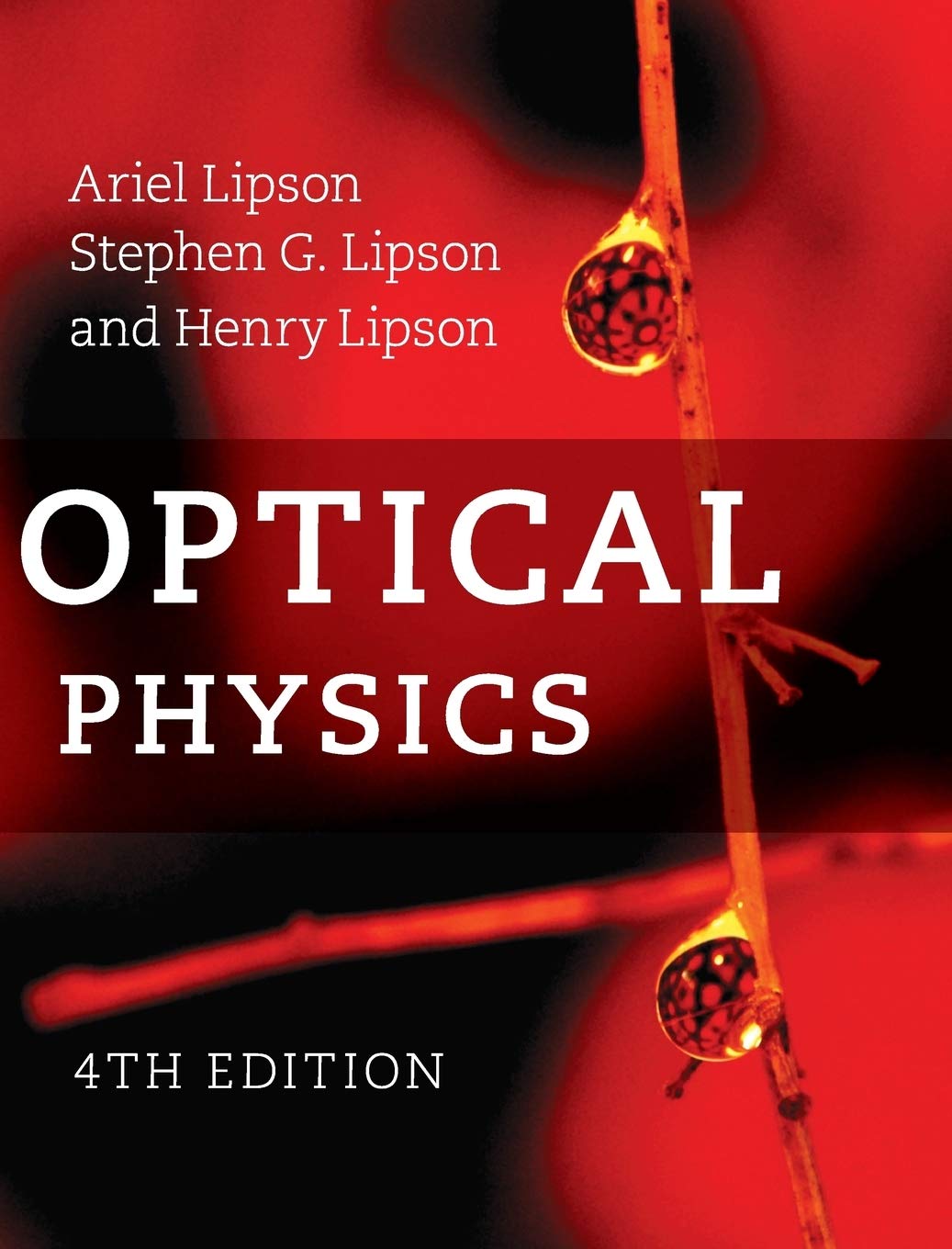
Optical Physics: A Comprehensive Guide to Geometrical, Physical, and Quantum Optics by Ariel Lipson – Cambridge Universi
Inclusive of all applicable taxes. FREE shipping on all orders.
Available Offers
- 🚚Free Delivery — Free shipping on all orders
- 💵Cash on Delivery — Pay when your order arrives
- ↩️15-Day Easy Returns — Hassle-free return policy
- 🔒Cash on Delivery — Pay safely when your order arrives
Check Delivery
Product Description
Introduction
Optics is a field that bridges the gap between classical physics and the quantum world, and few textbooks capture this journey as comprehensively as Optical Physics by Ariel Lipson. Published by the esteemed Cambridge University Press, this hardbound volume is a trusted companion for undergraduate and postgraduate students across Indian universities, as well as researchers and engineers delving into modern photonics. Whether you are preparing for competitive exams, working on a laboratory project, or simply fascinated by the behaviour of light, this book offers a structured yet inspiring exploration of the subject.
Book Overview
Now in its fourth edition, Optical Physics takes the reader from the foundational principles of geometrical and physical optics all the way to cutting-edge topics like quantum optics and negative refraction. The book is built around a strong mathematical framework using Fourier transforms and linear algebra, making it ideal for students who have a basic grounding in calculus and physics. With over 400 illustrations, numerous practical examples from student labs, and lecture demonstrations, this text is designed to be both rigorous and accessible. The author ensures that theoretical concepts are always tied to real-world applications, from the Hubble telescope to solar energy collectors.
Key Highlights
- Comprehensive coverage of classical and modern optics in a single volume
- Over 400 figures and diagrams to aid visual understanding
- Practical examples drawn from student laboratory experiments and lecture demonstrations
- Advanced topics including photonic crystals, surface plasmon resonance, and slow light
- Solved problems and simulation programs to reinforce learning
- Updated content reflecting the latest research themes in optics
Inside the Book
The book is structured to guide the reader step by step. Early chapters cover the principles of ray optics, wave optics, and interference, establishing a solid foundation. As the text progresses, it introduces polarization, diffraction, and coherence theory. The latter half of the book ventures into modern territory: quantum optics, lasers, nonlinear optics, and the fascinating phenomena of electromagnetically induced transparency and superluminal propagation. Each chapter is supplemented with advanced sections that expose readers to key research themes, such as phase retrieval in crystal diffraction, super-resolved imaging in biology, and entangled photons. The inclusion of simulation programs makes it possible to experiment with optical systems virtually.
Key Topics
- Geometrical optics and optical instruments
- Wave optics: interference, diffraction, and polarization
- Fourier optics and spatial filtering
- Quantum optics and photon statistics
- Lasers and laser applications
- Negative refractive index and metamaterials
- Surface plasmon resonance and nanophotonics
- Photonic crystals and slow light
- Super-resolved imaging and microscopy
- Solar energy collectors and optical sensors
Reader Benefits
This book is not just a theoretical tome; it is a practical toolkit. Students will benefit from the clear explanations and the wealth of end-of-chapter problems that test understanding. The simulation programs allow readers to visualize complex phenomena, making abstract concepts tangible. For researchers and professionals, the advanced topics provide a gateway to current research trends, helping them stay updated in a rapidly evolving field. The book also serves as an excellent reference for laboratory work, with detailed descriptions of experiments that can be replicated in Indian university labs.
Learning Outcomes
By the end of this book, readers will be able to: analyze optical systems using matrix methods; apply Fourier transforms to understand diffraction and imaging; explain the principles of quantum optics and entanglement; design simple optical experiments; and critically evaluate modern applications like plasmonic sensors and slow-light devices. The book also equips students with the mathematical tools necessary for advanced studies in photonics and optical engineering.
Who Should Read
Optical Physics is ideal for undergraduate and postgraduate students in physics, electrical engineering, and materials science. It is also highly recommended for researchers in optics and photonics, as well as professionals working in industries involving lasers, imaging, and optical communications. Indian students preparing for JAM, GATE, or NET in physics will find this book invaluable for building conceptual clarity. Science enthusiasts with a solid background in mathematics will also enjoy the depth and breadth of coverage.
About the Author
Ariel Lipson is a respected physicist and educator with extensive experience in teaching optics at the university level. His research interests span classical and quantum optics, and he has contributed to the development of optical simulation tools. Lipson’s writing style is known for being lucid and methodical, making complex ideas accessible without sacrificing rigor. His deep understanding of both theory and experiment shines through every chapter.
About the Publisher
Cambridge University Press is one of the oldest and most prestigious academic publishers in the world. Known for its high-quality textbooks and reference works, Cambridge ensures that every title undergoes rigorous peer review and editorial scrutiny. This book upholds that tradition, offering accurate, up-to-date, and well-organized content that meets the needs of students and researchers globally.
Conclusion
Optical Physics by Ariel Lipson is more than just a textbook—it is a complete learning ecosystem that bridges fundamental principles with the frontiers of optical science. Whether you are a student seeking a solid foundation or a researcher exploring advanced topics, this hardcover edition from Cambridge University Press will serve as a lasting resource. Add it to your library and illuminate your understanding of light.
Quick Summary
Optical Physics by Ariel Lipson is a comprehensive textbook that takes readers on a journey from the foundational principles of geometrical and physical optics to the forefront of quantum optics and modern photonics. Published by Cambridge University Press, this hardcover edition is richly illustrated with over 400 figures and packed with practical examples drawn from student laboratory experiments and lecture demonstrations. The book is structured to be accessible for undergraduate students while offering depth for advanced learners, using Fourier transforms and linear algebra as core mathematical tools. It covers essential topics like interference, diffraction, polarization, and coherence, and then delves into cutting-edge research areas such as negative refractive index materials, surface plasmon resonance, phase retrieval in crystal diffraction, photonic crystals, and super-resolution microscopy. Ideal for science and engineering students, this textbook serves both as a course companion and a reference for professionals. By purchasing from Bookshops.in, Indian readers get a genuine, high-quality imported edition delivered to their doorstep, ensuring a reliable resource for academic and professional growth.
Book Highlights
Book Specifications
| ISBN-13 | 9780521493451 |
| ISBN-10 | 0521493455 |
| Publisher | Cambridge University Press |
| Language | English |
| Dimensions | 19.05 x 1.91 x 24.13 cm |
| Weight | 1 kg 420 g |
| Country | India |
| Category | Science & Mathematics › Physics |
| Genre | Non-fiction |
| Reading Age | 18+ |
| Original Language | English |
Frequently Asked Questions
What topics does Optical Physics cover?
Is this book suitable for beginners?
Who is the author of Optical Physics?
Is this book used in Indian universities?
Does the book include practical examples?
What mathematical background is required?
What is the ISBN-13 of this book?
Is this book available in hardcover?
Does the book cover quantum optics?
Can engineers use this book?
What modern applications are discussed?
Is there a digital version available?
Where can I buy Optical Physics in India?
Readers Also Search For
Customers Also Bought
Mathematics
Stereotype Spaces and Algebras: 73 (De Gruyter Expositions in Mathematics, 73)
Mathematics
Semigroups in Algebra, Geometry and Analysis: 20 (De Gruyter Expositions in Mathematics, 20)
Mathematics
Geometry from the Pacific Rim: Proceedings of the Pacific Rim Geometry Conference held at National University of Singapore, Republic of Singapore, ... 1994 (De Gruyter Proceedings in Mathematics)
Mathematics
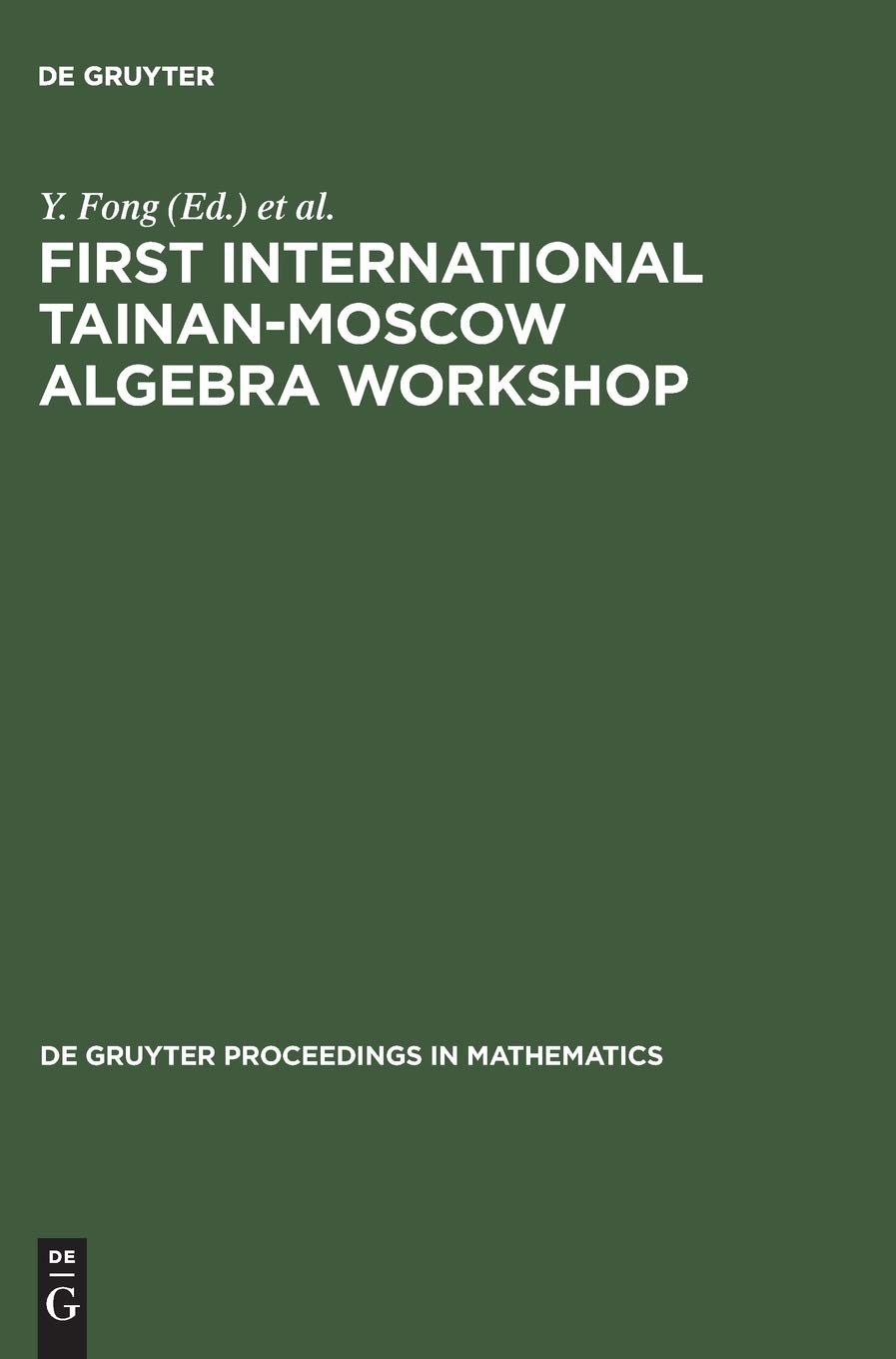
First International Tainan-Moscow Algebra Workshop: Proceedings of the International Conference held at National Cheng Kung University Tainan, Taiwan, ... 1994 (De Gruyter Proceedings in Mathematics)
Mathematics
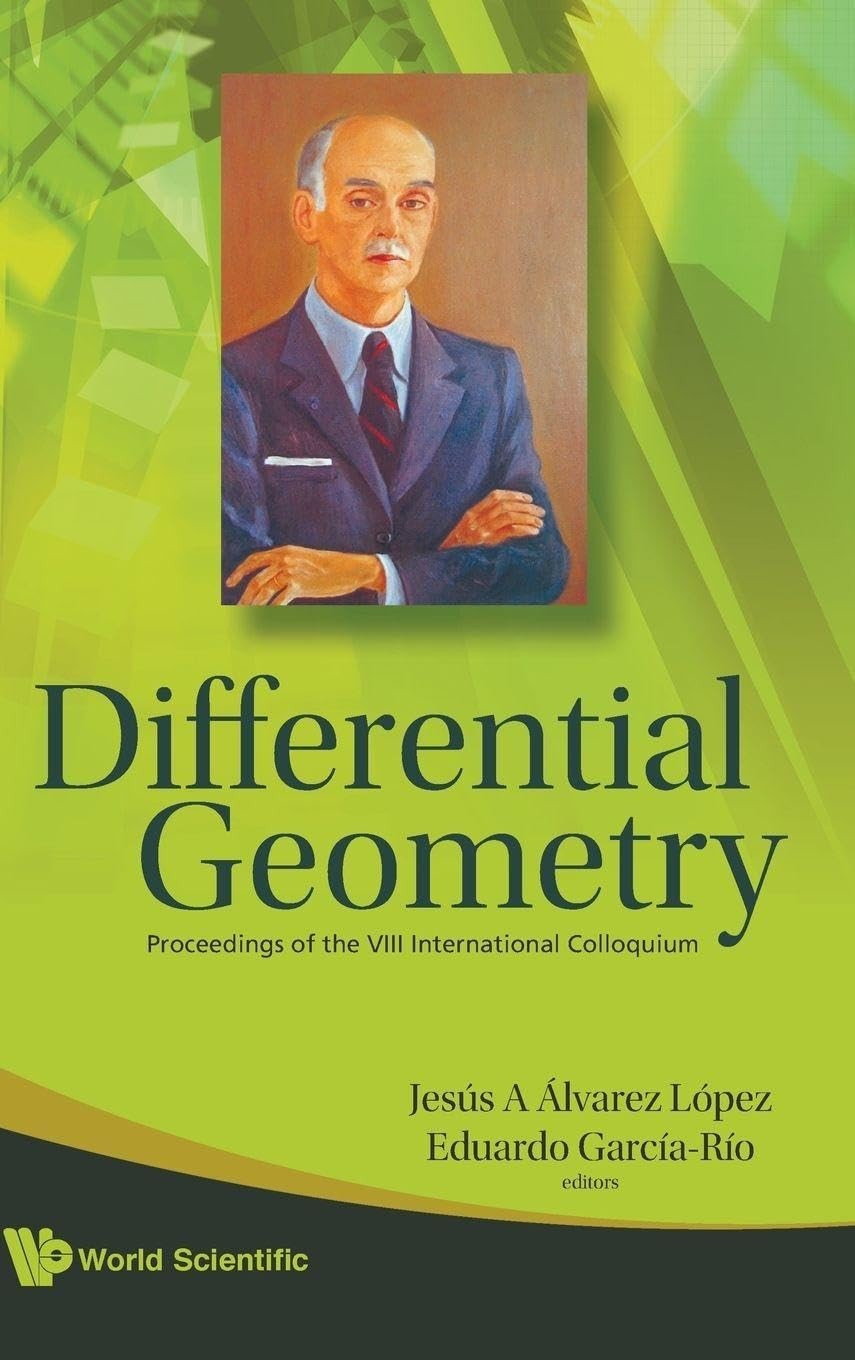
Differential Geometry - Proceedings of the VIII International Colloquium (English, Jesus A. Alvarez Lopez | Eduardo Garcia-Rio)
Mathematics
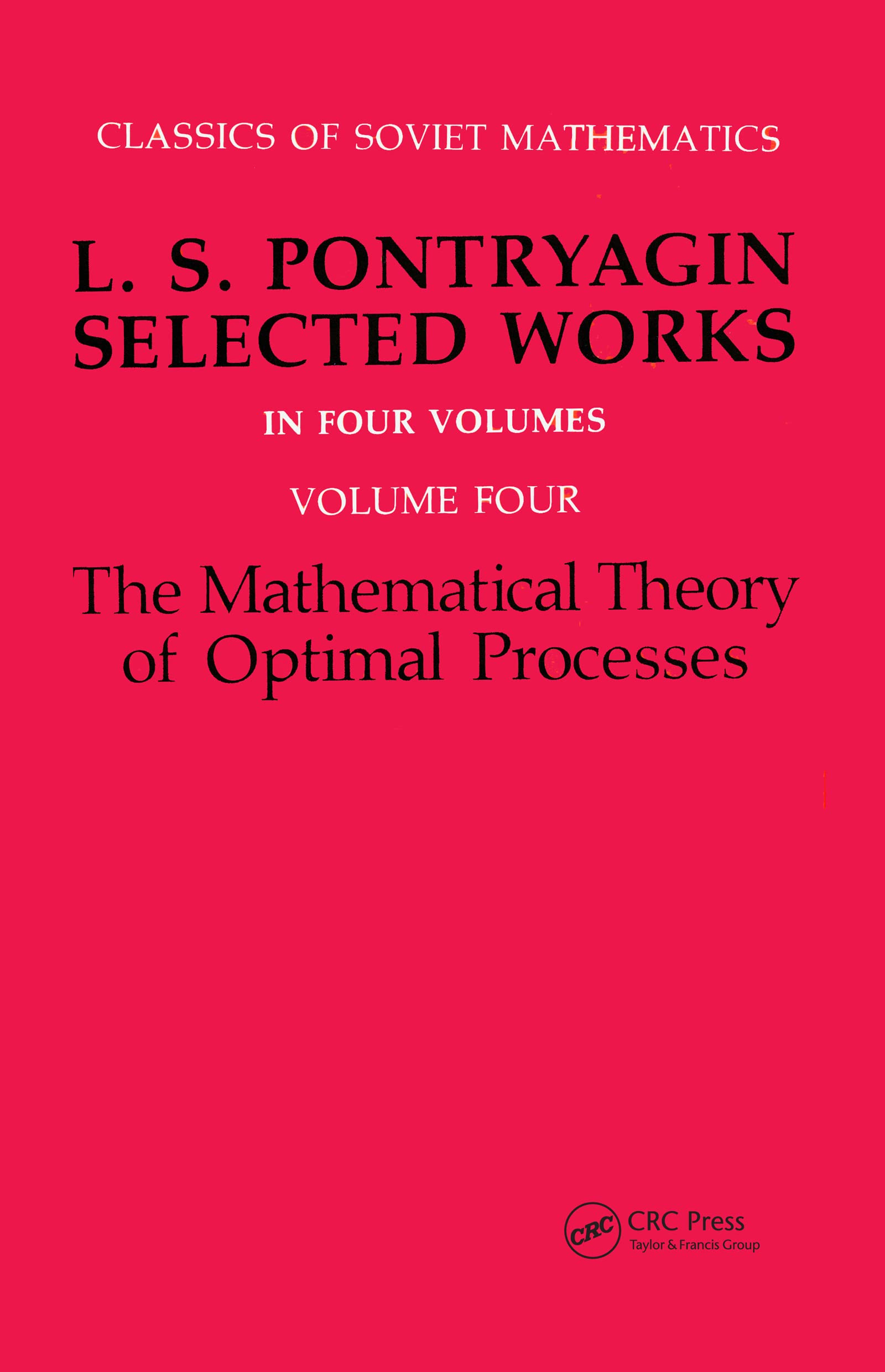
Mathematical Theory of Optimal Processes (Classics of Soviet Mathematics)
Related Products
View All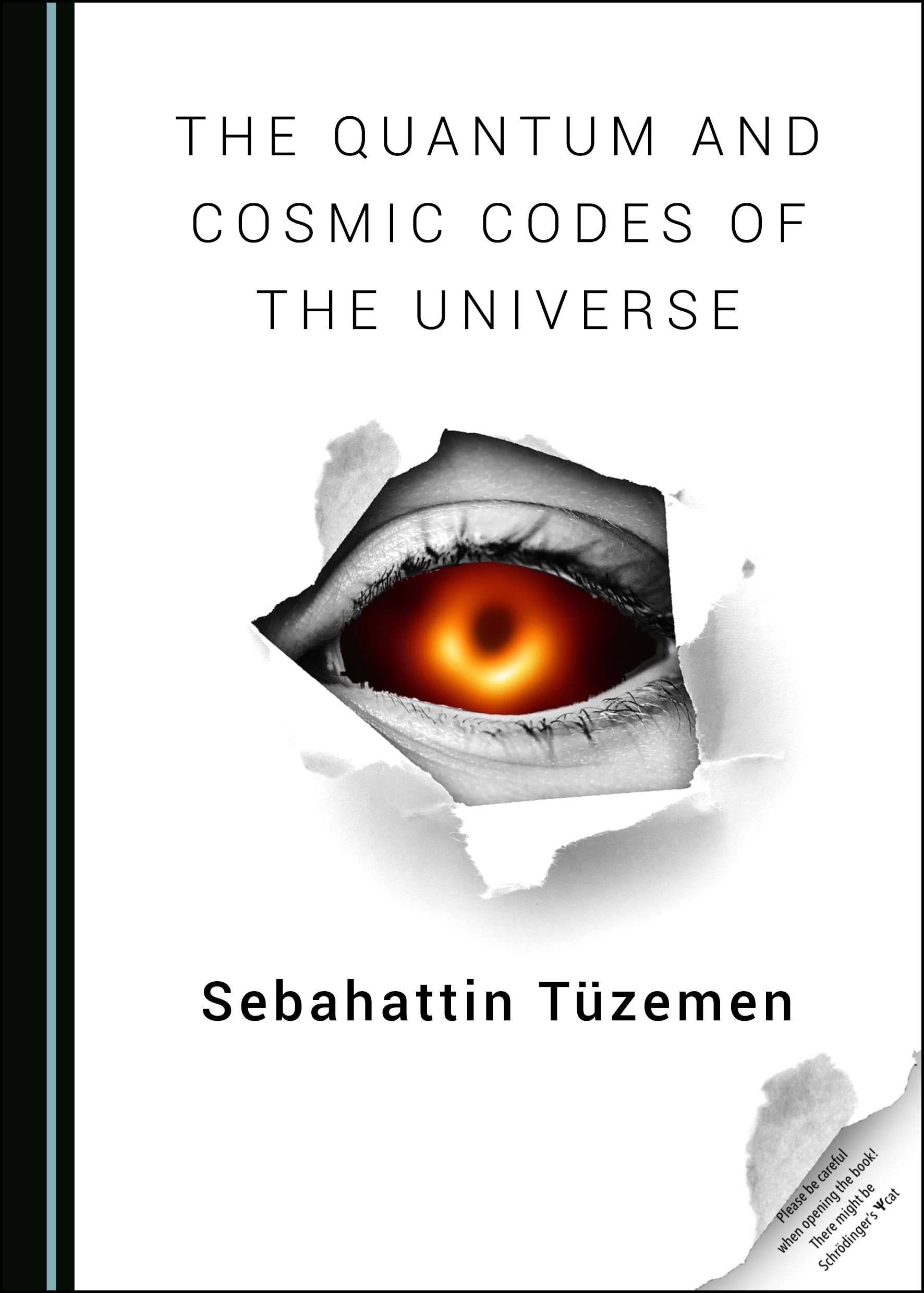
Physics
The Quantum and Cosmic Codes of the Universe
Physics
Physics for You by Keith Johnson – GCSE Physics Textbook
Physics
Experimental Techniques in Nuclear Physics
Physics
Essential Physics I

Physics
Modern Foundations of Quantum Optics
Physics