

Organizational Myopia: Understanding Blind Spots in Decision-Making by Maurizio Catino – A Cambridge University Press Le
Inclusive of all applicable taxes. FREE shipping on all orders.
Available Offers
- 🚚Free Delivery — Free shipping on all orders
- 💵Cash on Delivery — Pay when your order arrives
- ↩️15-Day Easy Returns — Hassle-free return policy
- 🔒Cash on Delivery — Pay safely when your order arrives
Check Delivery
Product Description
Introduction
In a world where organizations face increasingly complex and volatile environments, the ability to foresee risks and opportunities has never been more critical. Yet, as history repeatedly shows, even the most sophisticated institutions can fall prey to a dangerous blind spot—an inability to see what is right in front of them. Maurizio Catino’s Organizational Myopia offers a compelling and deeply researched exploration of why organizations fail to anticipate crises, and how they can build resilience against this pervasive syndrome. This book is an essential read for Indian managers, policymakers, and students who want to understand the hidden mechanisms that lead to catastrophic failures in business, government, and society.
Book Overview
Organizational Myopia is a thought-provoking hardcover publication from Cambridge University Press that dissects the phenomenon of organizational short-sightedness through a multidisciplinary lens. Rather than offering simplistic solutions, Catino systematically unpacks the cognitive, structural, and inter-organizational barriers that prevent organizations from recognizing danger signals and adapting to change. Using real-world case studies—from the 9/11 attacks to the global financial crisis—the book illustrates how myopia operates at multiple levels, and why traditional risk management approaches often fall short. Written in accessible yet rigorous prose, this book bridges theory and practice, making it invaluable for anyone involved in leadership, strategy, or organizational design in India’s dynamic business landscape.
Key Highlights
- Real-world case analysis: Examines landmark events like the Twin Towers attacks and the 2008 financial crisis to reveal common patterns of organizational blindness.
- Multi-level framework: Explores myopia at individual, organizational, and inter-organizational levels, offering a holistic understanding of the problem.
- Actionable insights: Provides practical strategies to limit myopia and enhance an organization’s capacity to anticipate and contain unexpected events.
- Academic rigor with practical relevance: Written by a leading scholar yet designed to be useful for practitioners, managers, and students alike.
- Indian context relevance: While the cases are global, the lessons are directly applicable to Indian organizations facing rapid change, regulatory shifts, and market volatility.
Inside the Book
The book is structured to take readers on a journey from problem identification to solution development. It begins by defining organizational myopia and distinguishing it from simple oversight or ignorance. Catino then presents detailed case studies that demonstrate how myopia manifests in high-stakes environments—where the cost of failure is measured in lives, livelihoods, or billions of dollars. Each case is dissected to reveal the cognitive biases, structural silos, and inter-organizational miscommunications that create blind spots. The latter part of the book focuses on remedies, including designing early warning systems, fostering a culture of vigilance, and improving decision-making processes in uncertain environments. Throughout, the author emphasizes that myopia is not inevitable, but requires deliberate effort to overcome.
Key Topics
- The nature and origins of organizational myopia
- Cognitive biases that distort organizational perception
- Structural and cultural barriers to foresight
- Inter-organizational dynamics and shared blind spots
- Case studies of catastrophic failures and near-misses
- Strategies for building anticipatory capacity
- Leadership and decision-making in ambiguous contexts
- Lessons for Indian businesses and public institutions
Reader Benefits
By reading Organizational Myopia, you will gain a deeper understanding of why smart organizations make costly mistakes—and how to prevent them. You will learn to identify the early warning signs of myopia in your own workplace, and develop the tools to challenge groupthink, improve communication across teams, and create systems that encourage long-term thinking. For Indian readers navigating a fast-growing economy with unique regulatory and cultural challenges, this book offers a framework to build organizations that are not just reactive, but truly resilient. Whether you are leading a startup, managing a team in a multinational, or studying organizational behaviour, the insights here will sharpen your strategic vision.
Learning Outcomes
- Understand the concept of organizational myopia and its root causes at multiple levels
- Analyze real-world failures to identify patterns of organizational blindness
- Develop skills to recognize cognitive and structural barriers in your own organization
- Learn to design interventions that enhance foresight and reduce vulnerability to crises
- Apply theoretical insights to practical scenarios in Indian business and governance contexts
- Improve decision-making under uncertainty and ambiguity
Who Should Read
This book is ideal for senior executives, business leaders, and managers who want to build more resilient organizations. It is also highly relevant for students of management, organizational behaviour, public policy, and risk management. Policymakers, consultants, and entrepreneurs in India will find the lessons particularly valuable as they navigate complex, fast-changing environments. Anyone interested in understanding why organizations fail—and how to prevent it—will find this book indispensable.
About the Author
Maurizio Catino is a professor of sociology of organizations at the University of Milano-Bicocca, Italy. He is a leading international expert on organizational failures, risk management, and public safety. His research has been published in top academic journals, and he has advised governments and organizations on improving their decision-making processes. With a background in both sociology and management, Catino brings a unique perspective that combines rigorous analysis with practical wisdom.
About the Publisher
Cambridge University Press is one of the world’s oldest and most prestigious academic publishers, with a history dating back to 1534. Known for its commitment to scholarly excellence, Cambridge University Press publishes cutting-edge research across disciplines, including business, management, and social sciences. This hardcover edition reflects the publisher’s high standards of quality, ensuring that readers receive a durable and authoritative resource.
Conclusion
Organizational Myopia is not just a book about failure—it is a guide to seeing clearly in a world full of noise and uncertainty. For Indian readers who are serious about leadership and organizational effectiveness, this book offers a rare combination of deep analysis and practical application. By understanding the roots of myopia, you can take the first step toward building organizations that not only survive but thrive in the face of the unexpected. Add this essential volume to your library today.
Quick Summary
Organizational Myopia by Maurizio Catino is a compelling exploration of why organizations fail to see what is coming—whether danger or opportunity. Drawing on detailed case studies including the Twin Towers attacks and the global financial crisis, Catino dissects the syndrome of organizational myopia at three levels: individual cognitive biases, organizational structures and cultures, and interorganizational networks. The book is ideal for business leaders, MBA students, risk managers, and anyone interested in improving strategic foresight. Readers will learn to identify the hidden barriers that blind decision-makers and discover practical ways to cultivate a more perceptive, proactive organization. By understanding the mechanisms that generate myopia, readers can help their organizations avoid catastrophic mistakes and seize emerging opportunities. Published by Cambridge University Press, this hardcover edition is a valuable addition to any professional library. Buying from Bookshops.in ensures you receive a genuine copy with fast delivery across India, along with the support of a trusted Indian bookstore dedicated to serving readers and learners.
Book Highlights
Book Specifications
| ISBN-13 | 9781107027039 |
| ISBN-10 | 1107027039 |
| Publisher | Cambridge University Press |
| Language | English |
| Dimensions | 15.6 x 1.9 x 23.5 cm |
| Weight | 522 g |
| Country | India |
| Category | Business & Economics › Analysis & Strategy |
| Genre | Non-fiction |
| Original Language | Italian |
Frequently Asked Questions
What is organizational myopia?
Who is the author of Organizational Myopia?
What are the main causes of organizational myopia discussed?
Does the book include real-world examples?
Is this book suitable for Indian readers?
What is the format of the book?
How can this book help my career?
Is this book used in academic courses?
What is the price of Organizational Myopia?
Can I buy this book for someone else?
Does the book offer solutions to overcome myopia?
What is the language of the book?
Is the book available in India?
Readers Also Search For
Customers Also Bought

Entrepreneurship
Chinese Economic Revolution (English, Linda Grove)
Entrepreneurship
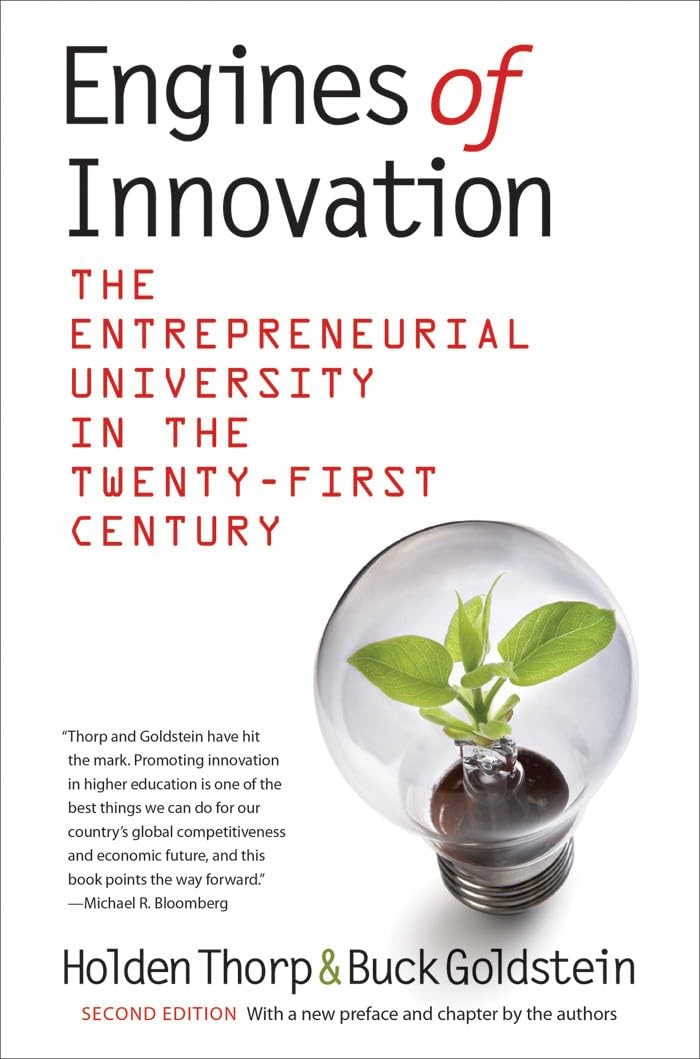
Engines of Innovation: The Entrepreneurial University in the Twenty-First Century by Holden Thorp
Entrepreneurship
Invention to Innovation (English, PhD Marshall Larry | Jenna Daroczy)

Entrepreneurship
Database Management Systems by Raghu Ramakrishnan – DBMS Textbook

Entrepreneurship
Decision-making for Technology Executives by Harold A. Linstone
Entrepreneurship
The Business Innovation Audit (English, William Tate)
Related Products
View All
Business & Economics
OECD institutional investors statistics 2019

Business & Economics
Philosophical Frameworks for Understanding Information Systems

Business & Economics
OECD Insurance Statistics 2019

Business & Economics
The Political Economy of West African Agriculture: 36 (Cambridge Studies in Social and Cultural Anthropology, Series Number 36)

Business & Economics
A History of Shopping (Studies in Social History)

Business & Economics