

Papal Reform and Canon Law in the 11th and 12th Centuries by Blumenthal Uta-Renata – A Scholarly Exploration of Medieval
Inclusive of all applicable taxes. FREE shipping on all orders.
Available Offers
- 🚚Free Delivery — Free shipping on all orders
- 💵Cash on Delivery — Pay when your order arrives
- ↩️15-Day Easy Returns — Hassle-free return policy
- 🔒Cash on Delivery — Pay safely when your order arrives
Check Delivery
Product Description
Introduction
This meticulously researched volume offers a deep dive into the transformative period of the 11th and 12th centuries, when papal authority and ecclesiastical law underwent profound change. Written by renowned historian Blumenthal Uta-Renata, this hardcover edition is essential for scholars, students of medieval history, and anyone interested in the evolution of church governance and legal systems. Published by Routledge, the book examines the interplay between reformist ideals and the codification of canon law, with a special focus on Rome, the curia, and key figures such as Cardinal Deusdedit and Pope Paschal II.
Book Overview
Papal Reform and Canon Law in the 11th and 12th Centuries brings together a series of essays that originally appeared in 1998, offering a nuanced perspective on a turbulent era marked by the investiture controversies. The book explores how the papacy consolidated its control over the Church through legal codification, archival practices, and the work of influential reformers. Blumenthal’s analysis highlights the divergent currents within the reform movement, revealing the tensions and debates that shaped medieval canon law. This volume is not merely a historical recounting but a critical examination of the ideas and personalities that drove change.
Key Highlights
- In-depth analysis of Cardinal Deusdedit’s canonical collection (1087) and its impact on later legal developments.
- Focus on the pontificate of Paschal II (1099–1118), examining his policies and challenges during a time of conflict.
- Exploration of curial organization and archival practices that laid the groundwork for systematic canon law.
- Contextualization of reformist ideas within the wider socio-political landscape of medieval Europe.
- Critical assessment of divergent reform currents, highlighting disagreements among reformers.
Inside the Book
The book is structured as a collection of interconnected essays, each focusing on a specific aspect of papal reform and canon law. Readers will encounter detailed discussions of manuscript traditions, the role of papal decretals, and the evolution of legal procedures. Blumenthal draws on primary sources, including letters, chronicles, and legal texts, to reconstruct the intellectual and institutional history of the period. The essays are arranged thematically, allowing readers to trace the development of ideas over time. Whether discussing the politics of the curia or the theological underpinnings of reform, the book maintains a rigorous scholarly standard while remaining accessible to informed readers.
Key Topics
- The investiture controversy and its implications for papal authority.
- Canon law codification in the 11th and 12th centuries.
- Cardinal Deusdedit’s role in shaping legal collections.
- Pope Paschal II’s reform agenda and its reception.
- Curial administration and archival record-keeping.
- The relationship between reformist ideals and political realities.
Reader Benefits
This volume provides readers with a comprehensive understanding of a critical juncture in church history. It clarifies how legal structures were used to centralize papal power and how reformers navigated opposition. For students, it offers a model of historical scholarship that combines textual analysis with institutional history. For academics, it serves as a valuable reference work, filled with insights into primary sources and historiographical debates. The book also sheds light on the roots of modern canon law, making it relevant for legal historians and theologians alike.
Learning Outcomes
- Understand the key figures and events that drove papal reform in the 11th and 12th centuries.
- Analyze the development of canon law as a tool for ecclesiastical governance.
- Evaluate the role of the curia in shaping medieval church policy.
- Identify the ideological divisions among reformers and their impact.
- Appreciate the interplay between law, politics, and religion in medieval Europe.
Who Should Read
This book is ideal for postgraduate and advanced undergraduate students of medieval history, church history, and legal history. It is also highly recommended for scholars of canon law, religious studies, and political theology. Librarians building collections on medieval Europe or ecclesiastical law will find it an indispensable addition. Additionally, anyone with a keen interest in the history of the papacy or the evolution of legal systems will benefit from Blumenthal’s authoritative analysis.
About the Author
Blumenthal Uta-Renata is a distinguished historian specializing in medieval ecclesiastical history and canon law. With decades of research experience, she has contributed significantly to our understanding of papal reform and curial institutions. Her work is known for its meticulous attention to primary sources and its balanced treatment of complex historical debates. She has held academic positions at leading universities and is widely respected in the field.
About the Publisher
Routledge is a premier academic publisher with a long-standing reputation for producing high-quality scholarly works in the humanities and social sciences. Known for its rigorous editorial standards, Routledge brings authoritative texts to students, researchers, and professionals worldwide. This hardcover edition reflects the publisher’s commitment to durable, well-produced books that serve as lasting resources for learning.
Conclusion
Papal Reform and Canon Law in the 11th and 12th Centuries is a vital resource for anyone seeking to understand the transformation of the medieval church. Blumenthal’s essays illuminate the complexity of reform, the importance of legal codification, and the enduring legacy of figures like Cardinal Deusdedit and Pope Paschal II. By placing these developments in their historical context, the book offers a rich, nuanced portrait of a pivotal era. For Indian readers and scholars, this volume provides a window into a world that shaped much of Western legal and religious thought, making it a worthy addition to any serious library.
Quick Summary
Papal Reform and Canon Law in the 11th and 12th Centuries by Blumenthal Uta-Renata is a scholarly collection of essays that delves into the intricate relationship between papal authority, church reform, and the codification of canon law during a transformative period in medieval history. The book focuses on key personalities such as Cardinal Deusdedit and Pope Paschal II, placing their ideas within the broader context of the Investiture Controversy and contemporary ecclesiastical challenges. It also examines the administrative and archival practices of the Roman curia, which were crucial for the growth of canon law and papal control over the church. This volume is ideal for postgraduate students, historians, and legal scholars seeking a nuanced understanding of medieval church governance. Readers will learn about the divergent reform currents, the development of legal frameworks, and the practical mechanisms of papal authority. By purchasing from Bookshops.in, Indian readers gain access to a high-quality hardcover edition from Routledge, ensuring a reliable source for academic study.
Book Highlights
Book Specifications
| ISBN-13 | 9780367197940 |
| ISBN-10 | 0367197944 |
| Publisher | Routledge |
| Language | English |
| Dimensions | 14.99 x 23.37 cm |
| Weight | 800 g |
| Country | India |
| Category | Social Sciences › Sociology |
| Genre | Non-fiction |
| Original Language | English |
Frequently Asked Questions
What is the main focus of this book?
Who is the author of this book?
Is this book suitable for undergraduate students?
What time period does the book cover?
Does the book include primary source analysis?
Is this book part of a series?
What is the binding of this book?
What language is the book written in?
What is the ISBN-13 of this book?
Can I use this book for my research on canon law?
Does the book discuss the Investiture Controversy?
Who is Cardinal Deusdedit?
Where can I buy this book in India?
Readers Also Search For
Customers Also Bought
Sociology
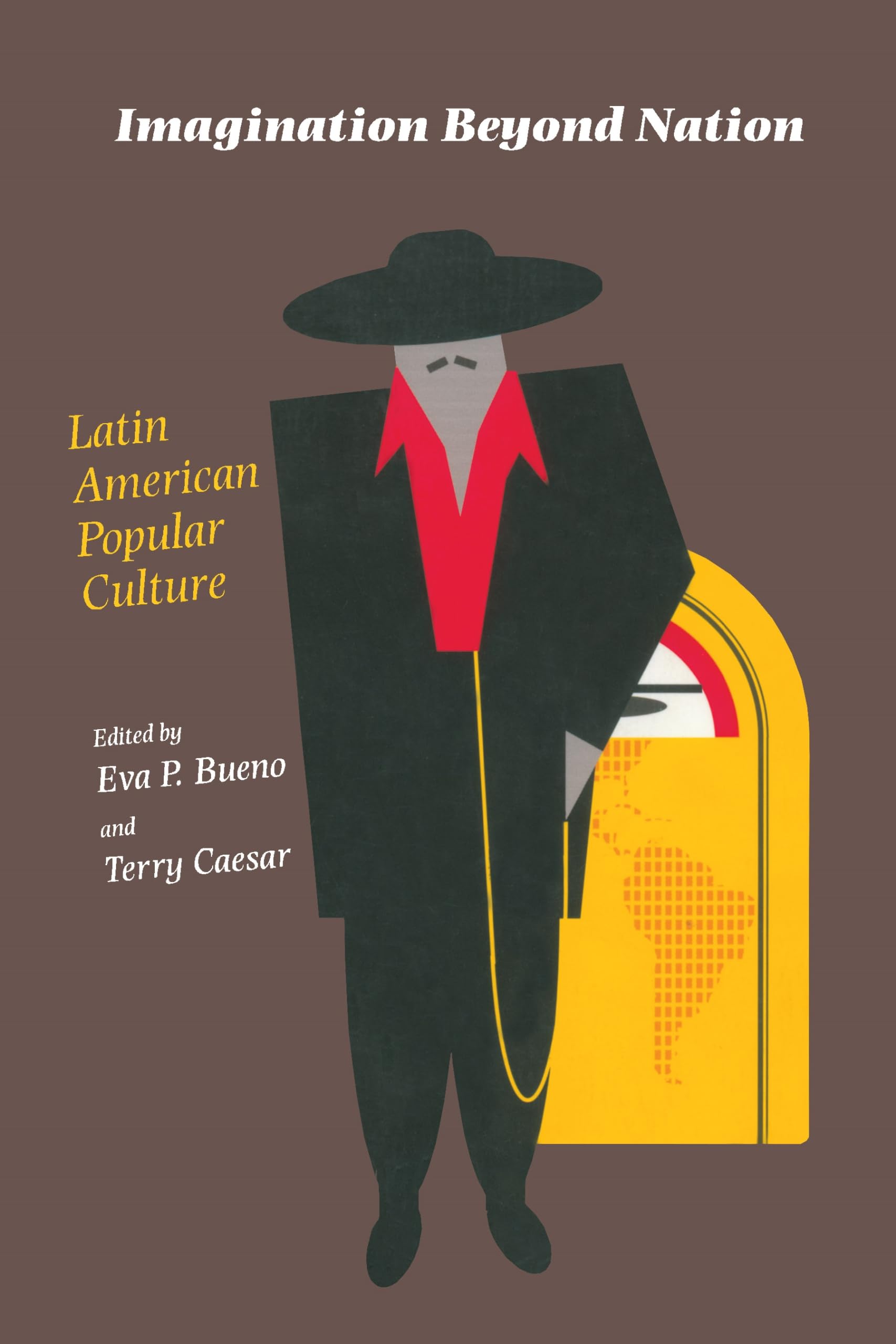
Imagination Beyond Nation: Latin American Popular Culture: 349 (Pitt Latin American Series)

Sociology
Boomer Volunteer Engagement: Facilitator's Tool Kit

Sociology
Making a Success of Marriage: Planning for Happily Ever After

Sociology
Causal Mediation Analysis (Analytical Methods for Social Research)

Sociology
Marriage and the Moral Imagination (New Departures in Anthropology)

Sociology
Social Change, Resistance and Social Practices: 19 (Studies in Critical Social Sciences, 19)
Related Products
View AllSociology
Imagination Beyond Nation: Latin American Popular Culture: 349 (Pitt Latin American Series)
Sociology
Boomer Volunteer Engagement: Facilitator's Tool Kit
Sociology
Making a Success of Marriage: Planning for Happily Ever After
Sociology
Causal Mediation Analysis (Analytical Methods for Social Research)
Sociology
Marriage and the Moral Imagination (New Departures in Anthropology)
Sociology