

Pearls of Functional Algorithm Design by Richard Bird – A Radical Approach to Algorithm Calculation Using Haskell Progra
Inclusive of all applicable taxes. FREE shipping on all orders.
Available Offers
- 🚚Free Delivery — Free shipping on all orders
- 💵Cash on Delivery — Pay when your order arrives
- ↩️15-Day Easy Returns — Hassle-free return policy
- 🔒Cash on Delivery — Pay safely when your order arrives
Check Delivery
Product Description
Introduction
In the world of programming, algorithm design often feels like an art form—intuitive, elusive, and hard to replicate. But what if you could approach it with the precision of mathematics and the clarity of logic? Pearls of Functional Algorithm Design by Richard Bird offers exactly that: a radical, calculation-driven method to crafting algorithms. Published by Cambridge University Press, this hardcover volume is a treasure trove for anyone passionate about functional programming and algorithmic thinking. Written for students, educators, and practitioners, it challenges you to think differently—not by memorising solutions, but by deriving them through equational reasoning. If you are ready to elevate your understanding of algorithms, this book is your guide.
Book Overview
This book is a collection of 30 independent chapters, or “pearls,” each tackling a distinct programming problem. Problems range from classic puzzles and games to real-world tasks like data compression and string matching. Every chapter begins with a problem statement expressed in Haskell—a succinct and powerful functional language. What sets this book apart is its methodology: instead of presenting a ready-made solution, Bird shows how to calculate the solution step by step, using the laws of functional programming. The result is a deep, principled understanding of why an algorithm works, not just how. This approach transforms algorithm design from a craft into a science.
Key Highlights
- Radical approach: Learn to design algorithms by calculation, not by guesswork or trial-and-error.
- 30 self-contained pearls: Each chapter is a standalone lesson, perfect for bite-sized learning or reference.
- Real-world problems: Topics include data compression, string matching, combinatorial tasks, and puzzles.
- Haskell throughout: All examples and derivations use Haskell, a language ideal for expressing algorithmic ideas clearly.
- Equational reasoning: Master the art of reasoning about programs in a formal, algebraic style.
Inside the Book
Open the book and you will find a carefully structured journey. Each pearl begins with a problem statement, followed by a series of calculations that transform the initial formulation into an efficient algorithm. Bird uses Haskell’s expressive syntax to capture ideas without clutter, and then applies algebraic laws—like map fusion, fold fusion, and list comprehensions—to derive elegant solutions. The book does not assume you are an expert in functional programming; instead, it builds your skills as you progress. Along the way, you will encounter insights that connect algorithms to fundamental concepts in mathematics and computer science.
Key Topics
- List processing: Folds, scans, and list comprehensions for algorithmic derivation.
- Greedy and divide-and-conquer algorithms: Calculated from specifications.
- Dynamic programming: Deriving efficient solutions from naive ones.
- Data compression: Huffman coding and other techniques.
- String matching: Knuth-Morris-Pratt and related algorithms.
- Combinatorial puzzles: N-queens, Sudoku, and more.
- Graph algorithms: Shortest paths and spanning trees.
Reader Benefits
By reading this book, you will gain a rock-solid foundation in algorithm design that goes beyond rote learning. You will learn to think in terms of specifications and transformations, making you a more disciplined and creative programmer. The equational style fosters a deeper understanding of correctness and efficiency, skills that are invaluable in both academic and industry settings. Moreover, because the book uses Haskell, you will also strengthen your functional programming abilities—a paradigm that is increasingly relevant in modern software development. Whether you are preparing for competitive programming, teaching a course, or building real-world applications, these pearls will sharpen your mind.
Learning Outcomes
- Understand how to derive algorithms from formal specifications using algebraic laws.
- Gain proficiency in reasoning about programs in an equational style.
- Learn to write concise and correct Haskell code for complex problems.
- Develop the ability to transform inefficient algorithms into efficient ones through calculation.
- Acquire a toolkit of reusable algorithmic patterns and techniques.
Who Should Read
This book is ideal for aspiring functional programmers who want to go beyond syntax and master algorithmic thinking. It is equally valuable for students and teachers of algorithm design who are looking for a principled, mathematics-based approach. Practising software engineers who wish to deepen their understanding of correctness and efficiency will also find it rewarding. If you have some experience with Haskell or another functional language, you will get the most out of the book, but even beginners can follow along if they are willing to learn the basics of Haskell as they go. The pearls are designed to be accessible yet challenging, making the book suitable for both self-study and classroom use.
About the Author
Richard Bird is a renowned computer scientist and a pioneer in the field of functional programming. He is a former professor at the University of Oxford and a key figure behind the development of Haskell. Bird has authored several influential books, including Introduction to Functional Programming Using Haskell and Thinking Functionally with Haskell. His work is celebrated for its clarity, rigour, and elegance. In Pearls of Functional Algorithm Design, Bird brings his decades of experience to bear, offering readers a masterclass in algorithmic reasoning.
About the Publisher
Cambridge University Press is one of the oldest and most respected academic publishers in the world. With a history spanning over four centuries, it is known for producing high-quality scholarly works in science, mathematics, and technology. This hardcover edition reflects that commitment to excellence—with durable binding, clear typesetting, and careful editorial oversight. When you buy a Cambridge University Press book, you are investing in a resource that has been rigorously reviewed and crafted to the highest standards.
Conclusion
Pearls of Functional Algorithm Design is not just another algorithms book—it is a paradigm shift. Richard Bird shows that algorithm design can be taught, learned, and practised as a calculational discipline. Whether you are a student struggling with complexity, a teacher looking for fresh material, or a programmer seeking intellectual depth, this book will reward you with lasting insights. Available now in hardcover at Bookshops.in, it is a must-have addition to any serious programmer’s library. Dive into these pearls and discover the beauty of designing algorithms by calculation.
Quick Summary
Pearls of Functional Algorithm Design by Richard Bird is a distinctive book that reimagines algorithm design through the lens of functional programming. Instead of traditional trial-and-error methods, Bird advocates for design by calculation: starting from a problem statement in Haskell and using the laws of functional programming to derive a correct and efficient solution. The book comprises 30 short, self-contained chapters, each focusing on a different programming challenge—ranging from classic puzzles and games to practical topics like data compression and string matching. Written for aspiring functional programmers, students, and teachers, this hardcover edition published by Cambridge University Press is a treasure trove of insights. Readers will learn to think systematically about algorithms, harness the power of Haskell for clear expression, and appreciate the elegance of calculational reasoning. Whether you are a computer science student in India or a professional developer seeking to deepen your functional programming skills, this book offers a unique and rewarding journey. Buy from Bookshops.in to get an authentic copy delivered to your doorstep.
Book Highlights
Book Specifications
| ISBN-13 | 9780521513388 |
| ISBN-10 | 0521513383 |
| Publisher | Cambridge University Press |
| Language | English |
| Dimensions | 18.42 x 1.91 x 26.04 cm |
| Weight | 730 g |
| Country | India |
| Category | Programming & Software Development › Algorithms |
| Genre | Non-fiction |
| Original Language | English |
Frequently Asked Questions
What is Pearls of Functional Algorithm Design about?
Who is the author?
Do I need to know Haskell to read this book?
Is this book suitable for beginners?
How many chapters are in the book?
What types of problems are covered?
Is this a textbook?
What is unique about this book?
What is the language of the book?
What is the ISBN?
Is the book available in hardcover?
Can I use this book for self-study?
Does the book include exercises?
Why should I buy from Bookshops.in?
Readers Also Search For
Customers Also Bought

Programming
Algorithmische Sprache Und Programmentwicklung | by H. Partsch | F. L. Bauer | P. Pepper | Springer | by H. Partsch | F. L. Bauer | P. Pepper | Springer | by H. Partsch | F. L. Bauer | P. Pepper | Springer | by H. Partsch | F. L. Bauer | P. Pepper | Springer | by H. Partsch | F. L. Bauer | P. Pepper | Springer | by H. Partsch | F. L. Bauer | P. Pepper | Springer | by H. Partsch | F. L. Bauer | P. Pepper | Springer | by H. Partsch | F. L. Bauer | P. Pepper | Springer | by H. Partsch | F. L. Bauer
Programming
Distributed Algorithms | by Jean-Claude Bermond | Michel Raynal | Springer | by Jean-Claude Bermond | Michel Raynal | Springer | by Jean-Claude Bermond | Michel Raynal | Springer | by Jean-Claude Bermond | Michel Raynal | Springer | by Jean-Claude Bermond | Michel Raynal | Springer | by Jean-Claude Bermond | Michel Raynal | Springer | by Jean-Claude Bermond | Michel Raynal | Springer | by Jean-Claude Bermond | Michel Raynal | Springer | by Jean-Claude Bermond | Michel Raynal | Springer | by Jean
Programming
Meta-Level Control for Deductive Database Systems | by Helmut Schmidt | Springer | by Helmut Schmidt | Springer | by Helmut Schmidt | Springer | by Helmut Schmidt | Springer | by Helmut Schmidt | Springer | by Helmut Schmidt | Springer | by Helmut Schmidt | Springer | by Helmut Schmidt | Springer | by Helmut Schmidt | Springer | by Helmut Schmidt | Springer | by Helmut Schmidt | Springer | by Helmut Schmidt | Springer | by Helmut Schmidt | Springer | by Helmut Schmidt | Springer | by Helmut Schm
Programming
Java Web Services | by David A. Chappell | Tyler Jewell | O'Reilly Media | by David A. Chappell | Tyler Jewell | O'Reilly Media | by David A. Chappell | Tyler Jewell | O'Reilly Media | by David A. Chappell | Tyler Jewell | O'Reilly Media | by David A. Chappell | Tyler Jewell | O'Reilly Media | by David A. Chappell | Tyler Jewell | O'Reilly Media | by David A. Chappell | Tyler Jewell | O'Reilly Media | by David A. Chappell | Tyler Jewell | O'Reilly Media | by David A. Chappell | Tyler Jewell | O'
Programming
Database in Depth | by Chris J. Date | O'Reilly Media | by Chris J. Date | O'Reilly Media | by Chris J. Date | O'Reilly Media | by Chris J. Date | O'Reilly Media | by Chris J. Date | O'Reilly Media | by Chris J. Date | O'Reilly Media | by Chris J. Date | O'Reilly Media | by Chris J. Date | O'Reilly Media | by Chris J. Date | O'Reilly Media | by Chris J. Date | O'Reilly Media | by Chris J. Date | O'Reilly Media | by Chris J. Date | O'Reilly Media | by Chris J. Date | O'Reilly Media | by Chris J.

Programming
Integration of AI and OR Techniques in Constraint Programming for Combinatorial Optimization Problem | by Nicolas Beldiceanu | Narendra Jussien | Eric Pinson | Springer | by Nicolas Beldiceanu | Narendra Jussien | Eric Pinson | Springer | by Nicolas Beldiceanu | Narendra Jussien | Eric Pinson | Springer | by Nicolas Beldiceanu | Narendra Jussien | Eric Pinson | Springer | by Nicolas Beldiceanu | Narendra Jussien | Eric Pinson | Springer | by Nicolas Beldiceanu | Narendra Jussien | Eric Pinson |
Related Products
View All
Computers & Internet
Modern Full-Stack React Projects by Daniel Bugl
Computers & Internet
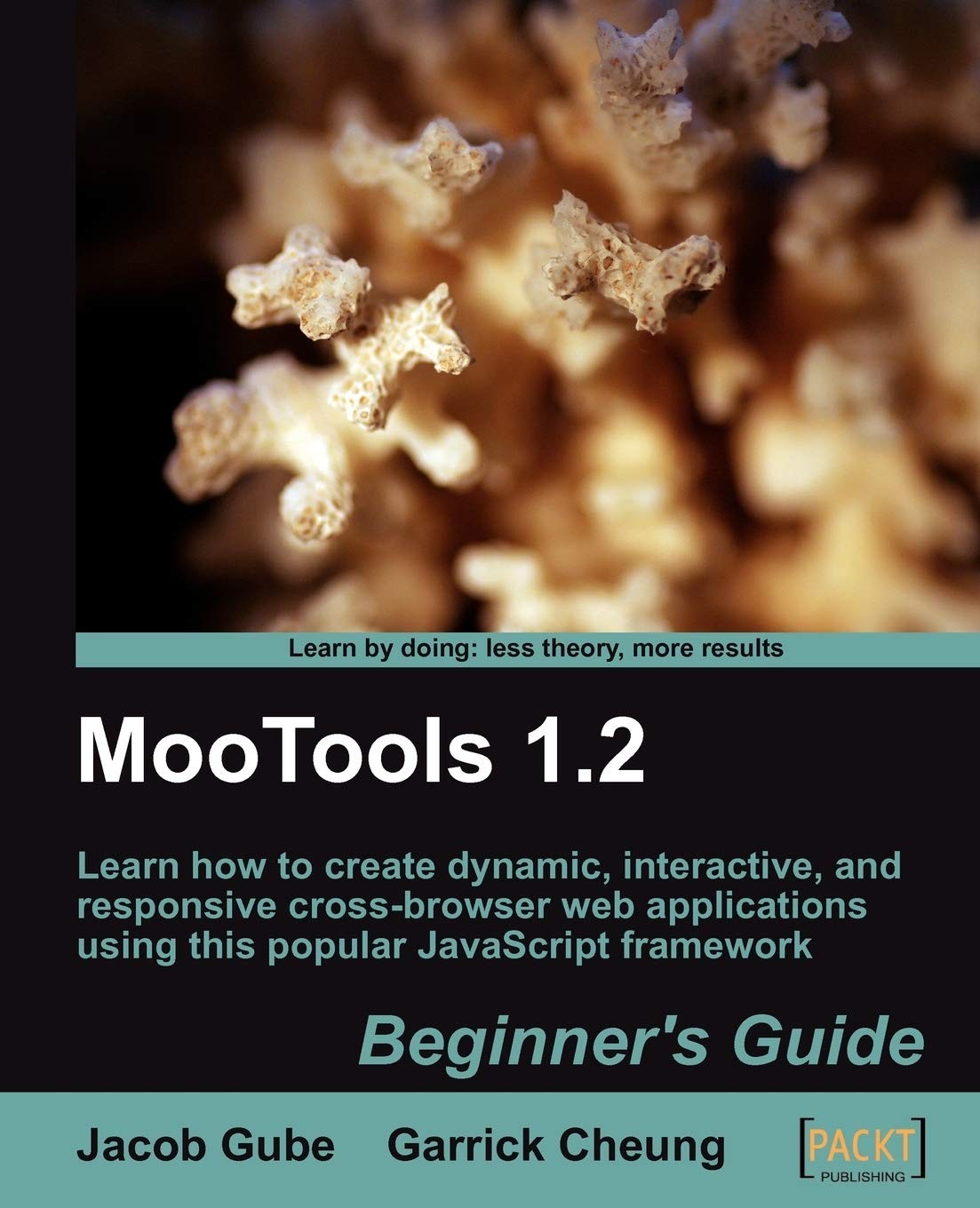
Mootools 1.2 Beginner's Guide (English, Jacob Gube)
Computers & Internet
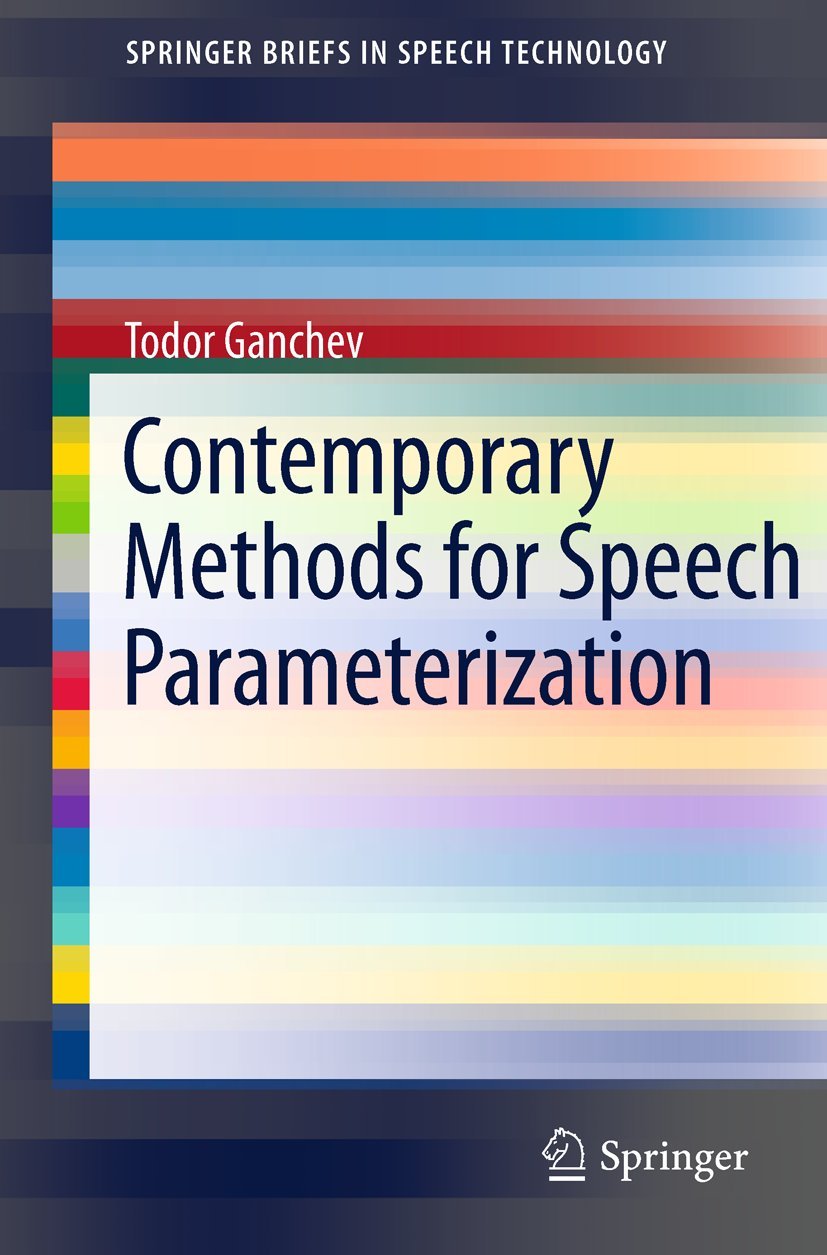
Contemporary Methods for Speech Parameterization (Springerbriefs in Electrical and Computer Engineering / Springerbriefs in Speech Technology)

Computers & Internet
Information Technology and Lawyers | by Arno R. Lodder | Anja Oskamp | Springer | by Arno R. Lodder | Anja Oskamp | Springer | by Arno R. Lodder | Anja Oskamp | Springer | by Arno R. Lodder | Anja Oskamp | Springer | by Arno R. Lodder | Anja Oskamp | Springer | by Arno R. Lodder | Anja Oskamp | Springer | by Arno R. Lodder | Anja Oskamp | Springer | by Arno R. Lodder | Anja Oskamp | Springer | by Arno R. Lodder | Anja Oskamp | Springer | by Arno R. Lodder | Anja Oskamp | Springer | by Arno R. Lo

Computers & Internet
Digital Analysis of Remotely Sensed Imagery | by Jay Gao | McGraw-Hill Companies | by Jay Gao | McGraw-Hill Companies | by Jay Gao | McGraw-Hill Companies | by Jay Gao | McGraw-Hill Companies | by Jay Gao | McGraw-Hill Companies | by Jay Gao | McGraw-Hill Companies | by Jay Gao | McGraw-Hill Companies | by Jay Gao | McGraw-Hill Companies | by Jay Gao | McGraw-Hill Companies | by Jay Gao | McGraw-Hill Companies | by Jay Gao | McGraw-Hill Companies | by Jay Gao | McGraw-Hill Companies | by Jay Gao

Computers & Internet