
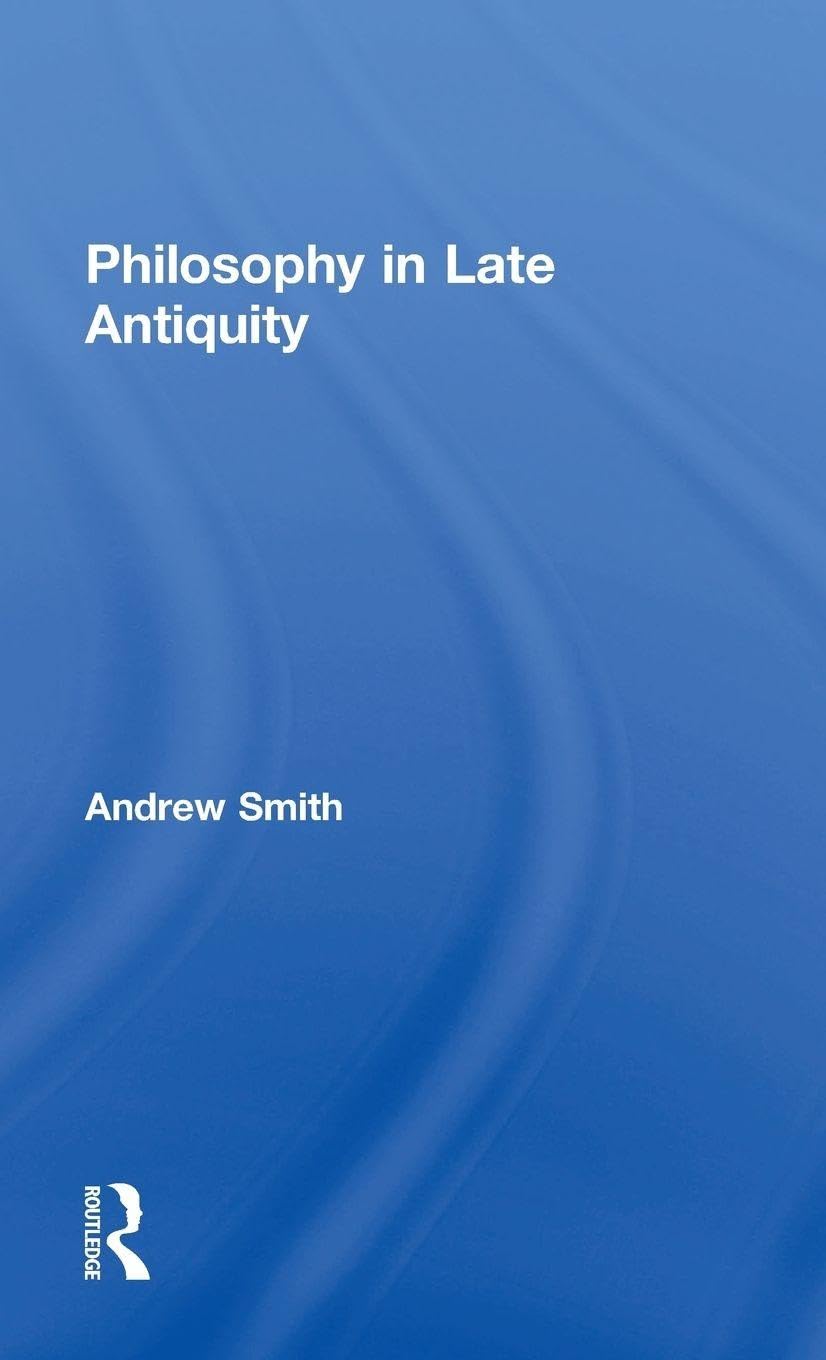
Philosophy in Late Antiquity: An Introduction to Neoplatonism and Its Influence on Christian Thought by Andrew Smith
Inclusive of all applicable taxes. FREE shipping on all orders.
Available Offers
- 🚚Free Delivery — Free shipping on all orders
- 💵Cash on Delivery — Pay when your order arrives
- ↩️15-Day Easy Returns — Hassle-free return policy
- 🔒Cash on Delivery — Pay safely when your order arrives
Check Delivery
Product Description
Introduction
Philosophy in Late Antiquity by Andrew Smith is a masterful exploration of the philosophical currents that shaped the intellectual landscape of the later Roman Empire and beyond. This hardcover edition, published by Routledge, offers Indian students and scholars a rigorous yet accessible gateway into the world of Neoplatonism and its enduring influence on Christian thought. Smith’s work is not merely a historical survey but a thoughtful engagement with the ideas that defined an era, making it an indispensable resource for anyone seeking to understand the transition from ancient to medieval philosophy.
Book Overview
This volume provides a comprehensive introduction to the key figures and concepts of late antique philosophy, with a particular focus on the Neoplatonists. Andrew Smith traces the development of Platonic thought from Plotinus through Proclus, showing how these thinkers reinterpreted Plato’s philosophy in light of new religious and metaphysical concerns. The book also examines the complex relationship between pagan philosophy and early Christian theology, revealing how Neoplatonic ideas were absorbed, adapted, and sometimes contested by Church Fathers such as Augustine and Pseudo-Dionysius. By placing philosophy in its historical and cultural context, Smith helps readers appreciate the vitality and relevance of these ancient debates.
Key Highlights
- Authoritative Introduction: Andrew Smith, a leading scholar in late antique philosophy, distills decades of research into a clear and engaging narrative.
- Focus on Neoplatonism: The book offers an in-depth look at the central tenets of Neoplatonic thought, including the One, Intellect, and Soul.
- Christian Engagement: Explores how Neoplatonism shaped Christian doctrines on God, creation, and the soul, providing insights into the intellectual foundations of Western theology.
- Primary Source Integration: Includes carefully selected passages from original texts, allowing readers to engage directly with the philosophers’ own words.
- Chronological Structure: Organized to show the evolution of ideas from Plotinus in the third century to the closing of the Athenian Academy in the sixth century.
Inside the Book
The book is divided into thematic chapters that cover the major schools and thinkers of the period. Smith begins with the historical backdrop of the Roman Empire in decline, then moves to Plotinus’s revolutionary metaphysics, the systematization of Neoplatonism by Porphyry and Iamblichus, and the later developments in Athens and Alexandria. Each chapter combines exposition of philosophical arguments with analysis of their cultural significance. The final sections address the legacy of late antique philosophy in the medieval Islamic and Christian worlds, making this a truly comprehensive study.
Key Topics
- The One and the hierarchy of being
- The nature of the soul and its ascent
- Intellect, Forms, and the problem of evil
- Neoplatonic ethics and mysticism
- Pagan philosophy versus Christian theology
- The role of revelation and reason
- The decline of pagan schools and the rise of Christian thought
Reader Benefits
This book is designed to benefit both newcomers and advanced readers. For students, it provides a structured entry into a complex field, with clear explanations of technical terms and concepts. For scholars, it offers a reliable synthesis of current scholarship and thought-provoking interpretations. The inclusion of primary source excerpts allows readers to develop their own critical perspectives. Additionally, Smith’s writing style is lucid and engaging, making the material accessible without sacrificing depth. Indian readers will find particular value in the discussions of how Greek philosophy was transmitted and transformed in later intellectual traditions.
Learning Outcomes
- Understand the core doctrines of Neoplatonism and their historical development.
- Analyze the relationship between pagan philosophy and early Christian theology.
- Grasp the key debates on metaphysics, epistemology, and ethics in late antiquity.
- Recognize the influence of Neoplatonism on medieval and modern thought.
- Engage critically with primary philosophical texts from the period.
Who Should Read
Philosophy in Late Antiquity is ideal for undergraduate and postgraduate students of philosophy, classics, religious studies, and history. It will also appeal to general readers with an interest in the intellectual history of the ancient world. Teachers and researchers looking for a concise yet thorough overview of late antique philosophy will find this book an excellent reference. Indian students preparing for competitive examinations in philosophy or pursuing courses in Western philosophy will benefit from its systematic approach and clear exposition.
About the Author
Andrew Smith is Emeritus Professor of Classics at University College Dublin and a distinguished scholar of ancient philosophy. He has published extensively on Neoplatonism, including works on Plotinus, Porphyry, and the transmission of Platonic thought. His expertise ensures that this book is both academically rigorous and accessible to a wide audience.
About the Publisher
Routledge is a globally respected academic publisher known for its high-quality books in the humanities and social sciences. With a long history of publishing seminal works in philosophy, Routledge ensures that this volume meets the highest standards of scholarship and production. The hardcover edition is durable and well-suited for library collections or personal study.
Conclusion
Philosophy in Late Antiquity is an essential addition to the library of anyone interested in the rich philosophical heritage of the ancient world. Andrew Smith’s clear and insightful presentation makes this a valuable resource for understanding the ideas that shaped both pagan and Christian thought. Whether you are a student beginning your journey into philosophy or a seasoned scholar seeking a reliable reference, this book offers a rewarding and illuminating reading experience. Order your copy from Bookshops.in today and delve into the profound questions that occupied the greatest minds of late antiquity.
Quick Summary
Philosophy in Late Antiquity by Andrew Smith is an essential introduction to the philosophical world of the Neoplatonists, a group of thinkers who profoundly shaped Western thought from the 3rd to the 6th century CE. The book focuses on the central ideas of Plotinus, Porphyry, Iamblichus, and Proclus, explaining concepts such as the One, intellect, soul, and the process of emanation. Smith skillfully demonstrates how these ideas were not only philosophical but also deeply influenced early Christian theology, providing readers with a richer understanding of the intellectual currents that shaped late antiquity. Written in a clear and accessible style, this book is ideal for Indian students of philosophy, theology, and history, as well as general readers curious about the roots of Western thought. By purchasing from Bookshops.in, you receive a genuine hardcover edition from a trusted Indian bookstore, ensuring a quality reading experience. Readers will come away with a solid grasp of Neoplatonism and its enduring legacy, making this a valuable addition to any academic or personal library.
Book Highlights
Book Specifications
| ISBN-13 | 9780415225106 |
| ISBN-10 | 0415225108 |
| Publisher | Routledge |
| Language | English |
| Dimensions | 13.97 x 1.27 x 21.59 cm |
| Weight | 318 g |
| Country | India |
| Category | History › Ancient |
| Genre | Non-fiction |
| Original Language | English |
Frequently Asked Questions
What is the main focus of Philosophy in Late Antiquity?
Who is the author Andrew Smith?
Is this book suitable for beginners in philosophy?
Does the book cover only Neoplatonism?
How does this book relate to Plato?
Is this book used in Indian university courses?
What is the ISBN for this book?
Can I use this book for my research on early Christianity?
What is the price of the book?
Does the book include references or bibliography?
What is the reading age for this book?
Why should I buy from Bookshops.in?
Readers Also Search For
Related Products
View All
History
The Information Revolution: Transforming the World Through Technology (World History)
History
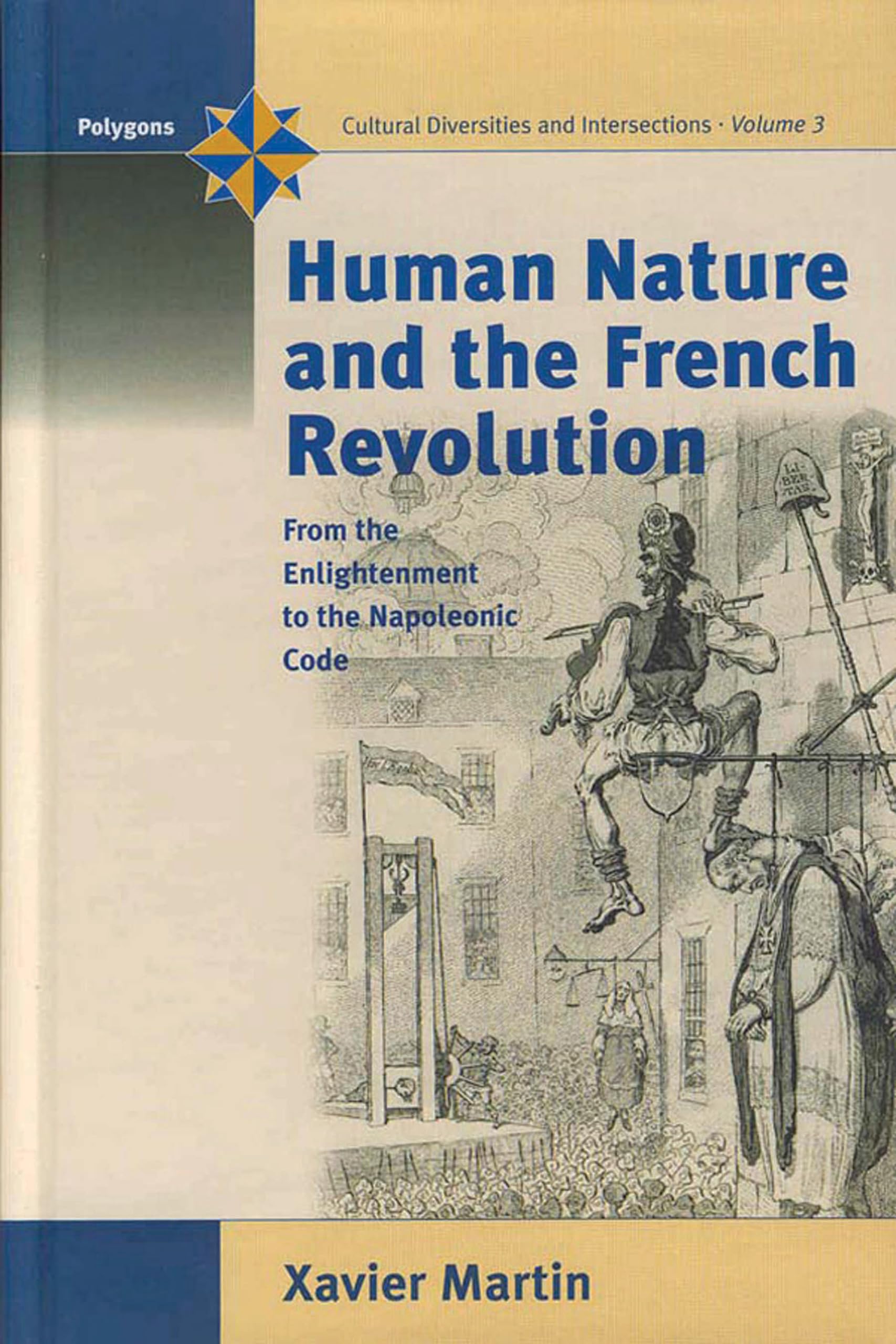
Human Nature and the French Revolution: From the Enlightenment to the Napoleonic Code: 3 (Polygons: Cultural Diversities and Intersections, 3)

History
The Unmaking of Home in Contemporary Art (Cultural Spaces)

History
Handbook to Life in Medieval and Early Modern Japan | by William E. Deal | Oxford University Press | by William E. Deal | Oxford University Press | by William E. Deal | Oxford University Press | by William E. Deal | Oxford University Press | by William E. Deal | Oxford University Press | by William E. Deal | Oxford University Press | by William E. Deal | Oxford University Press | by William E. Deal | Oxford University Press | by William E. Deal | Oxford University Press | by William E. Deal | Ox

History
The Narrators of Barbarian History (A.D. 550-800) | by Walter Goffart | University of Notre Dame Press | by Walter Goffart | University of Notre Dame Press | by Walter Goffart | University of Notre Dame Press | by Walter Goffart | University of Notre Dame Press | by Walter Goffart | University of Notre Dame Press | by Walter Goffart | University of Notre Dame Press | by Walter Goffart | University of Notre Dame Press | by Walter Goffart | University of Notre Dame Press | by Walter Goffart | Univ

History