

Programming.Architecture by Paul Coates – A Practical Introduction to Computational Design and Algorithmic Thinking for
Inclusive of all applicable taxes. FREE shipping on all orders.
Available Offers
- 🚚Free Delivery — Free shipping on all orders
- 💵Cash on Delivery — Pay when your order arrives
- ↩️15-Day Easy Returns — Hassle-free return policy
- 🔒Cash on Delivery — Pay safely when your order arrives
Check Delivery
Product Description
Introduction
In an era where technology and design converge more than ever, Programming.Architecture by Paul Coates stands as a vital bridge between the worlds of computing and the built environment. Published by Routledge, this hardcover edition is a must-have for Indian architecture students, educators, and professionals who wish to understand how computational thinking reshapes architectural practice. Unlike typical programming guides, this book focuses on the conceptual and historical roots of algorithmic design, making it accessible even for those with no prior coding experience.
Book Overview
Programming.Architecture offers a concise yet thorough journey through the evolution of computing and its profound impact on architectural design. Paul Coates, a pioneer in Computer-Aided Architectural Design (CAAD), distills decades of teaching and research into a single volume. The book demystifies algorithmic thinking and demonstrates, through real projects and student work, how code can become a creative partner in shaping spaces. It is not a dry technical manual but a thoughtful exploration of how the computer has become an indispensable tool for design innovation.
Key Highlights
- Pioneering Perspective: Written by Paul Coates, a leading figure in CAAD, offering insights from the early days of computational design.
- Practical Code Snippets: Contains numerous examples of algorithms and code, giving readers a genuine glimpse into the mechanics of design software.
- Student Projects: Features curated work from Coates’ students, illustrating how theoretical concepts translate into real architectural solutions.
- Historical Context: Traces the history of computing from its origins to its current role in architecture, providing a rich background for understanding modern tools.
- Accessible Language: Written in a clear, non-intimidating style that suits both beginners and experienced designers.
Inside the Book
The book is structured to guide readers from foundational concepts to advanced applications. Early chapters introduce the philosophy of algorithmic thinking and the basics of how computers process information. Later sections dive into specific algorithms used in generative design, form-finding, and spatial analysis. Each chapter is peppered with code snippets in a readable format, allowing you to experiment and see immediate results. The inclusion of student projects adds a collaborative and educational dimension, showing how these ideas have been tested in academic settings.
Key Topics
- History of computing and its relationship with architecture
- Algorithmic thinking and problem-solving for designers
- Introduction to programming languages relevant to design (e.g., Processing, Python)
- Generative design and parametric modelling
- Data structures and their application in spatial design
- Visualization techniques and computational geometry
- Case studies of algorithm-driven architectural projects
Reader Benefits
By reading this book, you will develop a deeper appreciation for how computation can enhance creativity rather than replace it. You will gain the confidence to write simple scripts that automate repetitive tasks, generate design alternatives, and explore complex geometries. The historical perspective helps you understand why certain tools exist and how they evolved, making you a more informed user of software like Rhino, Grasshopper, or Revit. For Indian students preparing for competitive exams or studio projects, this book offers a unique edge in demonstrating computational literacy.
Learning Outcomes
- Understand the fundamental concepts of algorithmic design and its relevance to architecture
- Write basic code to generate and manipulate geometric forms
- Analyze and critique computational design methodologies
- Apply algorithmic thinking to solve design problems in innovative ways
- Recognize the historical milestones that shaped modern architectural computing
- Develop a portfolio of computational design experiments inspired by the book’s examples
Who Should Read
This book is ideal for undergraduate and postgraduate architecture students in India who want to integrate computation into their design process. Practicing architects seeking to update their skills with digital tools will also find immense value. Additionally, educators teaching design computing or digital fabrication will appreciate the structured approach and ready-to-use examples. Even hobbyists with an interest in the intersection of art, design, and technology will find the content engaging and enlightening.
About the Author
Paul Coates is a professor and a pioneering figure in the field of Computer-Aided Architectural Design. With a career spanning several decades, he has taught at institutions such as the Bartlett School of Architecture, University College London. His research focuses on the use of algorithms in design, and he has contributed significantly to the development of computational tools for architects. This book distils his extensive experience into a format that is both educational and inspiring.
About the Publisher
Routledge is a globally respected academic publisher known for its high-quality books in the humanities, social sciences, and architecture. With a strong commitment to advancing knowledge, Routledge publications are widely used in Indian universities and research institutions. This hardcover edition is produced to the highest standards, ensuring durability and a premium reading experience.
Conclusion
Programming.Architecture is more than just a book—it is an invitation to rethink the way we design. In a country like India, where architecture is rapidly embracing digital tools, this volume provides the conceptual foundation needed to innovate responsibly. Whether you are a student struggling with code or a professional curious about algorithmic design, Paul Coates offers a wise and practical guide. Order your hardcover copy today from Bookshops.in and take the first step toward mastering the art of computational architecture.
Quick Summary
Programming.Architecture by Paul Coates is a concise yet comprehensive guide to the history of computing and computational design, written specifically for architects and design students. The book demystifies algorithmic thinking and demonstrates how computers can be used as creative tools in architecture. Coates, a pioneer of CAAD, draws on his extensive teaching experience to present code snippets, algorithms, and student projects that make abstract concepts tangible. Readers will learn the philosophical underpinnings of coding, how to think algorithmically, and how to apply rule-based and generative methods to design problems. This book is ideal for Indian architecture students and professionals who want to understand the digital tools shaping modern design practice. By buying from Bookshops.in, you get a reliable, high-quality physical copy delivered to your doorstep, supporting a trusted Indian bookstore.
Book Highlights
Book Specifications
| ISBN-13 | 9780415451871 |
| ISBN-10 | 0415451876 |
| Publisher | Routledge |
| Language | English |
| Dimensions | 19.69 x 1.91 x 25.4 cm |
| Weight | 726 g |
| Country | India |
| Category | Programming & Software Development › Introduction to Programming |
| Genre | Non-fiction |
| Original Language | English |
Frequently Asked Questions
What is Programming.Architecture about?
Who is the author Paul Coates?
Is this book suitable for beginners in coding?
Does the book include practical code examples?
What kind of algorithms are covered?
Is this book only for architects?
How is this book different from other computational design books?
Can Indian students benefit from this book?
Does the book cover parametric design?
What is the ISBN?
Is the book hardcover or paperback?
Which publisher released this book?
Where can I buy this book in India?
Readers Also Search For
Customers Also Bought

Programming
Algorithmische Sprache Und Programmentwicklung | by H. Partsch | F. L. Bauer | P. Pepper | Springer | by H. Partsch | F. L. Bauer | P. Pepper | Springer | by H. Partsch | F. L. Bauer | P. Pepper | Springer | by H. Partsch | F. L. Bauer | P. Pepper | Springer | by H. Partsch | F. L. Bauer | P. Pepper | Springer | by H. Partsch | F. L. Bauer | P. Pepper | Springer | by H. Partsch | F. L. Bauer | P. Pepper | Springer | by H. Partsch | F. L. Bauer | P. Pepper | Springer | by H. Partsch | F. L. Bauer
Programming
Distributed Algorithms | by Jean-Claude Bermond | Michel Raynal | Springer | by Jean-Claude Bermond | Michel Raynal | Springer | by Jean-Claude Bermond | Michel Raynal | Springer | by Jean-Claude Bermond | Michel Raynal | Springer | by Jean-Claude Bermond | Michel Raynal | Springer | by Jean-Claude Bermond | Michel Raynal | Springer | by Jean-Claude Bermond | Michel Raynal | Springer | by Jean-Claude Bermond | Michel Raynal | Springer | by Jean-Claude Bermond | Michel Raynal | Springer | by Jean
Programming
Meta-Level Control for Deductive Database Systems | by Helmut Schmidt | Springer | by Helmut Schmidt | Springer | by Helmut Schmidt | Springer | by Helmut Schmidt | Springer | by Helmut Schmidt | Springer | by Helmut Schmidt | Springer | by Helmut Schmidt | Springer | by Helmut Schmidt | Springer | by Helmut Schmidt | Springer | by Helmut Schmidt | Springer | by Helmut Schmidt | Springer | by Helmut Schmidt | Springer | by Helmut Schmidt | Springer | by Helmut Schmidt | Springer | by Helmut Schm
Programming
Java Web Services | by David A. Chappell | Tyler Jewell | O'Reilly Media | by David A. Chappell | Tyler Jewell | O'Reilly Media | by David A. Chappell | Tyler Jewell | O'Reilly Media | by David A. Chappell | Tyler Jewell | O'Reilly Media | by David A. Chappell | Tyler Jewell | O'Reilly Media | by David A. Chappell | Tyler Jewell | O'Reilly Media | by David A. Chappell | Tyler Jewell | O'Reilly Media | by David A. Chappell | Tyler Jewell | O'Reilly Media | by David A. Chappell | Tyler Jewell | O'
Programming
Database in Depth | by Chris J. Date | O'Reilly Media | by Chris J. Date | O'Reilly Media | by Chris J. Date | O'Reilly Media | by Chris J. Date | O'Reilly Media | by Chris J. Date | O'Reilly Media | by Chris J. Date | O'Reilly Media | by Chris J. Date | O'Reilly Media | by Chris J. Date | O'Reilly Media | by Chris J. Date | O'Reilly Media | by Chris J. Date | O'Reilly Media | by Chris J. Date | O'Reilly Media | by Chris J. Date | O'Reilly Media | by Chris J. Date | O'Reilly Media | by Chris J.
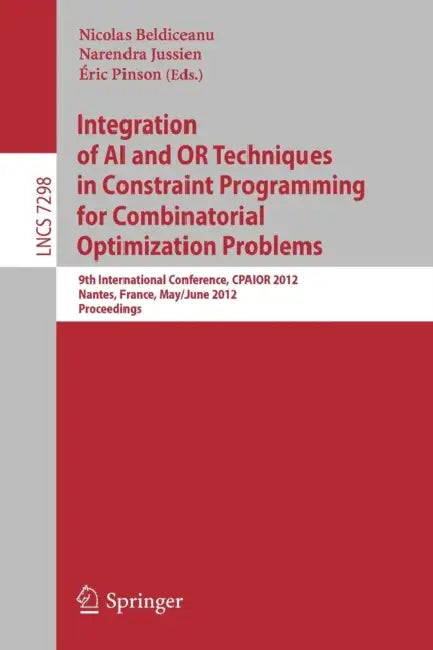
Programming
Integration of AI and OR Techniques in Constraint Programming for Combinatorial Optimization Problem | by Nicolas Beldiceanu | Narendra Jussien | Eric Pinson | Springer | by Nicolas Beldiceanu | Narendra Jussien | Eric Pinson | Springer | by Nicolas Beldiceanu | Narendra Jussien | Eric Pinson | Springer | by Nicolas Beldiceanu | Narendra Jussien | Eric Pinson | Springer | by Nicolas Beldiceanu | Narendra Jussien | Eric Pinson | Springer | by Nicolas Beldiceanu | Narendra Jussien | Eric Pinson |
Related Products
View All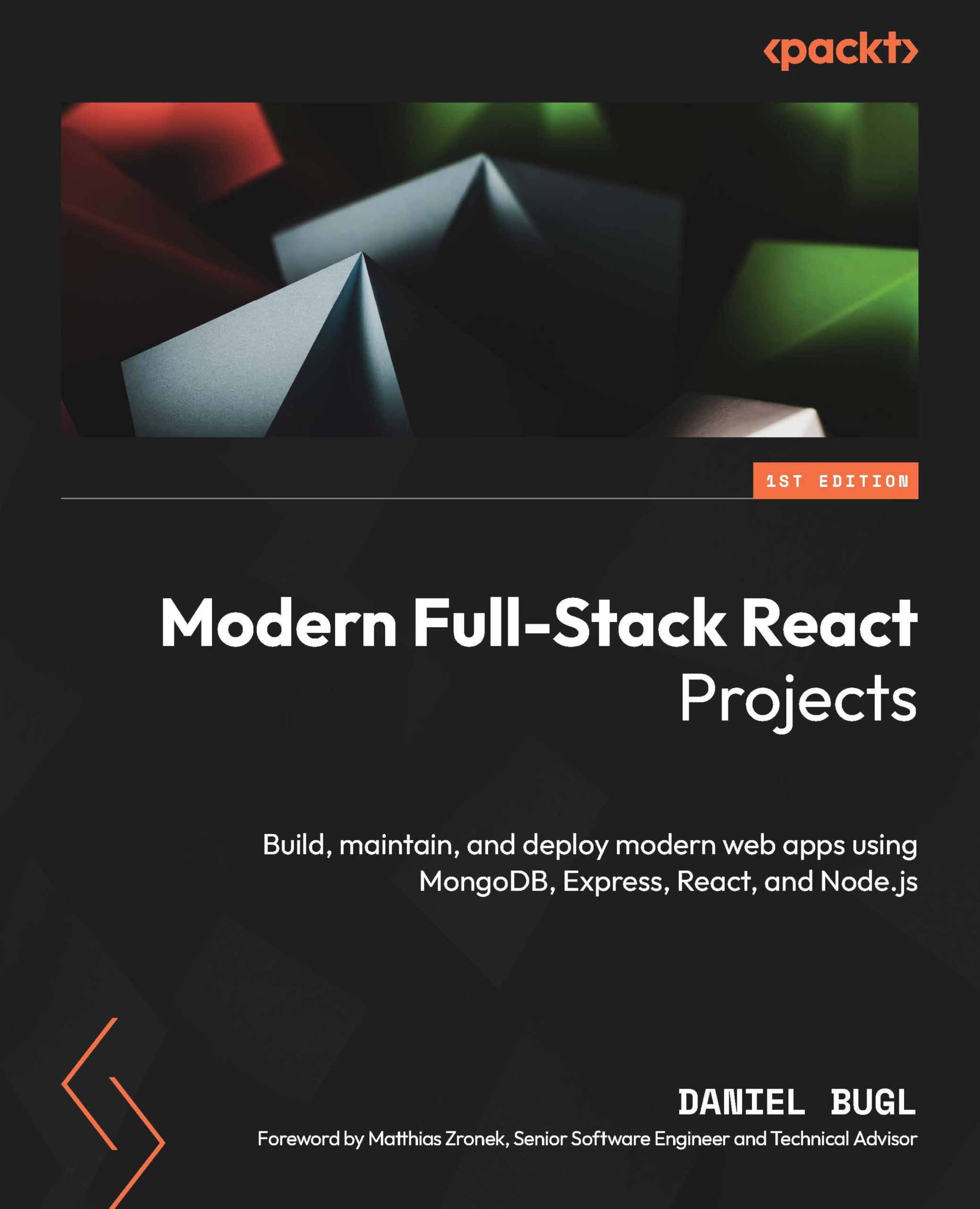
Computers & Internet
Modern Full-Stack React Projects by Daniel Bugl
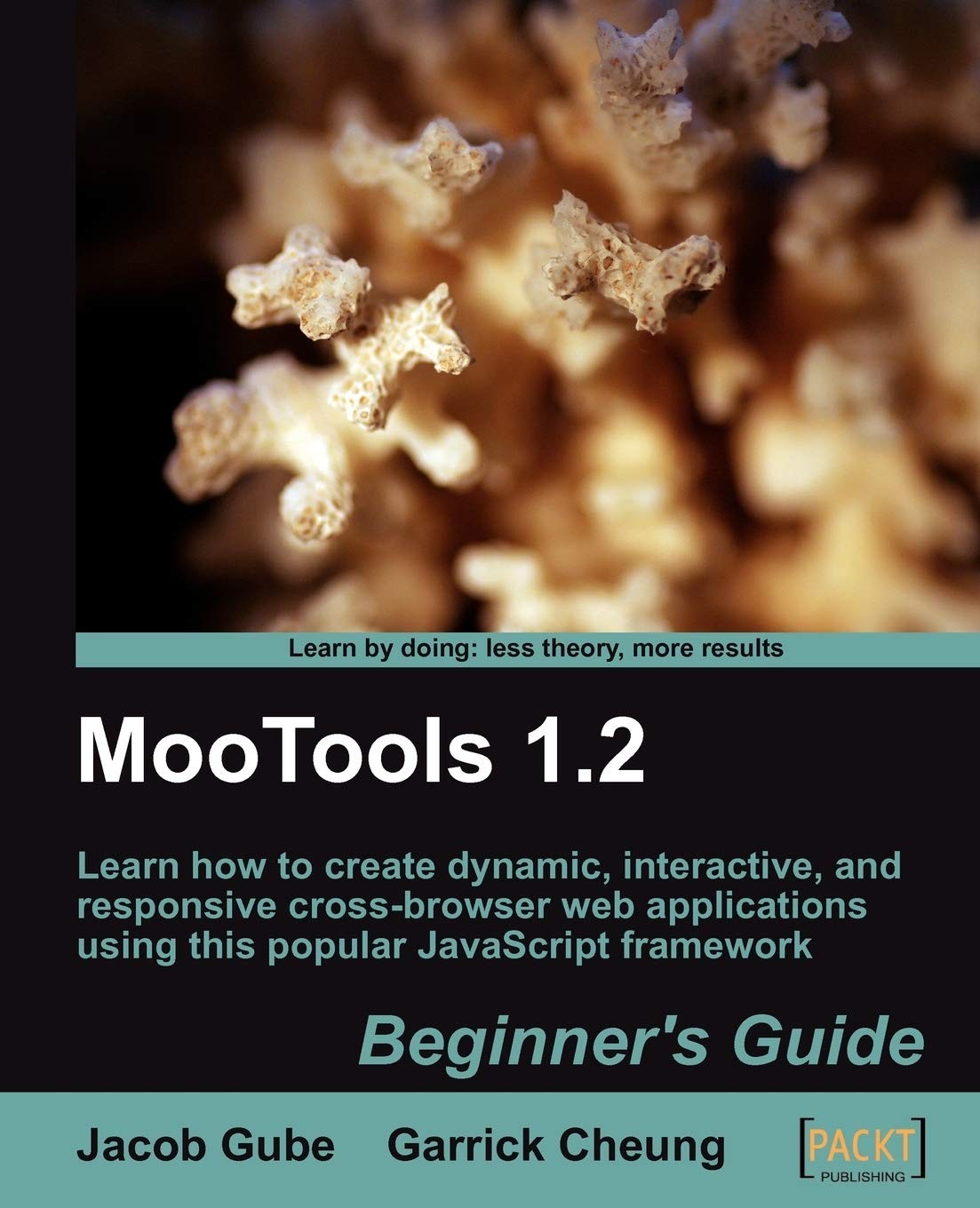
Computers & Internet
Mootools 1.2 Beginner's Guide (English, Jacob Gube)
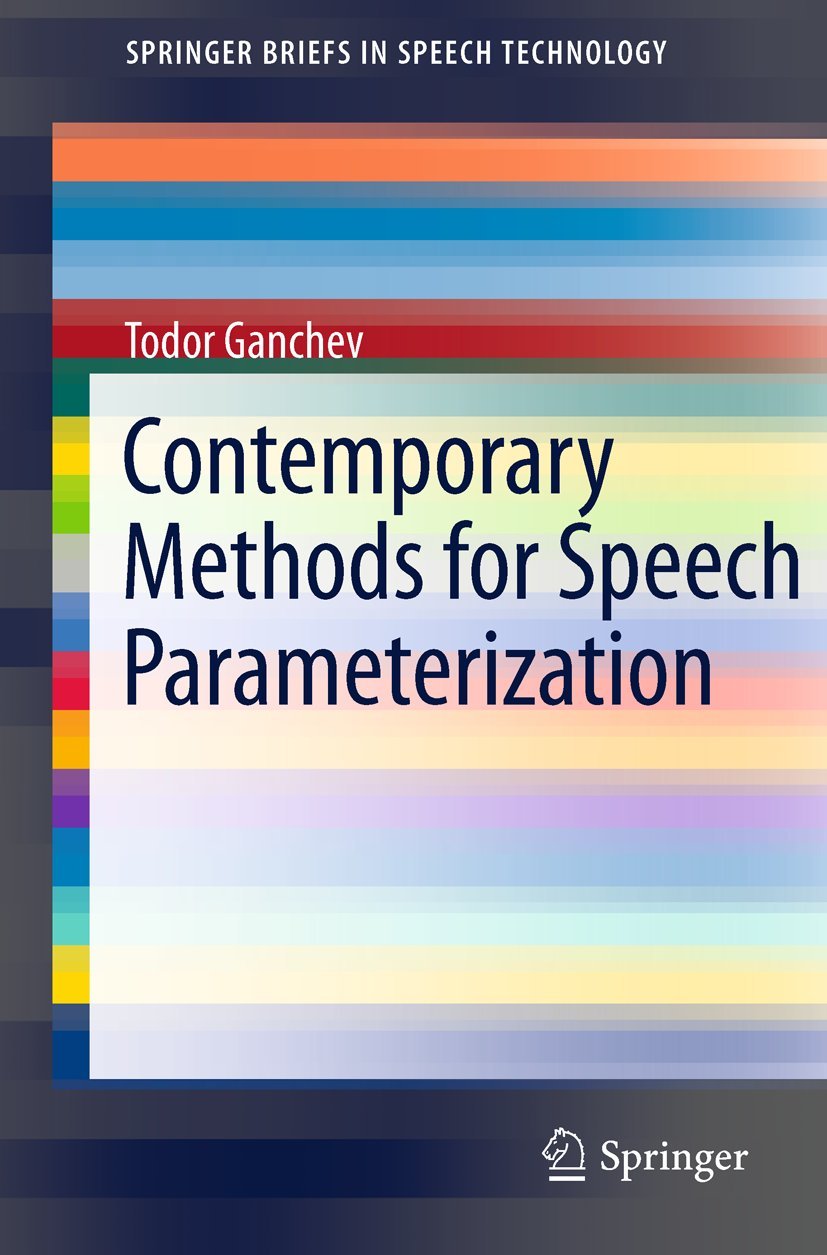
Computers & Internet
Contemporary Methods for Speech Parameterization (Springerbriefs in Electrical and Computer Engineering / Springerbriefs in Speech Technology)

Computers & Internet
Information Technology and Lawyers | by Arno R. Lodder | Anja Oskamp | Springer | by Arno R. Lodder | Anja Oskamp | Springer | by Arno R. Lodder | Anja Oskamp | Springer | by Arno R. Lodder | Anja Oskamp | Springer | by Arno R. Lodder | Anja Oskamp | Springer | by Arno R. Lodder | Anja Oskamp | Springer | by Arno R. Lodder | Anja Oskamp | Springer | by Arno R. Lodder | Anja Oskamp | Springer | by Arno R. Lodder | Anja Oskamp | Springer | by Arno R. Lodder | Anja Oskamp | Springer | by Arno R. Lo

Computers & Internet
Digital Analysis of Remotely Sensed Imagery | by Jay Gao | McGraw-Hill Companies | by Jay Gao | McGraw-Hill Companies | by Jay Gao | McGraw-Hill Companies | by Jay Gao | McGraw-Hill Companies | by Jay Gao | McGraw-Hill Companies | by Jay Gao | McGraw-Hill Companies | by Jay Gao | McGraw-Hill Companies | by Jay Gao | McGraw-Hill Companies | by Jay Gao | McGraw-Hill Companies | by Jay Gao | McGraw-Hill Companies | by Jay Gao | McGraw-Hill Companies | by Jay Gao | McGraw-Hill Companies | by Jay Gao
Computers & Internet