

Psychiatry, Human Rights and the Law by Martin Roth – A Critical Exploration of Mental Health, Justice and Human Dignity
Inclusive of all applicable taxes. FREE shipping on all orders.
Available Offers
- 🚚Free Delivery — Free shipping on all orders
- 💵Cash on Delivery — Pay when your order arrives
- ↩️15-Day Easy Returns — Hassle-free return policy
- 🔒Cash on Delivery — Pay safely when your order arrives
Check Delivery
Product Description
Introduction
In a rapidly evolving world where mental health is finally receiving the attention it deserves, the intersection of psychiatry, human rights, and legal frameworks has become a critical area of study. Psychiatry, Human Rights and the Law by Martin Roth, published by Cambridge University Press, offers a profound exploration of the complex relationships between mental health care, societal expectations, and legal systems. This hardbound volume is an essential resource for Indian students, practitioners, and scholars who seek to understand how law and psychiatry can work together to protect the dignity and rights of individuals with mental illness. Written with clarity and depth, this book bridges the gap between clinical practice and legal theory, making it a standout addition to any academic or professional library.
Book Overview
This thought-provoking work is based on papers presented at a landmark conference in Cambridge, where leading psychiatrists, judges, lawyers, forensic experts, and sociologists came together to address the pressing dilemmas facing mental health care today. Martin Roth skillfully compiles these diverse perspectives into a cohesive narrative that examines how society can create more humane and effective services for the mentally ill. The book delves into the tensions between medical authority and individual autonomy, the role of the law in safeguarding human rights, and the need for interdisciplinary collaboration. It is not merely a collection of academic essays but a call to action for reforming mental health policies and practices, with relevance for India’s own evolving mental health landscape.
Key Highlights
- Interdisciplinary Approach: Combines insights from psychiatry, law, sociology, and ethics to offer a holistic view of mental health care.
- Human Rights Focus: Emphasizes the protection of patient rights, including dignity, consent, and freedom from coercion.
- Forensic Expertise: Includes contributions from forensic psychiatrists and legal professionals, making it ideal for those working in criminal justice or mental health law.
- Practical Relevance: Addresses real-world challenges such as involuntary treatment, capacity assessments, and the stigma surrounding mental illness.
- Indian Context: While rooted in international perspectives, the themes are directly applicable to India’s Mental Healthcare Act, 2017, and ongoing debates about legal reforms.
Inside the Book
The book is structured to guide readers through the core debates in psychiatry and law. Early chapters lay the groundwork by exploring historical and philosophical foundations, including the evolution of mental health legislation and the concept of human rights. Subsequent sections tackle specific dilemmas, such as the balance between therapeutic needs and legal safeguards, the role of expert testimony in court, and the ethical implications of psychiatric interventions. Each chapter is enriched with case studies, legal precedents, and empirical data, making complex ideas accessible. The final chapters propose innovative models for service delivery that prioritize patient autonomy while ensuring public safety, offering a roadmap for policymakers and clinicians alike.
Key Topics
- Human rights and the mentally ill: legal protections and violations
- Informed consent and capacity to make decisions
- Involuntary hospitalization and treatment orders
- Forensic psychiatry and criminal responsibility
- The role of the judiciary in mental health cases
- Stigma, discrimination, and social inclusion
- Ethical dilemmas in psychiatric research and practice
- Comparative mental health laws and international standards
- Collaborative models for mental health services
Reader Benefits
Reading this book will equip you with a nuanced understanding of how legal and psychiatric systems can be harmonized to protect vulnerable populations. You will gain insights into the ethical challenges that arise in clinical settings, from assessing a patient’s decision-making capacity to navigating court proceedings. The book also enhances your ability to critically evaluate mental health policies and advocate for reforms that prioritize human dignity. For students, it serves as an excellent reference for exams and research papers, while professionals will find practical guidance for handling complex cases involving legal and ethical dimensions.
Learning Outcomes
- Understand the historical and philosophical underpinnings of mental health law
- Analyze the key human rights issues in psychiatric practice
- Evaluate the legal frameworks for involuntary treatment and detention
- Apply ethical principles to real-world scenarios involving mentally ill individuals
- Develop interdisciplinary approaches to improve mental health services
- Critique existing policies and propose evidence-based reforms
Who Should Read
This book is indispensable for psychiatrists, clinical psychologists, and mental health nurses seeking to navigate legal and ethical complexities. Lawyers, judges, and legal scholars specializing in medical law or human rights will find it equally valuable. Medical and law students in India will benefit from its comprehensive coverage of topics relevant to their curricula, including the Mental Healthcare Act, 2017. Policymakers, social workers, and activists working in mental health advocacy will also gain essential perspectives to drive change. Whether you are a seasoned professional or a curious student, this book offers timeless insights.
About the Author
Martin Roth was a distinguished psychiatrist and academic whose work profoundly influenced the field of mental health. A former professor at the University of Cambridge, he was renowned for his research on the relationship between psychiatry, ethics, and society. Roth’s contributions to clinical psychiatry and his advocacy for humane treatment of the mentally ill have left a lasting legacy. His editorial vision in this volume brings together the brightest minds of his era, creating a dialogue that remains relevant decades later.
About the Publisher
Cambridge University Press is one of the world’s oldest and most respected academic publishers, with a history dating back to 1534. Known for its rigorous editorial standards and commitment to scholarly excellence, the press publishes works that shape education, research, and policy globally. This hardcover edition reflects the high production quality expected from Cambridge, with durable binding and clear typography suitable for repeated reference. For Indian readers, Cambridge University Press titles are widely available and trusted in academic institutions across the country.
Conclusion
Psychiatry, Human Rights and the Law is more than a book—it is a vital resource for anyone committed to advancing mental health care in a just and compassionate manner. By exploring the delicate balance between medical intervention and legal protection, Martin Roth and his contributors offer a framework that can transform how we treat the mentally ill. For Indian readers, this book arrives at a crucial time when mental health laws are being reimagined and stigma slowly dismantled. Add this hardbound volume to your collection and join the conversation that is shaping the future of psychiatry and human rights.
Quick Summary
Psychiatry, Human Rights and the Law by Martin Roth is a seminal work that delves into the complex and often contentious relationship between mental health care, legal frameworks and human dignity. Originating from a conference at the University of Cambridge, the book brings together perspectives from judges, lawyers, psychiatrists, forensic experts and sociologists to address the core dilemmas facing modern psychiatry. Readers will explore topics such as involuntary treatment, patient rights, forensic assessments, mental health legislation, and the ethical responsibilities of clinicians. The book is particularly valuable for Indian students and professionals as it provides a comparative understanding of how legal systems can either protect or violate the rights of individuals with mental illness. By reading this volume, one gains practical insights into creating more humane, legally sound and socially efficient mental health services. Whether you are a psychiatrist, lawyer, policy maker or human rights advocate, this book equips you with the knowledge to navigate the challenging terrain where psychiatry meets the law. Purchase your copy from Bookshops.in to add this essential resource to your library.
Book Highlights
Book Specifications
| ISBN-13 | 9780521112789 |
| ISBN-10 | 0521112788 |
| Publisher | Cambridge University Press |
| Language | English |
| Dimensions | 15.24 x 1.63 x 22.86 cm |
| Weight | 380 g |
| Country | India |
| Category | Clinical › Mental Health |
| Genre | Non-fiction |
| Original Language | English |
Frequently Asked Questions
What is the main theme of Psychiatry, Human Rights and the Law?
Who is the author of this book?
Is this book relevant for Indian readers?
What topics does the book cover?
Who contributed to this volume?
What is the format of the book?
Can law students benefit from this book?
Does the book discuss Indian mental health laws?
Is this book suitable for self-study?
How does the book address human rights?
What is the price of this book?
Where can I buy this book in India?
Does the book include case studies?
Readers Also Search For
Customers Also Bought

Mental Health
Physical Activity and Mental Health by Angela Clow – Sports Psychology
Mental Health
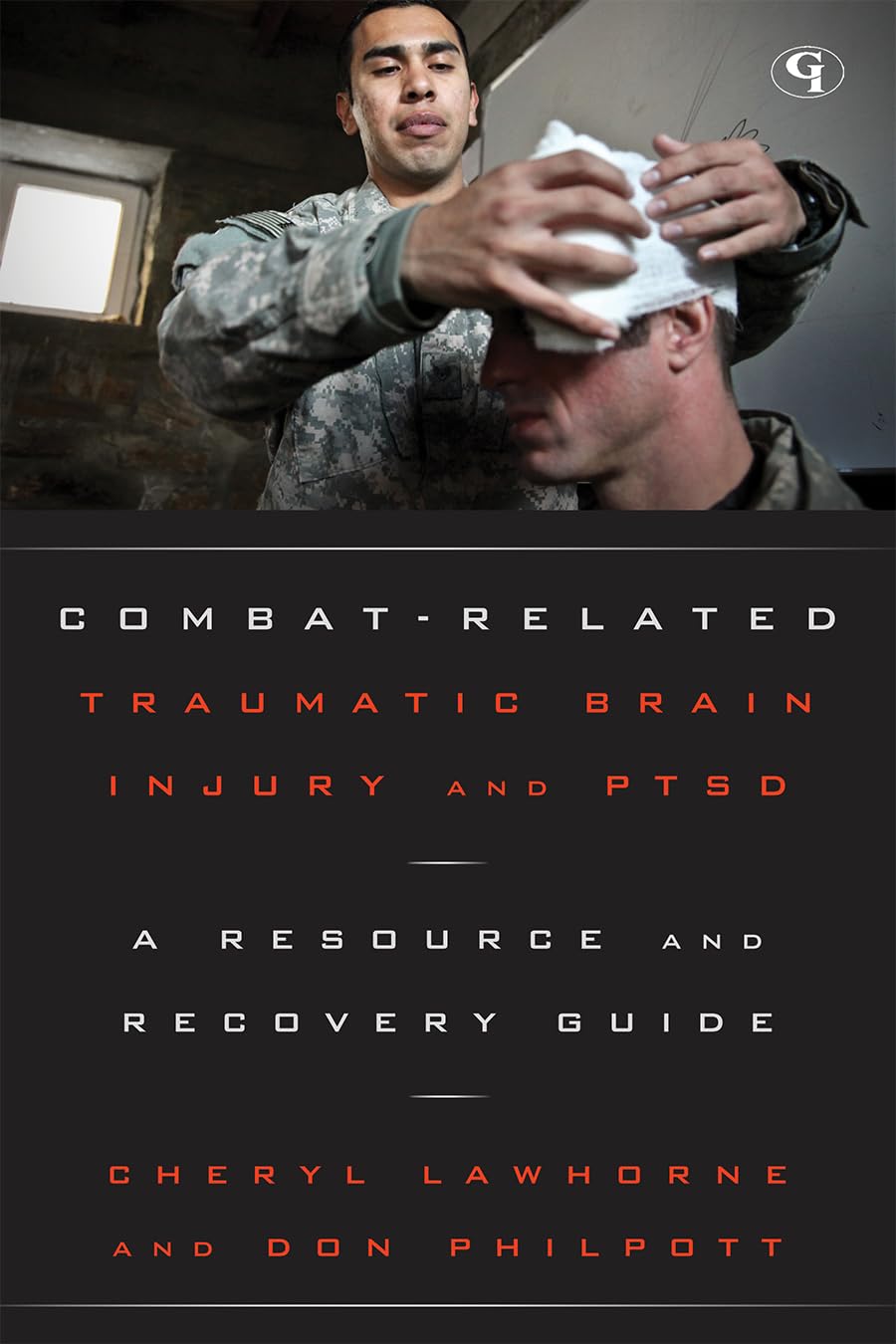
Combat-Related Traumatic Brain Injury and PTSD by Cheryl Lawhorne-Scott

Mental Health
Sex and Gender: The Development of Masculinity and Femininity by Robert J. Stoller – Gender Psycholo

Mental Health
The Mindful Path to Intimacy by James V. Cordova – Relationship Mindfulness Guide

Mental Health
Lost Childhoods: The Plight of the Parentified Child by Gregory J. Jurkovic

Mental Health
Psycho-Economics (English, Robert D.Weitz)
Related Products
View AllMental Health
Physical Activity and Mental Health by Angela Clow – Sports Psychology
Mental Health
Combat-Related Traumatic Brain Injury and PTSD by Cheryl Lawhorne-Scott
Mental Health
Sex and Gender: The Development of Masculinity and Femininity by Robert J. Stoller – Gender Psycholo
Mental Health
The Mindful Path to Intimacy by James V. Cordova – Relationship Mindfulness Guide
Mental Health
Lost Childhoods: The Plight of the Parentified Child by Gregory J. Jurkovic
Mental Health