
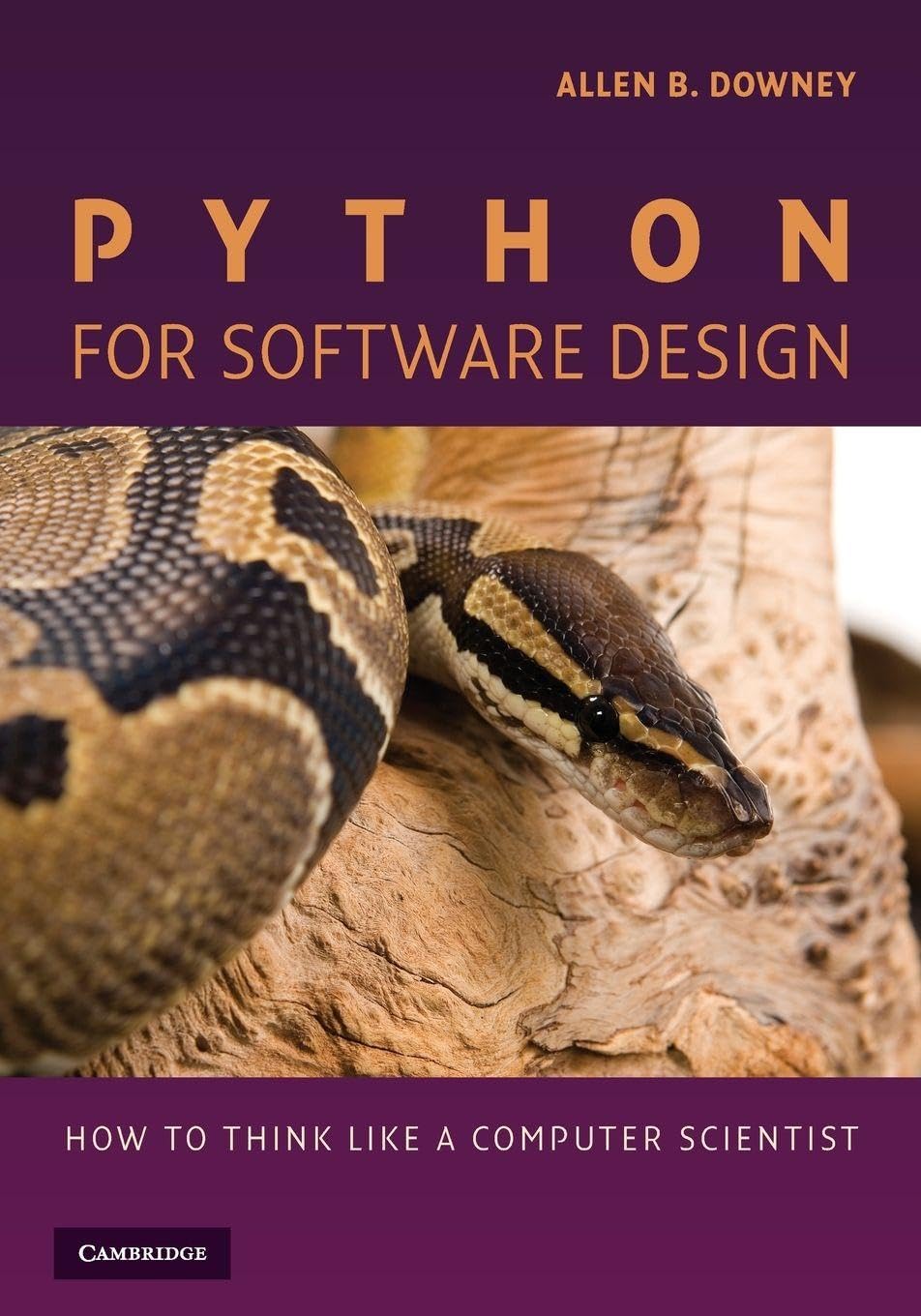
Python for Software Design: How to Think Like a Computer Scientist by Allen B. Downey – A Step-by-Step Guide to Python P
Inclusive of all applicable taxes. FREE shipping on all orders.
Available Offers
- 🚚Free Delivery — Free shipping on all orders
- 💵Cash on Delivery — Pay when your order arrives
- ↩️15-Day Easy Returns — Hassle-free return policy
- 🔒Cash on Delivery — Pay safely when your order arrives
Check Delivery
Product Description
Introduction
Python for Software Design: How to Think Like a Computer Scientist by Allen B. Downey is a thoughtfully crafted guide that takes absolute beginners on a journey from the very first lines of code to confident software design. Published by Cambridge University Press, this hardcover edition is an ideal companion for Indian students and self-learners who want to build a strong foundation in programming using Python. The book emphasizes not just syntax but the mindset of a programmer—breaking down complex problems, debugging systematically, and designing clean, efficient code.
Book Overview
This book is a no-nonsense introduction to software design using Python. It starts with the most basic concepts and gradually adds new material, ensuring that even readers with zero programming experience can follow along. The author understands that topics like recursion and object-oriented programming can be daunting, so he divides them into smaller, manageable steps spread across several chapters. The focus remains on the programming process itself, with special emphasis on debugging—a skill often overlooked in beginner books. Each chapter includes a wide range of exercises, from short examples to substantial projects, giving students ample opportunity to practice every new concept.
Key Highlights
- Designed for absolute beginners—no prior programming experience required.
- Gradual introduction to challenging topics like recursion and OOP through step-by-step chapters.
- Strong emphasis on debugging and the programming process, not just code output.
- Includes Swampy, a suite of Python programs used in select exercises for hands-on learning.
- Exercise solutions and code examples available online for self-assessment.
- Hardcover edition from Cambridge University Press, perfect for long-term reference.
Inside the Book
The book is structured to build understanding layer by layer. Early chapters cover variables, expressions, and control flow, while later chapters delve into functions, iteration, strings, lists, dictionaries, and file handling. Recursion is introduced gently, with plenty of diagrams and examples. Object-oriented programming is taught through a series of small, connected projects that demonstrate real-world application. Debugging tips appear throughout, helping students avoid common pitfalls. The exercises are designed to reinforce each topic and encourage independent problem-solving.
Key Topics
- Variables, expressions, and statements
- Functions and modular programming
- Conditionals and recursion
- Iteration and looping constructs
- Strings, lists, tuples, and dictionaries
- File input/output and exception handling
- Object-oriented programming concepts
- Debugging strategies and testing
- Algorithm design and problem solving
- Working with Swampy for interactive learning
Reader Benefits
Readers gain more than just Python knowledge—they learn how to think like a computer scientist. The book cultivates analytical thinking, systematic debugging habits, and the ability to break large problems into smaller, solvable parts. Students will be able to write clean, readable code and understand how to design software that is both efficient and maintainable. The practical exercises ensure that theoretical concepts are immediately applied, reinforcing learning. Whether you're a college student in India preparing for a programming course or a self-taught enthusiast, this book provides a solid, lasting foundation.
Learning Outcomes
- Understand fundamental programming concepts using Python syntax.
- Develop the ability to write and debug programs independently.
- Master recursion and object-oriented design through structured steps.
- Learn to use data structures like lists, dictionaries, and tuples effectively.
- Gain confidence in solving real-world problems with code.
- Build a programmer's mindset—thinking algorithmically and logically.
Who Should Read
This book is perfect for students in Indian schools, colleges, and universities who are new to programming. It is also an excellent resource for professionals from non-technical backgrounds who wish to transition into software development. Anyone who wants to learn Python from scratch—without being overwhelmed—will find this book approachable and rewarding. Teachers and instructors can use it as a textbook for introductory programming courses.
About the Author
Allen B. Downey is a renowned computer science educator and author of several bestselling programming books. He is a professor at Olin College of Engineering and has taught computer science for decades. His writing style is clear, engaging, and focused on conceptual understanding. Downey's books are widely used in universities around the world, including many institutions in India, for their practical, hands-on approach to learning programming.
About the Publisher
Cambridge University Press is one of the oldest and most respected academic publishers in the world. With a legacy of producing high-quality educational materials, Cambridge ensures that every book it publishes meets rigorous standards of accuracy and pedagogy. This hardcover edition of Python for Software Design reflects that commitment, making it a reliable and durable resource for students and educators alike.
Conclusion
Python for Software Design: How to Think Like a Computer Scientist is more than just a Python book—it is a guide to developing a lifelong skill: computational thinking. Allen B. Downey's methodical, beginner-friendly approach, combined with Cambridge University Press's quality production, makes this hardcover edition a valuable addition to any student's library. If you are ready to start your programming journey with clarity and confidence, this book is the perfect first step.
Quick Summary
Python for Software Design: How to Think Like a Computer Scientist by Allen B. Downey is a classic introductory programming book that teaches Python and software design from the ground up. Written for readers with no prior coding experience, it breaks down challenging topics like recursion and object-oriented programming into small, digestible steps. The book emphasizes the programming process, with a strong focus on debugging and problem-solving. It includes a rich collection of exercises, from short code snippets to full projects, and comes with online access to Swampy, a suite of Python programs for hands-on learning. Published by Cambridge University Press, this hardcover edition is ideal for Indian students in computer science courses, self-learners, and hobbyists. By reading this book, you will not only learn Python syntax but also develop a computer scientist's mindset—thinking algorithmically and designing clean, efficient code. Buy from Bookshops.in for a genuine copy, fast delivery, and excellent customer service across India.
Book Highlights
Book Specifications
| ISBN-13 | 9780521725965 |
| ISBN-10 | 0521725968 |
| Publisher | Cambridge University Press |
| Language | English |
| Dimensions | 17.78 x 1.57 x 25.4 cm |
| Weight | 470 g |
| Country | USA |
| Category | Software Design, Testing & Engineering › Software Architecture |
| Genre | Non-fiction |
| Original Language | English |
Frequently Asked Questions
Is this book suitable for absolute beginners?
Does the book cover object-oriented programming?
Are there exercises to practice?
What is Swampy?
Is this book used in Indian universities?
Can I use this book for self-study?
Does the book include debugging tips?
What Python version does the book use?
Are solutions to exercises available?
Is this a hardcover edition?
What is the ISBN?
Is this book available in English?
Why should I buy from Bookshops.in?
Readers Also Search For
Customers Also Bought

Programming
Algorithmische Sprache Und Programmentwicklung | by H. Partsch | F. L. Bauer | P. Pepper | Springer | by H. Partsch | F. L. Bauer | P. Pepper | Springer | by H. Partsch | F. L. Bauer | P. Pepper | Springer | by H. Partsch | F. L. Bauer | P. Pepper | Springer | by H. Partsch | F. L. Bauer | P. Pepper | Springer | by H. Partsch | F. L. Bauer | P. Pepper | Springer | by H. Partsch | F. L. Bauer | P. Pepper | Springer | by H. Partsch | F. L. Bauer | P. Pepper | Springer | by H. Partsch | F. L. Bauer
Programming
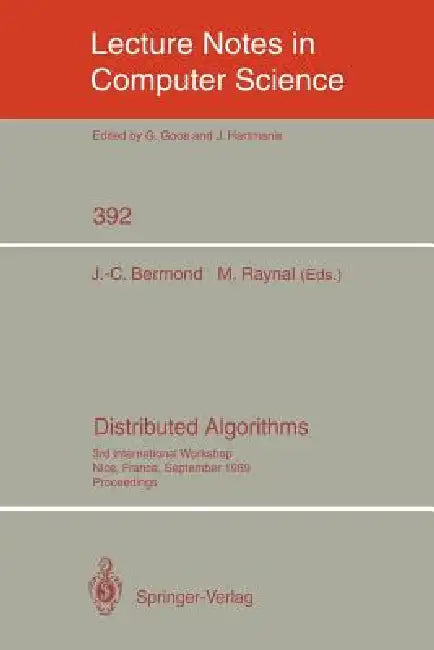
Distributed Algorithms | by Jean-Claude Bermond | Michel Raynal | Springer | by Jean-Claude Bermond | Michel Raynal | Springer | by Jean-Claude Bermond | Michel Raynal | Springer | by Jean-Claude Bermond | Michel Raynal | Springer | by Jean-Claude Bermond | Michel Raynal | Springer | by Jean-Claude Bermond | Michel Raynal | Springer | by Jean-Claude Bermond | Michel Raynal | Springer | by Jean-Claude Bermond | Michel Raynal | Springer | by Jean-Claude Bermond | Michel Raynal | Springer | by Jean
Programming
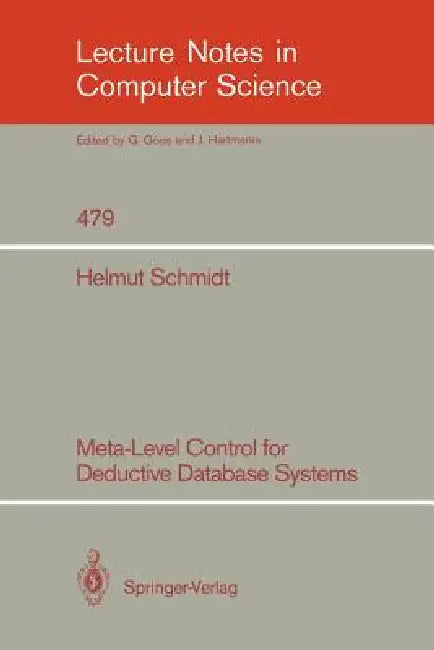
Meta-Level Control for Deductive Database Systems | by Helmut Schmidt | Springer | by Helmut Schmidt | Springer | by Helmut Schmidt | Springer | by Helmut Schmidt | Springer | by Helmut Schmidt | Springer | by Helmut Schmidt | Springer | by Helmut Schmidt | Springer | by Helmut Schmidt | Springer | by Helmut Schmidt | Springer | by Helmut Schmidt | Springer | by Helmut Schmidt | Springer | by Helmut Schmidt | Springer | by Helmut Schmidt | Springer | by Helmut Schmidt | Springer | by Helmut Schm
Programming
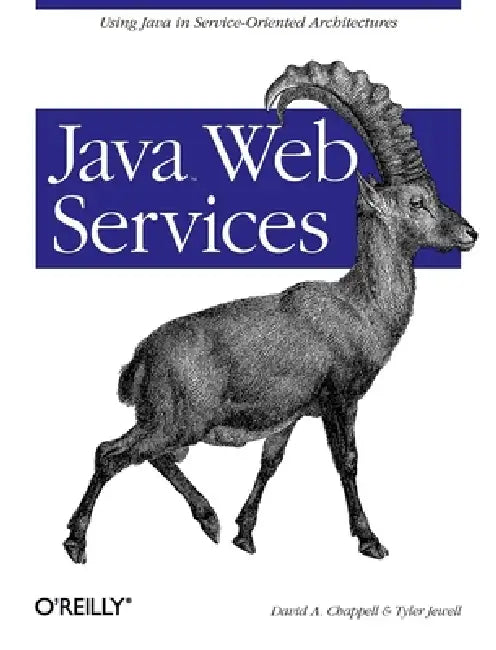
Java Web Services | by David A. Chappell | Tyler Jewell | O'Reilly Media | by David A. Chappell | Tyler Jewell | O'Reilly Media | by David A. Chappell | Tyler Jewell | O'Reilly Media | by David A. Chappell | Tyler Jewell | O'Reilly Media | by David A. Chappell | Tyler Jewell | O'Reilly Media | by David A. Chappell | Tyler Jewell | O'Reilly Media | by David A. Chappell | Tyler Jewell | O'Reilly Media | by David A. Chappell | Tyler Jewell | O'Reilly Media | by David A. Chappell | Tyler Jewell | O'
Programming
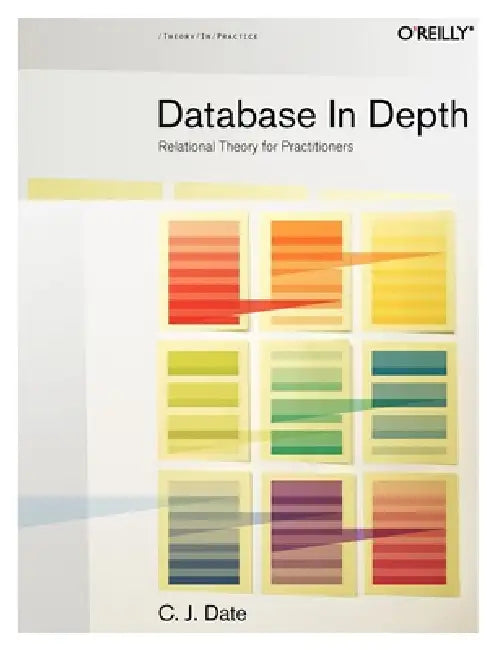
Database in Depth | by Chris J. Date | O'Reilly Media | by Chris J. Date | O'Reilly Media | by Chris J. Date | O'Reilly Media | by Chris J. Date | O'Reilly Media | by Chris J. Date | O'Reilly Media | by Chris J. Date | O'Reilly Media | by Chris J. Date | O'Reilly Media | by Chris J. Date | O'Reilly Media | by Chris J. Date | O'Reilly Media | by Chris J. Date | O'Reilly Media | by Chris J. Date | O'Reilly Media | by Chris J. Date | O'Reilly Media | by Chris J. Date | O'Reilly Media | by Chris J.
Programming
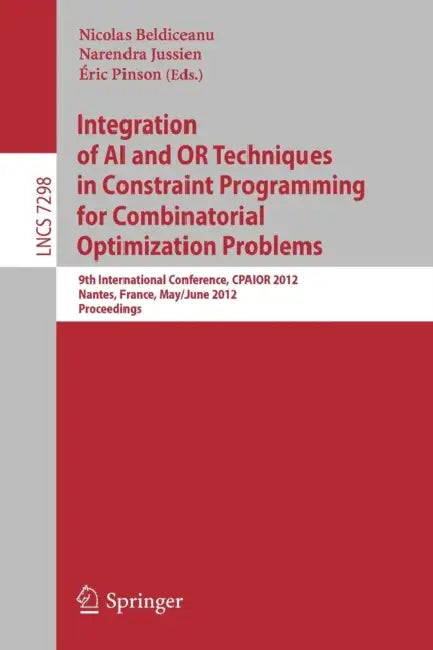
Integration of AI and OR Techniques in Constraint Programming for Combinatorial Optimization Problem | by Nicolas Beldiceanu | Narendra Jussien | Eric Pinson | Springer | by Nicolas Beldiceanu | Narendra Jussien | Eric Pinson | Springer | by Nicolas Beldiceanu | Narendra Jussien | Eric Pinson | Springer | by Nicolas Beldiceanu | Narendra Jussien | Eric Pinson | Springer | by Nicolas Beldiceanu | Narendra Jussien | Eric Pinson | Springer | by Nicolas Beldiceanu | Narendra Jussien | Eric Pinson |
Related Products
View All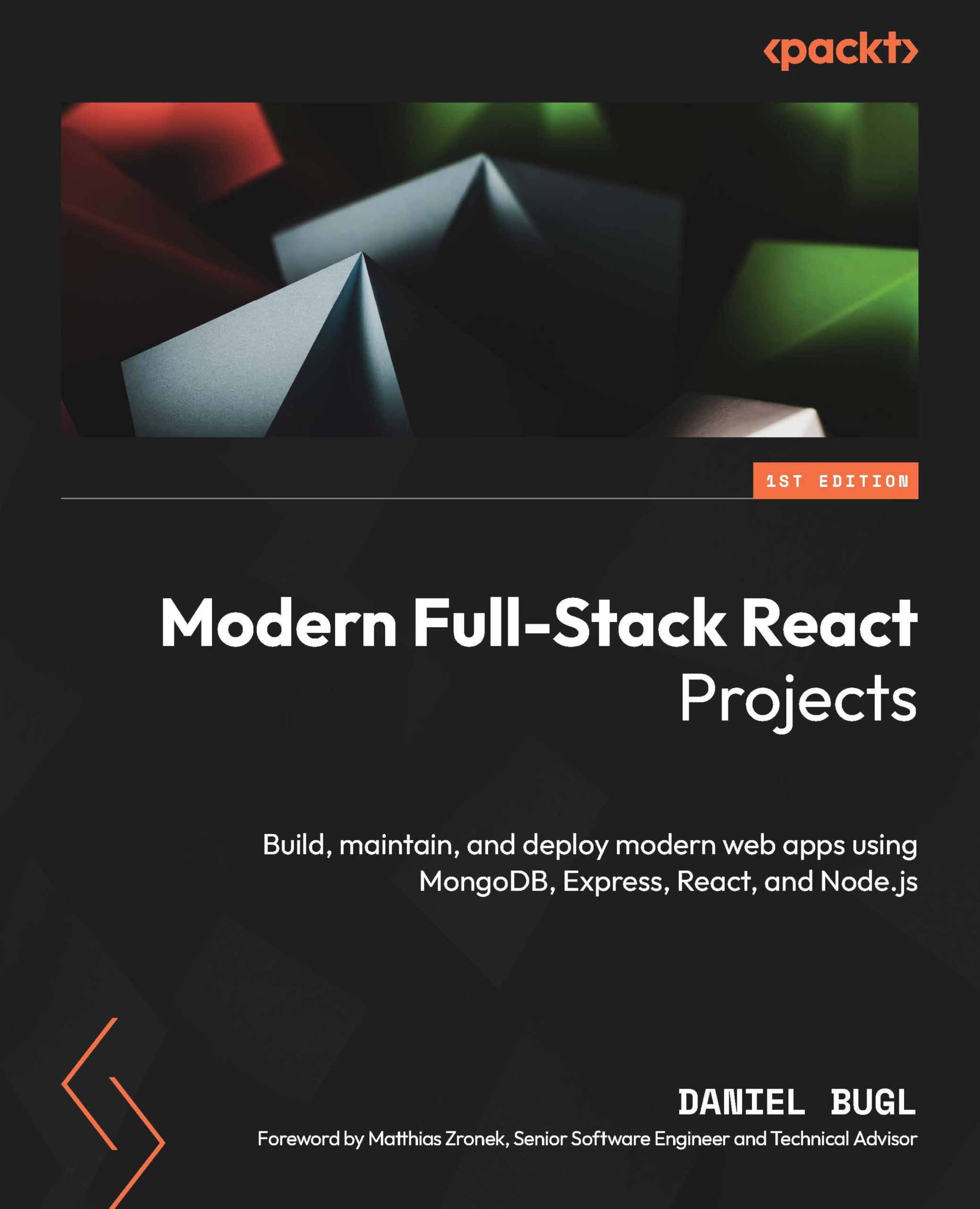
Computers & Internet
Modern Full-Stack React Projects by Daniel Bugl
Computers & Internet
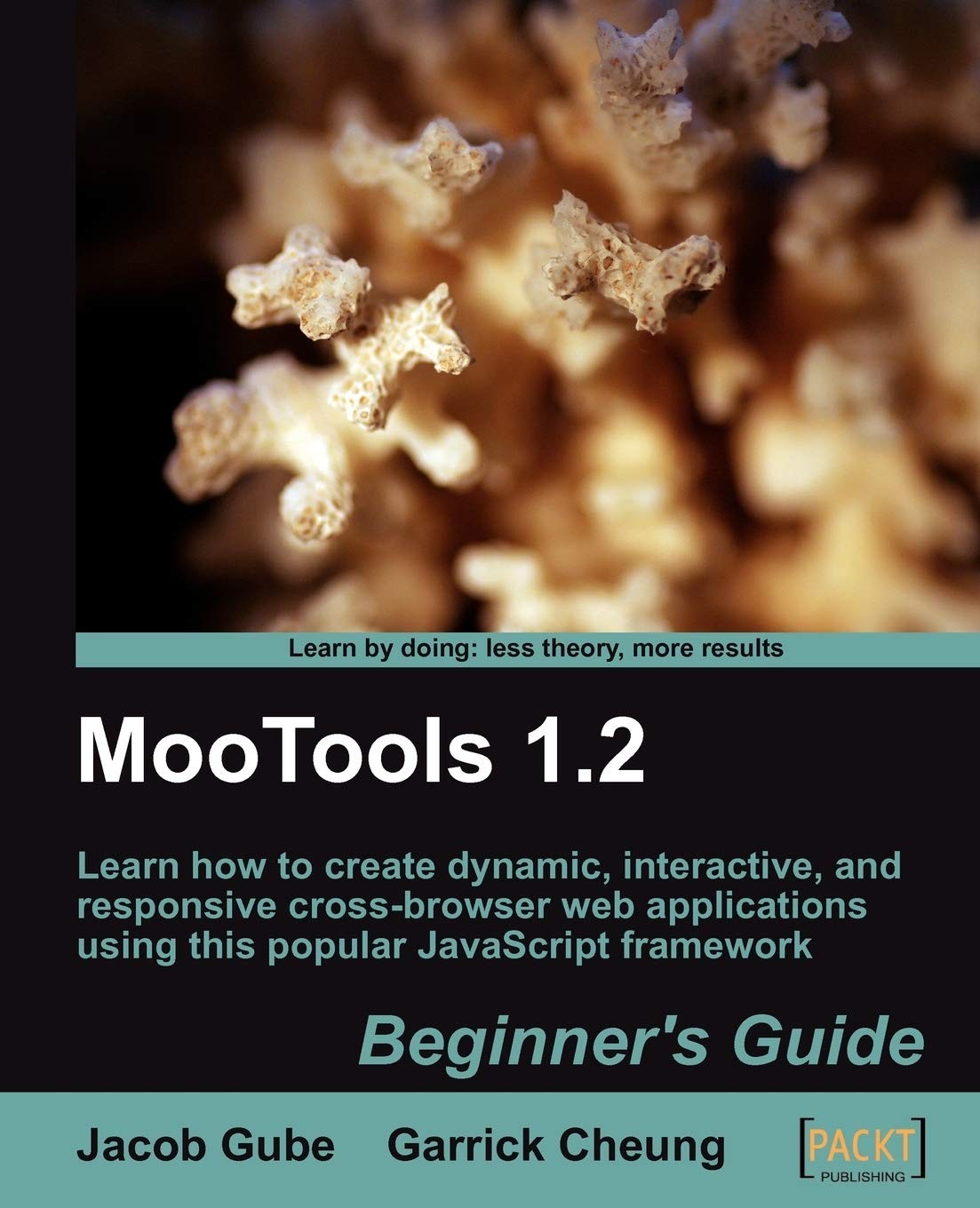
Mootools 1.2 Beginner's Guide (English, Jacob Gube)
Computers & Internet
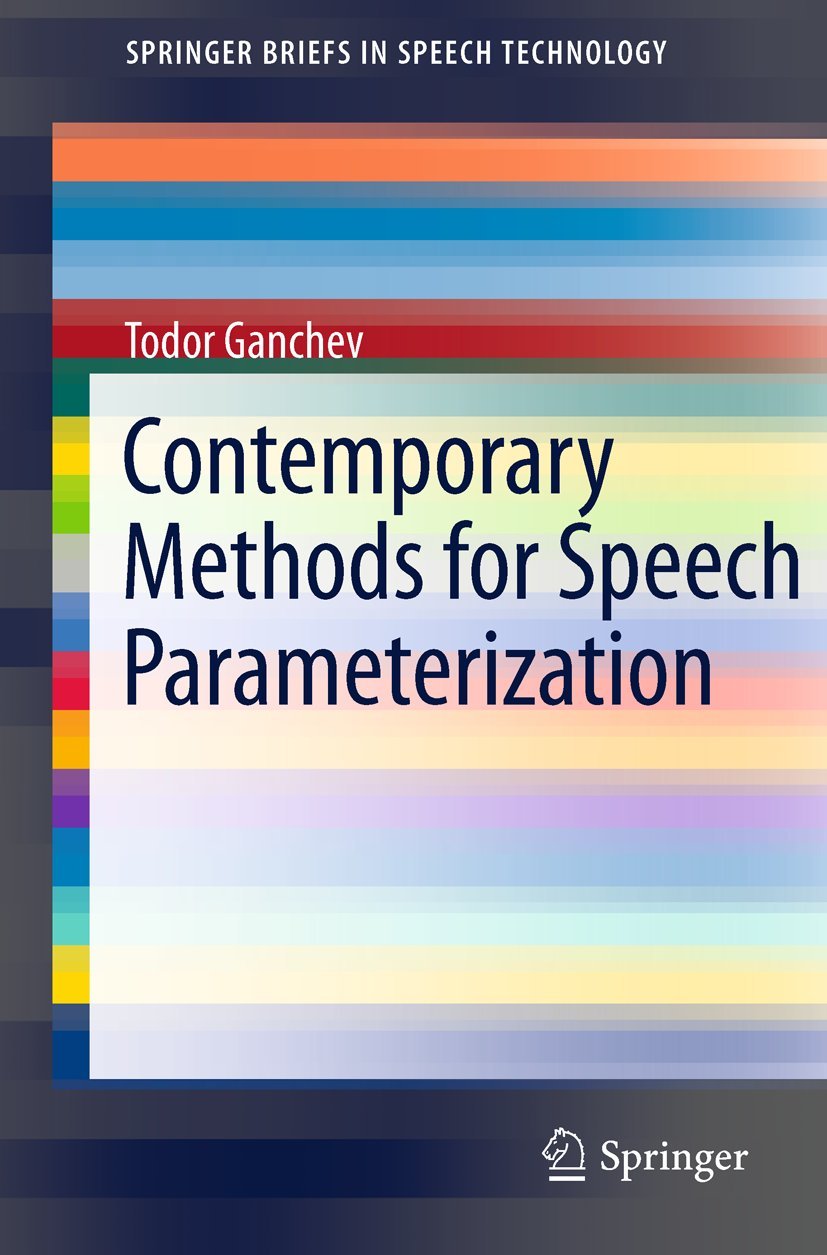
Contemporary Methods for Speech Parameterization (Springerbriefs in Electrical and Computer Engineering / Springerbriefs in Speech Technology)

Computers & Internet
Information Technology and Lawyers | by Arno R. Lodder | Anja Oskamp | Springer | by Arno R. Lodder | Anja Oskamp | Springer | by Arno R. Lodder | Anja Oskamp | Springer | by Arno R. Lodder | Anja Oskamp | Springer | by Arno R. Lodder | Anja Oskamp | Springer | by Arno R. Lodder | Anja Oskamp | Springer | by Arno R. Lodder | Anja Oskamp | Springer | by Arno R. Lodder | Anja Oskamp | Springer | by Arno R. Lodder | Anja Oskamp | Springer | by Arno R. Lodder | Anja Oskamp | Springer | by Arno R. Lo

Computers & Internet
Digital Analysis of Remotely Sensed Imagery | by Jay Gao | McGraw-Hill Companies | by Jay Gao | McGraw-Hill Companies | by Jay Gao | McGraw-Hill Companies | by Jay Gao | McGraw-Hill Companies | by Jay Gao | McGraw-Hill Companies | by Jay Gao | McGraw-Hill Companies | by Jay Gao | McGraw-Hill Companies | by Jay Gao | McGraw-Hill Companies | by Jay Gao | McGraw-Hill Companies | by Jay Gao | McGraw-Hill Companies | by Jay Gao | McGraw-Hill Companies | by Jay Gao | McGraw-Hill Companies | by Jay Gao

Computers & Internet