
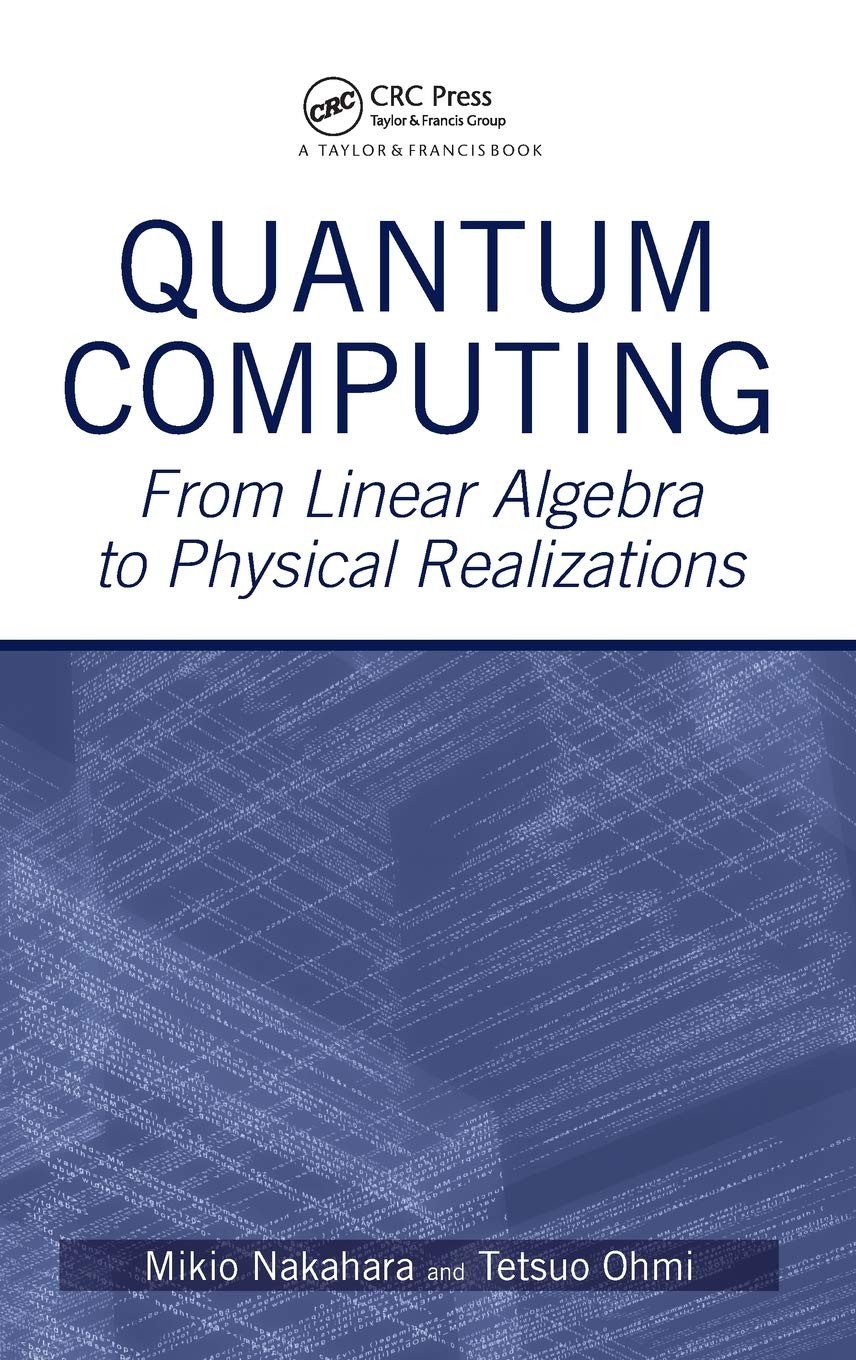
Quantum Computing: From Linear Algebra To Physical Realizations by Mikio Nakahara – A Comprehensive Textbook on Quantum
Inclusive of all applicable taxes. FREE shipping on all orders.
Available Offers
- 🚚Free Delivery — Free shipping on all orders
- 💵Cash on Delivery — Pay when your order arrives
- ↩️15-Day Easy Returns — Hassle-free return policy
- 🔒Cash on Delivery — Pay safely when your order arrives
Check Delivery
Product Description
Introduction
Quantum computing represents the next frontier in computational science, promising to solve problems that are intractable for classical computers. Quantum Computing: From Linear Algebra To Physical Realizations by Mikio Nakahara offers a rigorous yet accessible journey from the mathematical foundations to the experimental implementations of quantum computers. Published by CRC Press, this hardcover volume is an indispensable resource for Indian students, researchers, and professionals seeking a deep understanding of this transformative field.
Book Overview
This book bridges the gap between abstract theory and practical hardware. It begins with the essential linear algebra and quantum mechanics, then progresses through quantum gates, algorithms, and error correction. The second half explores real-world physical realizations—from trapped ions to superconducting qubits—evaluating them against the DiVincenzo criteria. The text is classroom-tested and self-contained, making it suitable for both self-study and university courses across Indian institutions.
Key Highlights
- Comprehensive coverage from fundamental mathematics to cutting-edge experimental systems.
- Classroom-tested pedagogy with clear explanations and worked examples.
- Focus on physical realizations including NMR, ion traps, optical systems, and solid-state qubits.
- DiVincenzo criteria used as a framework to evaluate quantum computing platforms.
- Includes quantum error-correcting codes essential for building fault-tolerant systems.
Inside the Book
The book is divided into two logical parts. Part I covers the theoretical backbone: linear algebra review, principles of quantum mechanics, qubits, quantum key distribution, quantum gates, simple quantum algorithms, quantum Fourier transforms, Grover's search algorithm, Shor's factorization algorithm, decoherence, and quantum error correction. Part II dives into experimental implementations, discussing NMR quantum computing, ion trap quantum computers, optical approaches, and solid-state qubit systems. Each chapter builds on the previous, ensuring a smooth learning curve.
Key Topics
- Linear algebra for quantum computing
- Postulates of quantum mechanics
- Qubits and quantum key distribution
- Quantum gates and circuits
- Grover's search algorithm and Shor's factoring algorithm
- Decoherence and quantum error-correcting codes
- DiVincenzo criteria for quantum computing
- Physical realizations: NMR, ion traps, optical, and solid-state systems
Reader Benefits
By studying this book, readers will gain a solid foundation in both the mathematics and physics of quantum computing. They will understand how superposition and entanglement enable computational speedups, learn to design simple quantum circuits, and critically evaluate different physical platforms for building a quantum computer. The book also prepares readers for advanced research in quantum information science—a rapidly growing field in India.
Learning Outcomes
- Master linear algebra and quantum mechanics concepts essential for quantum computing.
- Analyze and implement basic quantum algorithms like Grover's and Shor's.
- Understand the role of decoherence and error correction in quantum systems.
- Compare different physical realizations of quantum computers using the DiVincenzo criteria.
- Develop the ability to read and contribute to research literature in quantum computing.
Who Should Read
This book is ideal for advanced undergraduate and postgraduate students in physics, mathematics, computer science, and engineering. It is also suitable for researchers transitioning into quantum computing, professionals in the IT and semiconductor industries, and anyone with a strong quantitative background who wants to understand the inner workings of quantum computers. Indian readers preparing for competitive exams or research in quantum technologies will find this book invaluable.
About the Author
Mikio Nakahara is a distinguished physicist and professor known for his contributions to quantum information theory and condensed matter physics. He has authored several acclaimed textbooks and research papers, and his teaching experience shines through in the clarity and structure of this volume. His ability to explain complex ideas with precision makes this book a trusted companion for learners at all levels.
About the Publisher
CRC Press is a leading global publisher of scientific and technical books, renowned for high-quality content in engineering, mathematics, and the physical sciences. Their commitment to rigorous peer review and academic excellence ensures that every title meets the highest standards. This hardcover edition is built to last, making it a permanent addition to any serious library.
Conclusion
Quantum Computing: From Linear Algebra To Physical Realizations is more than a textbook—it is a gateway to the quantum future. Whether you are a student at an Indian university or a professional exploring new frontiers, this book provides the depth and breadth you need. With its blend of theory and experiment, it stands as a definitive guide to understanding how quantum computers work and how they are built. Add this essential volume to your collection today from Bookshops.in.
Quick Summary
Quantum Computing: From Linear Algebra To Physical Realizations by Mikio Nakahara is a definitive textbook that bridges the gap between abstract mathematical foundations and real-world quantum computers. The book is divided into two parts: the first covers the theoretical essentials—linear algebra, quantum mechanics, qubits, quantum gates, and key algorithms like quantum key distribution and integral transforms. The second part explores several physical candidates for building a quantum computer, evaluating them against the DiVincenzo criteria. This self-contained volume is designed for classroom use and self-study, making it ideal for Indian undergraduate and postgraduate students in physics, computer science, and engineering. Readers will gain a deep understanding of how superposition and entanglement enable quantum computational power, and learn about the practical challenges of building quantum hardware. By purchasing from Bookshops.in, Indian customers receive a genuine hardcover edition with fast, reliable delivery and excellent customer service. Whether you are a student, researcher, or professional entering the quantum field, this book provides a comprehensive and accessible entry point.
Book Highlights
Book Specifications
| ISBN-13 | 9780750309837 |
| ISBN-10 | 0750309830 |
| Publisher | CRC Pr I Llc |
| Language | English |
| Dimensions | 16.2 x 3 x 23.99 cm |
| Weight | 753 g |
| Category | Computers & Internet › Computer Science |
| Genre | Science & Mathematics |
| Original Language | English |
Frequently Asked Questions
What is the main focus of this book?
Who is the author of this book?
Is this book suitable for beginners?
Does the book include quantum algorithms?
What are the DiVincenzo criteria?
Is this book used in Indian universities?
What binding is this book?
Does the book cover quantum key distribution?
Is there a digital edition available?
What is the ISBN-13?
Can I buy this book from Bookshops.in?
What is the price in INR?
Does the book include exercises?
Readers Also Search For
Customers Also Bought
Computer Science
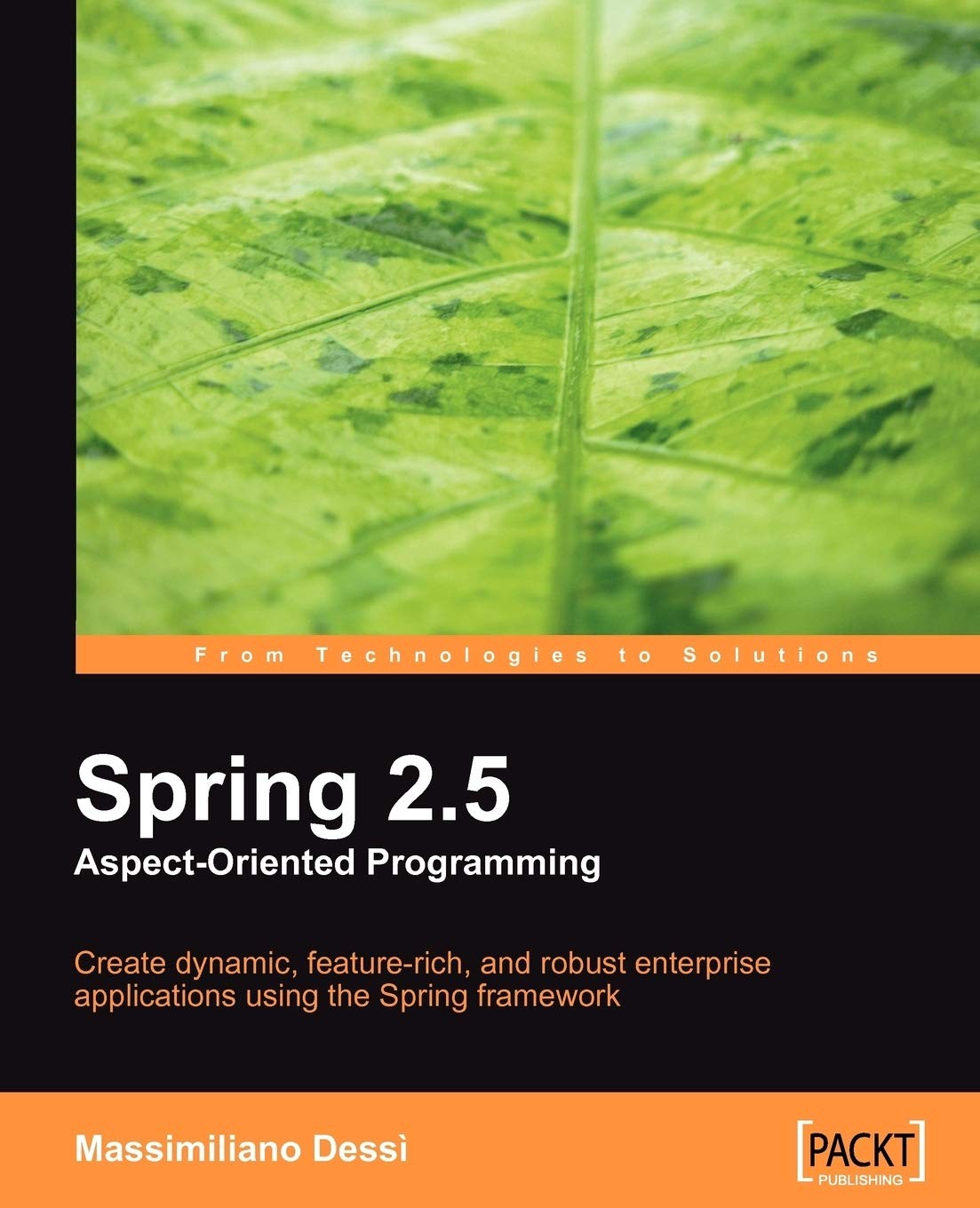
Spring 2.5 Aspect Oriented Programming (English, Massimiliano Dess� | Massimiliano Dessi)
Computer Science
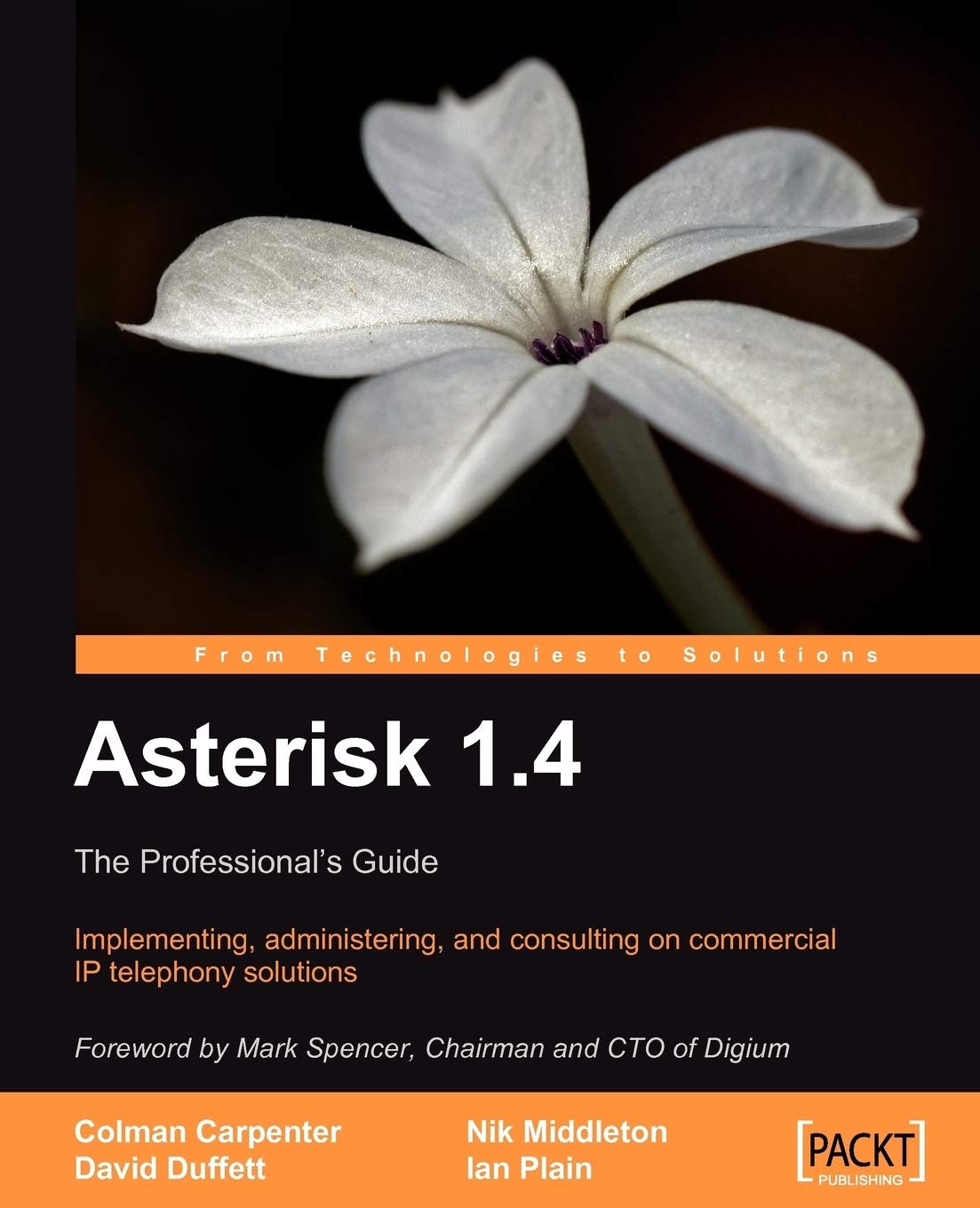
Asterisk 1.4 - the Professional's Guide (English, Colman Carpenter | David Duffett | Nik Middleton)
Computer Science
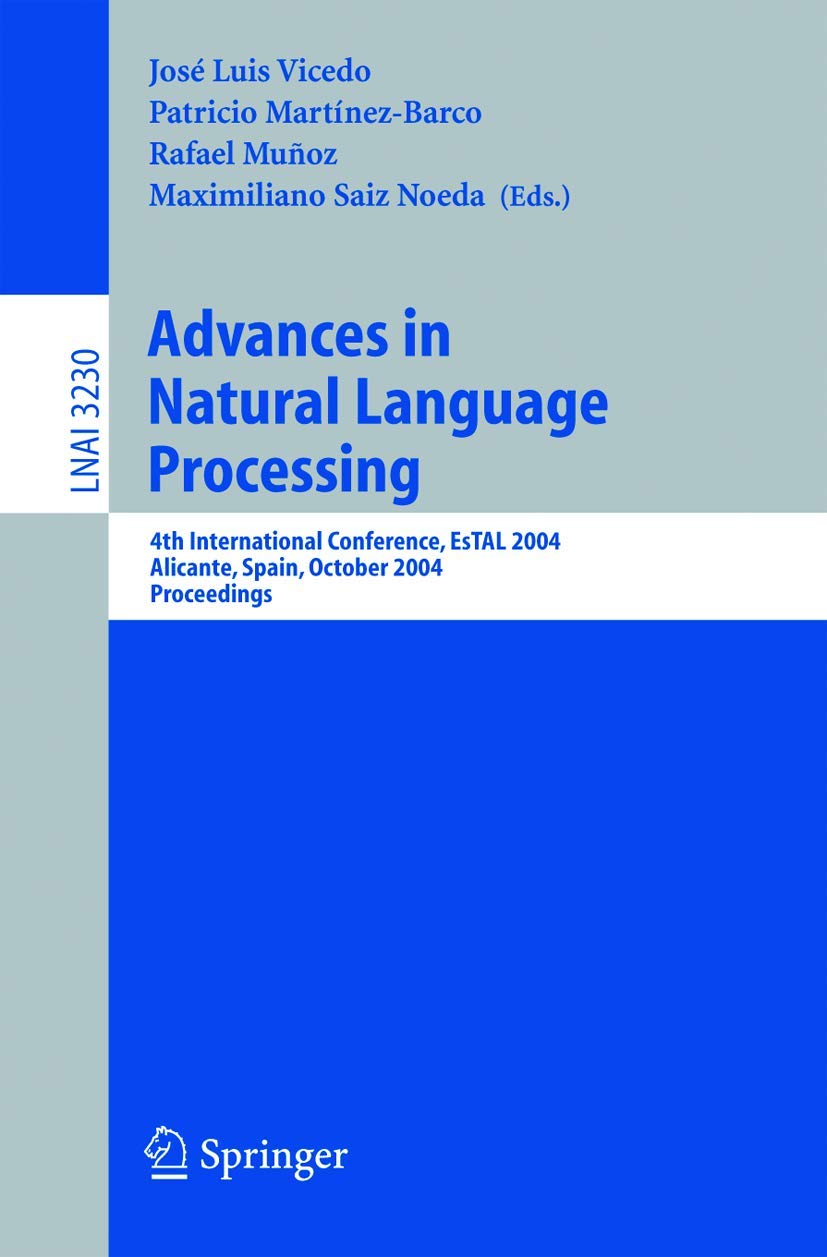
Advances In Natural Language Processing: 4th International Conference, Estal 2004, Alicante, Spain, October 20-22, 2004. Proceedings: 3230 (Lecture Notes in Computer Science)
Computer Science
Multimedia, Communication and Computing Application: Proceedings of the 2014 International Conference on Multimedia, Communication and Computing ... 2014), Xiamen, China, October 16-17, 2014
Computer Science
Cases on Database Technologies and Applications (Cases on Information Technology Series)
Computer Science
ASP.Net 3.5 Social Networking (English, Andrew Siemer)
Related Products
View AllComputer Science
Spring 2.5 Aspect Oriented Programming (English, Massimiliano Dess� | Massimiliano Dessi)
Computer Science
Asterisk 1.4 - the Professional's Guide (English, Colman Carpenter | David Duffett | Nik Middleton)
Computer Science
Advances In Natural Language Processing: 4th International Conference, Estal 2004, Alicante, Spain, October 20-22, 2004. Proceedings: 3230 (Lecture Notes in Computer Science)
Computer Science
Multimedia, Communication and Computing Application: Proceedings of the 2014 International Conference on Multimedia, Communication and Computing ... 2014), Xiamen, China, October 16-17, 2014
Computer Science
Cases on Database Technologies and Applications (Cases on Information Technology Series)
Computer Science