
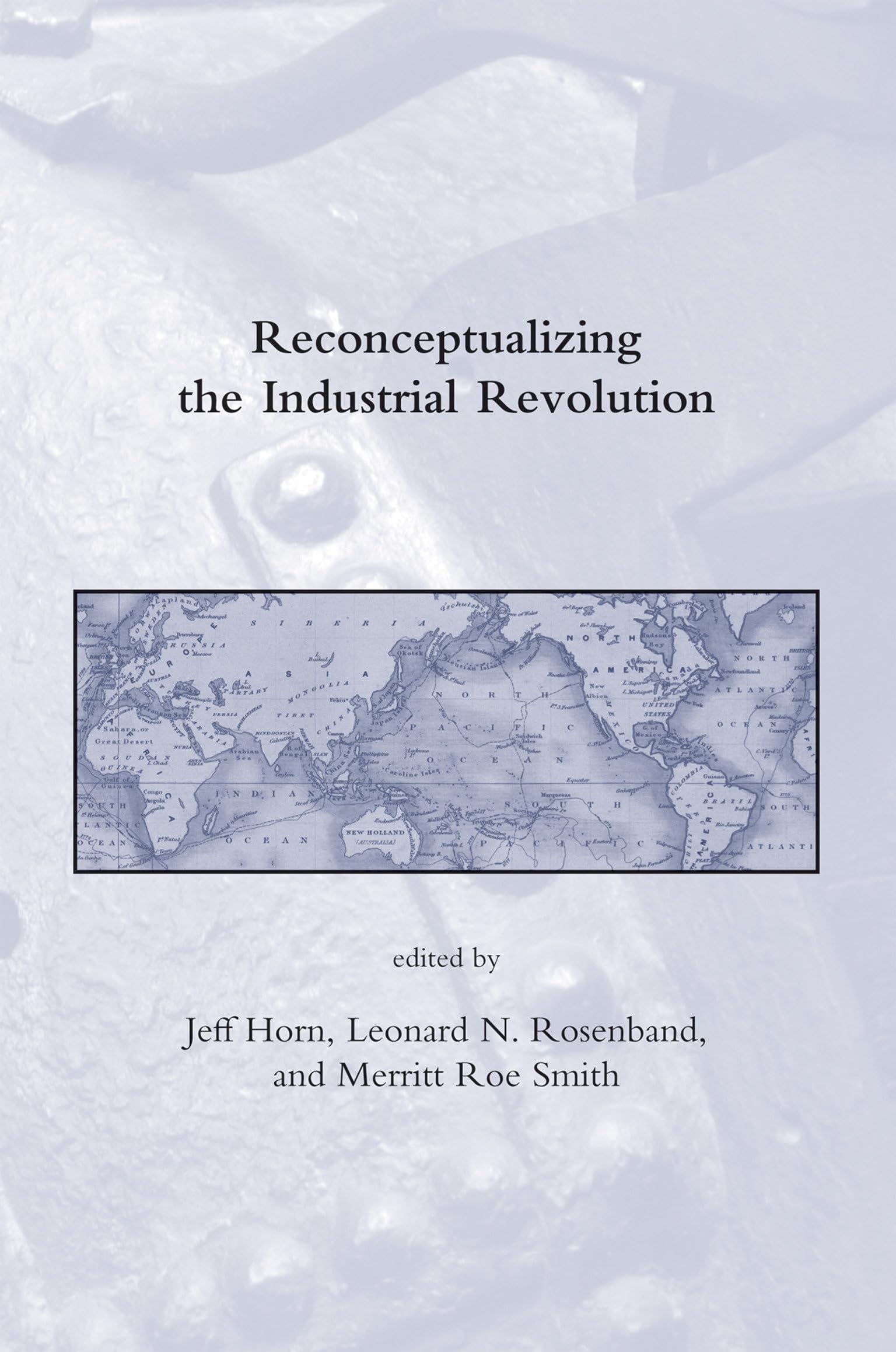
Reconceptualizing the Industrial Revolution by Jeff Horn – A Global Perspective on Industrialization from MIT Press for
Inclusive of all applicable taxes. FREE shipping on all orders.
Available Offers
- 🚚Free Delivery — Free shipping on all orders
- 💵Cash on Delivery — Pay when your order arrives
- ↩️15-Day Easy Returns — Hassle-free return policy
- 🔒Cash on Delivery — Pay safely when your order arrives
Check Delivery
Product Description
Introduction
In the vast expanse of historical scholarship, the Industrial Revolution stands as a transformative epoch that reshaped economies, societies, and the very fabric of human existence. Yet, conventional narratives often present it as a linear, almost mechanical progression from agrarian roots to industrial might. Jeff Horn's Reconceptualizing the Industrial Revolution, published by the esteemed MIT Press, shatters this simplistic view. This compelling hardcover volume invites readers, especially students and scholars in India, to rethink industrialization as a diverse, global, and deeply contextual phenomenon. By moving beyond the Anglo-centric lens, Horn and his fellow contributors illuminate the unique pathways taken by nations from China to Brazil, offering a fresh perspective that resonates with India's own complex industrial journey.
Book Overview
Reconceptualizing the Industrial Revolution is a collection of closely linked essays that collectively argue for a more nuanced understanding of the period between 1750 and 1914. Instead of viewing industrialization as a single model to be replicated, the book explores how each nation developed a distinct 'production ecology'—a unique interplay of natural resources, demographic pressures, cultural impulses, technological assets, and commercial practices. The volume reassesses England's industrial primacy while highlighting the portability of skilled workers and the permeability of political borders. It is a rigorous academic work that challenges deterministic theories and celebrates the creativity and contingency inherent in historical change.
Key Highlights
- Global Perspective: Offers comparative analyses of industrialization across Europe, the Americas, and Asia, moving beyond the traditional focus on Britain.
- Interdisciplinary Approach: Integrates insights from economic history, sociology, cultural studies, and technology studies to provide a holistic view.
- Original Essays: Features contributions from fifteen leading scholars, each presenting fresh research and provocative arguments.
- Reassessment of Primacy: Challenges the notion of a singular 'British model' by examining the specific conditions that allowed England to lead.
- Focus on Agency: Emphasizes the role of human decision-making, cultural values, and political choices in shaping industrial outcomes.
Inside the Book
The book is structured around thematic essays that delve into national case studies. Readers will encounter detailed explorations of how Brazil's reliance on slave labor and raw materials influenced its industrial path, how China's internal dynamics created a different kind of economic vitality, and how various European states adapted or resisted industrial change. Each chapter is rich with primary source analysis and theoretical reflection. The writing is scholarly yet accessible, making complex ideas understandable without oversimplification. The volume also includes extensive footnotes and a comprehensive bibliography, serving as an invaluable resource for further research.
Key Topics
- The concept of 'national production ecologies' and their components.
- Comparative industrialization in Britain, France, Germany, the United States, and Japan.
- Industrialization in the Global South: Brazil, China, and India.
- The role of state policy, tariffs, and infrastructure development.
- Labour migration, skill transfer, and the movement of knowledge across borders.
- Cultural attitudes toward technology, entrepreneurship, and work.
- The environmental and social costs of industrial change.
- Rethinking periodization and the 'stages' of industrial growth.
Reader Benefits
This book empowers readers to move beyond textbook clichés and engage with history as a contested, multifaceted process. For Indian students, it provides a framework to understand their own country's industrial trajectory in a global context. The essays encourage critical thinking by showing that there is no single formula for economic development. Readers will gain a deeper appreciation for the interplay of local conditions and global forces, and develop the analytical tools to evaluate contemporary issues like deindustrialization, technology policy, and sustainable growth. The hardcover edition ensures durability for repeated reference.
Learning Outcomes
- Understand the limitations of traditional linear models of the Industrial Revolution.
- Analyze how different nations developed unique industrial pathways based on local contexts.
- Evaluate the role of culture, politics, and geography in shaping economic change.
- Critically assess the concept of 'industrial primacy' and its historical roots.
- Apply the framework of 'production ecologies' to other historical or contemporary cases.
- Develop a global perspective on the interconnectedness of industrial histories.
Who Should Read
This book is ideally suited for undergraduate and postgraduate students of history, economics, sociology, and development studies. It is also an essential read for researchers and academics specializing in economic history, global history, or the history of technology. Policy makers, journalists, and general readers with a keen interest in understanding the roots of modern economic disparities will find it enlightening. For anyone in India studying the country's own industrial evolution—from the colonial period to the present—this book offers indispensable comparative insights.
About the Author
Jeff Horn is a distinguished professor of history at Manhattan College, New York. He is a leading scholar of early modern and revolutionary France, as well as the history of industrialization. His previous works, including The Path Not Taken: French Industrialization in the Age of Revolution, 1750-1830, have earned international acclaim for their rigorous research and innovative perspectives. Horn's expertise in comparative economic history makes him the ideal editor for this volume, bringing together diverse voices to challenge conventional wisdom.
About the Publisher
The MIT Press is one of the world's most prestigious academic publishers, renowned for its contributions to science, technology, and social sciences. Based in Cambridge, Massachusetts, it has a long tradition of publishing groundbreaking works that bridge disciplines. This book exemplifies the MIT Press's commitment to fostering deep, critical understanding of complex global phenomena, making it a trusted source for scholars and students worldwide.
Conclusion
Reconceptualizing the Industrial Revolution is not just another history book; it is a call to rethink one of the most pivotal periods in human history. By presenting industrialization as a creative, contested, and globally entangled process, Jeff Horn and his contributors offer a vital corrective to outdated narratives. For Indian readers, this volume provides the intellectual tools to understand both the past and the present with greater nuance. It is a must-have addition to the library of any serious student of history or economics, promising to enrich your understanding of how the modern world was made.
Quick Summary
'Reconceptualizing the Industrial Revolution' by Jeff Horn is a groundbreaking collection of fifteen essays that reimagines the Industrial Revolution as a complex, global phenomenon rather than a linear, Eurocentric process. Covering the years 1750 to 1914, the book examines distinctive national 'production ecologies'—unique combinations of natural resources, demographic pressures, cultural impulses, technological assets, and commercial practices. It critically reassesses England's industrial primacy and compares developments in countries like China and Brazil. This volume is ideal for Indian students and scholars of economic history, science, and mathematics who seek a deeper, more nuanced understanding of industrialization. Readers will learn how different nations forged their own paths to industrial growth, shaped by local conditions and global interconnections. By purchasing from Bookshops.in, you get a premium hardcover edition from MIT Press, ensuring a durable addition to your academic library. Order now to explore this fresh perspective on one of history's most transformative eras.
Book Highlights
Book Specifications
| ISBN-13 | 9780262515627 |
| ISBN-10 | 0262515628 |
| Publisher | Mit Pr |
| Language | English |
| Dimensions | 15.24 x 2.11 x 22.86 cm |
| Weight | 472 g |
| Category | Economics › Economic History |
| Genre | History |
| Original Language | English |
Frequently Asked Questions
What is 'Reconceptualizing the Industrial Revolution' about?
Who is the author of this book?
Which publisher released this book?
Is this book suitable for Indian students?
What time period does the book cover?
Does the book compare industrialization in different countries?
Is this book a single narrative or a collection of essays?
What is the binding of this book?
What is the price of the book on Bookshops.in?
Does this book challenge traditional views of the Industrial Revolution?
What is a 'production ecology'?
Can this book be used for academic research?
What is the ISBN-13 of this book?
Is the book available in English?
Readers Also Search For
Customers Also Bought
Entrepreneurship
Chinese Economic Revolution (English, Linda Grove)
Entrepreneurship
Engines of Innovation: The Entrepreneurial University in the Twenty-First Century by Holden Thorp
Entrepreneurship
Invention to Innovation (English, PhD Marshall Larry | Jenna Daroczy)
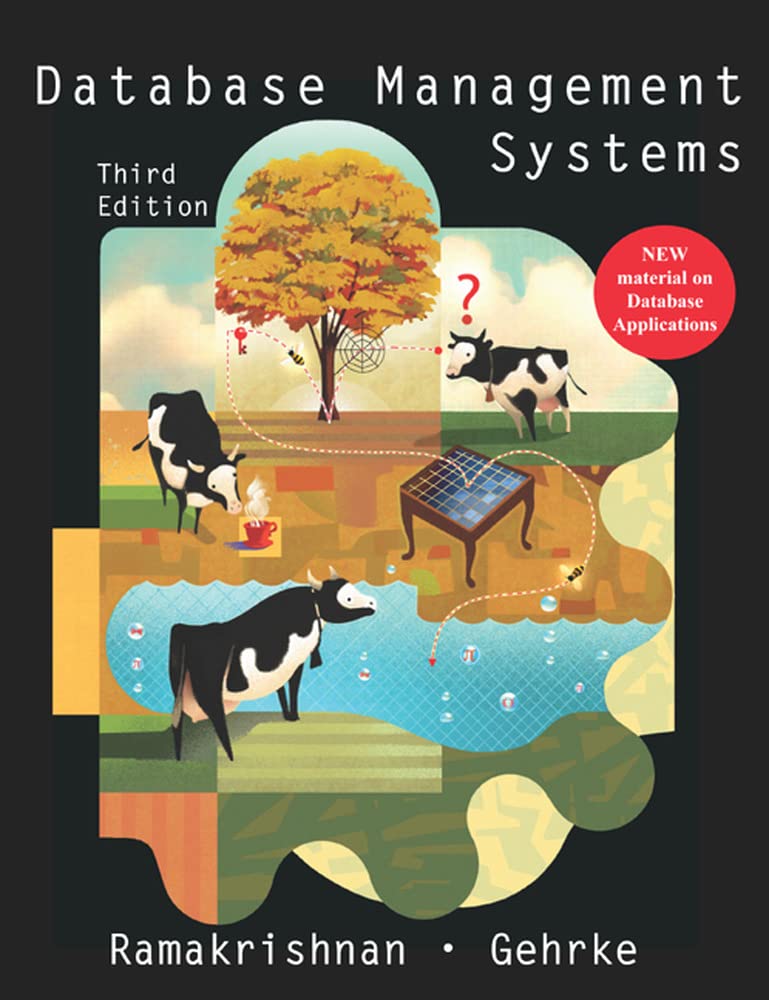
Entrepreneurship
Database Management Systems by Raghu Ramakrishnan – DBMS Textbook

Entrepreneurship
Decision-making for Technology Executives by Harold A. Linstone
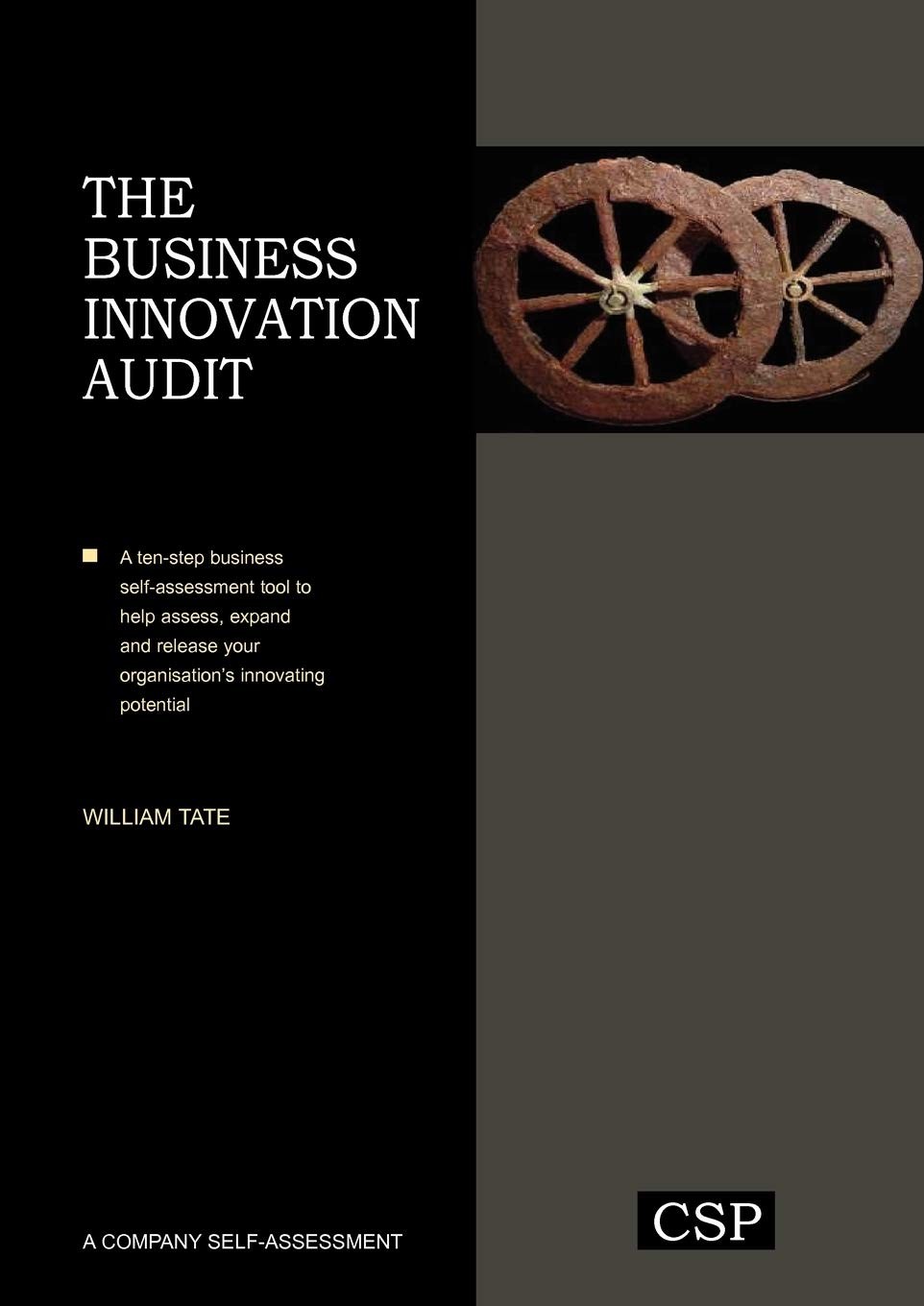
Entrepreneurship
The Business Innovation Audit (English, William Tate)
Related Products
View All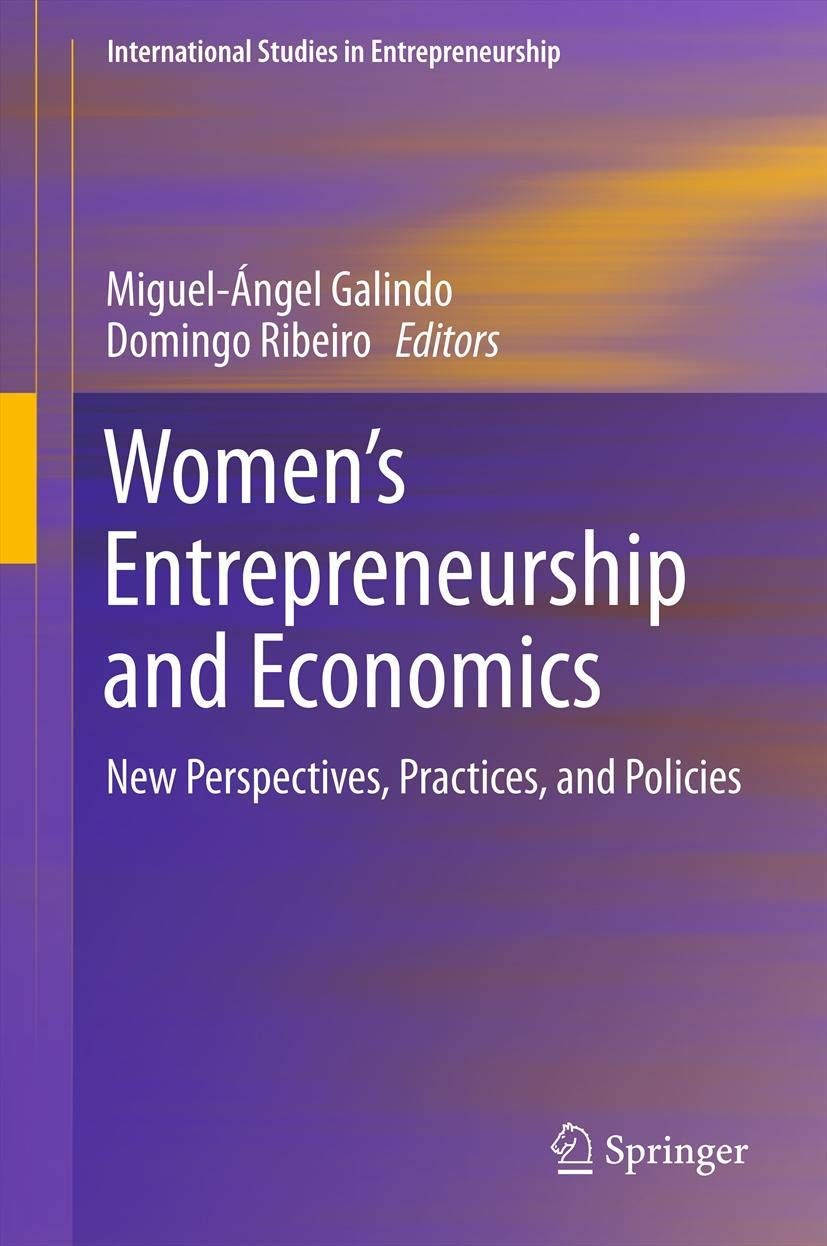
Economics
Women's Entrepreneurship and Economics (English, Miguel-Angel Galindo | Domingo Ribeiro)
Economics
Trade Policy and Industrialization in Turbulent Times | by Gerry Helleiner | Routledge | by Gerry Helleiner | Routledge | by Gerry Helleiner | Routledge | by Gerry Helleiner | Routledge | by Gerry Helleiner | Routledge | by Gerry Helleiner | Routledge | by Gerry Helleiner | Routledge | by Gerry Helleiner | Routledge | by Gerry Helleiner | Routledge | by Gerry Helleiner | Routledge | by Gerry Helleiner | Routledge | by Gerry Helleiner | Routledge | by Gerry Helleiner | Routledge | by Gerry Hellei

Economics
History of Economic Analysis | by Schumpeter Joseph A. | Taylor & Francis Ltd | by Schumpeter Joseph A. | Taylor & Francis Ltd | by Schumpeter Joseph A. | Taylor & Francis Ltd | by Schumpeter Joseph A. | Taylor & Francis Ltd | by Schumpeter Joseph A. | Taylor & Francis Ltd | by Schumpeter Joseph A. | Taylor & Francis Ltd | by Schumpeter Joseph A. | Taylor & Francis Ltd | by Schumpeter Joseph A. | Taylor & Francis Ltd | by Schumpeter Joseph A. | Taylor & Franci
Economics
OECD Compendium of Productivity Indicators 2015 | by Organization for Economic Cooperation an | Organization for Economic Co-Operation & Deve | by Organization for Economic Cooperation an | Organization for Economic Co-Operation & Deve | by Organization for Economic Cooperation an | Organization for Economic Co-Operation & Deve | by Organization for Economic Cooperation an | Organization for Economic Co-Operation & Deve | by Organization for Economic Cooperation an | Organization

Economics
The Hacker's Handbook: The Strategy Behind Breaking into and Defending Networks by Susan Young
Economics