
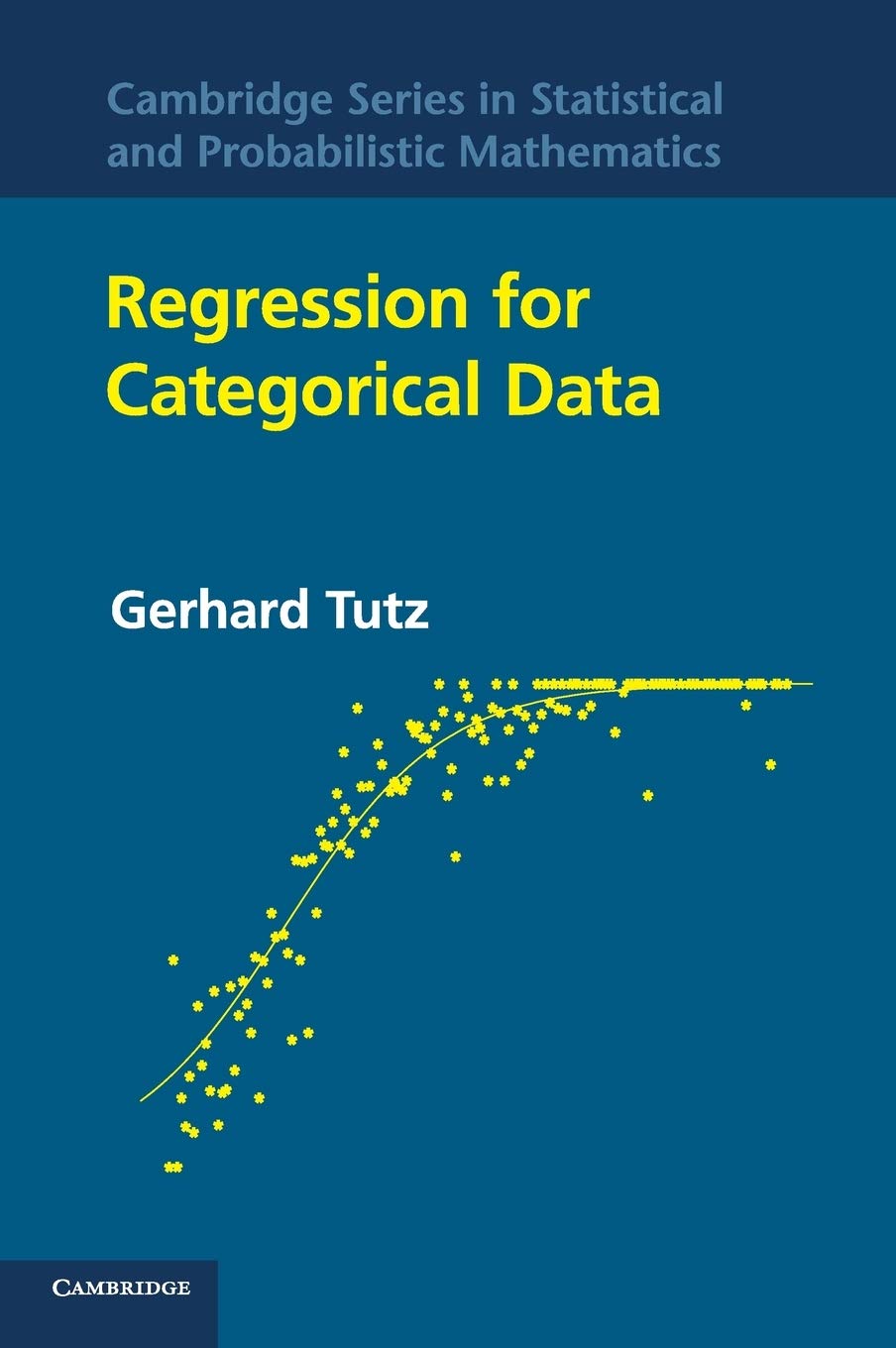
Regression for Categorical Data by Gerhard Tutz – Advanced Statistical Modeling for Indian Researchers and Students
Inclusive of all applicable taxes. FREE shipping on all orders.
Available Offers
- 🚚Free Delivery — Free shipping on all orders
- 💵Cash on Delivery — Pay when your order arrives
- ↩️15-Day Easy Returns — Hassle-free return policy
- 🔒Cash on Delivery — Pay safely when your order arrives
Check Delivery
Product Description
Introduction
In the rapidly evolving field of data science and statistics, the ability to model and interpret categorical outcomes is a critical skill. Gerhard Tutz's Regression for Categorical Data, published by Cambridge University Press, stands as a comprehensive and rigorous guide for students, researchers, and practitioners who wish to master the nuances of regression analysis when the response variable is not continuous. This hardcover edition is an essential addition to the library of any serious statistician or data analyst, offering both foundational principles and cutting-edge methodologies.
Book Overview
This book bridges the gap between classical categorical data analysis and modern high-dimensional regression techniques. It begins with the core concepts of binary and multinomial regression, then systematically expands into more complex structures such as count data models, ordinal regression, and multivariate extensions. What sets this work apart is its seamless integration of regularization methods—like lasso and ridge regression—into the categorical framework, making it highly relevant for today's data-rich environments. The author uses the generalized linear model as a unifying thread, ensuring that readers develop a coherent understanding of how various models relate to one another.
Key Highlights
- Unified Framework: The generalized linear model (GLM) serves as the backbone, simplifying the learning of diverse categorical regression models.
- Modern Regularization: Detailed coverage of penalized estimation techniques to handle predictor selection in high-dimensional settings.
- Beyond Standard Models: Includes zero-inflated regression, hurdle models, and nonparametric approaches often omitted from other texts.
- Tree-Based Methods: Introduces ensemble techniques like random forests specifically adapted for categorical responses.
- Rigorous Yet Accessible: Balances mathematical depth with practical examples, making it suitable for both classroom use and self-study.
Inside the Book
The content is structured to take the reader from fundamental concepts to advanced applications. Early chapters cover binary regression (logit and probit models), multinomial logit models, and models for ordinal responses. As the book progresses, it delves into count data models, including Poisson and negative binomial regression, and addresses common issues like overdispersion and zero-inflation. Later chapters explore nonparametric regression, structured additive regression, and the use of boosting and random forests for categorical outcomes. Each chapter is enriched with real-data examples and exercises that reinforce learning.
Key Topics
- Binary and binomial regression models (logit, probit, complementary log-log)
- Multinomial and ordinal regression
- Count data models: Poisson, negative binomial, zero-inflated, and hurdle models
- Regularization techniques: lasso, ridge, and elastic net for categorical responses
- Nonparametric and semiparametric regression
- Tree-based methods and ensemble learning for categorical data
- Multivariate categorical response models
- Model selection, diagnostics, and interpretation
Reader Benefits
By engaging with this book, readers will gain a deep, practical understanding of how to analyze categorical data in a variety of real-world contexts—from social sciences and biostatistics to marketing and machine learning. The emphasis on regularization equips readers to handle datasets with many predictors, a common challenge in contemporary analytics. The clear exposition of complex topics, combined with examples drawn from diverse fields, ensures that the knowledge gained is immediately applicable. Moreover, the focus on model interpretation helps readers communicate their findings effectively to both technical and non-technical audiences.
Learning Outcomes
- Master the formulation and fitting of binary, multinomial, and ordinal regression models.
- Apply count data models, including advanced variants for zero-inflated and overdispersed data.
- Implement regularization techniques to select relevant predictors and avoid overfitting.
- Understand and apply nonparametric and tree-based methods for categorical responses.
- Critically evaluate model fit, diagnose issues, and compare competing models.
- Translate statistical outputs into actionable insights for research or industry problems.
Who Should Read
This book is ideally suited for graduate students in statistics, biostatistics, econometrics, and data science who have a solid foundation in linear regression and basic probability. It is also an invaluable resource for researchers in fields such as epidemiology, psychology, political science, and marketing who regularly work with categorical outcomes. Practicing data scientists and analysts seeking to deepen their understanding of regression beyond continuous outcomes will find this book both challenging and rewarding.
About the Author
Gerhard Tutz is a distinguished professor of statistics at the Ludwig Maximilian University of Munich, Germany. With decades of experience in categorical data analysis, nonparametric regression, and statistical learning, he has authored numerous influential papers and books. His expertise in developing and teaching advanced regression methods is evident in the clarity and depth of this volume.
About the Publisher
Cambridge University Press is one of the world's oldest and most respected academic publishers. Known for its rigorous editorial standards and commitment to scholarly excellence, Cambridge University Press ensures that every title, including this one, meets the highest criteria for accuracy, relevance, and pedagogical value. Their publications are trusted by universities and institutions globally.
Conclusion
Regression for Categorical Data by Gerhard Tutz is more than a textbook; it is a comprehensive toolkit for anyone serious about analyzing categorical outcomes. Its blend of classical theory and modern computational methods makes it a standout choice for advanced study and professional reference. Whether you are a student aiming to build a strong statistical foundation or a practitioner looking to upgrade your analytical skills, this Cambridge University Press hardcover is a worthy investment for your bookshelf.
Quick Summary
Regression for Categorical Data by Gerhard Tutz is a definitive guide for anyone seeking to master the modeling of categorical outcomes. The book systematically introduces classical methods like logit and probit models within the generalized linear model framework, then progresses to advanced topics including nonparametric regression, regularization (Lasso, penalized likelihood), and high-dimensional data analysis. It is written for graduate students, researchers, and data scientists who already have a foundation in regression and want to extend their skills to handle binary, multinomial, and ordered responses. Readers will learn how to structure predictors effectively, select appropriate models, and interpret results from complex categorical datasets. What sets this book apart is its focus on modern flexible techniques that allow the data to speak more freely, making it highly relevant for contemporary statistical practice. By purchasing from Bookshops.in, Indian customers receive an authentic hardcover edition with fast delivery and reliable service, ensuring a valuable addition to their academic or professional library.
Book Highlights
Book Specifications
| ISBN-13 | 9781107009653 |
| ISBN-10 | 1107009650 |
| Publisher | Cambridge University Press |
| Language | English |
| Dimensions | 18.42 x 3.18 x 25.4 cm |
| Weight | 1 kg 160 g |
| Country | India |
| Category | Mathematics › Statistics |
| Genre | Nonfiction |
| Original Language | English |
Frequently Asked Questions
What is Regression for Categorical Data about?
Who is the author of this book?
Is this book suitable for beginners?
Does the book include practical examples?
What software is used in the book?
How is this book different from standard categorical data analysis texts?
Is the book relevant for Indian students?
What topics are covered in high-dimensional regression?
Does the book cover multinomial logistic regression?
Can this book be used for self-study?
Is this a hardcover or paperback?
What is the ISBN?
Does the book include exercises?
Where can I buy this book in India?
Readers Also Search For
Customers Also Bought
Mathematics
Stereotype Spaces and Algebras: 73 (De Gruyter Expositions in Mathematics, 73)
Mathematics
Semigroups in Algebra, Geometry and Analysis: 20 (De Gruyter Expositions in Mathematics, 20)
Mathematics
Geometry from the Pacific Rim: Proceedings of the Pacific Rim Geometry Conference held at National University of Singapore, Republic of Singapore, ... 1994 (De Gruyter Proceedings in Mathematics)
Mathematics
First International Tainan-Moscow Algebra Workshop: Proceedings of the International Conference held at National Cheng Kung University Tainan, Taiwan, ... 1994 (De Gruyter Proceedings in Mathematics)
Mathematics
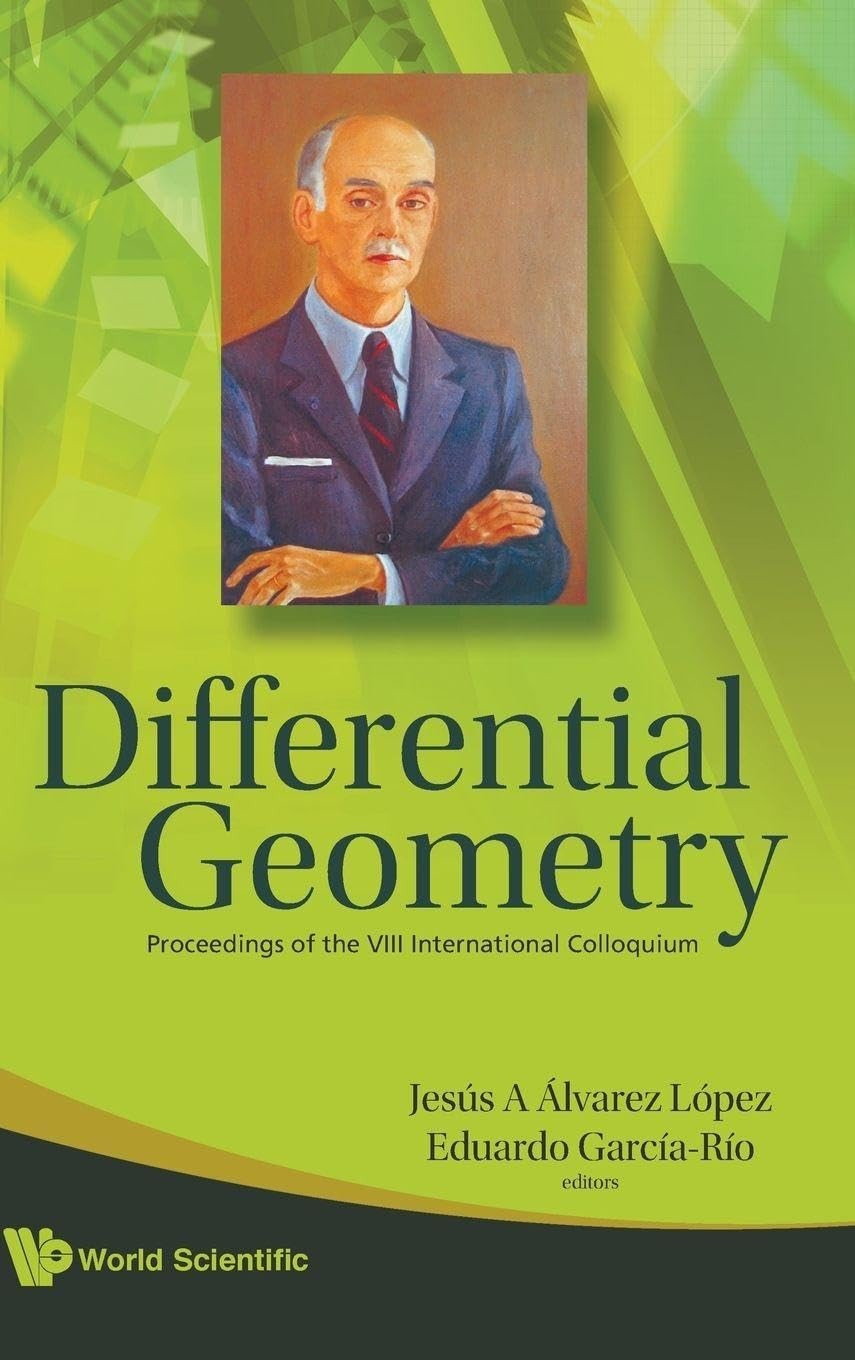
Differential Geometry - Proceedings of the VIII International Colloquium (English, Jesus A. Alvarez Lopez | Eduardo Garcia-Rio)
Mathematics
Mathematical Theory of Optimal Processes (Classics of Soviet Mathematics)
Related Products
View All
Statistics
Asymptotics in Statistics and Probability: Papers in Honor of George Gregory Roussas
Statistics
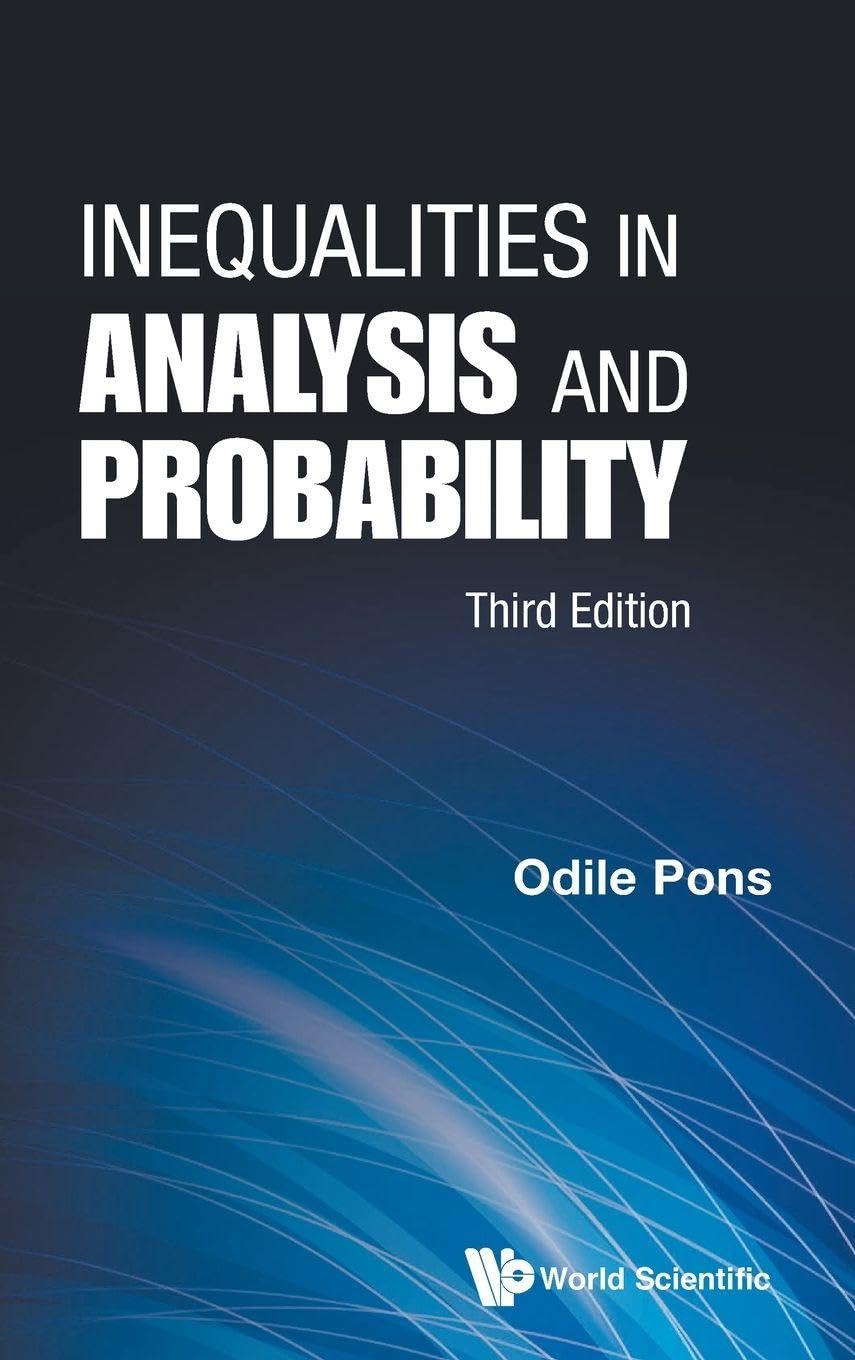
Inequalities in Analysis and Probability: 3rd Edition
Statistics
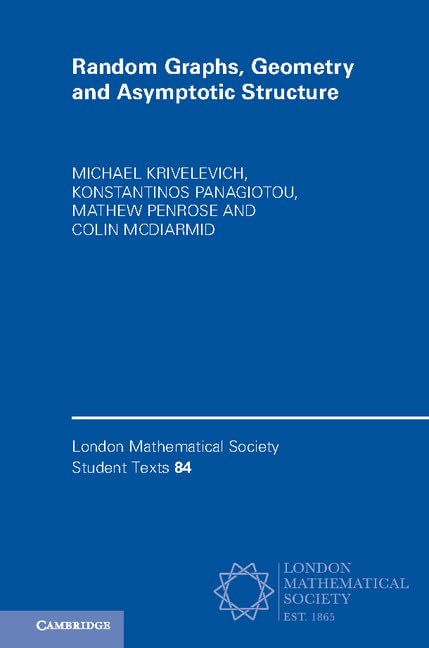
Random Graphs, Geometry and Asymptotic Structure
Statistics
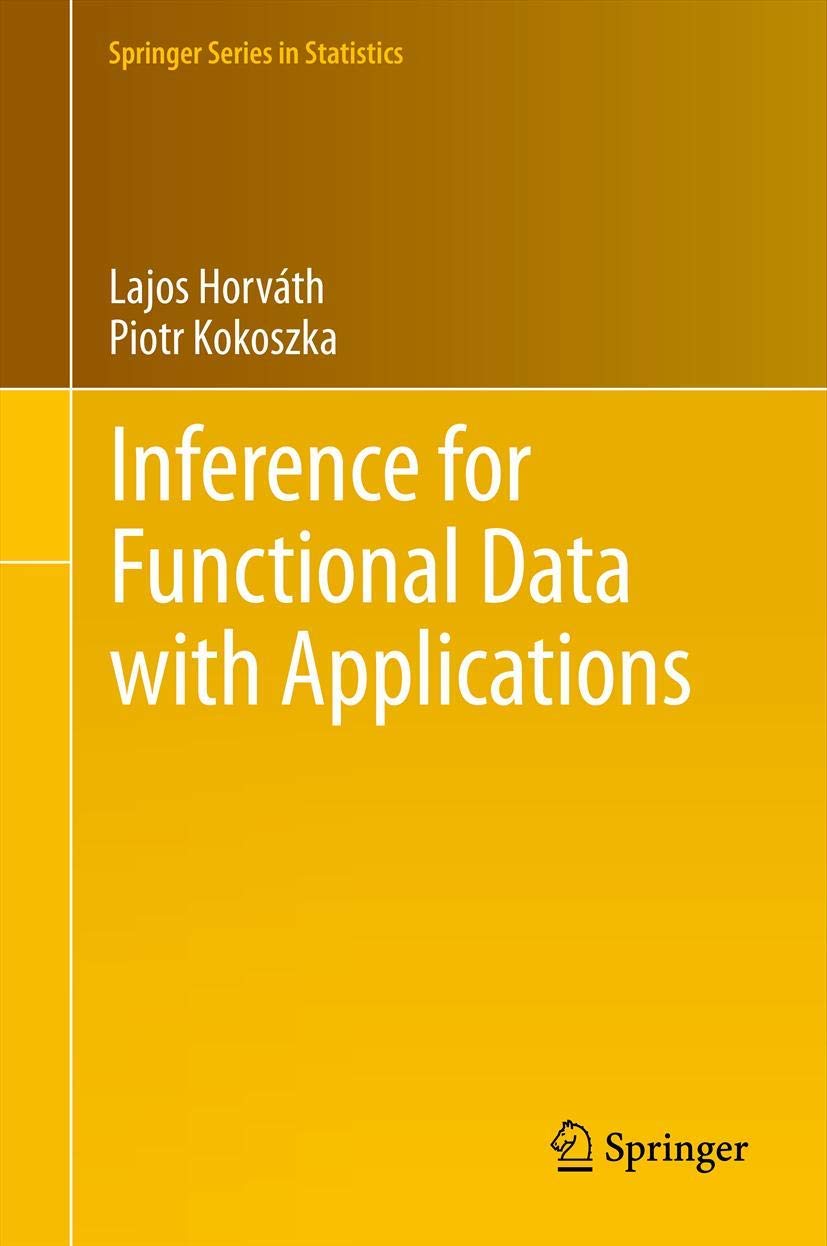
Inference for Functional Data With Applications: 200 (Springer Series in Statistics, 692)
Statistics
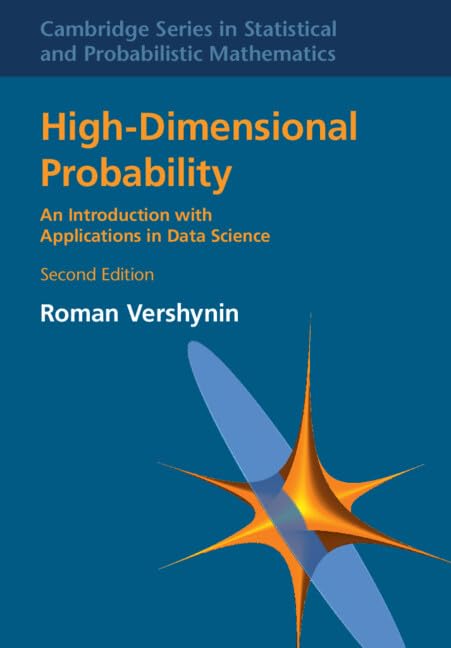
High-Dimensional Probability: An Introduction with Applications in Data Science (Cambridge Series in Statistical and Probabilistic Mathematics)
Statistics