

Religion, Law and the Politics of Ethical Diversity: Conscientious Objection and Contestation of Civil Norms by Proesche
Inclusive of all applicable taxes. FREE shipping on all orders.
Available Offers
- 🚚Free Delivery — Free shipping on all orders
- 💵Cash on Delivery — Pay when your order arrives
- ↩️15-Day Easy Returns — Hassle-free return policy
- 🔒Cash on Delivery — Pay safely when your order arrives
Check Delivery
Product Description
Introduction
In an increasingly pluralistic world, the intersection of religion, law, and personal conscience has become a critical arena of debate. Religion, Law and the Politics of Ethical Diversity: Conscientious Objection and Contestation of Civil Norms offers a timely and rigorous exploration of how individuals and communities challenge legal obligations on the grounds of religious belief. This multidisciplinary volume, edited by Proeschel Claude and published by Routledge, provides a comparative lens to understand the tensions between democratic citizenship, secular legal frameworks, and the growing demand for ethical diversity. For Indian readers—where religious pluralism and legal contestations are part of everyday life—this book sheds light on the global dynamics of conscientious objection, from healthcare and education to military service and marriage laws.
Book Overview
This hardcover volume brings together leading scholars from law, political science, sociology, and religious studies to examine the phenomenon of conscientious objection as a form of contestation of civil norms. The book moves beyond narrow legal definitions to explore the broader ethical, political, and social implications of refusing to comply with state mandates in the name of faith. It asks fundamental questions: What happens when personal conviction clashes with civic duty? How do democracies accommodate religiously motivated dissent without undermining the rule of law? Through case studies from Europe, North America, and Asia, the book offers a balanced analysis of the rights of conscience and the limits of tolerance in liberal societies.
Key Highlights
- Multidisciplinary approach: Combines insights from law, political theory, sociology, and comparative religion to create a holistic understanding of conscientious objection.
- Global comparative perspective: Examines case studies from India, the United States, the United Kingdom, France, Canada, and other jurisdictions, highlighting both commonalities and cultural specificities.
- Focus on contemporary controversies: Addresses hot-button issues such as religious exemptions in healthcare (abortion, vaccination), education (curriculum objections), and public services (same-sex marriage, military service).
- Critical engagement with secularism: Challenges conventional notions of the secular public sphere by arguing for the recognition of ethical pluralism as a cornerstone of democracy.
- Policy relevance: Offers practical frameworks for lawmakers, judges, and civil society actors navigating the delicate balance between religious freedom and civic obligations.
Inside the Book
The book is structured in two parts. The first part lays the theoretical groundwork, examining the meaning of freedom of conscience, the place of religion in secular democracies, and the philosophical justifications for accommodating dissent. The second part delves into specific domains of contestation—healthcare, education, employment, and family law—using detailed case studies to illustrate how conscientious objection operates in practice. Each chapter includes a critical analysis of legal judgments, policy debates, and ethical dilemmas, making the book both intellectually rigorous and practically useful. The volume concludes with a reflection on the future of ethical diversity in pluralistic societies.
Key Topics
- Conscientious objection in healthcare: abortion, contraception, blood transfusion, and vaccination
- Religious exemptions in education: curriculum protests, dress codes, and prayer in schools
- Employment law and religious accommodation: Sabbath observance, religious attire, and proselytism
- Family law and marriage: objections to same-sex marriage, divorce, and adoption by LGBTQ+ couples
- Military service and pacifism: conscientious objection in conscription systems
- The limits of religious freedom: when does objection become discrimination?
- Secularism, laïcité, and the public sphere: competing models of state-religion relations
- Ethical pluralism and democratic theory: reconciling individual conscience with collective norms
Reader Benefits
This book empowers readers to understand the complexities of religious freedom and legal obligation in a nuanced way. It provides a vocabulary for discussing ethical diversity without oversimplifying the tensions involved. Students will gain a solid foundation in comparative law and political theory, while practitioners—lawyers, policymakers, and religious leaders—will find actionable insights for navigating real-world conflicts. The book also encourages critical self-reflection: How do we, as citizens, balance our own convictions with the rights of others? For Indian readers, the comparative framework offers fresh perspectives on domestic debates around uniform civil codes, religious personal laws, and the right to freedom of conscience under Article 25 of the Constitution.
Learning Outcomes
By engaging with this book, readers will be able to: (1) define and distinguish between conscientious objection, civil disobedience, and religious exemption; (2) analyse the legal and philosophical arguments for and against accommodating religiously motivated dissent; (3) compare how different legal systems handle conflicts between religious freedom and civil norms; (4) evaluate the impact of conscientious objection on vulnerable groups and social equality; (5) develop informed opinions on controversial cases such as the refusal to provide reproductive healthcare services or to bake wedding cakes for same-sex couples; and (6) apply theoretical frameworks to real-world policy debates in India and beyond.
Who Should Read
This book is essential reading for undergraduate and postgraduate students in law, political science, sociology, religious studies, and philosophy. It is equally valuable for legal professionals, judges, human rights activists, policymakers, and members of religious communities engaged in advocacy. Journalists covering religion and law, as well as general readers interested in the intersection of faith and public life, will find the accessible yet scholarly tone highly rewarding. Indian readers—especially those following debates on the Uniform Civil Code, the Rights of Religious Minorities, and the role of the Supreme Court in defining secularism—will discover a rich comparative resource that illuminates local challenges through global examples.
About the Author
Proeschel Claude is a distinguished scholar in the field of law and religion, with a particular focus on the politics of ethical diversity in contemporary democracies. Based at the École Pratique des Hautes Études in Paris, Claude has published extensively on secularism, religious freedom, and the sociology of law. This edited volume brings together contributions from an international network of experts, ensuring a diversity of perspectives and methodological approaches. Claude’s editorial vision emphasizes dialogue across disciplines and cultures, making this book a landmark contribution to the study of conscientious objection.
About the Publisher
Routledge is one of the world’s leading academic publishers in the humanities and social sciences. With a legacy spanning over 150 years, Routledge is known for its rigorous peer-review process and commitment to advancing knowledge. This book is part of Routledge’s prestigious series on law and religion, which includes titles that shape policy debates and academic curricula globally. Indian readers can trust Routledge for authoritative, well-researched content that meets the highest scholarly standards.
Conclusion
Religion, Law and the Politics of Ethical Diversity: Conscientious Objection and Contestation of Civil Norms is more than an academic text—it is a vital resource for anyone seeking to understand the challenges of living together in a world of deep ethical differences. As India grapples with its own rich tapestry of religious and cultural diversity, this book offers tools for thoughtful engagement rather than simplistic answers. Whether you are a student, a lawyer, a policymaker, or a curious citizen, this volume will deepen your appreciation for the delicate art of balancing conscience and law. Order your copy today from Bookshops.in and join the conversation on the future of ethical pluralism.
Quick Summary
Religion, Law and the Politics of Ethical Diversity by Proeschel Claude is a multidisciplinary exploration of conscientious objection and the contestation of civil norms in the name of religious beliefs. The book examines how individuals and groups challenge legal obligations based on their convictions, and what this means for citizenship, democracy, and the rule of law. Through comparative analysis of different legal systems—including Europe, America, and Asia—it provides a comprehensive understanding of the tensions between individual conscience and state authority. This work is essential for law students, legal researchers, ethicists, and policy makers who seek to grasp the complexities of religious freedom and ethical diversity in pluralistic societies. By reading this book, you will gain insights into constitutional protections for conscience, the limits of legal pluralism, and the evolving nature of democratic citizenship. Purchase your copy from Bookshops.in, India's premium online bookstore, for a reliable and timely delivery of this important academic work.
Book Highlights
Book Specifications
| ISBN-13 | 9780367673772 |
| ISBN-10 | 0367673770 |
| Publisher | Routledge |
| Language | English |
| Dimensions | 16.2 x 1.68 x 23.99 cm |
| Weight | 431 g |
| Country | India |
| Category | Philosophy › History & Surveys |
| Genre | Non-fiction |
| Reading Age | Adult |
| Original Language | English |
Frequently Asked Questions
What is the main theme of this book?
Who is the author of Religion, Law and the Politics of Ethical Diversity?
Is this book relevant for Indian readers?
What disciplines does this book cover?
Does the book include case studies?
What is the ISBN of this book?
Is this book available in hardcover?
Which publisher released this book?
What language is the book written in?
How can this book help a law student?
Does the book discuss Indian law specifically?
What is the price of this book?
Is this book suitable for undergraduate students?
Can I buy this book from Bookshops.in?
Readers Also Search For
Customers Also Bought
Philosophy
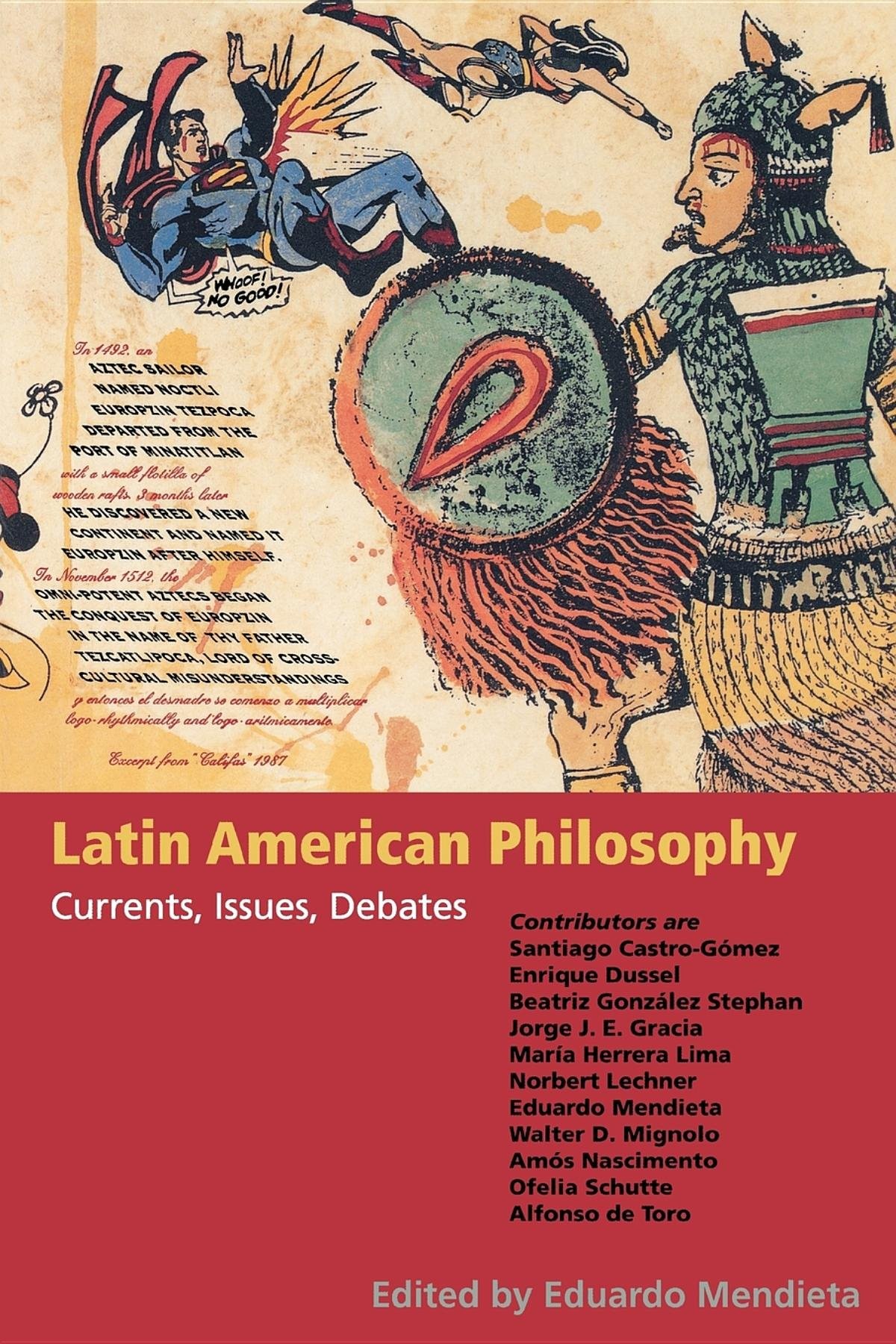
Latin American Philosophy: Currents, Issues, Debates by Eduardo Mendieta

Philosophy
Al-Farabi's Short Commentary on Aristotle's Prior Analytics by Nicholas Rescher – Philosophy

Philosophy
Poetics of Imagining: Modern to Post-modern by Richard Kearney
Philosophy
The Metaphysics of Extrinsic Properties: 11 (Metaphysical Research, 11)

Philosophy
Dialogues on Metaphysics and on Religion by Nicolas Malebranche – Philosophy
Philosophy
Metaphysics and Truthmakers: 18 (Philosophische Analyse / Philosophical Analysis, 18)
Related Products
View AllPhilosophy
Latin American Philosophy: Currents, Issues, Debates by Eduardo Mendieta
Philosophy
Al-Farabi's Short Commentary on Aristotle's Prior Analytics by Nicholas Rescher – Philosophy
Philosophy
Poetics of Imagining: Modern to Post-modern by Richard Kearney
Philosophy
The Metaphysics of Extrinsic Properties: 11 (Metaphysical Research, 11)
Philosophy
Dialogues on Metaphysics and on Religion by Nicolas Malebranche – Philosophy
Philosophy