
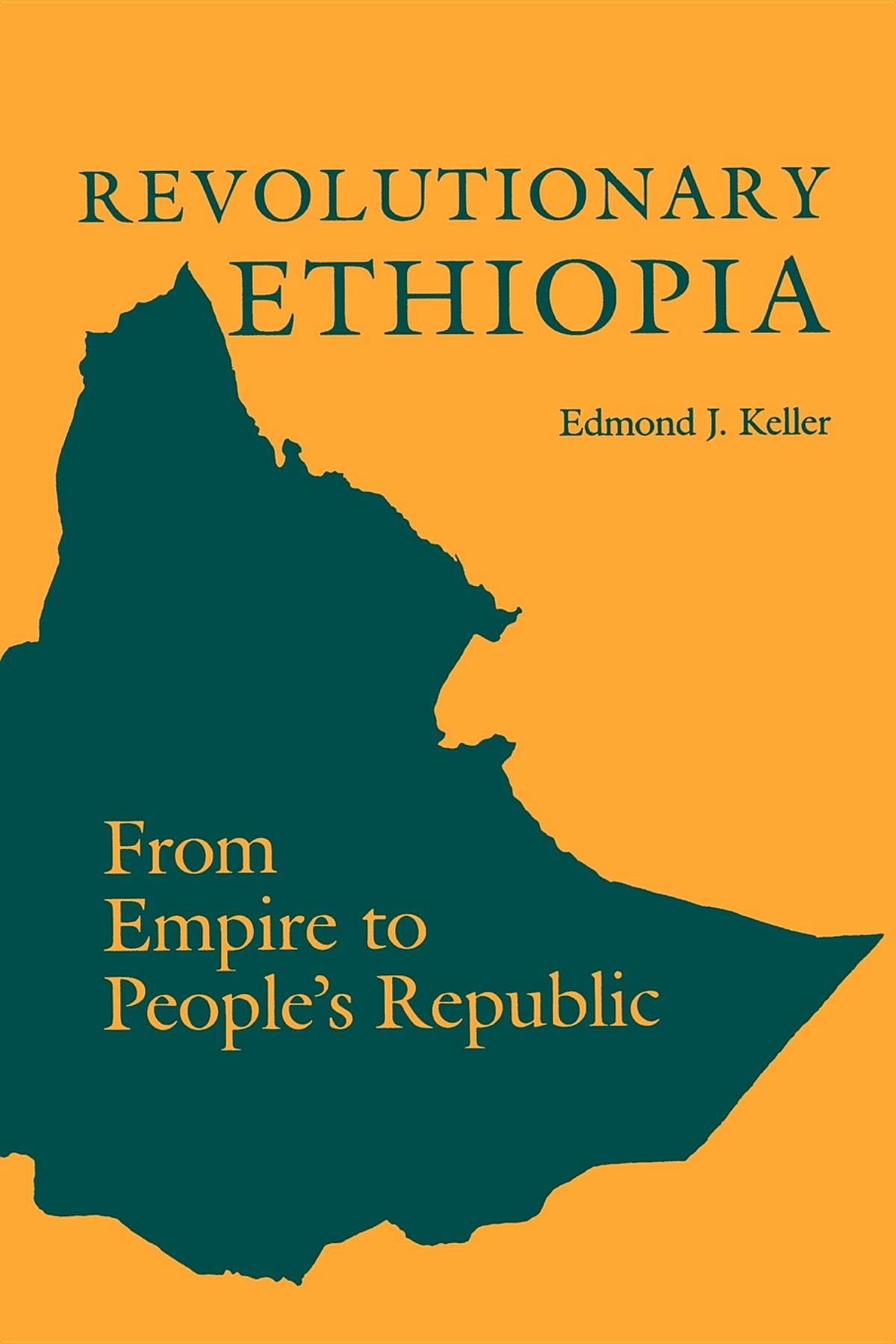
Revolutionary Ethiopia: From Empire to People's Republic by Edmond J. Keller – A Deep Dive into Ethiopia's Political Tra
Inclusive of all applicable taxes. FREE shipping on all orders.
Available Offers
- 🚚Free Delivery — Free shipping on all orders
- 💵Cash on Delivery — Pay when your order arrives
- ↩️15-Day Easy Returns — Hassle-free return policy
- 🔒Cash on Delivery — Pay safely when your order arrives
Check Delivery
Product Description
Introduction
Revolutionary Ethiopia: From Empire to People's Republic is a masterful work by Edmond J. Keller that offers a deep and analytical account of one of Africa's most transformative political upheavals. This hardcover edition, published by Indiana University Press, is an essential resource for Indian students, researchers, and history enthusiasts seeking to understand the complex journey of Ethiopia from an ancient empire to a modern people's republic. Keller's rigorous scholarship and comprehensive approach make this book a standout in the field of political science and African studies.
Book Overview
This volume traces the dramatic arc of Ethiopian history from the reign of Emperor Haile Selassie through the revolutionary period that brought the Dergue regime to power. Keller examines the social, economic, and political forces that shaped the revolution, including land tenure systems, ethnic tensions, and the role of the military. The book covers the decline of the imperial order, the rise of Marxist-Leninist ideology, and the eventual establishment of the People's Democratic Republic of Ethiopia. With meticulous research and clear prose, Keller presents a balanced and insightful narrative that captures the complexities of this pivotal era.
Key Highlights
- Comprehensive Analysis: The book provides a thorough examination of the Ethiopian revolution, from its roots in imperial rule to its culmination in a socialist state.
- Scholarly Rigor: Keller draws on a wide range of sources, including official documents, interviews, and secondary literature, to present a well-substantiated account.
- Accessible Prose: Despite its academic depth, the writing is clear and engaging, making it suitable for both students and general readers.
- Critical Perspectives: The author offers nuanced interpretations of key events and actors, avoiding simplistic narratives.
Inside the Book
Revolutionary Ethiopia is structured to guide readers through the historical and political landscape of Ethiopia. The early chapters explore the nature of Haile Selassie's empire, including its feudal structures and modernization efforts. Subsequent sections delve into the causes and course of the 1974 revolution, the consolidation of power by the Dergue, and the challenges of building a socialist state in a deeply traditional society. Keller also addresses the role of ethnic identity, the impact of Cold War geopolitics, and the legacy of the revolution for contemporary Ethiopia. The book includes detailed notes, a comprehensive bibliography, and an index for further research.
Key Topics
- Imperial Ethiopia: The political, economic, and social structures under Haile Selassie.
- Revolutionary Causes: Land inequality, student activism, military discontent, and economic crises.
- The Dergue Regime: The rise of Mengistu Haile Mariam and the implementation of Marxist policies.
- Ethnic and Regional Dynamics: The role of ethnicity in shaping revolutionary politics and conflicts.
- International Context: The influence of the Soviet Union, the United States, and neighbouring countries.
- Legacy and Aftermath: The transition to the People's Democratic Republic and its long-term impact.
Reader Benefits
This book offers Indian readers a unique opportunity to explore a non-Western case of revolutionary change. It provides valuable insights into the challenges of nation-building, the interplay between tradition and modernity, and the complexities of state formation in a multi-ethnic society. Students of political science, history, and development studies will find the comparative perspectives useful for understanding similar processes in South Asia. The book also enhances critical thinking by presenting multiple viewpoints and encouraging readers to question dominant narratives.
Learning Outcomes
By reading Revolutionary Ethiopia, you will be able to analyse the causes and consequences of the Ethiopian revolution, evaluate the role of leadership and ideology in political change, and understand the relationship between social structures and state power. You will also gain a deeper appreciation for the historical roots of contemporary Ethiopian politics and the challenges facing post-revolutionary societies. The book equips you with a framework for studying revolutions in other contexts, making it a valuable addition to your academic toolkit.
Who Should Read
This book is ideal for university students and scholars in African history, political science, sociology, and international relations. It is also highly recommended for Indian policymakers, journalists, and development professionals interested in comparative politics and the Horn of Africa. General readers with a passion for history and a curiosity about Ethiopia's unique journey will find this book both enlightening and rewarding.
About the Author
Edmond J. Keller is a distinguished professor of political science and African American studies at the University of California, Los Angeles. He has written extensively on African politics, with a particular focus on Ethiopia. His expertise and decades of research lend authority and depth to this work, making it a trusted reference in the field.
About the Publisher
Indiana University Press is a renowned academic publisher with a strong track record in African studies. Known for producing high-quality scholarly works, the press ensures that this hardcover edition meets rigorous standards of research and production.
Conclusion
Revolutionary Ethiopia: From Empire to People's Republic is an indispensable guide to understanding one of Africa's most significant political transformations. With its balanced analysis, rich detail, and accessible style, this book deserves a place on the shelf of every serious student of history and politics. Order your hardcover copy from Bookshops.in today and embark on a journey through Ethiopia's revolutionary past.
Quick Summary
Revolutionary Ethiopia: From Empire to People's Republic by Edmond J. Keller is a definitive academic work that traces Ethiopia's dramatic political journey from the autocratic rule of Emperor Haile Selassie to the establishment of a Marxist-Leninist state under the Dergue military junta. The book meticulously examines the social, economic, and geopolitical forces that culminated in the 1974 revolution, including land reforms, ethnic tensions, and Cold War dynamics. Keller provides a balanced analysis of the Dergue's policies, the Eritrean struggle, and the eventual transition to the Ethiopian People's Revolutionary Democratic Front. This book is primarily aimed at university students, researchers, and policy analysts specializing in African history, political science, and revolutionary studies. Readers will gain a nuanced understanding of state-building, ideology, and conflict in the Horn of Africa. By purchasing from Bookshops.in, you receive a genuine hardcover edition with fast delivery across India, ensuring a valuable addition to your academic library.
Book Highlights
Book Specifications
| ISBN-13 | 9780253206466 |
| ISBN-10 | 0253206464 |
| Publisher | Indiana University Press |
| Language | English |
| Dimensions | 15.34 x 2.29 x 23.39 cm |
| Weight | 499 g |
| Country | India |
| Category | Region & Countries › Africa |
| Genre | Non-fiction |
| Original Language | English |
Frequently Asked Questions
What is Revolutionary Ethiopia about?
Who is the author of Revolutionary Ethiopia?
Is this book suitable for Indian students?
Does the book cover the Eritrean conflict?
Is this book a primary or secondary source?
Can I use this book for my university dissertation?
Does the book include maps or illustrations?
What language is the book written in?
Is the book still relevant today?
What is the price of Revolutionary Ethiopia?
Where can I buy this book in India?
Does the book discuss the role of the Soviet Union?
Is this book part of a series?
Readers Also Search For
Related Products
View All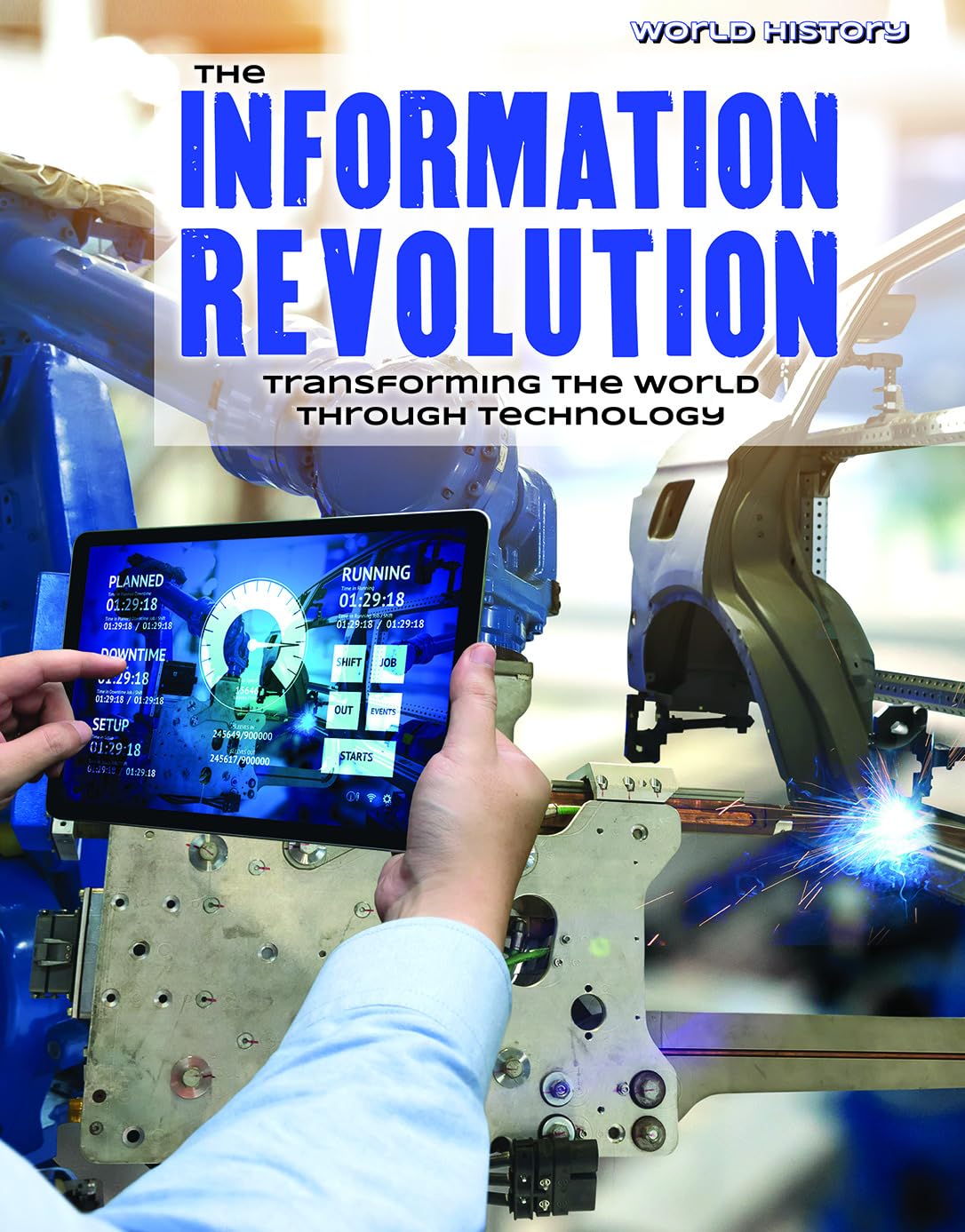
History
The Information Revolution: Transforming the World Through Technology (World History)
History
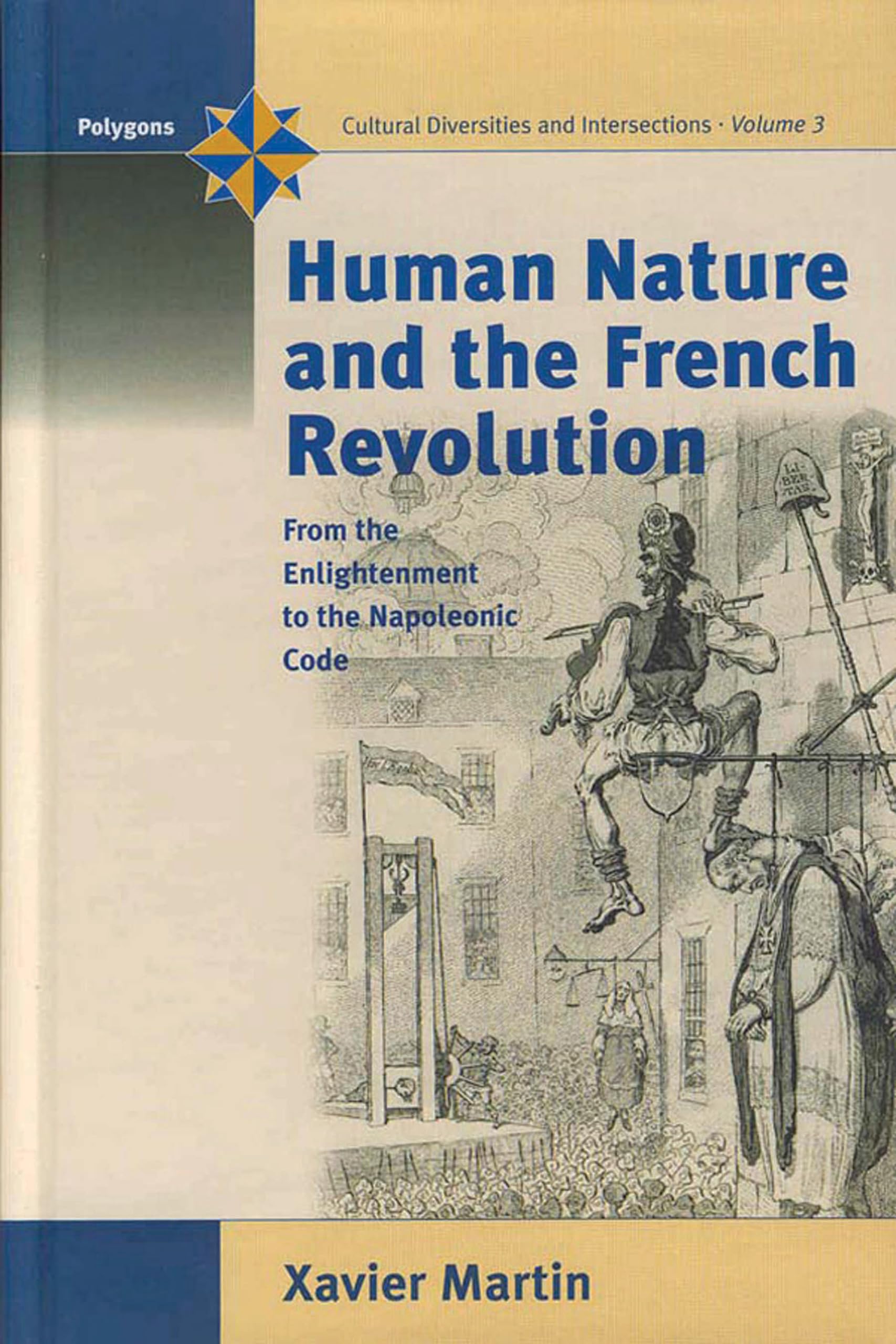
Human Nature and the French Revolution: From the Enlightenment to the Napoleonic Code: 3 (Polygons: Cultural Diversities and Intersections, 3)
History
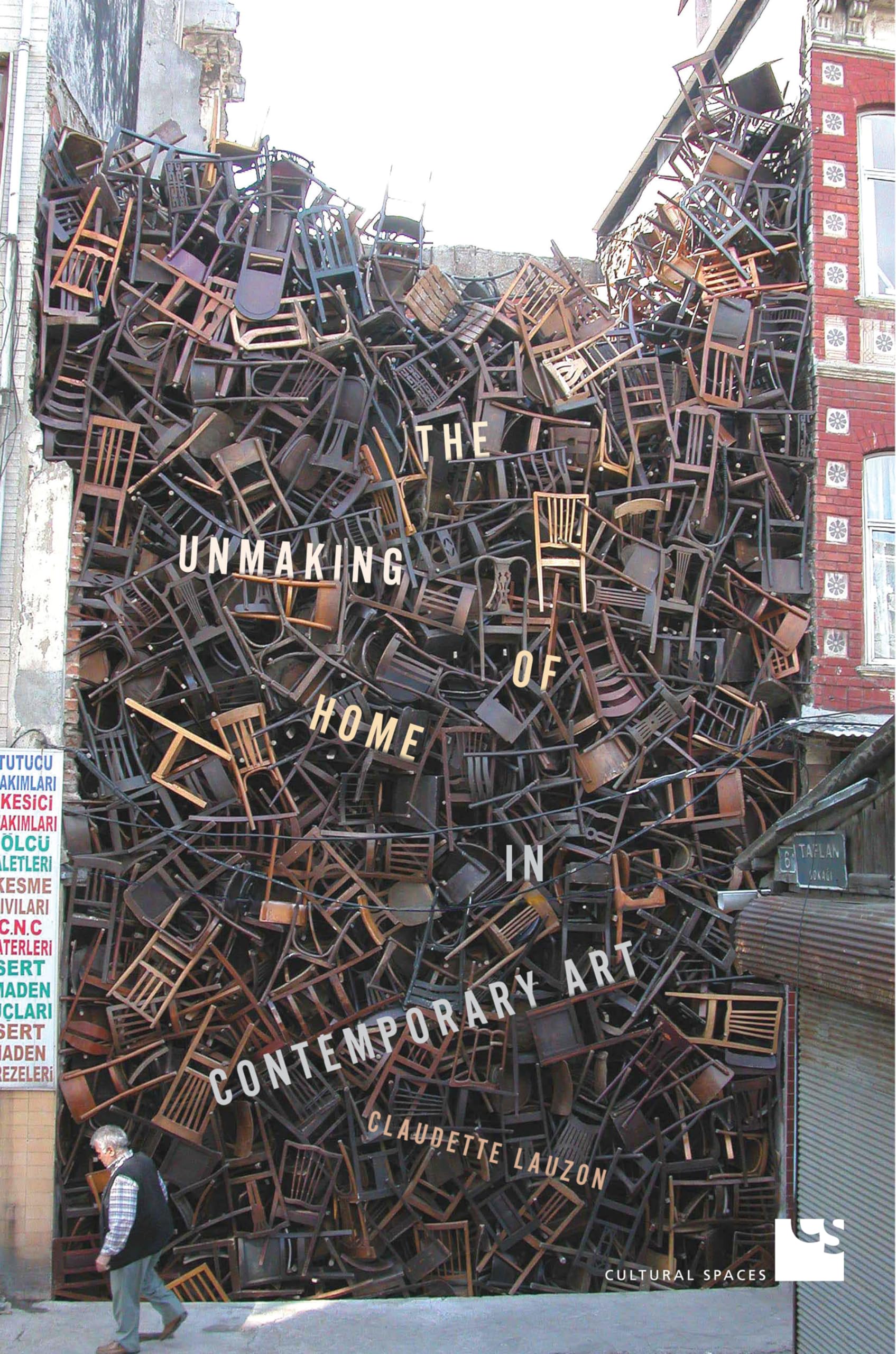
The Unmaking of Home in Contemporary Art (Cultural Spaces)

History
Handbook to Life in Medieval and Early Modern Japan | by William E. Deal | Oxford University Press | by William E. Deal | Oxford University Press | by William E. Deal | Oxford University Press | by William E. Deal | Oxford University Press | by William E. Deal | Oxford University Press | by William E. Deal | Oxford University Press | by William E. Deal | Oxford University Press | by William E. Deal | Oxford University Press | by William E. Deal | Oxford University Press | by William E. Deal | Ox

History
The Narrators of Barbarian History (A.D. 550-800) | by Walter Goffart | University of Notre Dame Press | by Walter Goffart | University of Notre Dame Press | by Walter Goffart | University of Notre Dame Press | by Walter Goffart | University of Notre Dame Press | by Walter Goffart | University of Notre Dame Press | by Walter Goffart | University of Notre Dame Press | by Walter Goffart | University of Notre Dame Press | by Walter Goffart | University of Notre Dame Press | by Walter Goffart | Univ
History