

Run Home If You Don't Want to Be Killed: The Detroit Uprising of 1943 by Rachel Marie-Crane Williams – A Graphic Retelli
Inclusive of all applicable taxes. FREE shipping on all orders.
Available Offers
- 🚚Free Delivery — Free shipping on all orders
- 💵Cash on Delivery — Pay when your order arrives
- ↩️15-Day Easy Returns — Hassle-free return policy
- 🔒Cash on Delivery — Pay safely when your order arrives
Check Delivery
Product Description
Introduction
In the sweltering summer of 1943, Detroit became a crucible of racial violence and social upheaval, a tragedy that would claim thirty-four lives and scar the city for generations. Rachel Marie-Crane Williams’ Run Home If You Don't Want to Be Killed: The Detroit Uprising of 1943 is not merely a history book—it is a powerful graphic narrative that brings to life the voices, fears, and resilience of those who endured one of America’s most devastating race riots. Published by the University of North Carolina Press, this hardcover volume is an essential addition for students, scholars, and anyone seeking to understand the deep roots of racial injustice in urban America.
Book Overview
This meticulously researched work combines hand-drawn illustrations, archival dialogue, and firsthand accounts collected by the NAACP to reconstruct the events leading up to, during, and after the Detroit uprising. Williams transforms dry historical records into a vivid, immersive experience that captures the tension between wartime industrial prosperity and the brutal realities of segregation. The narrative follows ordinary citizens, police officers, and activists as their lives collide on the streets of Detroit, revealing how systemic racism, economic inequality, and wartime hysteria ignited a firestorm of violence. The book does not shy away from the grim statistics: most of the dead were Black, and over half were killed by police. Yet it also highlights moments of courage, community solidarity, and the early stirrings of the civil rights movement.
Key Highlights
- Graphic storytelling format that makes history accessible and emotionally resonant, blending art with archival truth.
- Firsthand NAACP testimonies bring authentic voices from the uprising, preserving the memories of survivors and witnesses.
- Original hand-drawn illustrations by the author, capturing the chaos, grief, and humanity of the events.
- Critical examination of police violence and state-sanctioned racism, relevant to contemporary discussions on racial justice.
- Contextual chapters on Detroit’s industrial boom, housing segregation, and the Great Migration.
Inside the Book
The book is structured as a graphic nonfiction narrative, with each chapter unfolding like a visual documentary. Williams’ art style is raw and evocative—ink-and-pencil drawings that convey both the intimacy of personal stories and the scale of collective trauma. Dialogue is drawn directly from historical transcripts, giving readers a direct line to the past. The book includes maps of Detroit’s neighborhoods, timelines of the uprising, and detailed notes on sources. It also features a foreword that contextualizes the events within the broader history of American racial violence. The hardcover edition is printed on high-quality paper, ensuring that the illustrations are rendered with clarity and impact.
Key Topics
- The Detroit Uprising of 1943 — causes, timeline, and aftermath.
- Racial segregation and housing discrimination in mid-century urban America.
- Police brutality and systemic racism in law enforcement.
- The Great Migration and its impact on Northern industrial cities.
- Wartime social tensions and the struggle for civil rights.
- Memory and historical justice — how communities remember trauma.
Reader Benefits
Readers will gain a deeply human understanding of a pivotal but often overlooked event in American history. The graphic format allows for emotional engagement that traditional textbooks rarely achieve, making the material stick long after the last page. Students will find the book a valuable supplement to courses on American history, African American studies, or visual narrative. For educators, it offers a unique tool to spark discussions on race, violence, and resistance. General readers will appreciate the gripping storytelling and the haunting beauty of Williams’ art. The book also provides historical context that illuminates current debates about policing, urban inequality, and racial justice in the United States.
Learning Outcomes
- Understand the complex social and economic factors that led to the 1943 Detroit uprising.
- Analyze the role of police violence in perpetuating racial oppression.
- Evaluate the power of graphic narratives as a tool for historical memory.
- Connect the 1943 events to the broader civil rights movement and contemporary racial justice struggles.
- Develop critical thinking about how history is told and whose voices are centered.
Who Should Read
This book is ideal for university students and scholars of American history, African American studies, sociology, and visual arts. It is also highly recommended for high school educators seeking engaging primary-source material. General readers with an interest in graphic nonfiction, social justice, or urban history will find it compelling. Book clubs and community groups focused on racial equity will discover rich material for discussion. Finally, artists and illustrators will appreciate Williams’ innovative approach to documentary storytelling.
About the Author
Rachel Marie-Crane Williams is an associate professor at the University of Iowa, where she teaches in the School of Art and Art History and the Gender, Women’s, and Sexuality Studies program. A scholar-artist with a deep commitment to social justice, she has published extensively on visual storytelling, race, and gender. Her work often centers marginalized voices, and she has received numerous grants for her community-engaged research. Run Home If You Don't Want to Be Killed represents the culmination of years of archival research, artistic practice, and a profound belief in the power of images to bear witness.
About the Publisher
The University of North Carolina Press is a distinguished academic publisher known for its rigorous scholarship in American history, Southern studies, and African American studies. Founded in 1922, the press has a long tradition of publishing works that challenge and deepen our understanding of the American experience. This hardcover edition reflects their commitment to producing high-quality, visually rich books that serve both academic and general audiences.
Conclusion
Run Home If You Don't Want to Be Killed: The Detroit Uprising of 1943 is more than a history lesson—it is a visceral reminder of how quickly a society can unravel when racism is left unchecked. Rachel Marie-Crane Williams has created a work of art and scholarship that demands to be seen, read, and remembered. For Indian readers and students who seek to understand the global struggle against racial injustice, this book offers both a window into America’s past and a mirror for our own times. Add this essential hardcover to your library today from Bookshops.in, India’s premier online bookstore for quality nonfiction.
Quick Summary
Run Home If You Don't Want to Be Killed: The Detroit Uprising of 1943 by Rachel Marie-Crane Williams is a powerful graphic history that immerses readers in the devastating race riot of June 1943 in Detroit. Through vivid illustrations and firsthand accounts collected by the NAACP, Williams reconstructs the events that left 34 people dead, most of them Black, and over half killed by police. The book explores the deep-seated racism, wartime industrial pressures, and emerging civil rights movement that set the stage for the violence. It is designed for students, history enthusiasts, and anyone seeking to understand the roots of racial injustice in America. Readers will gain a visceral sense of the chaos, pain, and resilience of the African American community. By blending meticulous research with graphic storytelling, Williams makes this historical tragedy accessible and unforgettable. Buying from Bookshops.in ensures you receive an authentic hardcover edition, supporting a premium Indian bookstore dedicated to quality nonfiction.
Book Highlights
Book Specifications
| ISBN-13 | 9781469663265 |
| ISBN-10 | 1469663260 |
| Publisher | The University of North Carolina Press |
| Language | English |
| Dimensions | 17.78 x 1.75 x 25.4 cm |
| Weight | 703 g |
| Country | India |
| Category | Americas › United States |
| Genre | History |
| Reading Age | Adult |
| Original Language | English |
Frequently Asked Questions
What is the Detroit uprising of 1943?
Who is Rachel Marie-Crane Williams?
Is this book a graphic novel?
What sources does the book use?
What is the price of this book in India?
Is this book suitable for academic study?
Does the book include maps or illustrations?
What makes this book different from other history books?
Can Indian readers relate to this book?
Is the book available in paperback?
What is the ISBN-13?
How is the book rated?
Readers Also Search For
Related Products
View All
History
The Information Revolution: Transforming the World Through Technology (World History)

History
Human Nature and the French Revolution: From the Enlightenment to the Napoleonic Code: 3 (Polygons: Cultural Diversities and Intersections, 3)
History
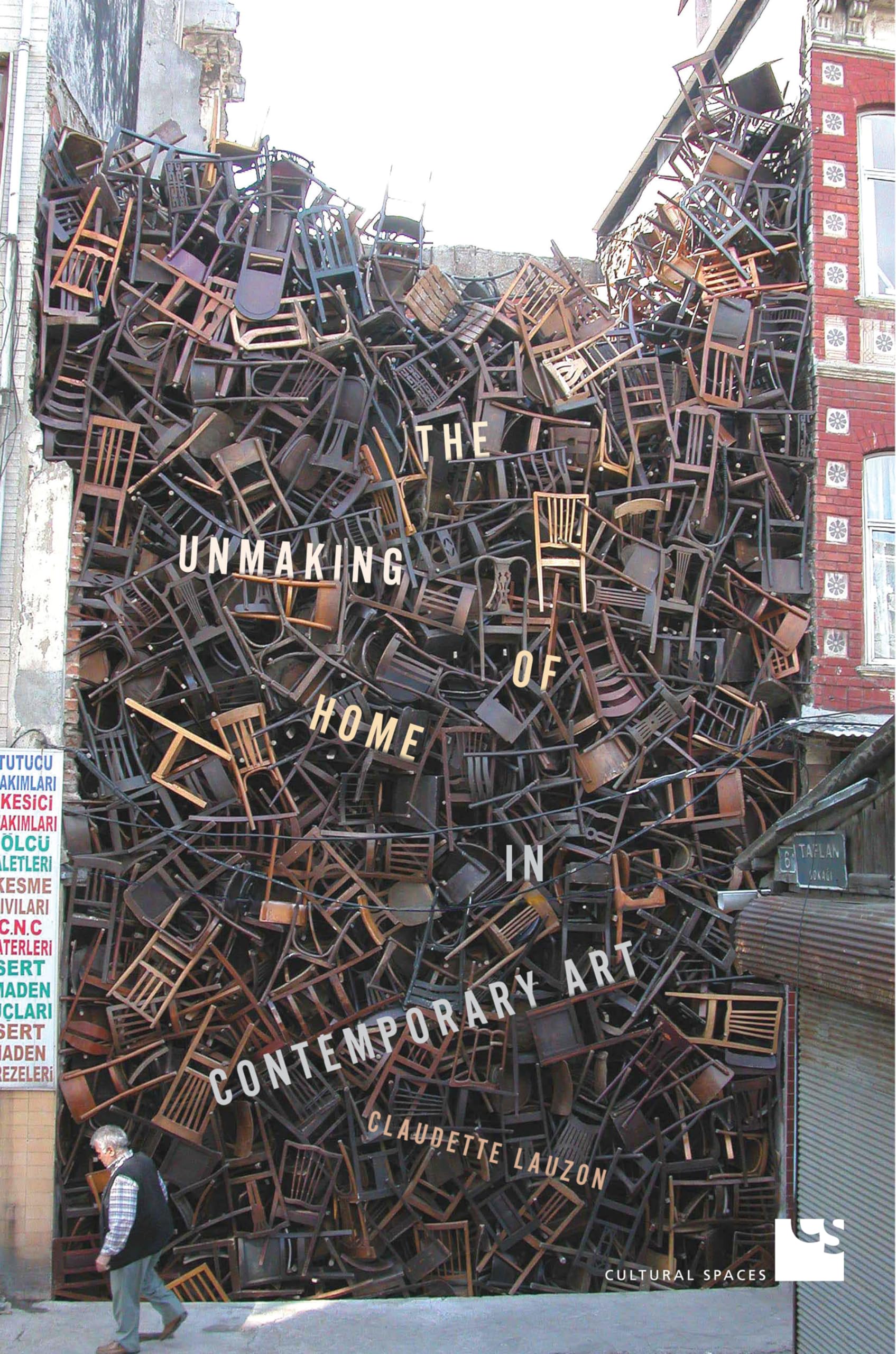
The Unmaking of Home in Contemporary Art (Cultural Spaces)

History
Handbook to Life in Medieval and Early Modern Japan | by William E. Deal | Oxford University Press | by William E. Deal | Oxford University Press | by William E. Deal | Oxford University Press | by William E. Deal | Oxford University Press | by William E. Deal | Oxford University Press | by William E. Deal | Oxford University Press | by William E. Deal | Oxford University Press | by William E. Deal | Oxford University Press | by William E. Deal | Oxford University Press | by William E. Deal | Ox

History
The Narrators of Barbarian History (A.D. 550-800) | by Walter Goffart | University of Notre Dame Press | by Walter Goffart | University of Notre Dame Press | by Walter Goffart | University of Notre Dame Press | by Walter Goffart | University of Notre Dame Press | by Walter Goffart | University of Notre Dame Press | by Walter Goffart | University of Notre Dame Press | by Walter Goffart | University of Notre Dame Press | by Walter Goffart | University of Notre Dame Press | by Walter Goffart | Univ

History