

Run Home If You Don't Want to Be Killed: The Detroit Uprising of 1943 by Rachel Marie-Crane Williams – A Graphic Retelli
Inclusive of all applicable taxes. FREE shipping on all orders.
Available Offers
- 🚚Free Delivery — Free shipping on all orders
- 💵Cash on Delivery — Pay when your order arrives
- ↩️15-Day Easy Returns — Hassle-free return policy
- 🔒Cash on Delivery — Pay safely when your order arrives
Check Delivery
Product Description
Introduction
In the turbulent summer of 1943, Detroit became the stage for one of the most devastating racial upheavals in American history. Rachel Marie-Crane Williams’ Run Home If You Don't Want to Be Killed: The Detroit Uprising of 1943 is a powerful graphic history that brings to life the violence, fear, and systemic injustice that erupted in the city. Published by the University of North Carolina Press, this hardcover volume is an essential read for students, historians, and anyone seeking to understand the deep roots of racial conflict in urban America. Through a unique blend of hand-drawn illustrations, firsthand accounts, and historical narration, Williams transforms archival records into a visceral, unforgettable experience.
Book Overview
This book is not a dry historical text but a compelling graphic retelling of the Detroit uprising, which claimed thirty-four lives—most of them Black—and left over seven hundred injured. Williams uses primary sources, including testimonies collected by the NAACP, to reconstruct the events of June 1943. The narrative moves from the pressures of wartime industrial production to the rising tensions of the early civil rights movement, showing how racism, police violence, and economic inequality sparked a catastrophic explosion. The title itself echoes the desperate warnings shouted by Black residents as they fled the streets. The book’s graphic format makes the history immediate and emotionally resonant, reminding readers that these events are not distant relics but echoes of ongoing struggles.
Key Highlights
- Graphic narrative format: Combines hand-drawn artwork with historical dialogue and narration for an immersive reading experience.
- Firsthand accounts: Draws directly from NAACP archives and survivor testimonies, giving voice to those who lived through the violence.
- Rigorous historical research: Every scene is grounded in primary sources, ensuring accuracy while maintaining emotional impact.
- Focus on systemic injustice: Highlights how police killed over half of the victims, revealing state-sanctioned violence against Black communities.
- Contextual depth: Explores the social, economic, and political pressures that led to the uprising, including wartime migration and racial segregation.
Inside the Book
Williams’ artwork is stark and evocative, using black-and-white illustrations to convey the chaos and sorrow of the uprising. The book is structured as a chronological graphic narrative, moving from the buildup of tensions in the city’s factories and neighborhoods to the violent clashes on the streets. Panels are interspersed with excerpts from historical documents, newspaper headlines, and personal letters, creating a layered tapestry of voices. The narration is minimal but powerful, allowing the images and dialogues to carry the story. Readers will find themselves transported into the heat of June 1943, witnessing the fear, anger, and resilience of Detroit’s Black residents.
Key Topics
- Racial violence and police brutality: The disproportionate killing of Black citizens by law enforcement.
- Wartime industrial migration: How the Second World War drew thousands of Black workers to Detroit, intensifying racial competition for jobs and housing.
- The early civil rights movement: The NAACP’s role in documenting and challenging racial injustice.
- Urban segregation and housing discrimination: The systemic barriers that confined Black families to overcrowded, under-resourced neighborhoods.
- Memory and historical reckoning: How the 1943 uprising has been remembered, forgotten, or distorted over time.
Reader Benefits
This book offers more than historical knowledge—it provides a visceral understanding of how racism operates in real time. For students, it makes complex social dynamics accessible through visual storytelling. For educators, it serves as a powerful teaching tool to discuss systemic inequality, police violence, and the roots of modern racial justice movements. For general readers, it offers a gripping, human-centered narrative that challenges simplistic narratives about race and history. The graphic format also makes it ideal for reluctant readers or those who prefer visual learning.
Learning Outcomes
- Understand the causes and consequences of the 1943 Detroit uprising.
- Analyze the role of police violence in maintaining racial hierarchies.
- Evaluate the impact of wartime industrialization on urban racial dynamics.
- Recognize the importance of primary sources in reconstructing marginalized histories.
- Draw connections between historical events and contemporary issues of racial justice.
Who Should Read
This book is ideal for university students in history, sociology, African American studies, and visual arts. It is also highly recommended for high school teachers looking for engaging, academically rigorous materials on American race relations. General readers interested in graphic nonfiction, social justice, or the untold stories of American cities will find it deeply rewarding. Book clubs and discussion groups focused on race, history, or memory studies will also benefit from its rich narrative and accessible format.
About the Author
Rachel Marie-Crane Williams is a scholar, artist, and professor whose work bridges visual art and historical research. She is known for using graphic narratives to explore marginalized histories, particularly those involving race, gender, and violence. Her previous works have been praised for their meticulous research and emotional depth. Williams teaches at the University of Iowa, where she continues to develop projects that combine creative practice with social justice. In Run Home If You Don't Want to Be Killed, she brings her expertise in both art and history to bear on a pivotal moment in American urban life.
About the Publisher
The University of North Carolina Press is a prestigious academic publisher known for its rigorous scholarship in American history, African American studies, and southern culture. Founded in 1922, it has published numerous award-winning works that challenge readers to rethink conventional narratives. This hardcover edition reflects the press’s commitment to producing high-quality, visually compelling books that serve both academic and general audiences. UNC Press’s dedication to amplifying underrepresented voices makes it the ideal home for Williams’ groundbreaking graphic history.
Conclusion
Run Home If You Don't Want to Be Killed is a searing, essential work that forces readers to confront the brutal realities of racial violence in America. Rachel Marie-Crane Williams’ innovative use of the graphic format transforms archival documents into a living, breathing story that stays with you long after the last page. For Indian readers and students seeking to understand the global dimensions of racial injustice, this book offers a powerful lens into a history that still reverberates today. It is not merely a history lesson—it is a call to remember, to reckon, and to act.
Quick Summary
Run Home If You Don't Want to Be Killed is a groundbreaking graphic history that transports readers to the streets of Detroit in June 1943, when racial tensions exploded into three days of deadly violence. Rachel Marie-Crane Williams masterfully weaves together firsthand accounts from the NAACP archives with her own evocative illustrations, creating a visceral narrative of a city torn apart by segregation, wartime economic pressures, and police brutality. The book documents the 34 lives lost, the hundreds injured, and the deep scars left on the community. It is not just a history but a meditation on memory and injustice. This book is ideal for Indian students, history enthusiasts, and anyone seeking to understand the roots of systemic racism in America. By purchasing from Bookshops.in, you support a premium Indian bookstore that curates important global titles, ensuring you receive a high-quality hardcover edition that will last. Readers will come away with a profound understanding of how racial violence shapes societies and why remembering such events matters today.
Book Highlights
Book Specifications
| ISBN-13 | 9781469663272 |
| ISBN-10 | 1469663279 |
| Publisher | Univ of North Carolina Pr |
| Language | English |
| Dimensions | 17.78 x 2.54 x 25.4 cm |
| Weight | 608 g |
| Category | Americas › United States |
| Genre | History |
| Original Language | English |
Frequently Asked Questions
What is the Detroit uprising of 1943?
Who is Rachel Marie-Crane Williams?
Is this book a graphic novel?
What sources does the book use?
Is this book suitable for Indian readers?
What is the price of this book?
What is the language of the book?
Does the book contain violence?
What is the ISBN-13?
Is this book part of a series?
What is the rating of this book?
Can I use this book for academic research?
Readers Also Search For
Related Products
View All
History
The Information Revolution: Transforming the World Through Technology (World History)

History
Human Nature and the French Revolution: From the Enlightenment to the Napoleonic Code: 3 (Polygons: Cultural Diversities and Intersections, 3)
History
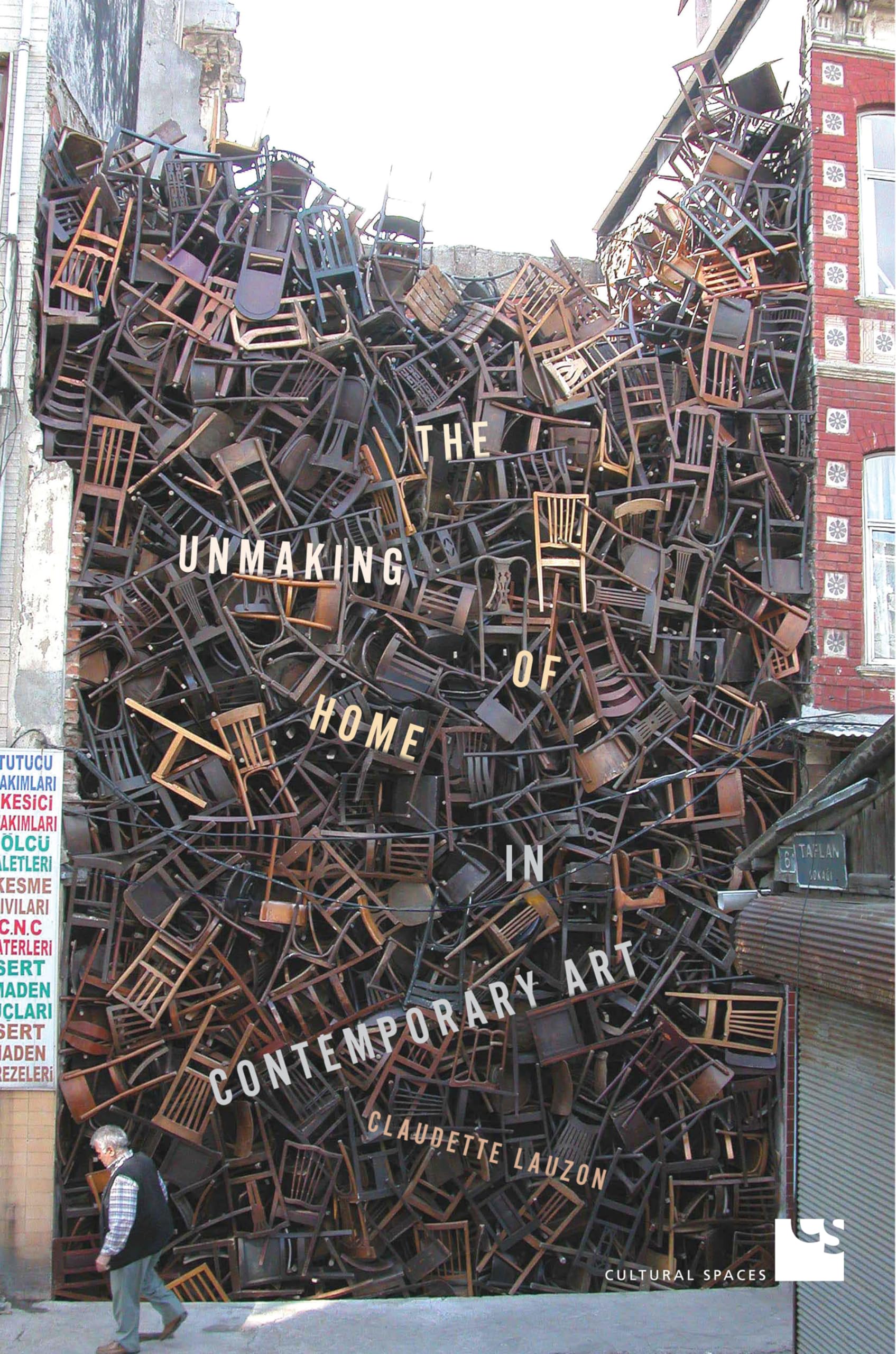
The Unmaking of Home in Contemporary Art (Cultural Spaces)

History
Handbook to Life in Medieval and Early Modern Japan | by William E. Deal | Oxford University Press | by William E. Deal | Oxford University Press | by William E. Deal | Oxford University Press | by William E. Deal | Oxford University Press | by William E. Deal | Oxford University Press | by William E. Deal | Oxford University Press | by William E. Deal | Oxford University Press | by William E. Deal | Oxford University Press | by William E. Deal | Oxford University Press | by William E. Deal | Ox

History
The Narrators of Barbarian History (A.D. 550-800) | by Walter Goffart | University of Notre Dame Press | by Walter Goffart | University of Notre Dame Press | by Walter Goffart | University of Notre Dame Press | by Walter Goffart | University of Notre Dame Press | by Walter Goffart | University of Notre Dame Press | by Walter Goffart | University of Notre Dame Press | by Walter Goffart | University of Notre Dame Press | by Walter Goffart | University of Notre Dame Press | by Walter Goffart | Univ

History